Paraplesiops meleagris
Spot Western Blue Devil on temperate reefs in Western Australia, South Australia and Victoria. Sightings peak Dec, May in 15-21 °C water.
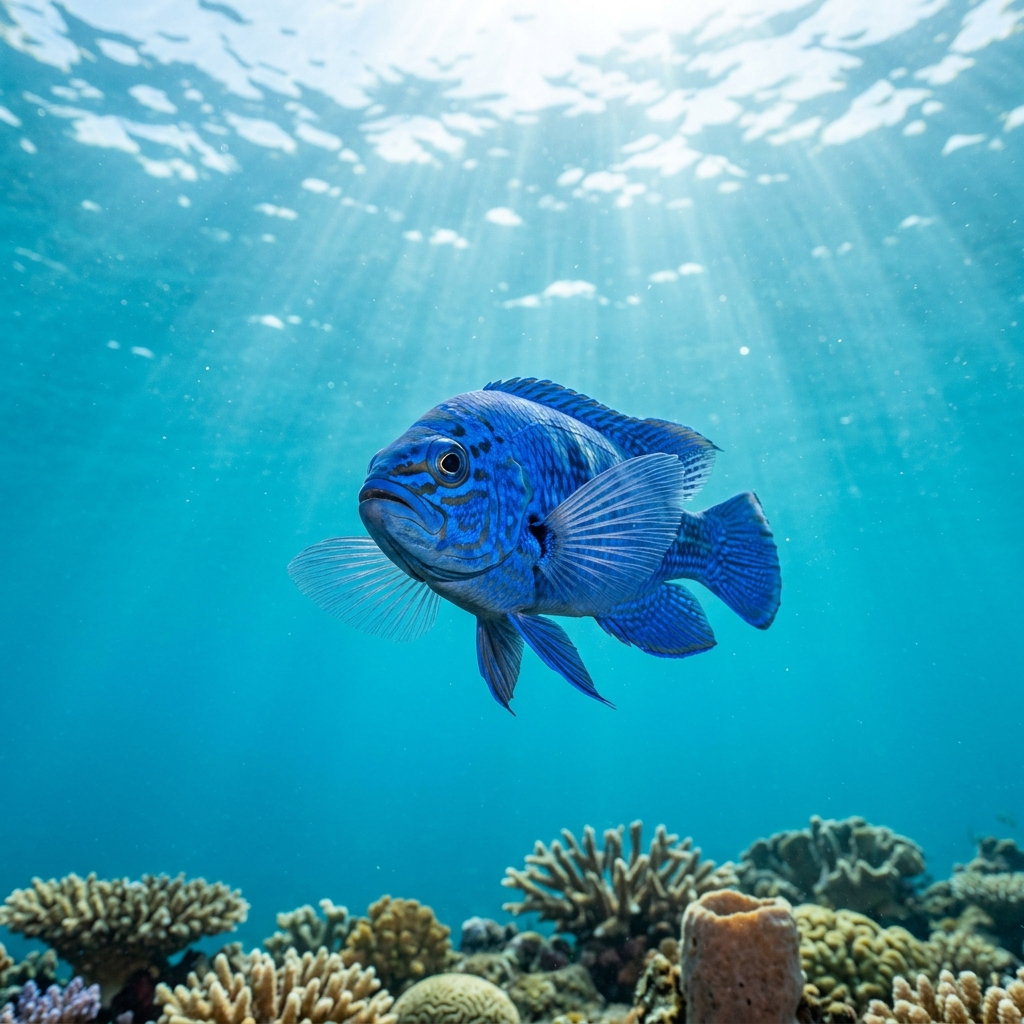
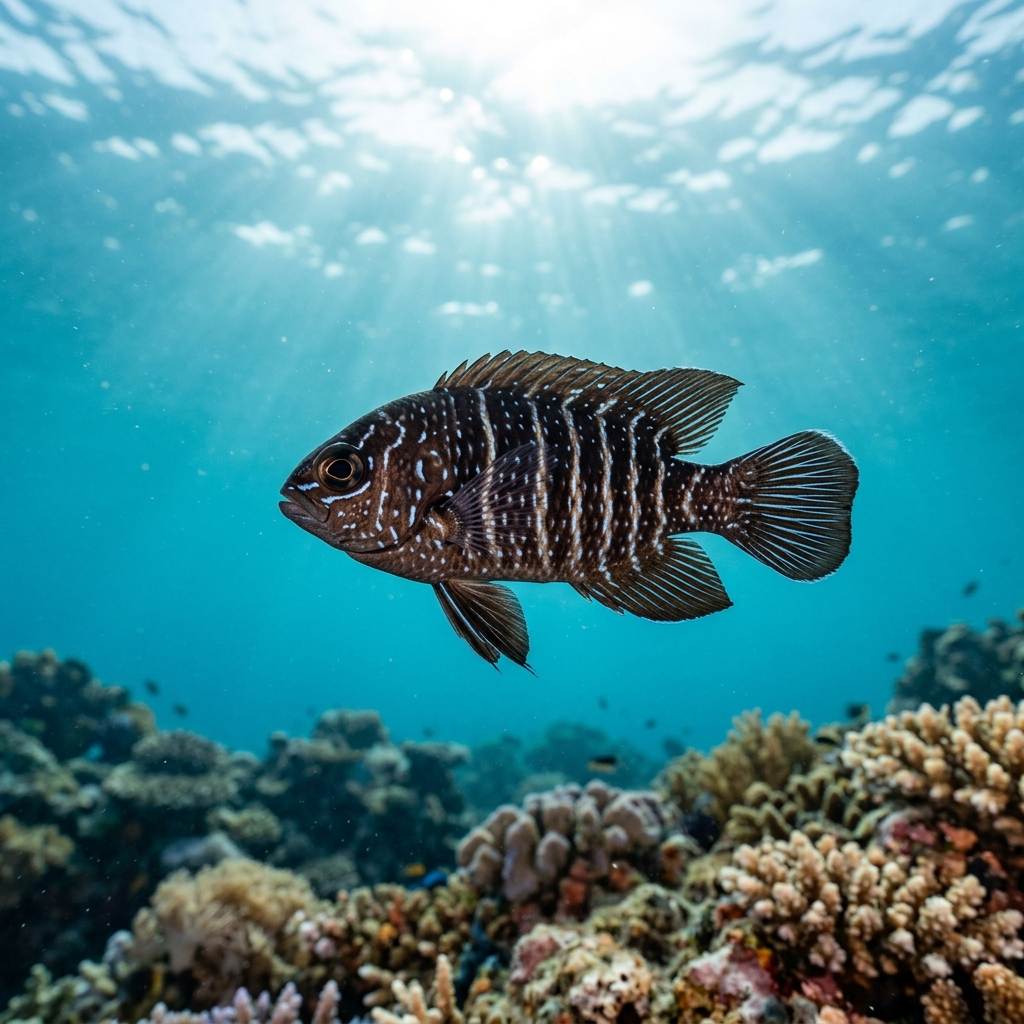
Bold cobalt-blue and bright yellow markings make this one of the most visually striking temperate reef fish in Australian waters, reaching around 23 cm. Look for the chunky, rounded body covered in a mosaic of blue and yellow patches with scattered white or pale spots, and a large head with a wide mouth. Juveniles look completely different: dark brown to black with thin pale blue or white vertical bars, so the two age classes can easily be mistaken for separate species.
Western Blue Devils are cave and crevice dwellers, typically found tucked under ledges or inside rocky overhangs on temperate reef. They tend to hold their position when approached rather than bolting, making patient divers more likely to get a close look. Encounters are most often solitary, with individuals occupying a preferred shelter site that they return to repeatedly.
Like other plesiopids, Western Blue Devils are thought to be territorial and site-faithful, meaning if you find one at a specific crack or overhang, there is a good chance it will be there on your next dive too.
Sightings concentrate between December and May across the southern Australian sites where the species is most consistently recorded. This aligns with the warmer end of its cool-water niche, typically 15 to 21 °C.
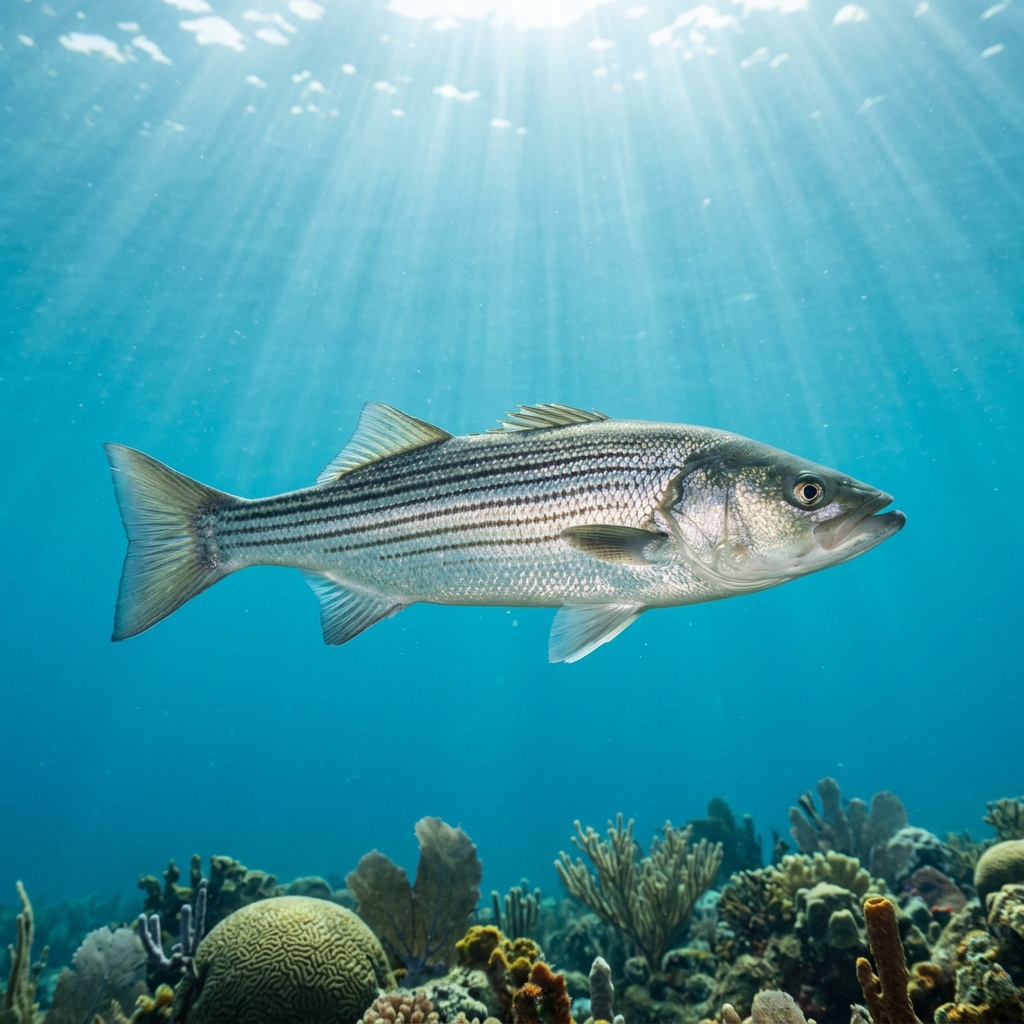
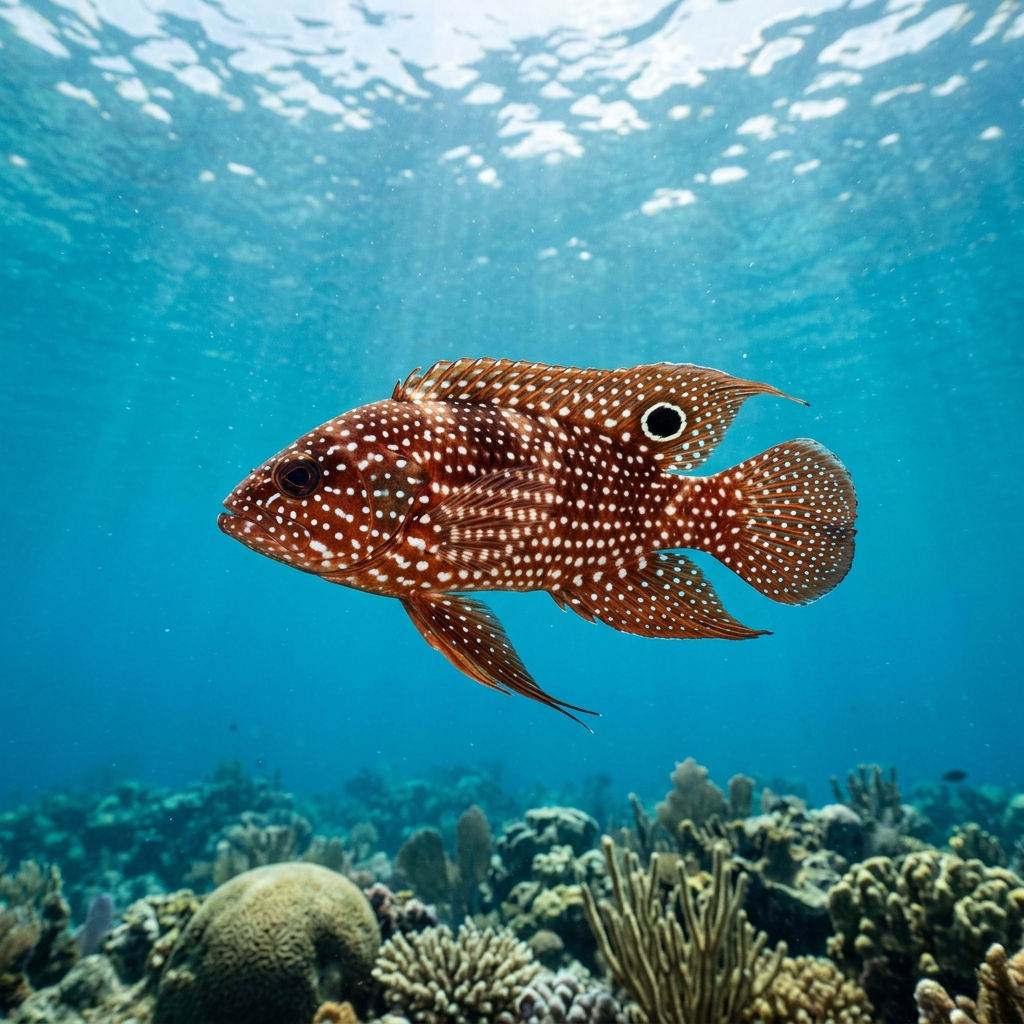
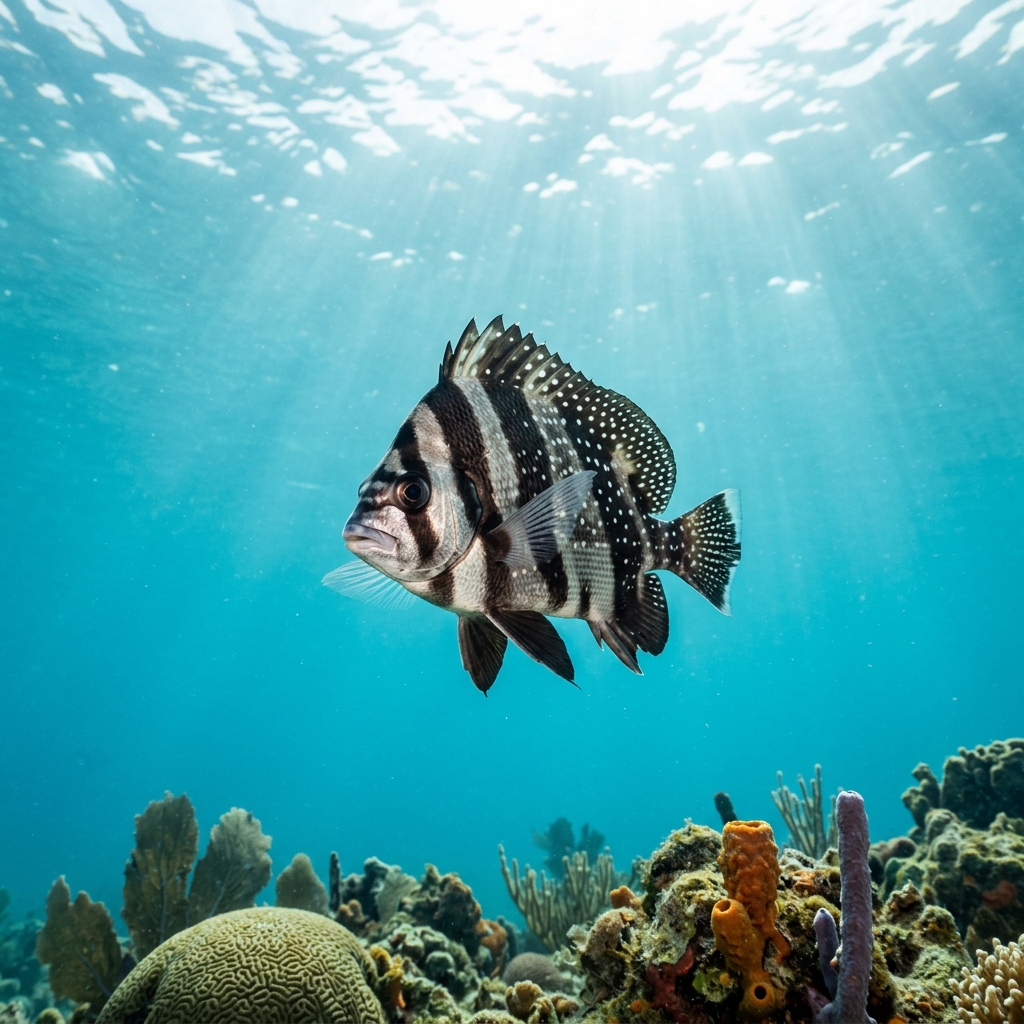
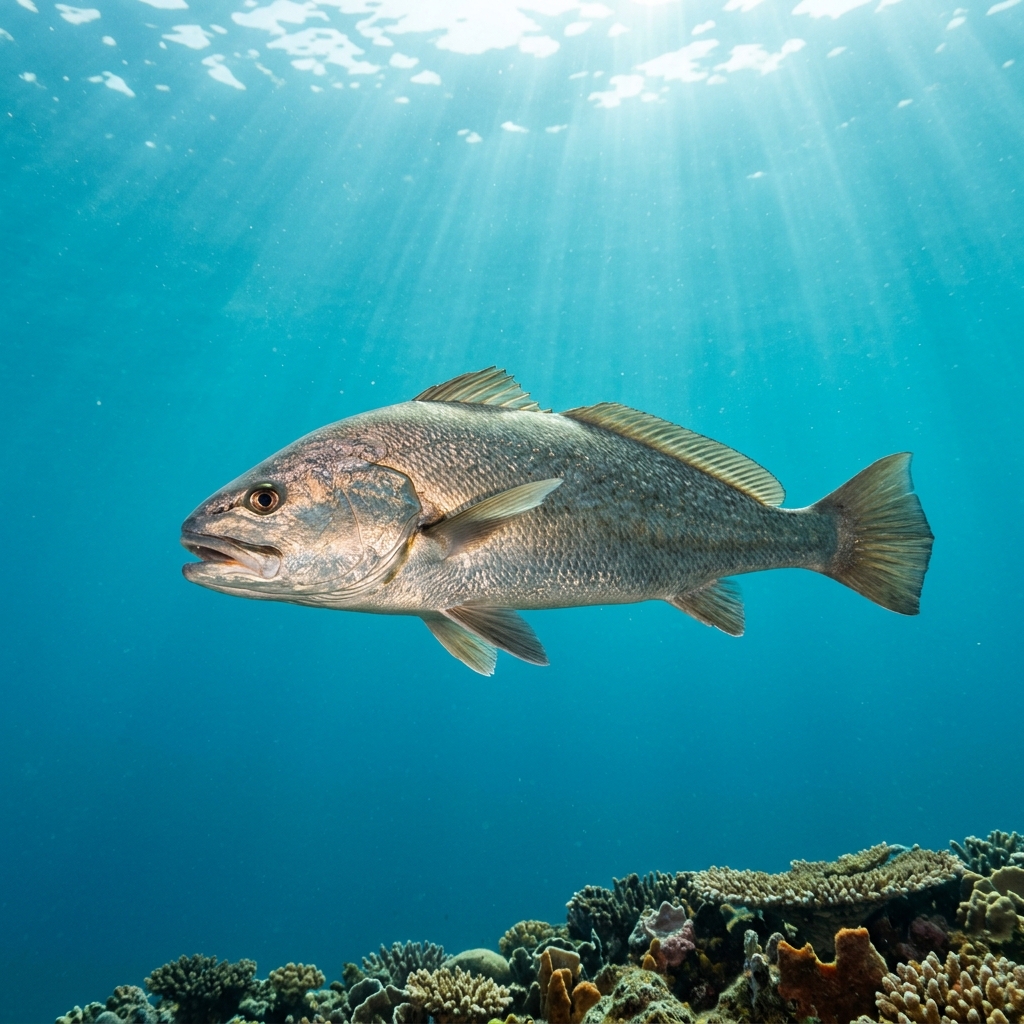
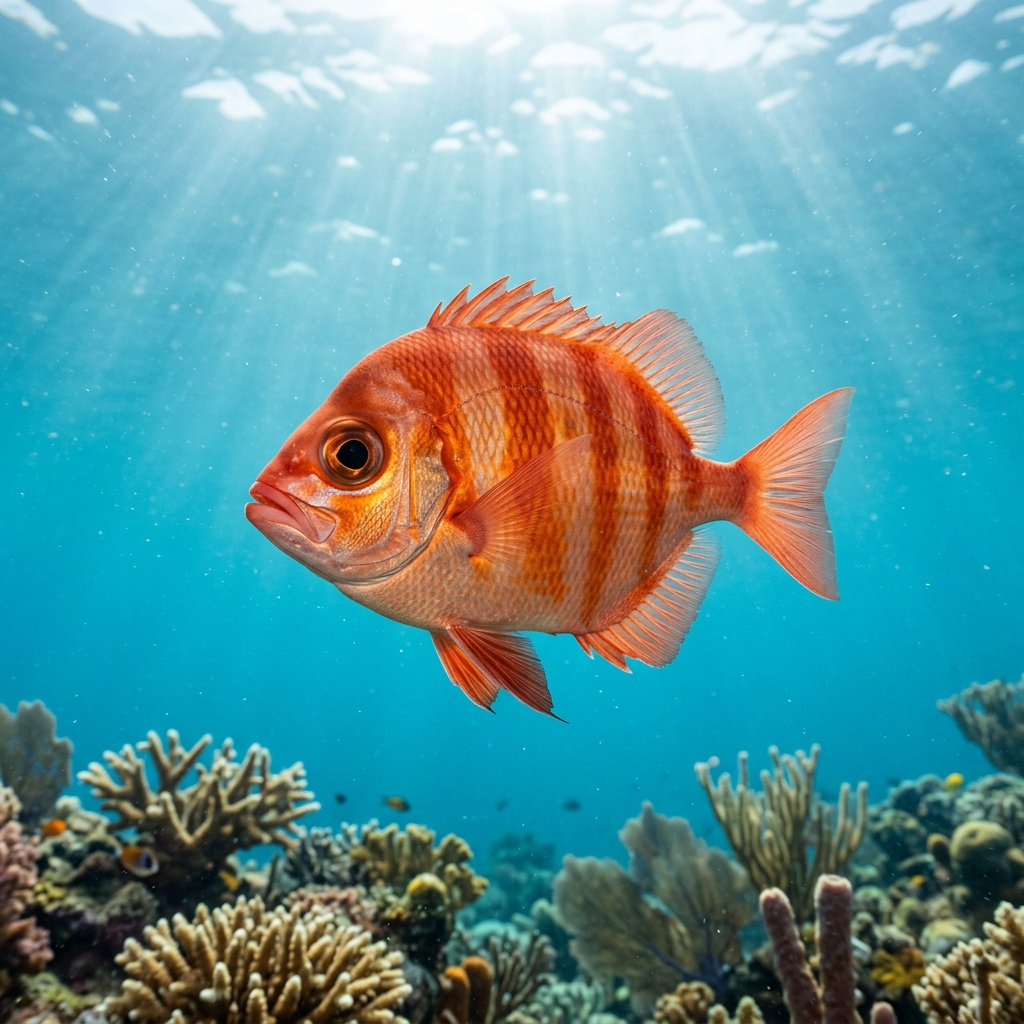
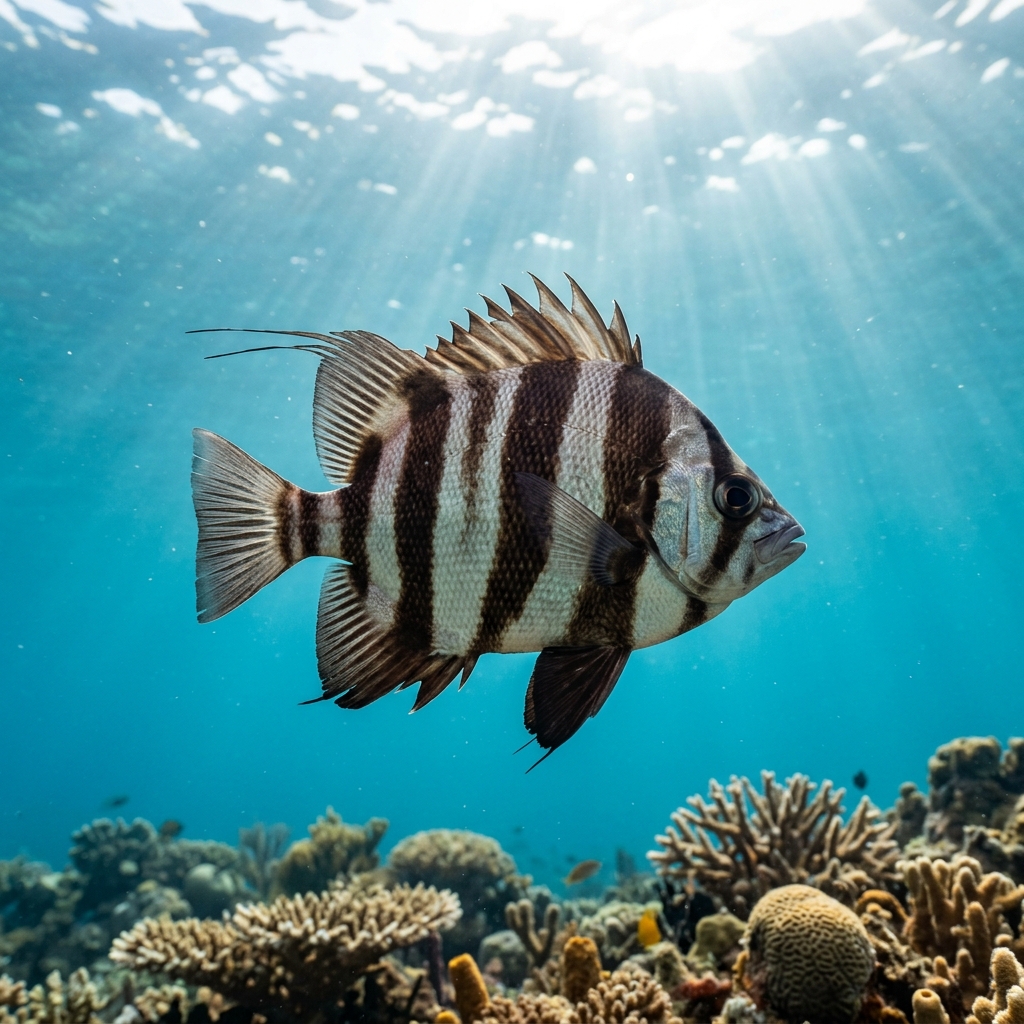
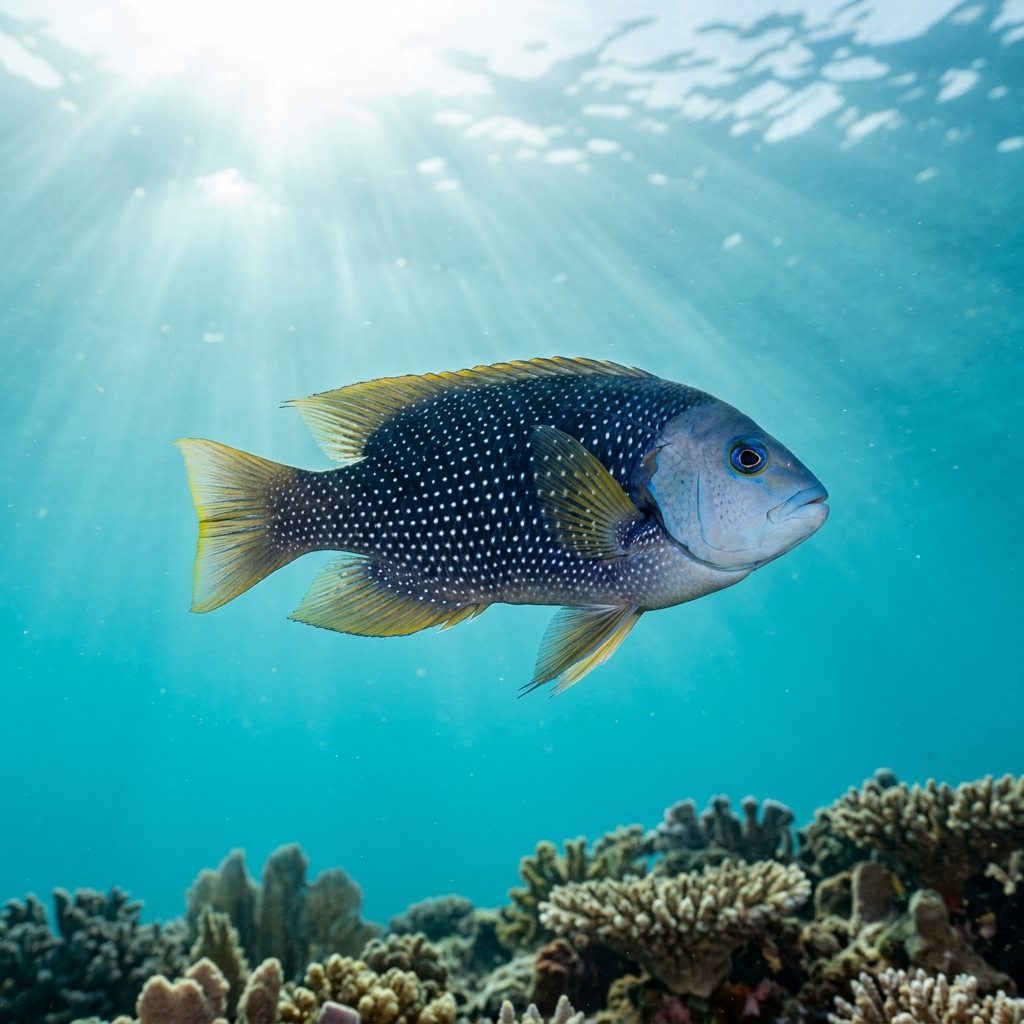
Reef neighbours a diver could mistake it for. Use the identification notes above to tell them apart.
Almost exclusively an Australian animal, with sightings concentrated along the southern coastline. Western Australia and South Australia account for the strongest records, followed by Victoria and Tasmania, making the temperate reefs of the southern coast the reliable hunting ground. Queensland and New South Wales contribute occasional sightings at the northern edge of its range.
Mapping where Western Blue Devil is logged…
They are found almost entirely along Australia's southern coastline. Western Australia and South Australia have the strongest populations, with Victoria and Tasmania also well represented. Look for them on rocky temperate reefs, particularly around caves and overhangs.
Sightings peak between December and May across the southern Australian sites where they are most commonly logged. This covers the local summer and autumn months when water temperatures sit in the 15 to 21 °C range they favour.
Adults are hard to mistake: a chunky 23 cm fish covered in a mosaic of cobalt blue and yellow with pale spots. Juveniles are dark brown to black with thin pale vertical bars and look like a completely different fish. Check rocky crevices and under ledges where they like to shelter.
Adults typically reach around 23 cm. They have a stocky, deep-bodied build that can make them look larger when you spot them wedged inside a crevice on the reef.
At sites where they are recorded, sightings are most often described as uncommon or rare, though a handful of sites report them as common or very common. Going slowly and checking under ledges and inside rocky overhangs gives you the best chance of a sighting.
Site and sighting data is aggregated from diver logs, iNaturalist and GBIF. For taxonomy and conservation status:
Meagre
1,159 sites