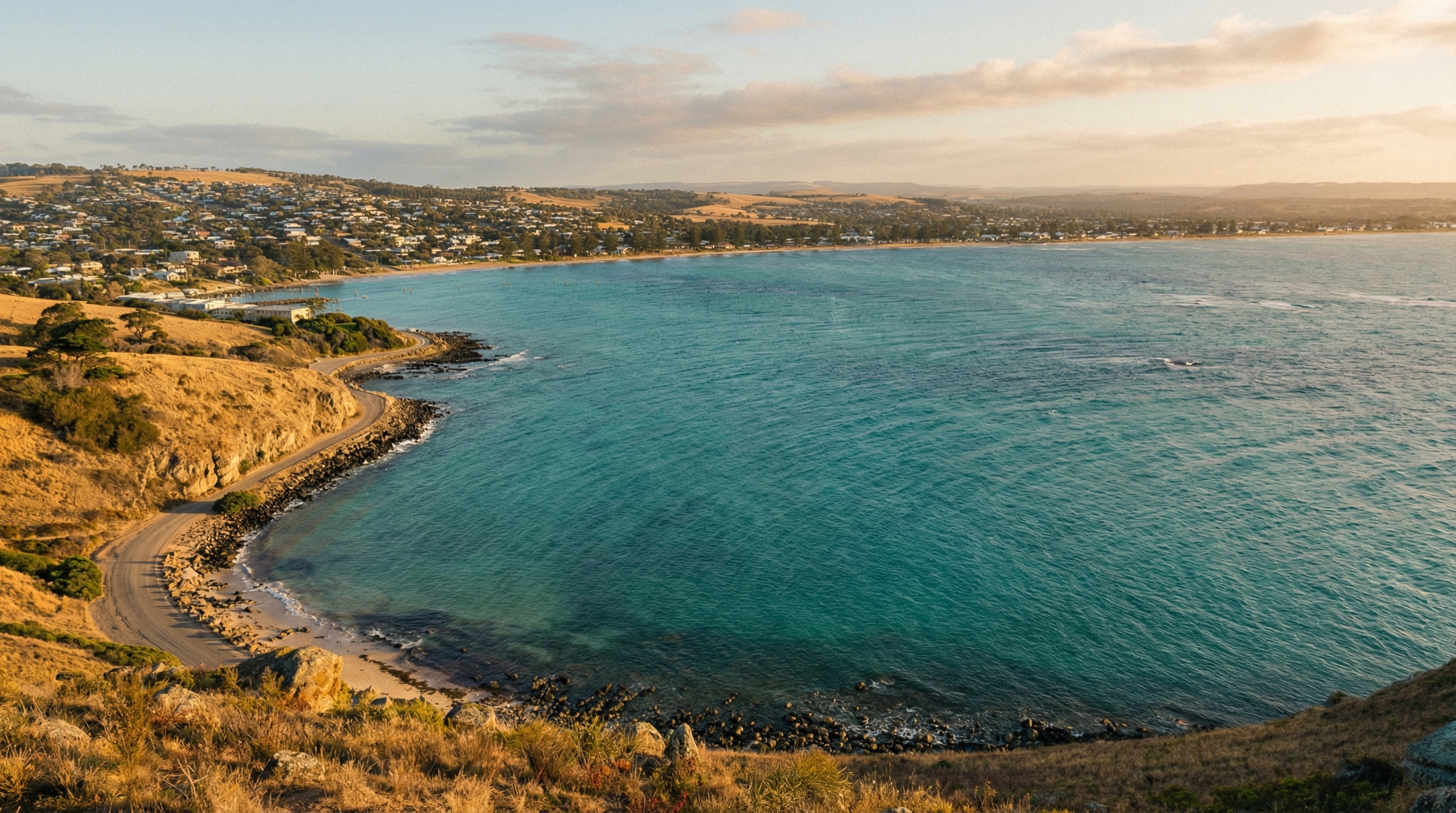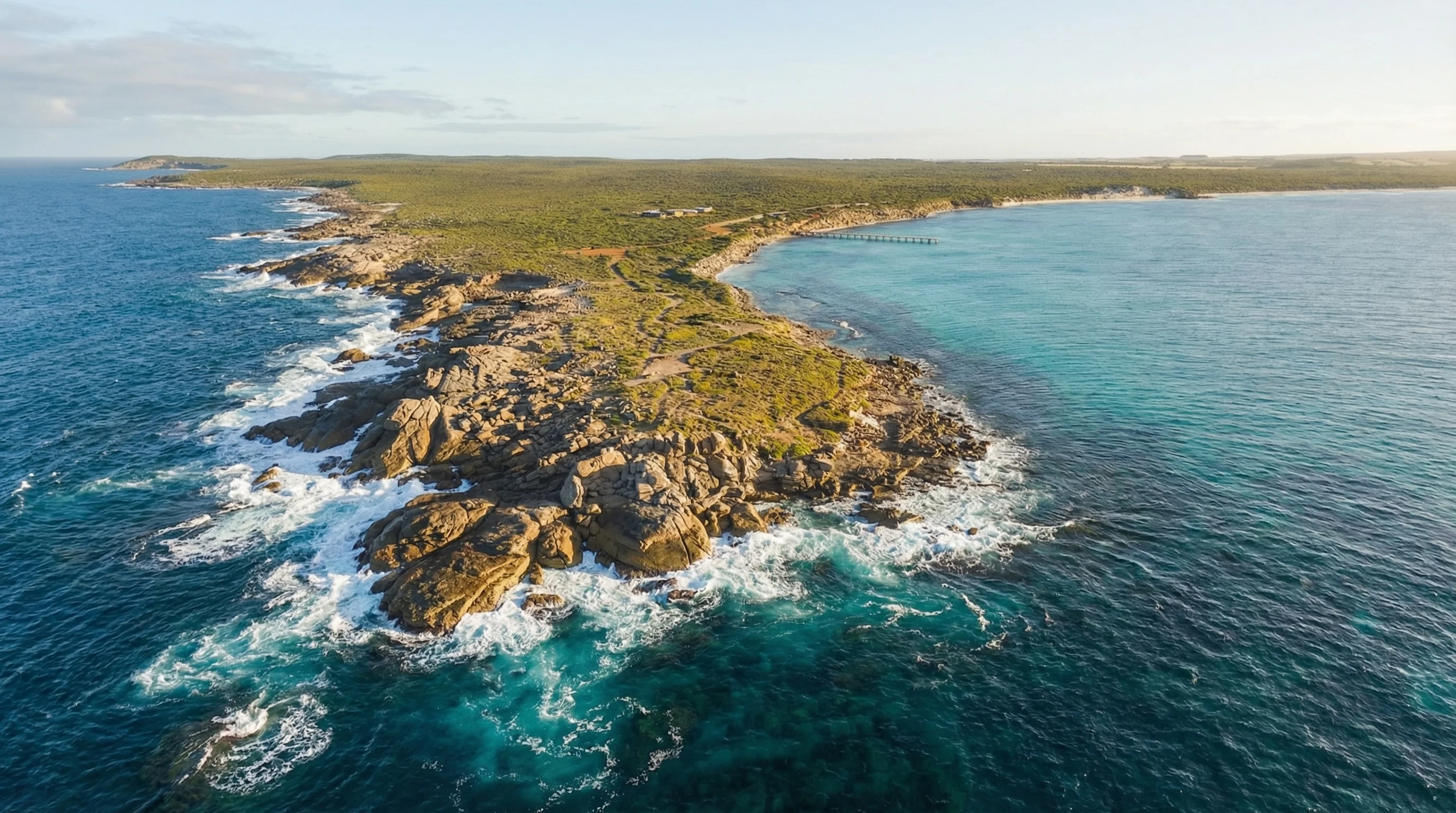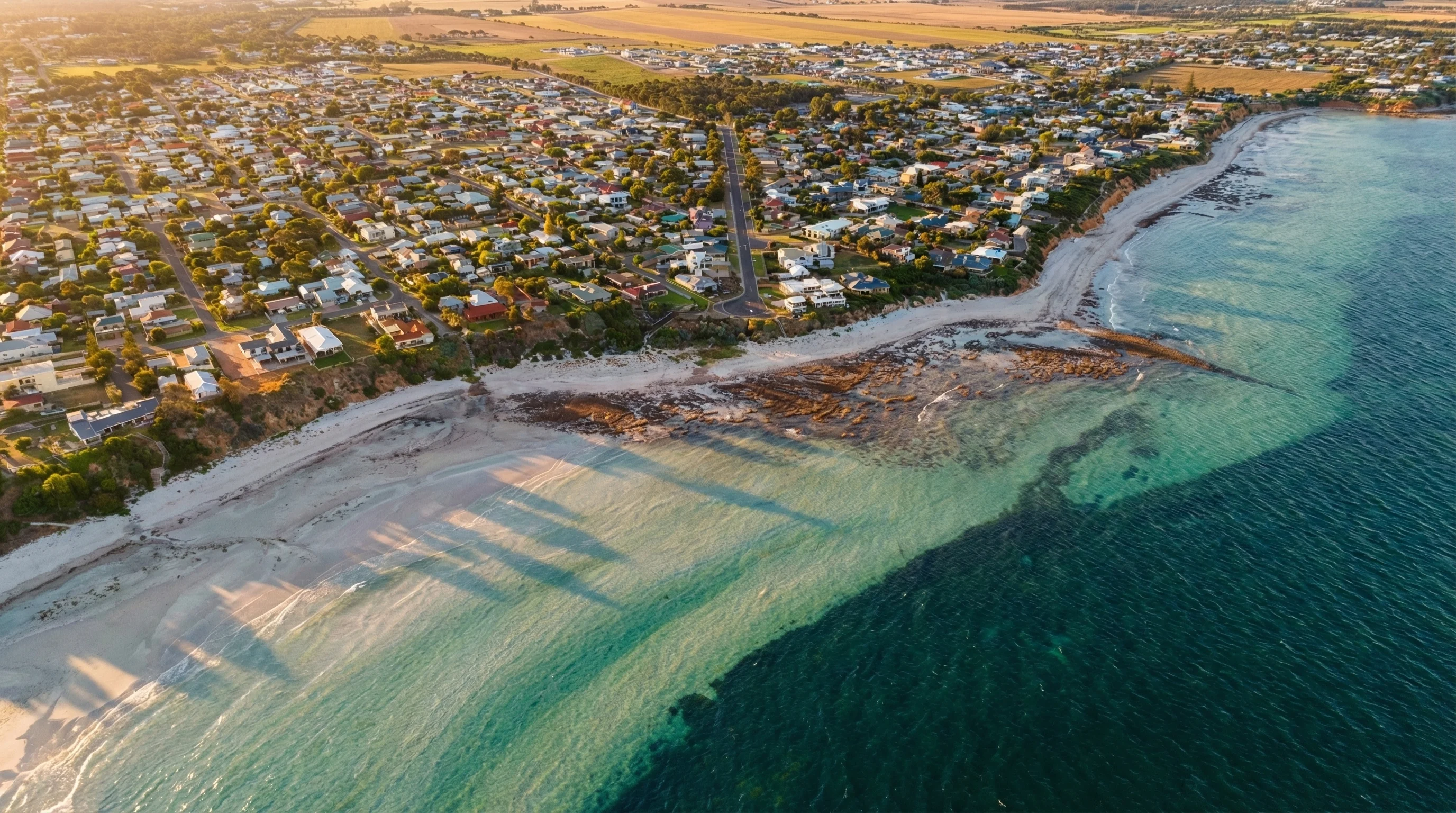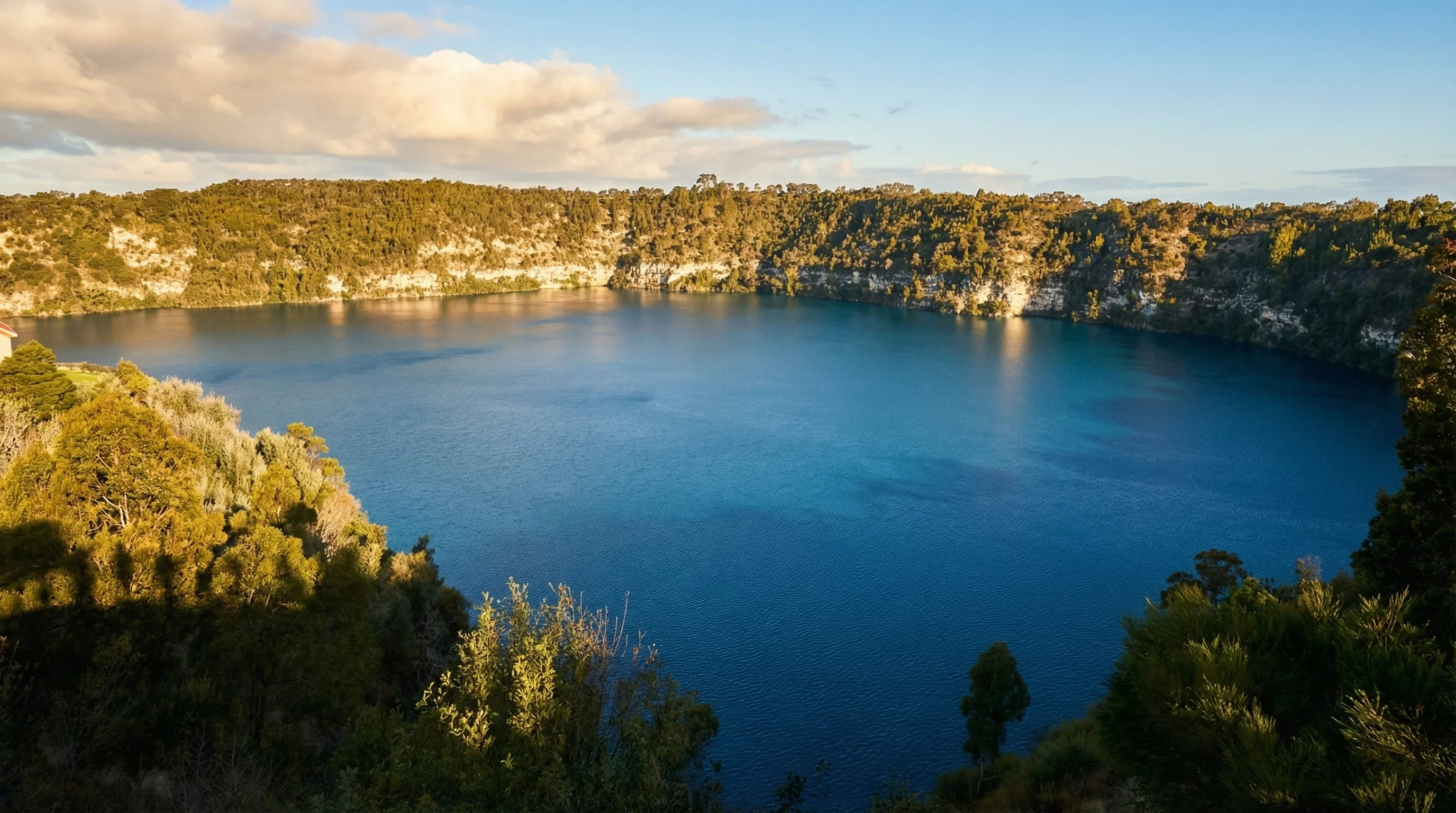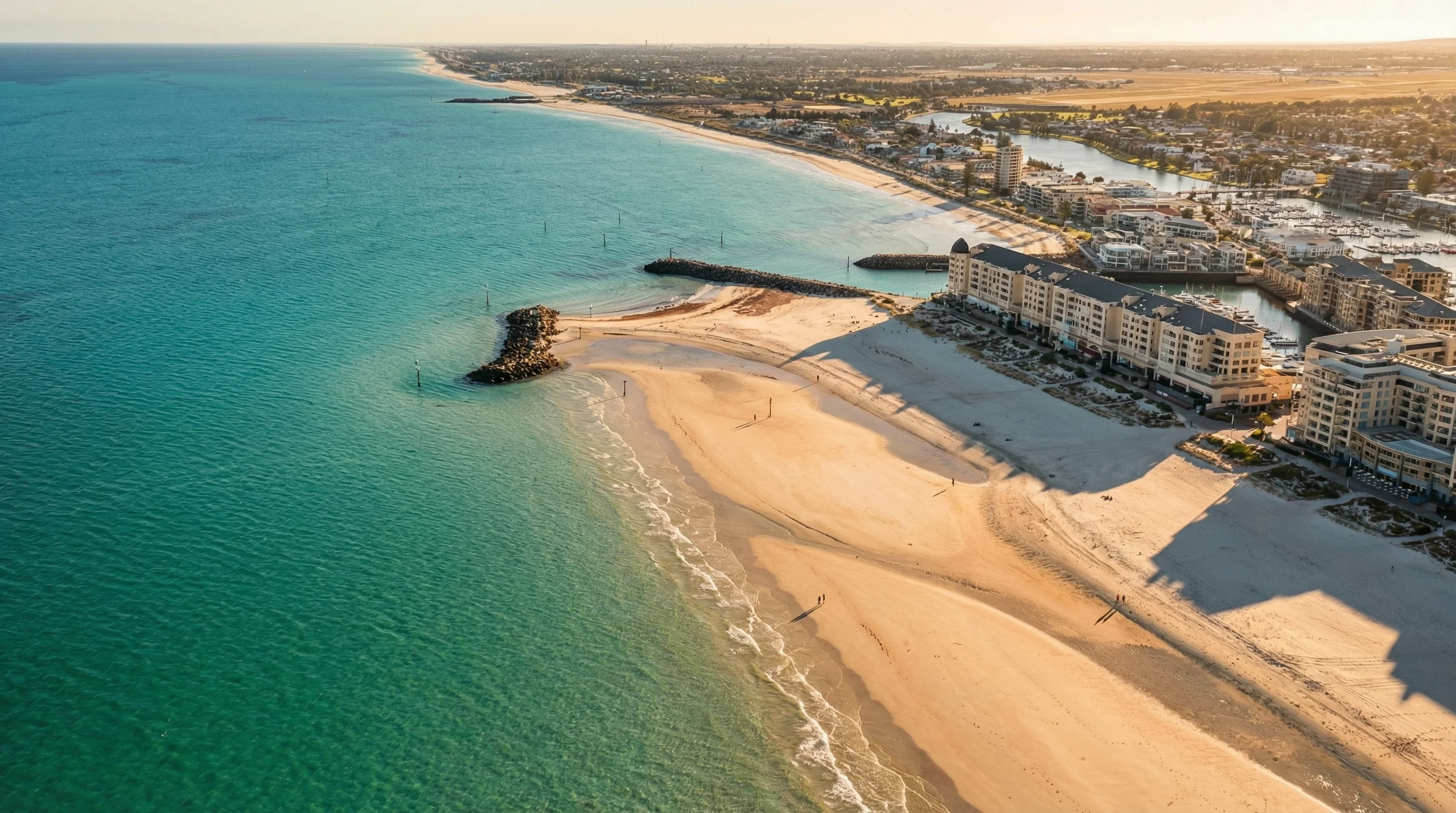
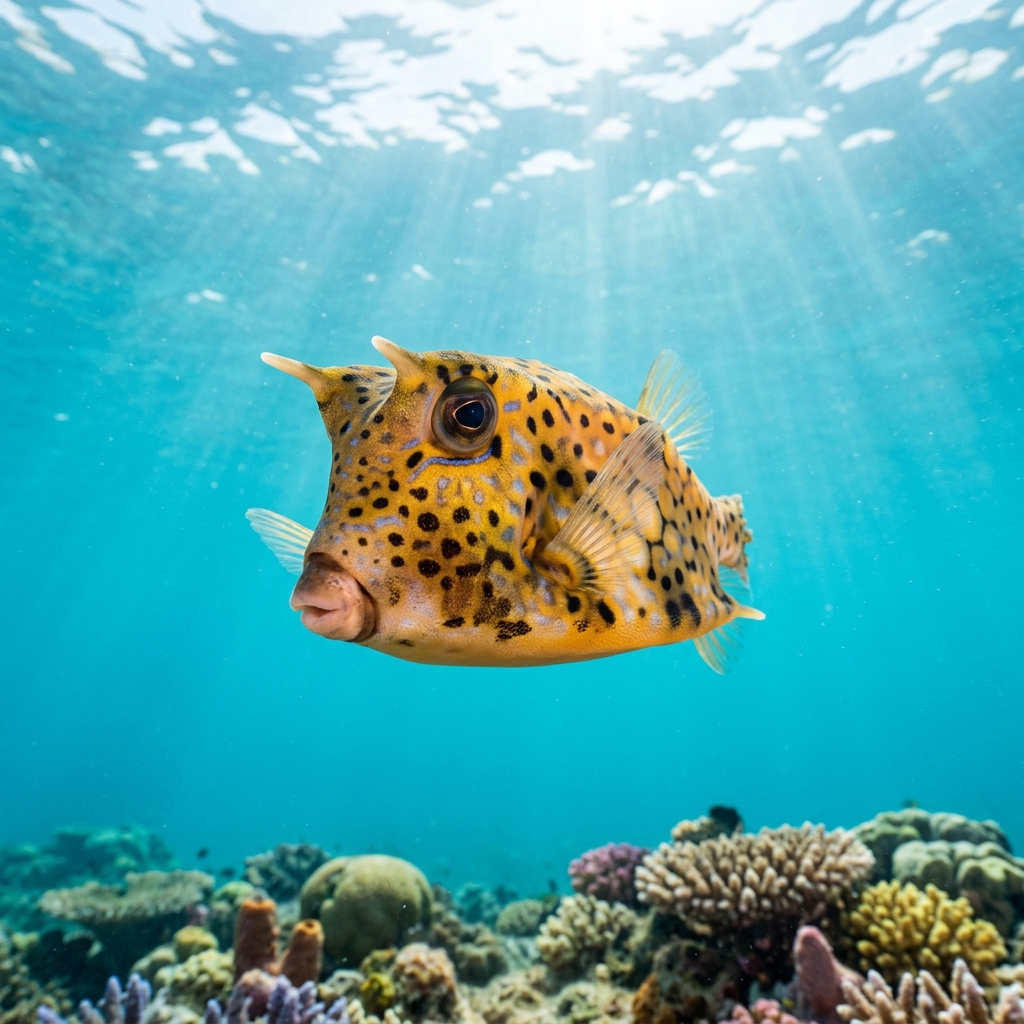
Adelaide's underwater scene divides neatly between two distinct areas. The Glenelg Dredge sub-area centres on a sunken wreck and artificial reef reached by boat, drawing beginner divers to its structure and resident fauna. Port Noarlunga Reef offers shore access to a kelp forest and rocky reef system that suits both divers and snorkellers. Across both areas, Fiddler Ray, Port Jackson Shark, Weedy Seadragon, and Shaw's Cowfish are regularly observed, alongside an unusually dense cast of bottom-dwelling oddities including Stonefish, Snake Eel, and Smooth Toadfish.
2 areas
Monthly water temperature across Adelaide's sites, from satellite sea-surface data corrected for depth. The band shows the site-to-site spread.
Water is warmest over the summer months from December through March, making those the most comfortable months for diving without heavy exposure protection. Temperatures drop noticeably through autumn and reach their coolest in mid-winter, so a thicker wetsuit or drysuit becomes worthwhile from around June to August. The best-months data shows summer as the clear peak, though the sheltered shore entry at Port Noarlunga Reef and the boat-accessed Glenelg Dredge both remain diveable into cooler months for those prepared.
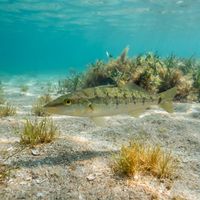
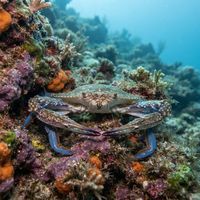
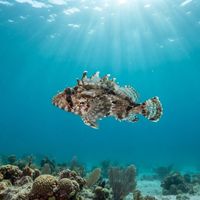
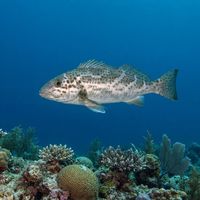
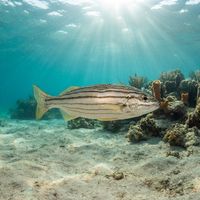
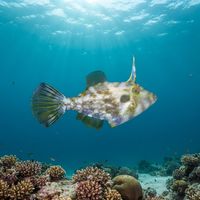
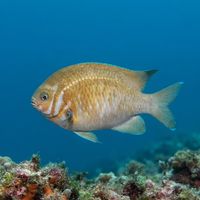
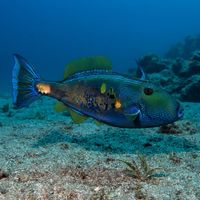
11 more sites to explore
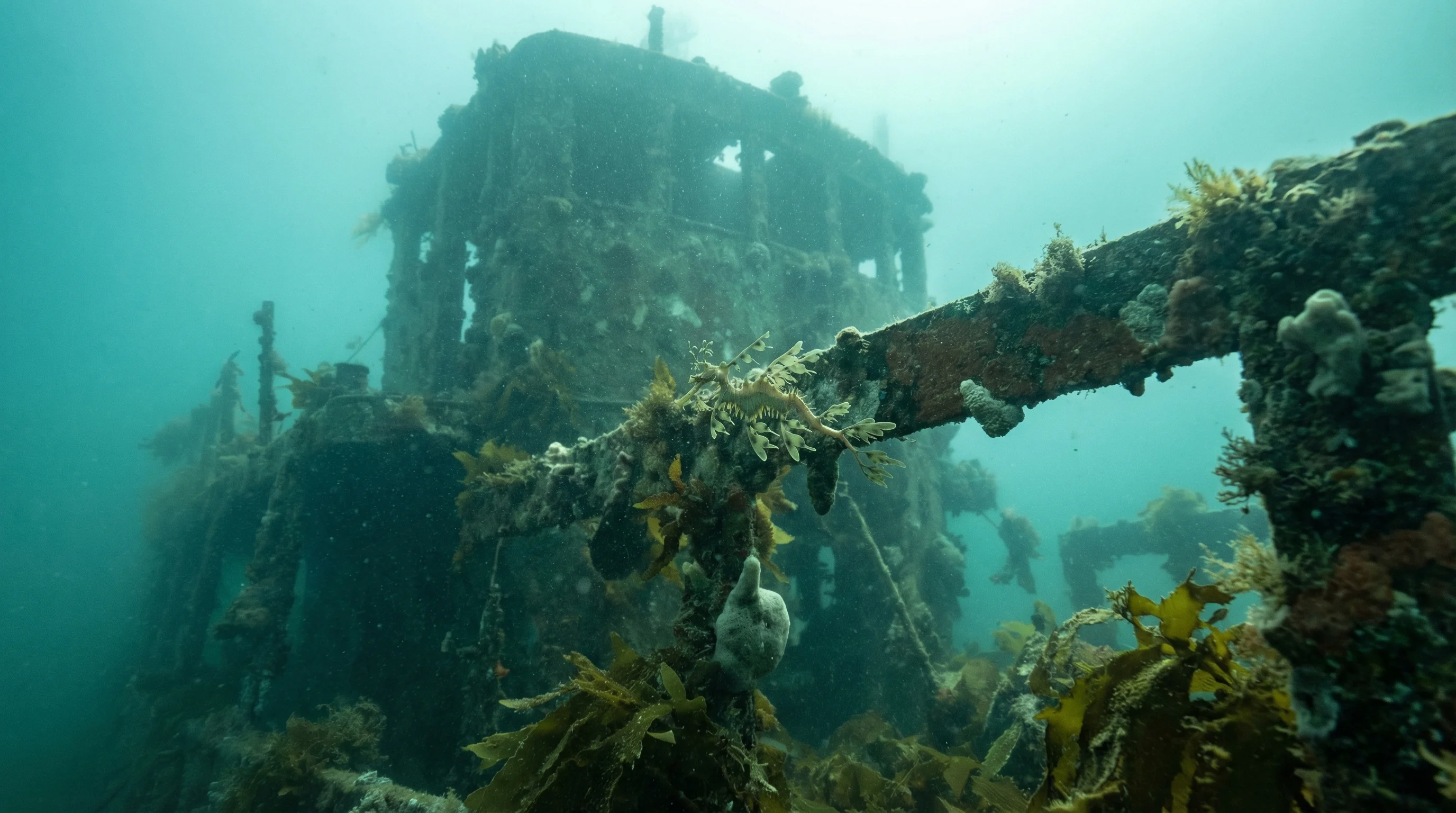
A beginner-friendly wreck and artificial reef off Adelaide, famous for Weedy Seadragon, Port Jackson Shark, and a rich mix of southern Australian fish life.
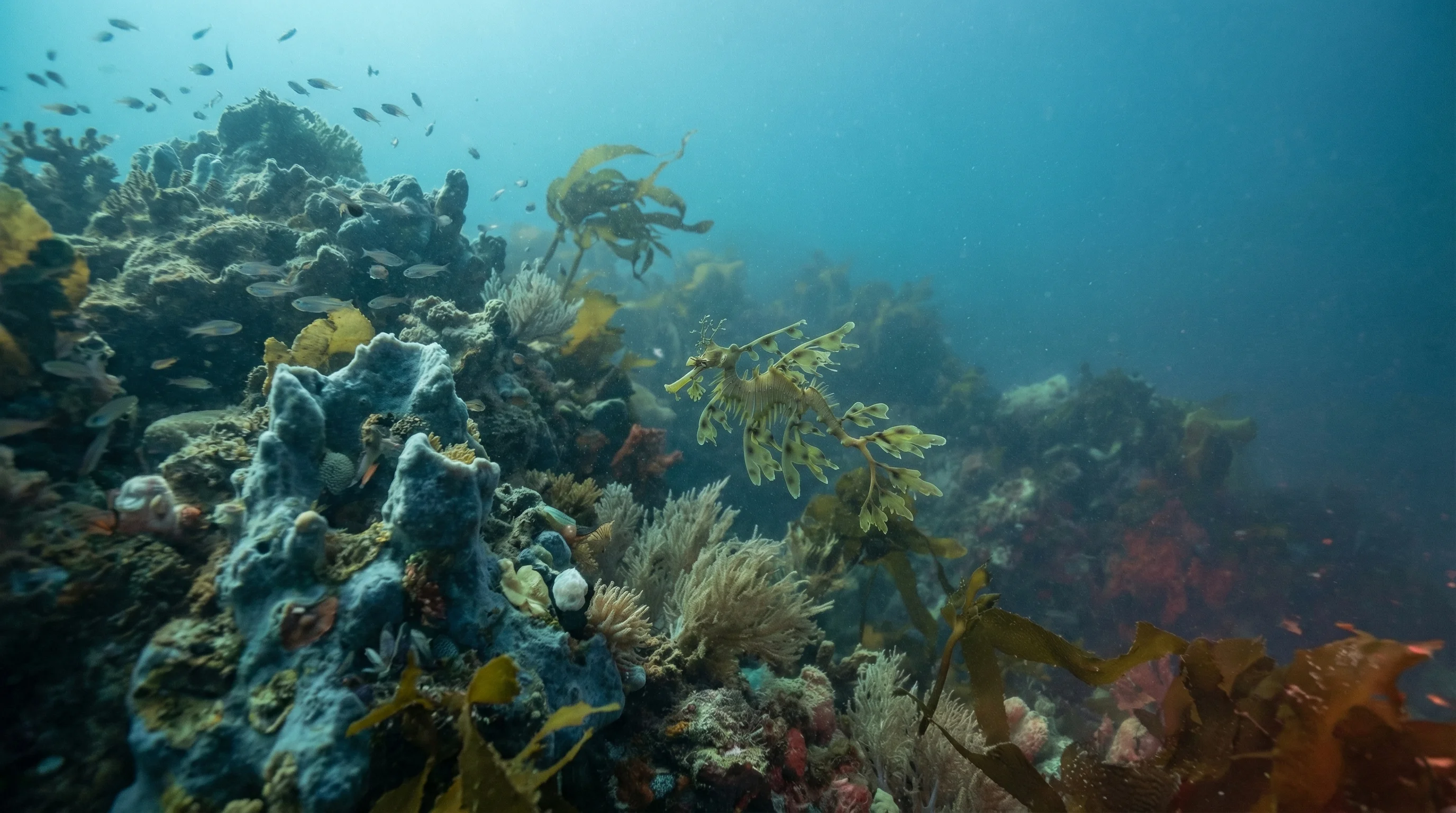
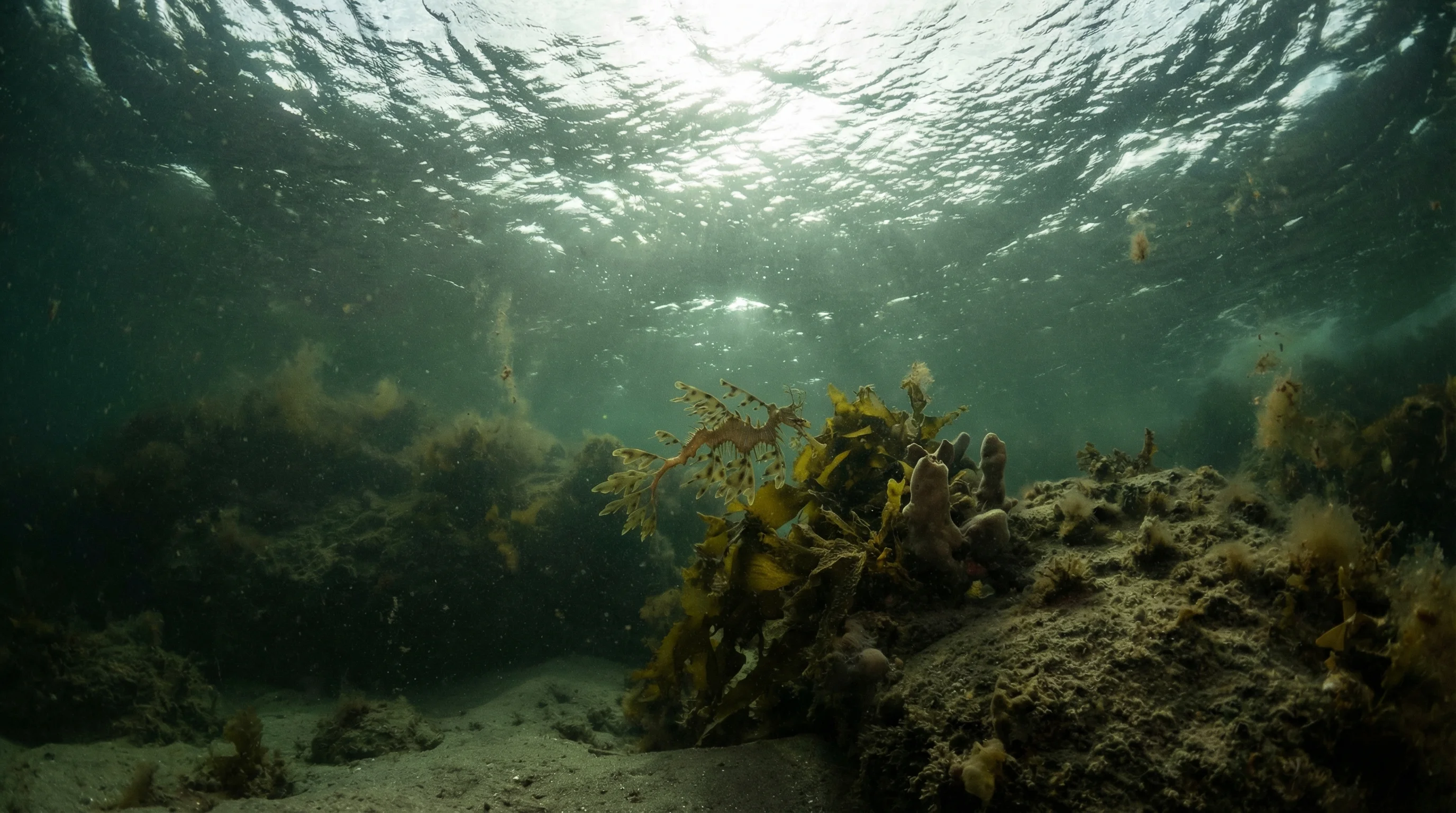
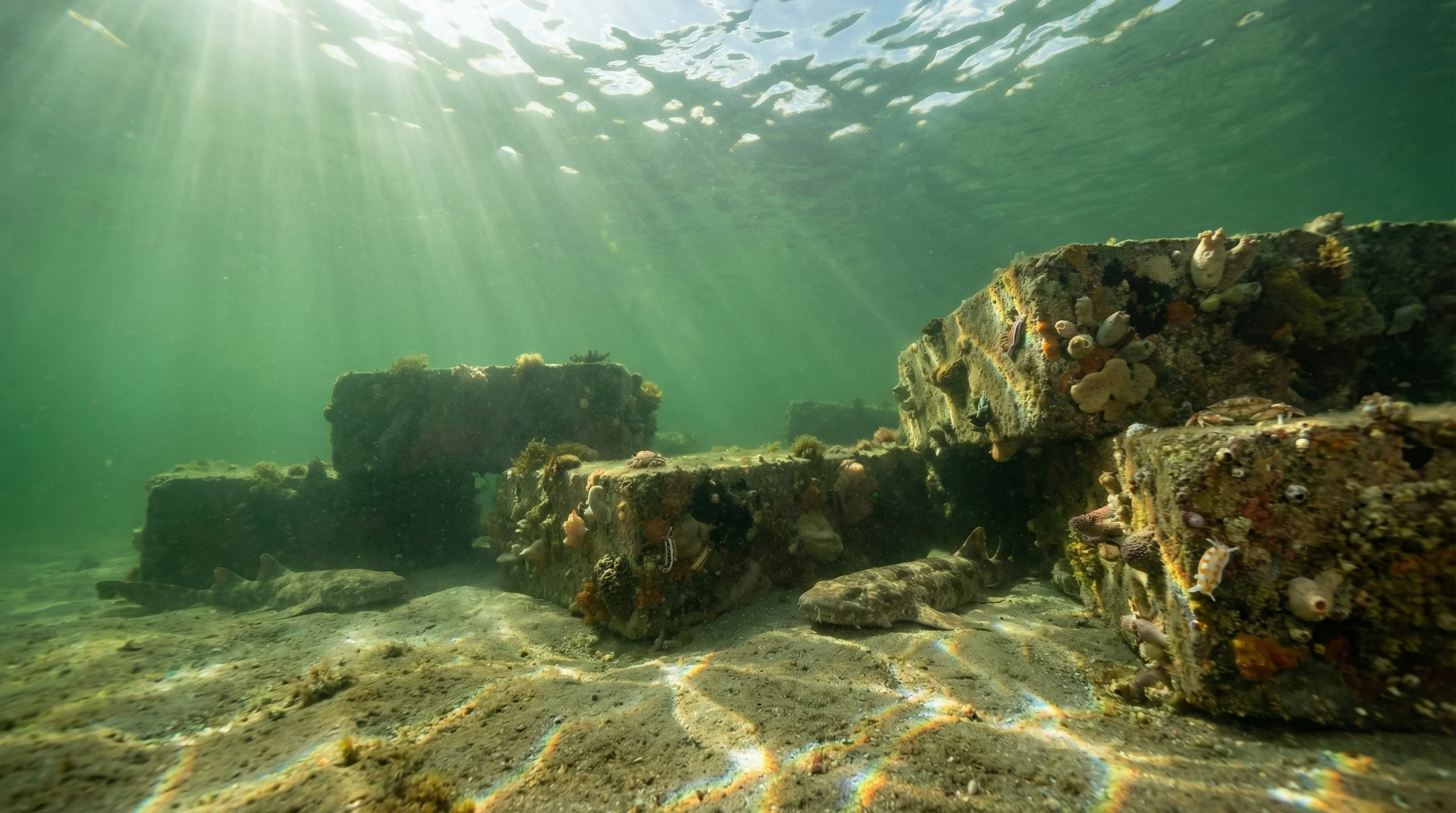
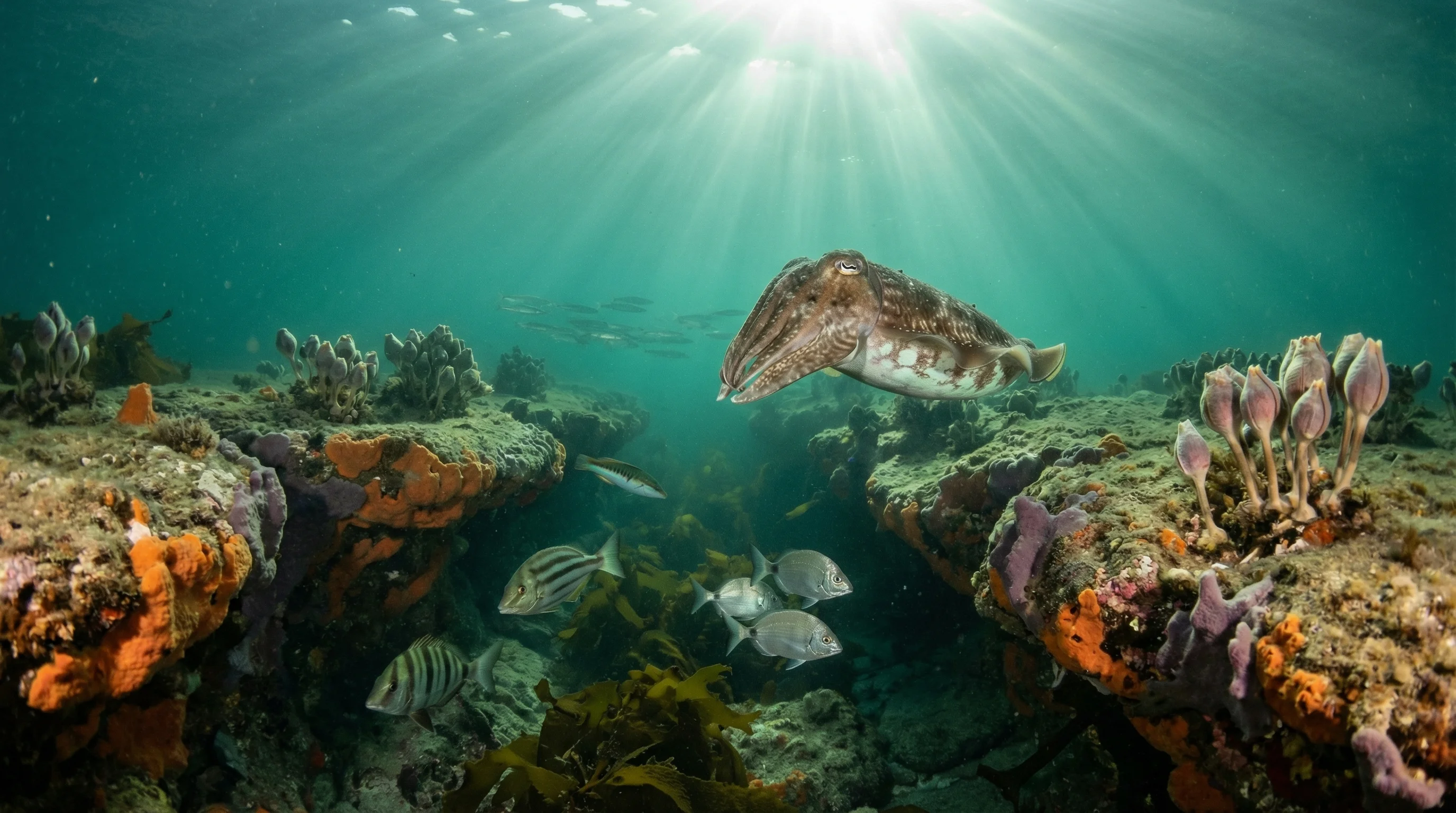
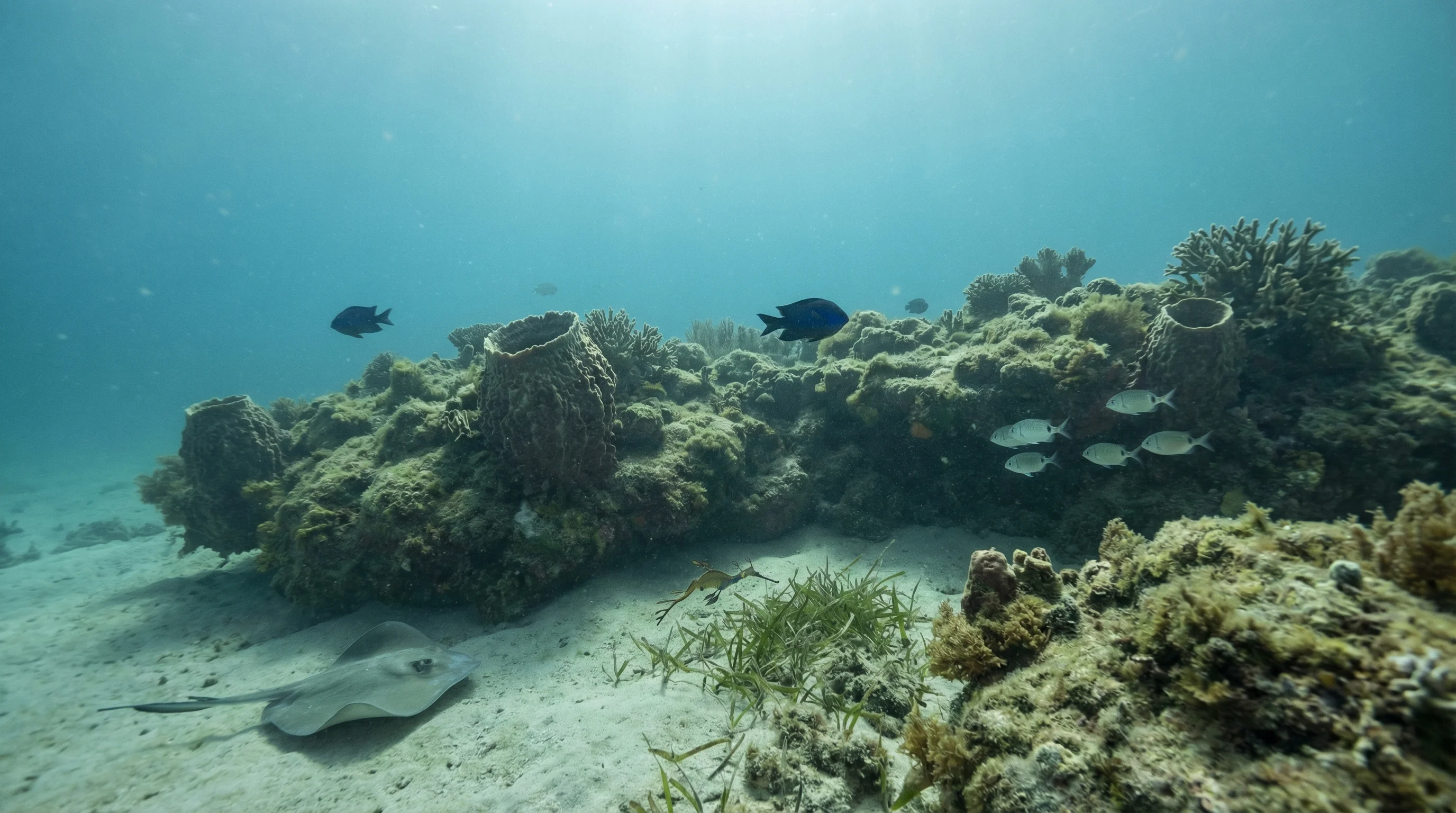
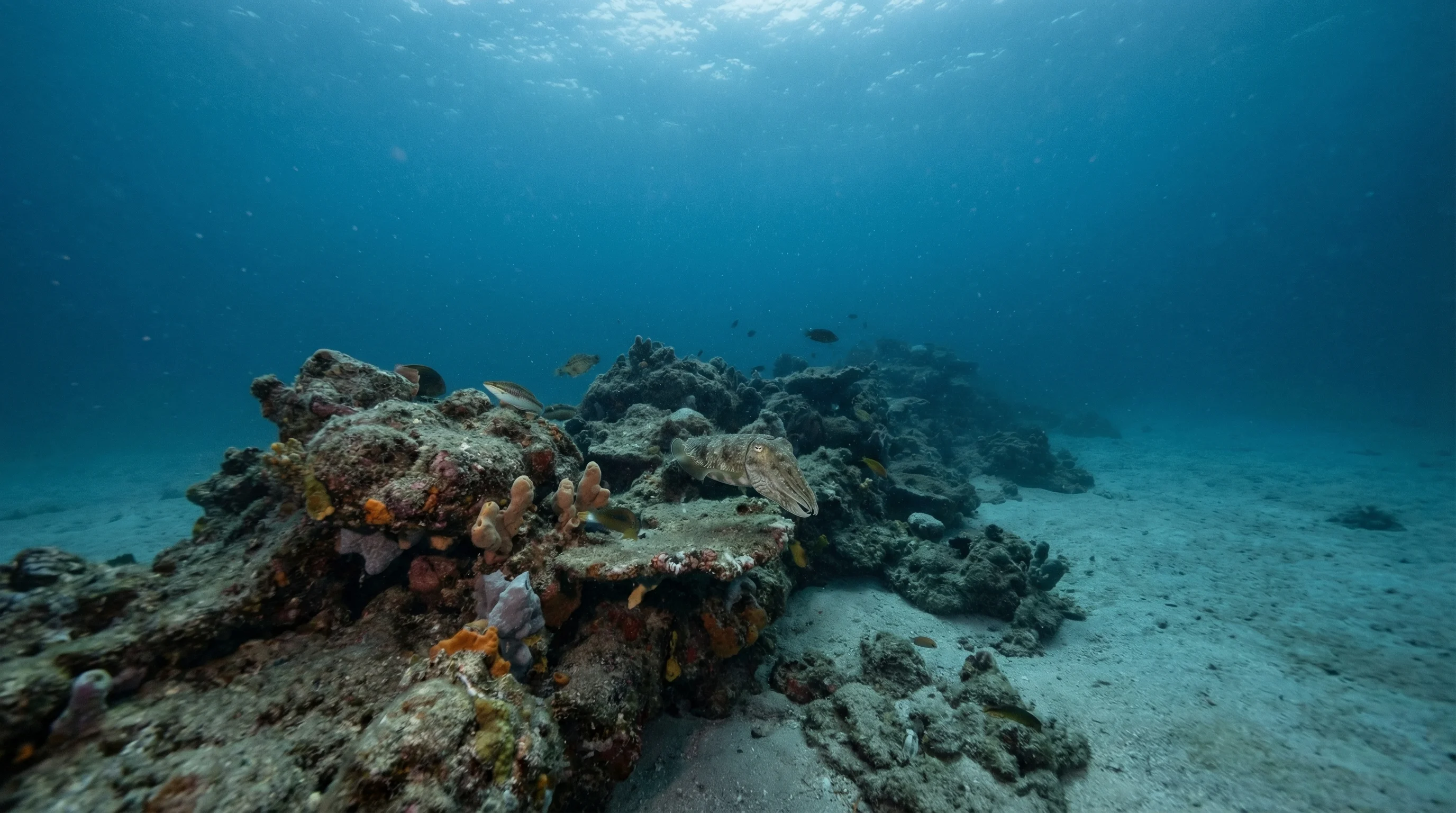
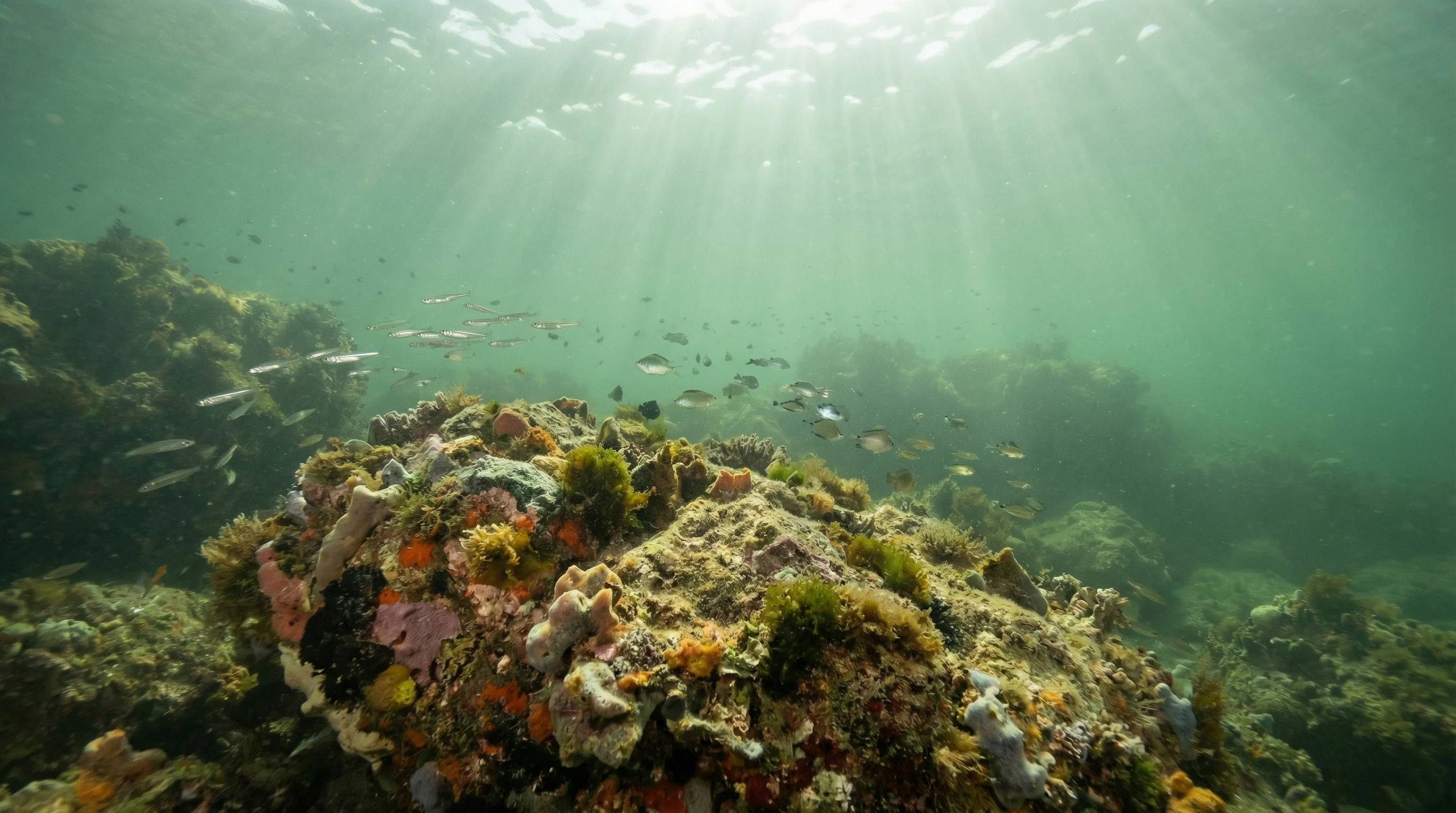
Water temperature around Adelaide ranges from about 13°C in July to 22°C in January, based on satellite sea-temperature data for its dive sites.
In the warm season (about 22°C) a 3mm full suit is comfortable in Adelaide; in the coldest months (about 13°C) step up to a 7mm or semi-dry suit.
Fin maps 13 sites in Adelaide (11 scuba diving sites and 6 snorkelling spots, with some suited to both), organised into 2 areas.
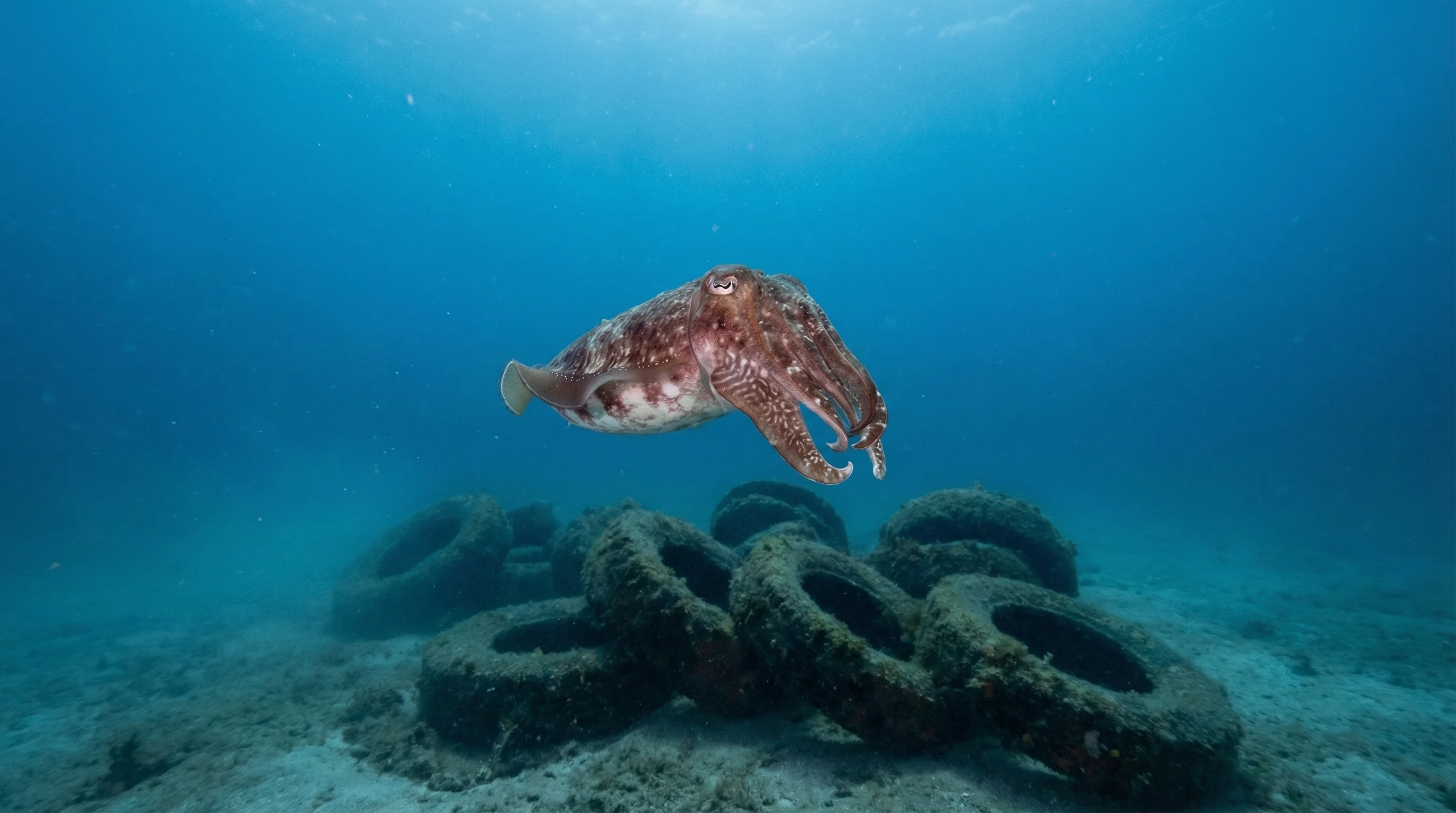
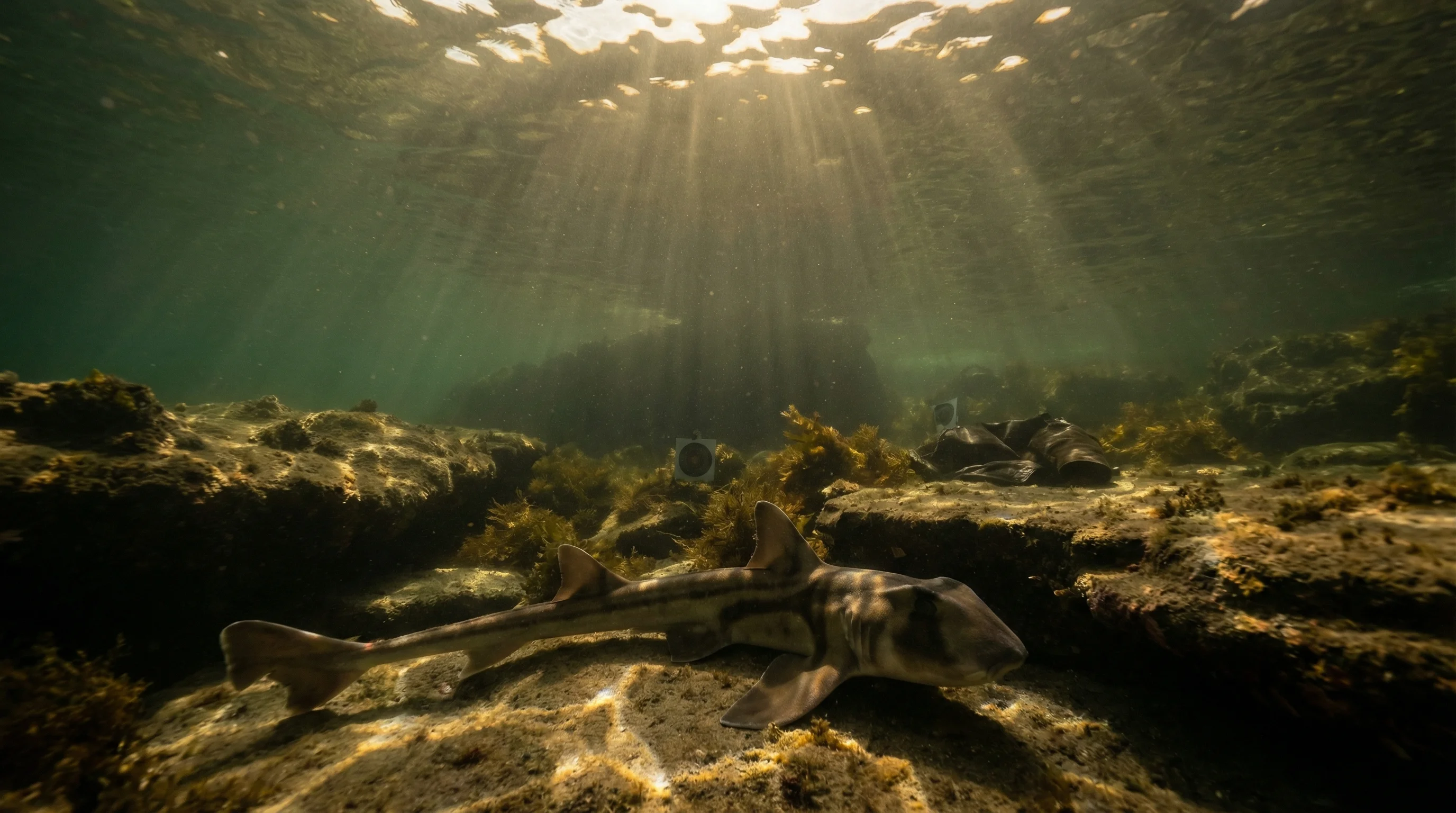
Adelaide's sites host a broad mix of bottom-dwelling and reef species. Fiddler Ray, Shovelnose Ray, and Port Jackson Shark are very commonly observed, as are Shaw's Cowfish, Snake Eel, Flathead, and Stonefish. Weedy Seadragon has also been recorded at local sites, and European Common Cuttlefish appear occasionally.
Both of the main sites are rated beginner-friendly. The Glenelg Dredge is a sheltered wreck and artificial reef accessible by boat, while Port Noarlunga Reef offers a straightforward shore entry onto a kelp reef. Neither site demands advanced certification or significant experience, making Adelaide a practical destination for newer divers.
The Glenelg Dredge area is built around a boat-access wreck site sitting at moderate depth, with structure that attracts resident fish and invertebrates. Port Noarlunga Reef is a shore-entry kelp forest and rocky reef where both divers and snorkellers can explore from the beach. If you want wreck diving, Glenelg is the pick; if you want easy access and snorkelling options, Port Noarlunga is the better fit.
Both options exist. The Glenelg Dredge requires a boat, and GO2DIVE is the local operator listed for the area. Port Noarlunga Reef is a shore dive accessible directly from the beach, making it easy to visit independently without booking a boat trip.