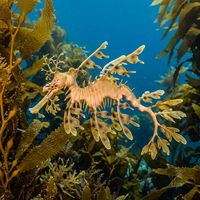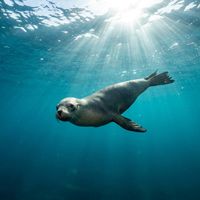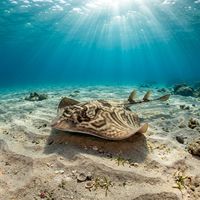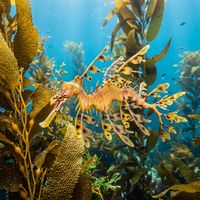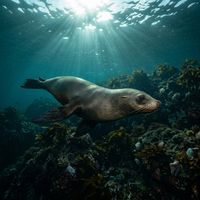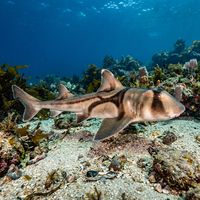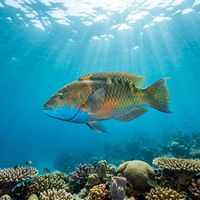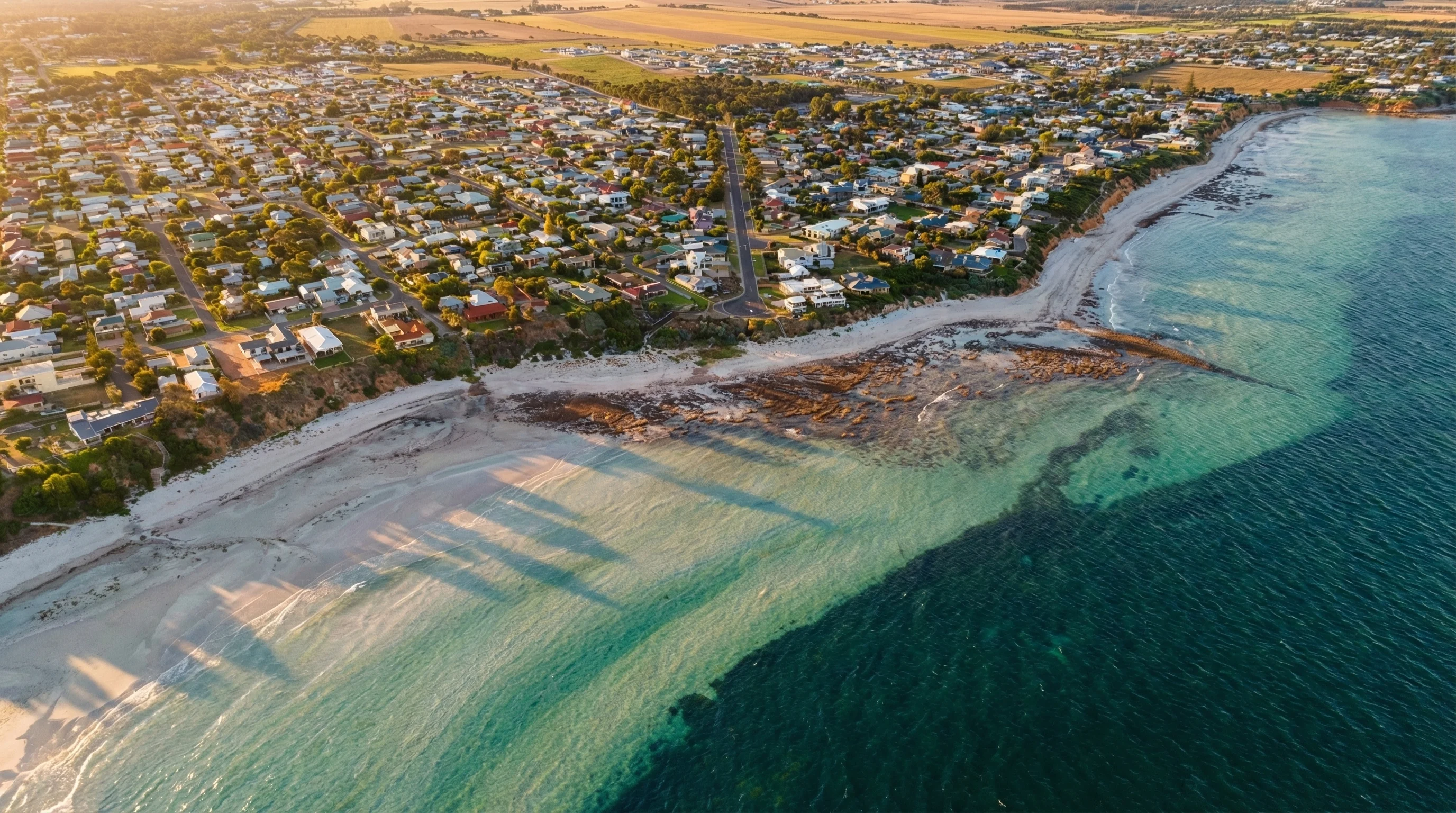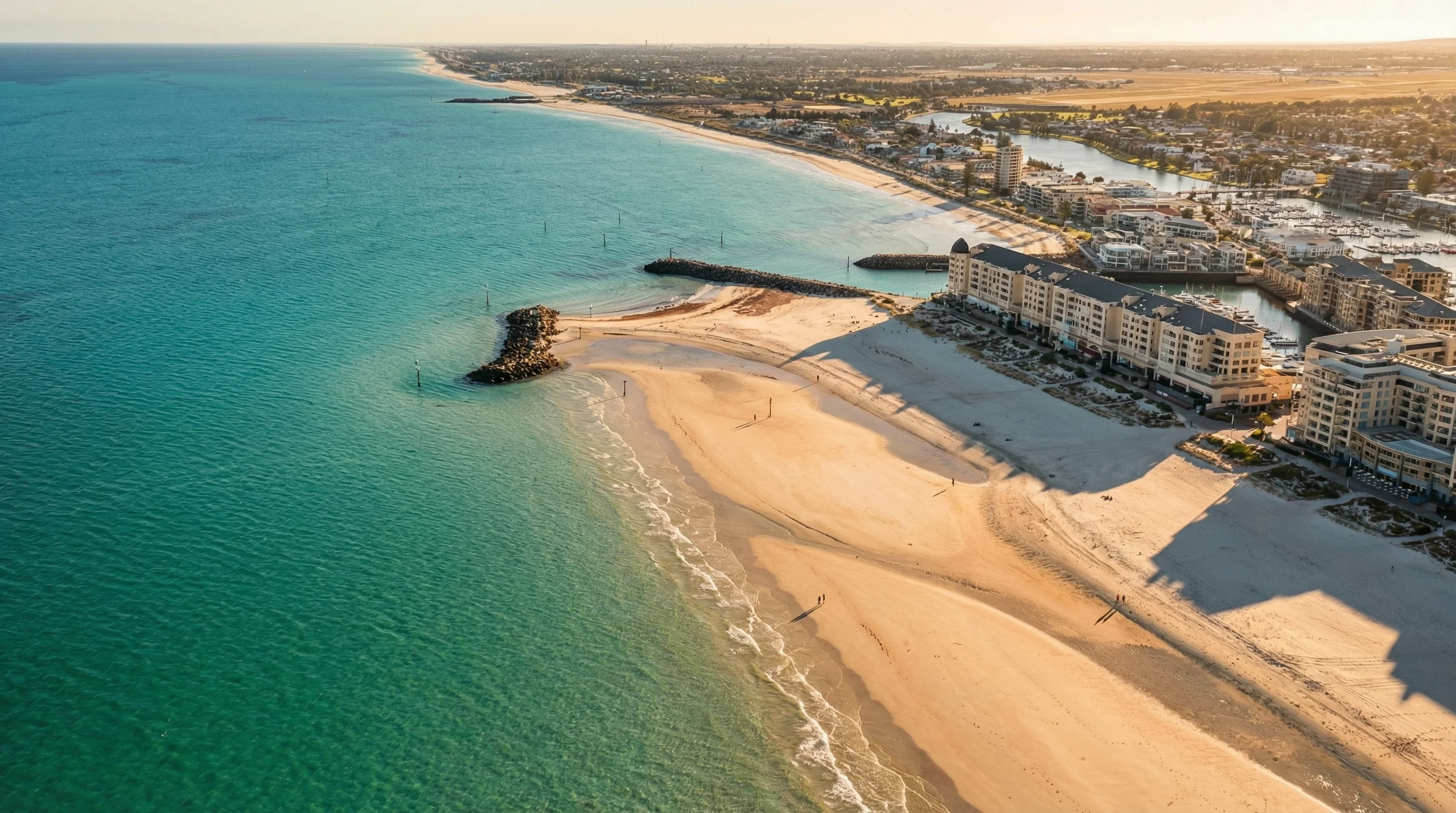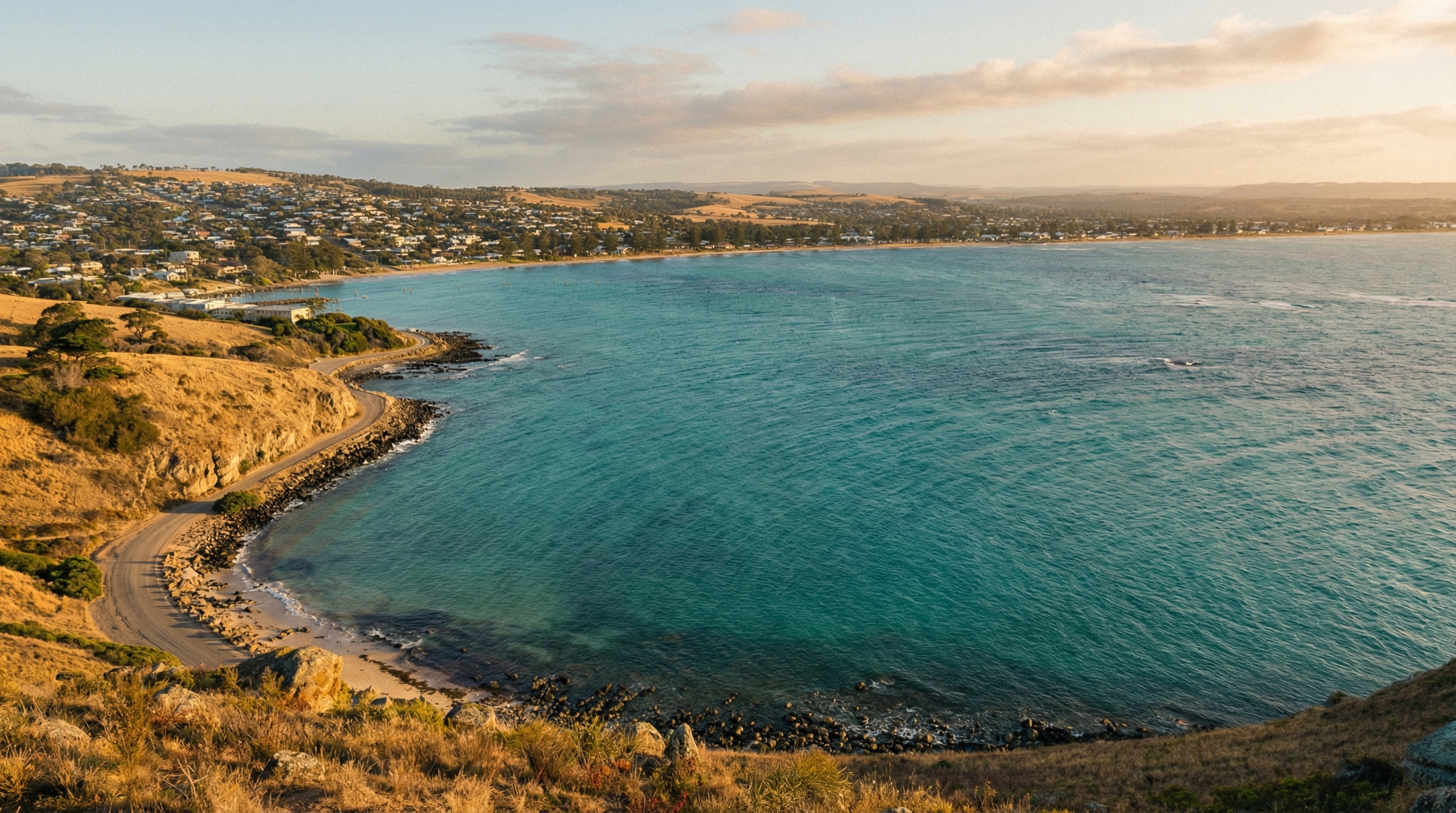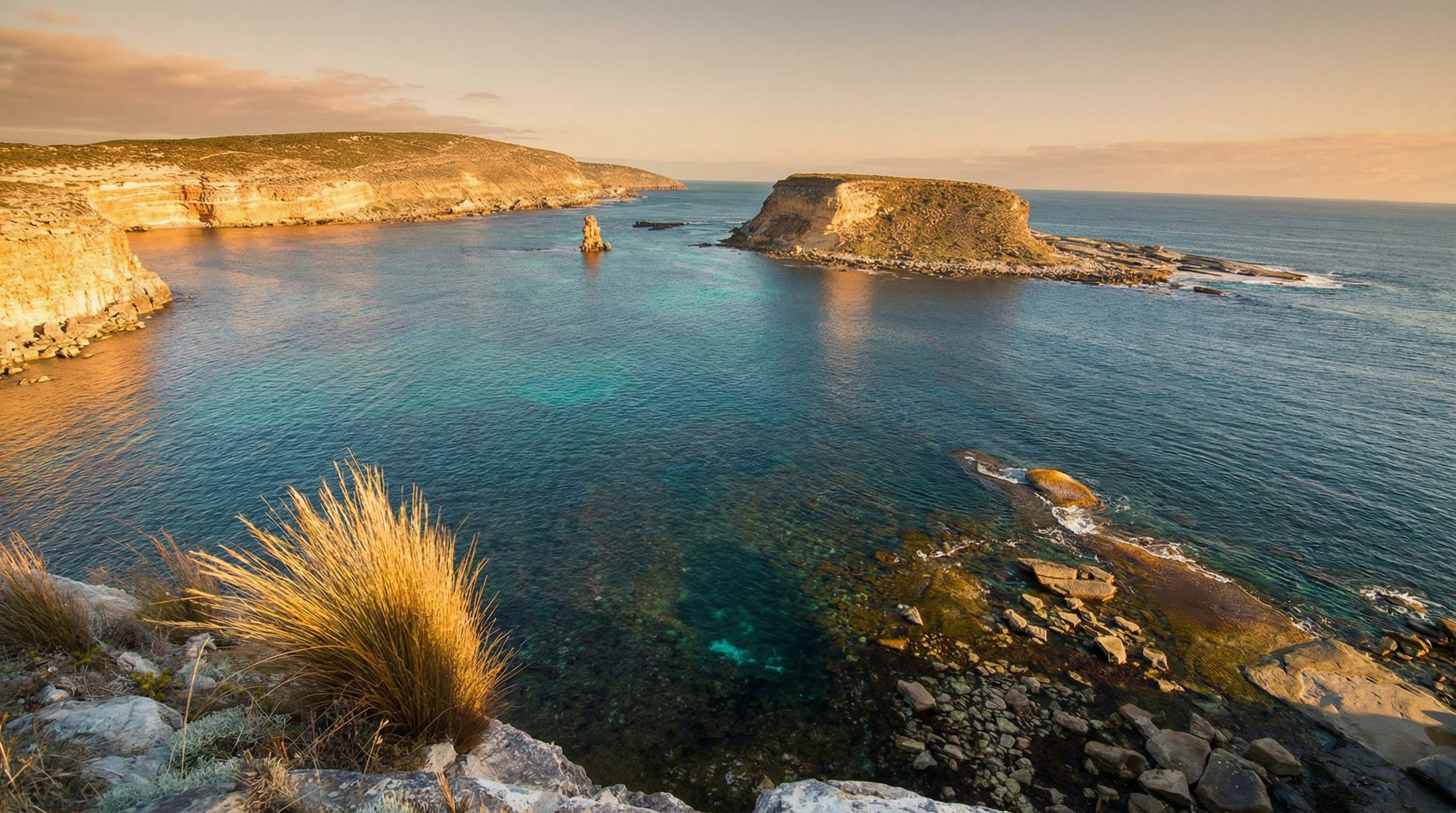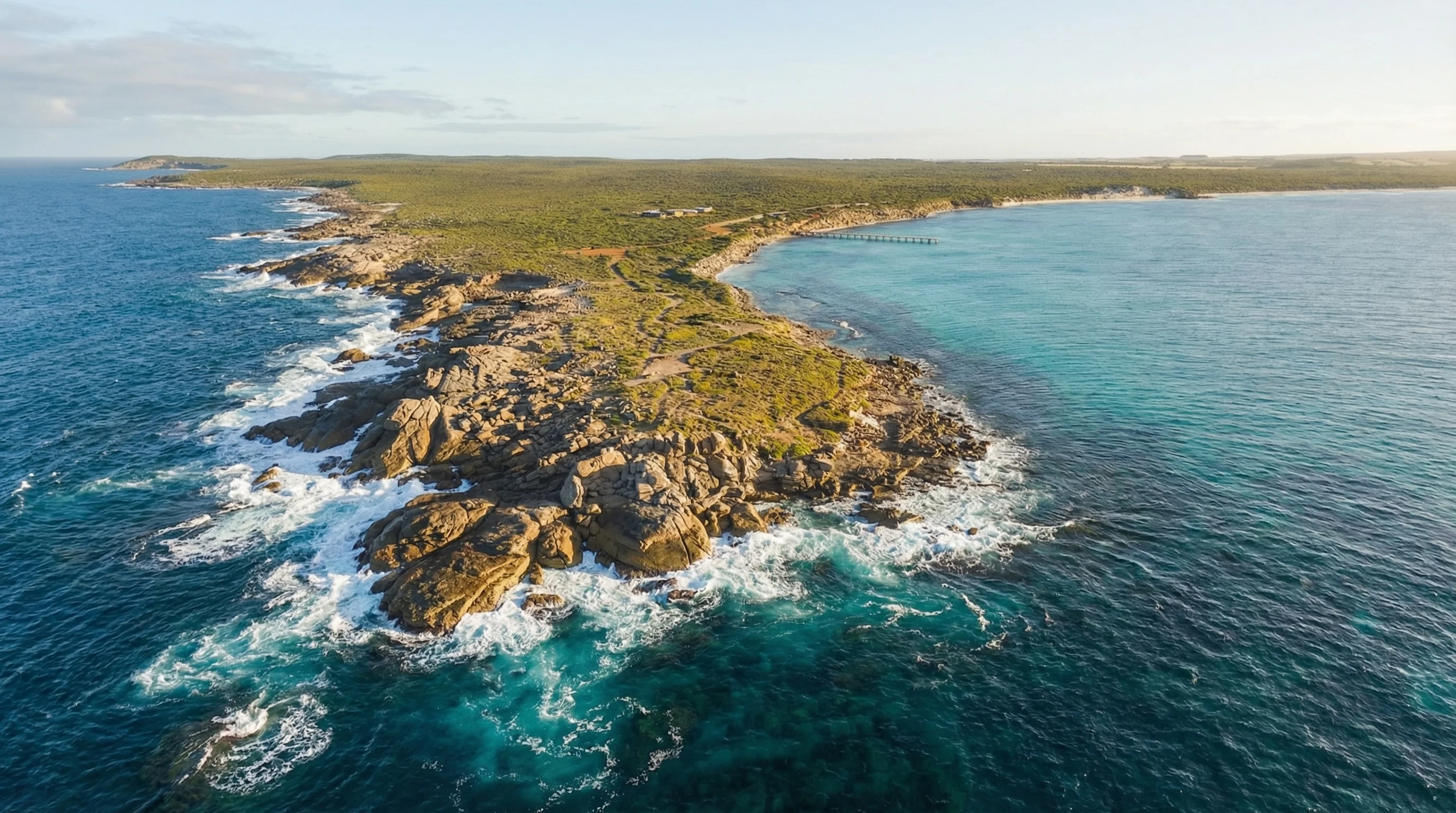
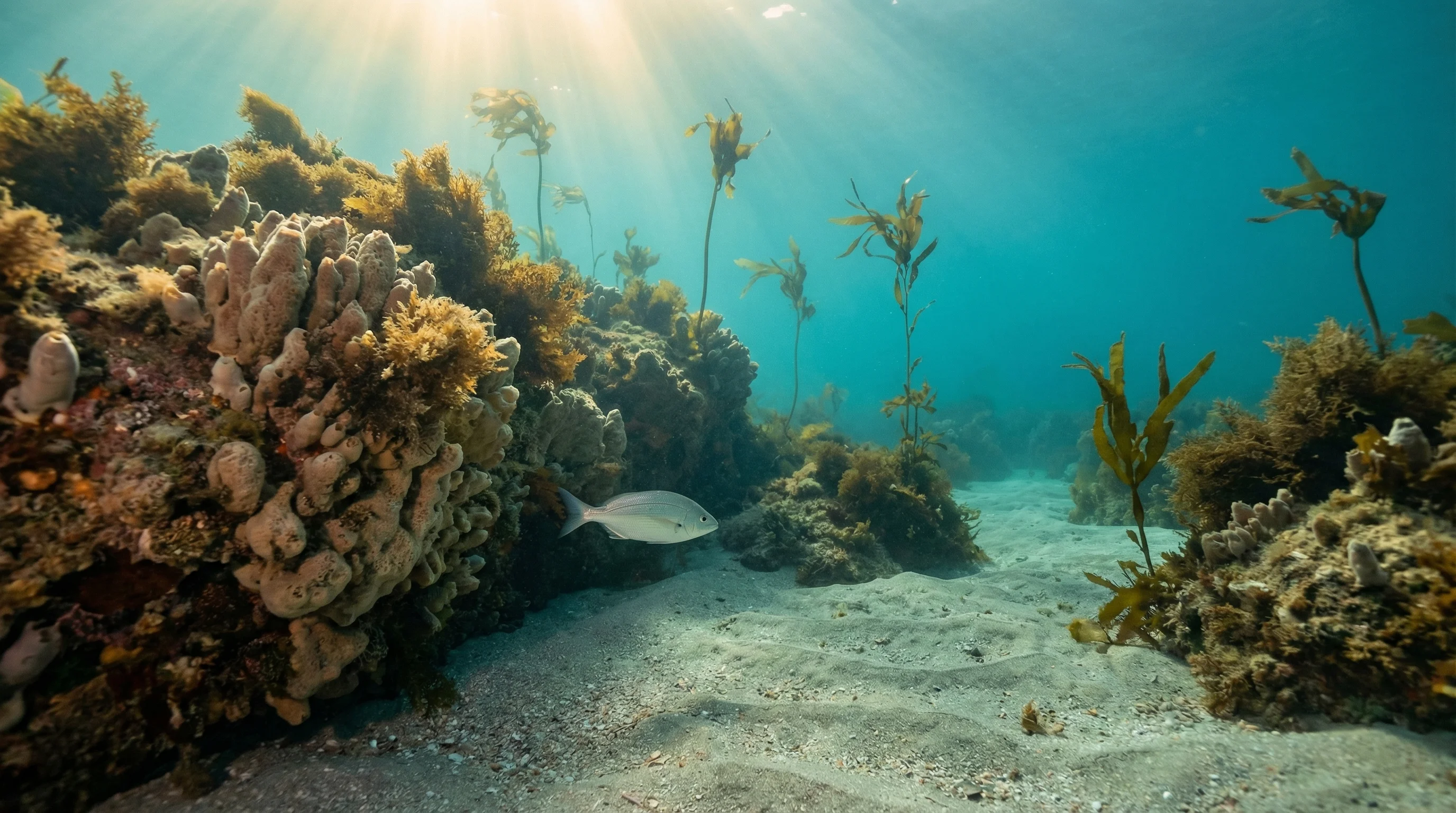
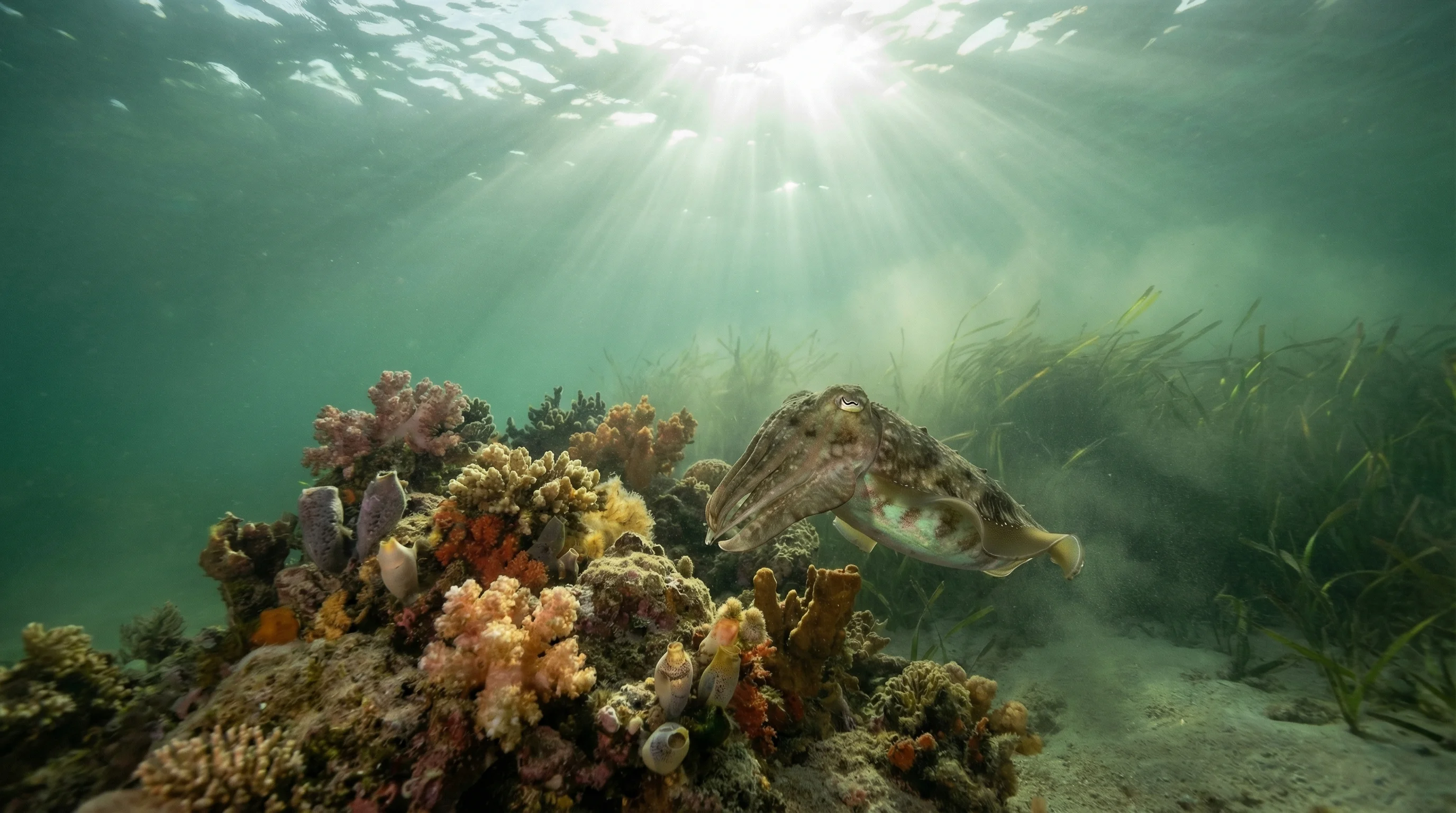
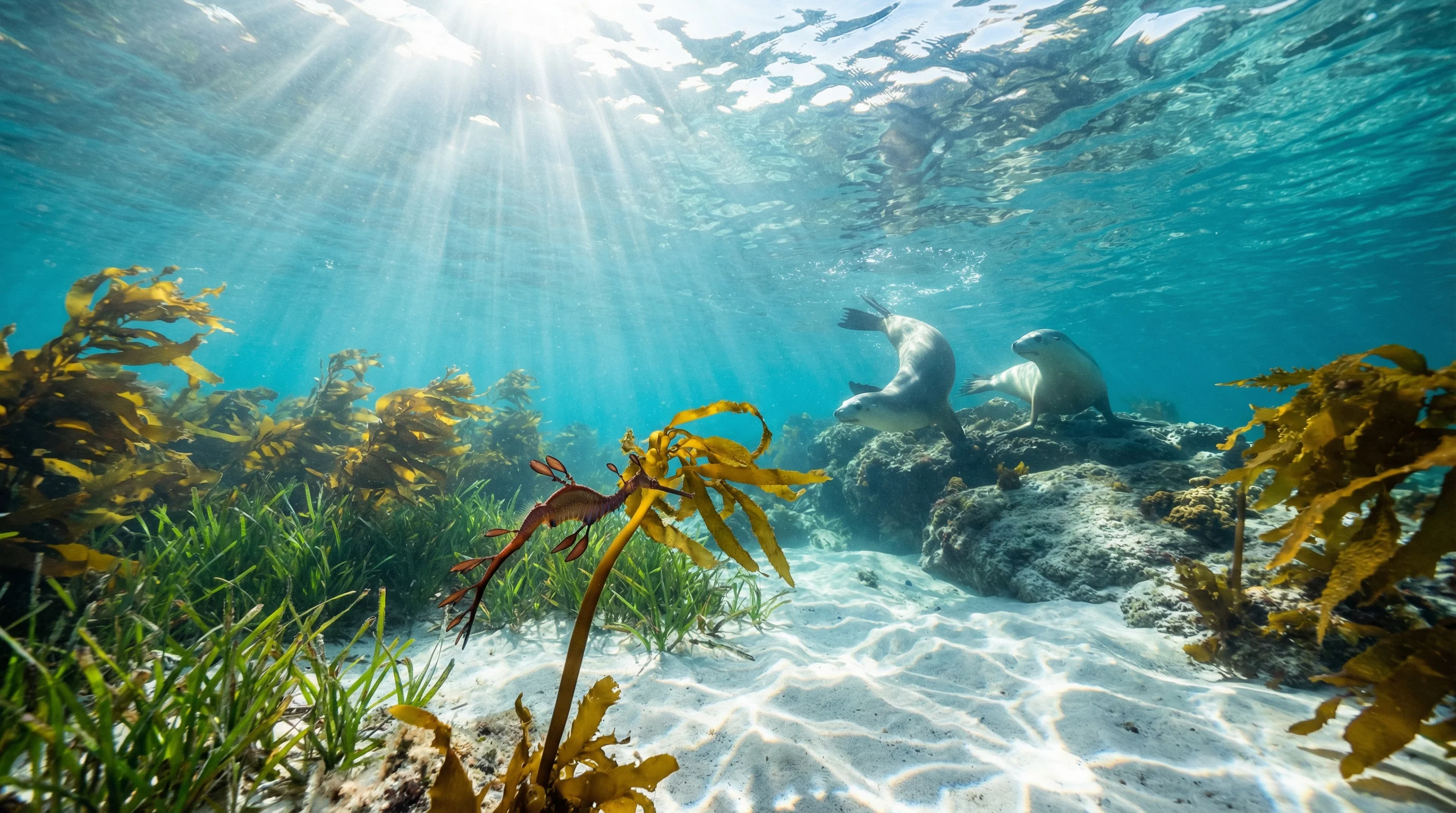
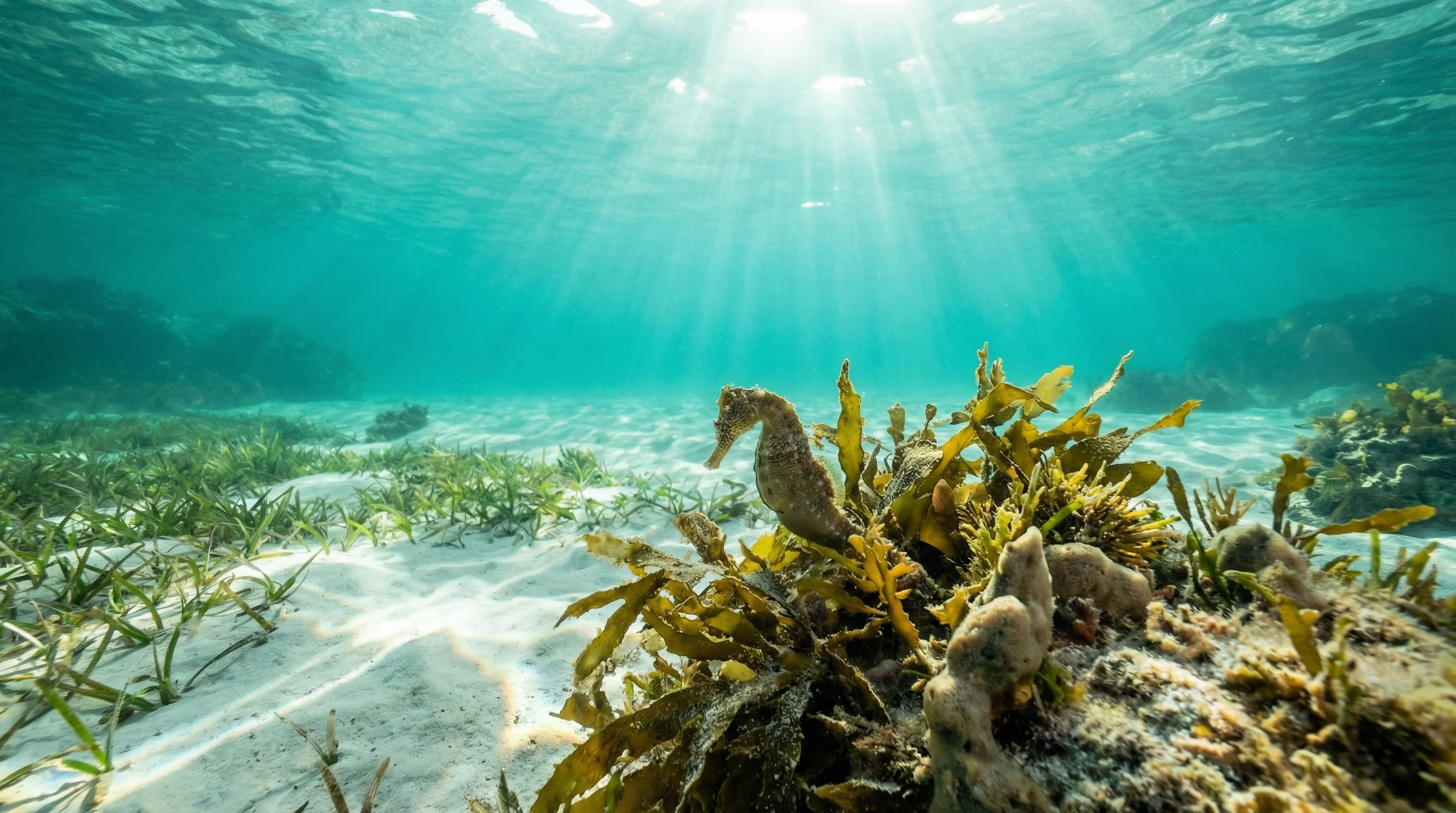
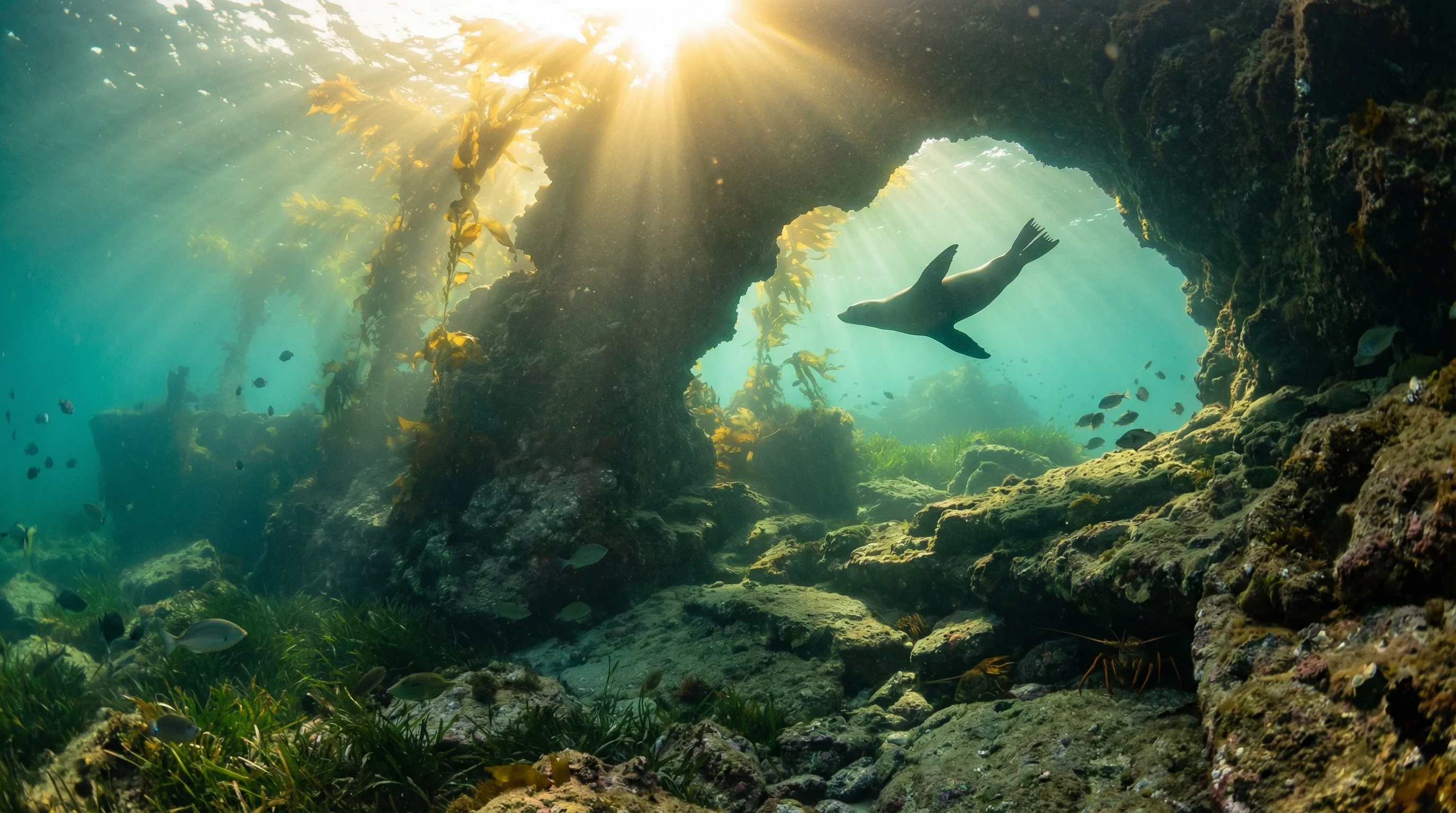
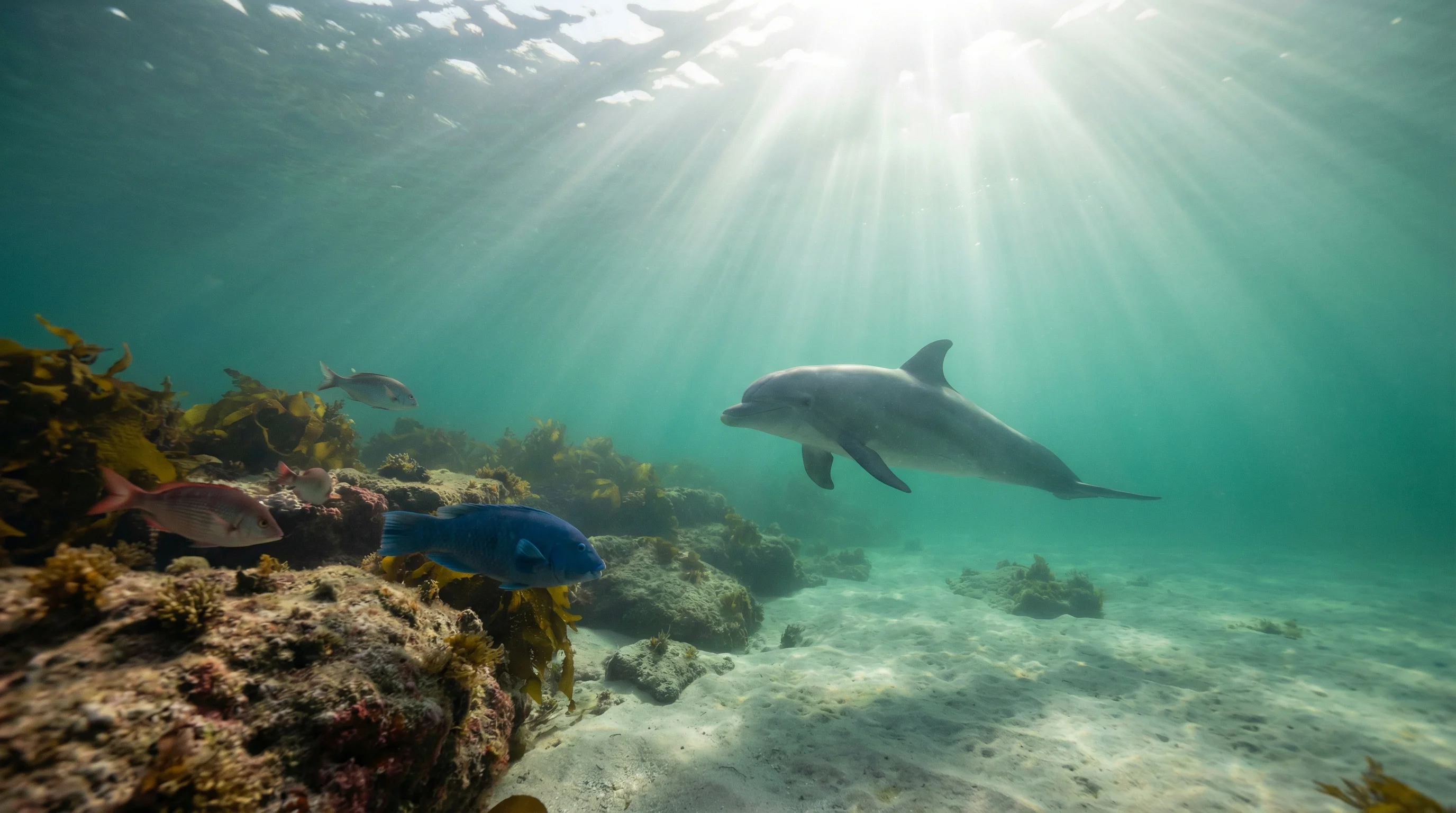
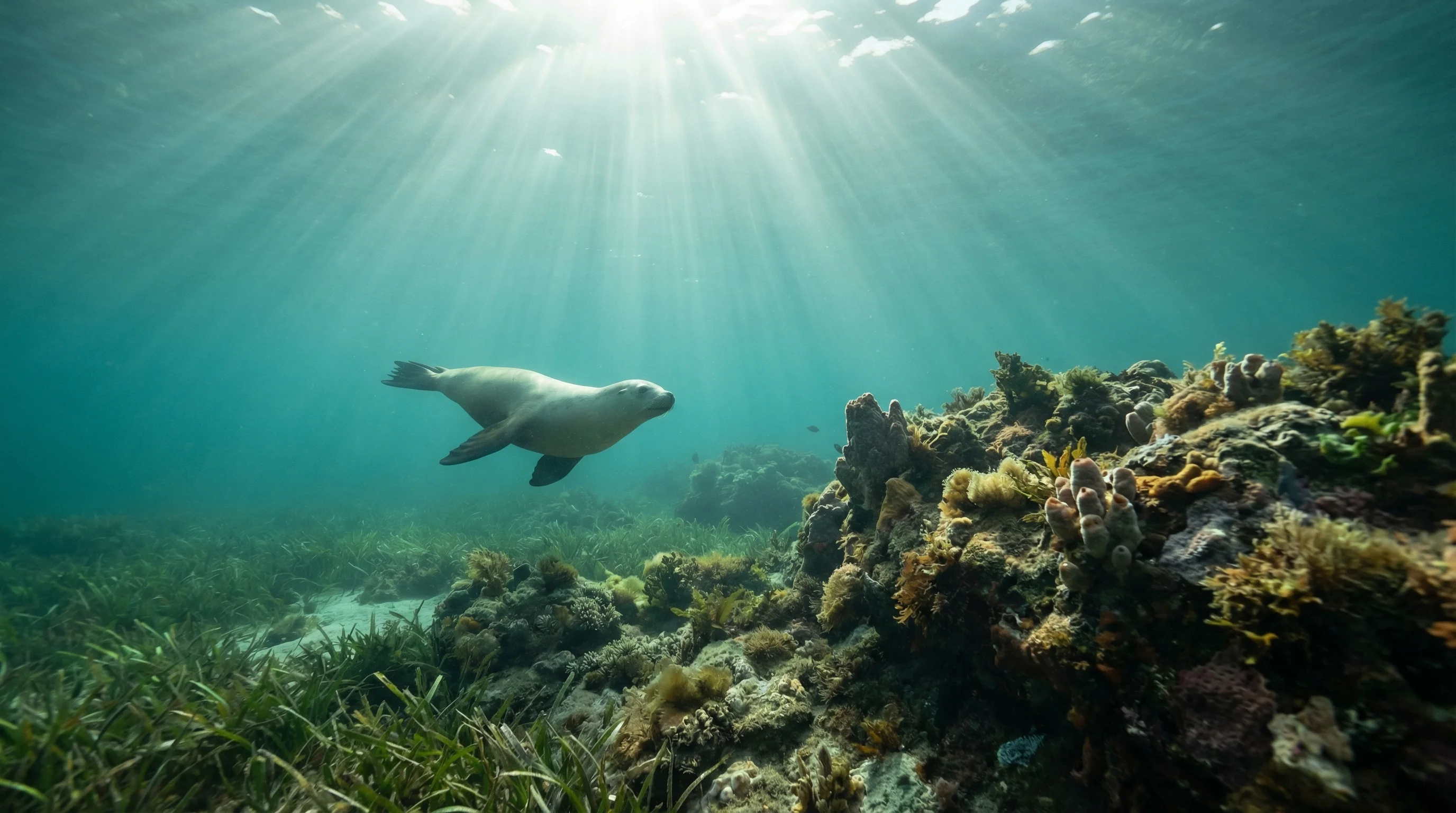
Kangaroo Island's diving is defined by temperate reef life that few other regions can match. The Leafy Seadragon and Weedy Seadragon are regularly observed here, alongside Australian Sea Lion and Long-nosed Fur Seal. Port Jackson Shark and Bobtail Squid appear across most sites. Kingscote forms the main sub-area, offering accessible shallow dives beneath its jetty. Conditions are cool year-round, with summer months drawing the most visitors. Visibility is variable, rewarding patient, observant divers.
1 areas
Monthly water temperature across Kangaroo Island's sites, from satellite sea-surface data corrected for depth. The band shows the site-to-site spread.
Water temperatures peak in late summer and ease off through autumn into a cool winter, making a quality exposure suit essential for most of the year. The best-months data points strongly toward summer and early autumn for comfortable diving, with midwinter seeing far fewer visits. Surge and visibility can vary with weather, particularly on more exposed sections of reef.
5 operators
Australia
16 more sites to explore
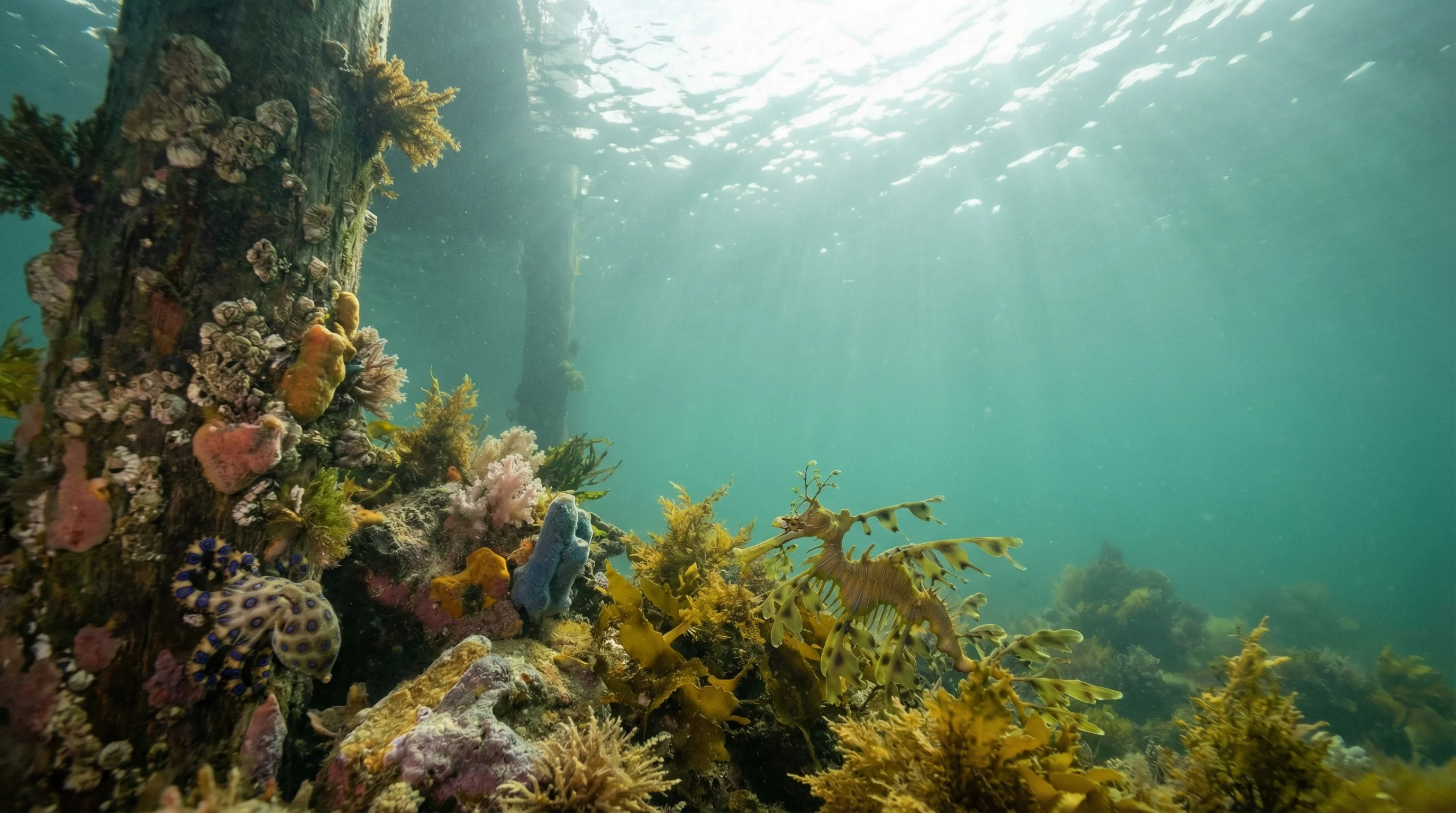
Southern Ocean diving off Kangaroo Island with leafy seadragons, fur seals, wobbegong, and sheltered beginner-friendly sites around Kingscote.
Water temperature around Kangaroo Island ranges from about 15°C in July to 20°C in February, based on satellite sea-temperature data for its dive sites.
In the warm season (about 20°C) a 5mm suit is comfortable in Kangaroo Island; in the coldest months (about 15°C) step up to a 7mm or semi-dry suit.
Fin maps 17 sites in Kangaroo Island (16 scuba diving sites and 8 snorkelling spots, with some suited to both).
Across Kangaroo Island's dive sites, January, February, March and December are most often reported as the best months to visit.
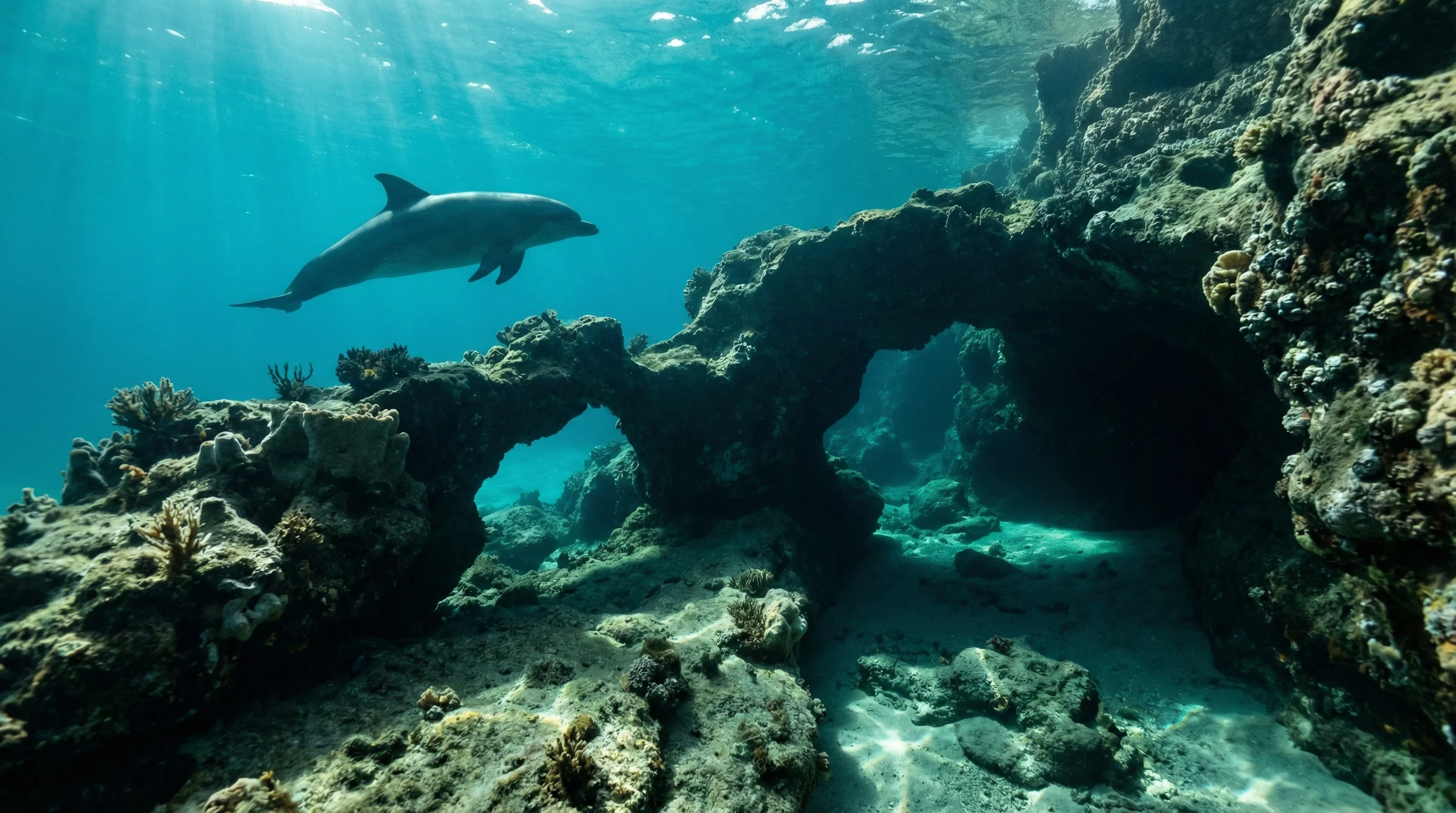
Kangaroo Island is particularly known for the Leafy Seadragon and Weedy Seadragon, both of which are regularly observed across a wide range of sites. Australian Sea Lion and Long-nosed Fur Seal are also commonly encountered in the water. Port Jackson Shark appears frequently, and the Bobtail Squid is a favourite find for macro-focused divers and snorkellers.
Kingscote Jetty is an explicitly beginner-rated site, offering shallow depths and a mix of reef, artificial reef and seagrass habitats accessible by shore or boat. The region does include more challenging sites, so beginners should check individual site skill ratings before heading out. The presence of shallow snorkel sites also makes the area approachable for those not yet diving.
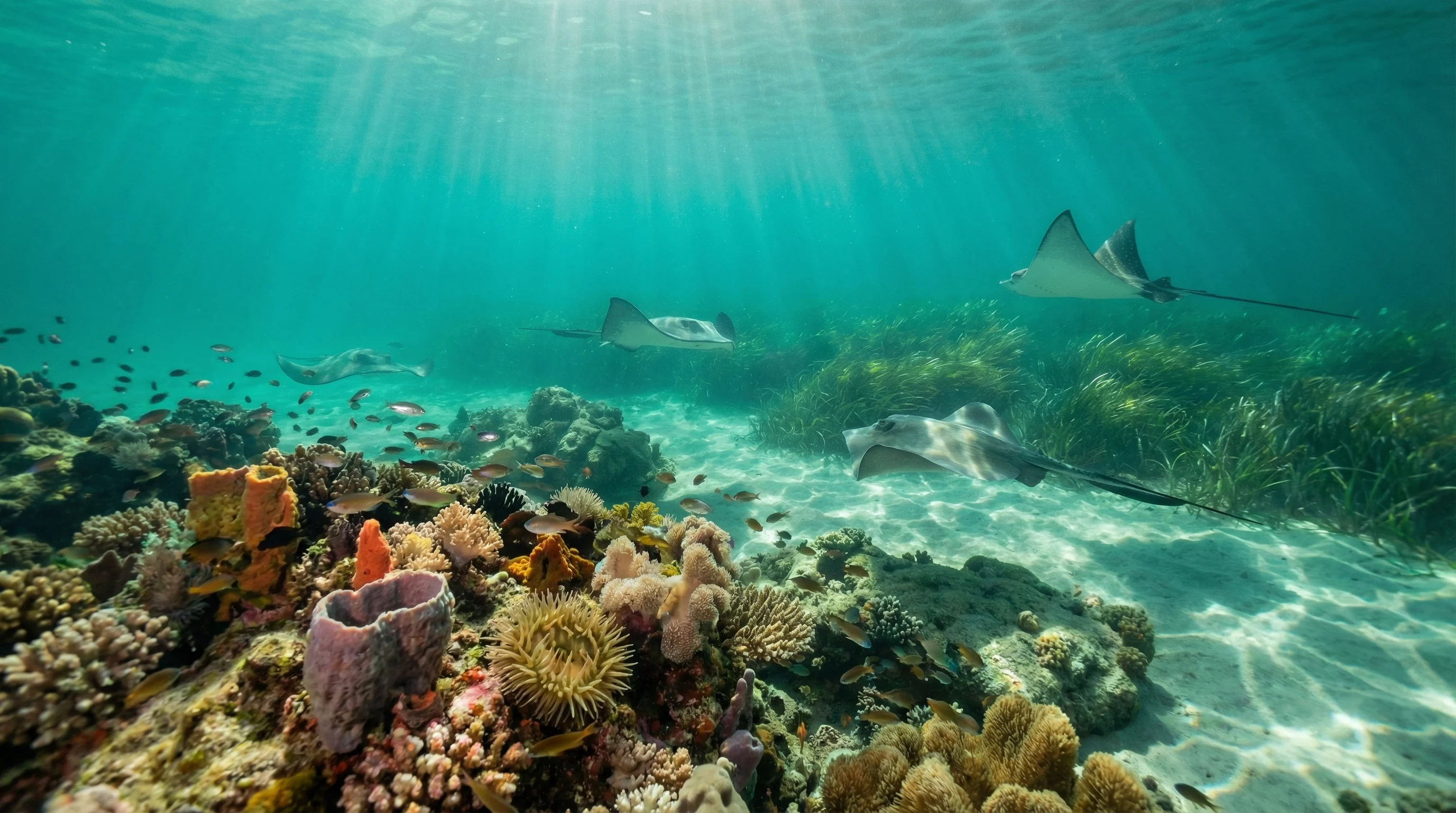
The sites here combine natural reef with artificial structures and seagrass beds, giving divers a range of habitats in a relatively compact area. Kingscote Jetty, within the Kingscote sub-area, is the most well-documented shallow structure site. Reef diving dominates the broader site mix, which suits the temperate species assemblage found across the region.
Several sites on Kangaroo Island are listed for both diving and snorkelling, meaning a group with mixed interests or certification levels can share the same entry point. Kingscote Jetty is one such site, accessible from shore or by boat. The shallower sections of these combined sites give snorkellers real access to the same habitats and species that divers encounter below.