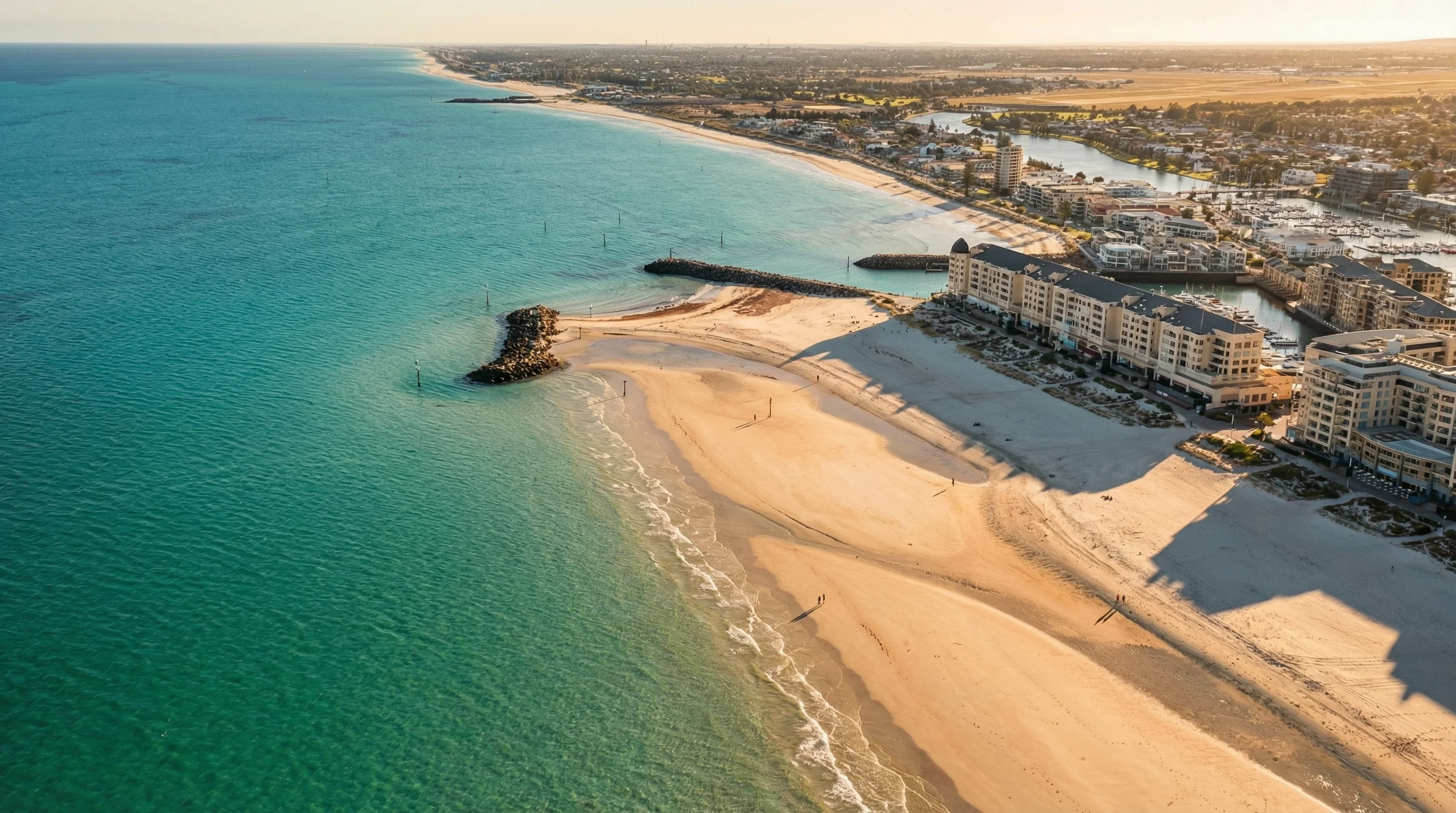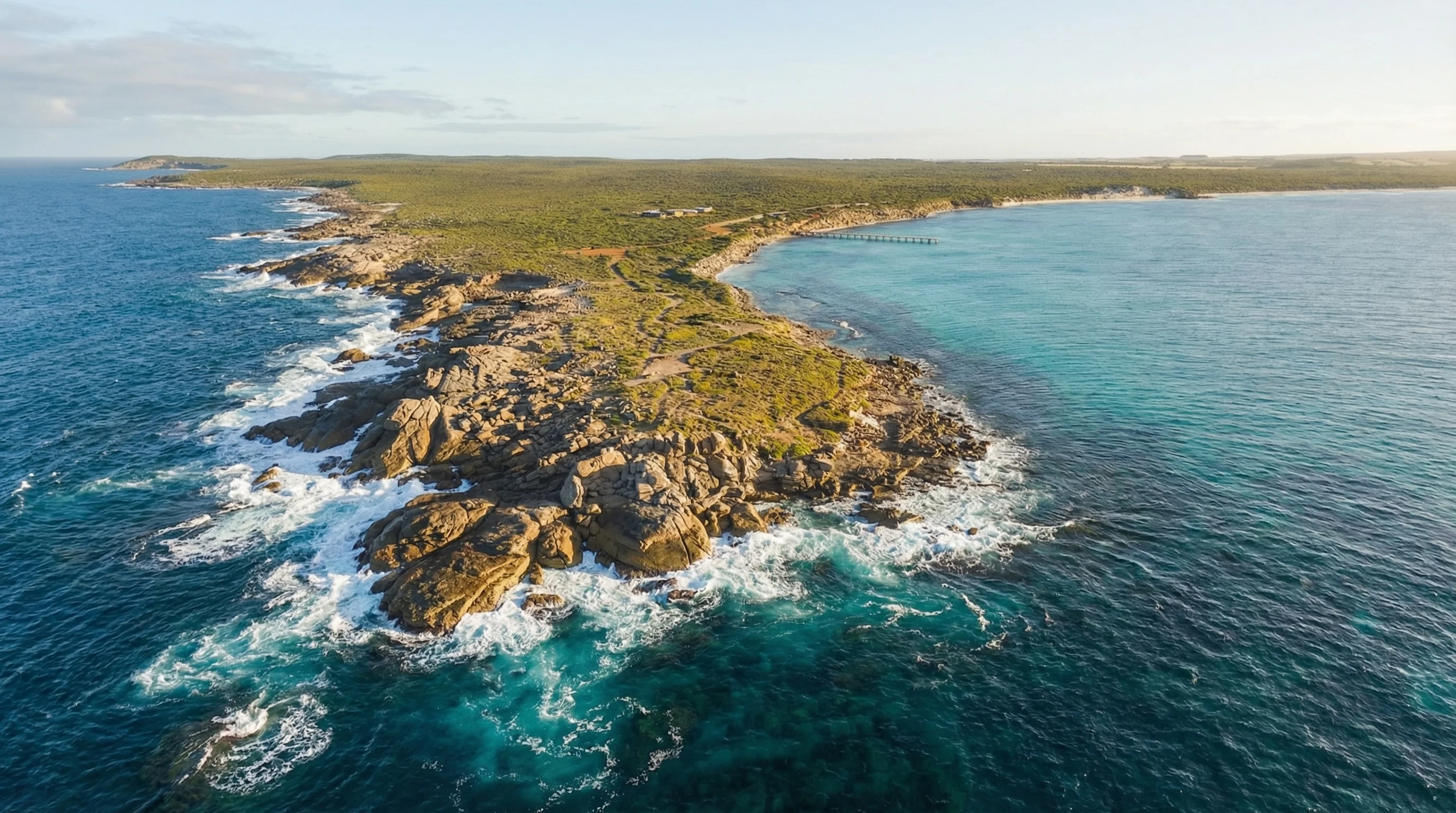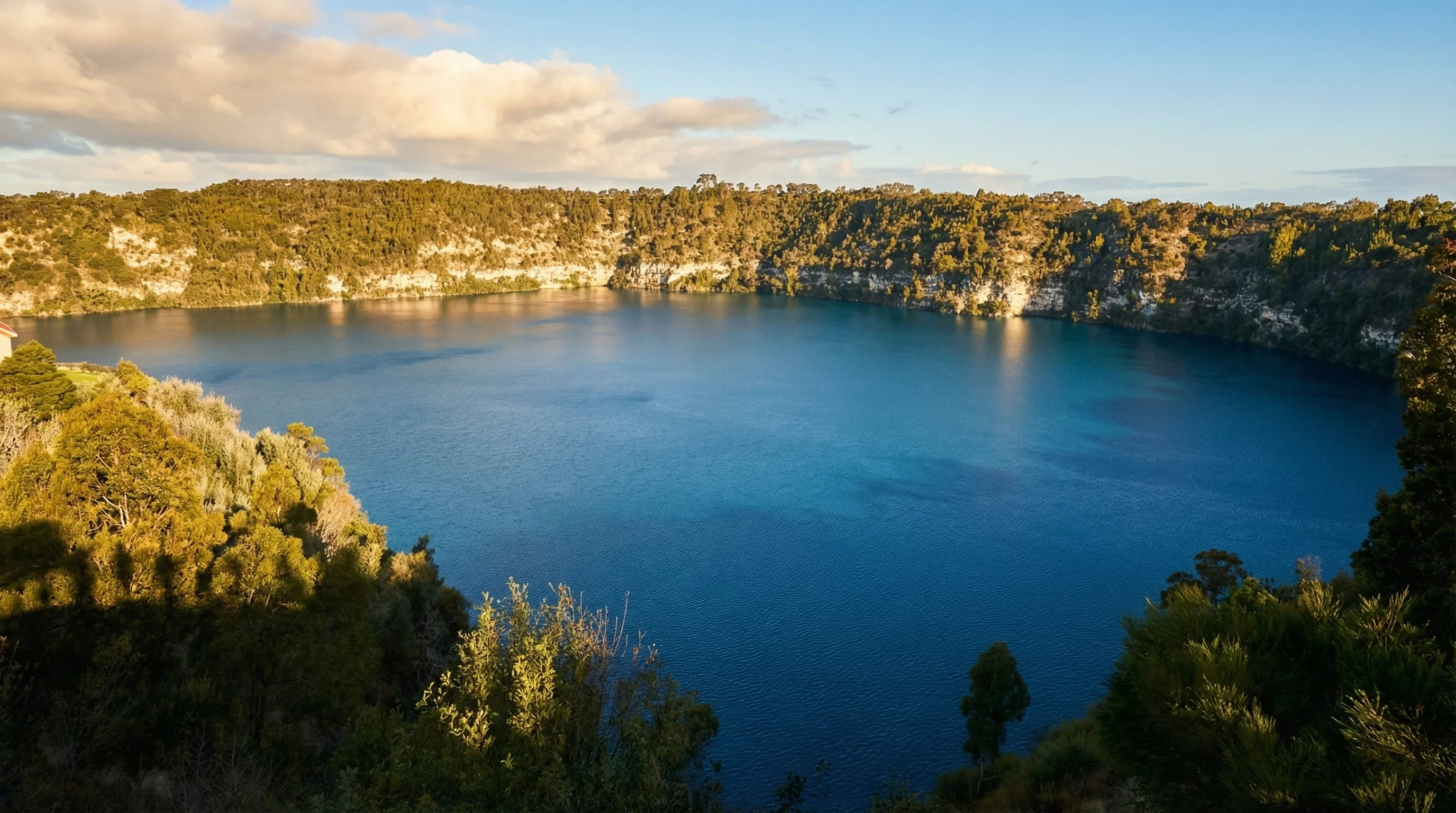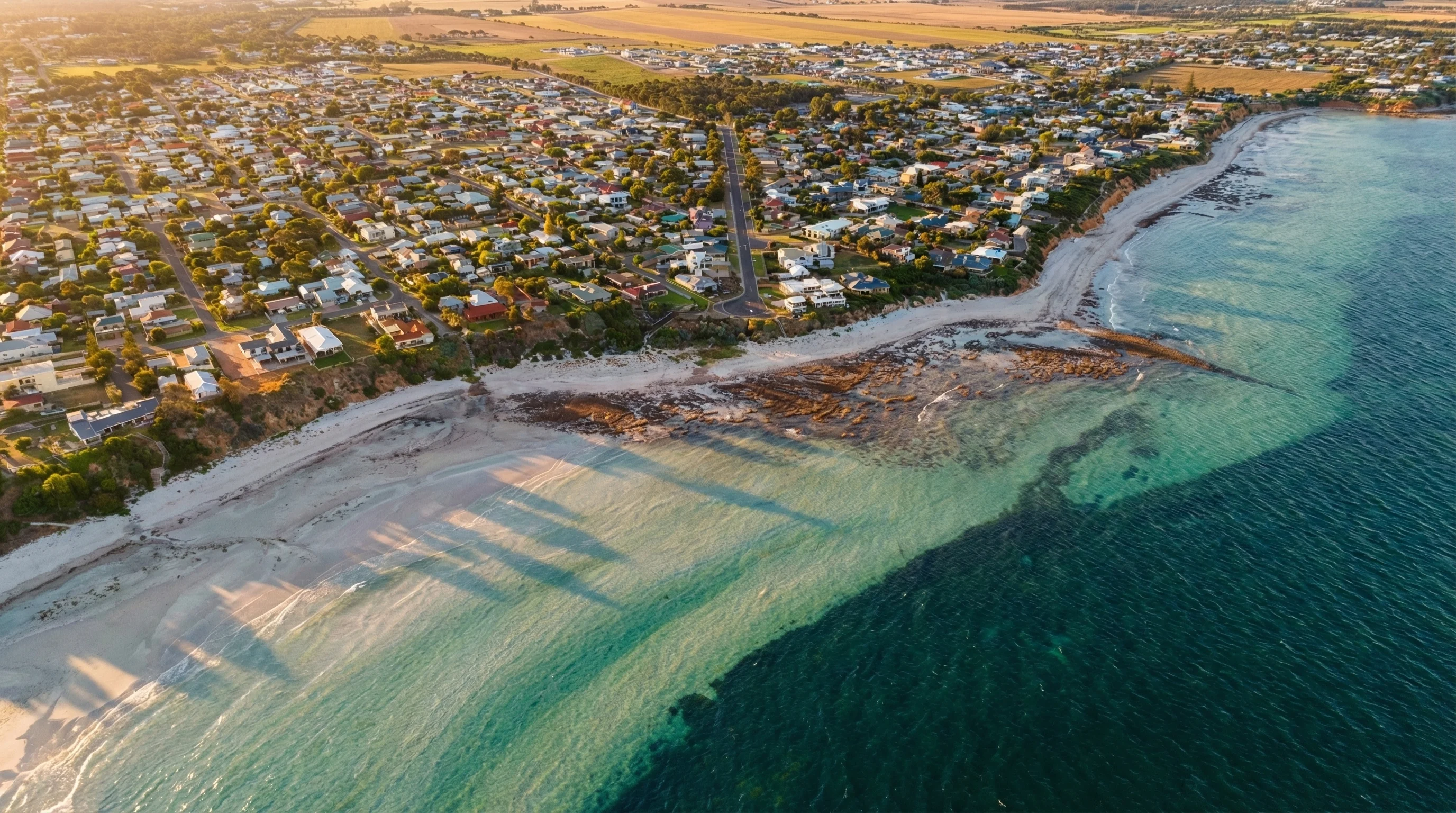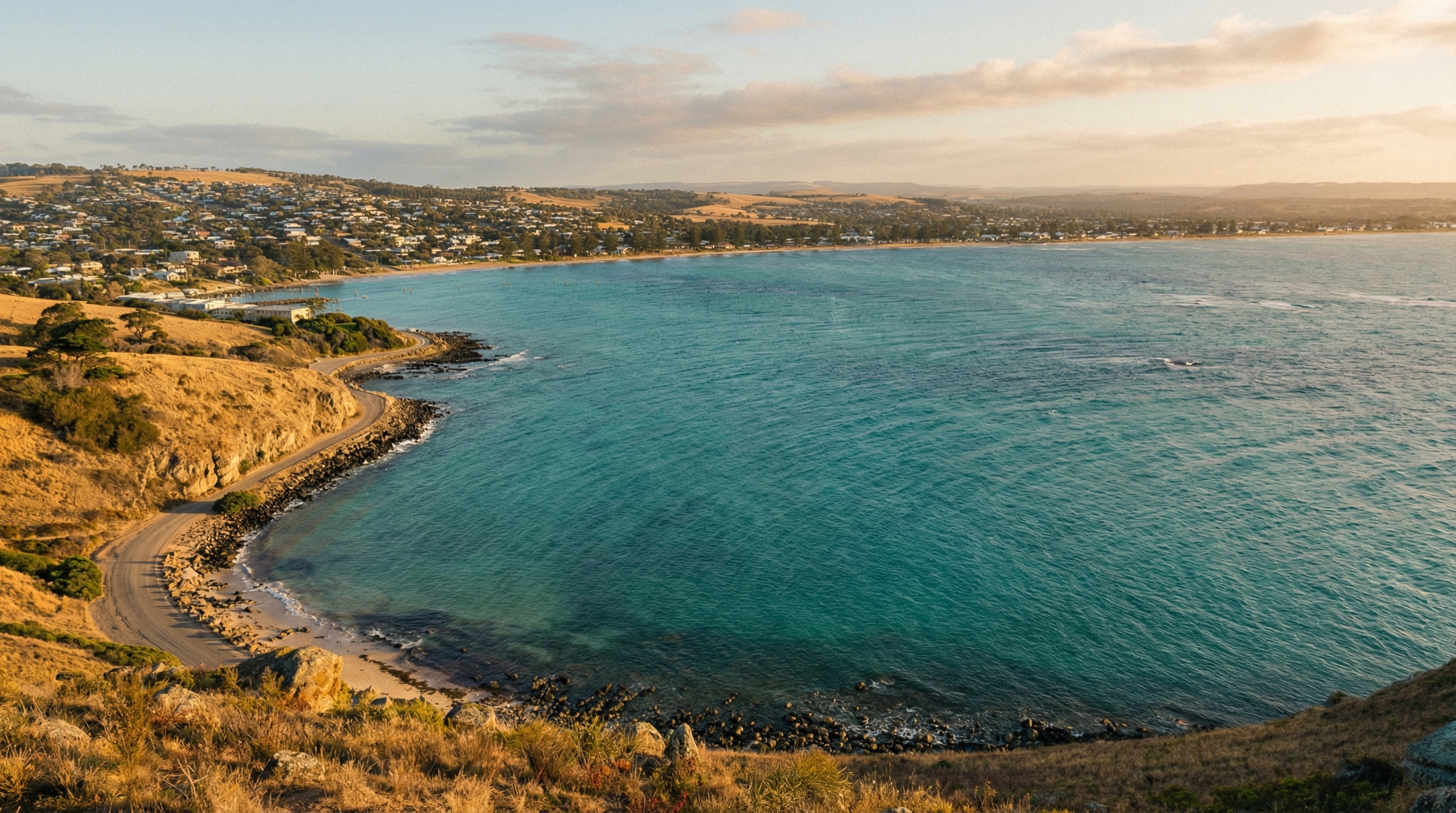
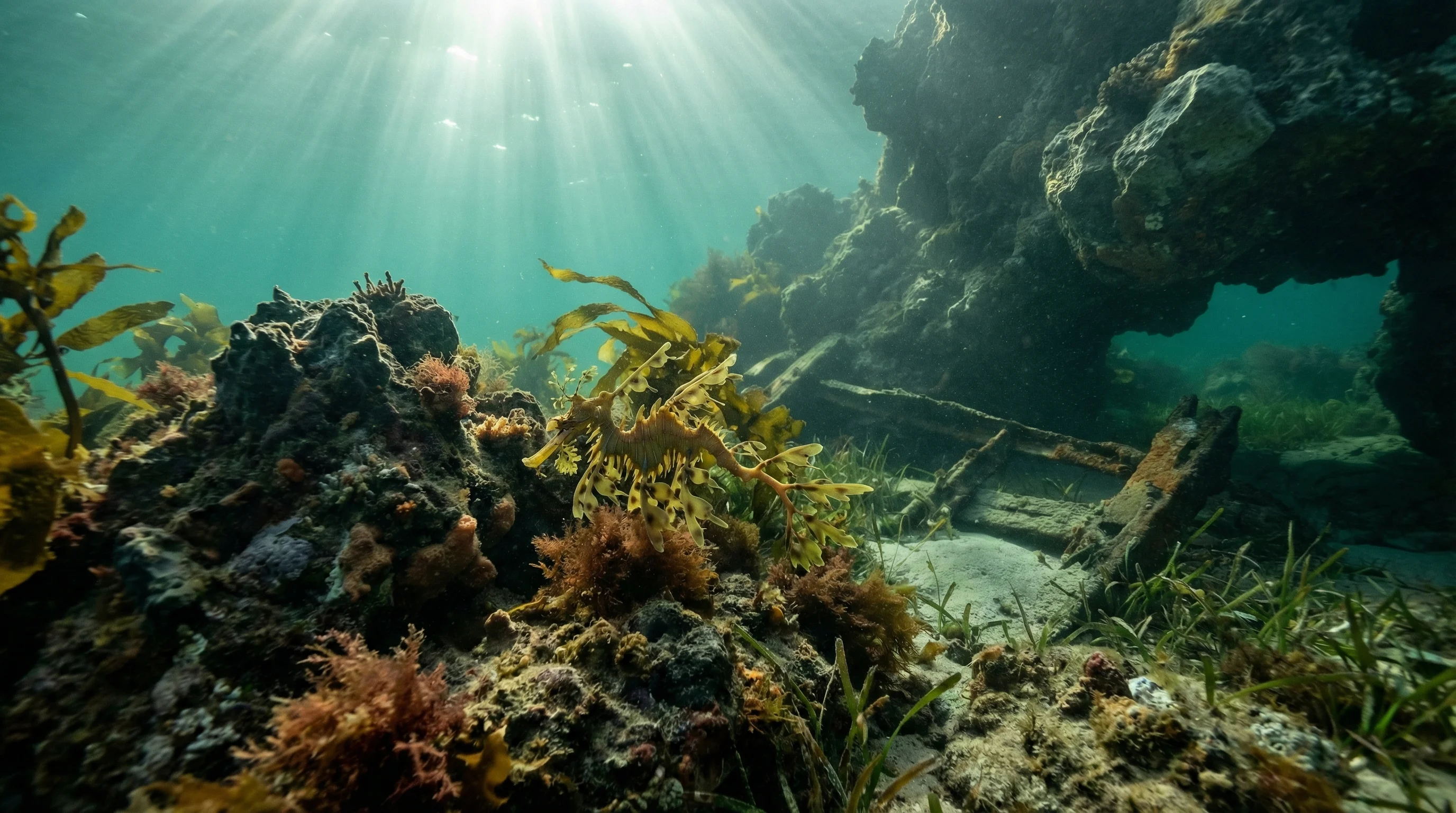
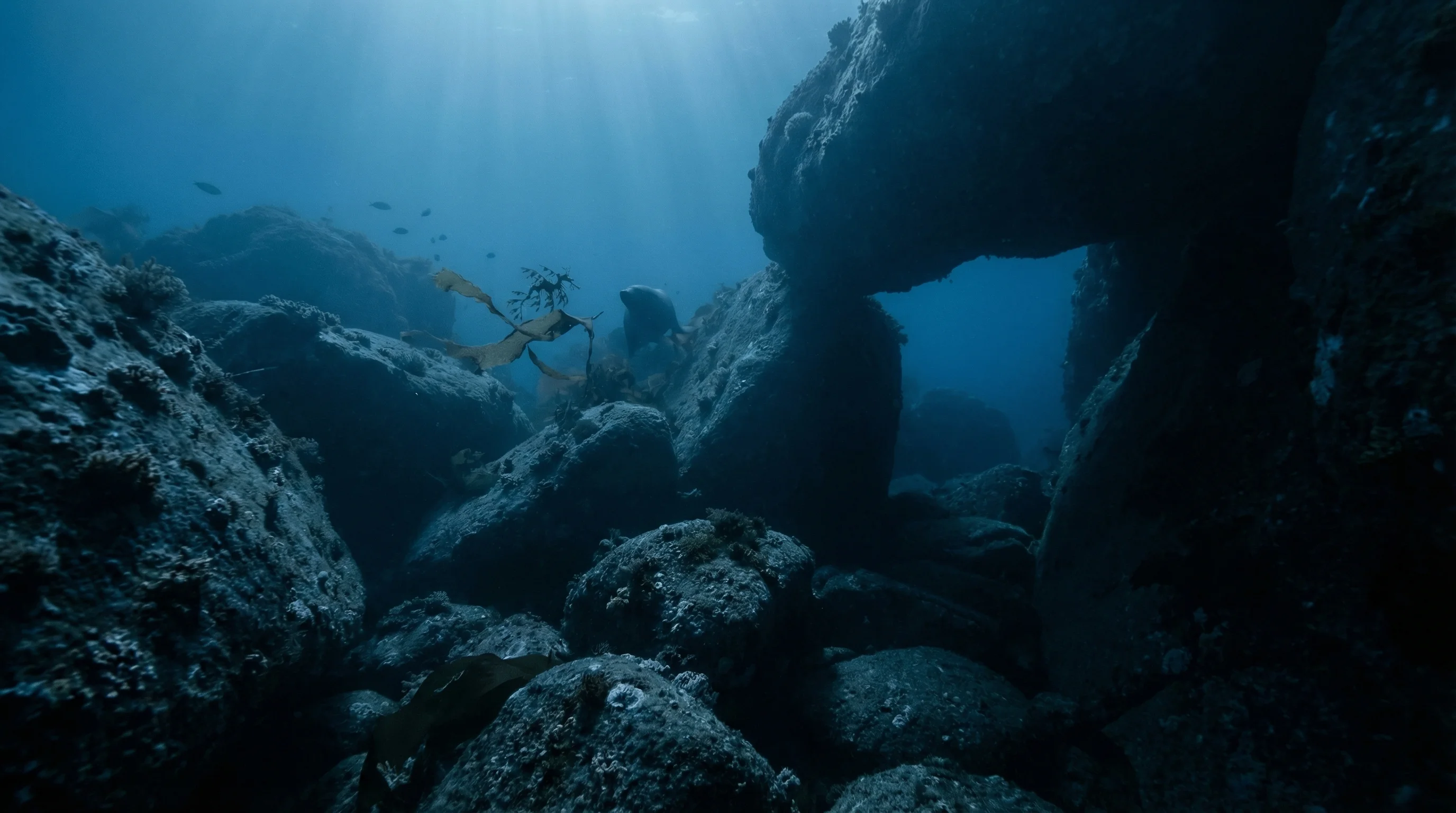
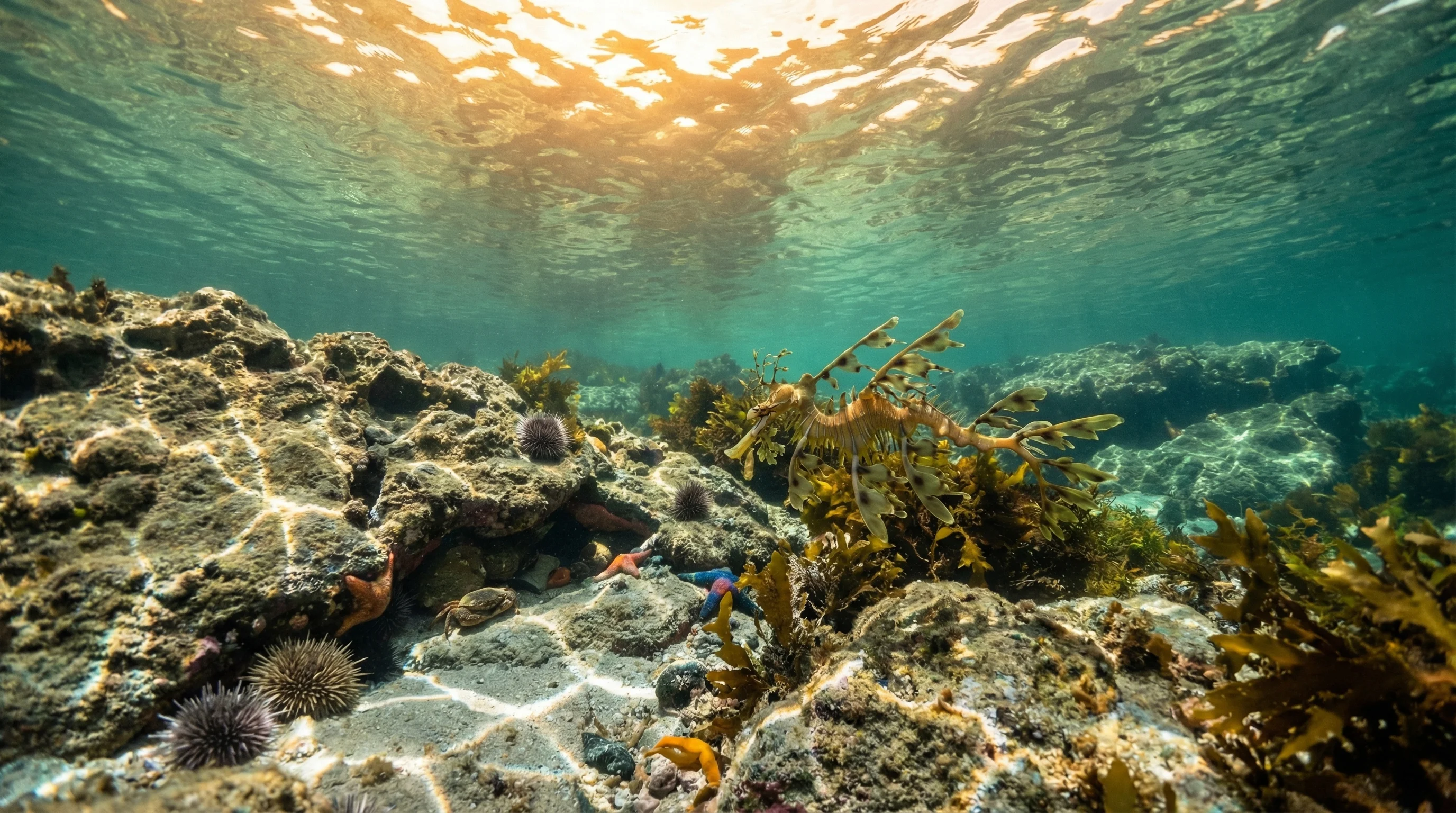
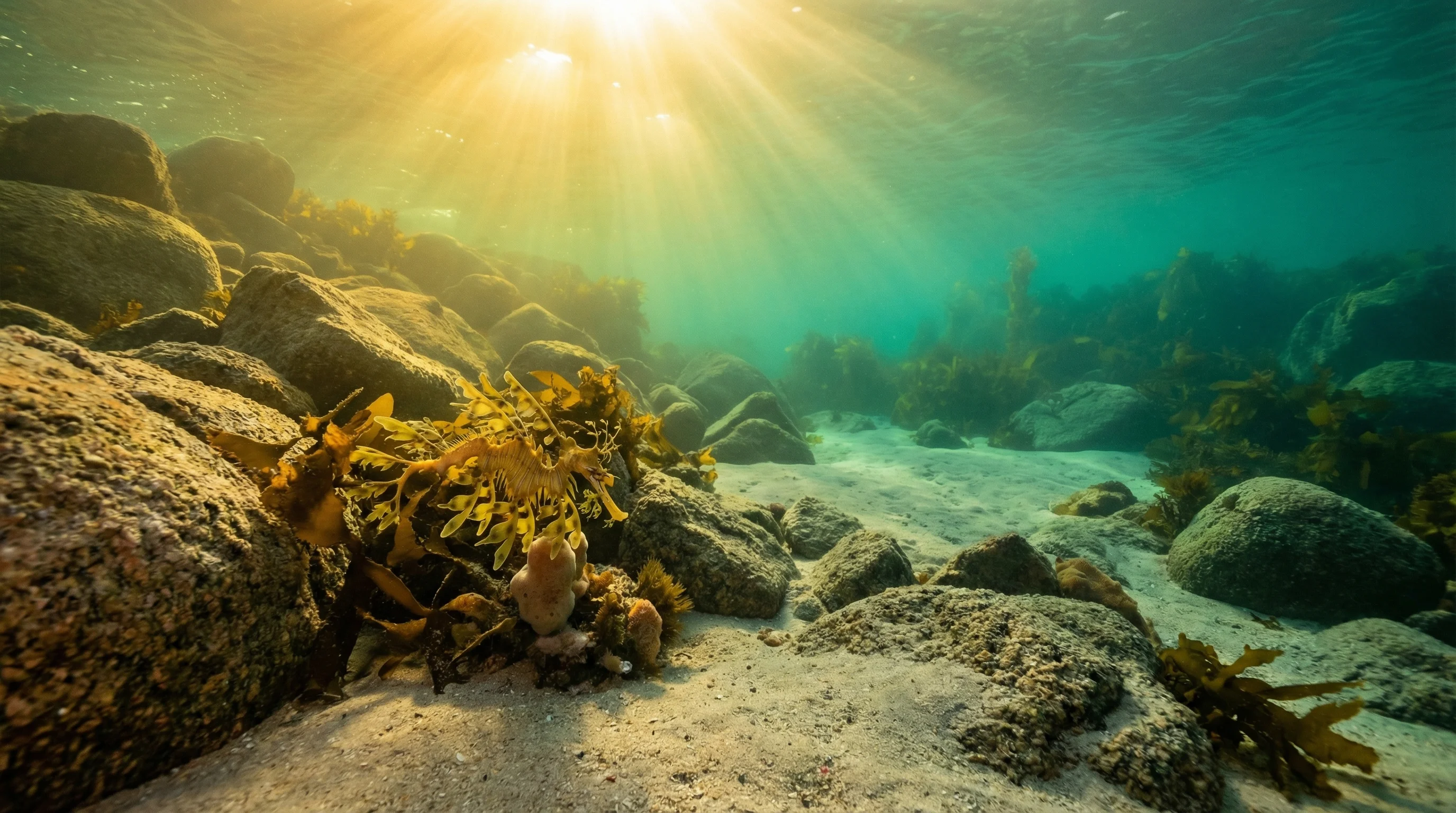
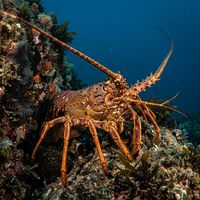
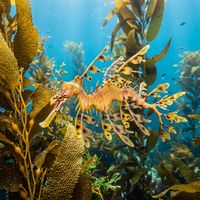
The Fleurieu Peninsula combines shore-accessible reefs, a scuttled destroyer and cavern systems to give divers a truly varied menu. Three distinct sub-areas shape the experience: Victor Harbor, Rapid Bay Jetty and Second Valley each offer their own character. Signature encounters include the Leafy Seadragon, Weedy Seadragon, Long-nosed Fur Seal and Australian Sea Lion, alongside ever-present Moonlighter, Old Wife and Southern Rock Lobster. Summer months bring the warmest water and the highest diver activity.
3 areas
 5
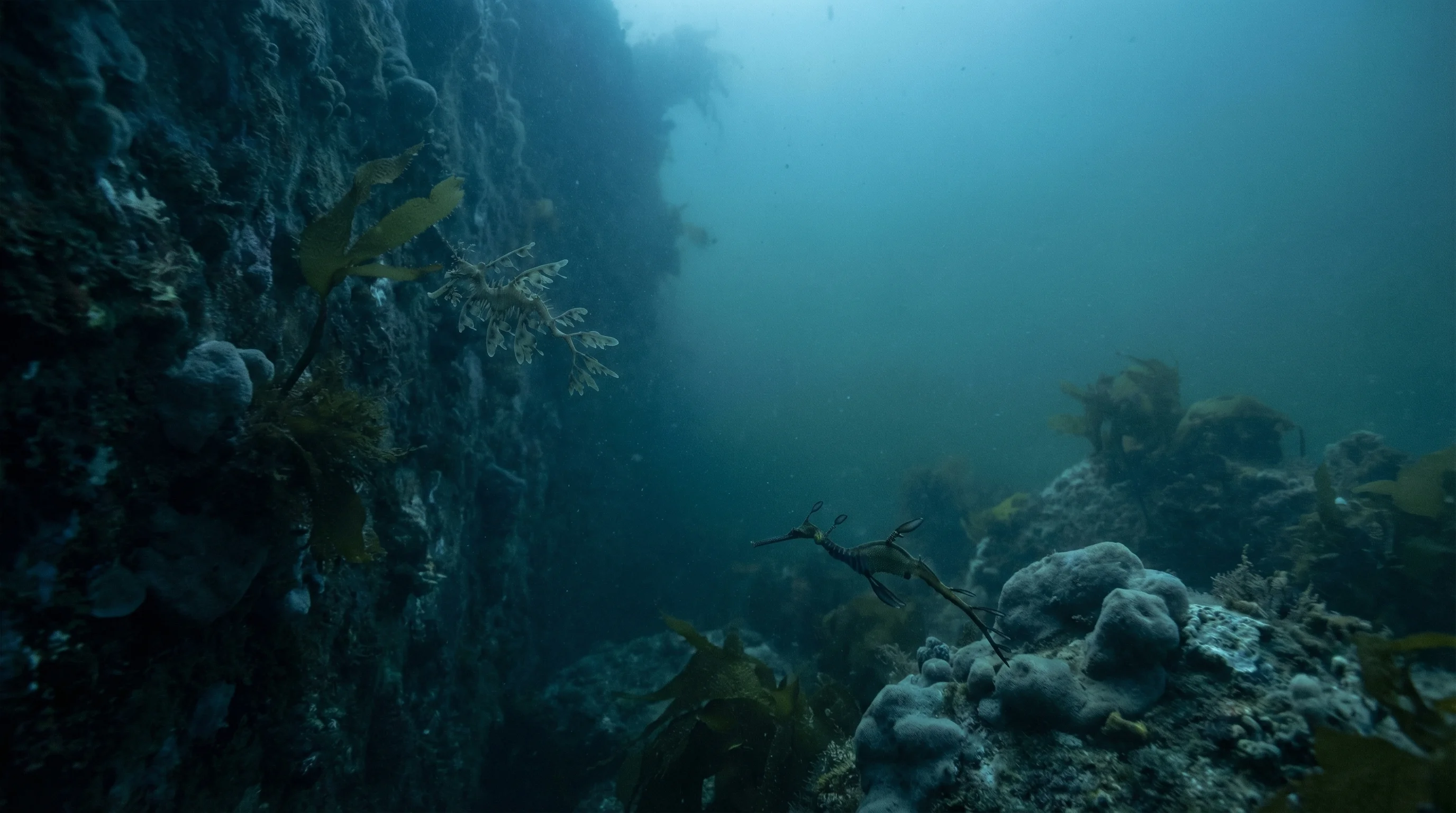
5Cold-water Fleurieu Peninsula diving with rays, fur seals, and diverse reef life across shore and boat sites.
 3
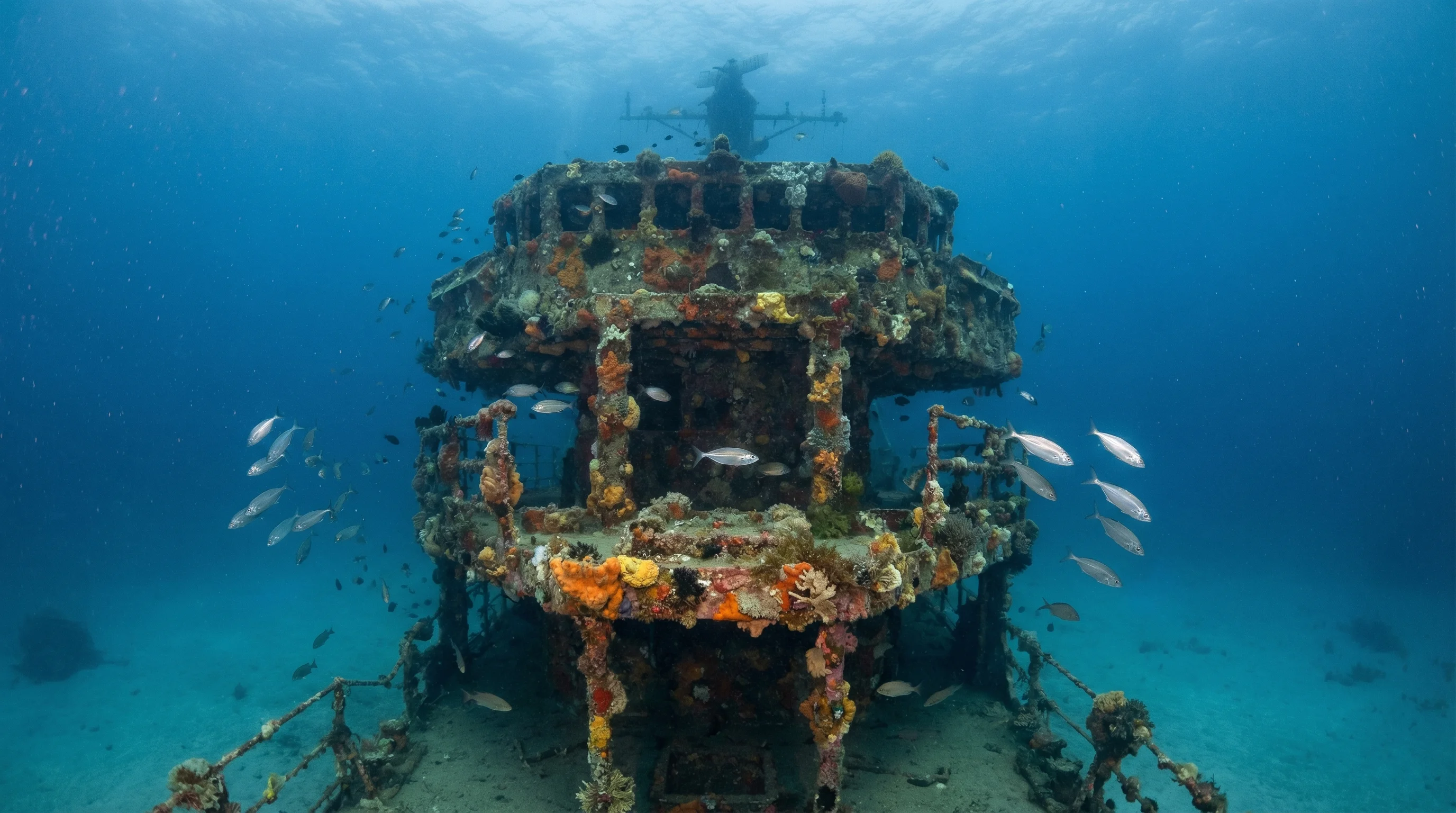
3South Australia's Fleurieu Peninsula offers shore reef, cave, and the advanced HMAS Hobart wreck dive, with Leafy Seadragon and Giant Cuttlefish recorded.
 2
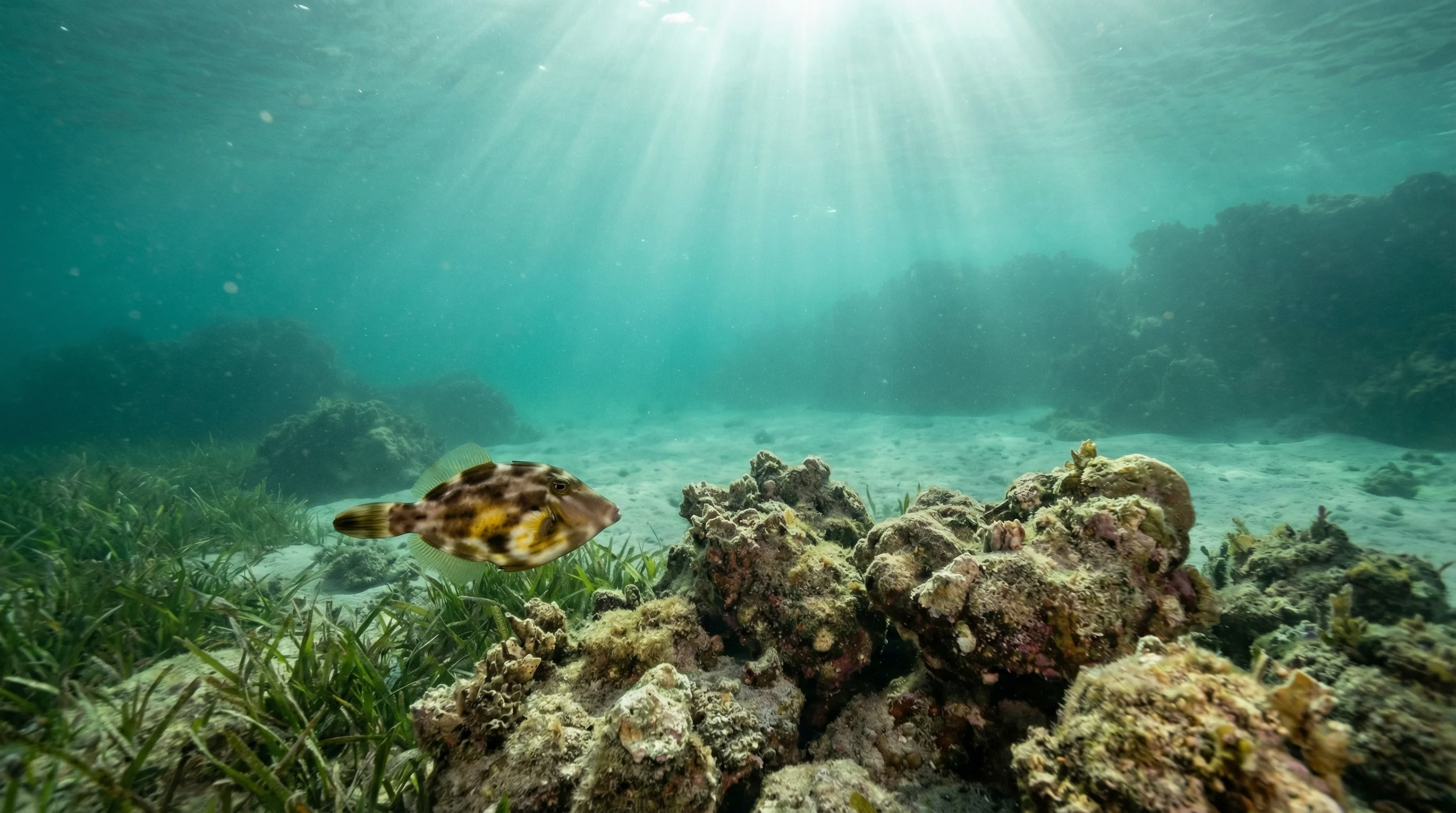
2Cold-water reef diving in Second Valley with leafy seadragons, pot-bellied seahorses and fur seals close to shore.
Monthly water temperature across Fleurieu Peninsula's sites, from satellite sea-surface data corrected for depth. The band shows the site-to-site spread.
Water temperatures peak across summer and ease off through autumn, with the coolest conditions persisting from mid-winter into spring. Diver activity is highest from December through February, making those months the social peak of the season. A decent exposure layer is advisable for the cooler months, when the water drops noticeably and conditions on more exposed sites can be brisk.
10 more sites to explore
Water temperature around Fleurieu Peninsula ranges from about 14°C in July to 20°C in February, based on satellite sea-temperature data for its dive sites.
In the warm season (about 20°C) a 5mm suit is comfortable in Fleurieu Peninsula; in the coldest months (about 14°C) step up to a 7mm or semi-dry suit.
Fin maps 13 sites in Fleurieu Peninsula (13 scuba diving sites and 5 snorkelling spots, with some suited to both), organised into 3 areas.
Across Fleurieu Peninsula's dive sites, January, February, March, April and December are most often reported as the best months to visit.
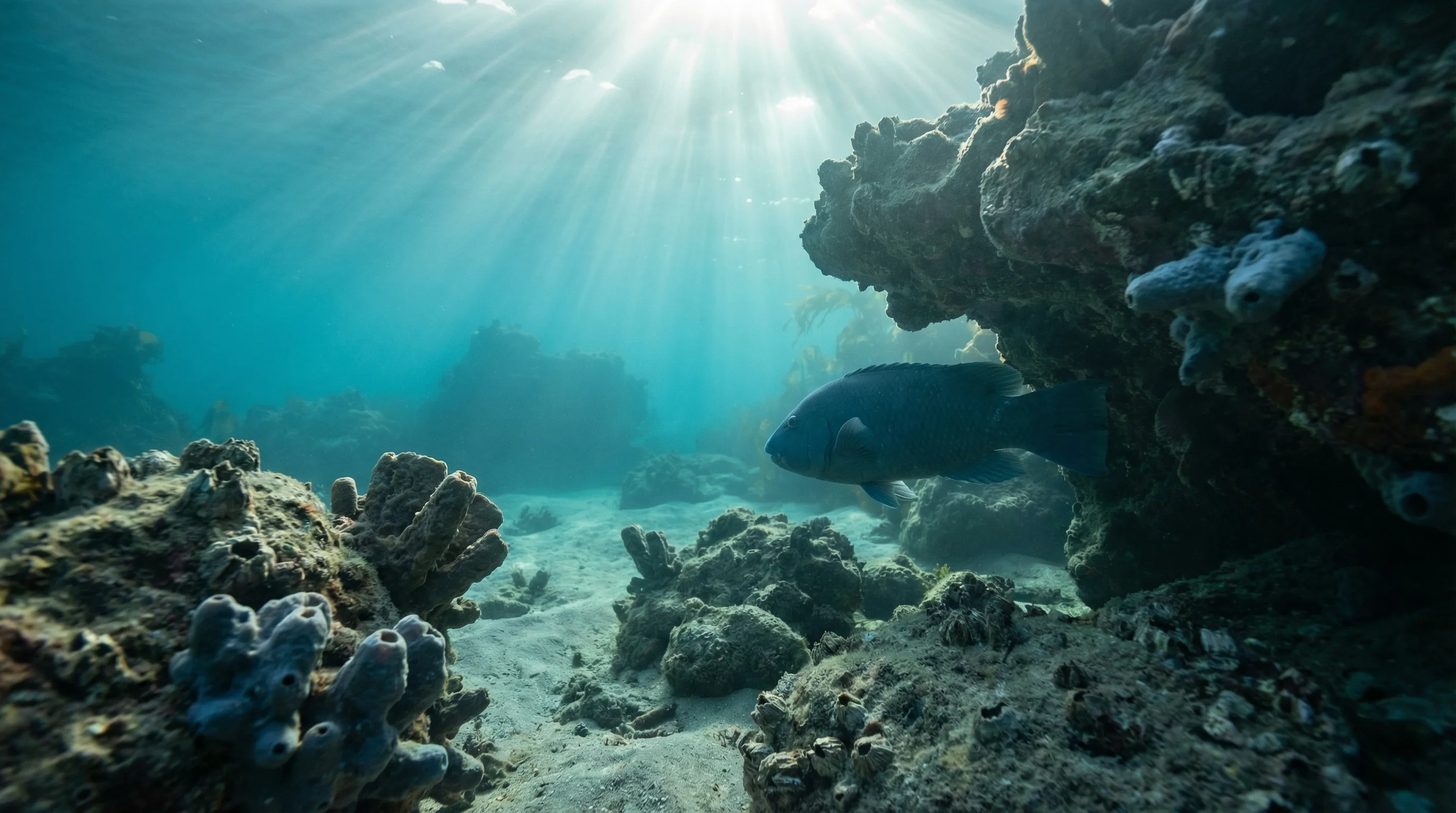
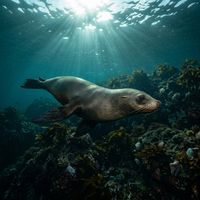
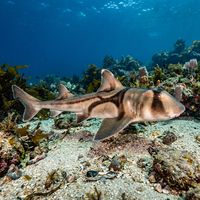
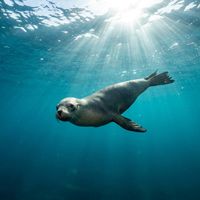
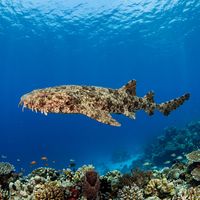
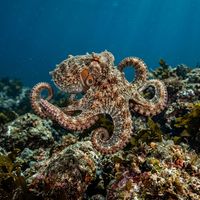
The peninsula has a rich cast of temperate species. Sightings of the Leafy Seadragon and Weedy Seadragon are among the most sought-after encounters, while the Long-nosed Fur Seal and Australian Sea Lion appear regularly. Port Jackson Shark, Spotted Wobbegong, Fiddler Ray, New Zealand Octopus and Western Blue Devil round out the list of commonly observed animals.
Several sites are rated for beginners, including Second Valley and The Bluff Wharf, both of which are shore-entry reefs with shallow sections. The HMAS Hobart wreck, by contrast, is rated advanced due to its greater depth and the boat-only access required. Beginners are well served by the shore sites, while more experienced divers can progress to the wreck.
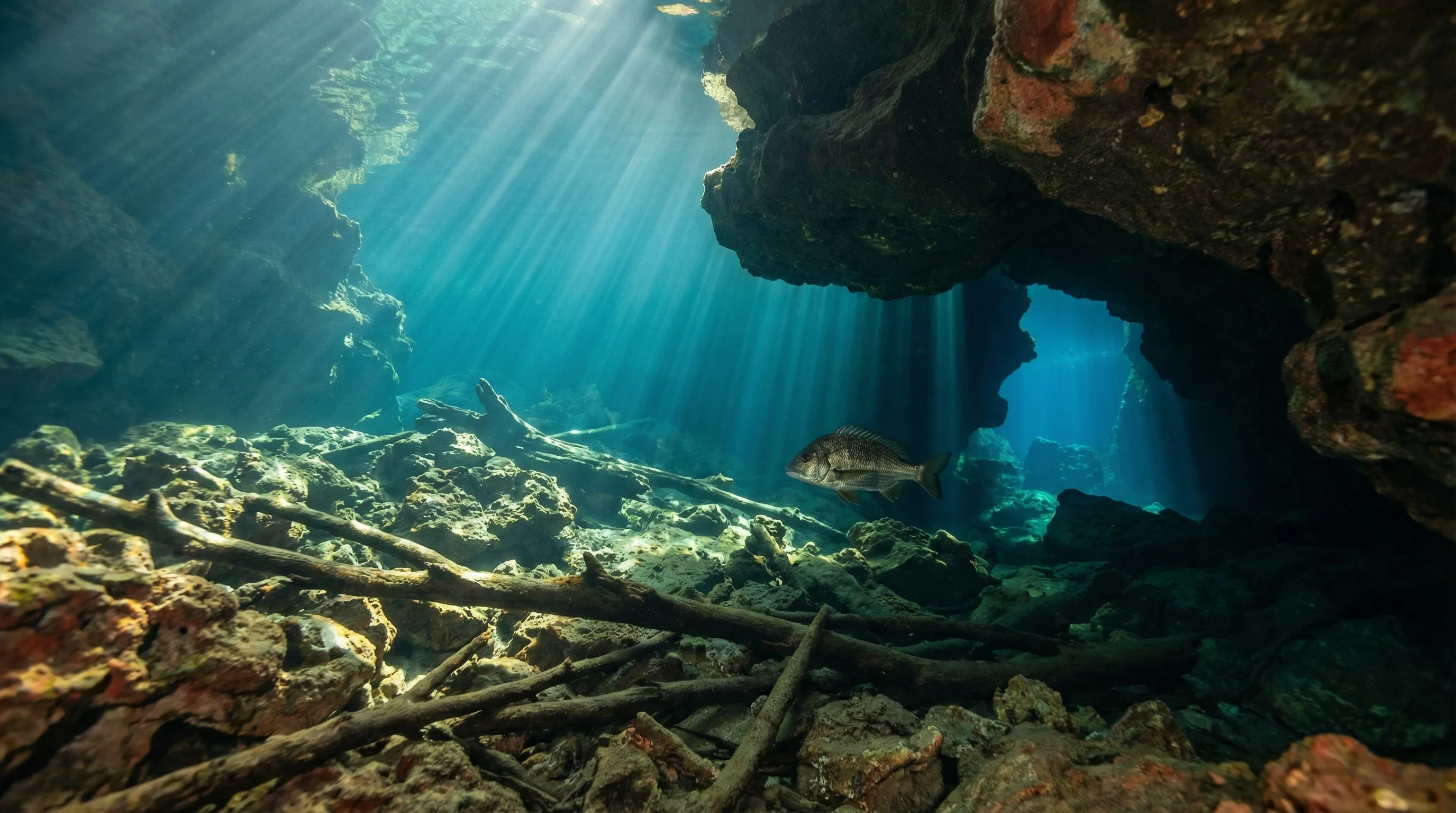
Most sites on the peninsula are shore-accessible, including the reef and cavern system at Second Valley and the wall and canyon at The Bluff Wharf. The main exception is the HMAS Hobart, which requires a boat. Sea Dragon Dive Lodge is the local operator best placed to organise boat access to the wreck.
Victor Harbor has the largest concentration of sites and includes The Bluff Wharf, a shore dive with reef, wall and canyon features. Rapid Bay Jetty offers its own distinct set of sites suited to exploring the pier structure and surrounding reef. Second Valley is a compact area centred on a sheltered shore-entry reef with caves and caverns, well regarded for seadragon sightings.