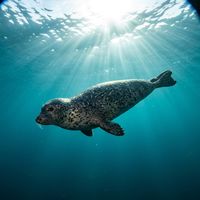
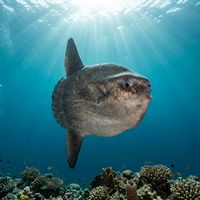
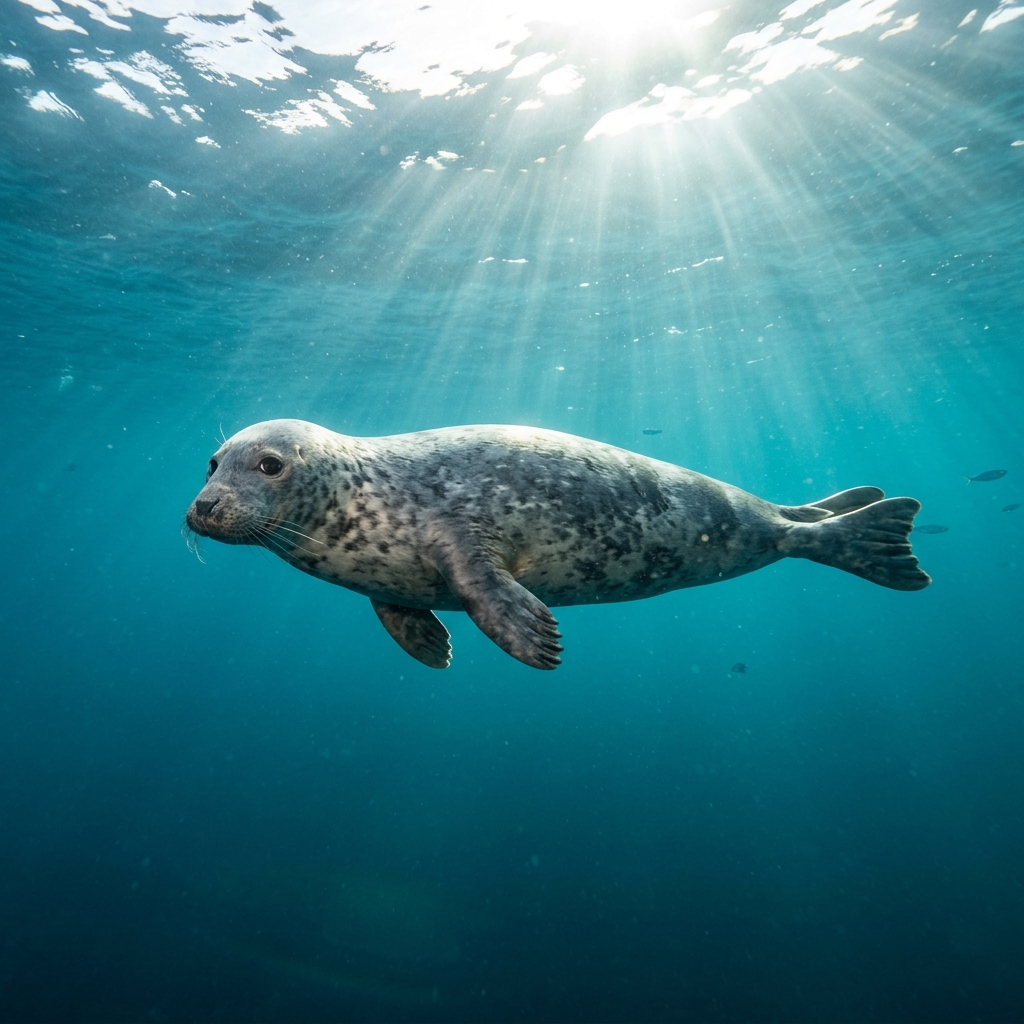
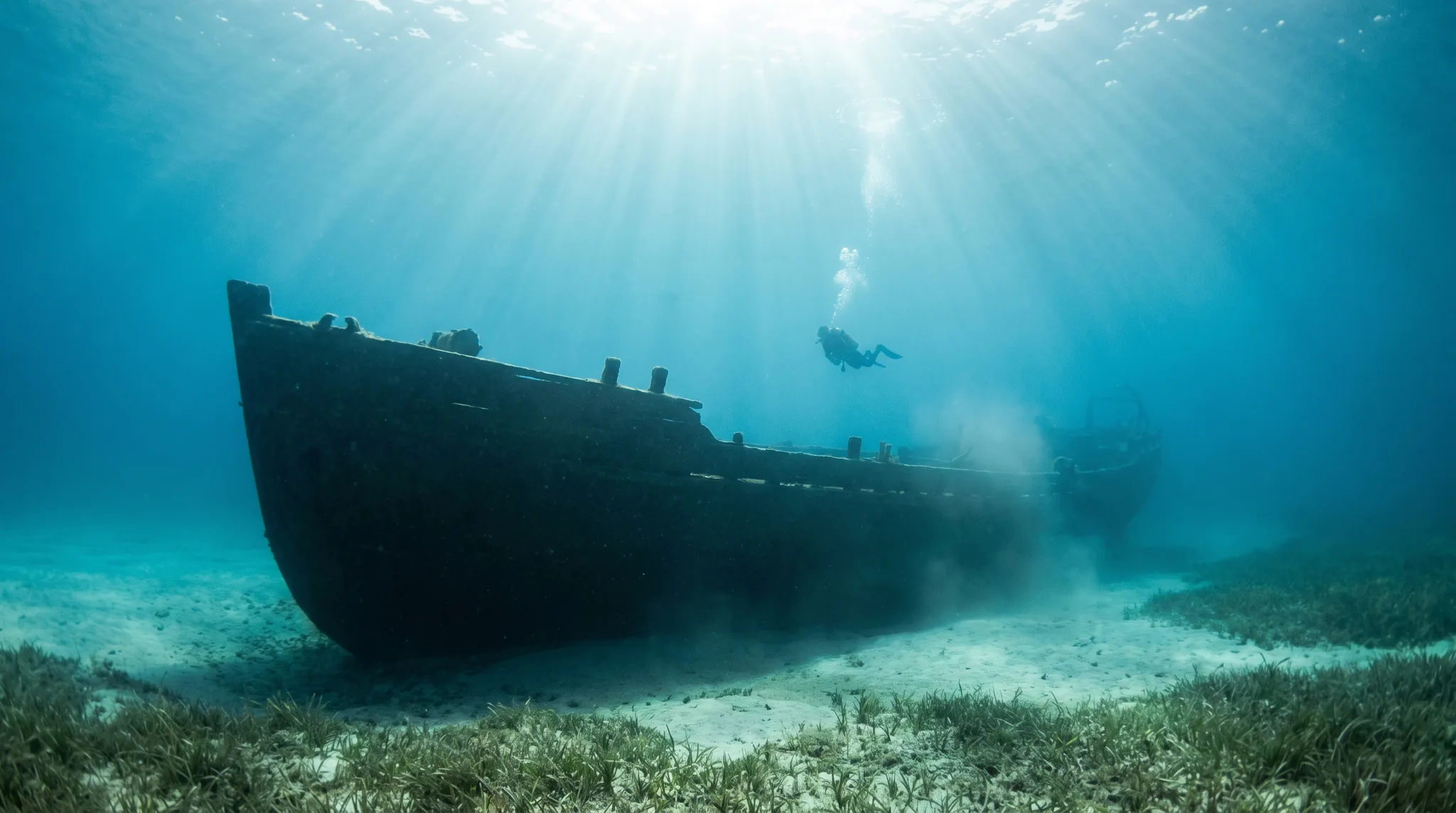
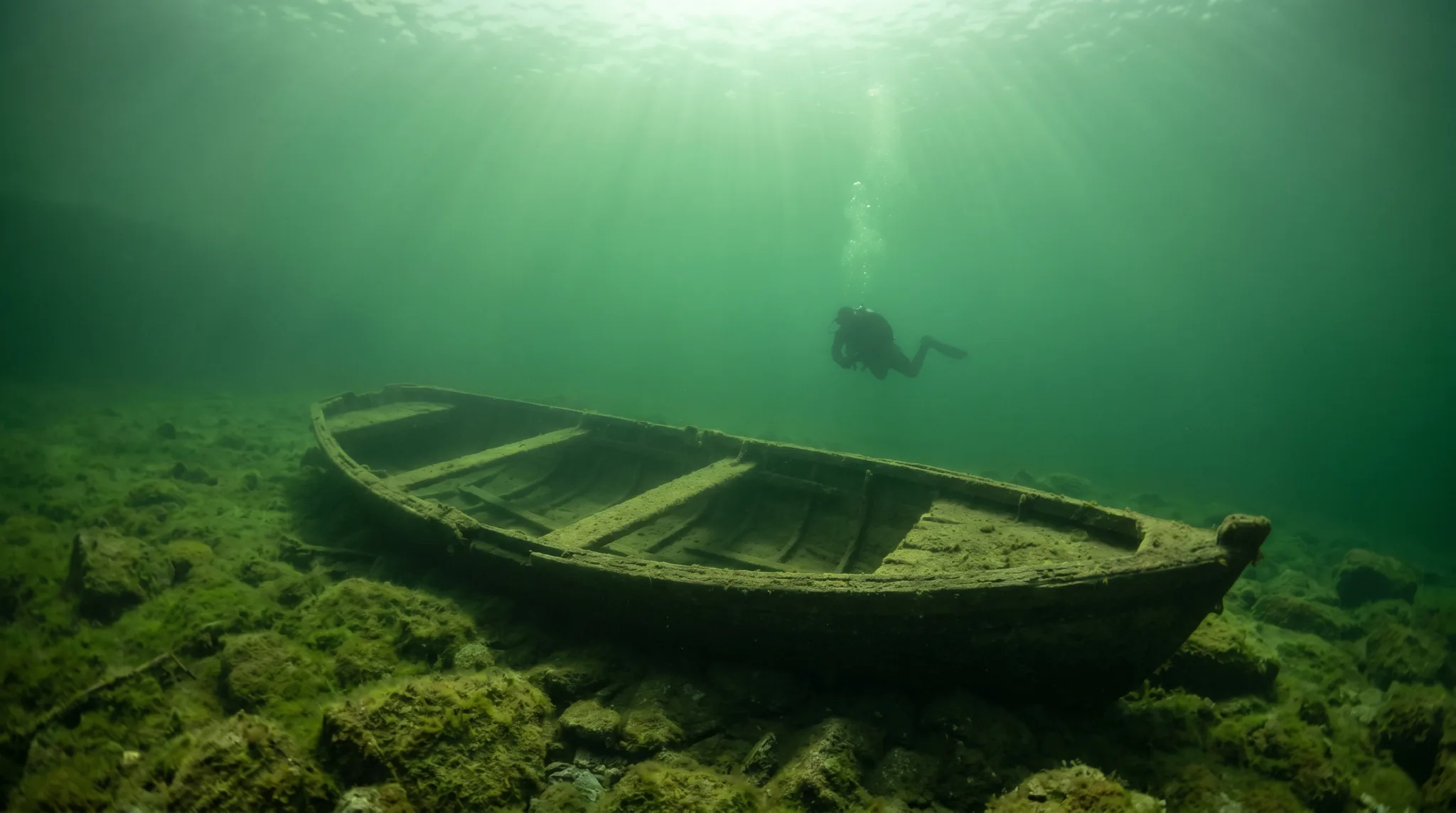
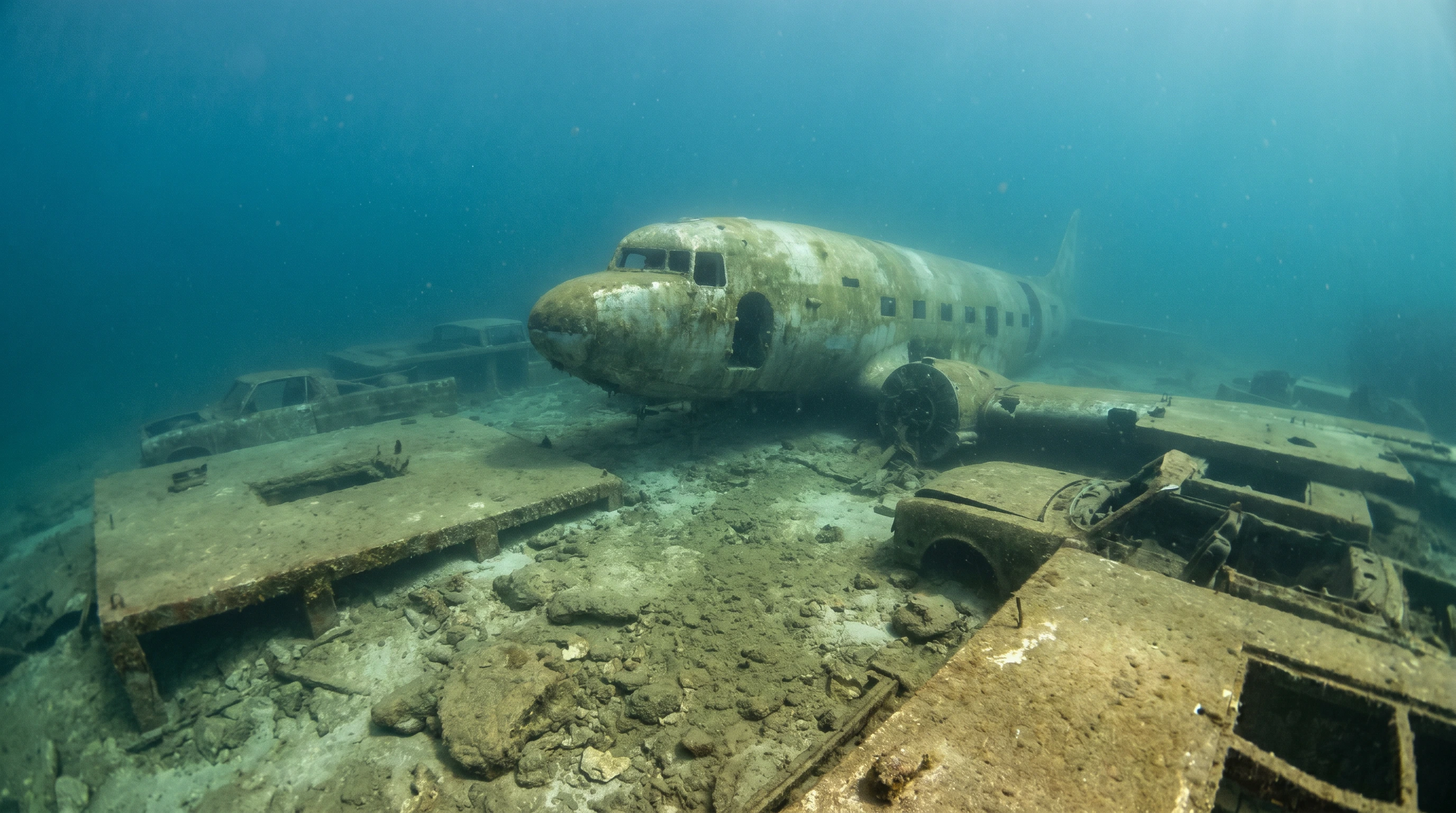
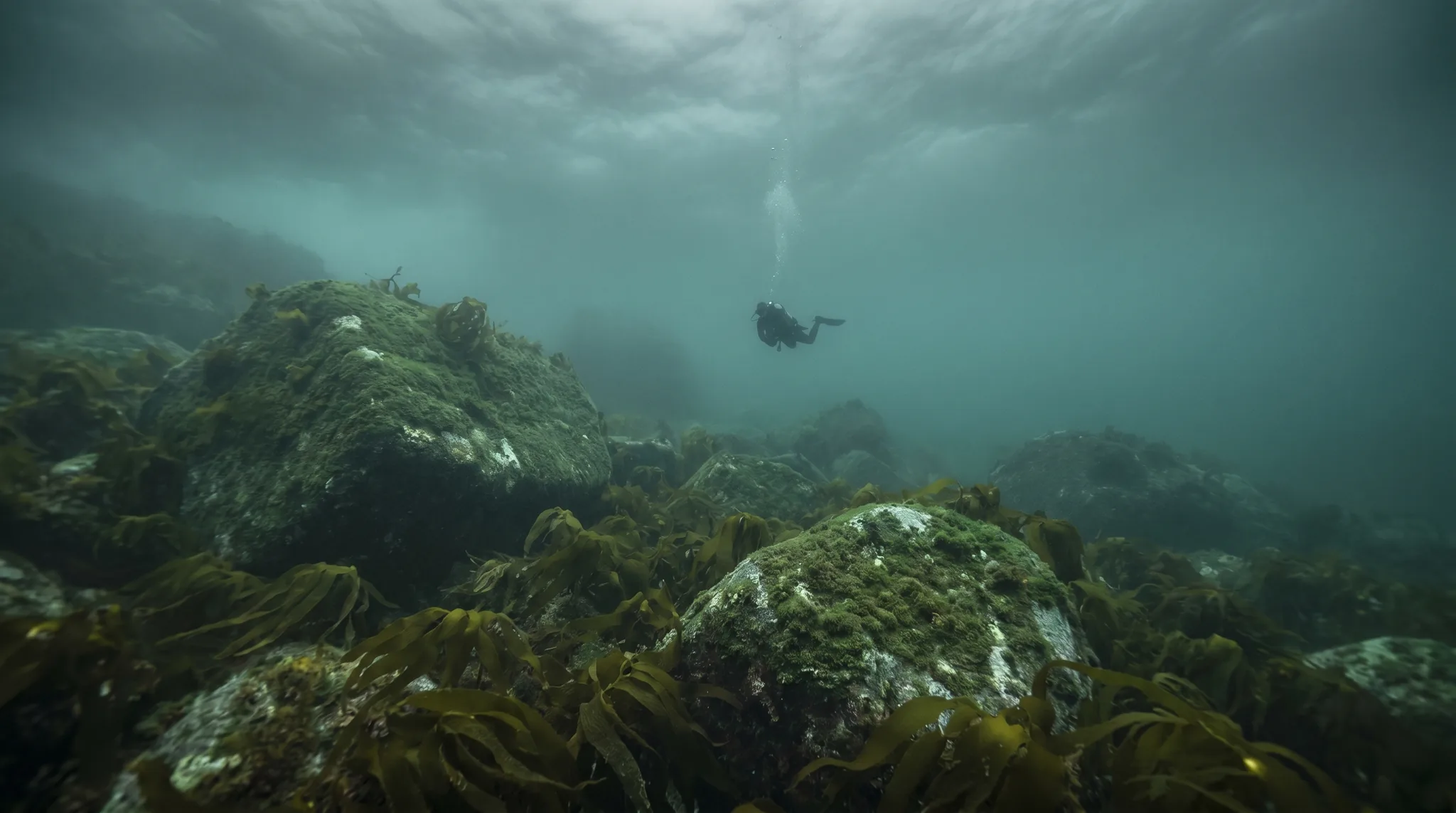
Cape Ann rewards divers willing to suit up for cold, dynamic water. Shore entries like Old Garden Beach and Folly Cove offer kelp forest and reef topography accessible to intermediate divers, while offshore pinnacles, deep ledges and wrecks such as Paddock Rock, Jeffreys Ledge and the Chester Poling demand advanced skills and boat access. Harbor Seal and Gray Seal are regular companions, Righteye Flounder and Common Lobster are ubiquitous, and the occasional Ocean Sunfish turns any dive into an event. Summer and early autumn bring the warmest water and the longest days for extended bottom time.
Monthly water temperature across Cape Ann's sites, from satellite sea-surface data corrected for depth. The band shows the site-to-site spread.
Water temperature drops to its lowest in late winter and climbs through spring into a warmer summer and early autumn peak, which also aligns with the strongest concentration of diver activity. Offshore sites like Jeffreys Ledge and Paddock Rock are exposed to strong currents year-round, so conditions should be checked carefully regardless of season. From late autumn through winter, temperatures fall steadily and thicker exposure suits become essential.
18 operators
United States
47 more sites to explore
Water temperature around Cape Ann ranges from about 5°C in February to 16°C in July, based on satellite sea-temperature data for its dive sites.
In the warm season (about 16°C) a 7mm or semi-dry suit is comfortable in Cape Ann; in the coldest months (about 5°C) step up to a drysuit.
Fin maps 59 sites in Cape Ann (59 scuba diving sites and 5 snorkelling spots, with some suited to both).
Across Cape Ann's dive sites, June, July, August and September are most often reported as the best months to visit.
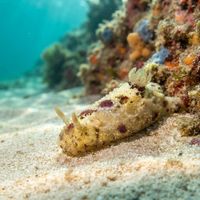
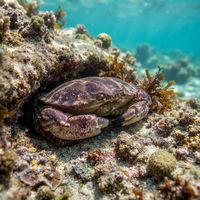
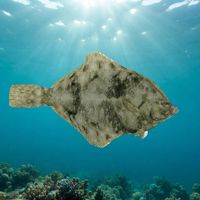
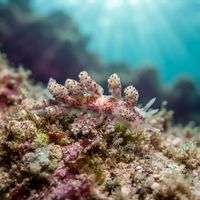
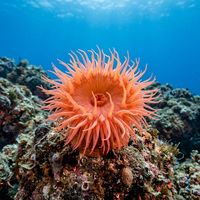
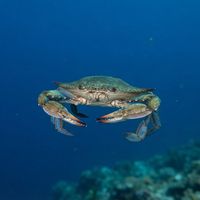
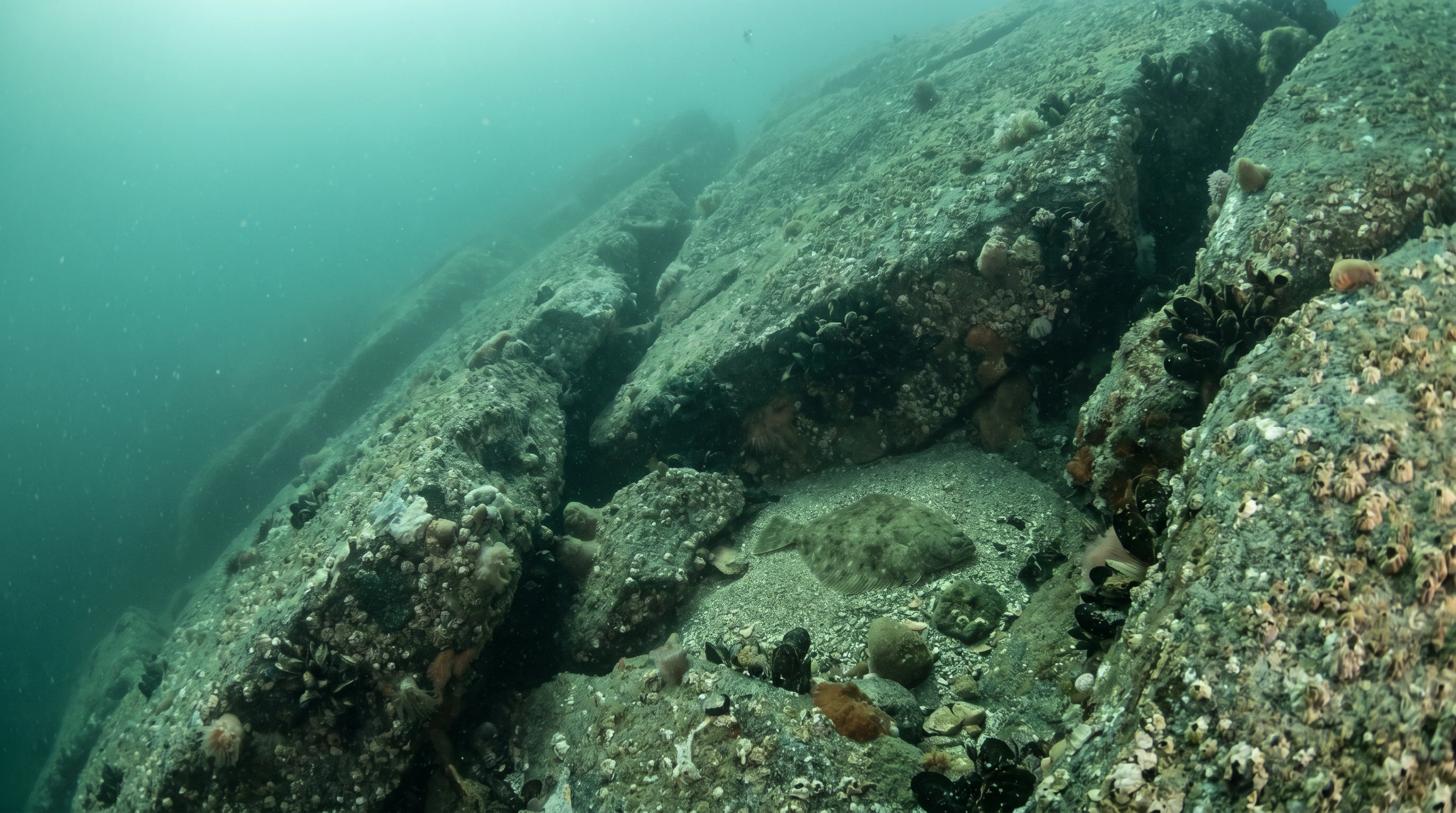
Harbor Seal and Gray Seal are very commonly seen across many sites, and Righteye Flounder is an especially reliable find on sandy and reef terrain. Common Lobster, Rock Crab, Pipefish and Sea Raven turn up regularly, and Cod remains a notable presence. The Ocean Sunfish is the standout occasional visitor that divers hope to spot on offshore trips.
The majority of sites in Cape Ann are rated advanced, with deep offshore reefs, walls and wrecks demanding experience in cold water and strong currents. That said, shore-accessible sites like Old Garden Beach cater to beginners, and Lanes Cove and Folly Cove suit intermediate divers. Newer divers should start with the calmer, shallower shore entries before progressing to boat dives.
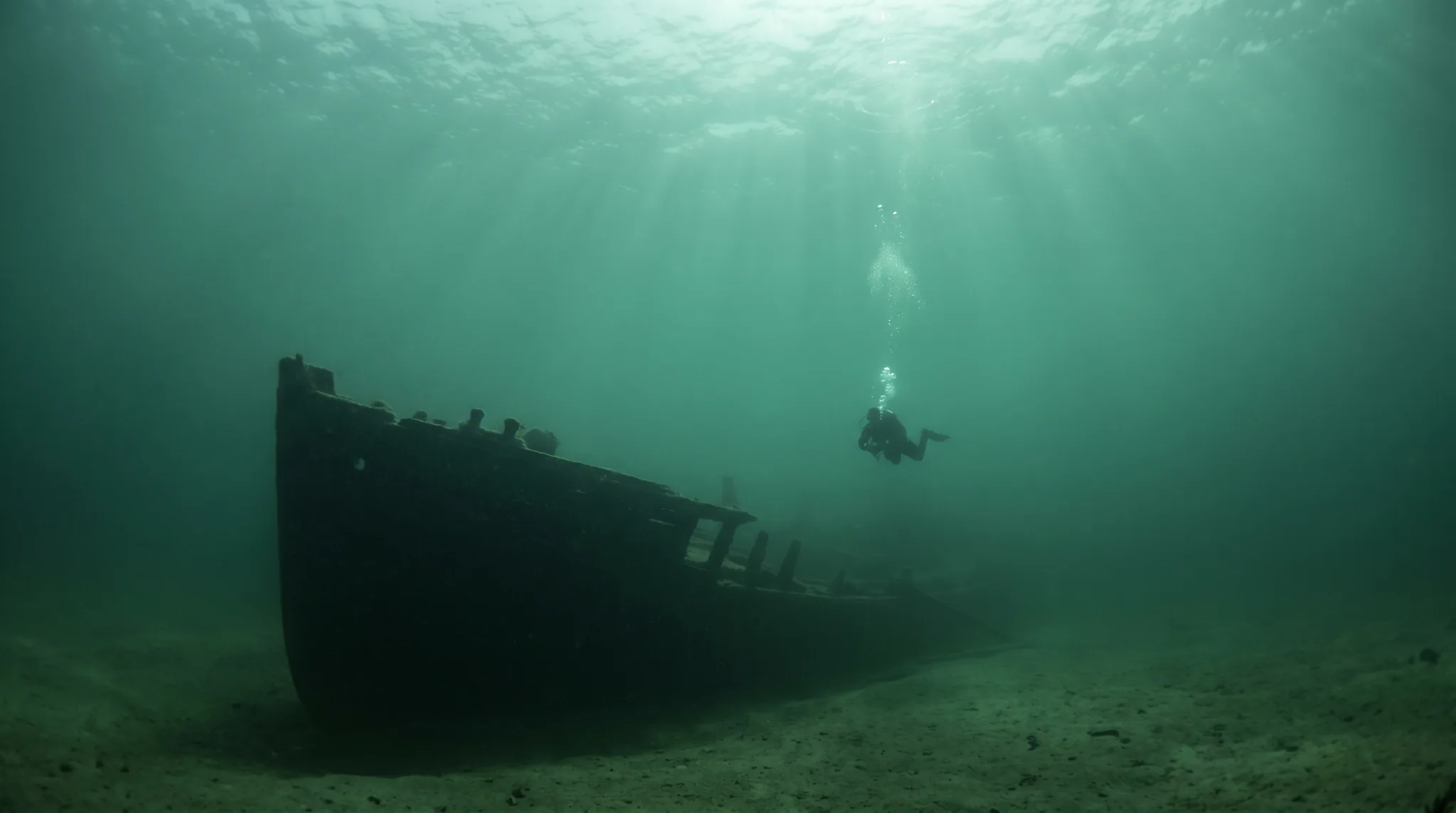
Shore entries such as Old Garden Beach, Halibut Point and Folly Cove are convenient and cover a range of depths from very shallow to moderate, making them good starting points. Boat dives unlock Cape Ann's most dramatic terrain, including the deep pinnacle at Paddock Rock, the canyon topography of Saturday Night Ledge, and wrecks like the Josephine Marie and Chester Poling that sit well beyond shore reach.
Three operators serve the area: Portsmouth Scuba, DiVE KS and Undersea Divers. Boat access through a local operator is the most practical way to reach the more remote offshore sites, and operators can also advise on current conditions at exposed ledges and deep-water reefs.