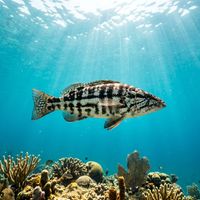
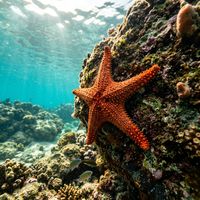
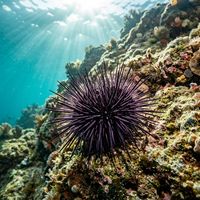
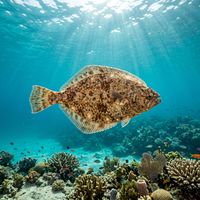
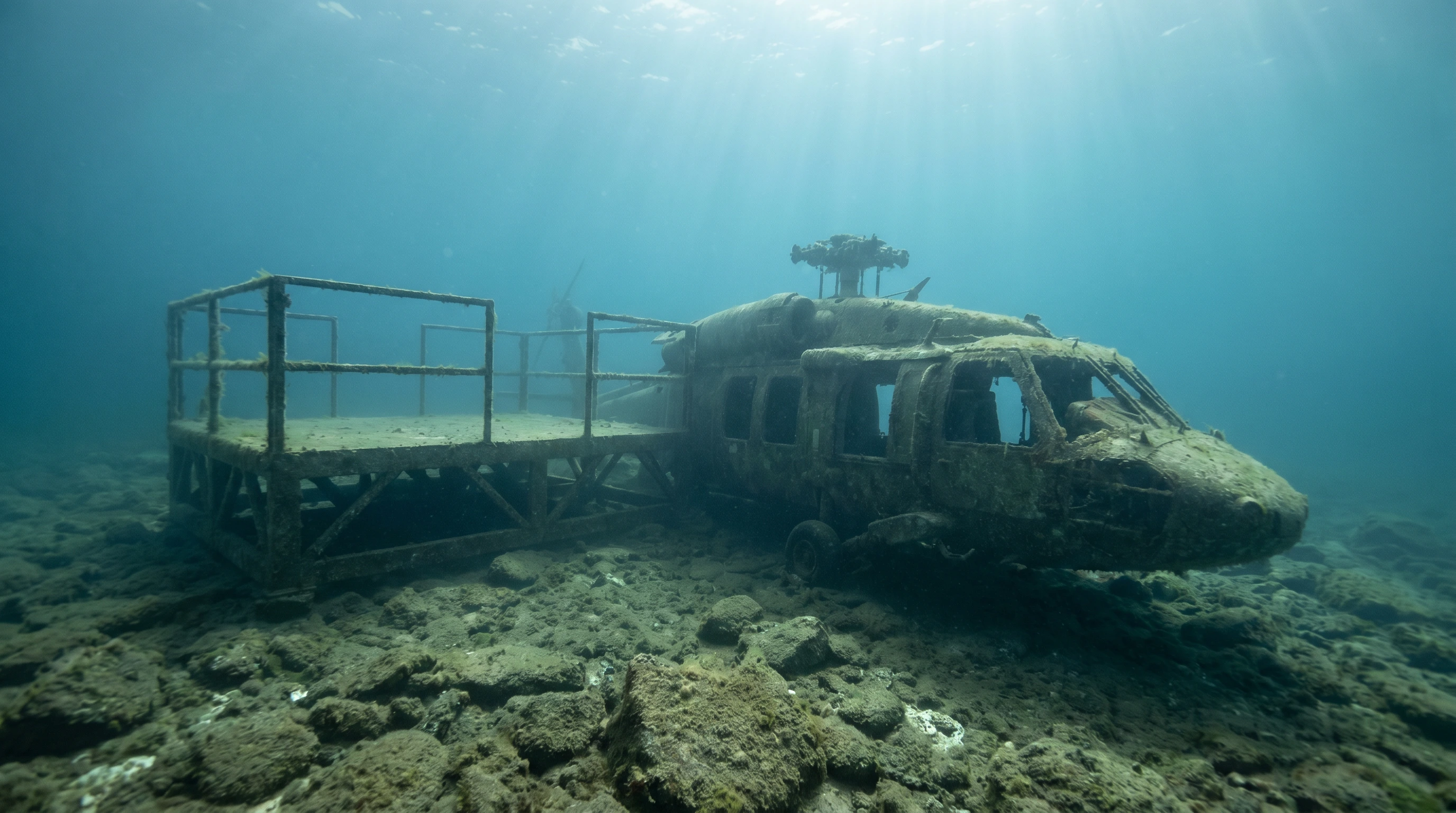
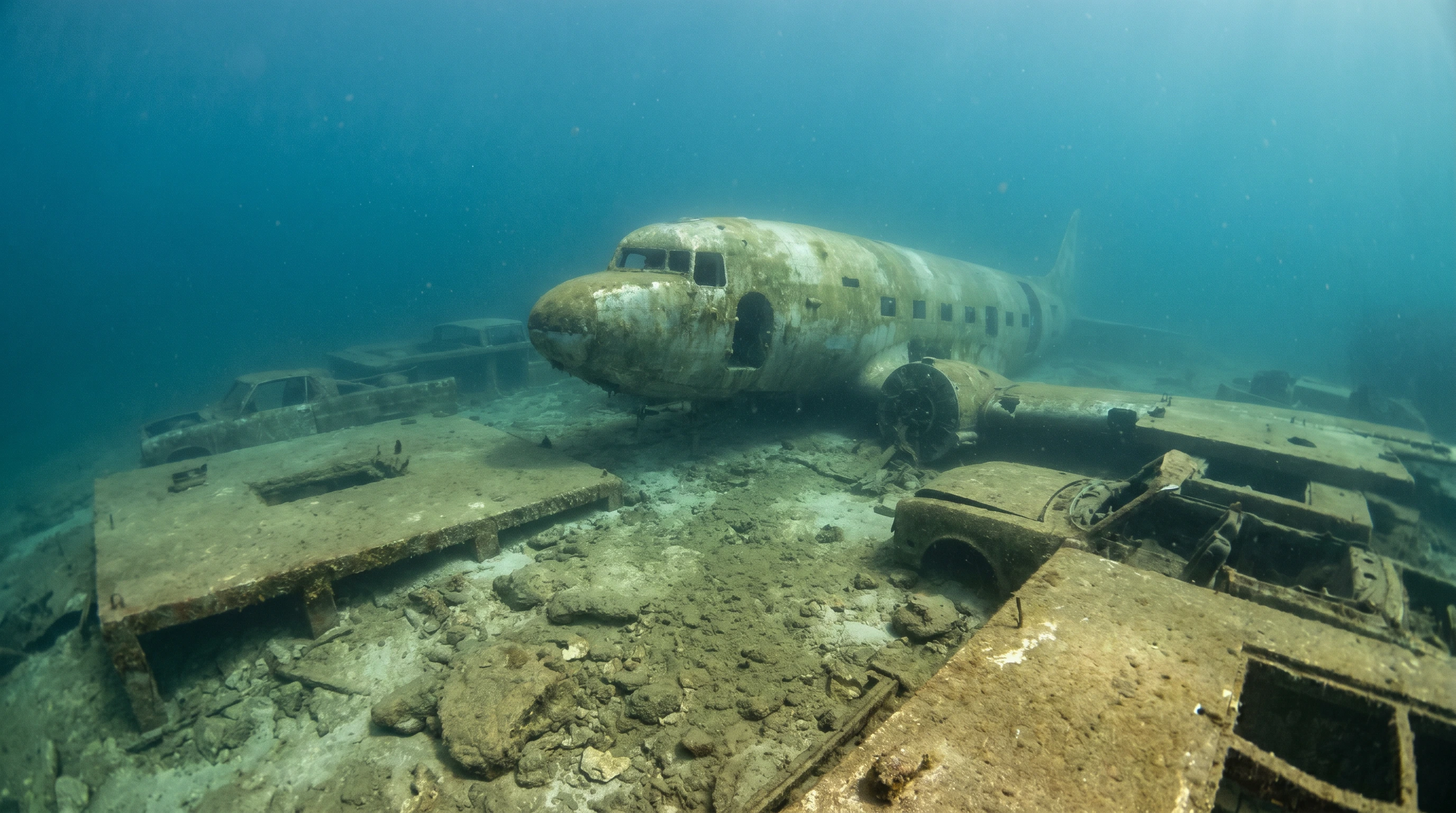
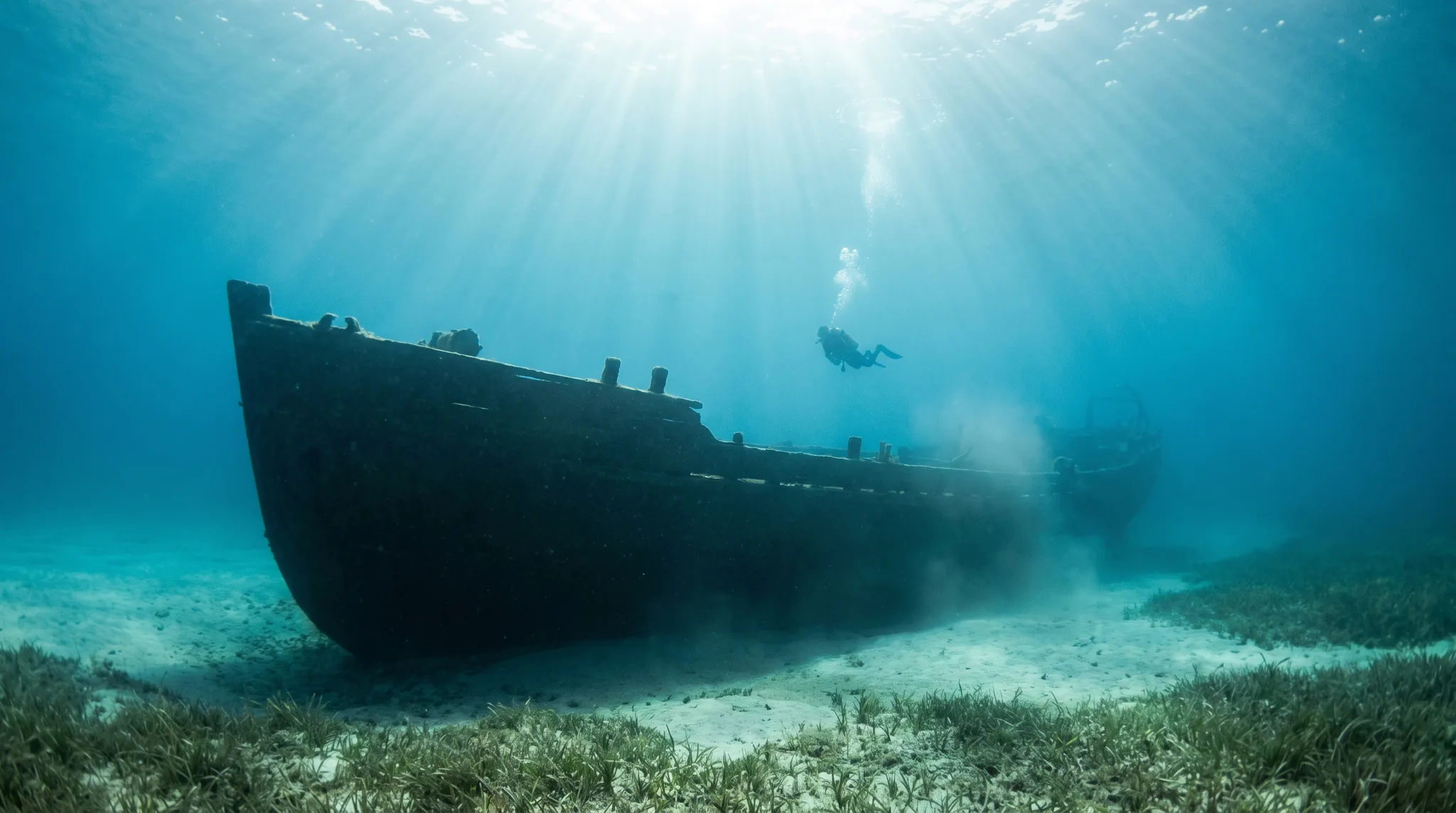
Chesapeake Bay diving is defined by its artificial reefs and wrecks, ranging from shallow beginner sites to deep penetrable hulls for advanced divers. Almost every site is boat-access only, and conditions can include variable visibility and currents that shape the experience considerably. Sea Bass, Sea Star, Sea Urchin and Righteye Flounder are consistently observed across the reefs, with Bluefish and Cobia appearing occasionally. Water temperatures swing widely through the year, making thermal protection a key planning consideration.

Monthly water temperature across Chesapeake Bay's sites, from satellite sea-surface data corrected for depth. The band shows the site-to-site spread.
Water temperatures drop sharply through winter and early spring, making this a cold-water destination for much of the year before warming noticeably from late spring into summer. The warmest months run from mid-summer through early autumn, when conditions are most comfortable for longer dives. Visibility is variable across all seasons, and some sites are exposed to currents that can affect the difficulty of a dive.
16 operators
Virginia Beach, United States
27 more sites to explore
Water temperature around Chesapeake Bay ranges from about 7°C in February to 22°C in July, based on satellite sea-temperature data for its dive sites.
In the warm season (about 22°C) a 3mm full suit is comfortable in Chesapeake Bay; in the coldest months (about 7°C) step up to a drysuit.
Fin maps 39 sites in Chesapeake Bay (39 scuba diving sites and 3 snorkelling spots, with some suited to both).
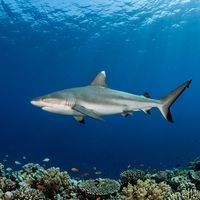
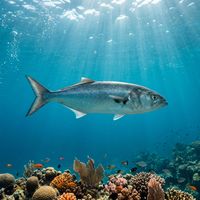
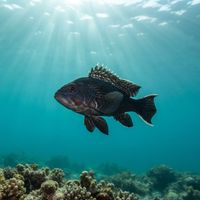
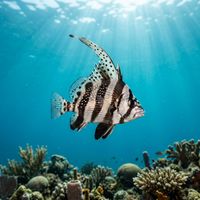
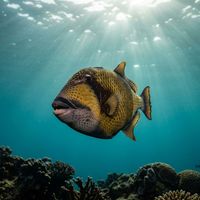
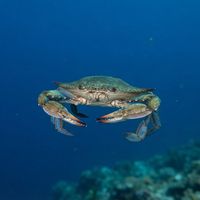
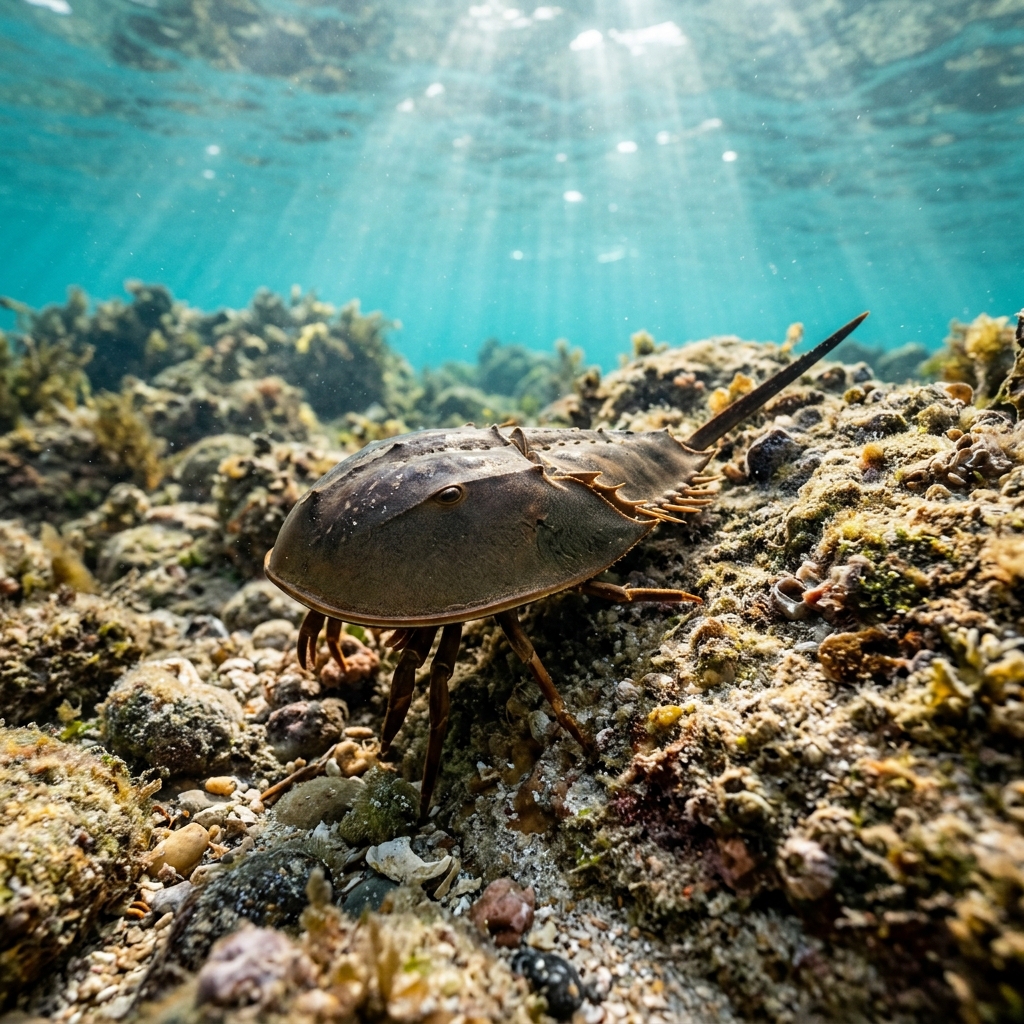
Sea Bass, Sea Star and Sea Urchin are observed very commonly across the reefs. Righteye Flounder is also a frequent sighting, while Bluefish, Cobia and Grey Reef Shark have been recorded at a selection of sites. Less commonly, divers have reported Horseshoe Crab, Triggerfish, Spadefish and Drum and Croaker.
Several sites are rated for beginners, including Poquoson Reef, Bluefish Rock Reef, Gwynn Island Reef and Occohannock Reef, all of which sit at shallow depths. These reefs tend to have mild currents and are well suited to divers building confidence. Intermediate and advanced sites such as the Lillian Luckenback Wreck and Marine Electric Wreck involve greater depth and stronger currents, and require appropriate experience and certification.
Every dive site in Chesapeake Bay is boat-access only, with no shore entries listed across the full site mix. Several local operators serve the region, including Chesapeake Bay Diving and Aquatic Center, Underwater Adventures, Roanoke Island Dive Shop and OC Dive Boat, LLC. Booking through a local operator is the practical way to reach most reefs and wrecks.
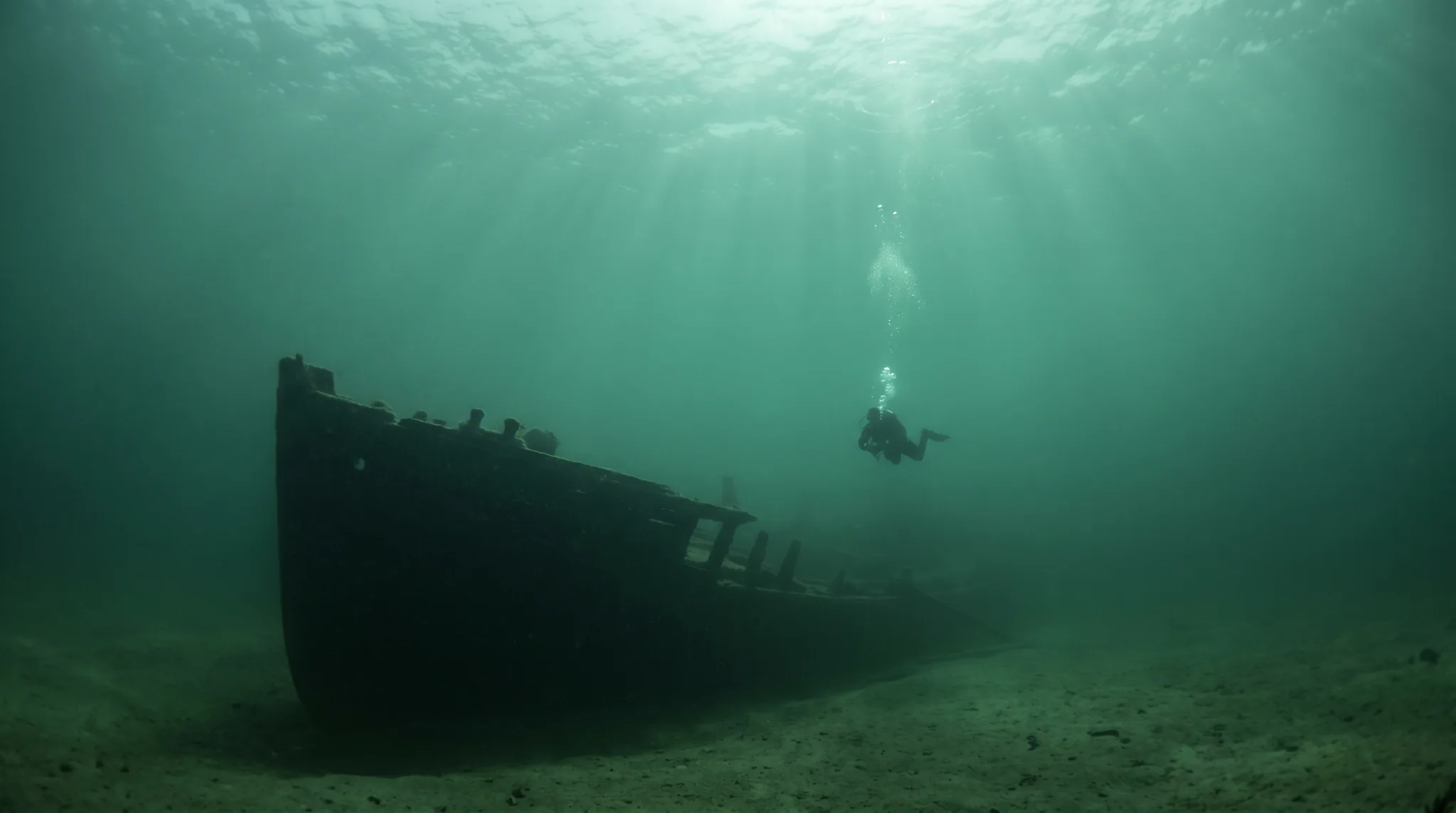
The region is dominated by artificial reefs, many of which incorporate sunken vessels that have become established reef structures over time. Named wrecks include the Santore Wreck, USCGC Cuyahoga, Marine Electric Wreck, Lillian Luckenback, USNS Morgan and Parramore Reef, spanning a wide range of depths and skill levels. Shallower artificial reefs such as Gwynn Island Reef and USNS Garrison round out the options for less experienced divers.