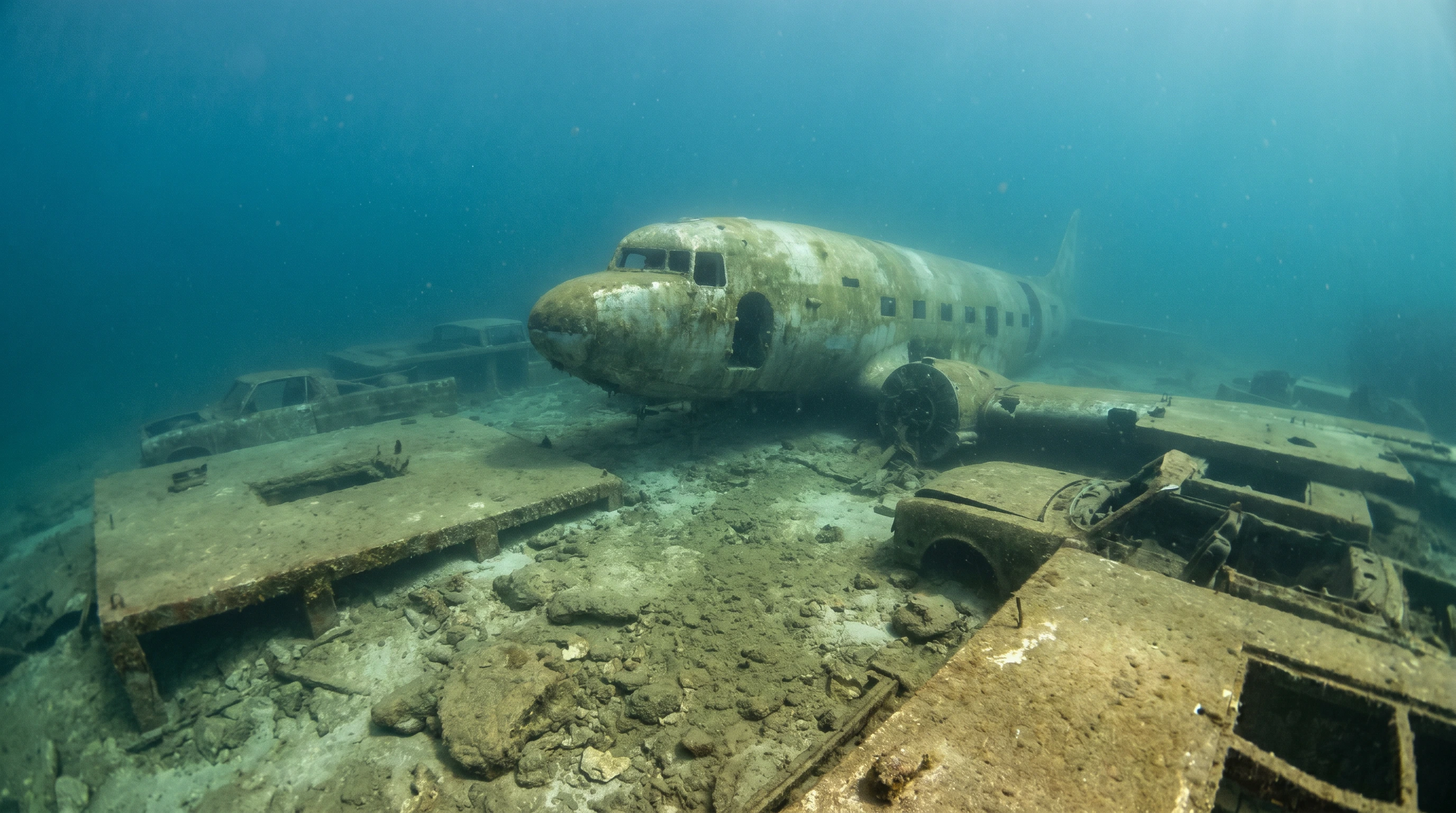
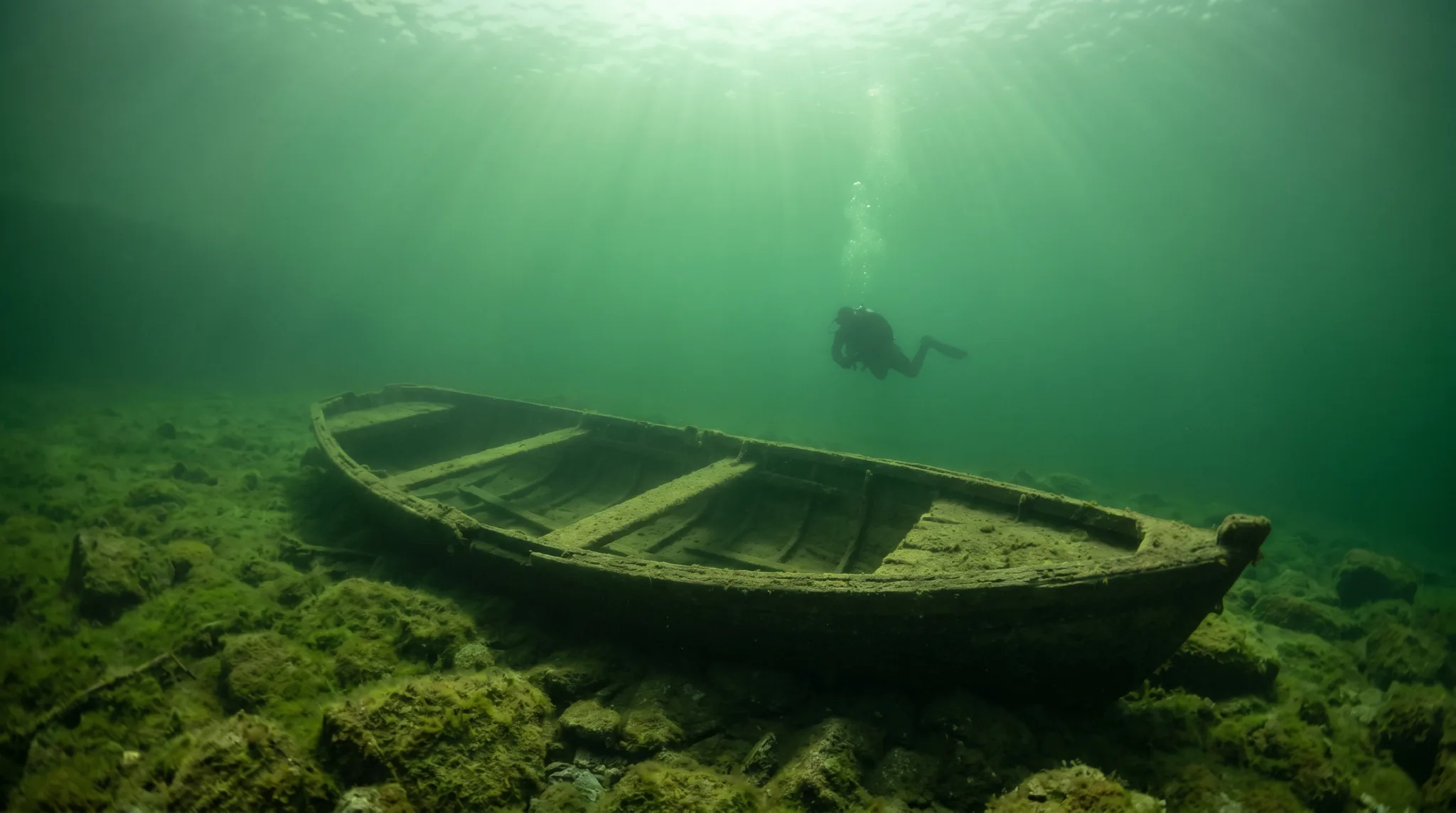
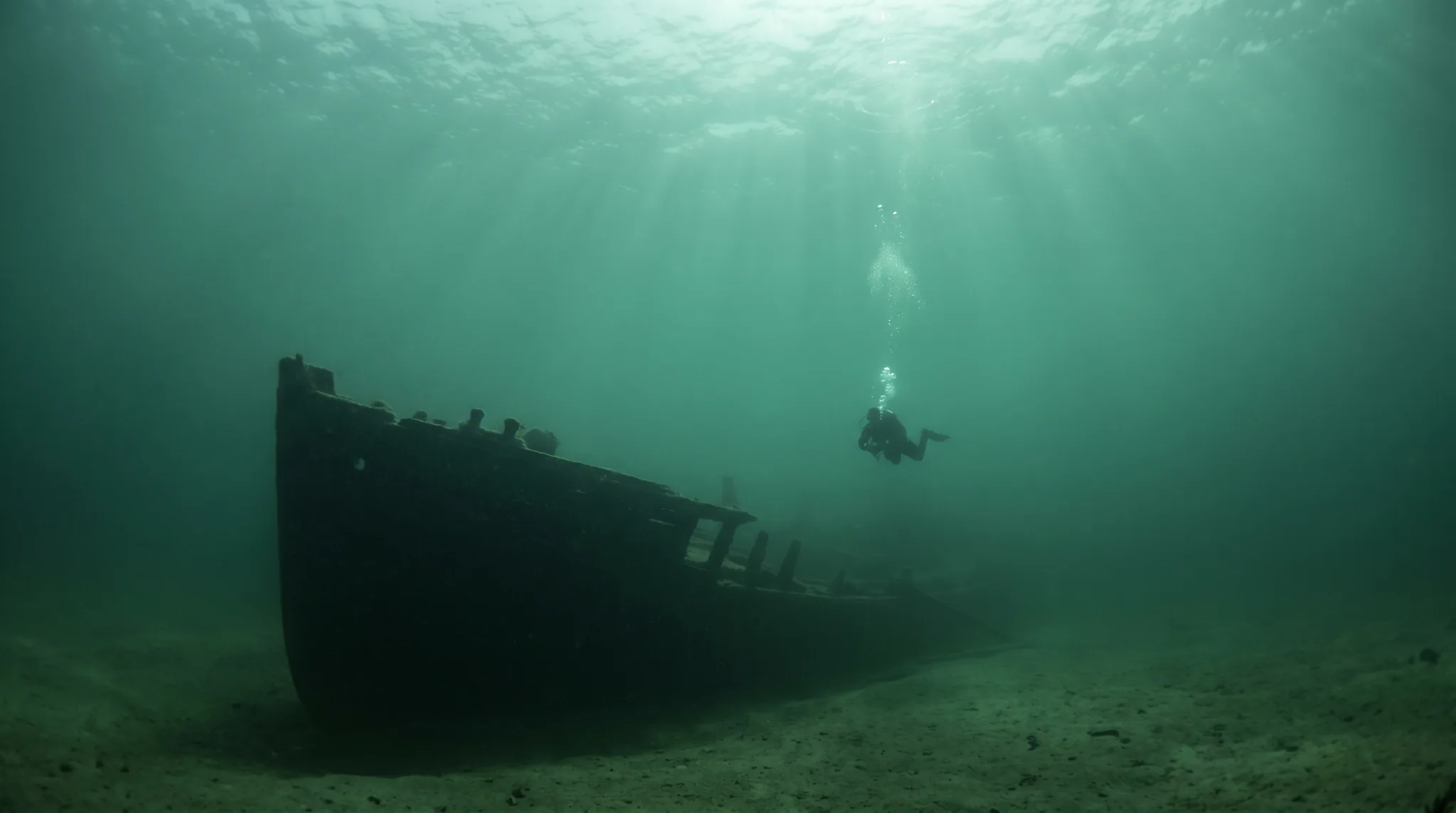
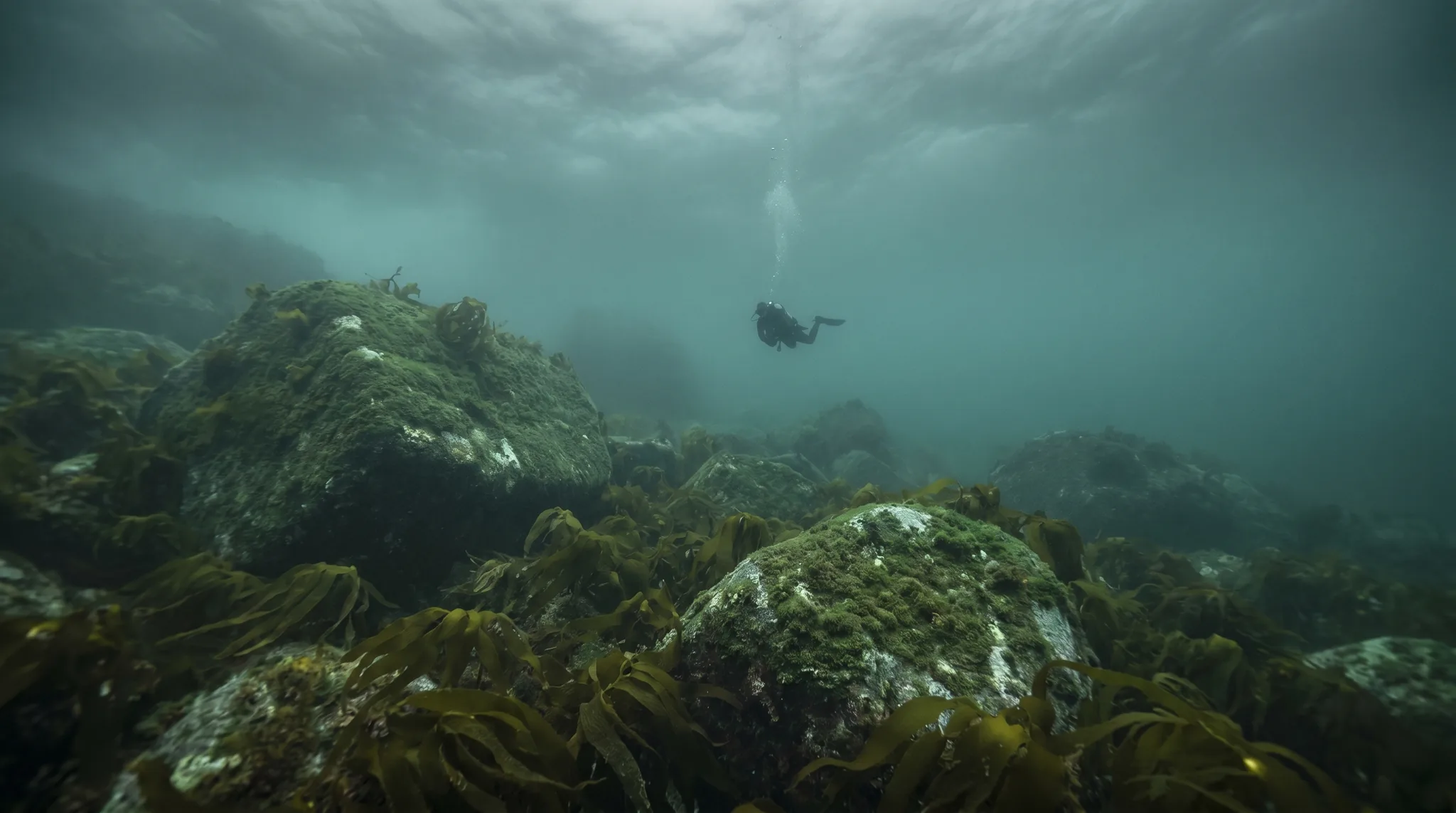
Long Island Sound rewards divers with a varied mix of wrecks, artificial reefs, and natural reef structures spanning shallow shore dives to deep technical sites. Temperate Bass, Cod, Righteye Flounder, and Gurnard are reliably encountered across many sites, while Grey Nurse Shark, Dogfish, and Skate add character to deeper ground. The water runs cold in winter and warms significantly through summer, making the warmer months the most productive. Sites range from beginner-friendly shallows at Greenport Jetty and Sound Beach to advanced wreck dives such as U-853 and the USS San Diego.
Monthly water temperature across Long Island Sound's sites, from satellite sea-surface data corrected for depth. The band shows the site-to-site spread.
Water temperatures climb steadily from late spring through to late summer, peaking in August before cooling through autumn. The warmest months draw the most dive activity, though committed divers extend the season well into autumn. Cold winter conditions require serious thermal protection and suit this region to experienced cold-water divers.
37 operators
Water temperature around Long Island Sound ranges from about 5°C in February to 20°C in July, based on satellite sea-temperature data for its dive sites.
39 more sites to explore
In the warm season (about 20°C) a 5mm suit is comfortable in Long Island Sound; in the coldest months (about 5°C) step up to a drysuit.
Fin maps 51 sites in Long Island Sound (50 scuba diving sites and 5 snorkelling spots, with some suited to both).
Across Long Island Sound's dive sites, June, July, August and September are most often reported as the best months to visit.
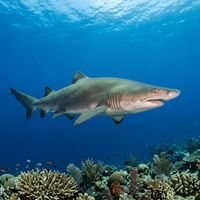
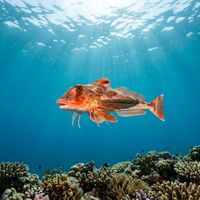
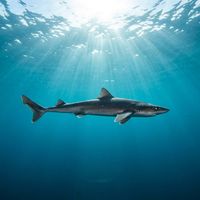
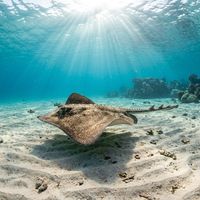
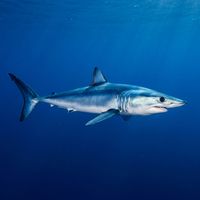
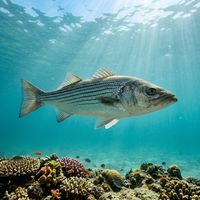
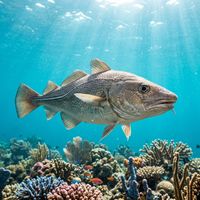
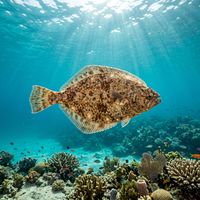
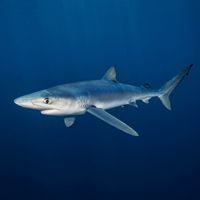
The Sound has a strong cast of temperate species. Temperate Bass, Cod, Righteye Flounder, Gurnard, and Dogfish are observed very commonly across many sites. Grey Nurse Shark and Skate are also frequently encountered, and occasional sightings of Mako Shark and Blue Shark have been recorded.
Yes, a good portion of sites are rated beginner level. Greenport Jetty, Sound Beach, and Brownstone Exploration and Discovery Park all offer shallow, accessible conditions suited to newer divers. Brownstone in particular provides a controlled, current-free quarry environment that is ideal for building confidence.
Access varies across the region. Several sites, including Sound Beach, Brownstone Exploration and Discovery Park, and Ponquogue Bridge, are reachable from shore. Many of the deeper wreck sites, including U-853, USS San Diego, and Halftime Dive Boat, require boat access. A number of operators in the region offer guided boat diving to these offshore sites.