Clinocottus analis
Mottled and reef-bound, the woolly sculpin turns up on shallow California dives year-round, from 12 to 26 C, most often logged around California's rocky coast.
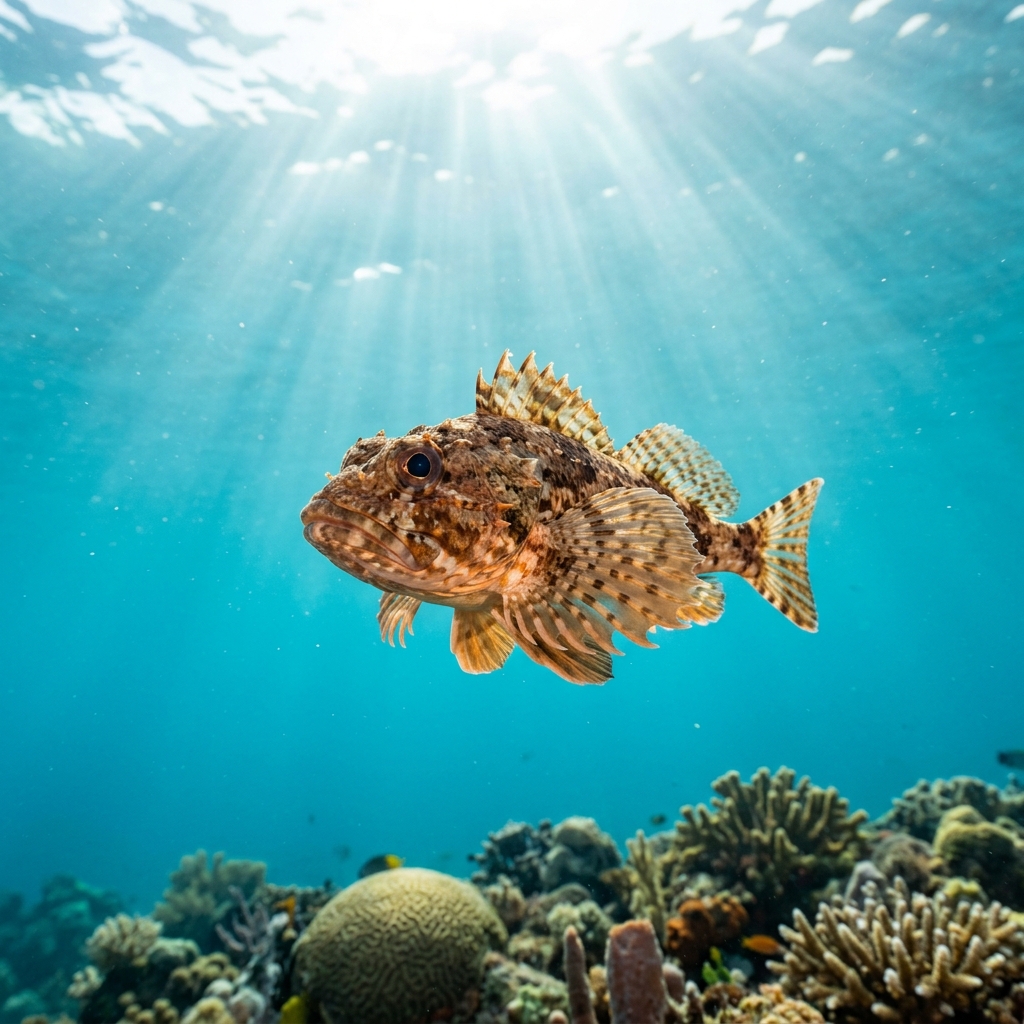
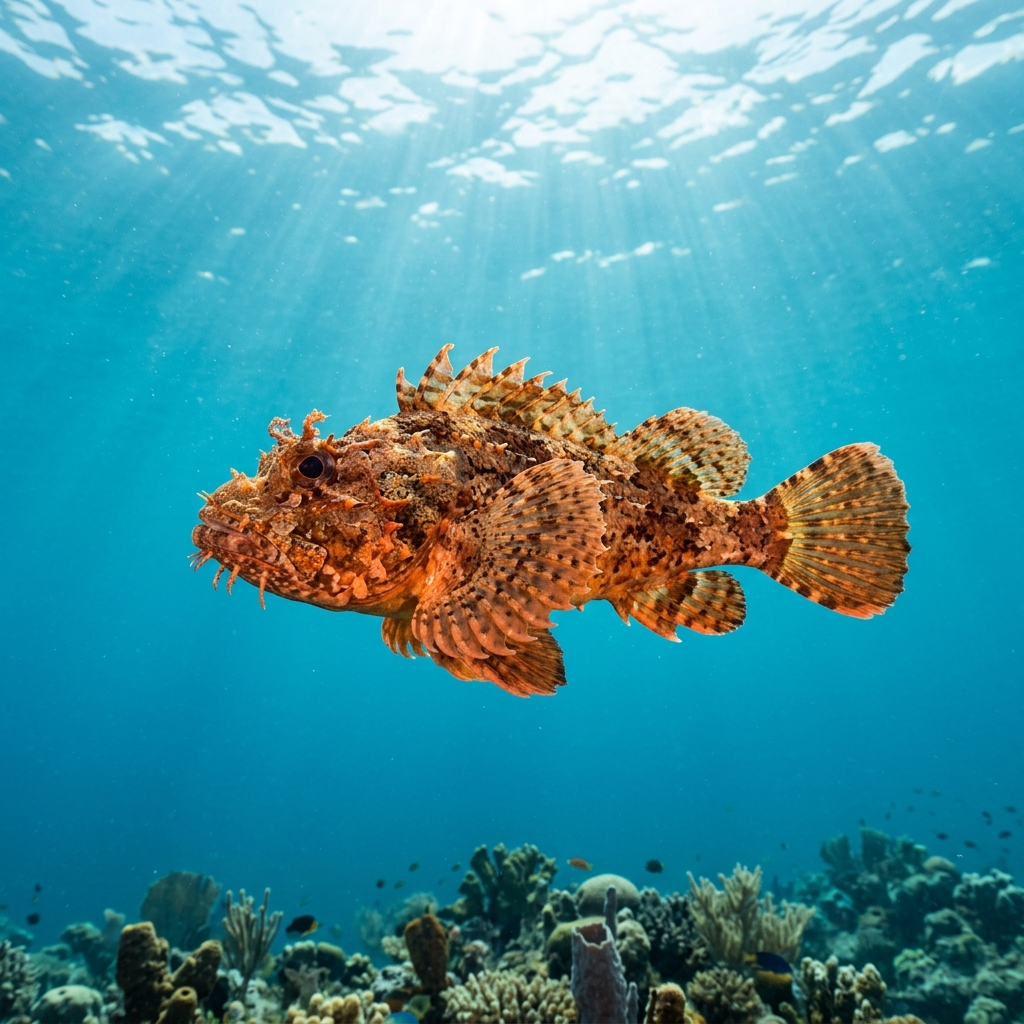
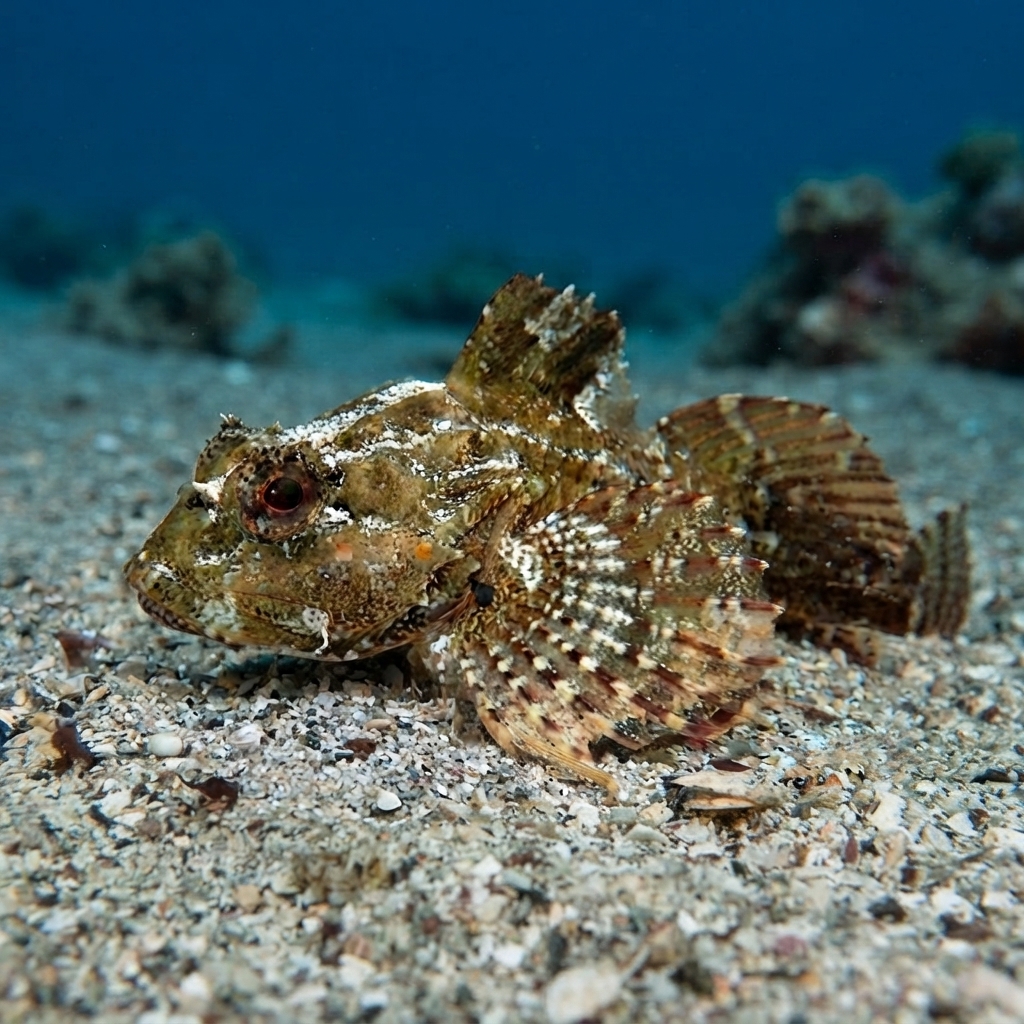
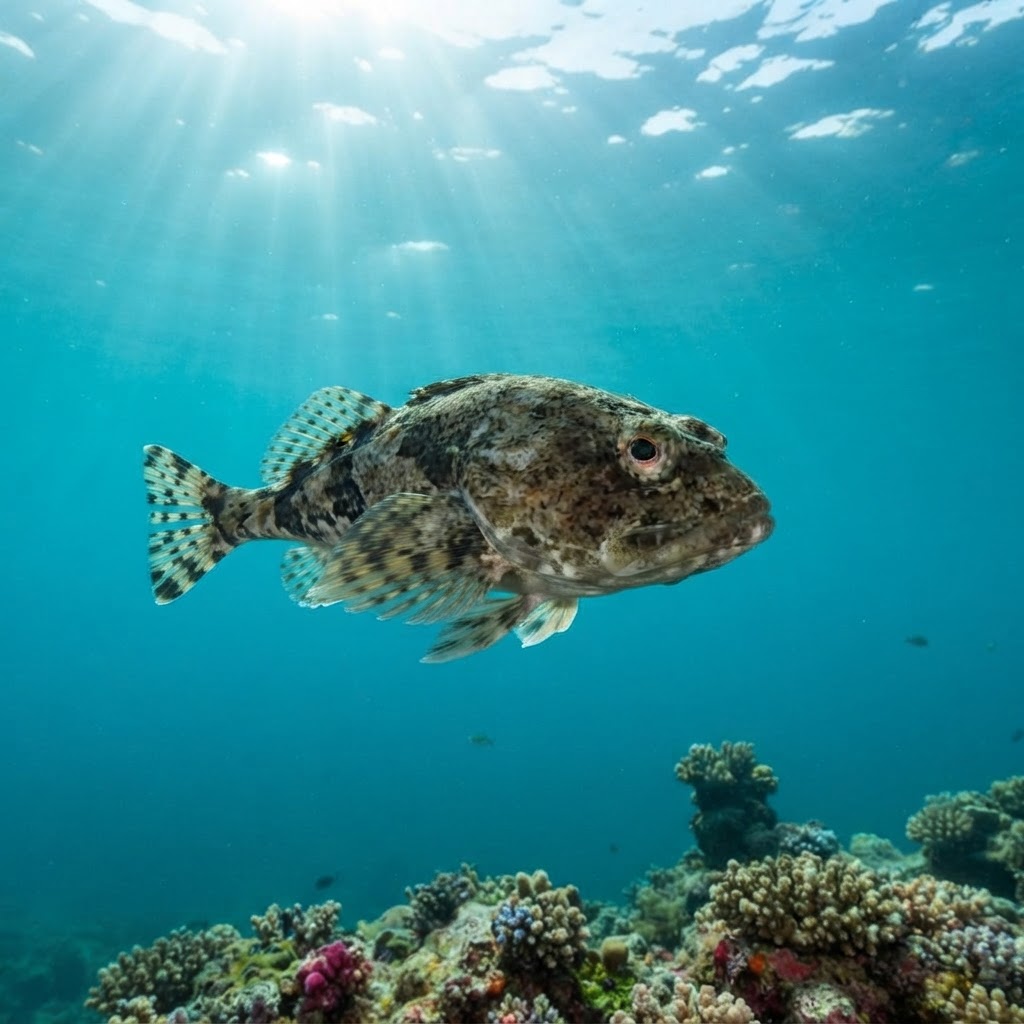
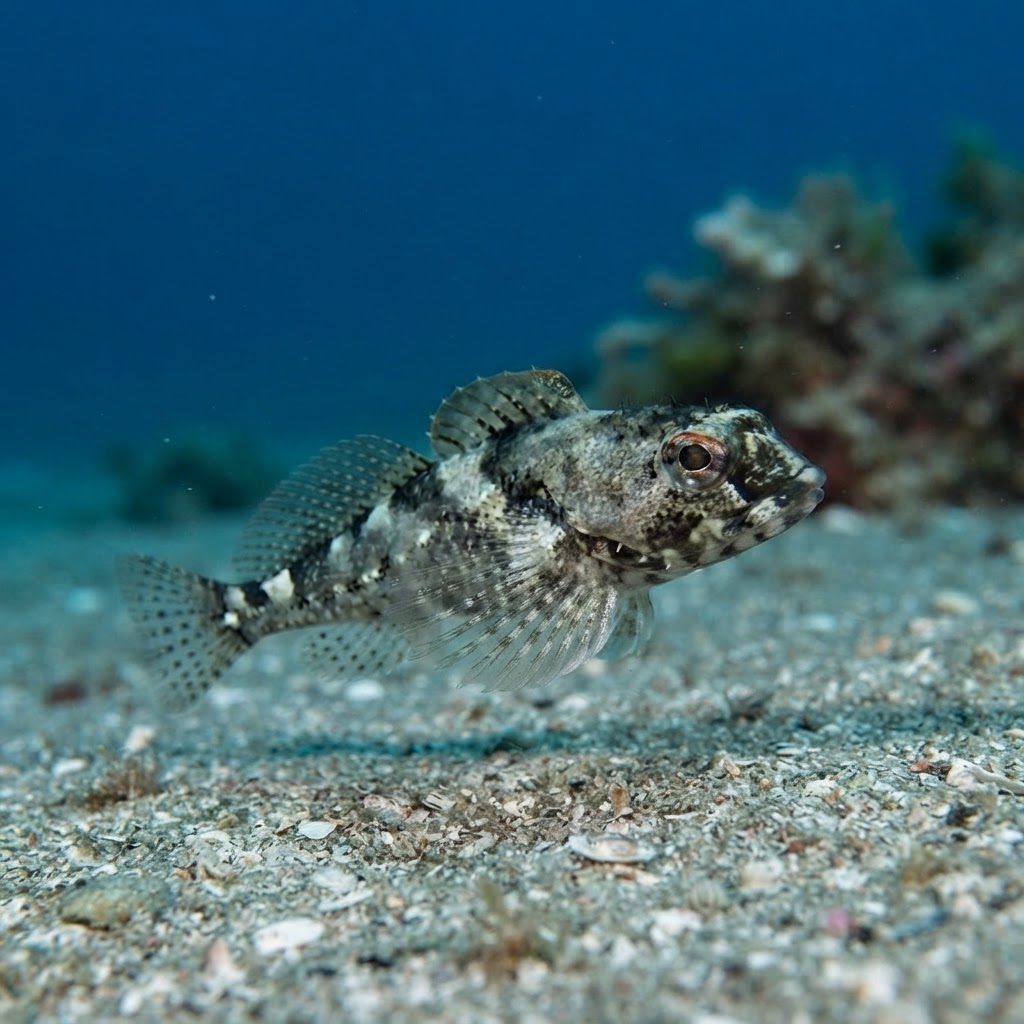
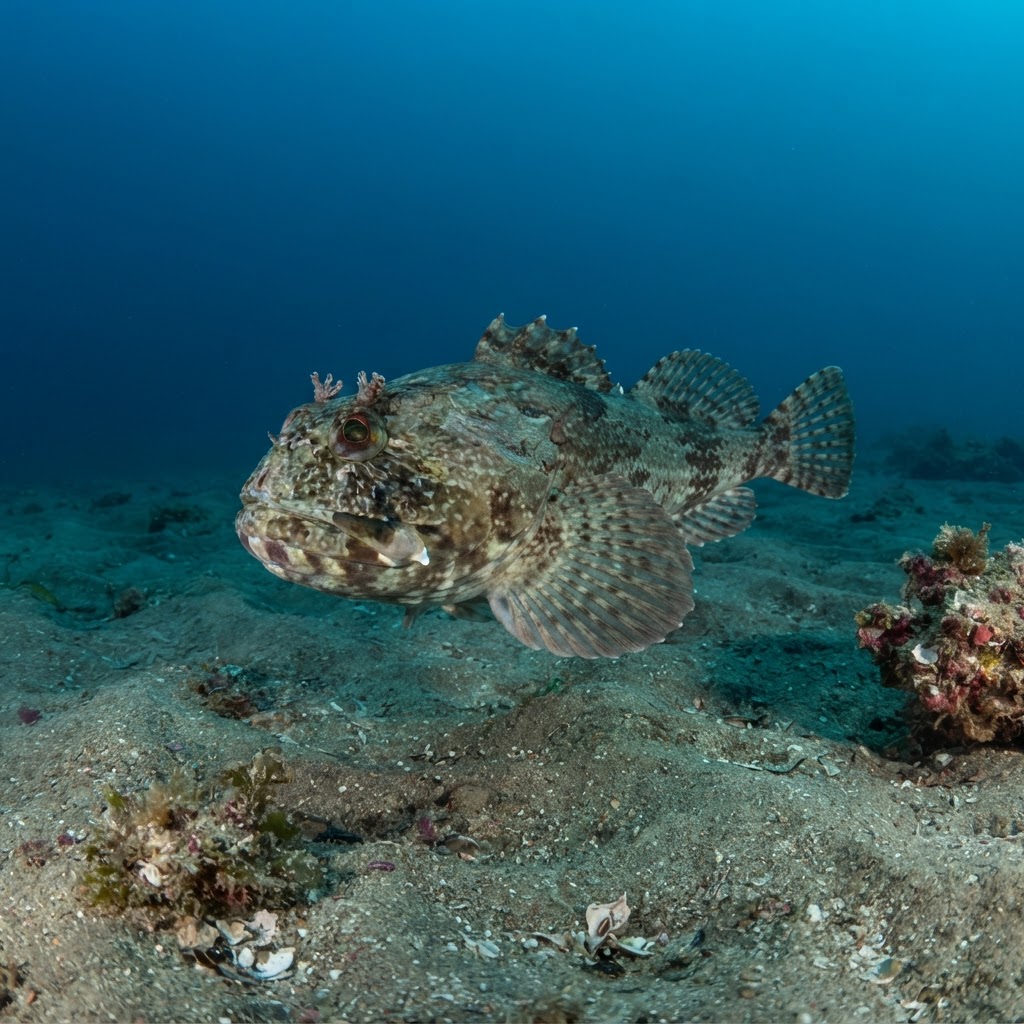
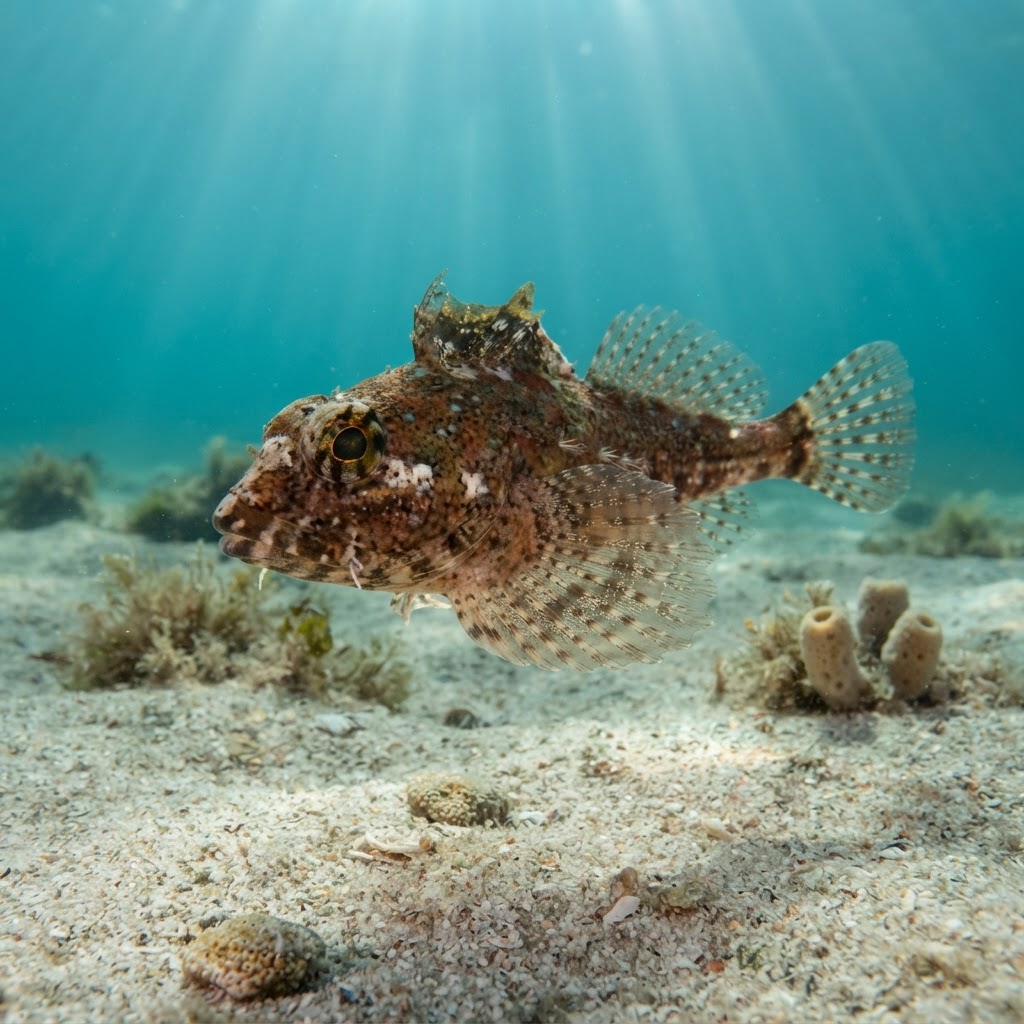
A stocky, bottom-hugging fish that rarely tops 12 cm, mottled in browns, olives and rust so it nearly disappears against rock and algae. Look for the blunt, slightly bumpy head, small fleshy flaps (cirri) above the eyes, and a body that tapers to a fan-like tail it uses to dart between crevices. It sits propped on its pectoral fins rather than swimming freely, which is often the giveaway before the colour pattern registers.
Expect to find it wedged into rock crevices, tidepools or under ledges in the shallows, using its mottled skin to blend into algae-covered rock rather than swimming out in the open. It is a sit-and-wait predator, staying still for long stretches and only darting a short distance when disturbed, so slow, close looking pays off more than active searching. Most divers log it as an uncommon but steady find rather than a rare one, meaning patient shallow-reef divers have a fair shot at it on any given dive.
It tolerates being out of water and extreme temperature swings better than most reef fish, which is why it thrives in tidepools that heat up in the sun and get pounded by surf, a habitat few other fish can handle.
Sightings show no clear seasonal pattern, and the recorded temperature range of 12.4 to 25.8 C spans California's coastal swings, so it is a year-round find rather than a seasonal one. Shallow, calm days make it easier to spot since it favours water from the surface down to about 18 m.
This is a California speciality: every logged sighting in the data comes from United States sites, overwhelmingly concentrated in California. Rocky shallow reefs, tidepools and kelp-edge sites along the California coast are where divers and snorkellers reliably find it.
Mapping where Woolly Sculpin is logged…
Almost every logged sighting comes from California, particularly shallow rocky reef and tidepool sites along the coast. It has not been widely reported from dive sites outside the United States.
There is no strong season in the sighting data, so it can be found year-round. It tolerates a wide temperature range from around 12 to 26 C, which matches California's coastal water through the seasons.
Look for a small, mottled brown and olive fish under 12 cm, propped on rocky substrate rather than swimming in open water. Its blunt head, small eye flaps and camouflage pattern make it blend into algae-covered rock, so it is often noticed only when it moves.
They typically reach around 12 cm, making them one of the smaller reef fish divers log in California's shallow rocky habitats.
They can survive being briefly stranded out of water and endure large temperature swings in tidepools, an adaptation that lets them live in habitat too harsh for most other reef fish.
Site and sighting data is aggregated from diver logs, iNaturalist and GBIF. For taxonomy and conservation status:
Shorthorn Sculpin
228 sites