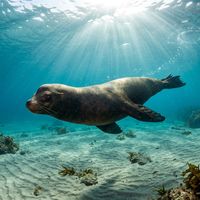
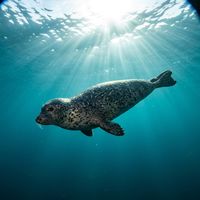
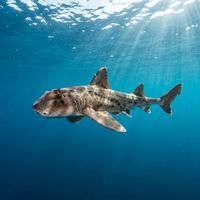
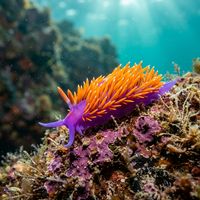
Palos Verdes and South Bay delivers classic Southern California kelp forest diving across a mix of shore and boat sites. Reefs, pinnacles, wrecks and walls span beginner to advanced skill levels. Harbour Seal and California Sea Lion encounters are routine, while Horn Shark, Spanish Shawl and a rich nudibranch community reward attentive divers. Visibility and conditions vary seasonally, with cooler months bringing notably clear water.
Monthly water temperature across Palos Verdes & South Bay's sites, from satellite sea-surface data corrected for depth. The band shows the site-to-site spread.
Water temperature holds steady through winter and spring before warming through summer and into autumn, when conditions are generally at their most settled. Autumn and winter months attract strong ratings in the best-months data, suggesting that cooler water often brings improved visibility. Currents vary by site, with some boat-access reefs requiring more experience to handle safely.
3 operators

8 more sites to explore
Water temperature around Palos Verdes & South Bay ranges from about 15°C in January to 18°C in July, based on satellite sea-temperature data for its dive sites.
In the warm season (about 18°C) a 5mm suit is comfortable in Palos Verdes & South Bay; in the coldest months (about 15°C) step up to a 7mm or semi-dry suit.
Fin maps 20 sites in Palos Verdes & South Bay (20 scuba diving sites and 4 snorkelling spots, with some suited to both).
Across Palos Verdes & South Bay's dive sites, January, February, June, August, September and December are most often reported as the best months to visit.
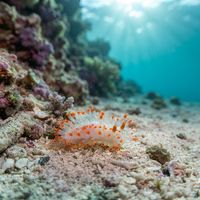
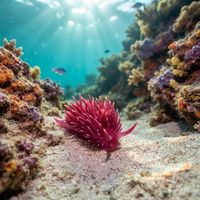
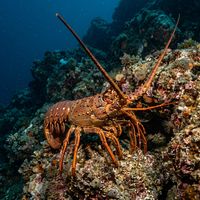
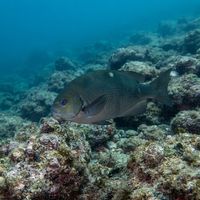
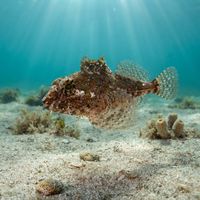
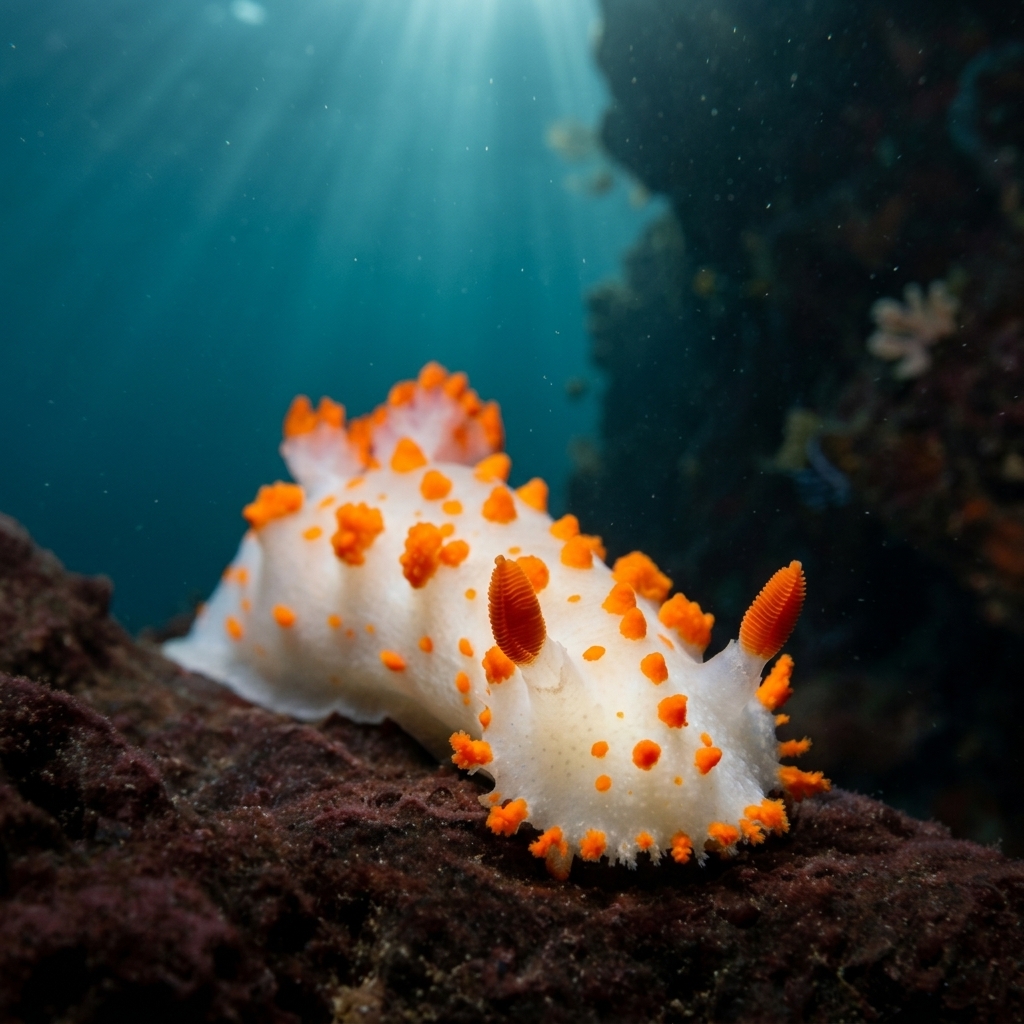
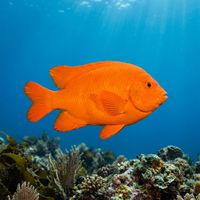
Observation-backed sightings cover a wide range of species. Harbor Seal and California Sea Lion are very commonly encountered, and Horn Shark is a regular find on rocky reefs. Nudibranch diversity is a highlight: Spanish Shawl, Limacia Mcdonaldi, Clown Dorid, Hermissenda and Ceratodoris rosacea are all regularly recorded. California Spiny Lobster, Sea Star and Giant Green Anemone appear across the majority of sites.
Both options are available. Sites like Long Point, Abalone Cove, Honeymoon Cove and Christmas Tree Cove are reached from the shore. Boat access opens up deeper or more exposed sites such as Pt Vicente Pinnacles, Hawthorne Reef, the Jenny Lynne wreck and the Palawan. The SS Dominator can be reached by either method. Local operators including Dive n Surf and California Wreck Divers, Inc. offer boat charters.
Several sites are well suited to those newer to diving. Haggerty's Crane, Redondo Breakwater and Underwater Arch are all rated beginner-level, with shallow depths and shore or boat access. The majority of sites are pitched at intermediate level, so there is plenty of room to progress without leaving the area. Advanced divers are catered for by sites such as Hawthorne Reef, Jenny Lynne and Palawan.
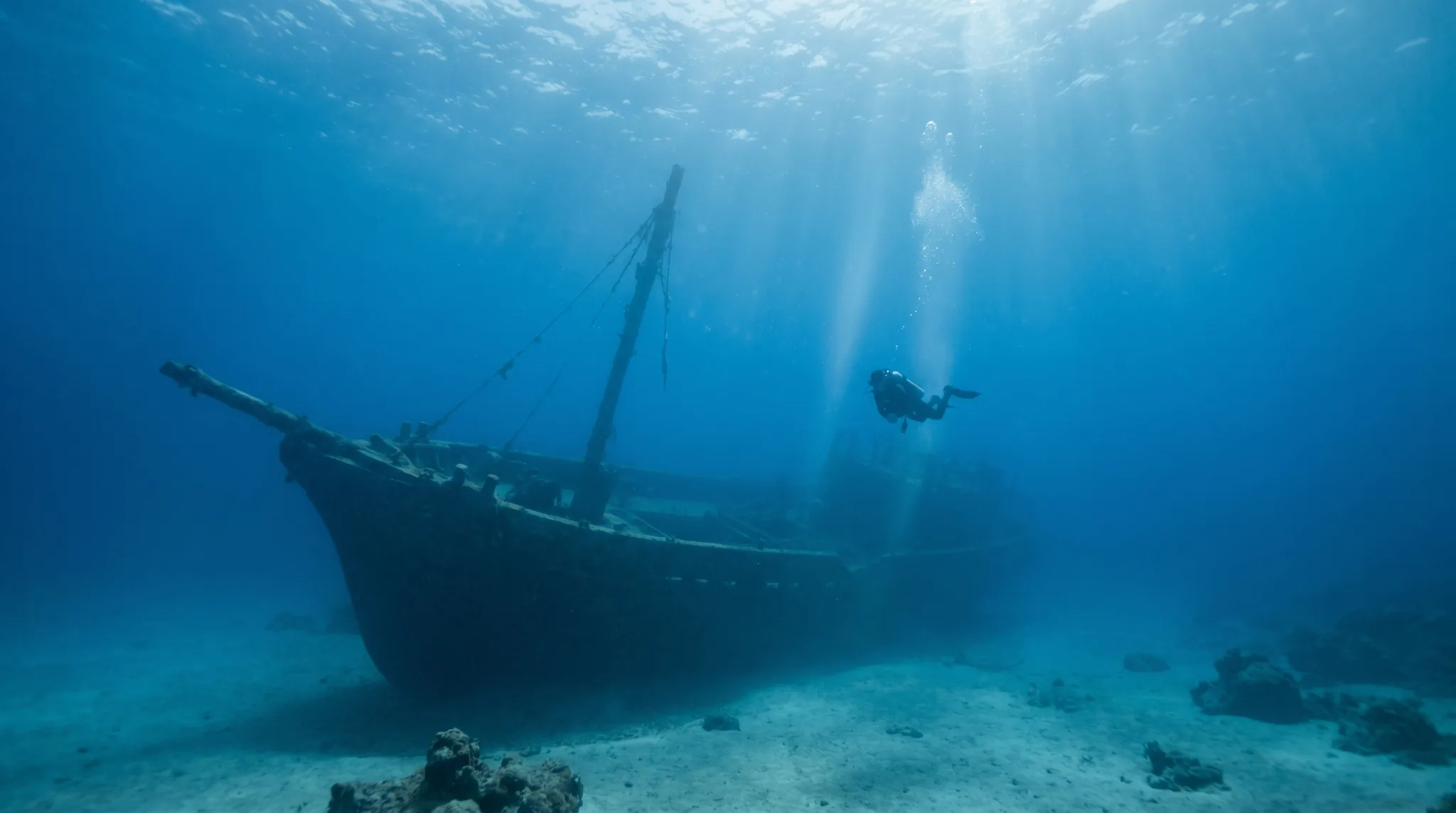
The site mix is varied. Kelp forest and reef dives form the backbone of the region, with pinnacles adding topographic interest at spots like Pt Vicente Pinnacles and Old Marineland. Wreck divers have several options, from the relatively accessible SS Dominator to the deeper Jenny Lynne. Christmas Tree Cove also features a wall section, rounding out a diverse selection within a compact area.