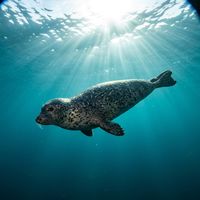
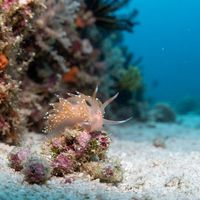
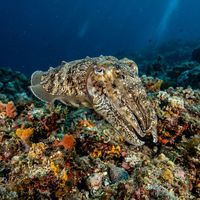
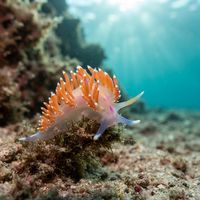
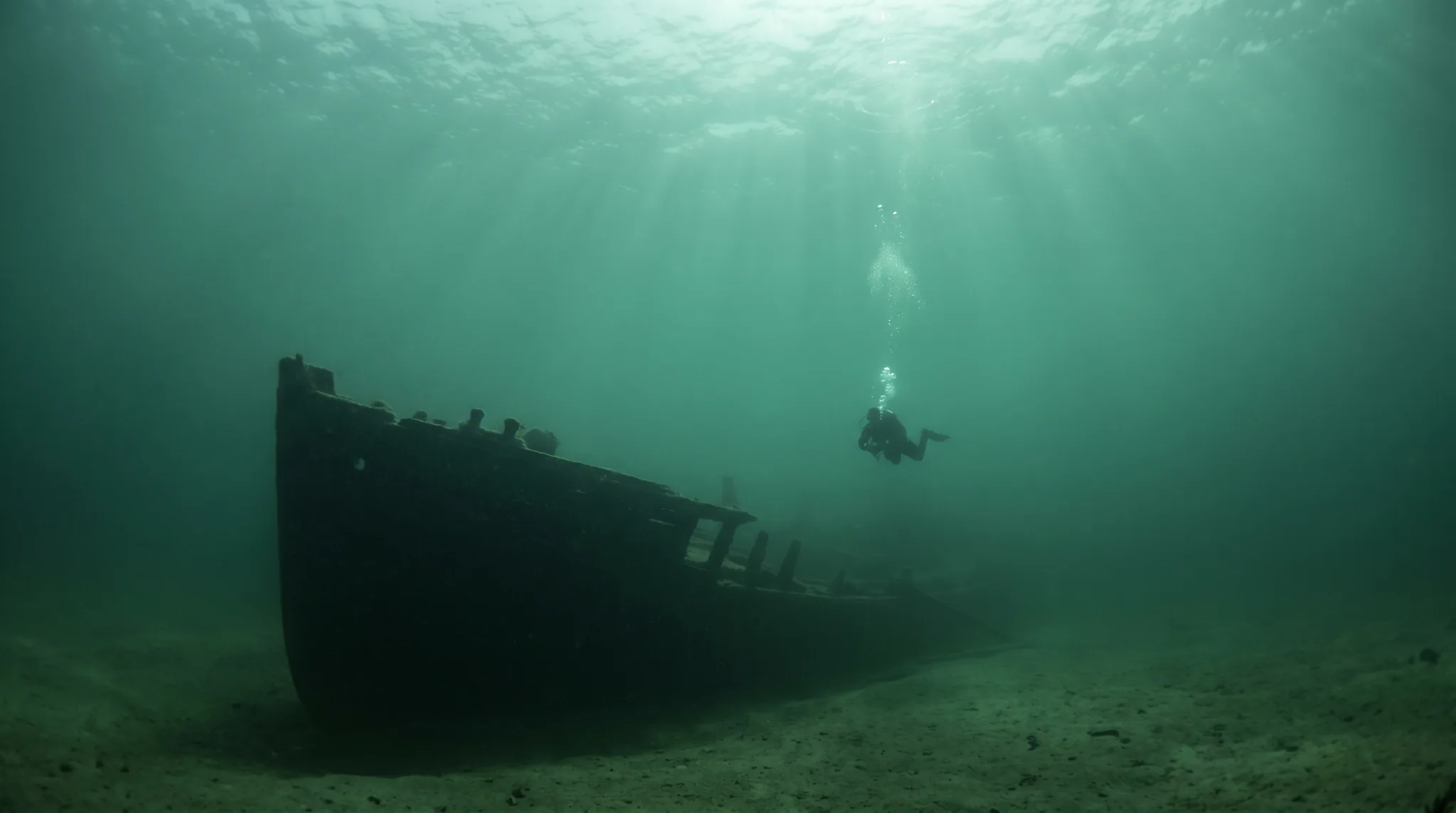
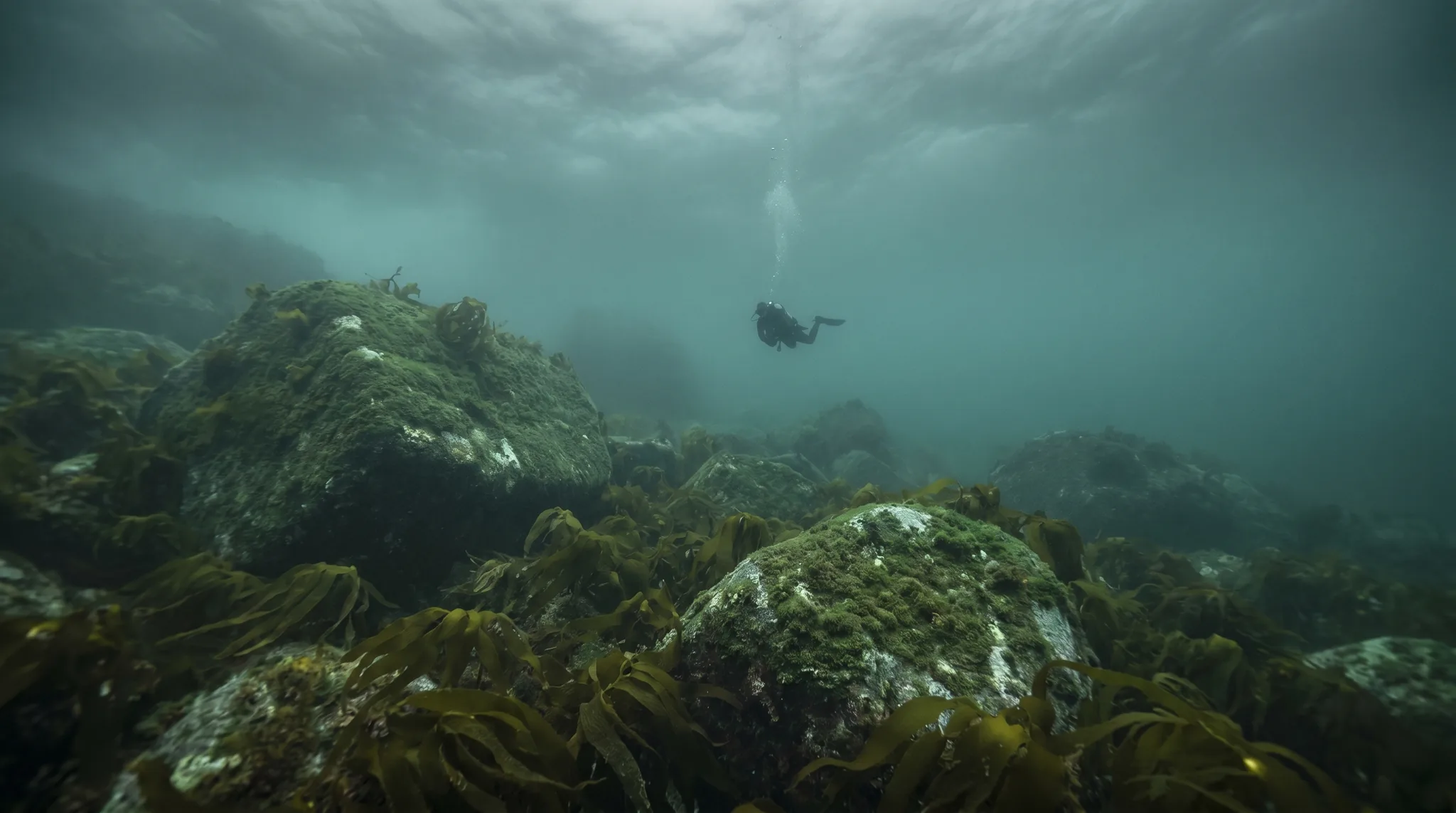
Scapa Flow Wrecks is defined by large German fleet vessels resting on the seabed, complemented by natural and artificial reefs. All diving is boat-accessed, and conditions suit intermediate divers best, though shallower sites welcome the newly certified. Nudibranchs, Harbor Seal, European Common Cuttlefish and dense Plumose Anemone colonise the wrecks and surrounding reef. Water is cold year-round, with late spring through autumn offering the most settled conditions.
Monthly water temperature across Scapa Flow Wrecks's sites, from satellite sea-surface data corrected for depth. The band shows the site-to-site spread.
Water stays cold throughout the year, warming only slightly through summer before dropping back in winter. The most favourable window runs from late spring into autumn, when conditions settle and visibility is at its best. A drysuit is the practical choice for all but the most cold-tolerant divers.
3 operators
United Kingdom
United Kingdom
7 more sites to explore
Water temperature around Scapa Flow Wrecks ranges from about 8°C in February to 13°C in September, based on satellite sea-temperature data for its dive sites.
In the warm season (about 13°C) a 7mm or semi-dry suit is comfortable in Scapa Flow Wrecks; in the coldest months (about 8°C) step up to a drysuit.
Fin maps 10 sites in Scapa Flow Wrecks (7 scuba diving sites and 4 snorkelling spots, with some suited to both).
Across Scapa Flow Wrecks's dive sites, May, June, July, August, September and October are most often reported as the best months to visit.
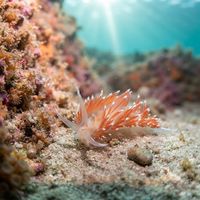
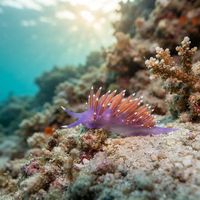
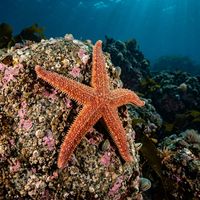
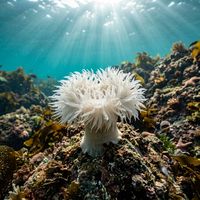
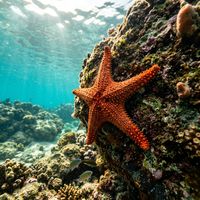
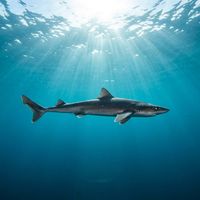
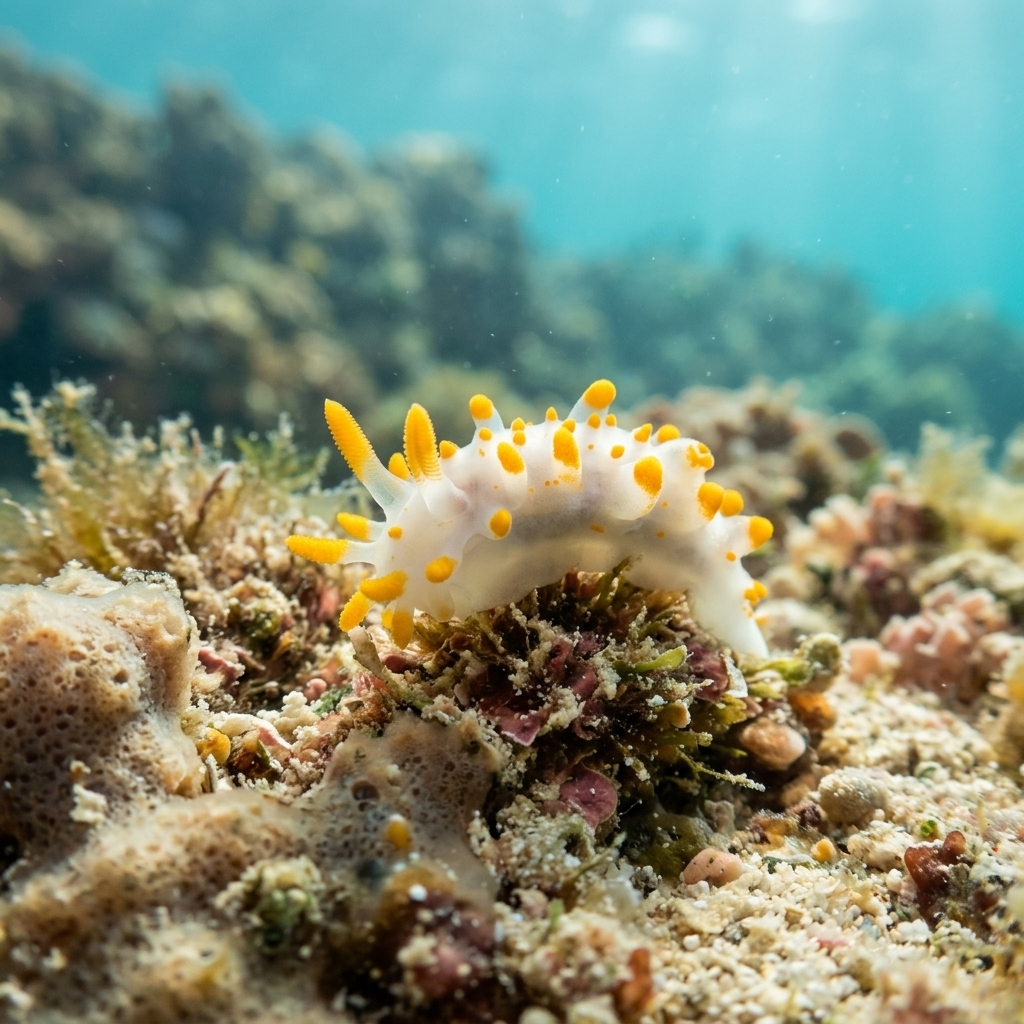
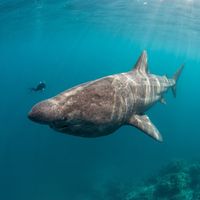
The wrecks and reefs host a strong variety of species. Plumose Anemone and Common Sea Star are found across virtually every site. Harbor Seal and European Common Cuttlefish are regularly encountered, and nudibranchs including Boston Facelina, Slender Facelina, Violet Sea Slug and Coryphella Lineata are signature sightings. Cod and Long-legged Spider Crab are also common, and occasional visitors have included Basking Shark and Atlantic Wolffish.
Most sites are rated intermediate, reflecting cold water and the scale of the wrecks. However, shallower sites such as James Barrie are noted as suitable for newly certified divers. Beginners should come comfortable in cold water and ideally have some drysuit experience before diving here.
All dive sites in the area are accessed by boat. Operators including Kraken Diving, Scapa Scuba and Pomona Prefect run trips to the wrecks and reefs. There are no listed shore-entry dive sites, so booking with one of the local operators is the standard way to get in the water.
The standout sites are the large shipwrecks, including the upright battleship SMS Kronprinz Wilhelm, which spans a wide depth range and rewards multiple dives. Barrel of Butter combines natural and artificial reef in shallower water, making it a good complement to wreck diving. James Barrie is the most accessible site for less experienced divers and also appears on the snorkelling list.