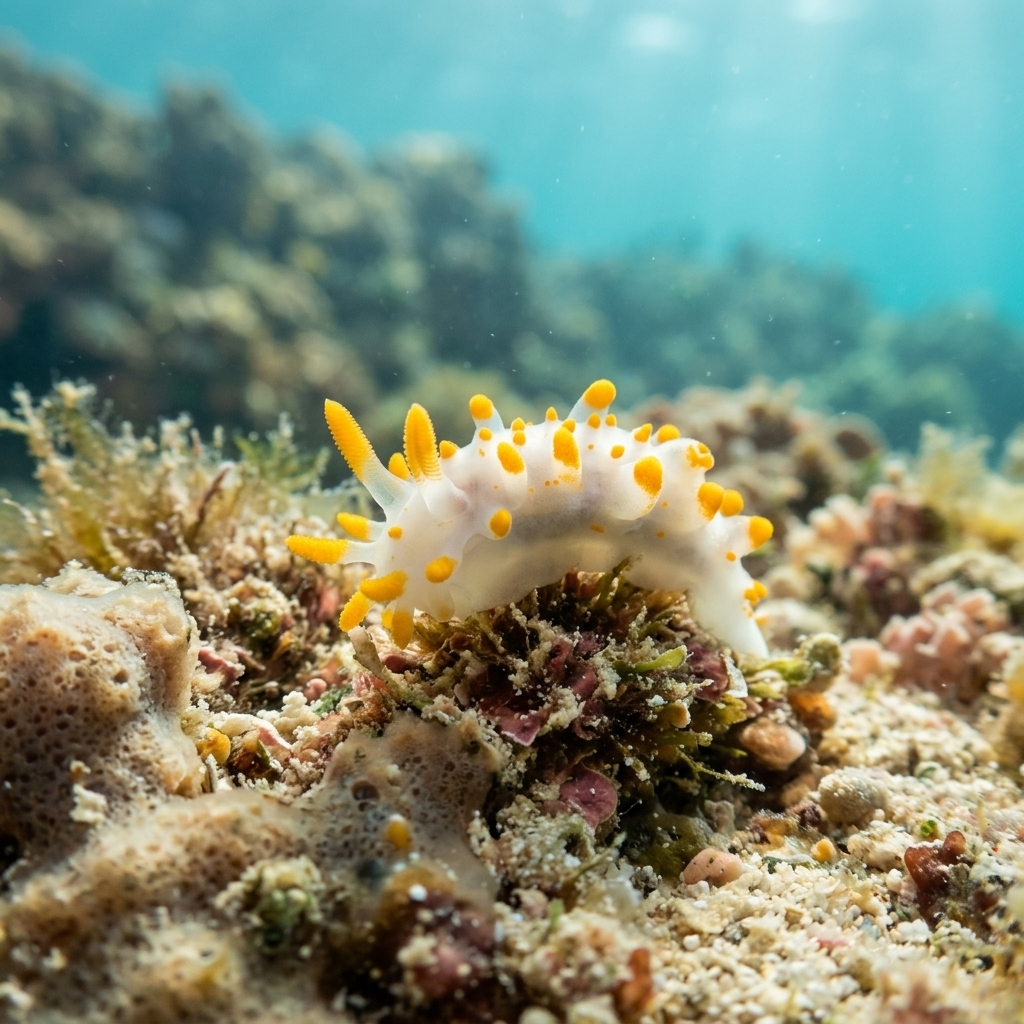
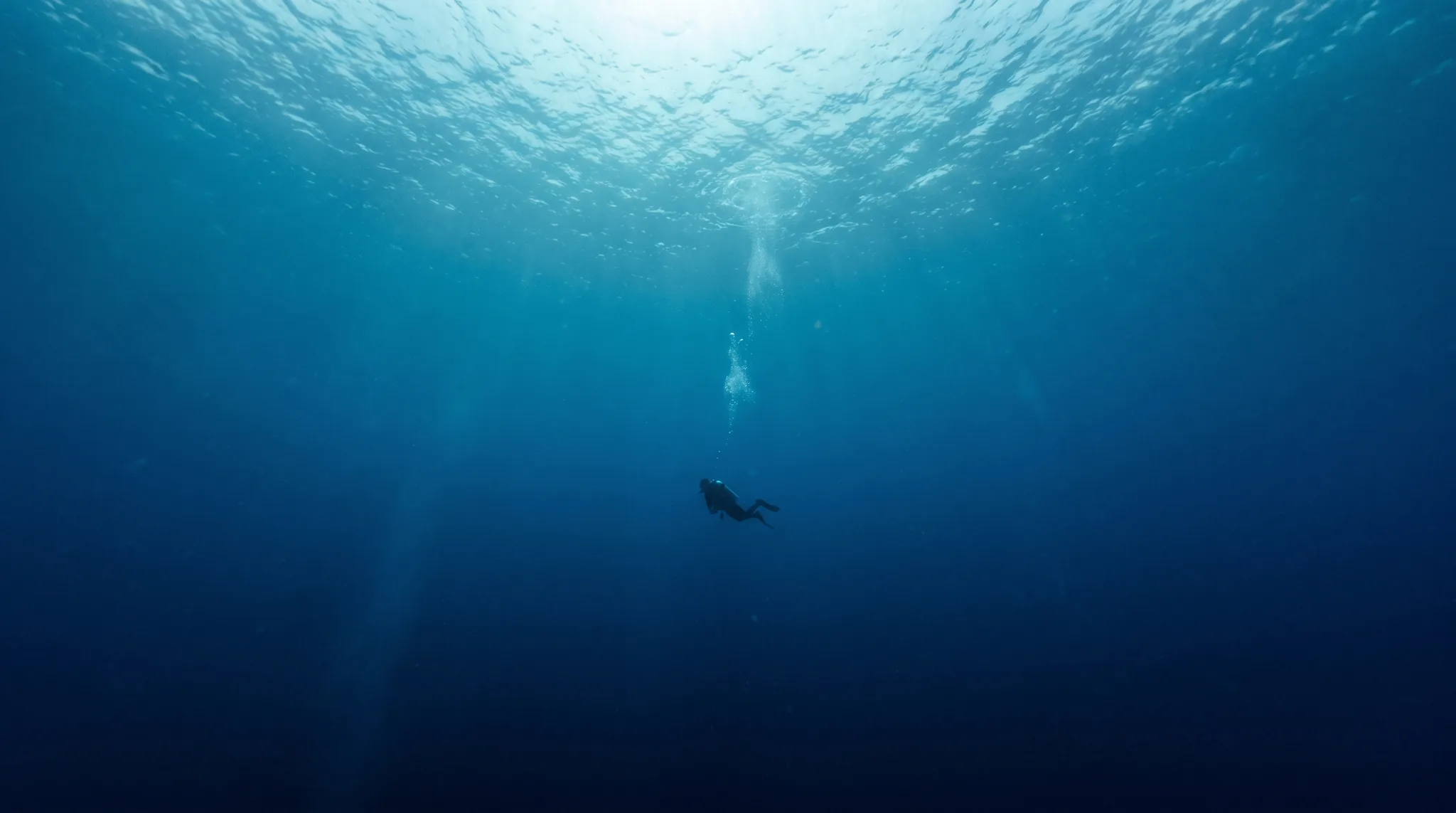
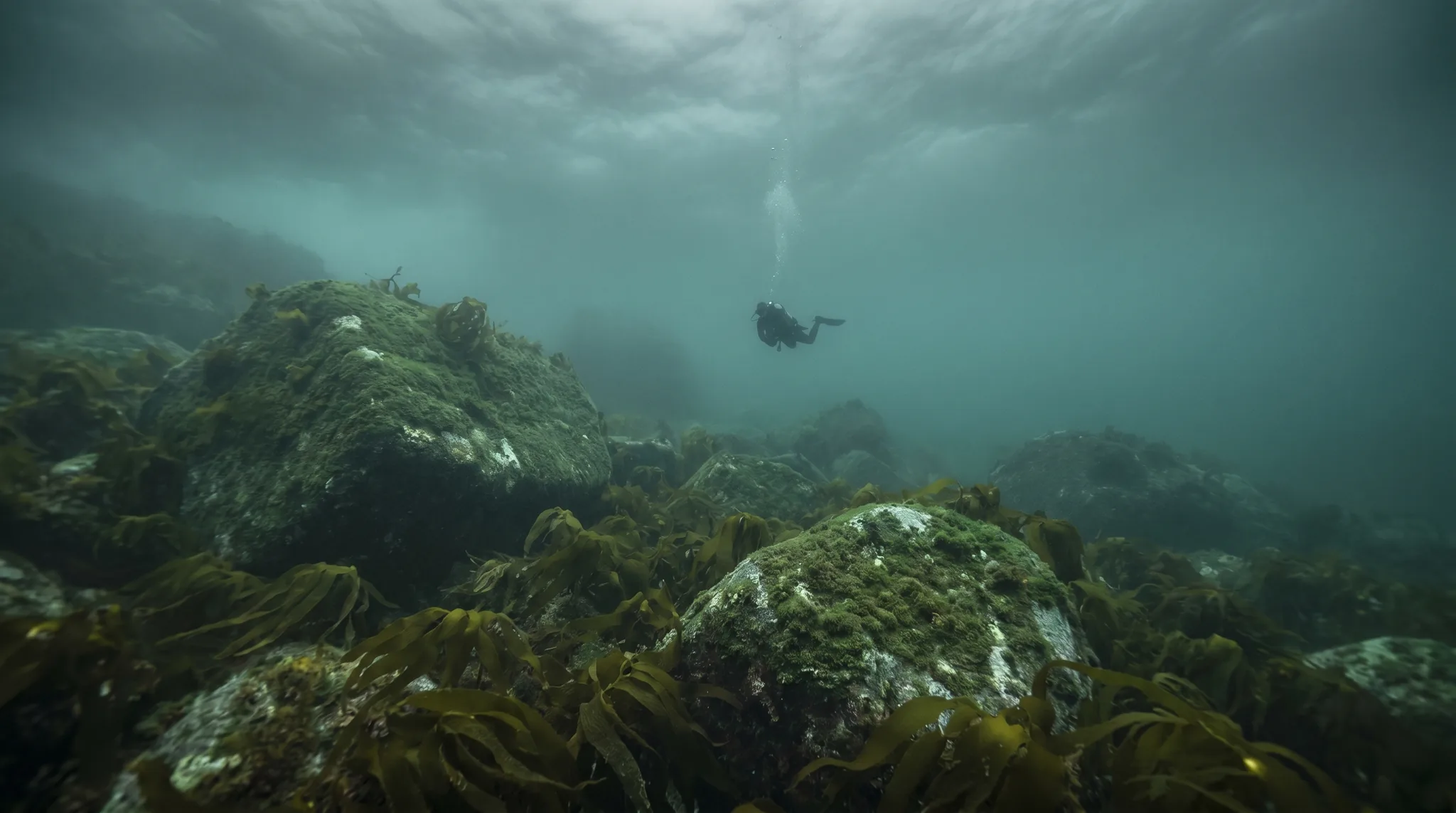
Lundy Island's dive sites span reefs, wrecks, walls and drift dives, catering to everyone from beginners building confidence at Landing Bay to advanced divers exploring the deep wreck of The Lucy. Strong currents shape many sites and demand solid skills. Gray Seal encounters are remarkably consistent across the sites, while nudibranch species, Jewel Anemone and Velvet Swimming Crab reward methodical, close-range exploration.
Monthly water temperature across Lundy Island's sites, from satellite sea-surface data corrected for depth. The band shows the site-to-site spread.
Water temperatures dip to their lowest in late winter, rising through spring and peaking in late summer before falling again through autumn. The warmest and clearest conditions draw most divers between late spring and early autumn. Many sites are current-dependent, so timing dives to slack water is important year-round.
6 more sites to explore
Water temperature around Lundy Island ranges from about 9°C in February to 17°C in August, based on satellite sea-temperature data for its dive sites.
In the warm season (about 17°C) a 7mm or semi-dry suit is comfortable in Lundy Island; in the coldest months (about 9°C) step up to a drysuit.
Fin maps 14 sites in Lundy Island (13 scuba diving sites and 1 snorkelling spots).
Across Lundy Island's dive sites, June and September are most often reported as the best months to visit.
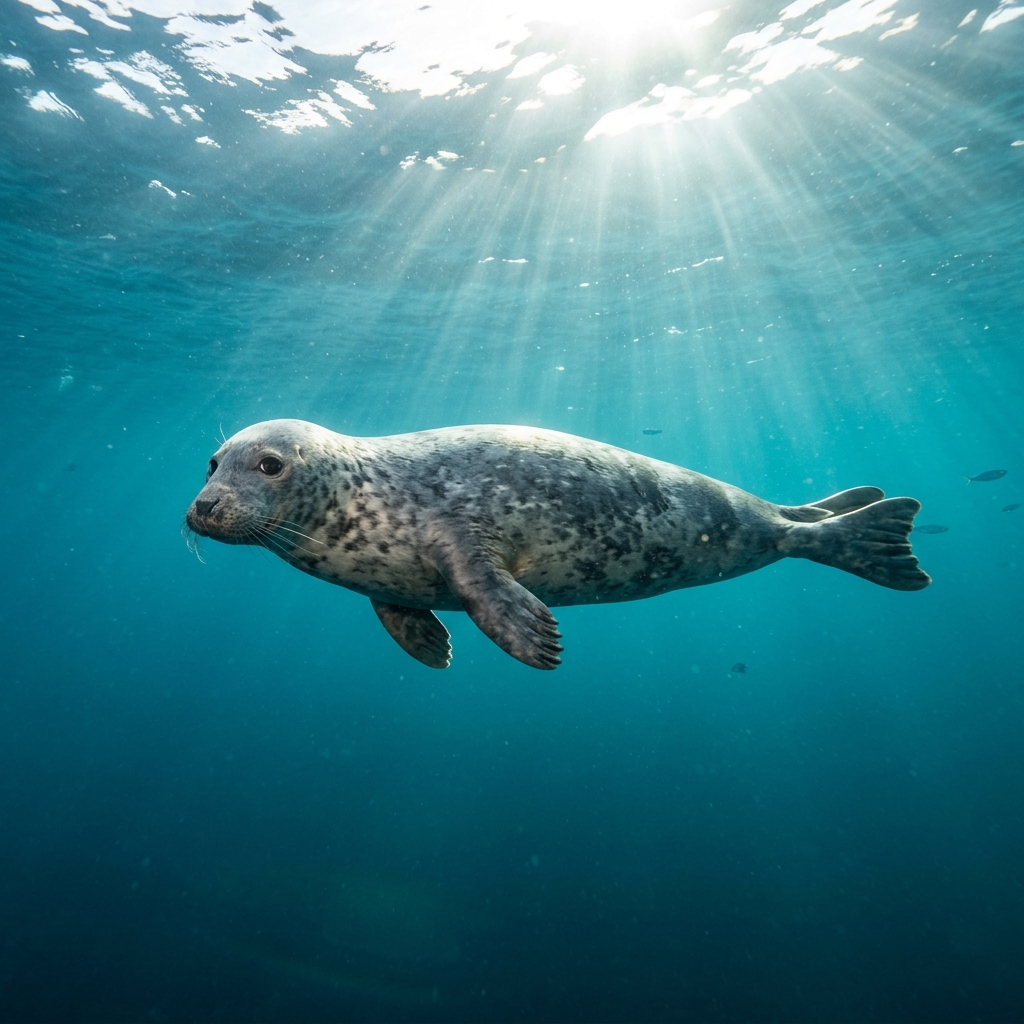
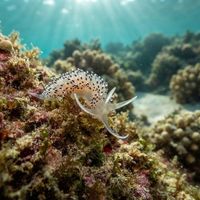
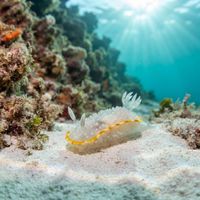
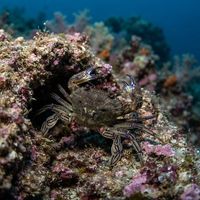
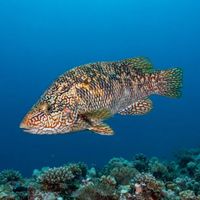
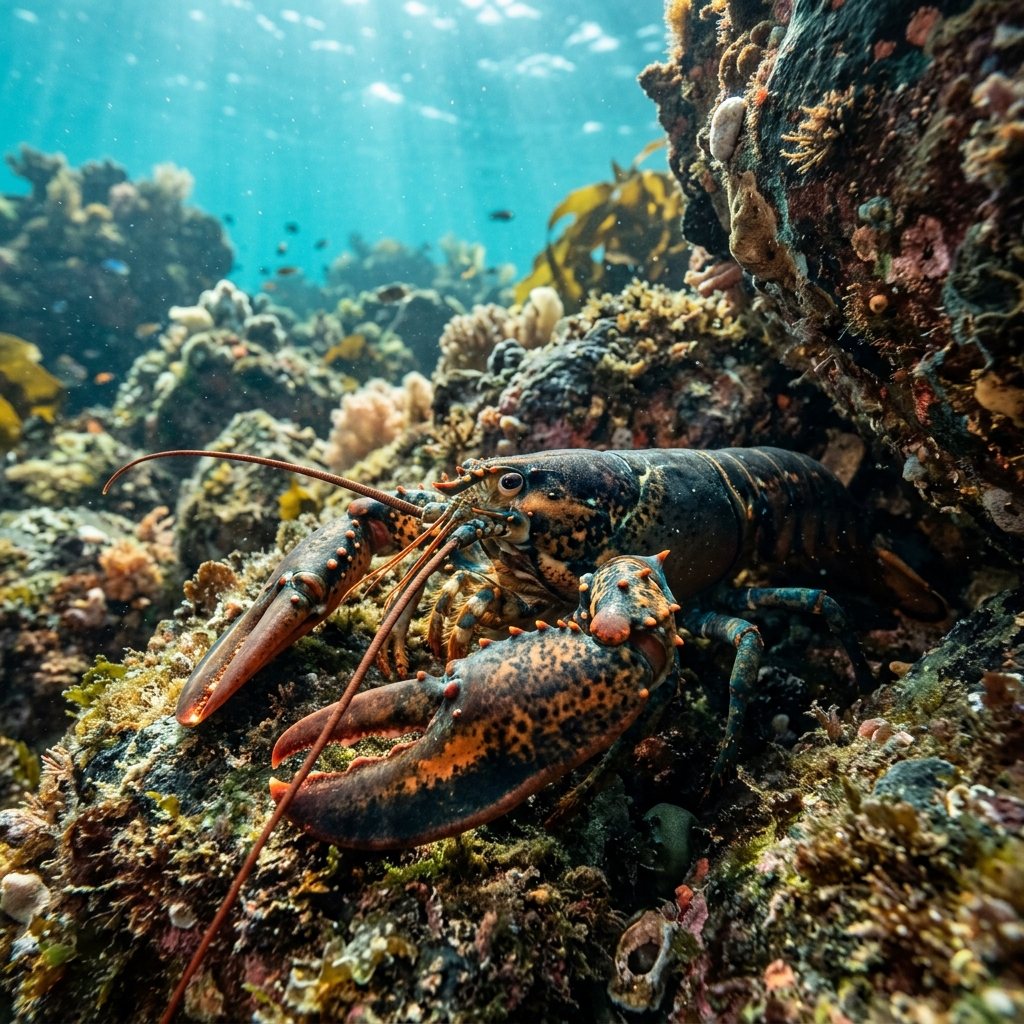
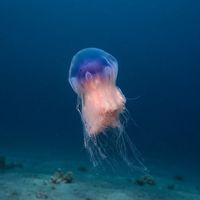
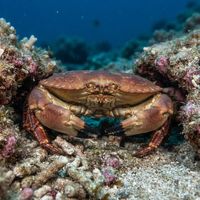
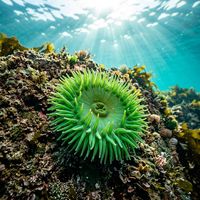
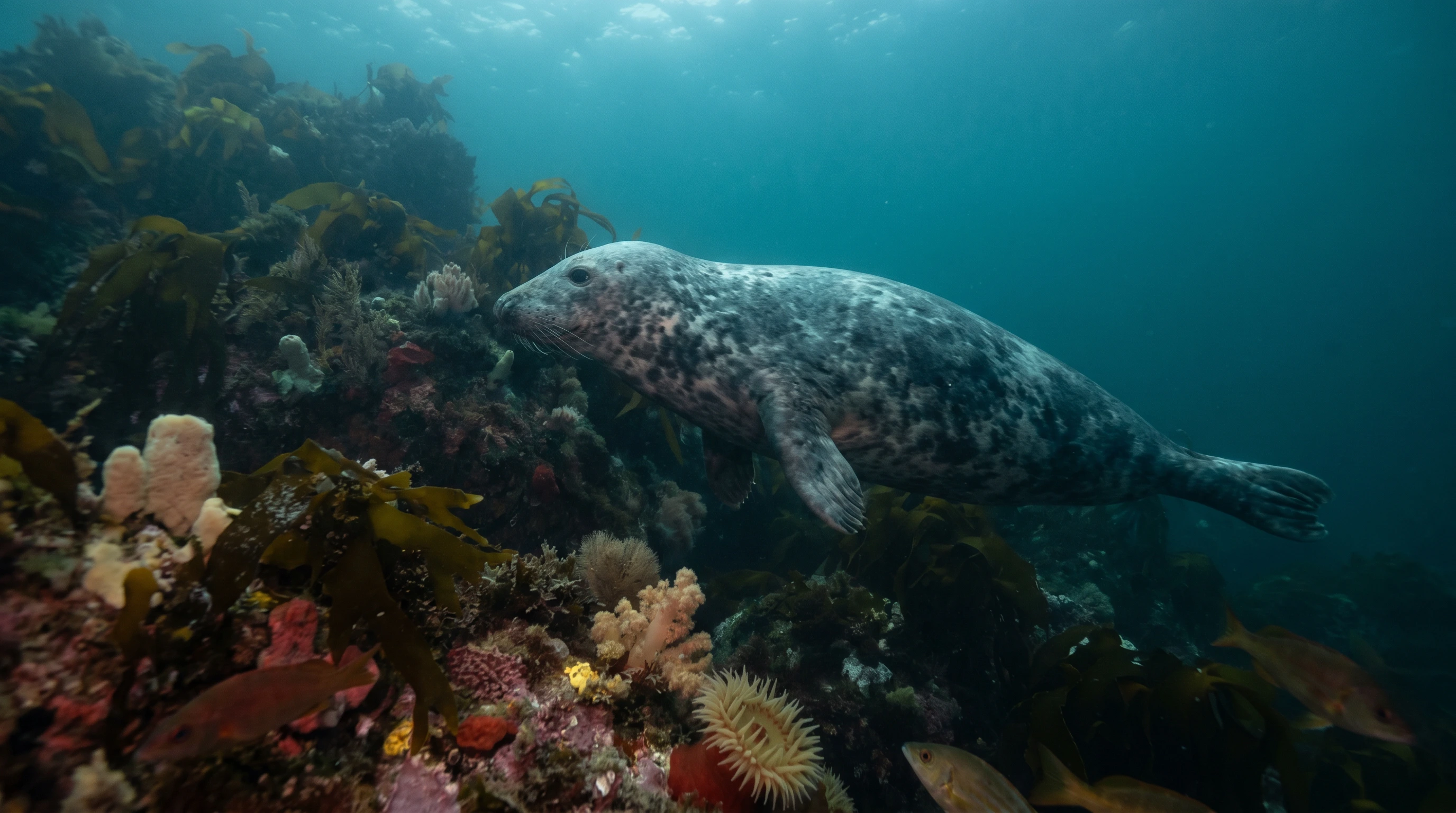
Gray Seal is observed at the vast majority of sites and is effectively a signature encounter here. Jewel Anemone, Giant Green Anemone and Velvet Swimming Crab are very common across the reefs. Divers with a keen eye will also find nudibranch species including Diaphorodoris Alba, Pepper-and-salt Slug and Orange-clubbed Nudibranch, as well as Common Lobster and Brown Crab tucked into crevices.
Some sites, such as Landing Bay and Gannet's Bay, are explicitly suited to beginner divers and offer shallow reef terrain to build confidence. However, the majority of Lundy Island's sites are rated intermediate or advanced, and strong currents are a factor at several locations. Beginners would benefit from going with an experienced guide from one of the local operators.
Most sites are boat-access only, reflecting how far the island sits from the mainland. Landing Bay is an exception, offering both shore and boat entry. Operators including Lundy Diving and Wild Frontier Charters provide the boat access needed to reach the majority of dive sites.
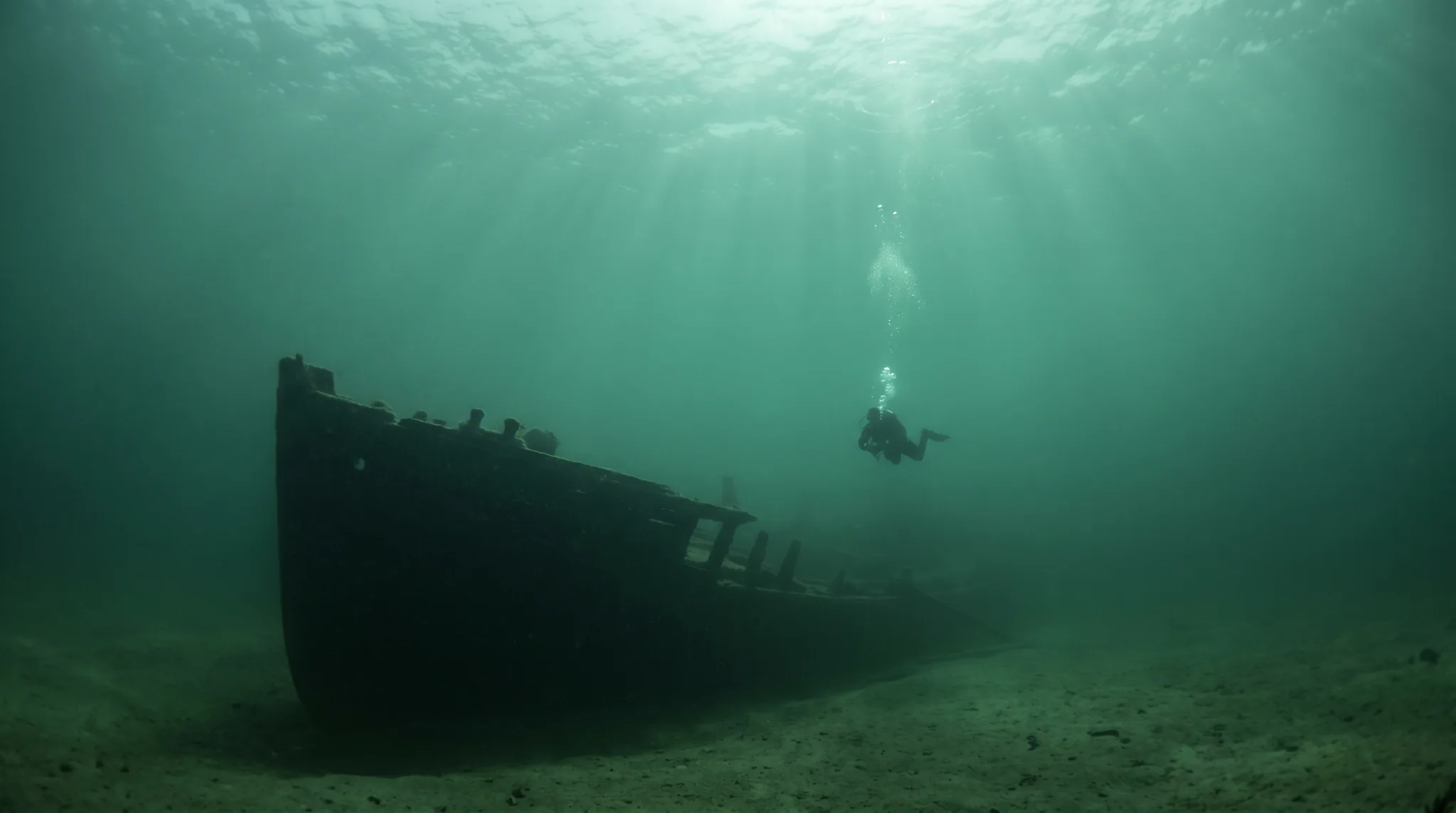
The Carmine Filomena is a shallower wreck well within the range of intermediate divers. The MV Robert, which also functions as an artificial reef, spans a wide depth range and suits intermediates looking to explore structure. The Lucy Wreck sits at the deepest end of the range and is strictly for advanced divers, with conditions that demand experience and careful planning.