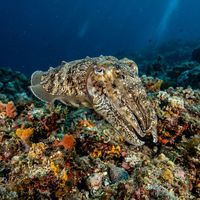
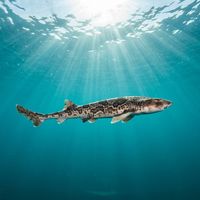
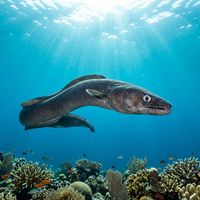
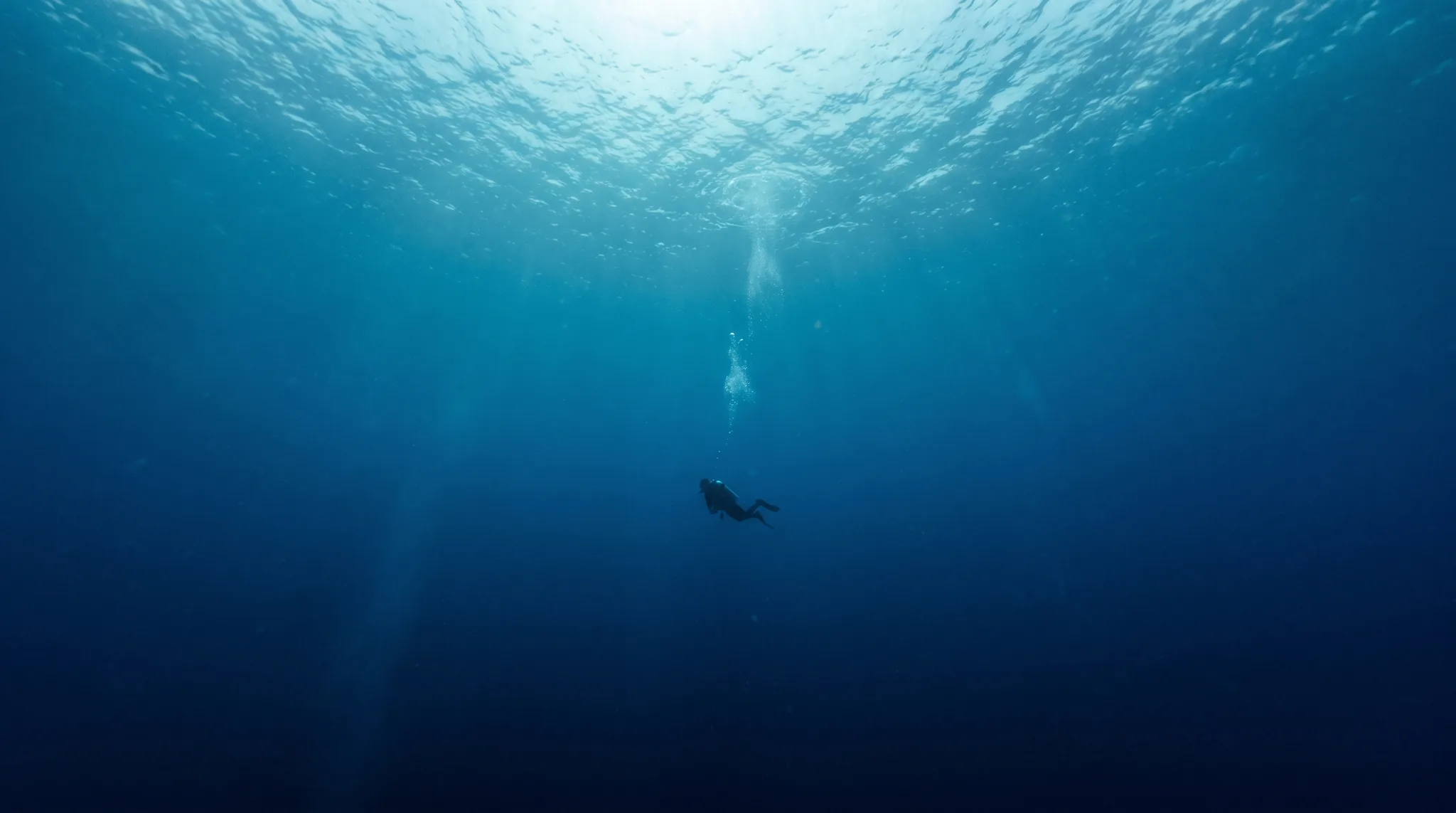
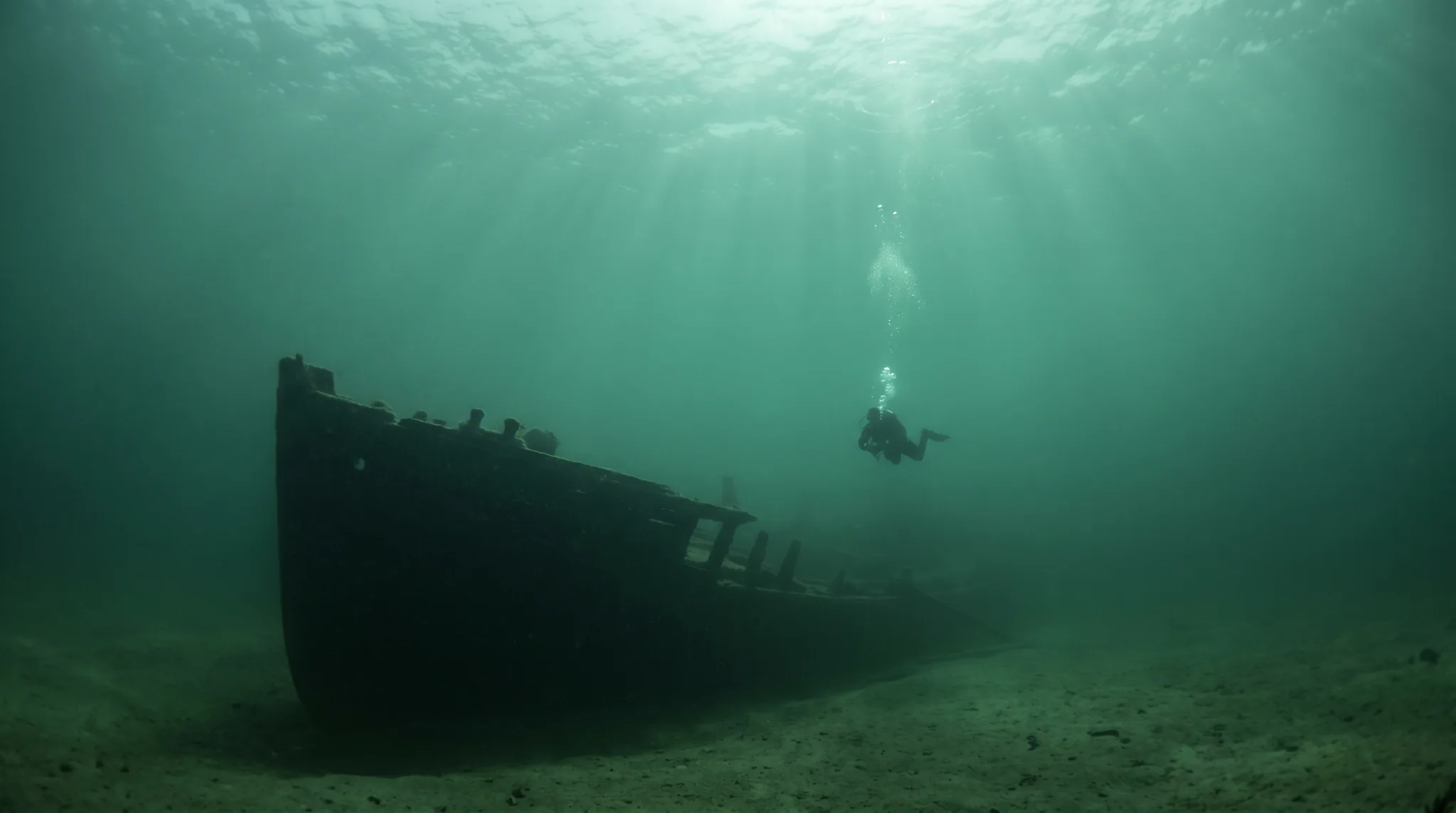
Selsey's diving is defined by wrecks and artificial reefs, from the deliberately sunk HMS Scylla sitting upright in deeper water to the scattered Mulberry Harbour remains at beginner-friendly depths. Cuttlefish are the signature encounter, joined by Conger Eel, Catshark, Tompot Blenny, and the occasional Seahorse. Shore entries suit newcomers, while boat dives open up the deeper sites. Water cools sharply in winter, making summer and early autumn the productive core of the season.
Monthly water temperature across Selsey's sites, from satellite sea-surface data corrected for depth. The band shows the site-to-site spread.
Water temperature climbs through late spring and peaks in late summer, making those months the most comfortable for extended dives. Winter temperatures drop considerably, and exposed conditions can limit visibility on nearshore sites. The summer window brings the best combination of warmth and settled seas for both boat and shore diving.
6 operators
United Kingdom
United Kingdom
17 more sites to explore
Water temperature around Selsey ranges from about 9°C in February to 19°C in August, based on satellite sea-temperature data for its dive sites.
In the warm season (about 19°C) a 5mm suit is comfortable in Selsey; in the coldest months (about 9°C) step up to a drysuit.
Fin maps 22 sites in Selsey (22 scuba diving sites and 3 snorkelling spots, with some suited to both).
Across Selsey's dive sites, May, June, July, August and September are most often reported as the best months to visit.
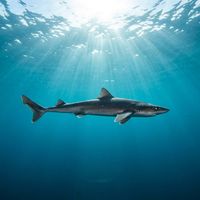
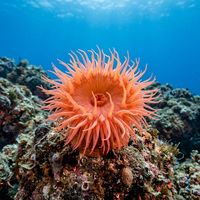
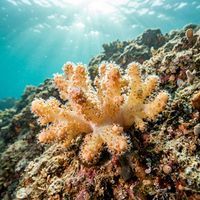
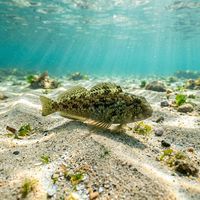
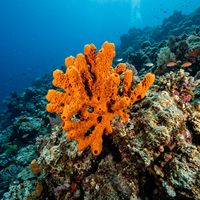
European Common Cuttlefish are the standout species and are observed across virtually all sites. Conger Eel, Catshark, Dogfish, and Tompot Blenny are also very commonly encountered. Divers have recorded Seahorse, Greater Pipefish, Nudibranch, and Violet Sea Slug on occasion, and the wrecks and reefs are heavily colonised by Dead Man's Fingers, Sponge, and Sea Anemone.
Selsey caters to a range of skill levels. Sites such as Inner Mulberry Harbour and Bognor Rocks are rated beginner-friendly and can be reached from shore in shallow water. HMS Scylla is an intermediate-level boat dive in deeper water, so some logged experience and comfort with open-water conditions is advisable before attempting it.
Several sites, including Inner Mulberry Harbour, Selsey Beach, and Bognor Rocks, are accessible directly from shore without a boat. Deeper or more exposed sites such as HMS Scylla and The Far Mulberry require a boat dive. Local operators including Sussex Diving Ltd, Mulberry Marine Experiences, and Selsey Bill Sub Aqua Club offer guided boat diving.
The Mulberry Harbour remains are prefabricated concrete structures that now function as artificial reefs, covered in anemones, sponges, and Dead Man's Fingers. Inner Mulberry Harbour is particularly accessible as a shallow shore dive, while The Far Mulberry sits deeper and is reached by boat. Both sites have been colonised by the same rich invertebrate and fish life found throughout the area.