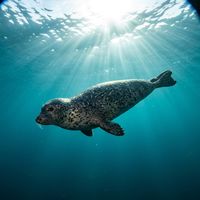
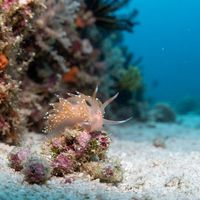
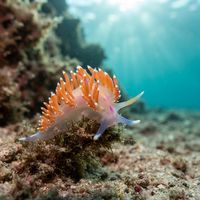
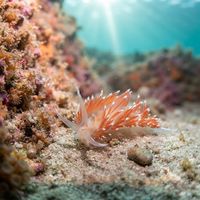
Orkney's underwater character is defined almost entirely by the scuttled German High Seas Fleet resting in Scapa Flow, from shallow cruisers to deep battleships such as SMS Markgraf and SMS Kronprinz Wilhelm. Wrecks here function as artificial reefs, colonised by Plumose Anemone, Sea Star, and a remarkable variety of nudibranch species. Harbor Seal and Gray Seal are regularly encountered. Conditions are cool year-round, suiting well-equipped divers, with calmer summer months opening the sites to a broader range of experience levels.
2 areas
Monthly water temperature across Orkney's sites, from satellite sea-surface data corrected for depth. The band shows the site-to-site spread.
Water stays cool across the year, warming slightly from late spring into late summer, which marks the most popular window for visiting the Scapa Flow wrecks. Conditions in the shoulder months of spring and autumn remain productive but demand thermal protection and experience with exposed boat diving. Summer brings the best balance of calmer seas and reasonable visibility for exploring the deeper battleships.
9 operators
United Kingdom
United Kingdom
United Kingdom
16 more sites to explore
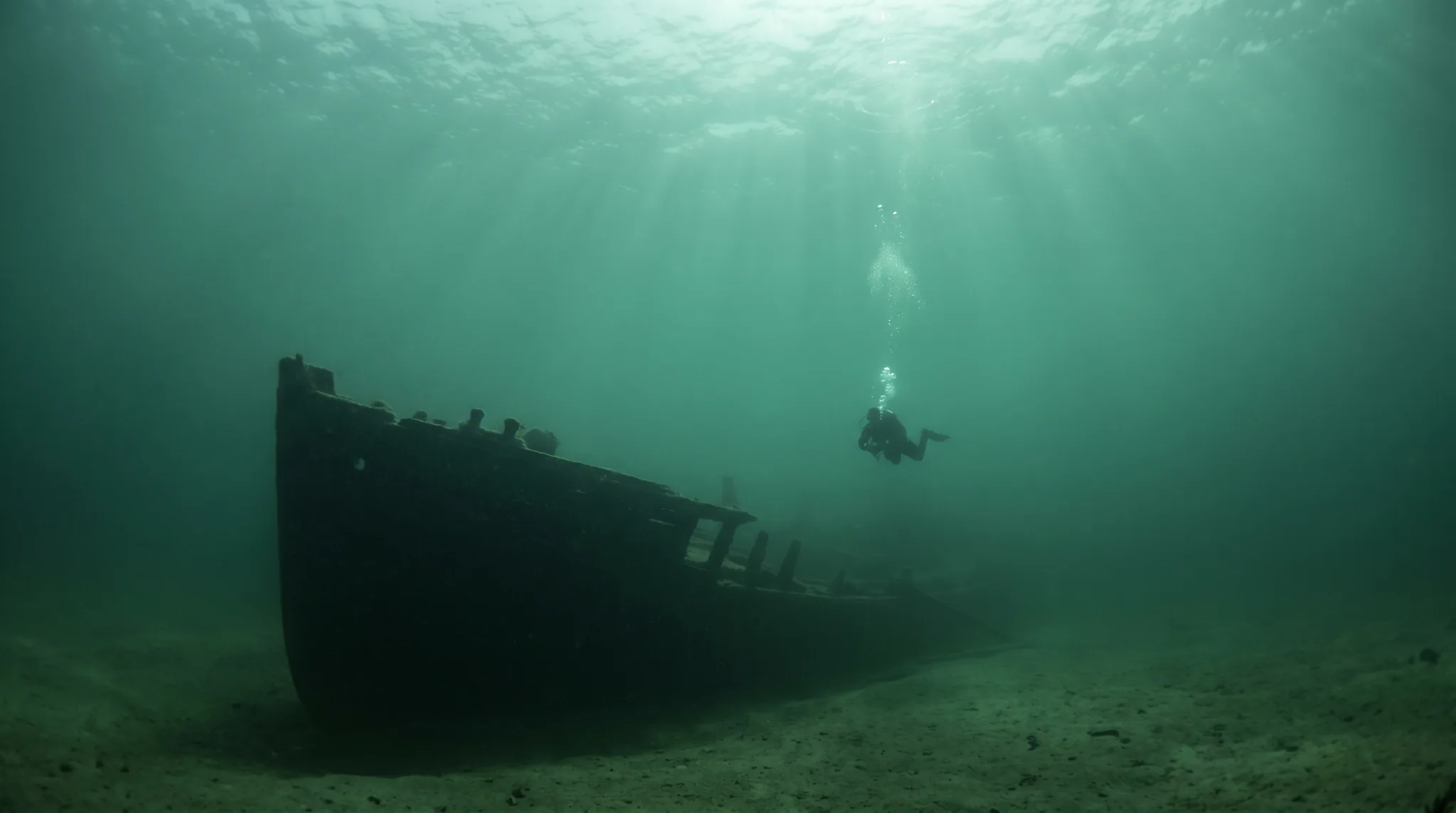
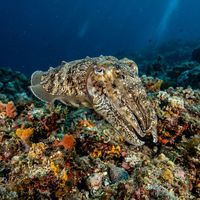
Boat-accessed German fleet wrecks draped in nudibranchs and anemones, with seals and cuttlefish as regular company.

Water temperature around Orkney ranges from about 8°C in February to 13°C in August, based on satellite sea-temperature data for its dive sites.
In the warm season (about 13°C) a 7mm or semi-dry suit is comfortable in Orkney; in the coldest months (about 8°C) step up to a drysuit.
Fin maps 22 sites in Orkney (16 scuba diving sites and 7 snorkelling spots, with some suited to both), organised into 2 areas.
Across Orkney's dive sites, May, June, July, August, September and October are most often reported as the best months to visit.
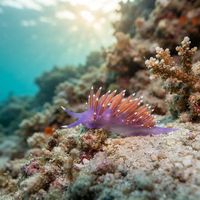
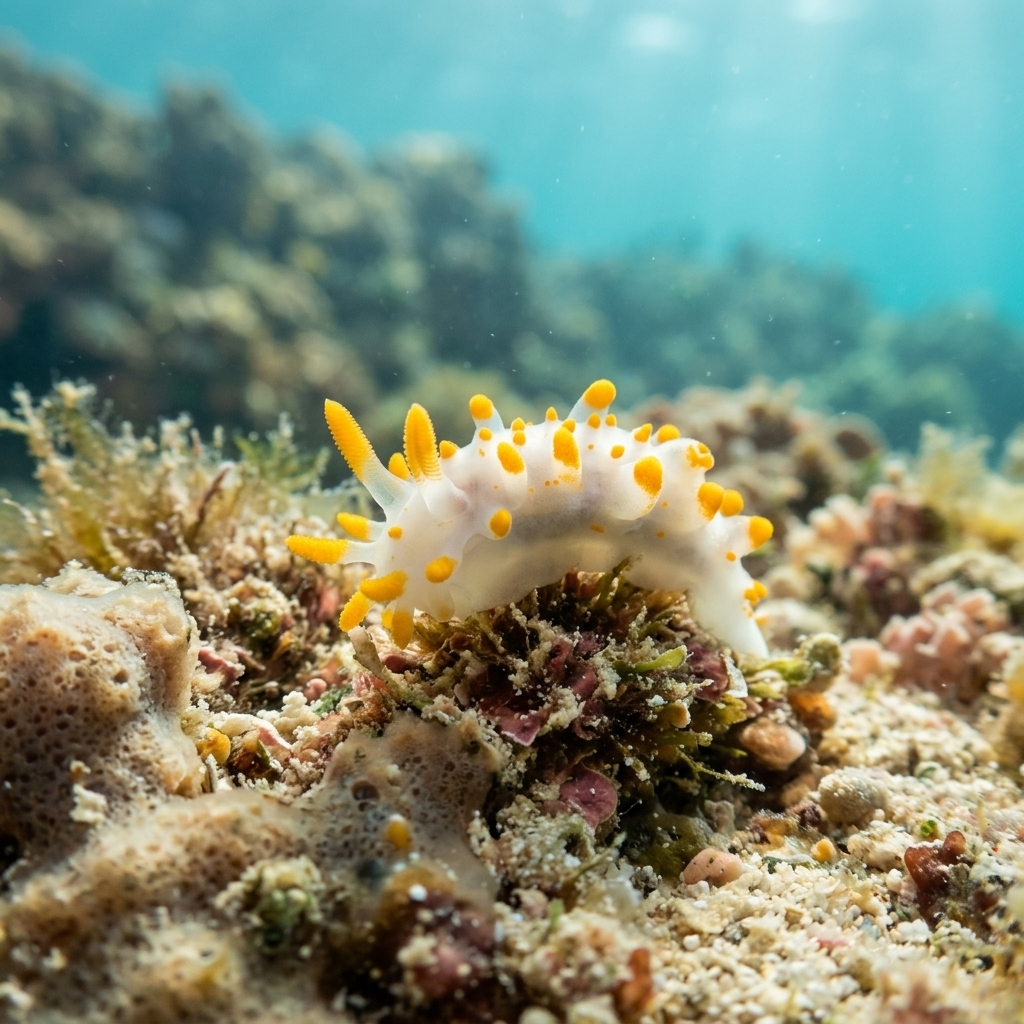
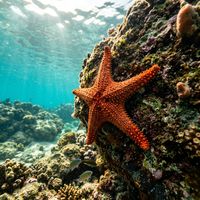
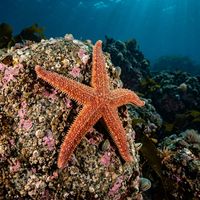
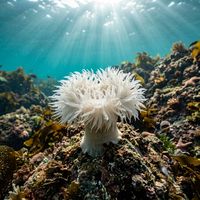
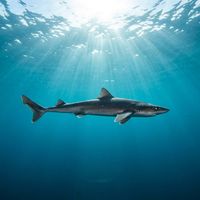
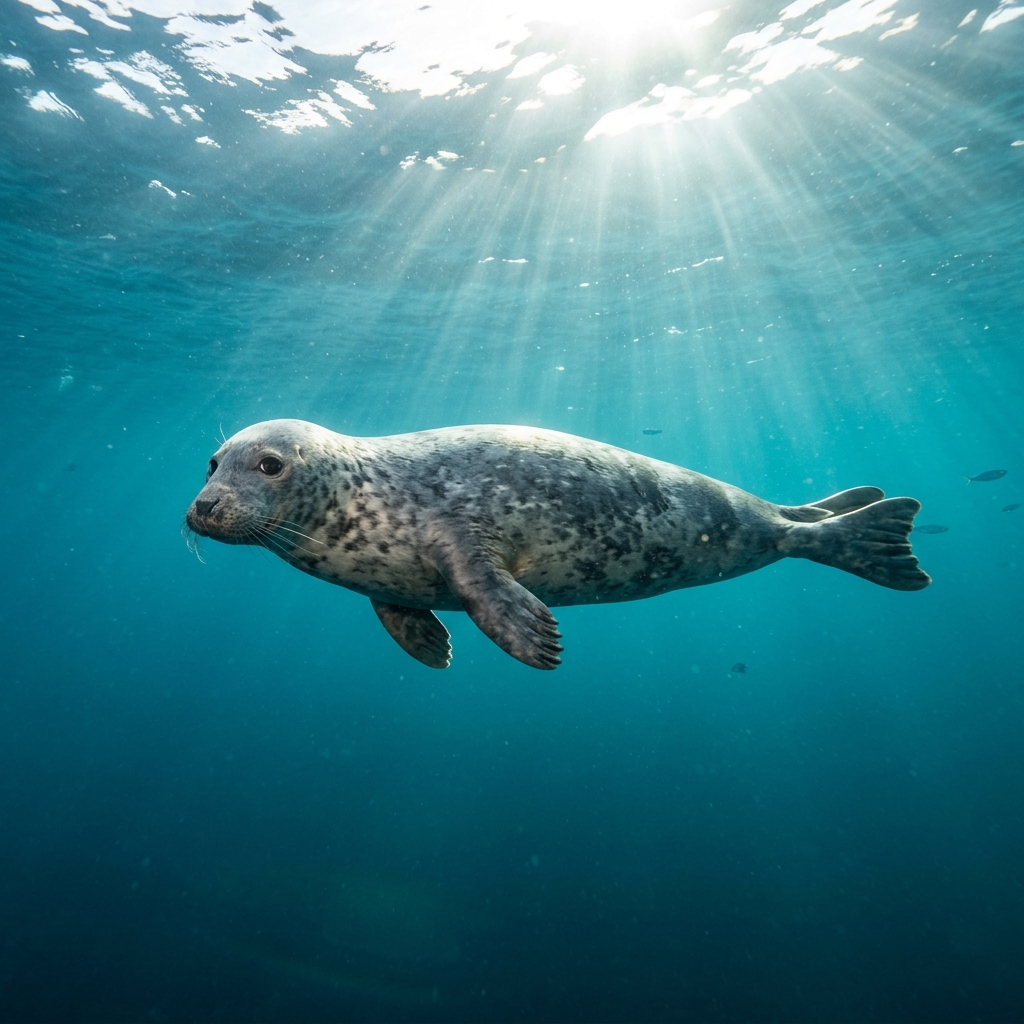
The wrecks and reefs host a rich mix of invertebrates, with Plumose Anemone and Sea Star present across virtually every site. Nudibranch species are a particular highlight, including Boston Facelina, Slender Facelina, Violet Sea Slug, and Orange-clubbed Nudibranch. Harbor Seal and Gray Seal are observed regularly, and Conger Eel, Ballan Wrasse, Cod, and Pollack are all logged from Orkney waters.
The site mix spans a range of skill levels. Shallower wrecks such as SMS Karlsruhe and SMS Kronprinz Wilhelm are rated intermediate and accessible to those with solid open-water experience and cold-water kit. The deeper battleship SMS Markgraf and the Scapa Flow site itself are rated advanced, requiring experience with depth, boat diving, and cool-water conditions. Newly certified divers are catered for at sites such as James Barrie.
All of the top dive sites in Orkney are boat-access only, reflecting the offshore nature of the Scapa Flow wrecks. A number of local operators, including Scapa Scuba, MV Invincible, MV Halton, and Scapa Flow Diving Holidays, run dedicated charter trips to the wrecks. Booking with an established operator is the standard way to reach the sites.
Orkney's dive offering is concentrated in two closely related sub-areas: Scapa Flow Wrecks and Scapa Flow. The Scapa Flow Wrecks sub-area focuses specifically on the scuttled fleet, including named battleships and cruisers at a range of depths. The broader Scapa Flow sub-area includes additional reef and mixed sites such as Barrel of Butter, offering more variety for those looking beyond pure wreck diving.