Best for beginner divers, 8-10m, shore entry, mild current.
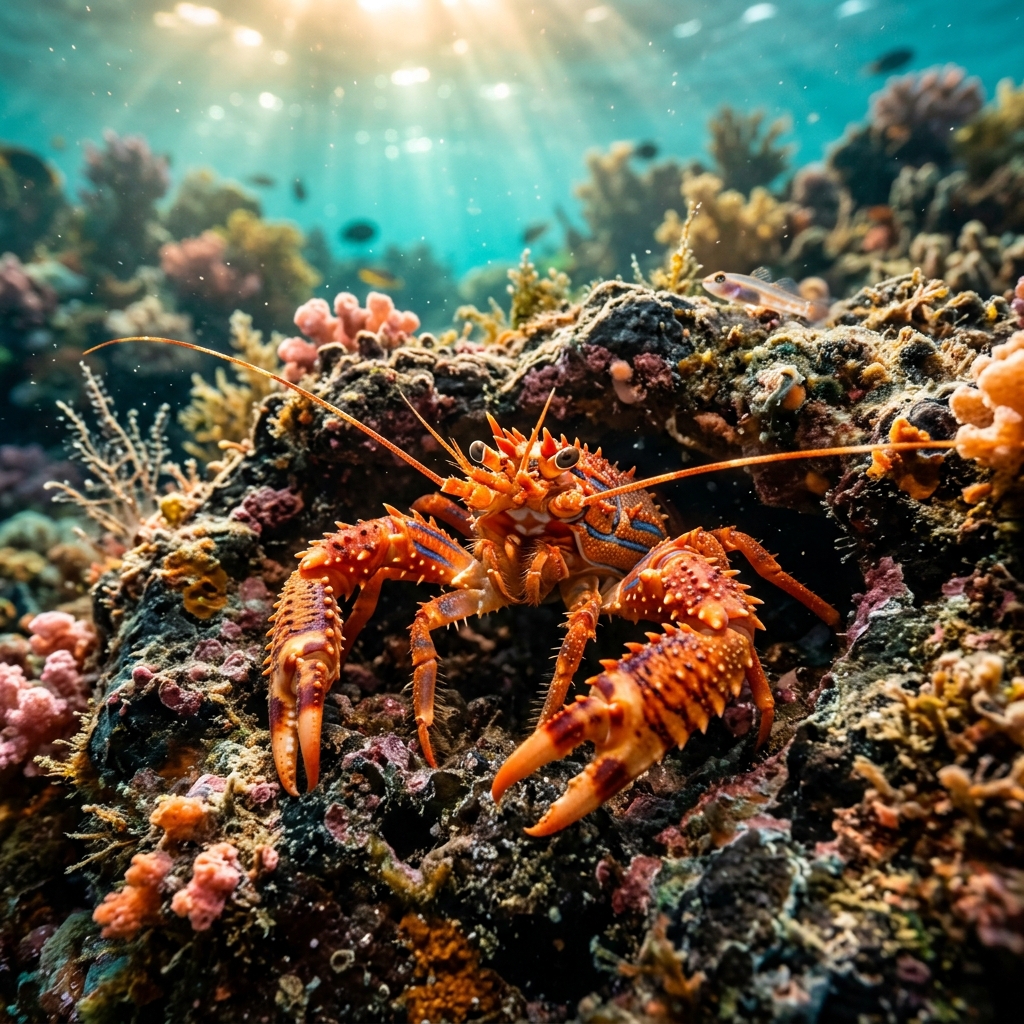
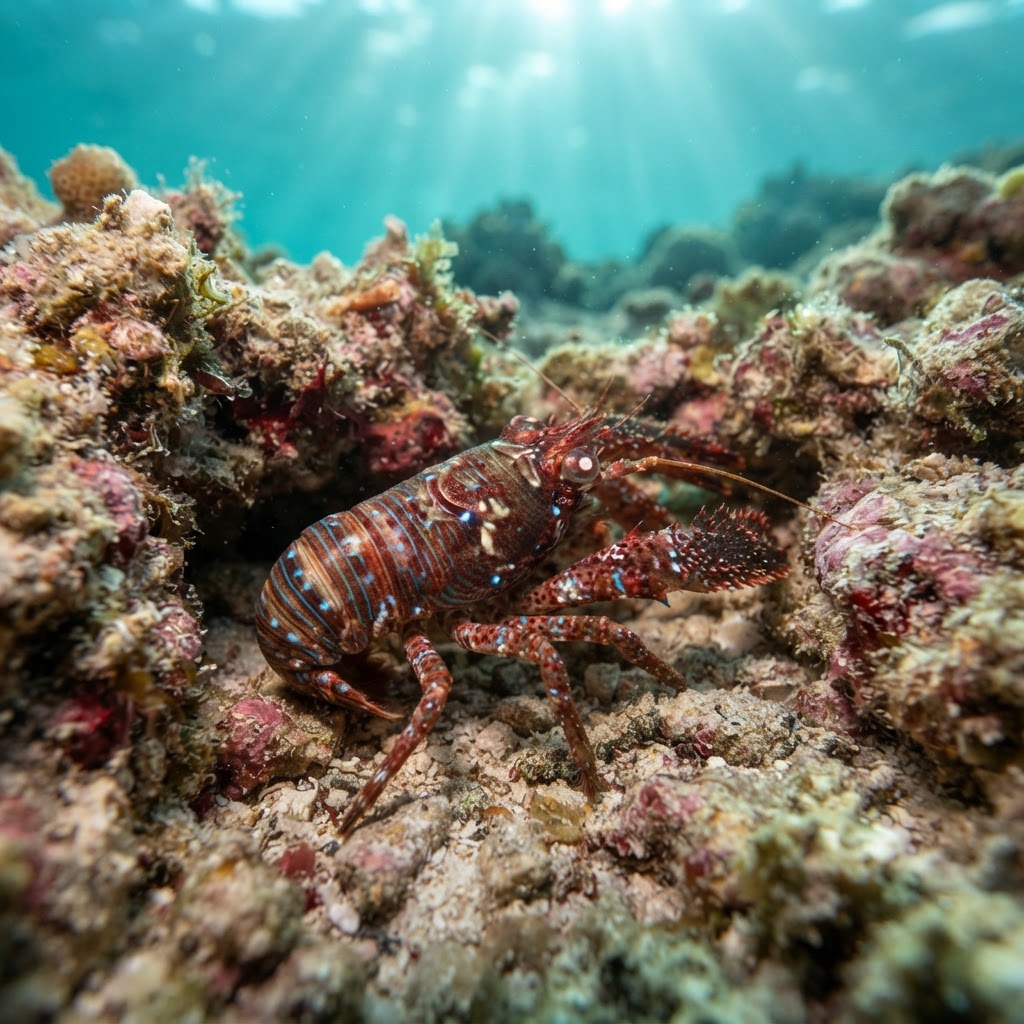
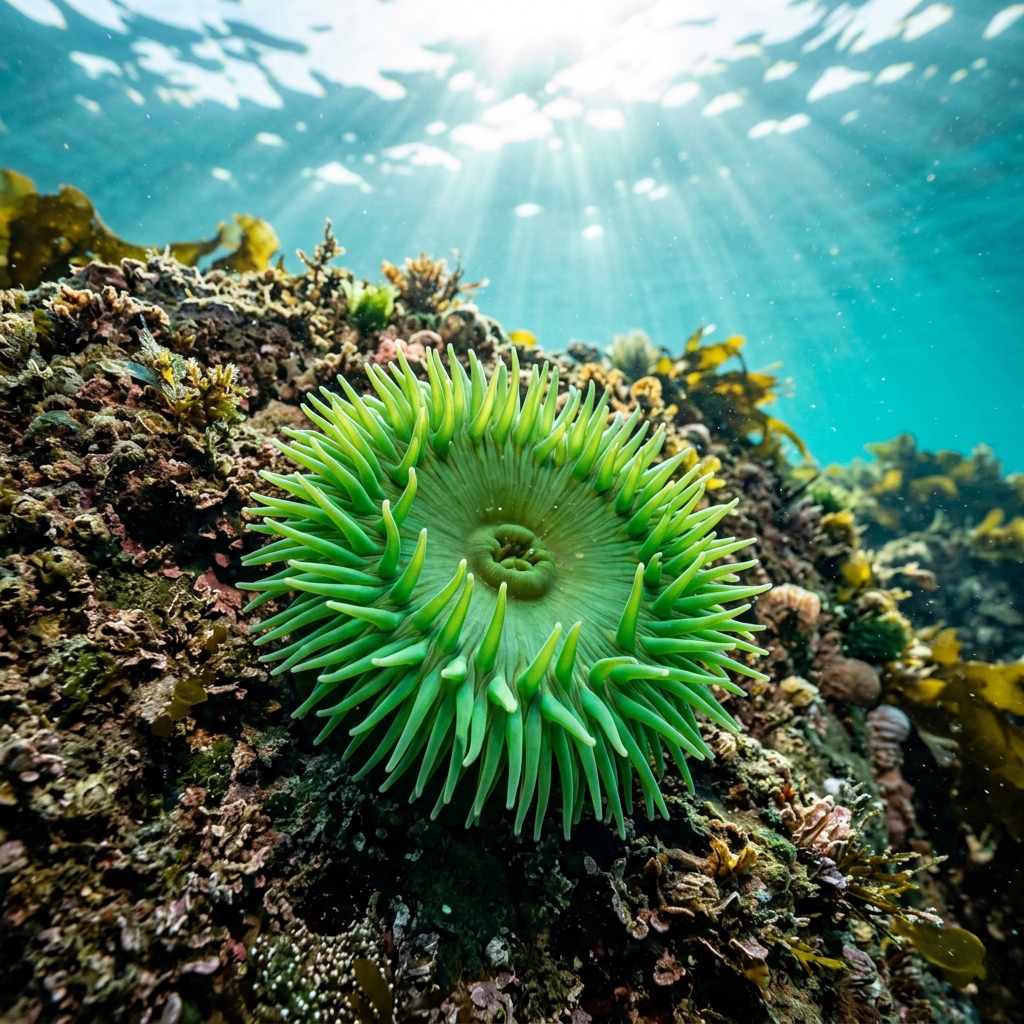
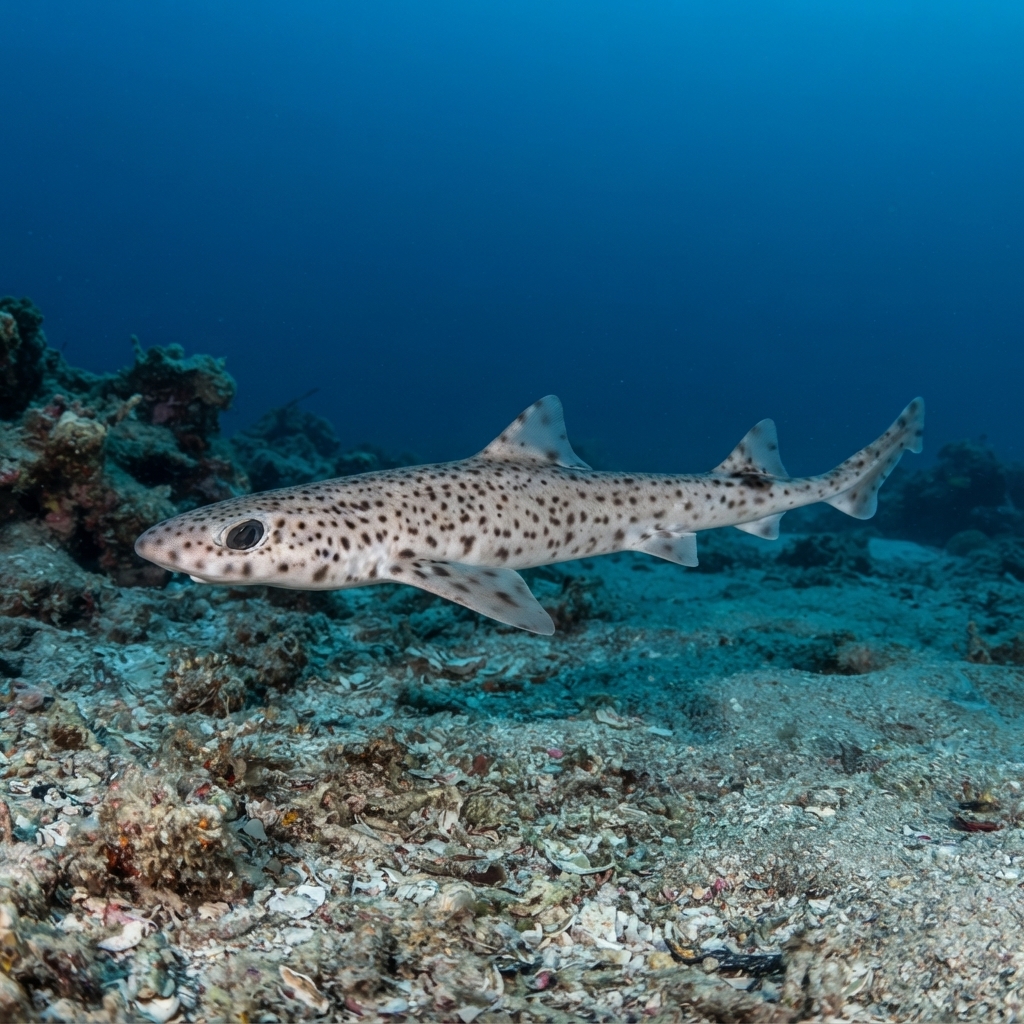
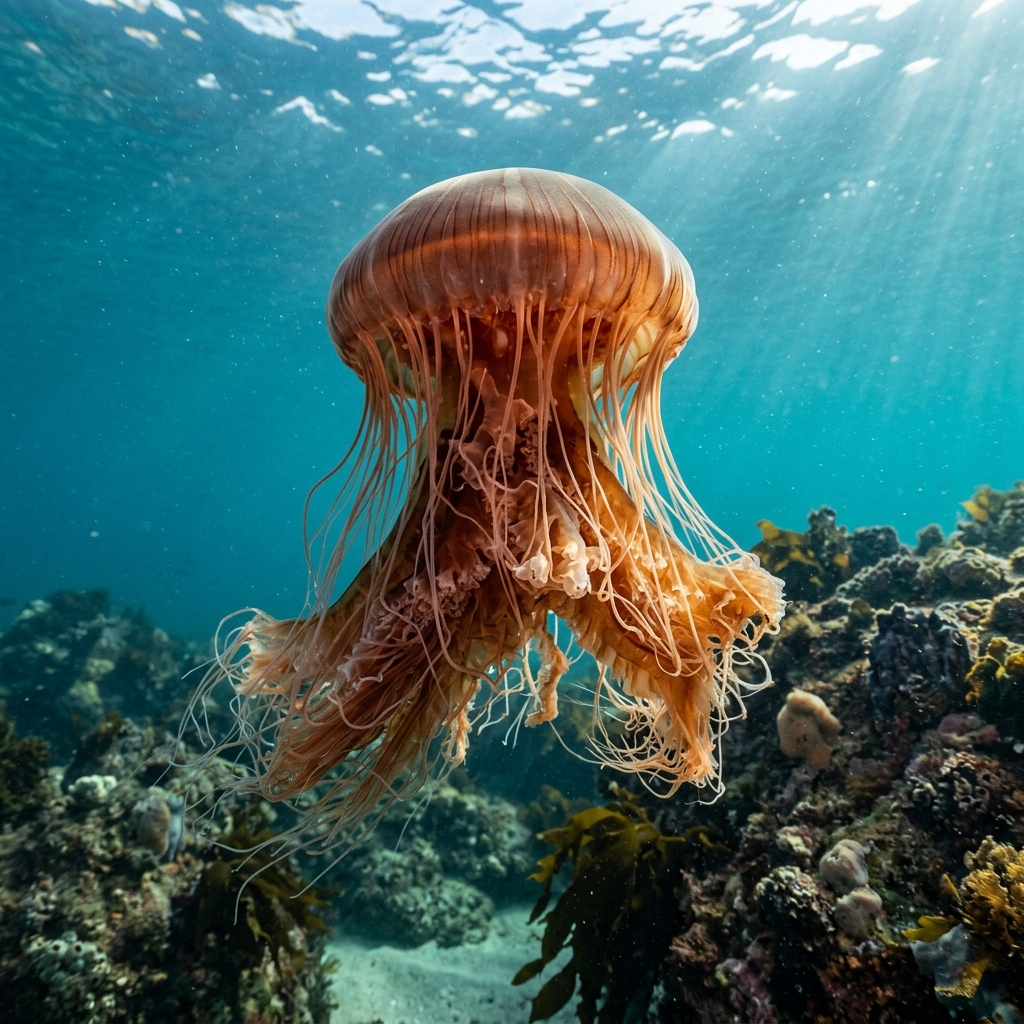
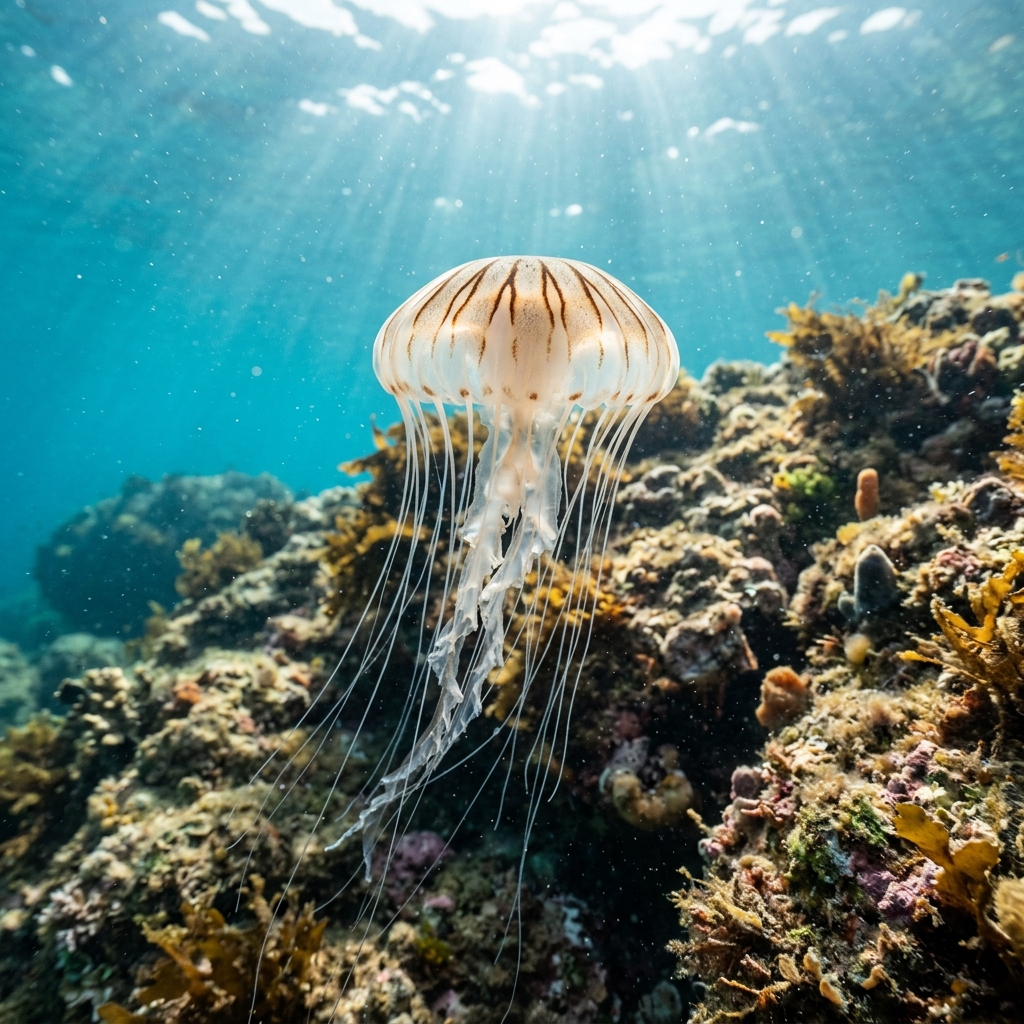
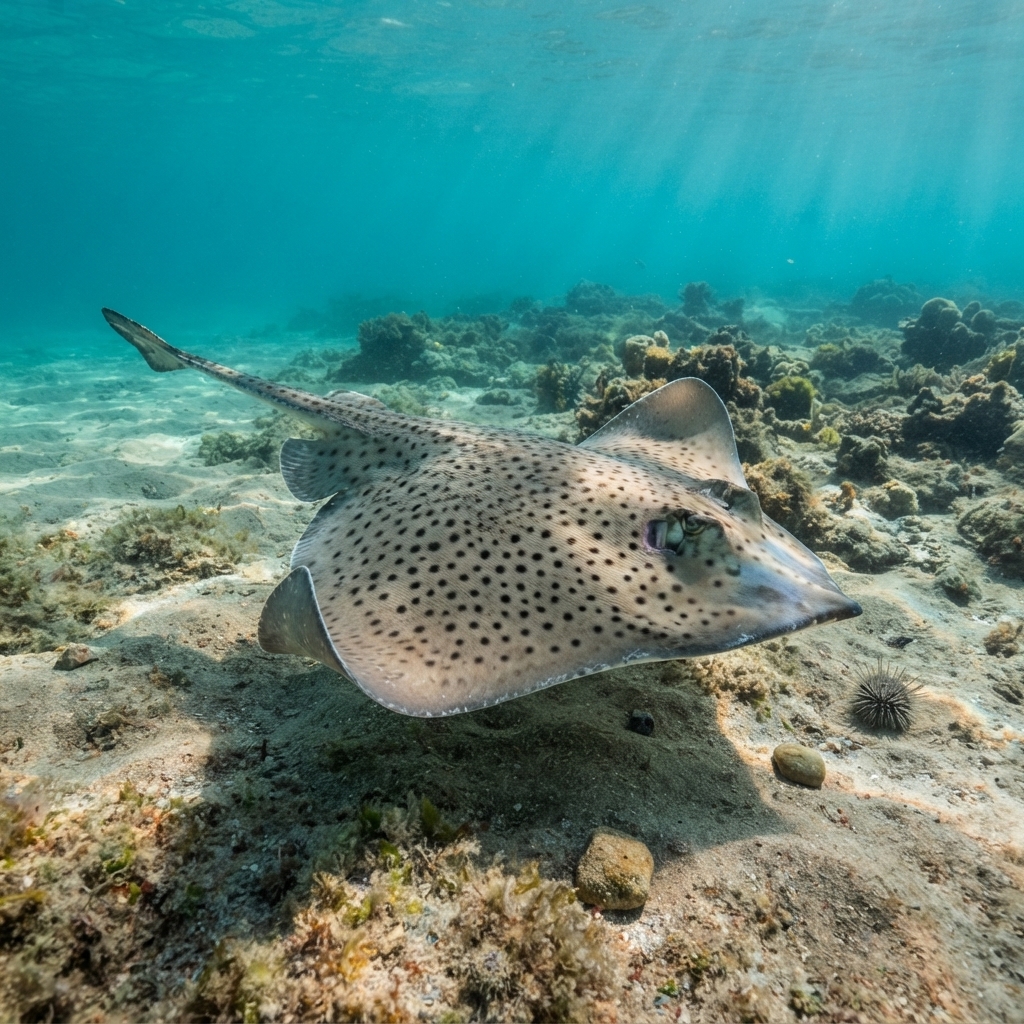
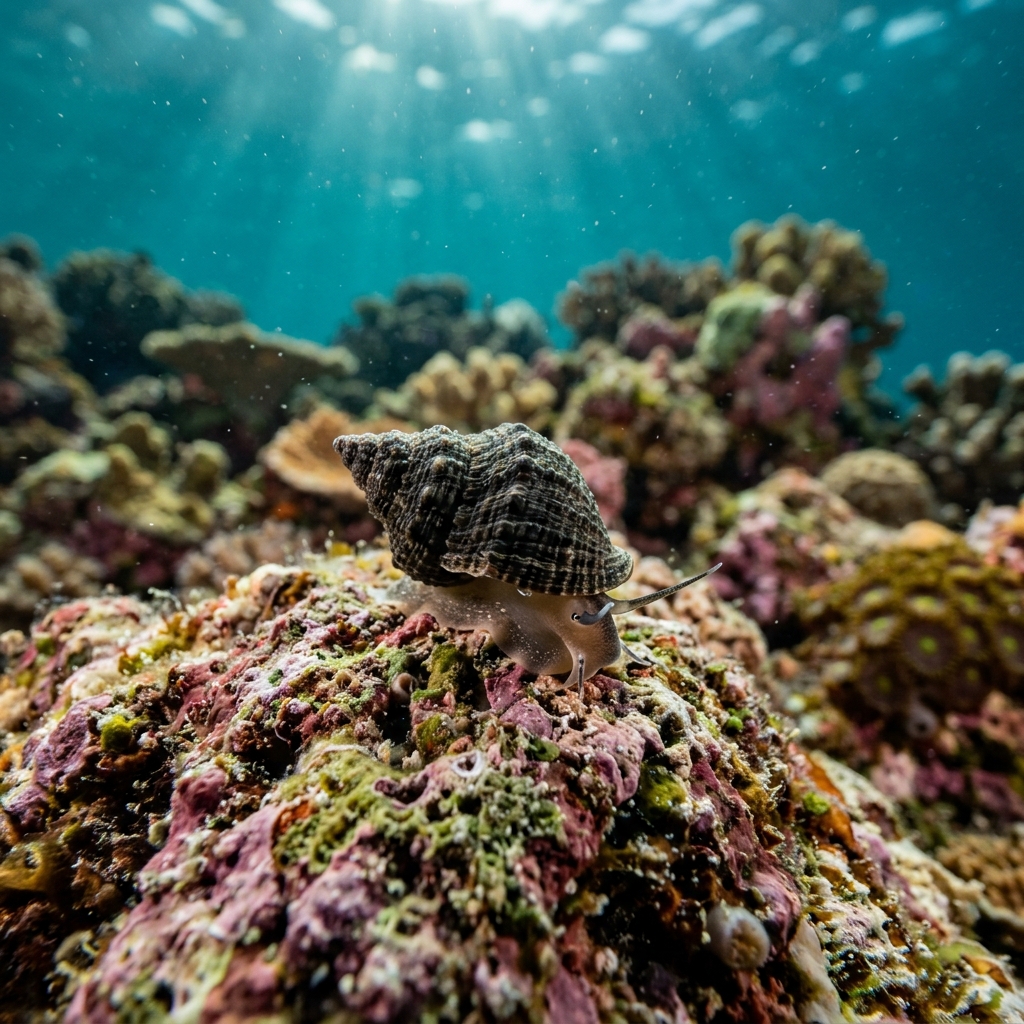
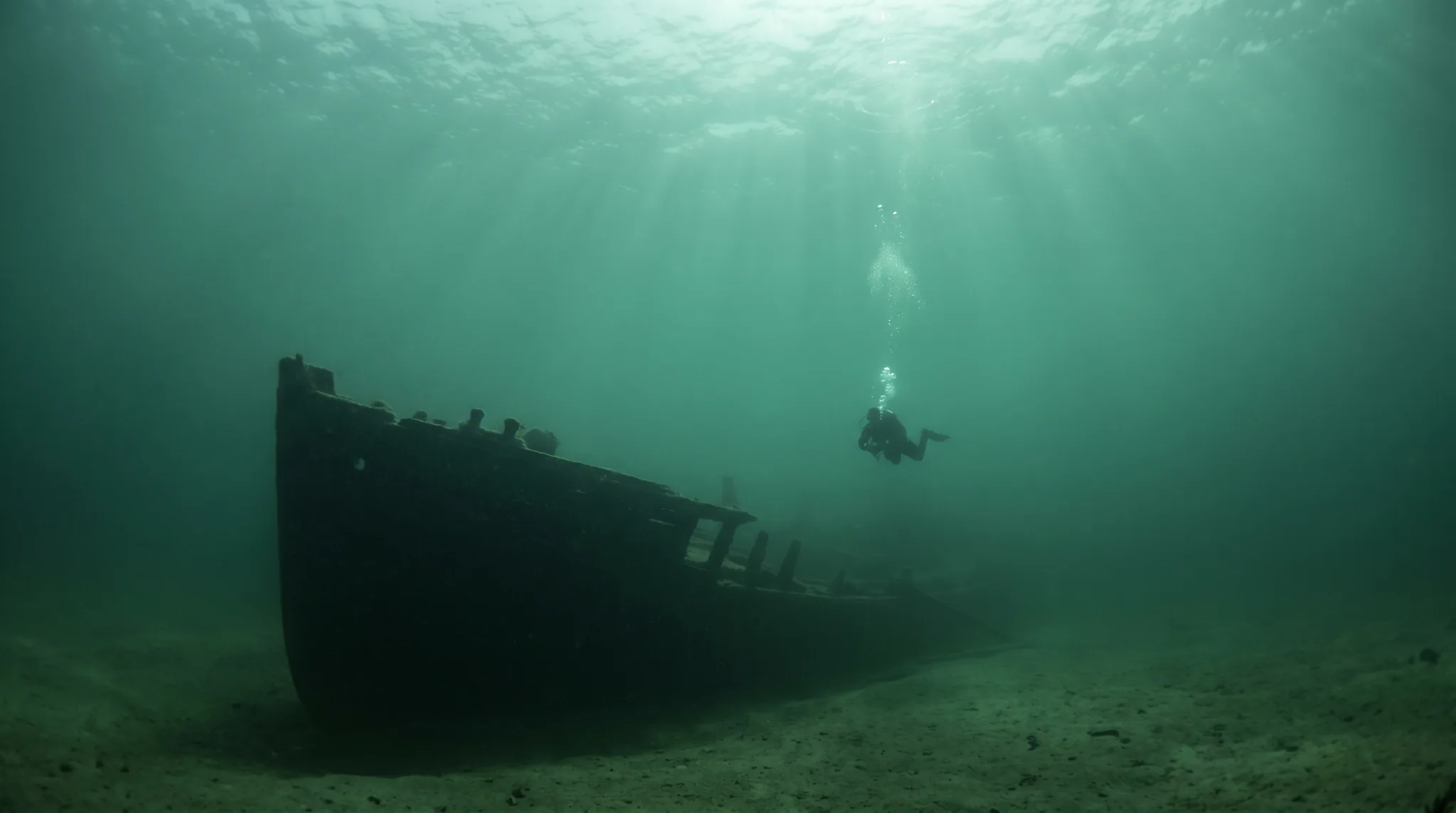
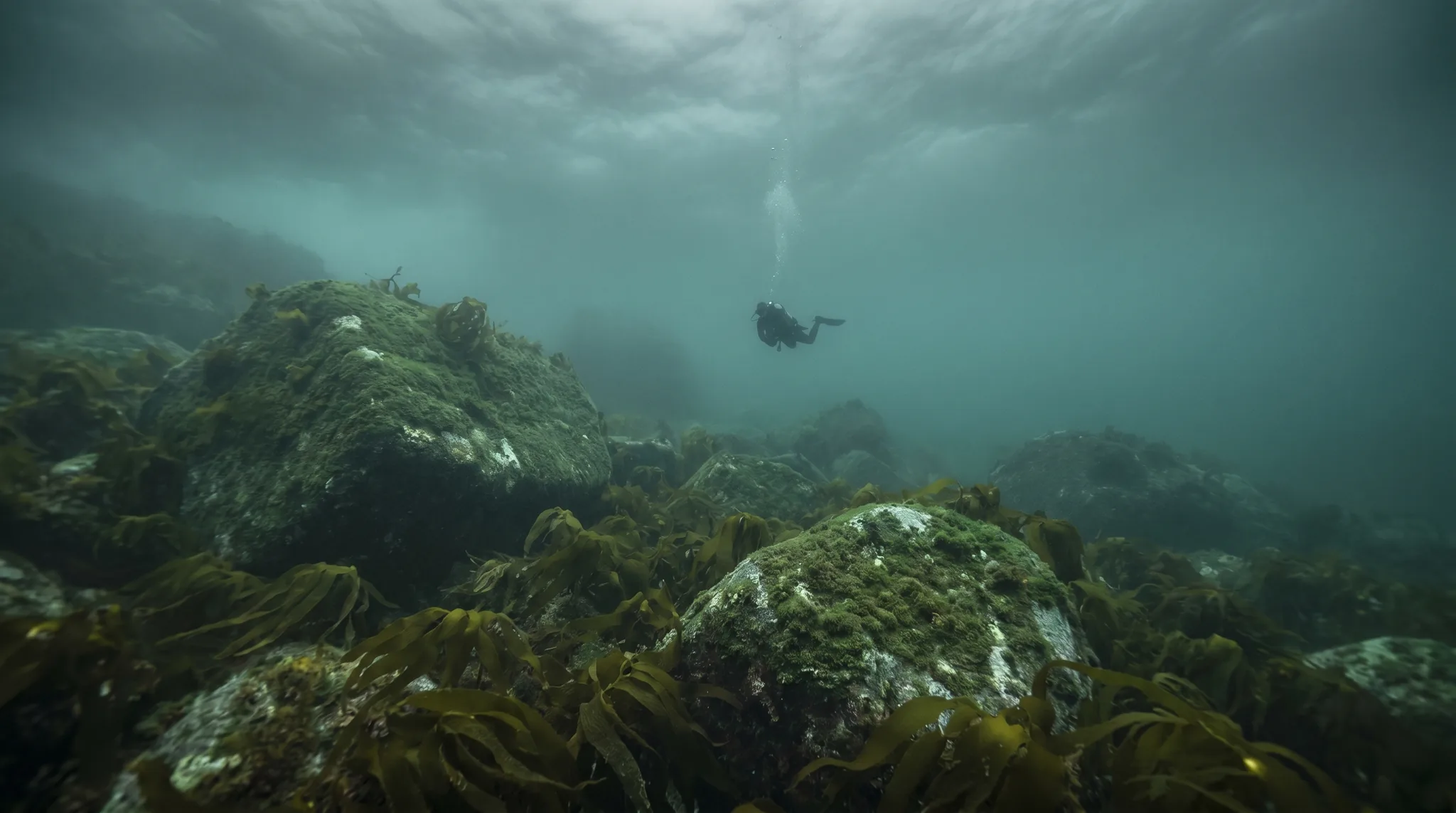
Portnahapple is a sheltered shore dive located in Strangford Lough, offering a mix of reef, kelp forest, and artificial reef habitats. Divers can expect depths between 8 and 10 metres, with an average of 7 metres. The site is suitable for beginners and features mild currents. Marine life commonly observed includes catsharks, European green crabs, and snails. Less frequently, divers may encounter compass jellyfish, giant jellyfish, skates, crabs, and tube worms. Visibility ranges from 5 to 15 metres, and the site is accessible for night diving. Facilities at the shore include parking and toilets. Typical dives last approximately 45 minutes.
55.18060, -6.72410
The best time to dive is at high water slack at Portrush.
Park in the car park on Strand Road, next to Dominican College. Follow the steep steps down to the shore.
Recorded at this site
Depth
8-10m
Visibility
5-15m
Skill Level
Beginner
Entry
Shore
Water Temp
8-15°C
Current
Mild
Typical Dive
45 min
Divers frequently encounter catsharks, European green crabs, and snails. Other species recorded include compass jellyfish, giant jellyfish, skates, various crabs, tube worms, sea stars, and several types of jellyfish.
Yes, Portnahapple is considered suitable for beginner divers due to its sheltered nature and mild currents.
The site has a depth range of 8 to 10 metres, with an average depth of 7 metres.
Portnahapple is a shore dive located 100 metres from the entry point.
While primarily a dive site, the shallow depths of 8 to 10 metres make it accessible for snorkelling.
Diving at Portnahapple in Portstewart requires the following certifications: Open Water. Always dive within your training limits.
A drysuit recommended is recommended for diving at Portnahapple in Portstewart. Water temperatures range from 8°C to 15°C.
Portnahapple in Portstewart typically has mild currents that most divers can handle comfortably.
Visibility at Portnahapple in Portstewart typically ranges from 5 metres to 15 metres. Conditions vary with weather, tides, and seasons.