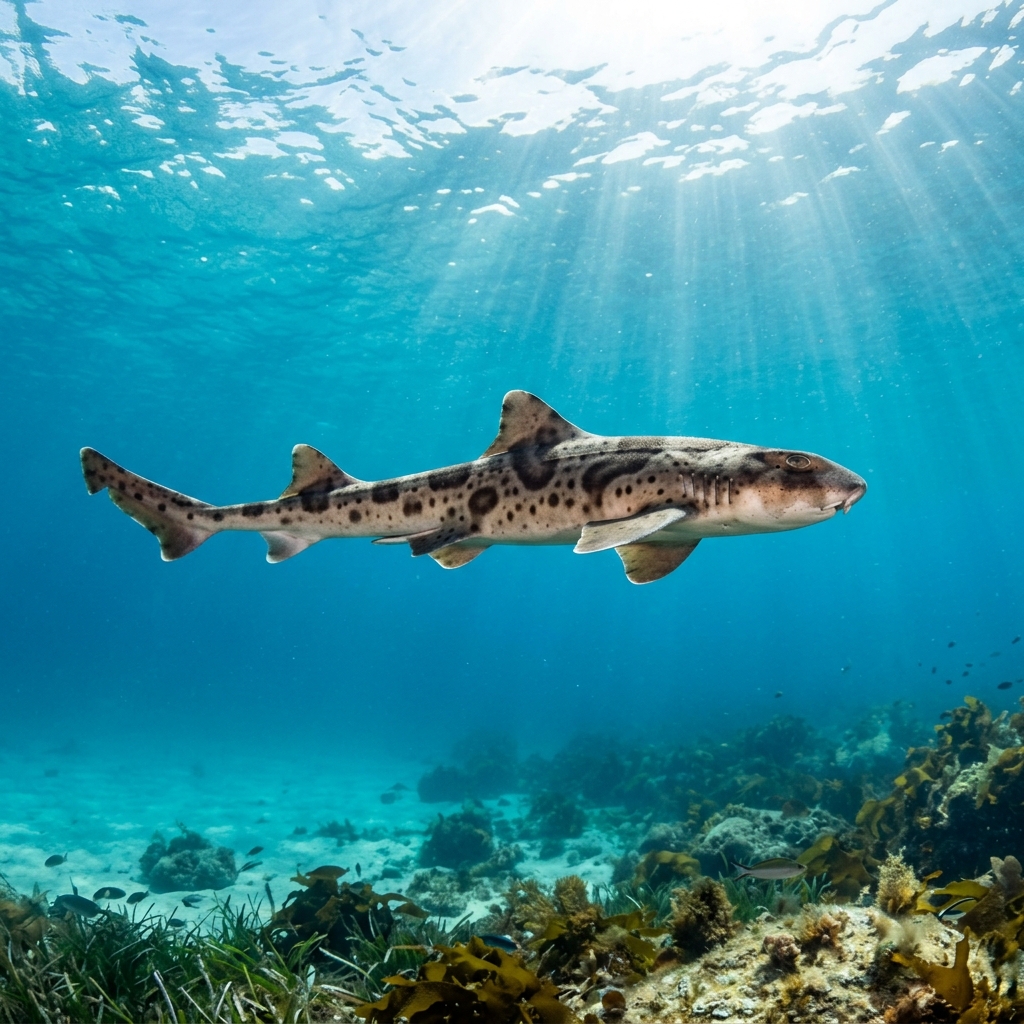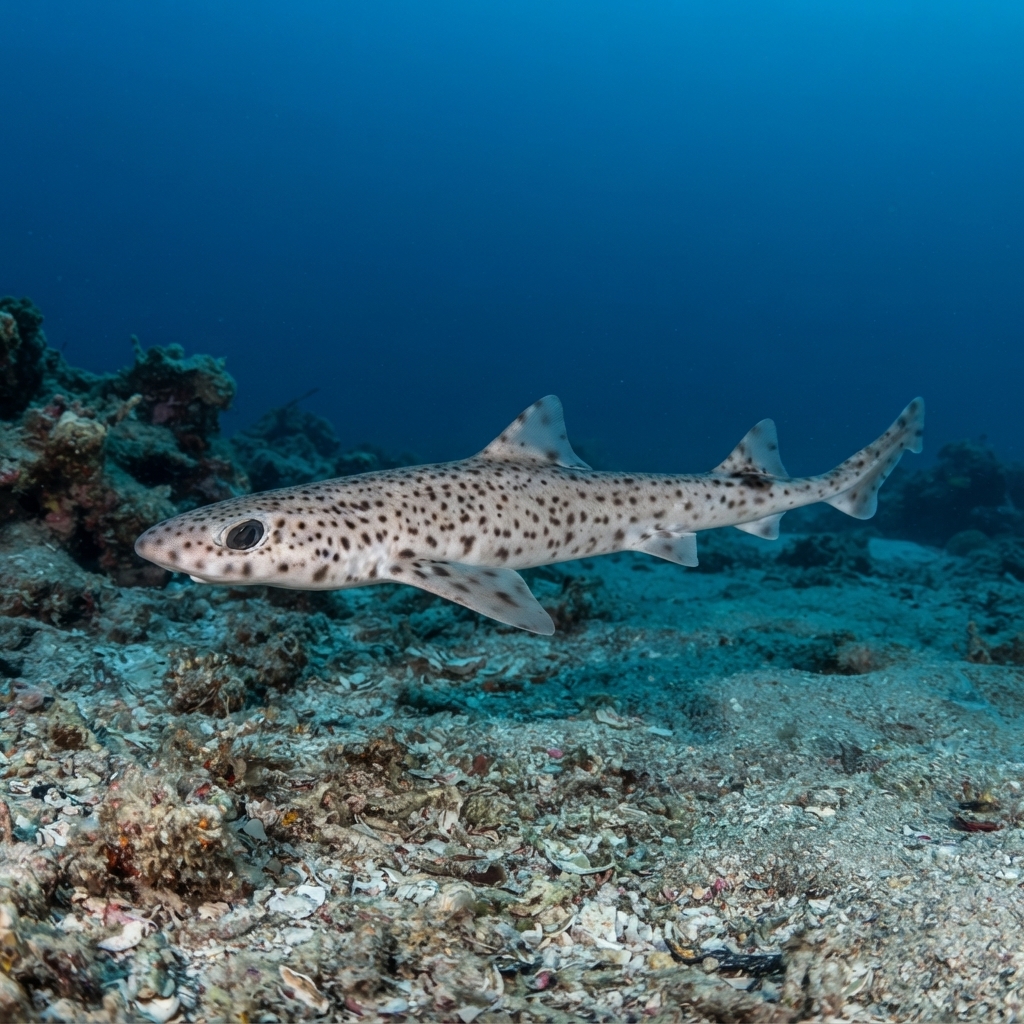
Scyliorhinus canicula
Small, spotted catshark common on seabeds in Northern Ireland, Brittany and Galicia in cool 7-16C water, most sites report uncommon sightings.
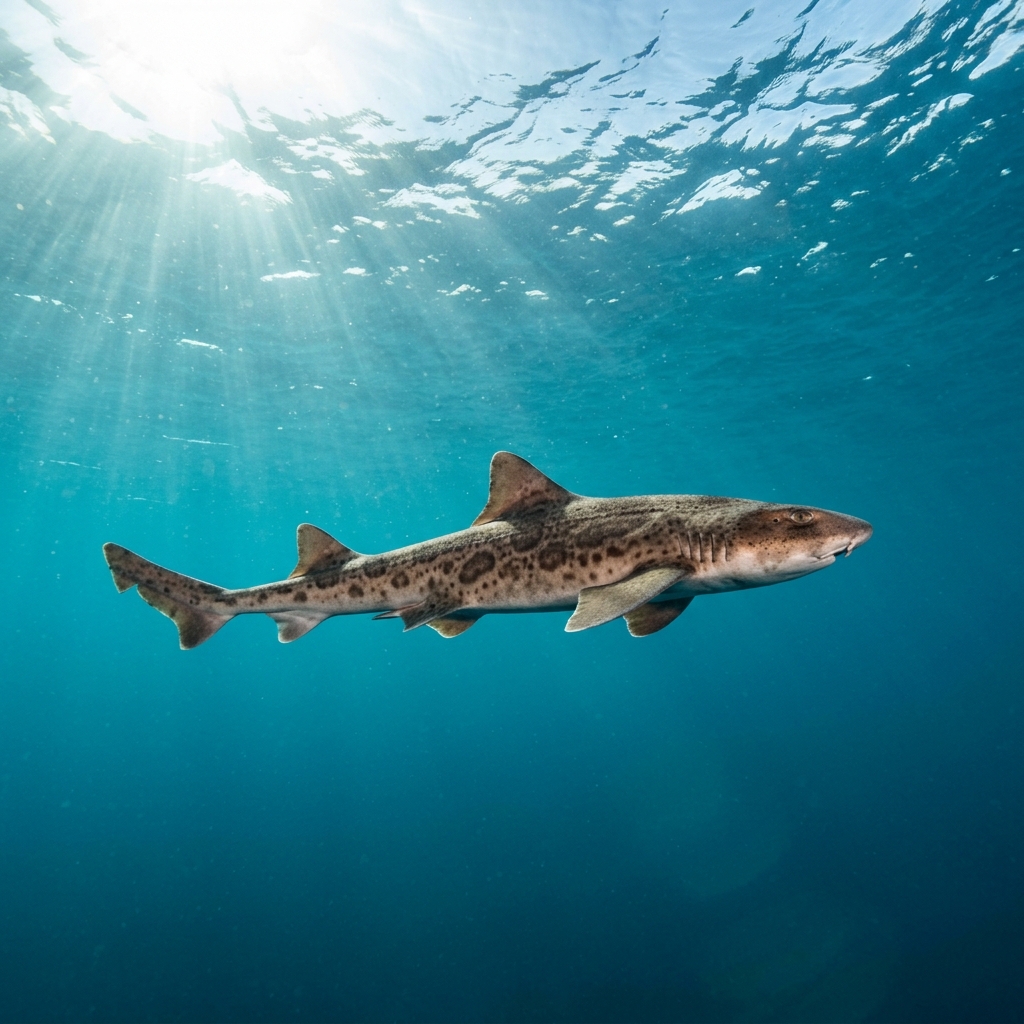
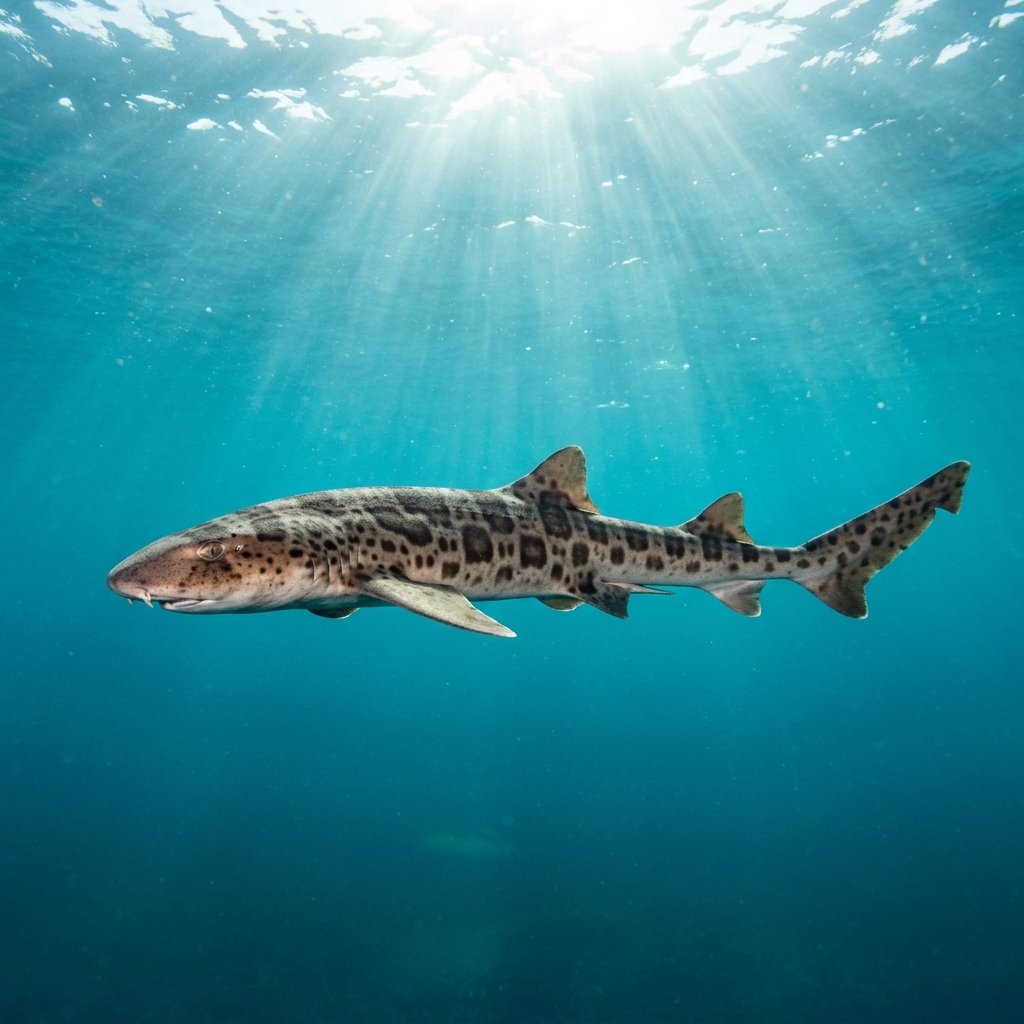
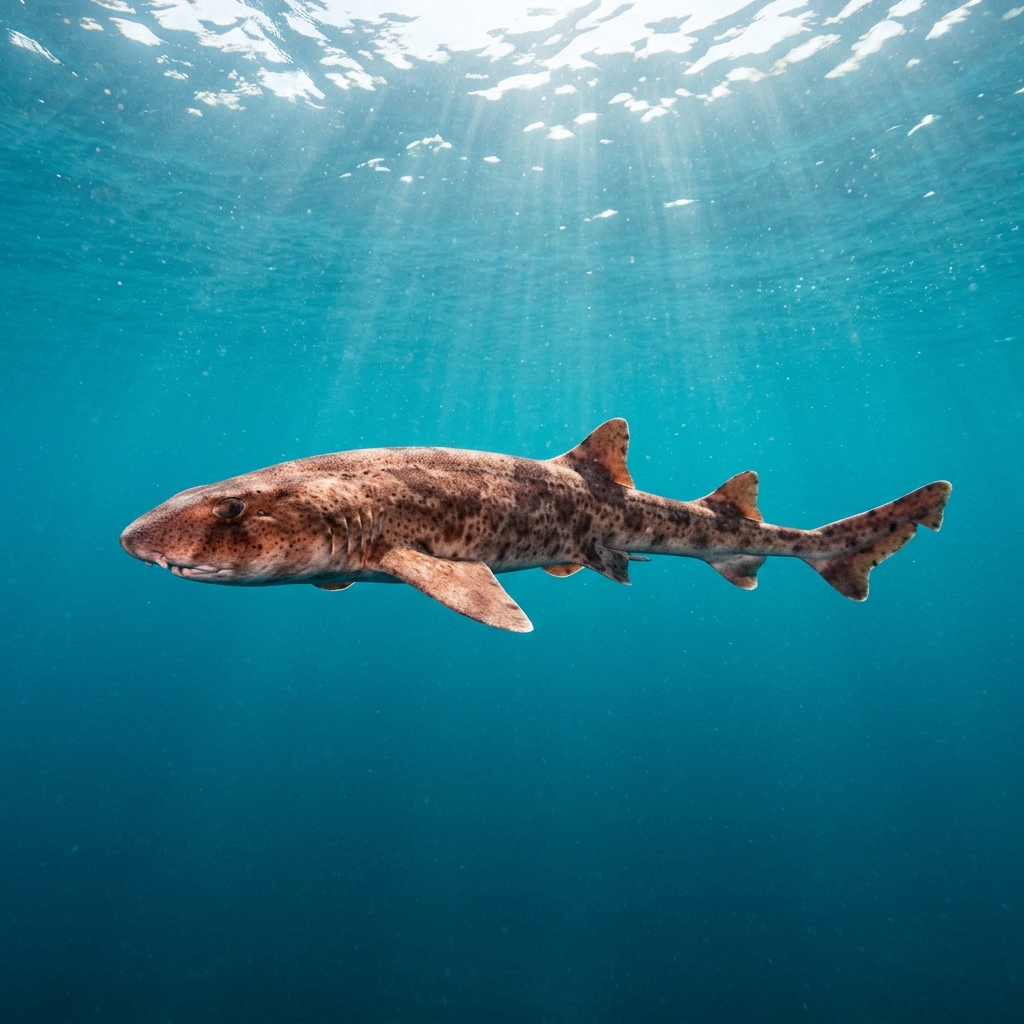
A slim, cylindrical shark topping out around 70 cm, usually seen lying motionless on sand, gravel or mixed ground rather than swimming in open water. The body is pale brown to grey with a dense scatter of small dark spots (and often a few larger blotches), which is where the common name comes from. Look for the two small dorsal fins set well back near the tail and a blunt, rounded snout with a small mouth underneath rather than a forward-facing one.
Divers typically find this catshark tucked against the seabed by day, often half-hidden under a rock ledge or lying still on open sand, only moving off with a slow curl of the tail if disturbed. It is a nocturnal hunter, so daytime encounters are usually resting animals rather than active ones, and it shows no interest in divers beyond a lazy retreat if approached too closely. Most sightings are logged as uncommon or rare at a given site, so spotting one often comes down to a careful scan of ledges and sand patches rather than an expected pass.
Females lay pairs of tough, tendrilled egg cases (sometimes called mermaid's purses) that they anchor to seaweed or rocky structure, and these washed-up cases are a common beachcombing find long before anyone spots the shark itself.
Sightings run year-round with no strong seasonal pull in the data, which fits a species comfortable across a wide 7.2 to 16.2C range. Cooler UK, Irish and French sites and milder Iberian waters both produce sightings across the calendar rather than in a single season.
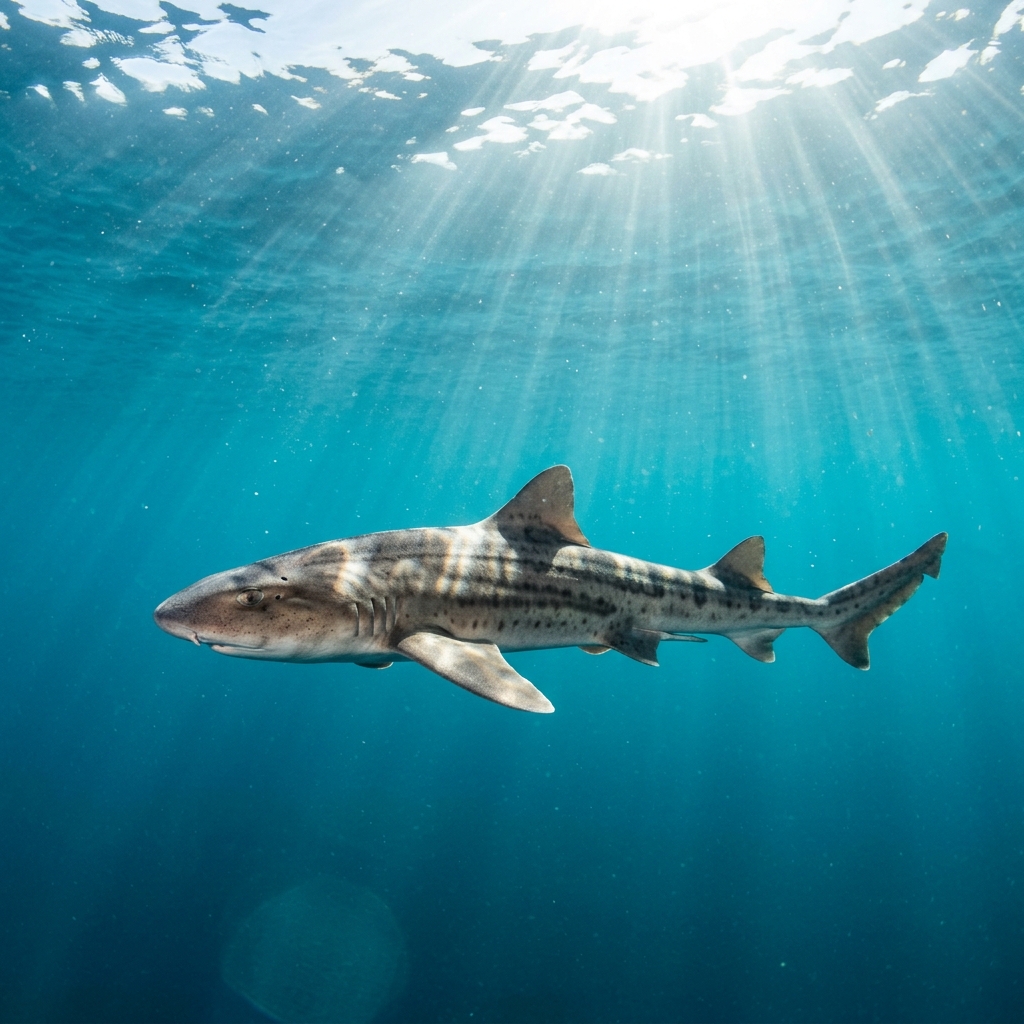
Reef neighbours a diver could mistake it for. Use the identification notes above to tell them apart.
This is a seabed regular across the UK and Ireland, with strong logging in Northern Ireland, England, Wales and Scotland, plus a solid presence in Brittany, France. Southern populations turn up reliably in Galicia, Spain, and along the Lisbon Coast in Portugal, with further sightings scattered through Andalusia. It sits on sand, gravel and rocky ledges rather than open reef, so divers doing muck or wreck-adjacent seabed dives in these regions have the best odds.
Mapping where Small-spotted Catshark is logged…
Northern Ireland, England, Wales and Scotland all produce regular sightings, alongside Brittany in France. Further south, Galicia in Spain and the Lisbon Coast in Portugal are reliable spots for this seabed-dwelling catshark.
There is no clear seasonal pattern in sightings, so they can turn up on any dive across the year. Their tolerance for water between roughly 7 and 16C means both UK winters and Iberian summers suit them.
Look for a slender, pale brown shark around 70 cm long, lying still on sand or under a ledge and covered in small dark spots. Its two small dorsal fins sit far back near the tail, and the blunt snout with an underslung mouth is a giveaway.
They typically reach about 70 cm in length, making them one of the smaller sharks divers encounter in UK and European waters.
No, they pose no threat to divers. They are small, slow-moving bottom dwellers that retreat rather than react aggressively if approached.
Females lay paired egg cases with curly tendrils that they wind around seaweed or rocky structure to keep them anchored while the embryo develops. These cases, often called mermaid's purses, regularly wash up on beaches near dive sites where the species is common.
Site and sighting data is aggregated from diver logs, iNaturalist and GBIF. For taxonomy and conservation status:
Pyjama Shark
91 sites