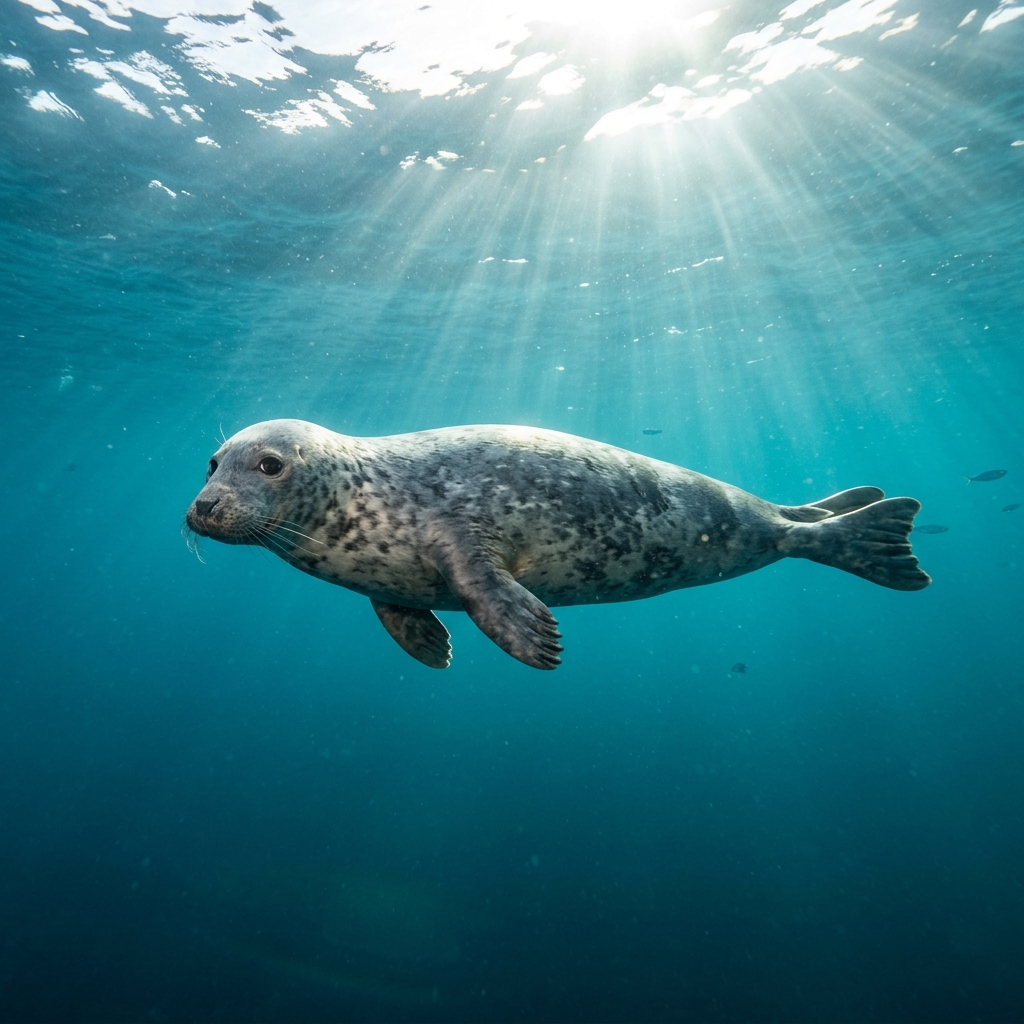
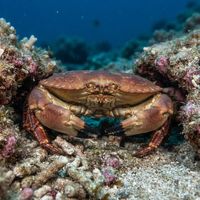
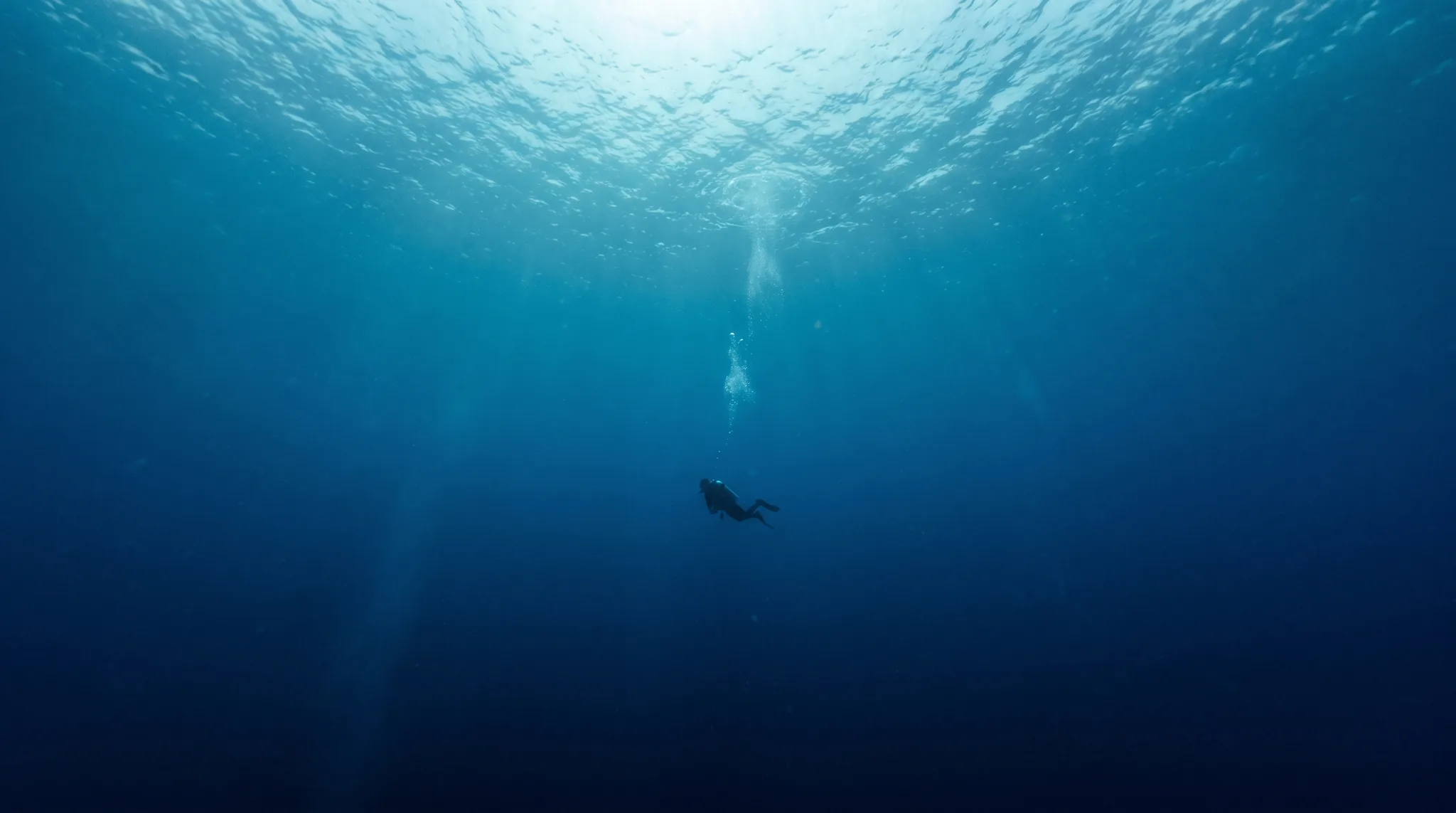
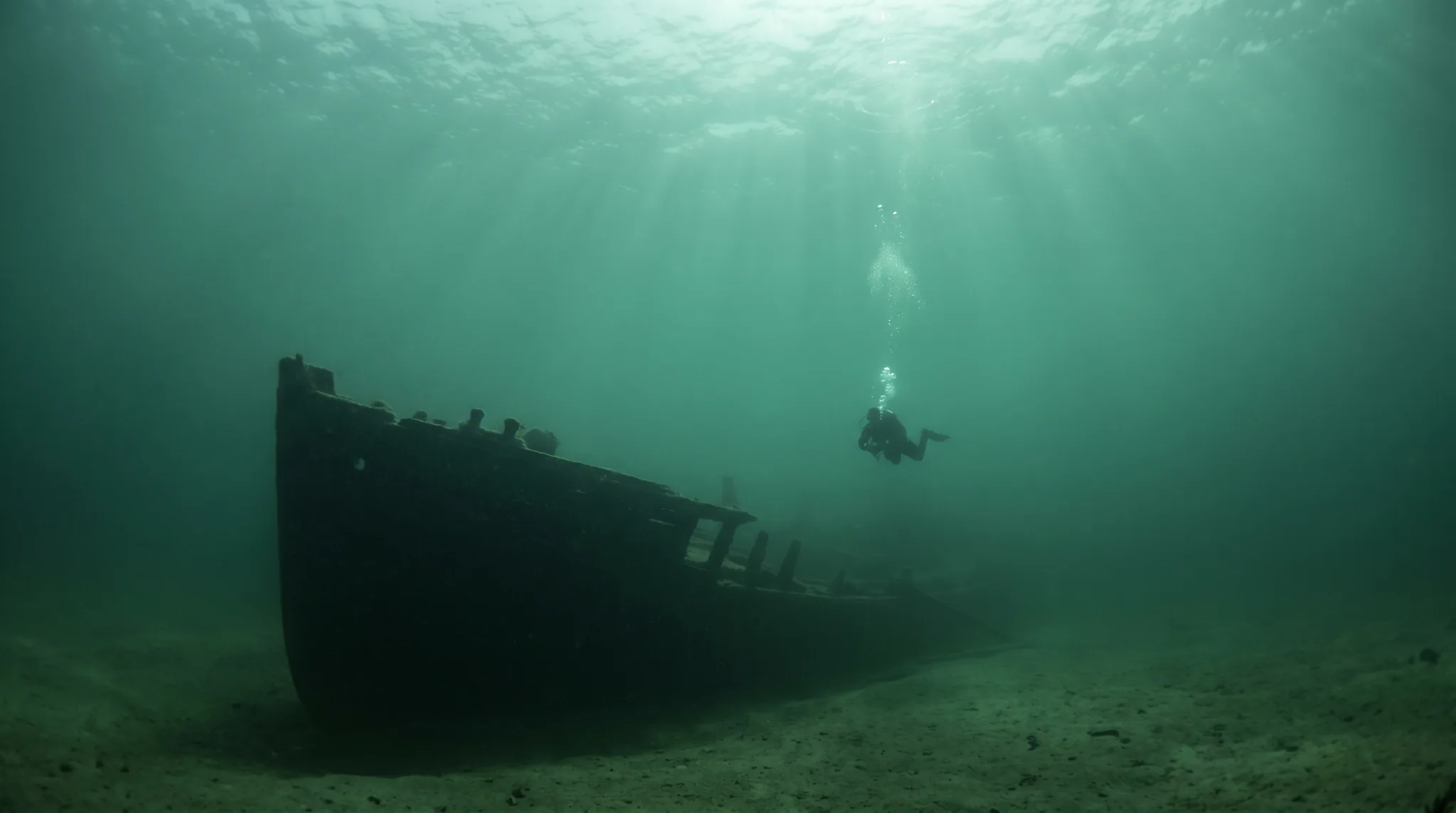
The Causeway Coast offers a mix of reef, kelp forest, and artificial reef diving across a large spread of sites, with snorkelling well represented alongside. Two seal species define the underwater character here: Gray Seal and Harbor Seal are regularly encountered. Expect cold water year-round, with conditions at their most settled from late spring through early autumn. Rock Crab, Sea Star, and Brittle Star are fixtures, while Catshark and Giant Jellyfish add variety.
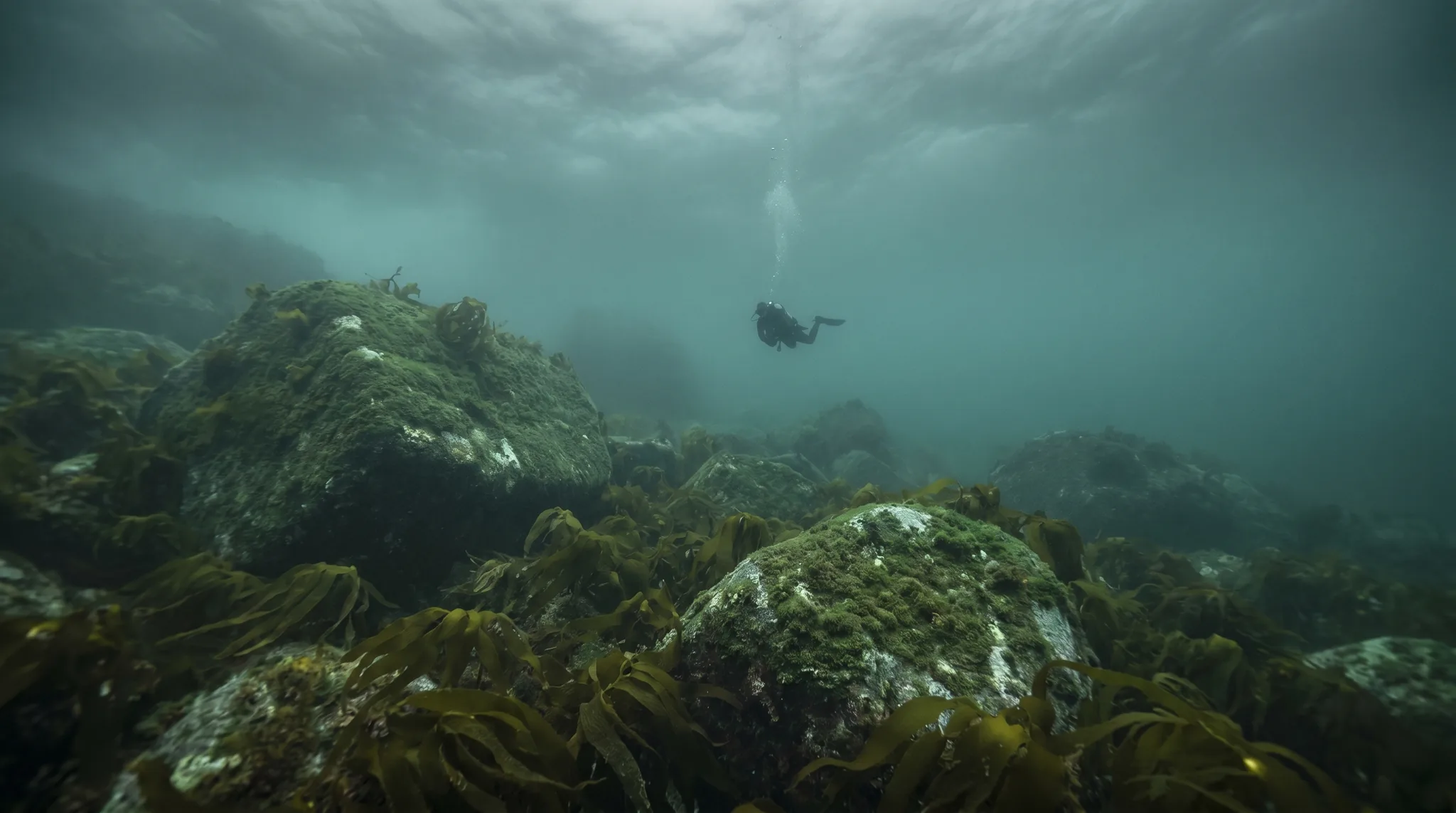
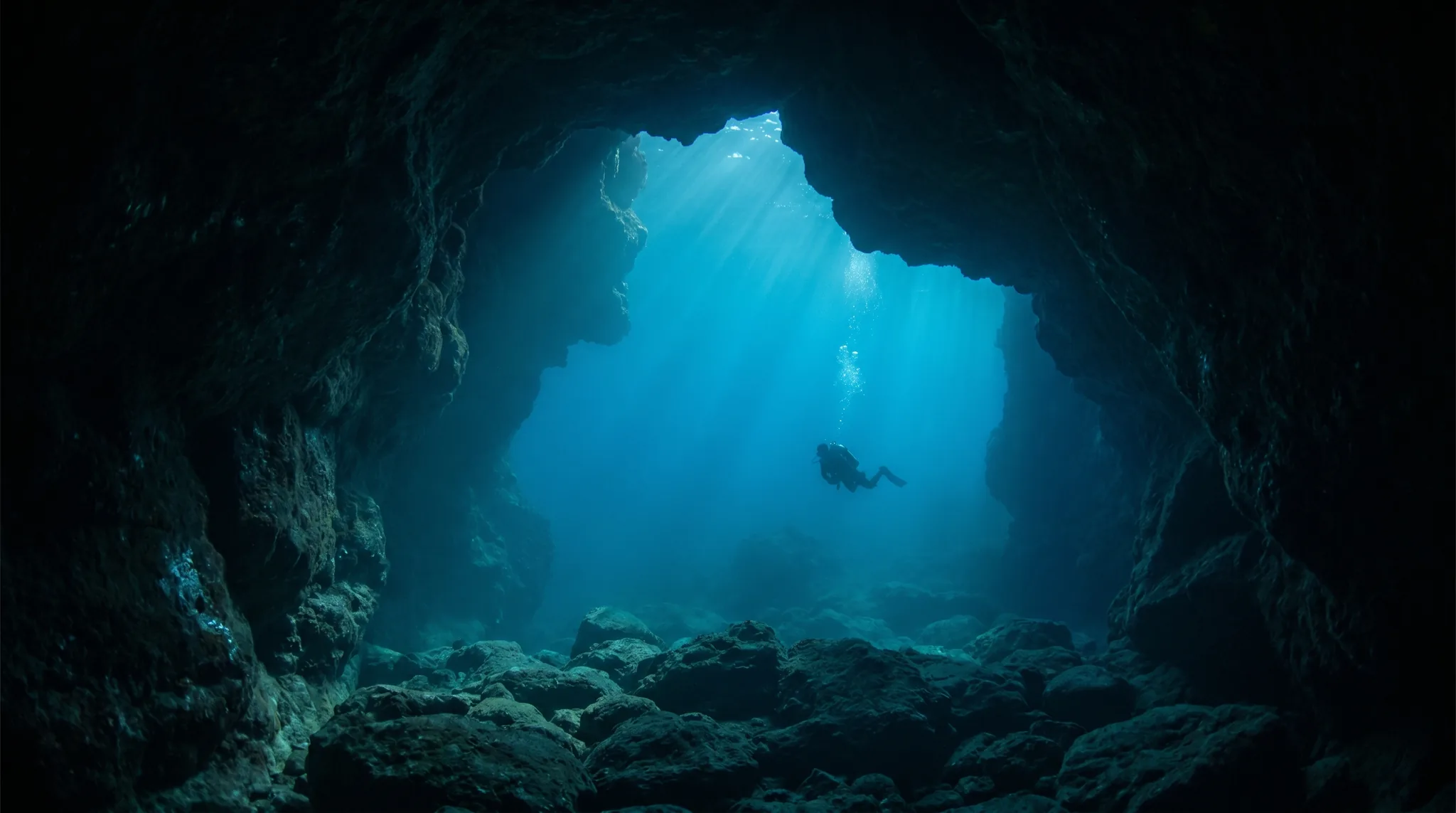
Monthly water temperature across Causeway Coast's sites, from satellite sea-surface data corrected for depth. The band shows the site-to-site spread.
Water temperature sits at its coldest in late winter and early spring, climbing gradually through summer and holding into early autumn. The best-months data points to late spring through early summer as the sweet spot for settled conditions and improving visibility. Exposed sections of coast can carry current, so site choice matters.
8 operators
United Kingdom
United Kingdom
United Kingdom
64 more sites to explore
Water temperature around Causeway Coast ranges from about 8°C in March to 14°C in August, based on satellite sea-temperature data for its dive sites.
In the warm season (about 14°C) a 7mm or semi-dry suit is comfortable in Causeway Coast; in the coldest months (about 8°C) step up to a drysuit.
Fin maps 65 sites in Causeway Coast (28 scuba diving sites and 46 snorkelling spots, with some suited to both).
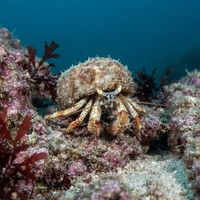
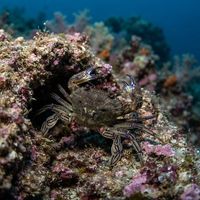
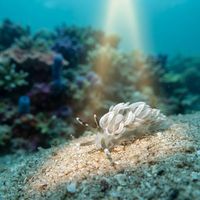
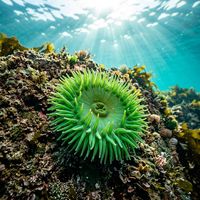
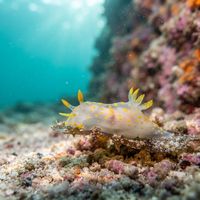
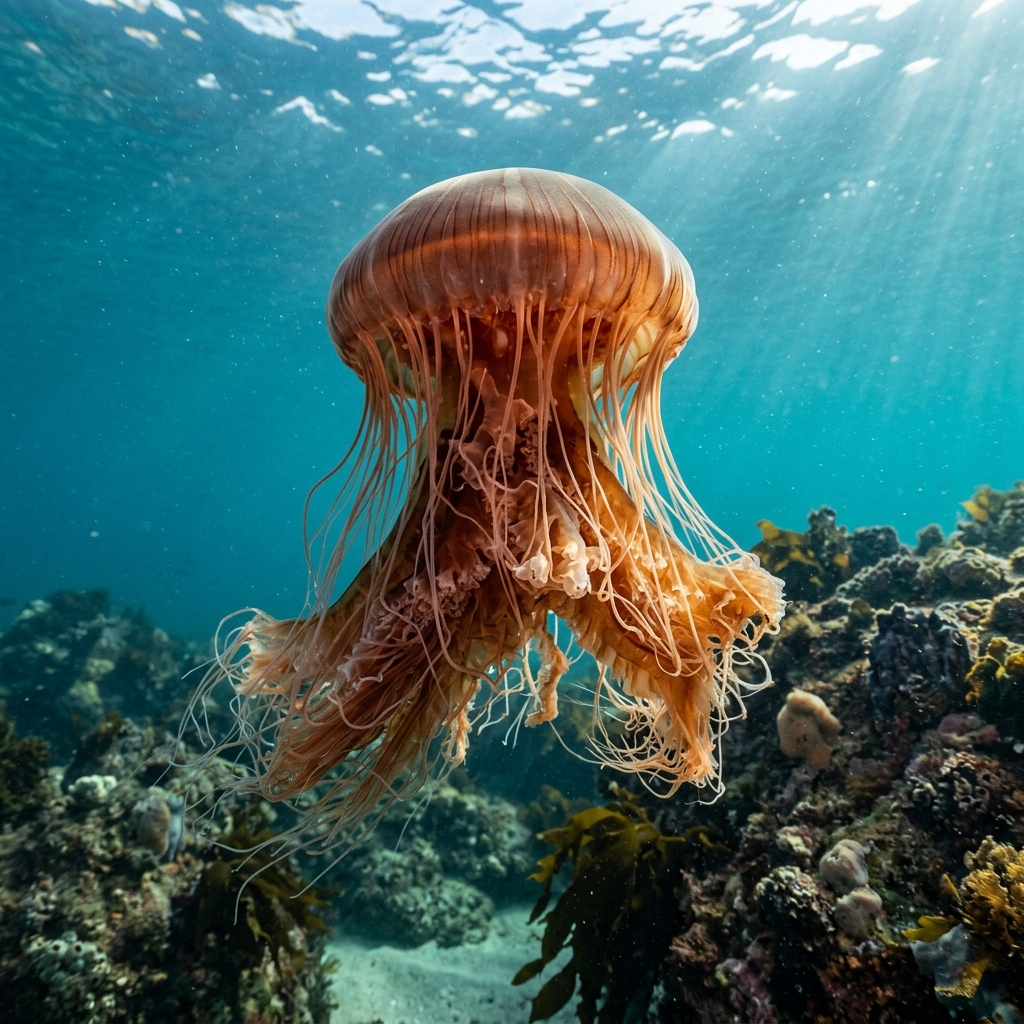
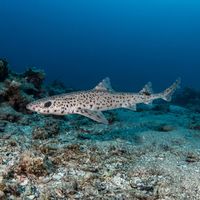
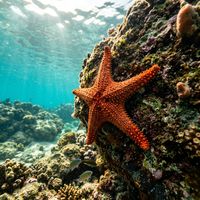
Seals are the headline encounter: both Gray Seal and Harbor Seal are commonly observed across the sites. Rock Crab, European Green Crab, Sea Star, and Brittle Star are present at almost every site. Catshark, Skate, Common Lobster, and Giant Jellyfish add further interest, and Wrasses and Tube Worm appear regularly on reef and kelp habitats.
At least some sites, including Portnahapple in Strangford Lough, are rated for beginner skill levels and offer sheltered shore entries at shallow depths. The cold water does demand appropriate thermal protection, so new divers should be comfortable diving in a drysuit or thick wetsuit before visiting. Checking individual site skill ratings before choosing a dive is worthwhile.
Shore entry is available, as seen at sites like Portnahapple, making independent access straightforward for those with their own kit. There are currently no listed dive operators in the region data, so visiting divers should plan to be self-sufficient or arrange support before arriving. Snorkellers benefit from the large number of accessible shallow sites that do not require boat support.
Reef and kelp forest are the core habitat types, with artificial reef also present at some sites. This mix supports the rich invertebrate life the coast is known for, from crabs and sea stars on open reef to the more sheltered life found within kelp. Snorkel sites are numerous and spread across the region, giving visitors plenty of variety.