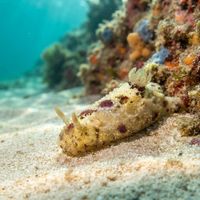
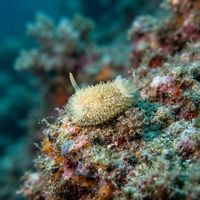
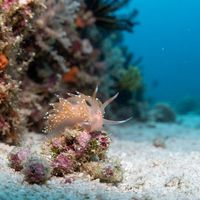
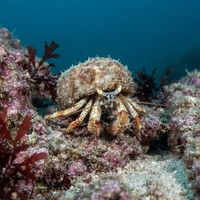
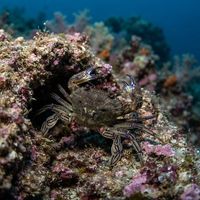
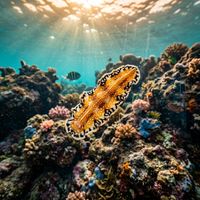
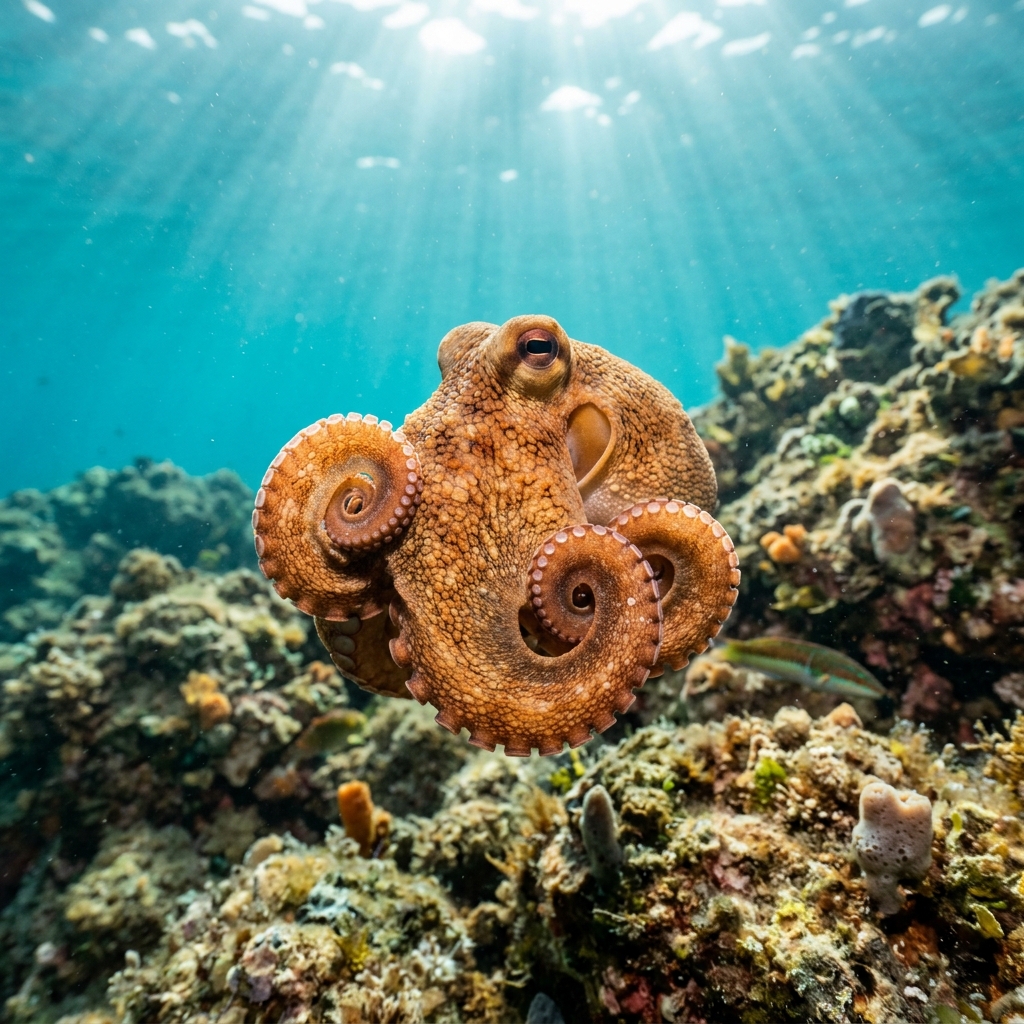
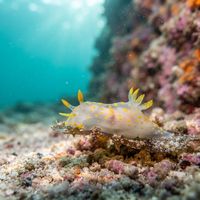
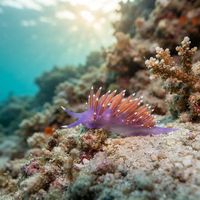
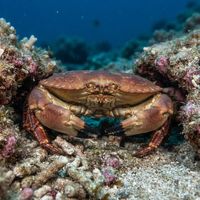
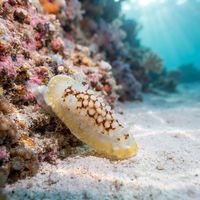
County Down offers a compelling mix of rocky reefs, shallow coastal snorkelling and deeper dives across a large spread of sites. The marine life leans heavily towards invertebrates: Common Sea Star, Brittle Star, Tube Worm and Sea Slug are encountered at almost every site, while Catshark and Squat Lobster are consistently present. Signature encounters include Harbor Seal, Gray Seal, Curled Octopus, Bobtail Squid and European Common Cuttlefish. Water is cool year-round, rewarding those who dive well-insulated.
Monthly water temperature across County Down's sites, from satellite sea-surface data corrected for depth. The band shows the site-to-site spread.
Water temperatures are coolest in late winter and warm gradually through summer, peaking in late summer before easing back through autumn. The bulk of dive activity clusters from late spring through early autumn, when conditions are most settled and visibility tends to be at its best. Exposed sites can carry current, so checking conditions locally before heading out is worthwhile.
7 operators
United Kingdom
United Kingdom
73 more sites to explore
Water temperature around County Down ranges from about 8°C in March to 15°C in August, based on satellite sea-temperature data for its dive sites.
In the warm season (about 15°C) a 7mm or semi-dry suit is comfortable in County Down; in the coldest months (about 8°C) step up to a drysuit.
Fin maps 73 sites in County Down (26 scuba diving sites and 52 snorkelling spots, with some suited to both).
Across County Down's dive sites, May, June, July, August and September are most often reported as the best months to visit.
Invertebrates dominate: Common Sea Star, Brittle Star, Squat Lobster, Tube Worm and Sea Slug are found across almost all sites. Catshark are very commonly encountered, and Conger Eel, Gurnard and Wrasses are regular sightings. Signature species include Harbor Seal, Gray Seal, Curled Octopus, Bobtail Squid and European Common Cuttlefish, making County Down particularly rewarding for those interested in cephalopods and marine mammals.
The large number of sites includes a good spread of shallower, calmer options that suit those building experience. Some exposed locations can carry current and lower visibility, so beginners should seek local advice and ideally dive with a guide. Phennick Diving is the local operator who can advise on site selection relative to experience level.
The region has a high proportion of snorkel sites, many of which are shore-accessible, and shore entry is a common way to reach shallower reef areas. Dedicated dive sites may require boat access for the best conditions, and the local operator Phennick Diving can confirm current entry options. Checking sea state before any entry is always advisable on more exposed stretches of coast.
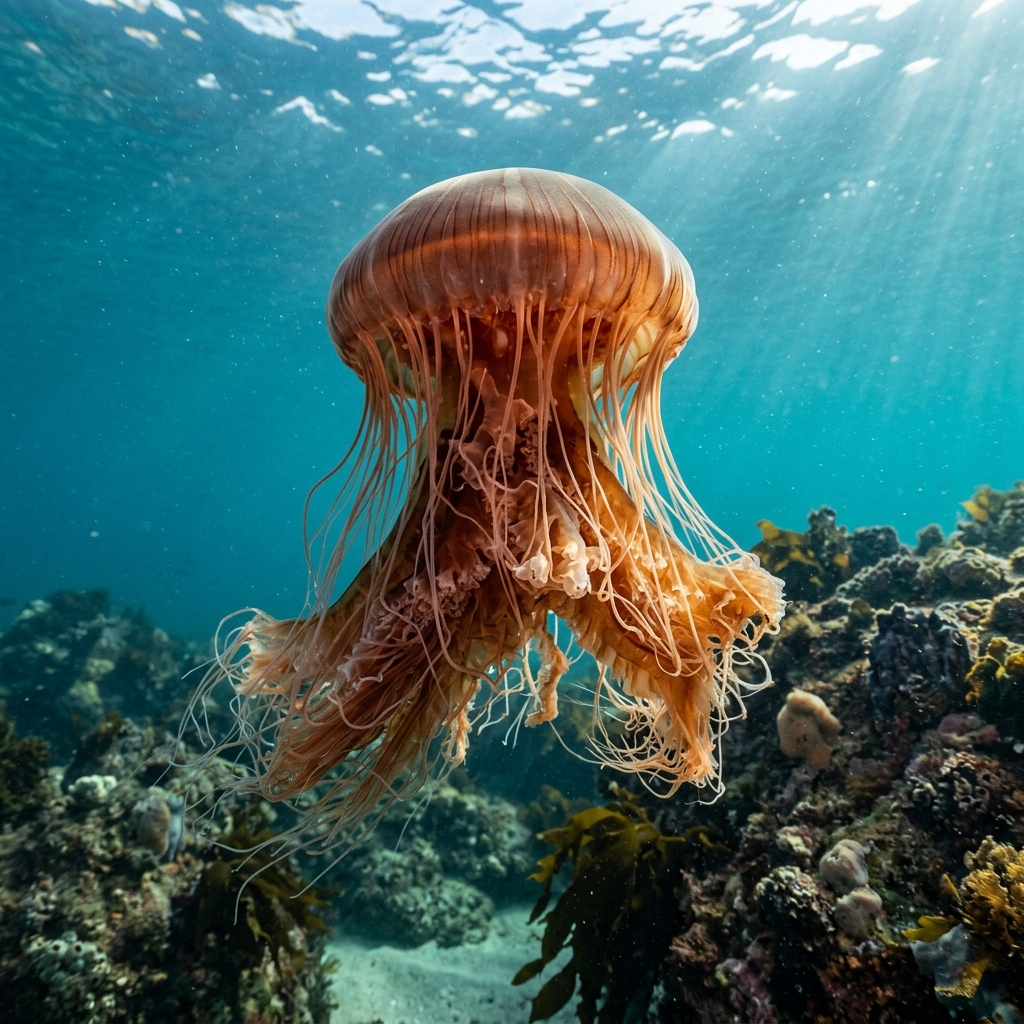
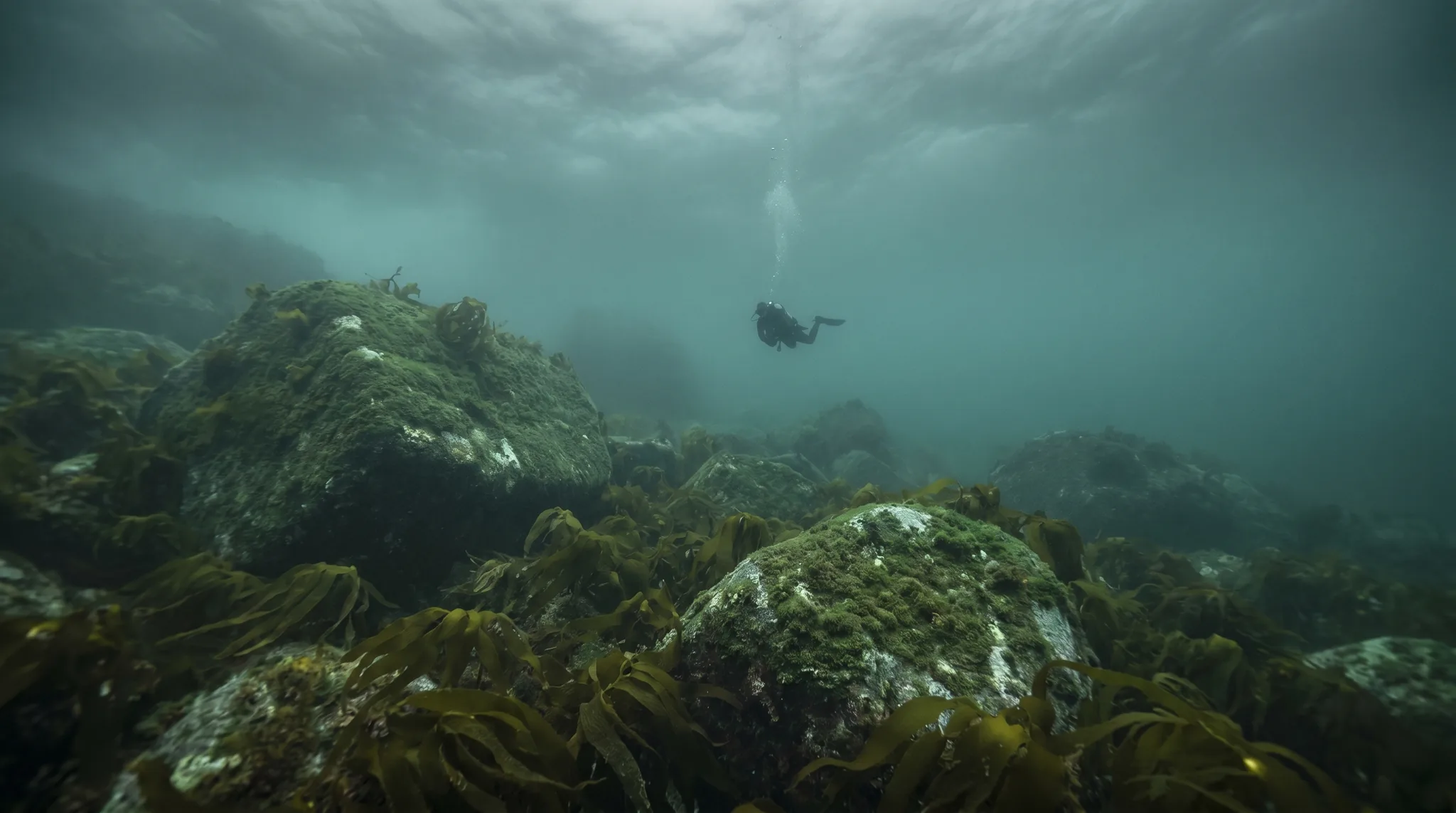
The seabed in shallow areas is typically carpeted with Common Sea Star and Brittle Star, with Tube Worm colonies adding texture to rocky surfaces. Tompot Blenny are very commonly spotted peering from crevices, and Orange-clubbed Nudibranch can be found on rocky reef. On calmer days, Giant Jellyfish drift through inshore waters and are a striking shallow-water sight.