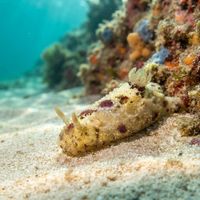
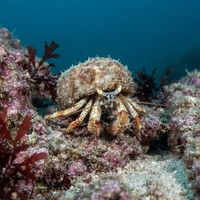
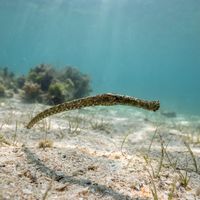
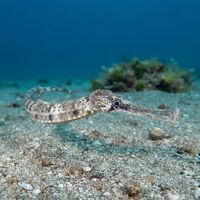
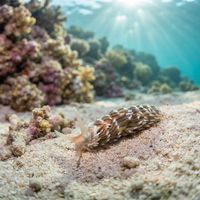
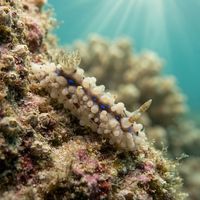
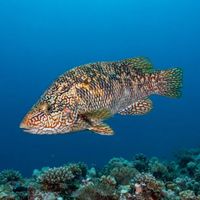
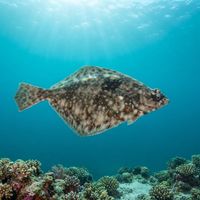
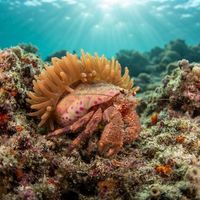
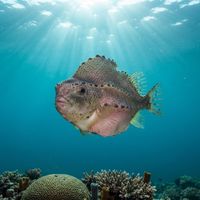
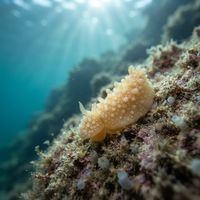
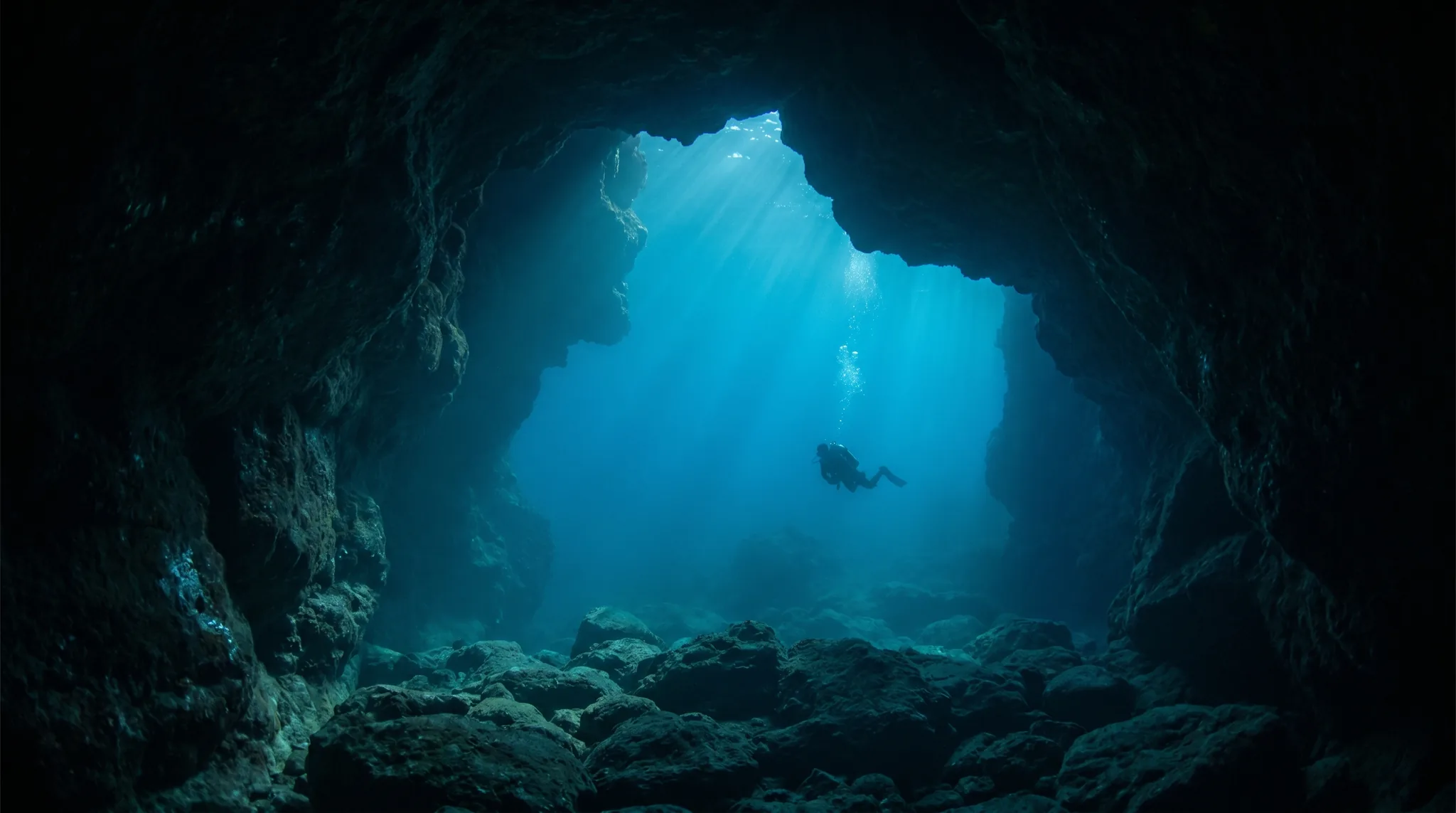
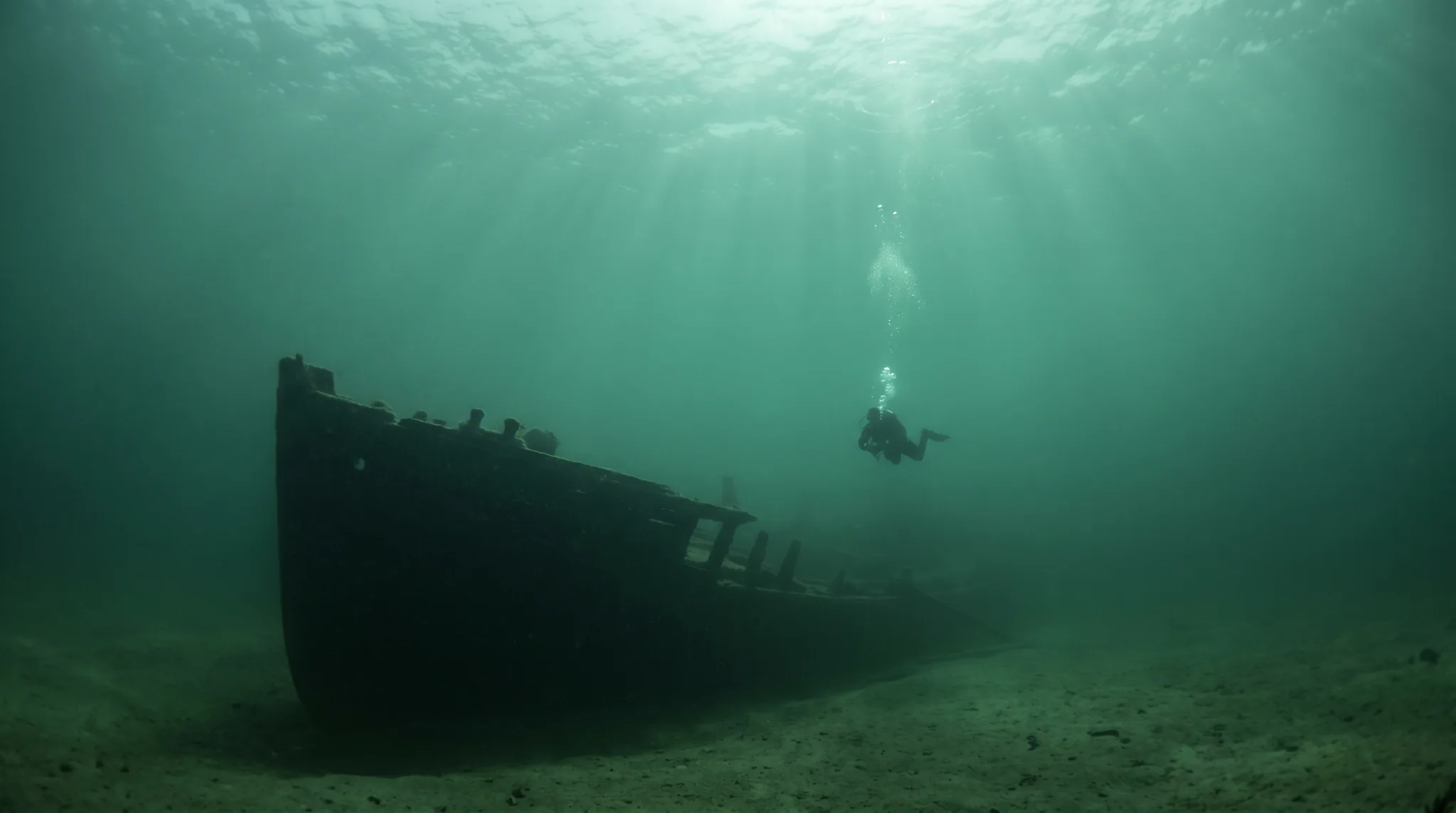
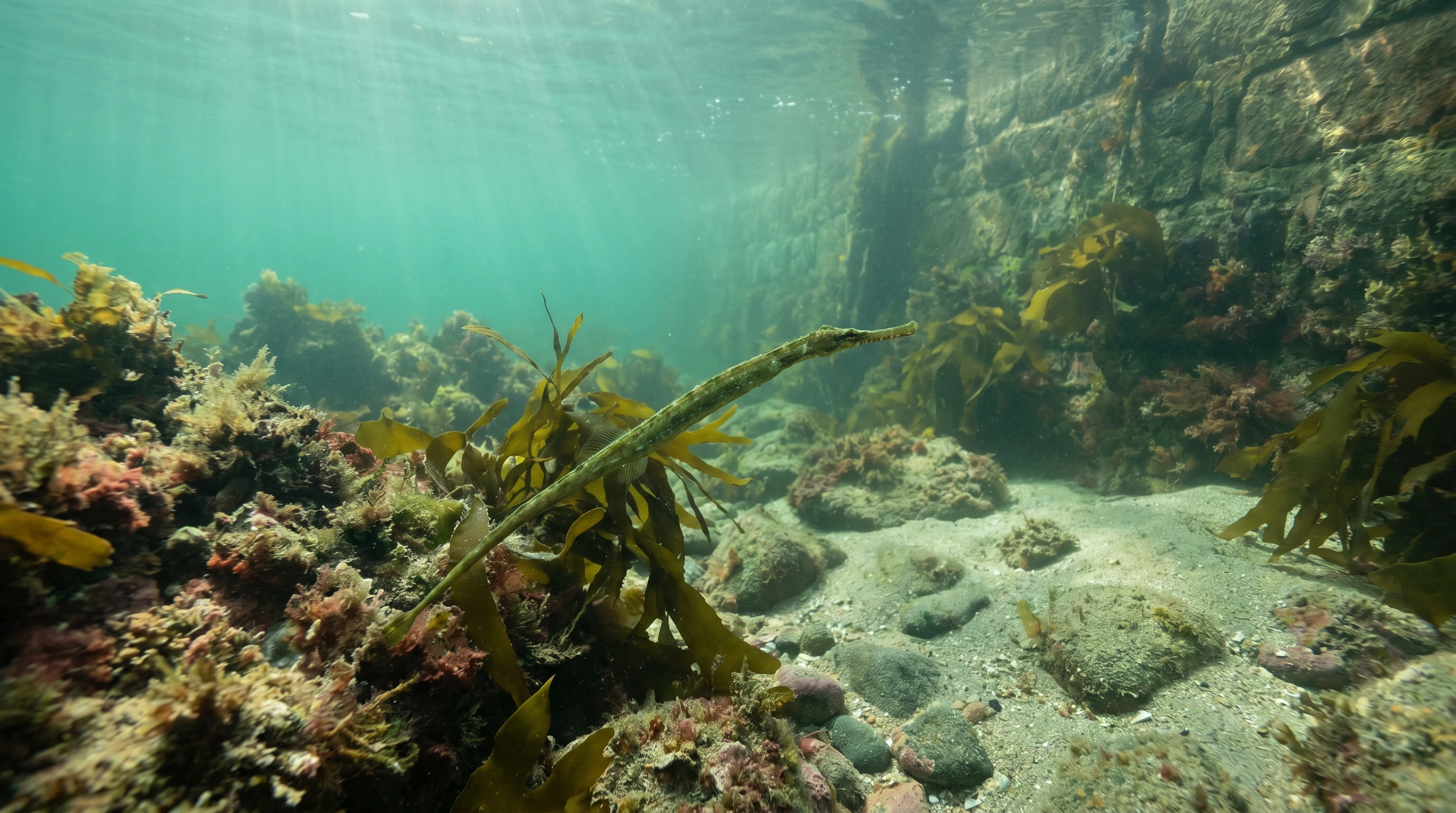
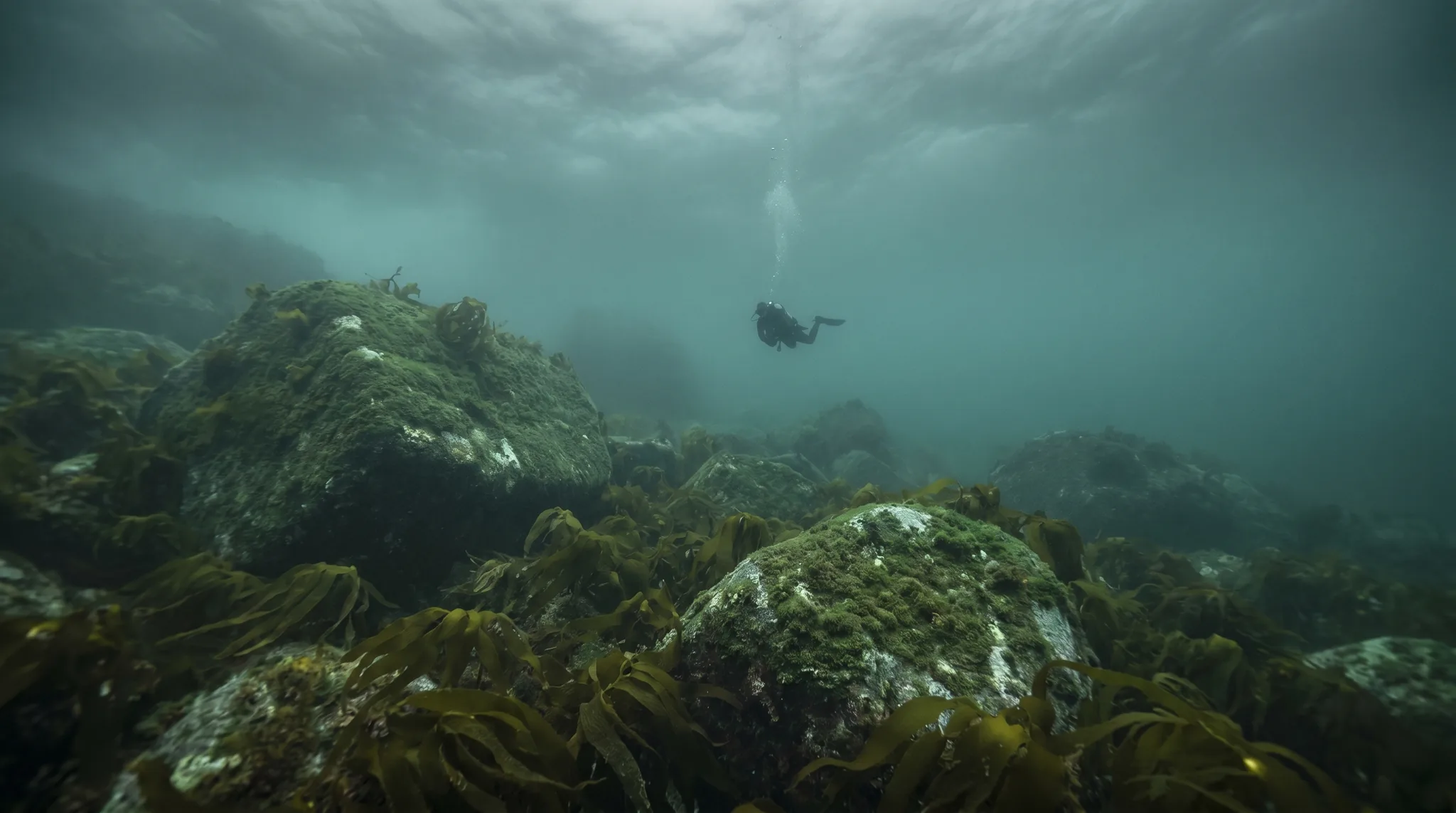
The north and east coast of Jersey offers ocean diving across a varied mix of reef, kelp forest, seagrass, and artificial structures. Sites range from sheltered shore entries such as Bouley Bay and St Catherines to the offshore reef system at Les Ecrehous islands, which requires boat access and careful attention to strong currents. Depths across the region are relatively shallow, suiting beginners through to intermediate divers. Water temperatures reach their warmest in late summer and cool to around ten degrees in winter, so a wetsuit is needed year-round. Marine life includes nudibranchs, pipefish species, ballan wrasse, pollack, cat shark, and various crustaceans.
1 areas
Monthly water temperature across North and East Coast's sites, from satellite sea-surface data corrected for depth. The band shows the site-to-site spread.
Water temperature climbs gradually through summer, peaking in late summer before dropping back through autumn and winter to around ten degrees. A wetsuit is appropriate for warmer months, while a drysuit or thick wetsuit is advisable from late autumn through spring. Visibility is variable across sites and can shift quickly with surf and current conditions.
Water temperature around North and East Coast ranges from about 10°C in January to 18°C in September, based on satellite sea-temperature data for its dive sites.
In the warm season (about 18°C) a 5mm suit is comfortable in North and East Coast; in the coldest months (about 10°C) step up to a drysuit.
Fin maps 5 sites in North and East Coast (5 scuba diving sites and 1 snorkelling spots, with some suited to both).
Across North and East Coast's dive sites, June and September are most often reported as the best months to visit.
2 more sites to explore