Syngnathus spp.
Spot sea needles from Florida to the French Riviera. Long, slender pipefish logged across temperate and warm seas, active almost year-round.
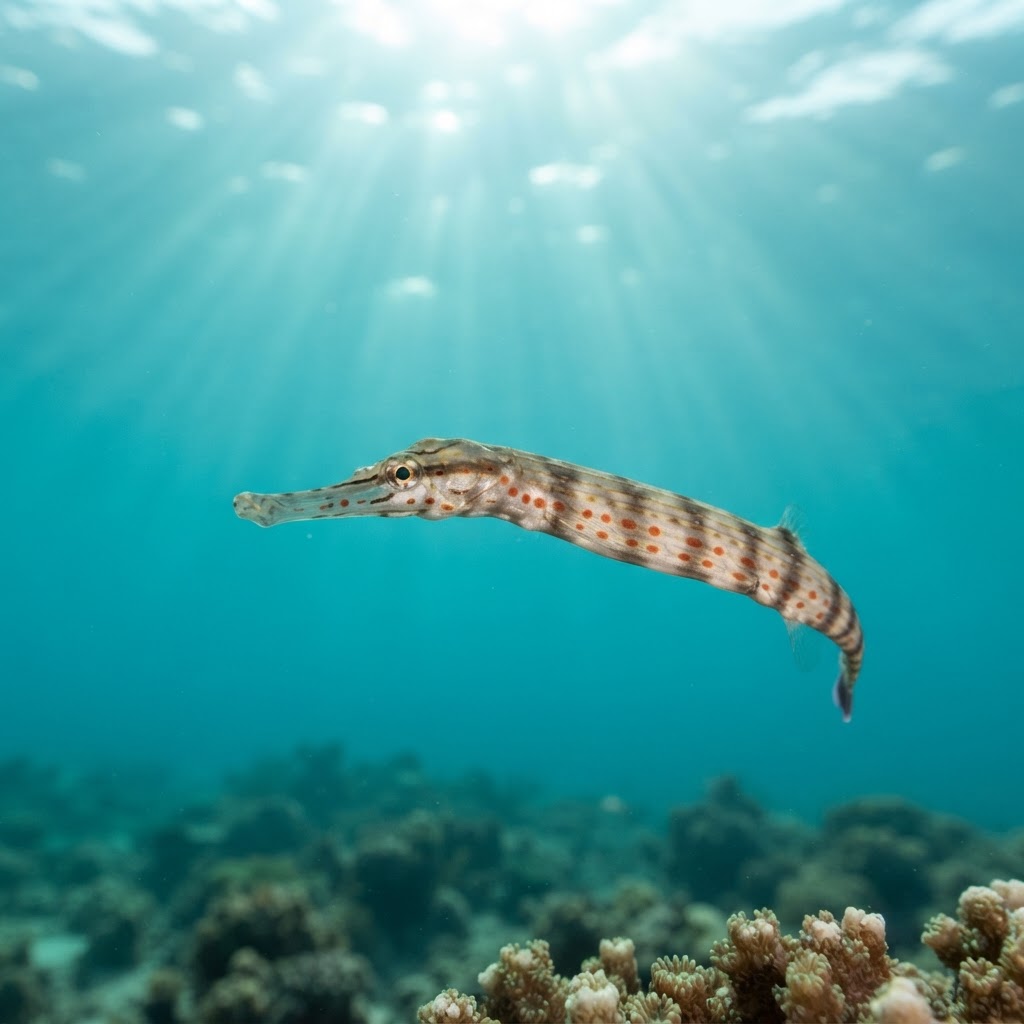
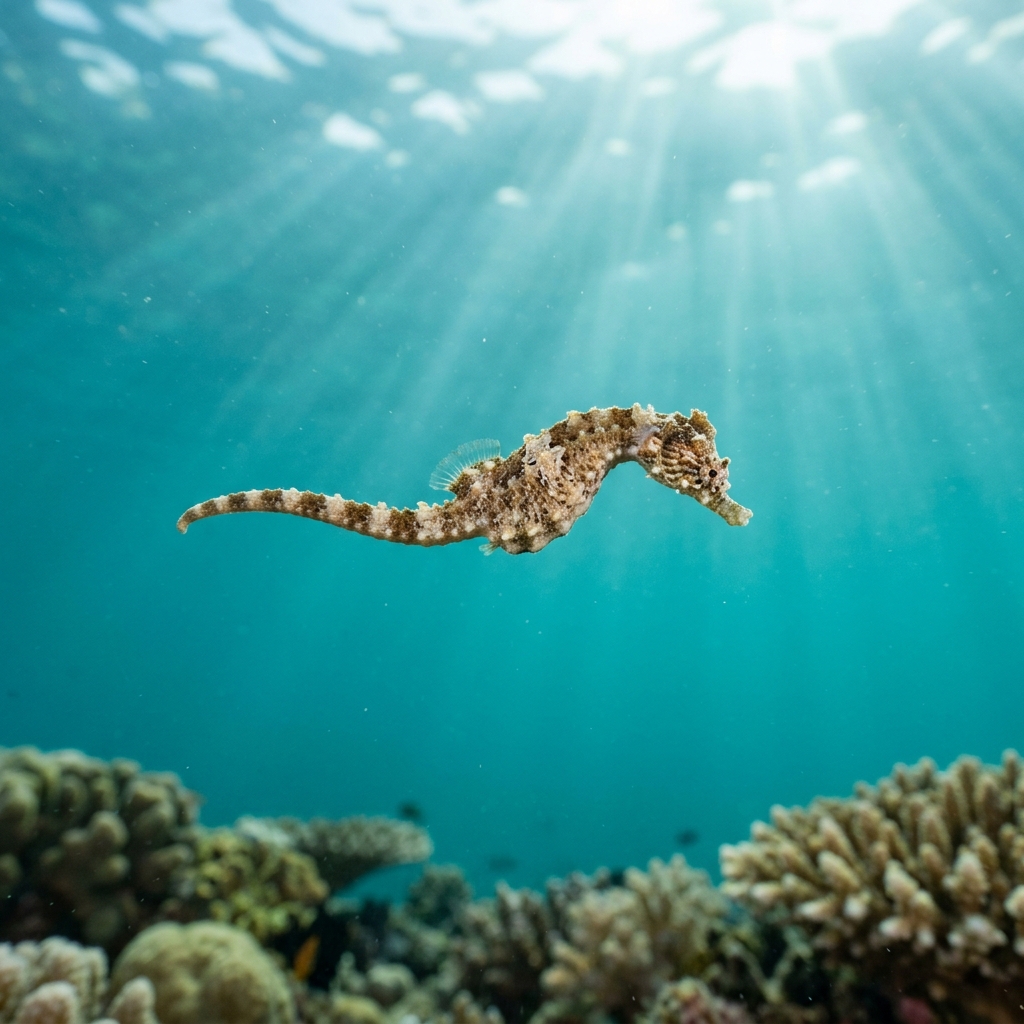
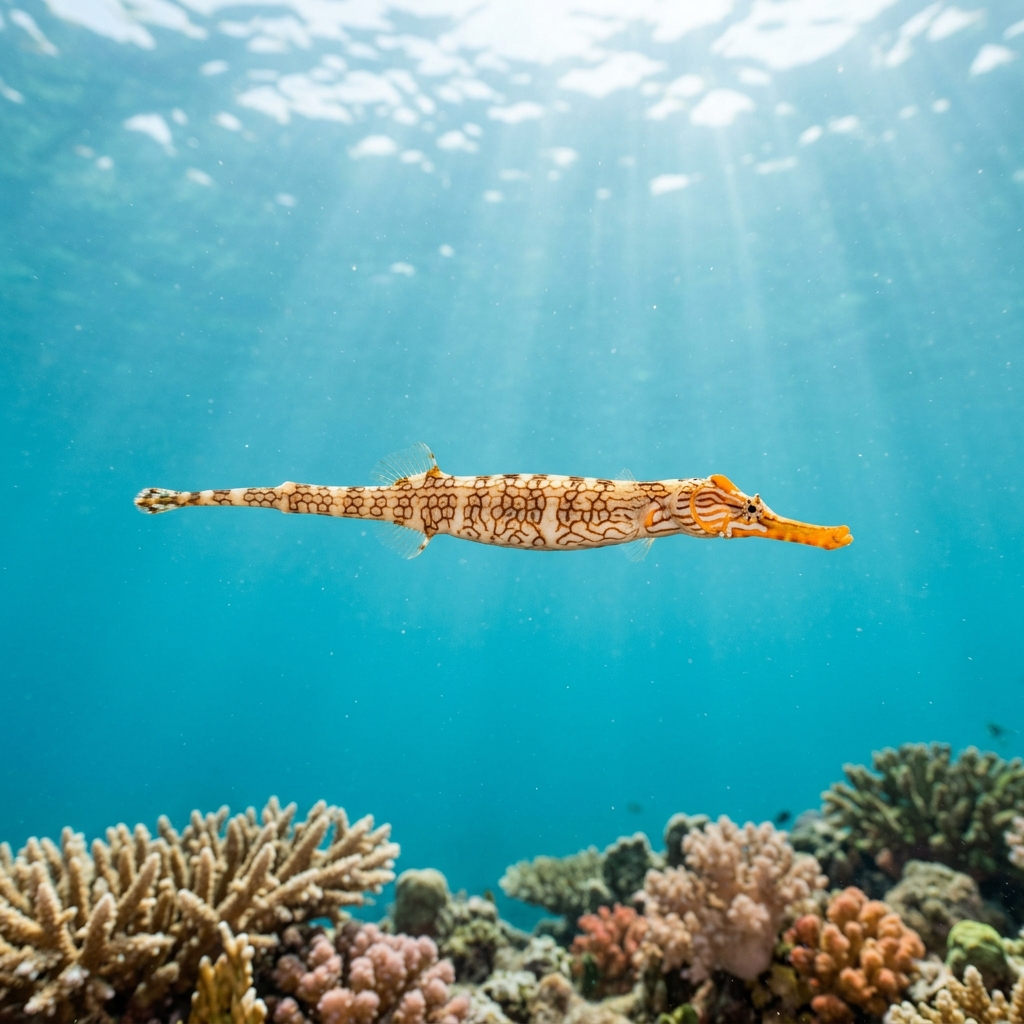
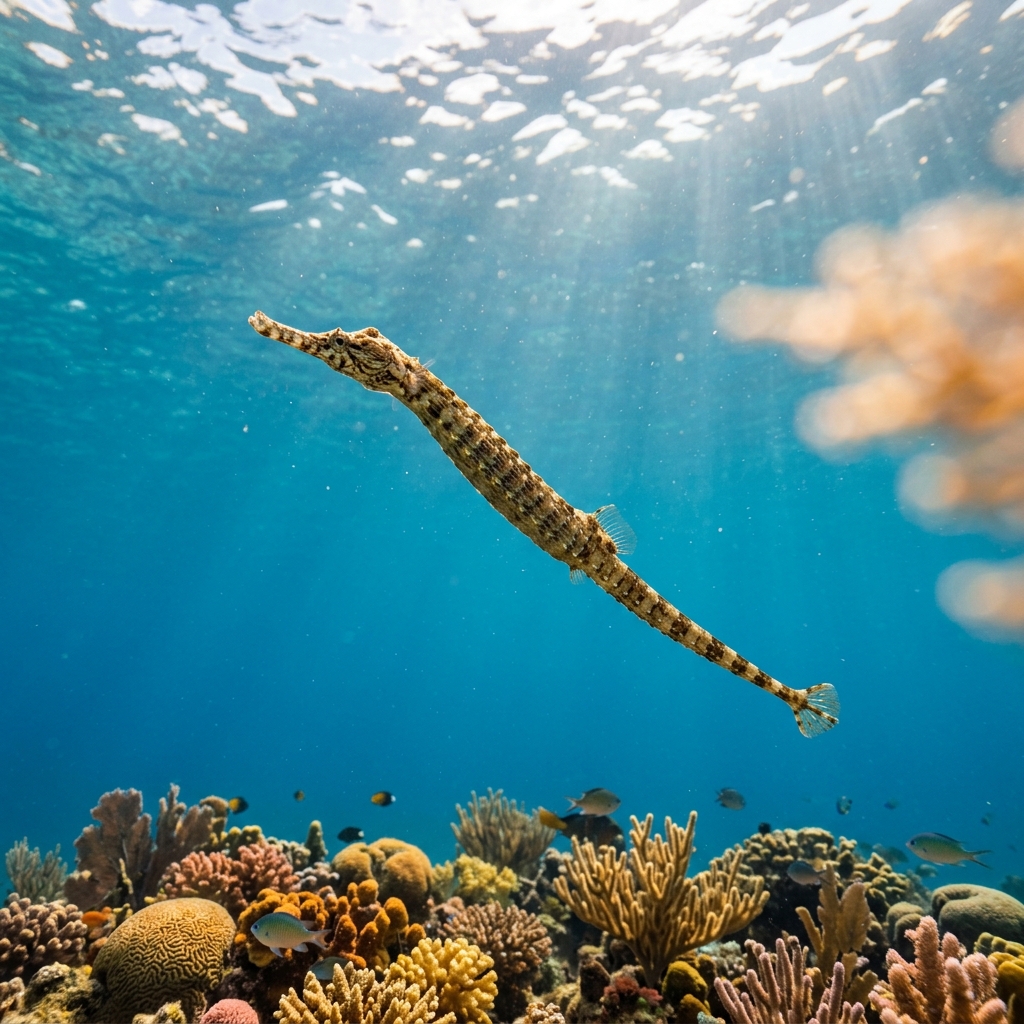
Long and pencil-thin, sea needles are pipefish with a rigid, segmented body encased in bony rings rather than scales, giving them an almost armoured look underwater. Colouration runs from olive green to sandy brown, often with faint pale banding along the flanks that helps them vanish against seagrass or algae. The most reliable feature to key on is the very long snout, roughly a third of the total body length, pointed like a tiny straw. Unlike their pipe-horse relatives, the body is almost perfectly straight, with no tail curl.
You are most likely to find sea needles hovering motionlessly in seagrass beds, among algae, or alongside jetty pilings, where their rigid posture and cryptic colouration make them easy to swim past. They tend to hold their position when approached slowly, relying on camouflage rather than flight, which makes patient observation rewarding. Look near the bottom in shallow, sheltered water; open-water encounters are rare.
Like all syngnathids, it is the male that carries the eggs, brooding them in a specialised pouch or along a patch on the underside of the trunk until they hatch as miniature adults.
In the Northern Hemisphere, sightings are recorded from February through December, making them accessible across most of the year. In the Southern Hemisphere, where records are fewer, sightings concentrate in March to May.
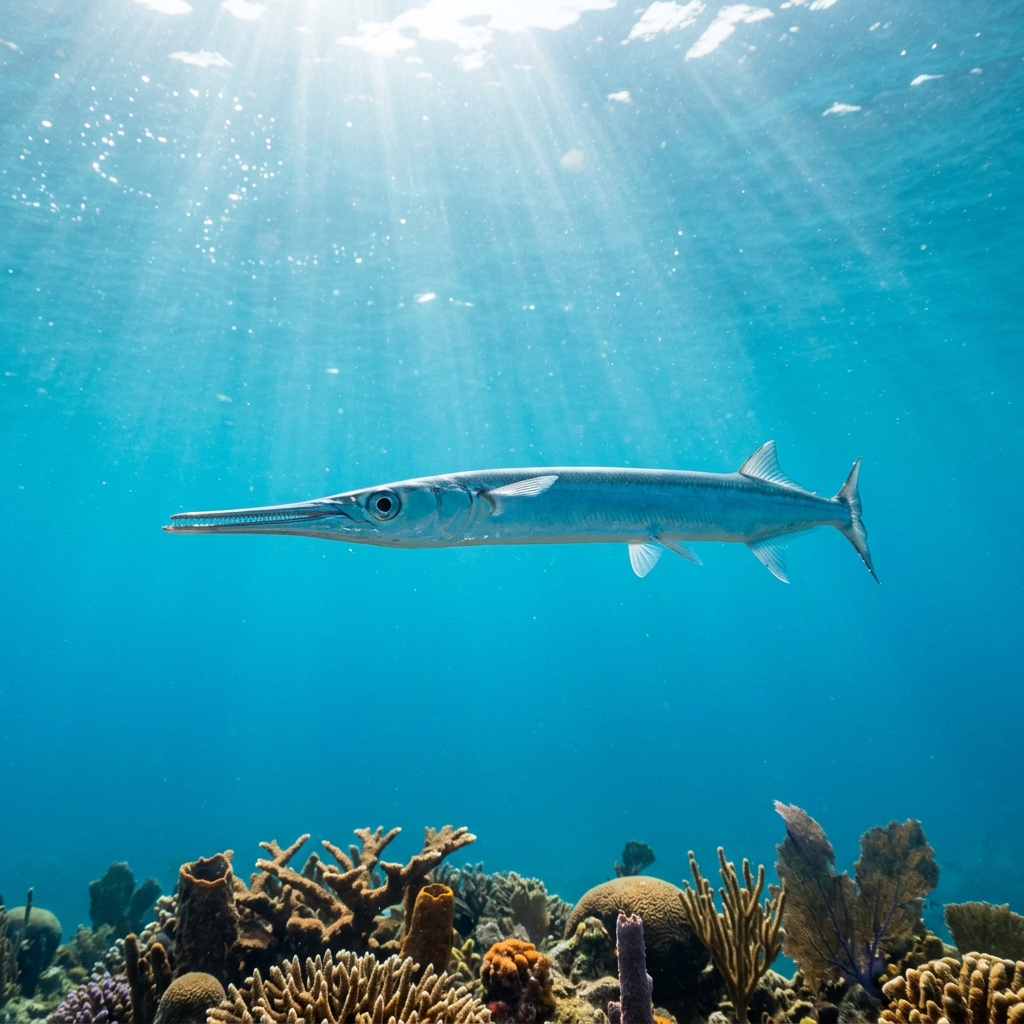
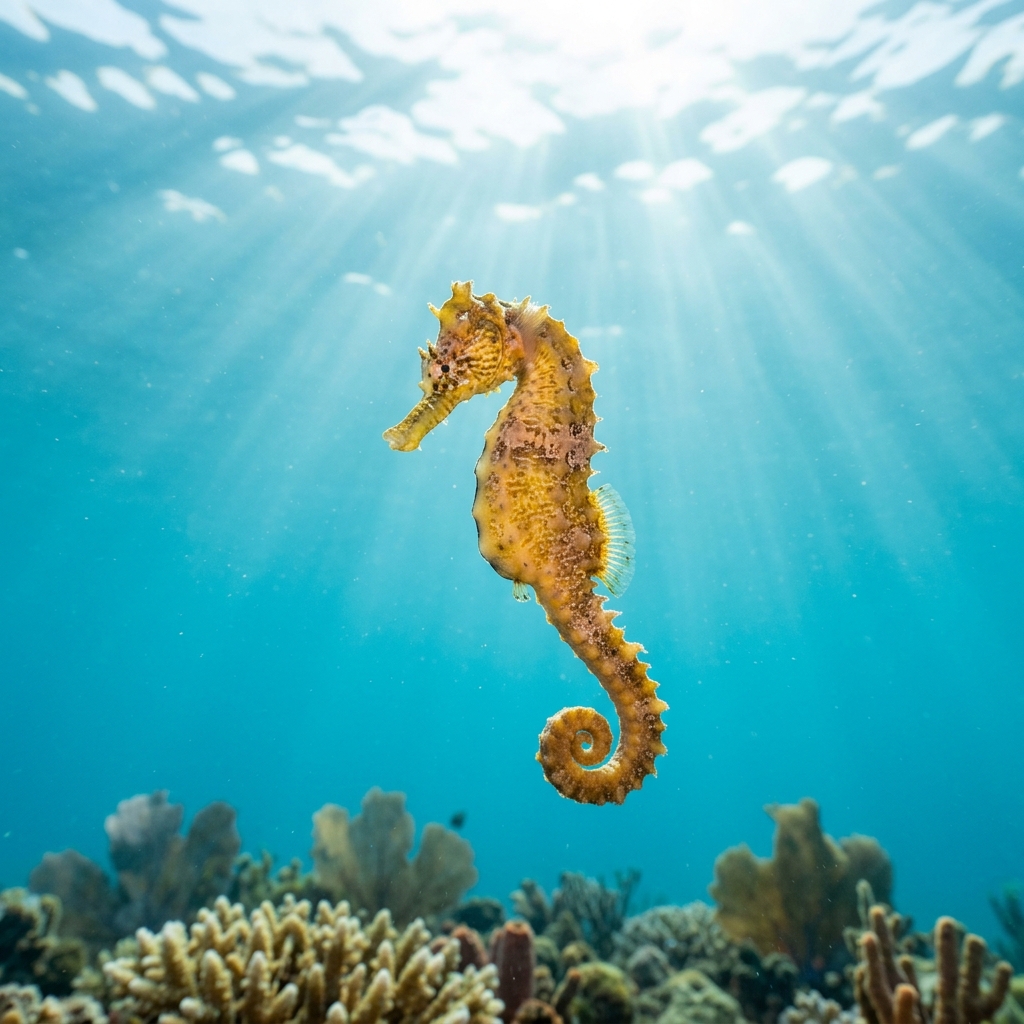
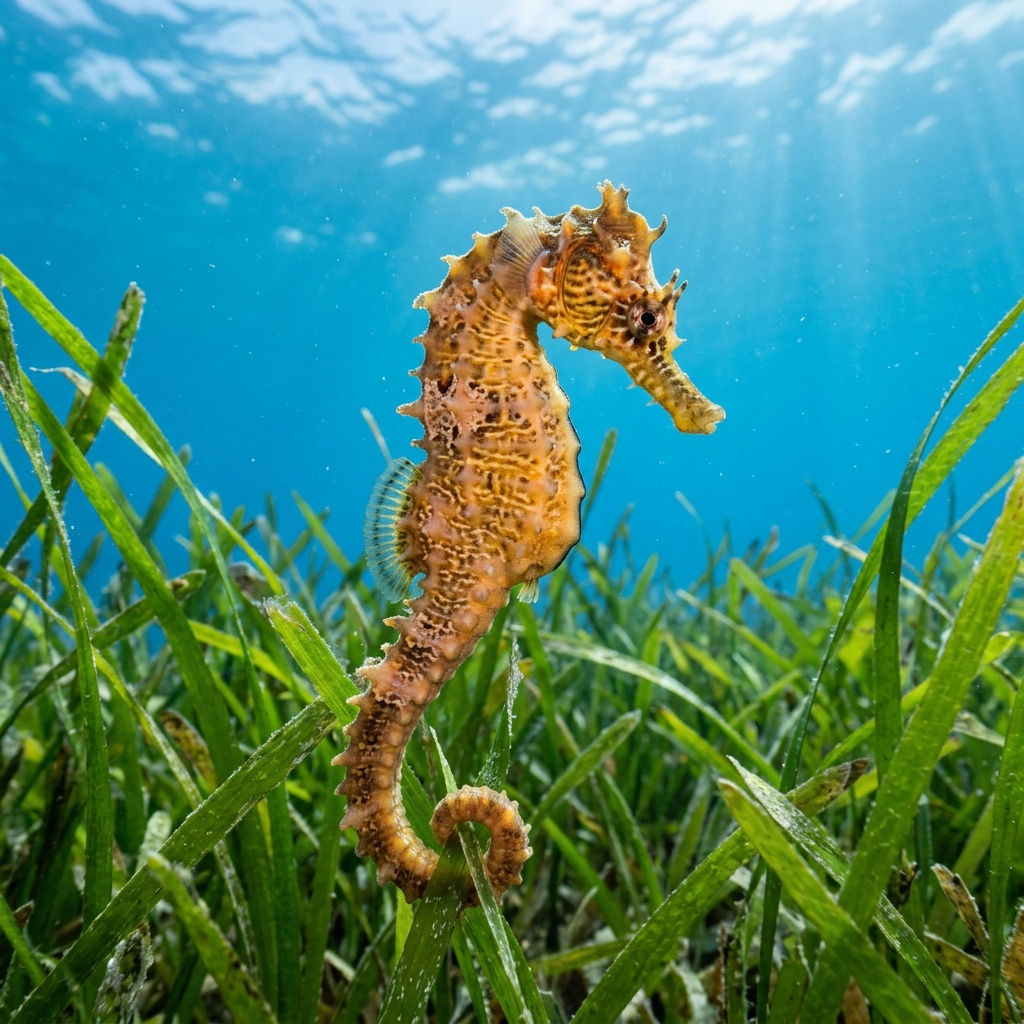
Reef neighbours a diver could mistake it for. Use the identification notes above to tell them apart.
Sea needles are most commonly logged in the United States, Italy, France, the Netherlands, and Greece, with strong records also from the United Kingdom, Croatia, and Spain. The highest concentrations of dive-site records come from Florida and the Southeast US, Zeeland in the Netherlands, and the French Riviera and Provence. They are well represented across Mediterranean Europe and temperate Atlantic coasts alike.
Mapping where Pipefish is logged…
Sea needles are logged across a wide range of countries, with the strongest records in the United States (particularly Florida), Italy, France, the Netherlands, Greece, the United Kingdom, Croatia, and Spain. Mediterranean seagrass meadows and temperate Atlantic coastal shallows are your best bet.
In the Northern Hemisphere, sightings span February through December, so there is a long window of opportunity. Southern Hemisphere records are fewer but peak in autumn, from March to May. They tolerate a wide temperature range, from under 7 °C to over 28 °C.
Look for an extremely elongated, stiff body covered in bony rings rather than ordinary scales, a very long tube-like snout, and an olive or sandy-brown colour with faint pale banding. Unlike needlefish, they are slow-moving and usually found resting near the seabed in sheltered, vegetated areas rather than near the surface.
Syngnathus pipefish vary by species within the group, but most are slender animals in the range of roughly 15 to 40 cm long. Their thinness makes them appear smaller than they are in the water, so they are easy to overlook among vegetation.
Yes. As with all syngnathid fish, the female transfers eggs to the male, who broods them in a specialised pouch or along a protected patch on his trunk. He carries them until they hatch as fully formed juveniles, making him the primary caregiver.
Site and sighting data is aggregated from diver logs, iNaturalist and GBIF. For taxonomy and conservation status:
Dwarf Pipehorse
1,191 sites