Pleuronectes platessa
Spot this diamond-shaped flatfish half-buried in sand across Zeeland's cold, clear channels, most divers call it an uncommon but steady find.
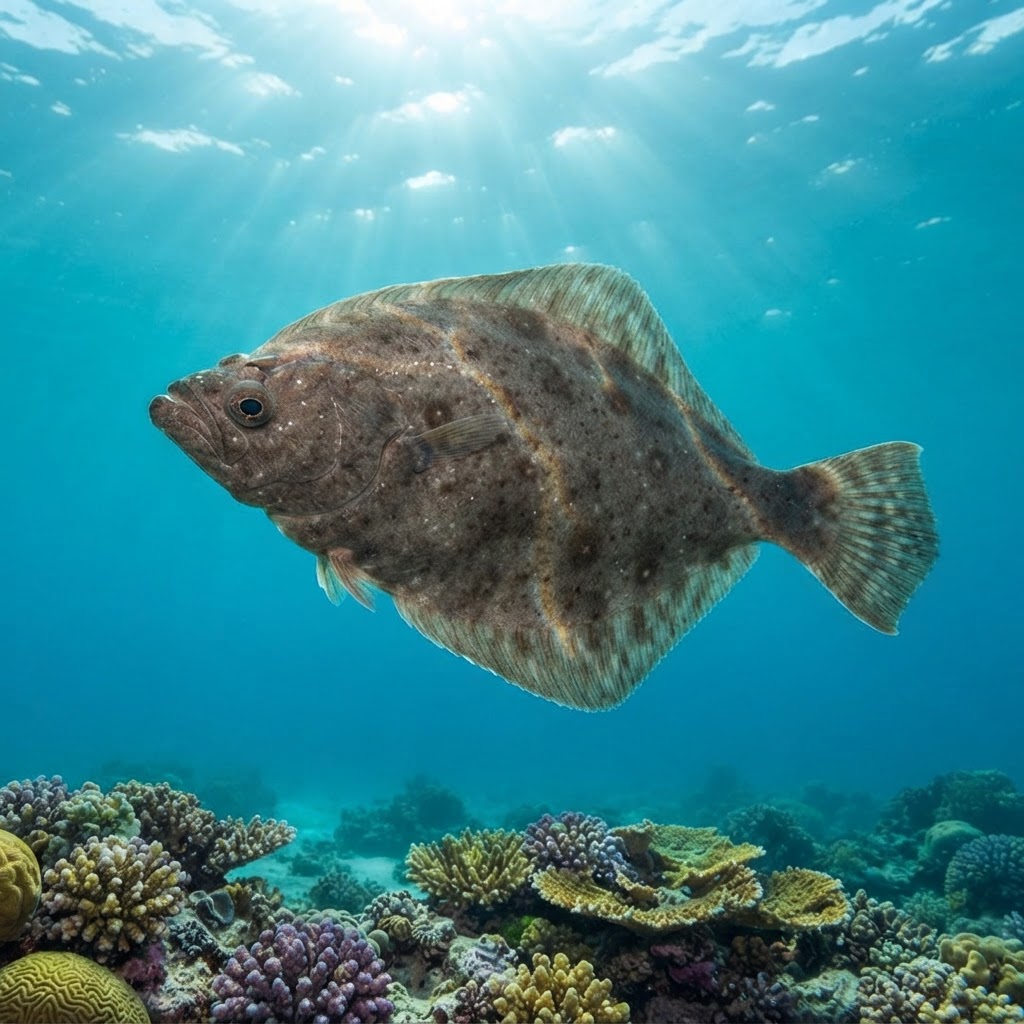
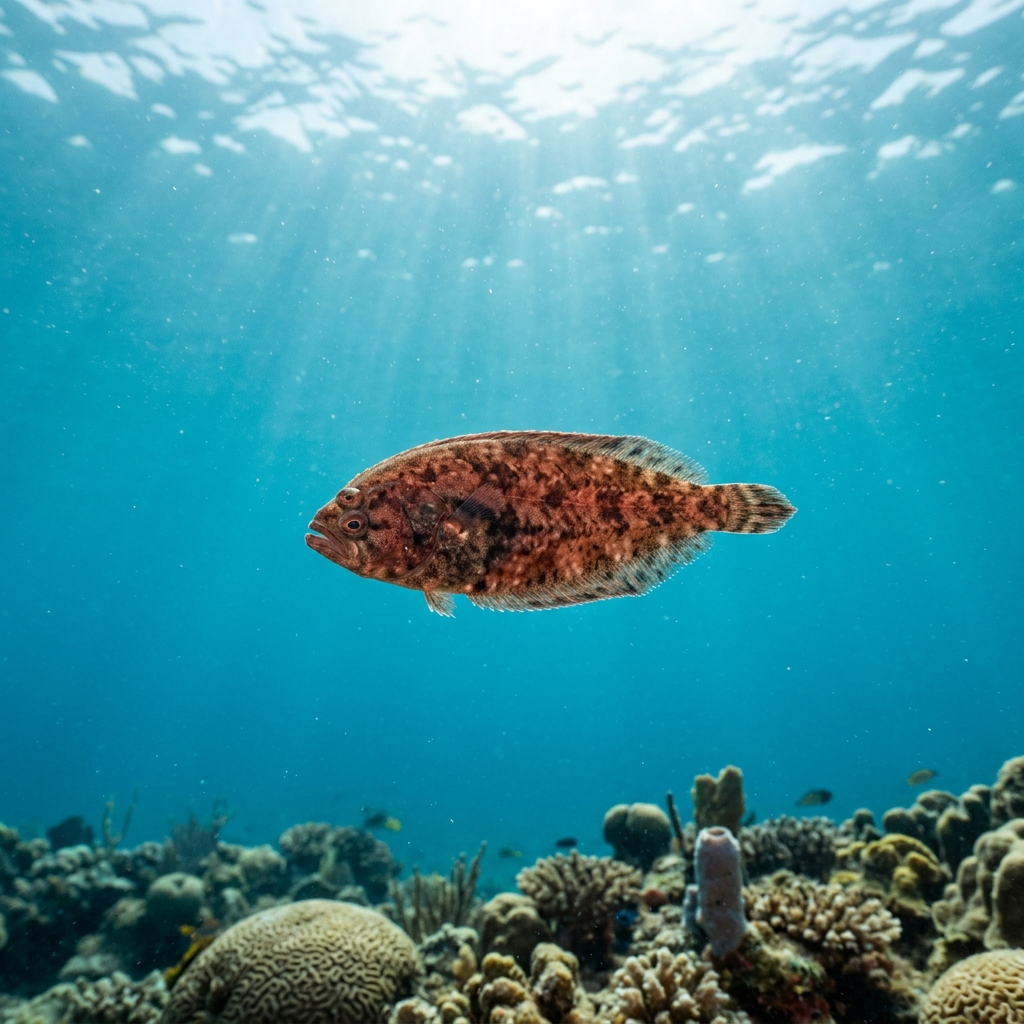
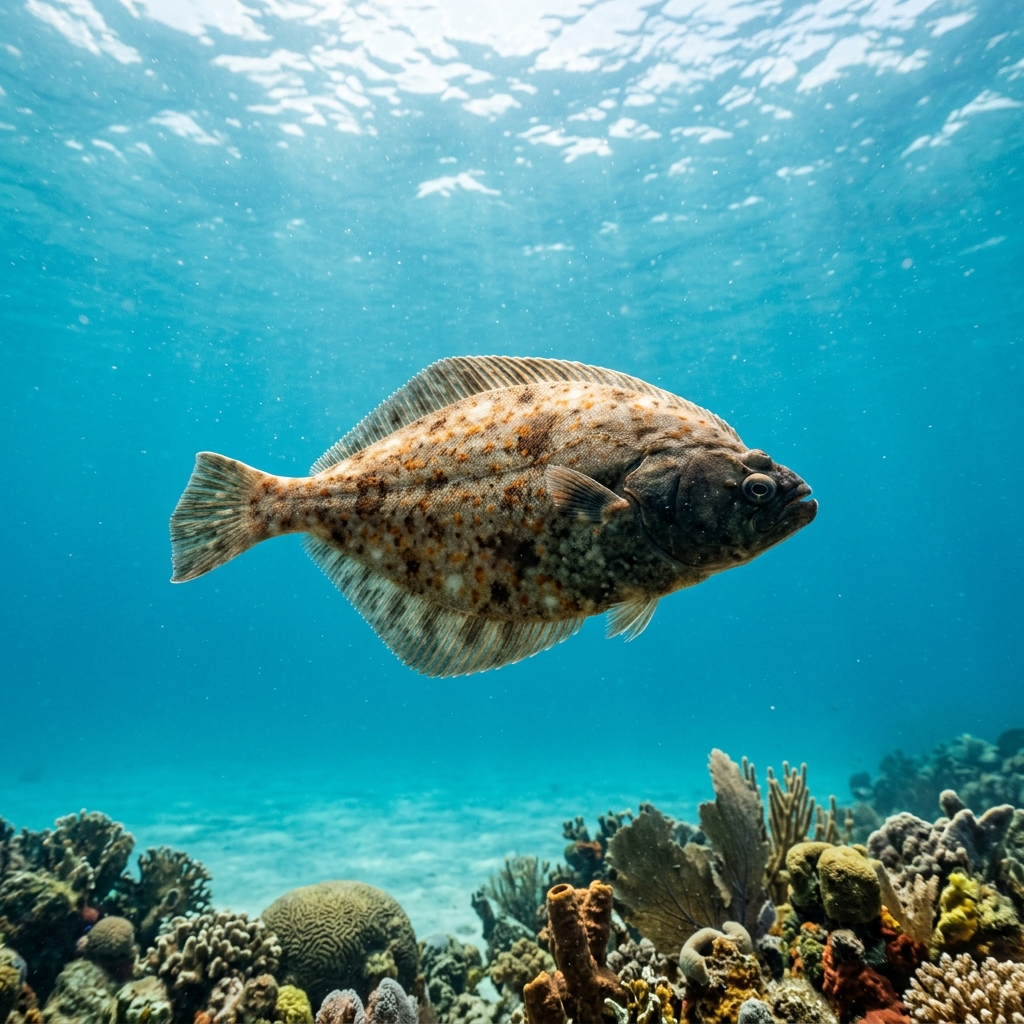
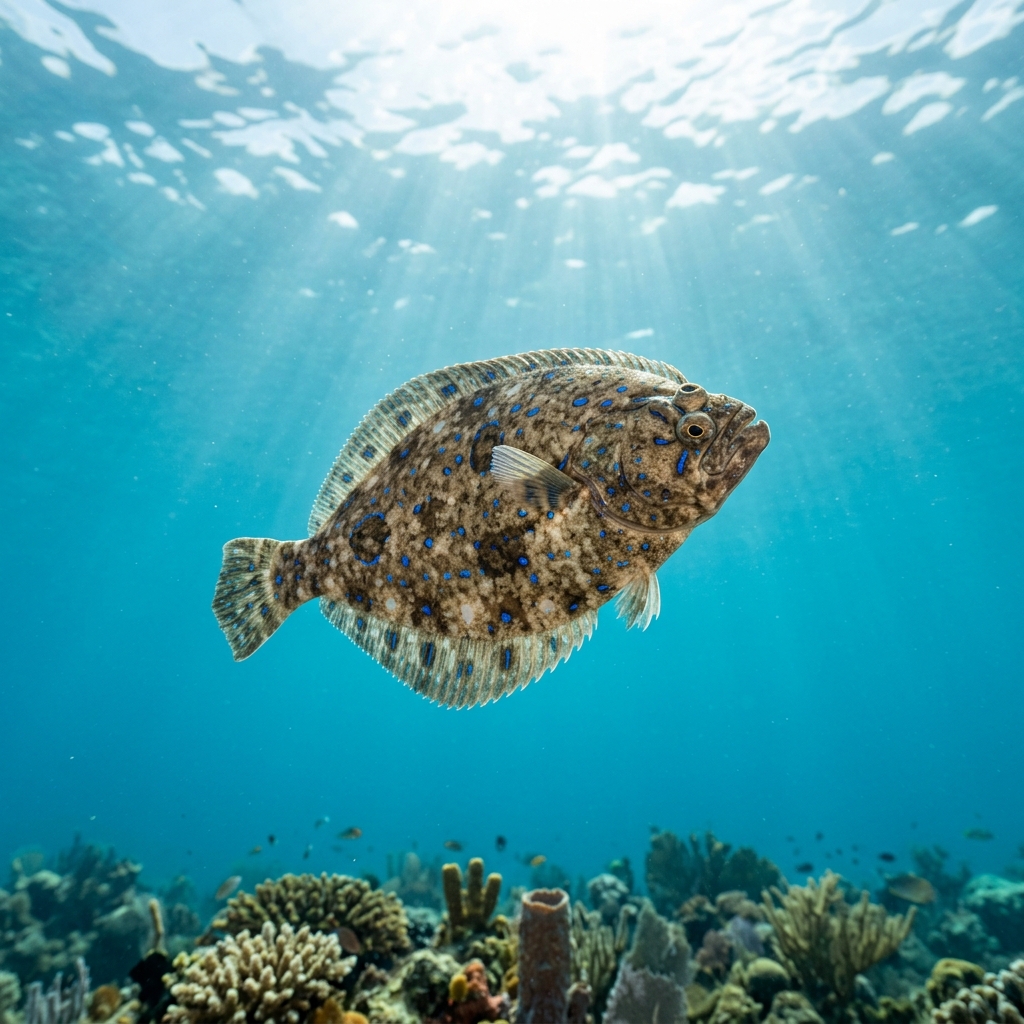
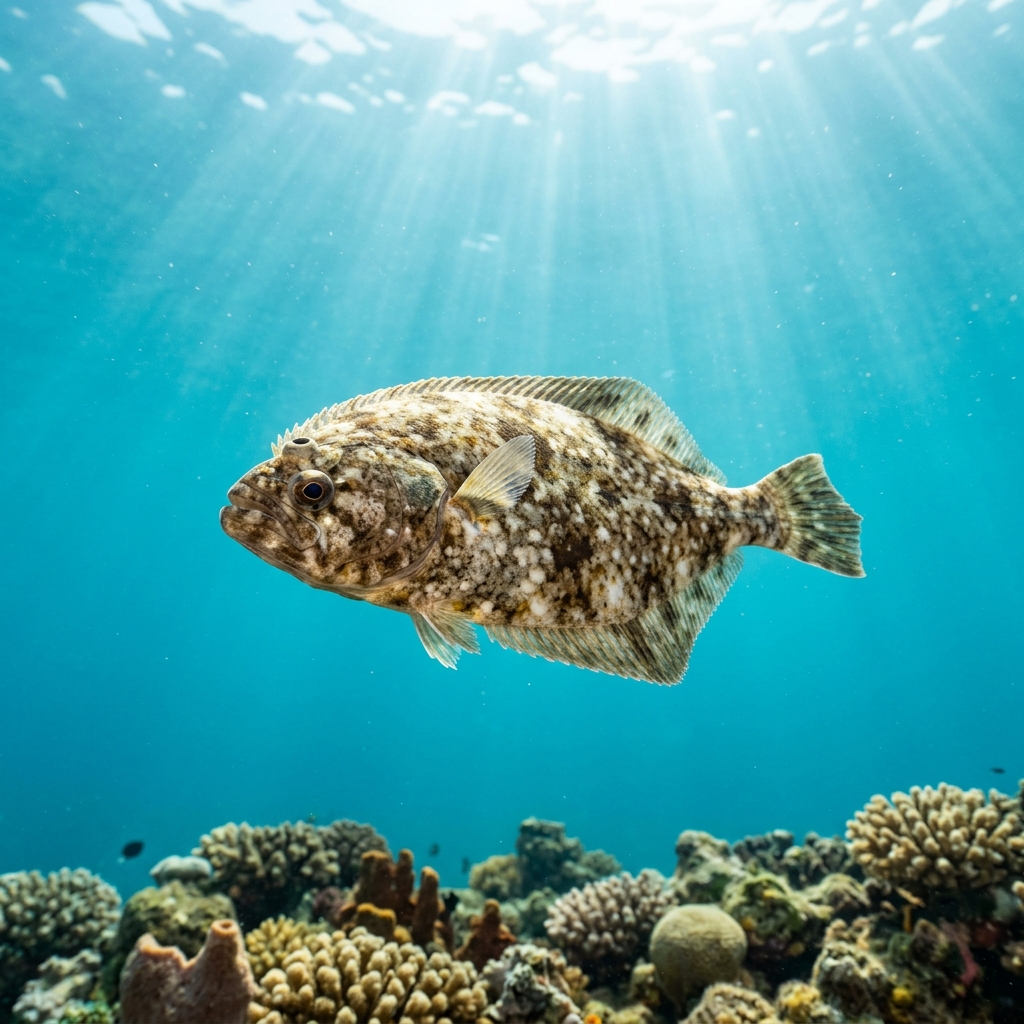
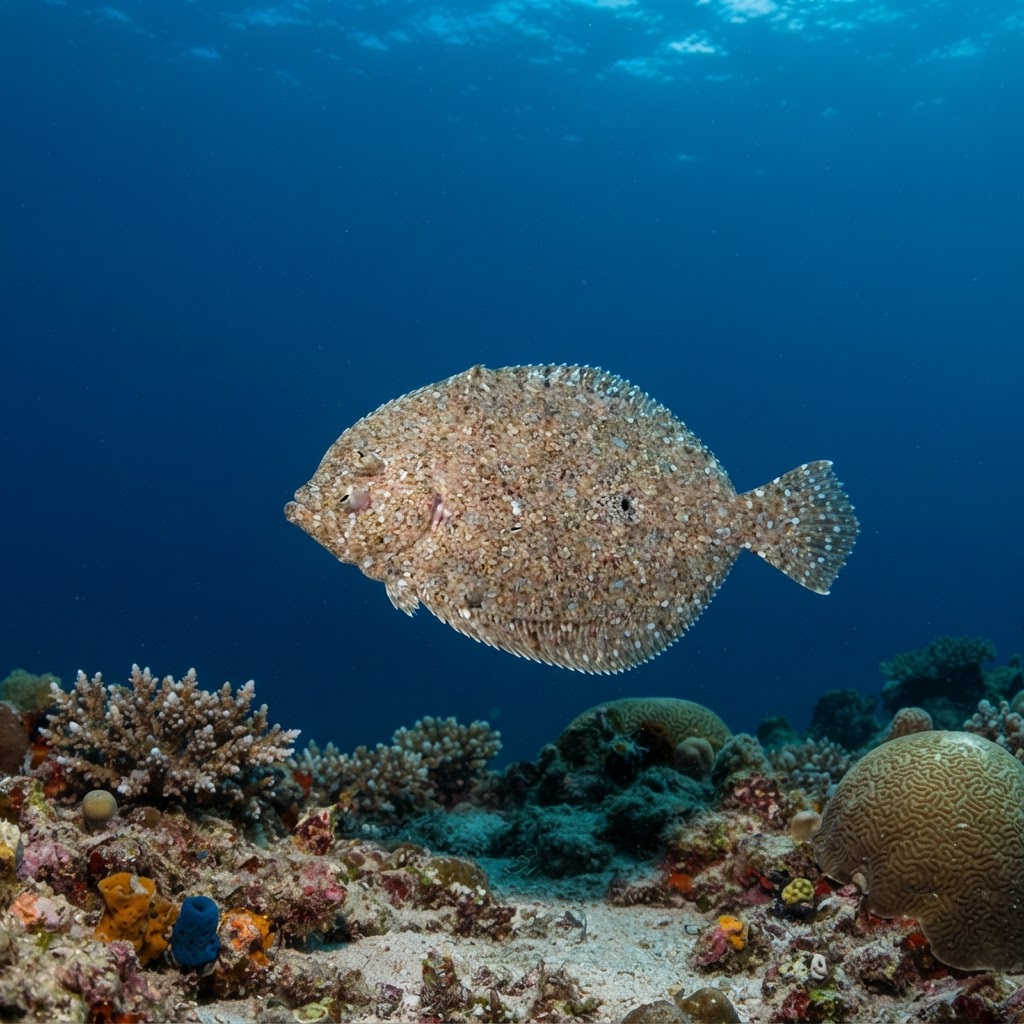
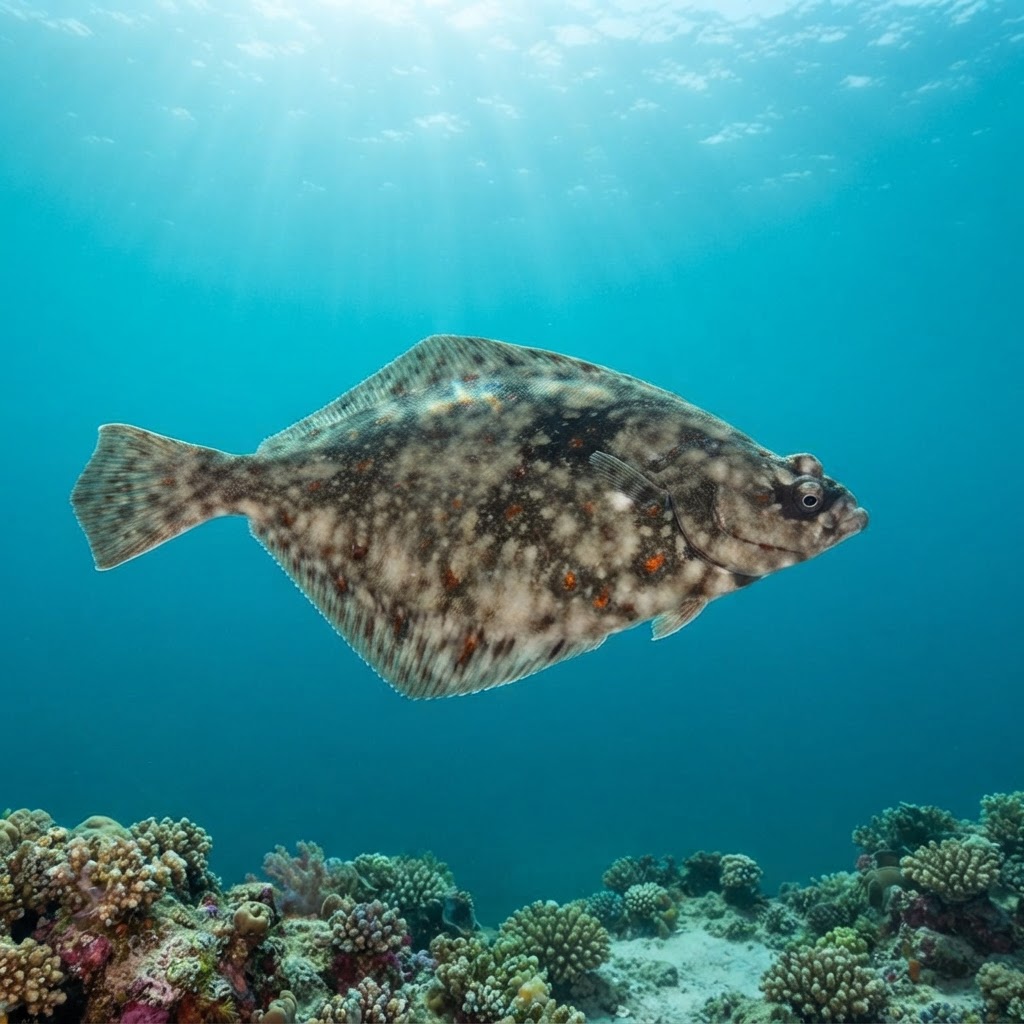
Look for a diamond-shaped, flattened body lying right on the sand, usually brown to olive on top with distinct orange or reddish spots scattered across the back. It grows to around 70 cm, though most divers encounter smaller individuals half-buried with just the eyes and outline showing. Both eyes sit on the right side of the head, a flatfish trait that helps separate it from unrelated species, and the underside is plain white.
Expect to find it lying motionless on sand or fine gravel, often partly covered, relying on its mottled colouring to blend in rather than bolt when a diver approaches. Most sightings come from divers scanning open, sandy stretches between reef or wreck structure rather than from the structure itself. It tends to hold still until you're close, then flick off in a burst and resettle a short distance away.
Plaice start life swimming upright like an ordinary fish, then one eye migrates across the head as they mature so both end up on the same side, letting the adult lie flat on the seabed with both eyes facing up.
Sightings don't show a clear seasonal pattern, so treat this as a year-round possibility in its cold-water range. It's logged in water between roughly 7 and 12 C, which lines up with typical North Sea and Baltic diving conditions much of the year.
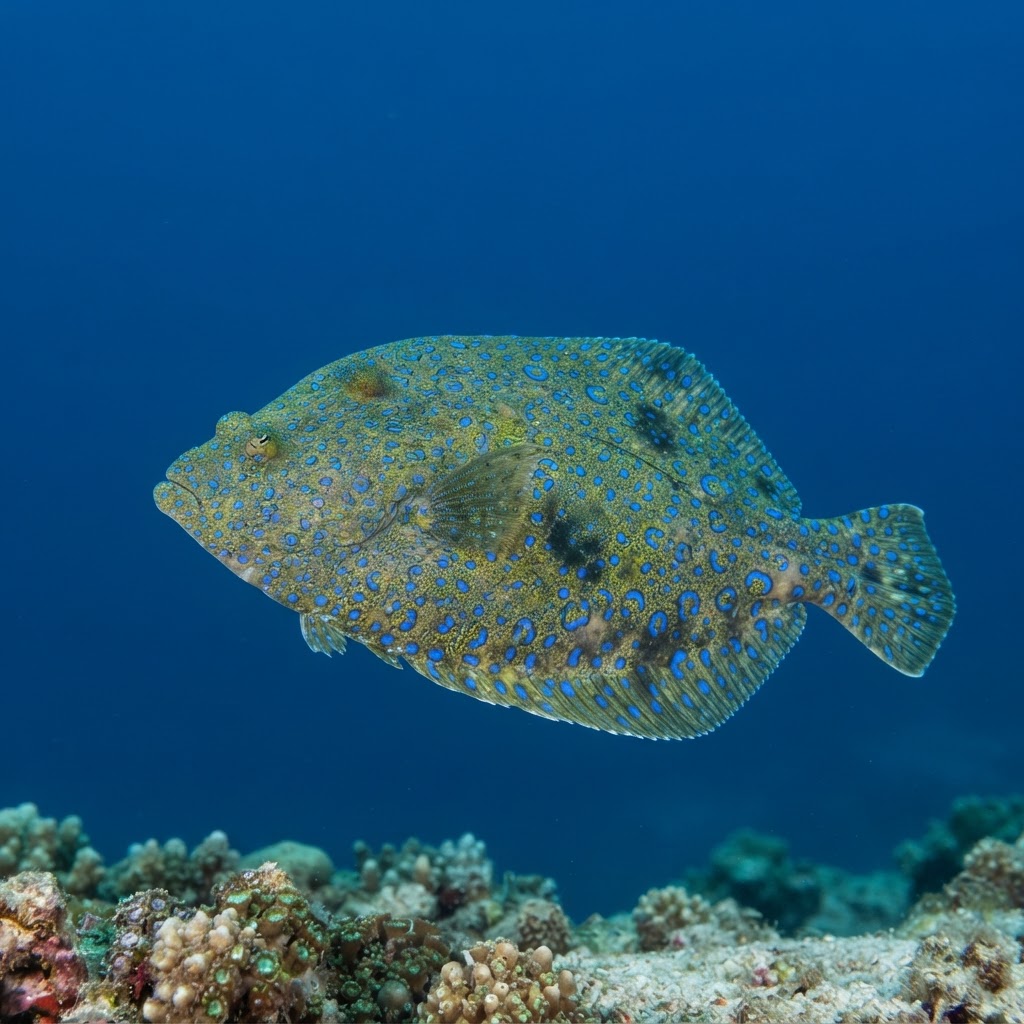
Reef neighbours a diver could mistake it for. Use the identification notes above to tell them apart.
Zeeland in the Netherlands is by far the most reliable spot for this fish, logged far more often here than anywhere else, making it the place to head for a real shot at a sighting. Schleswig-Holstein in Germany and Bohuslän in Sweden also produce steady sightings, with Jutland in Denmark and the Channel Islands (Jersey and Guernsey) in the UK rounding out the strongest areas. Smaller numbers turn up in Wales and Scotland too.
Mapping where European Plaice is logged…
Zeeland in the Netherlands is the standout region, with far more logged sightings than anywhere else. Schleswig-Holstein in Germany, Bohuslän in Sweden, Jutland in Denmark, and the Channel Islands in the UK also produce regular sightings.
There's no strong seasonal pattern in the sighting data, so it's reasonable to look for them year-round. They're typically found in cold water between about 7 and 12 C.
Look for a diamond-shaped, flattened fish lying on sand, brownish on top with scattered orange or reddish spots and a plain white underside. Both eyes are on the right side of the head, a classic flatfish feature.
They can reach around 70 cm, though most individuals divers encounter on sand flats are noticeably smaller.
Plaice start life swimming upright with one eye on each side, but as they mature one eye migrates across the skull so both end up on the same side. This lets the adult lie flat on the seabed with both eyes facing upward while staying camouflaged.
Site and sighting data is aggregated from diver logs, iNaturalist and GBIF. For taxonomy and conservation status:
Wide Eyed Flounder
1,621 sites