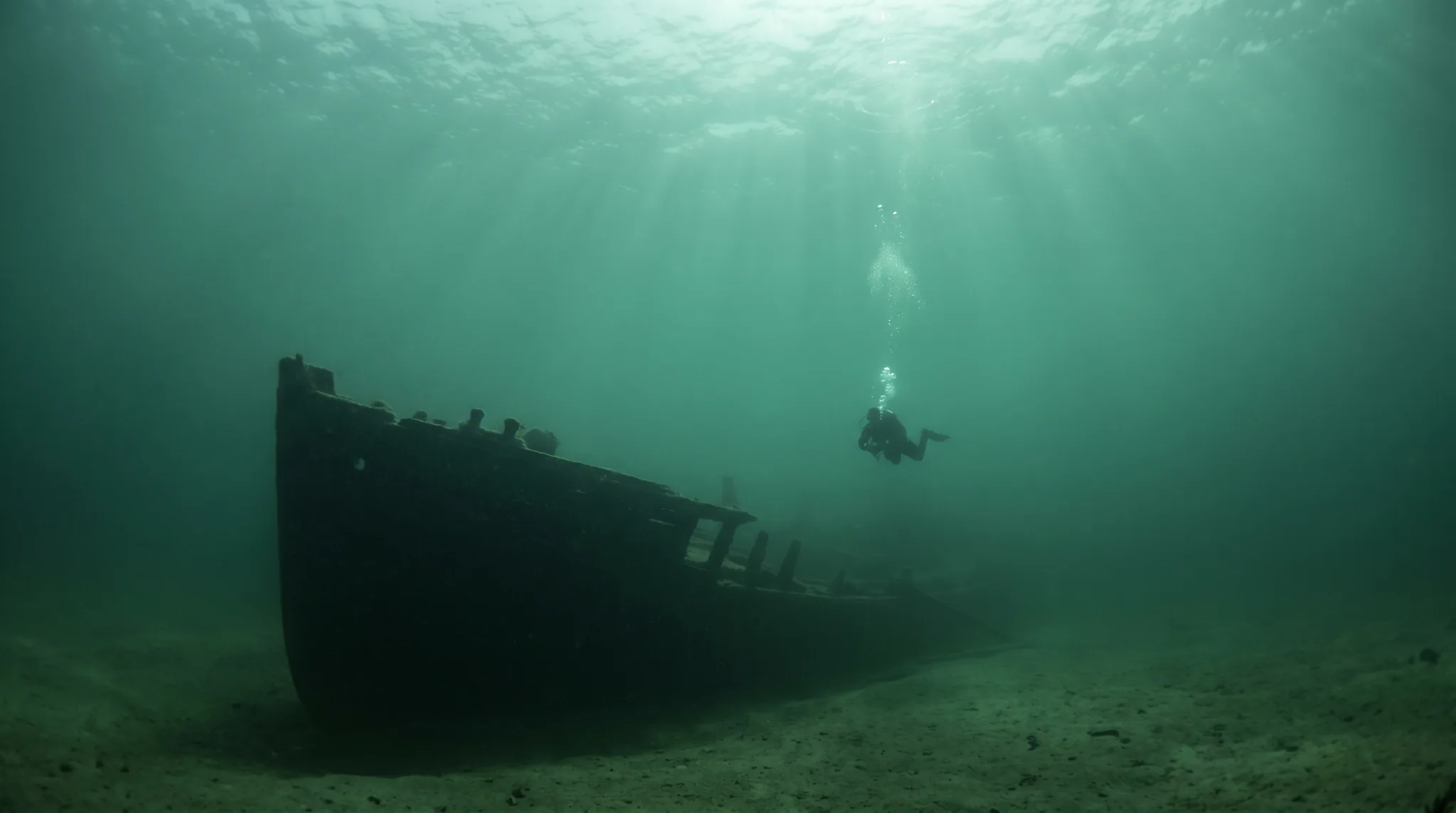
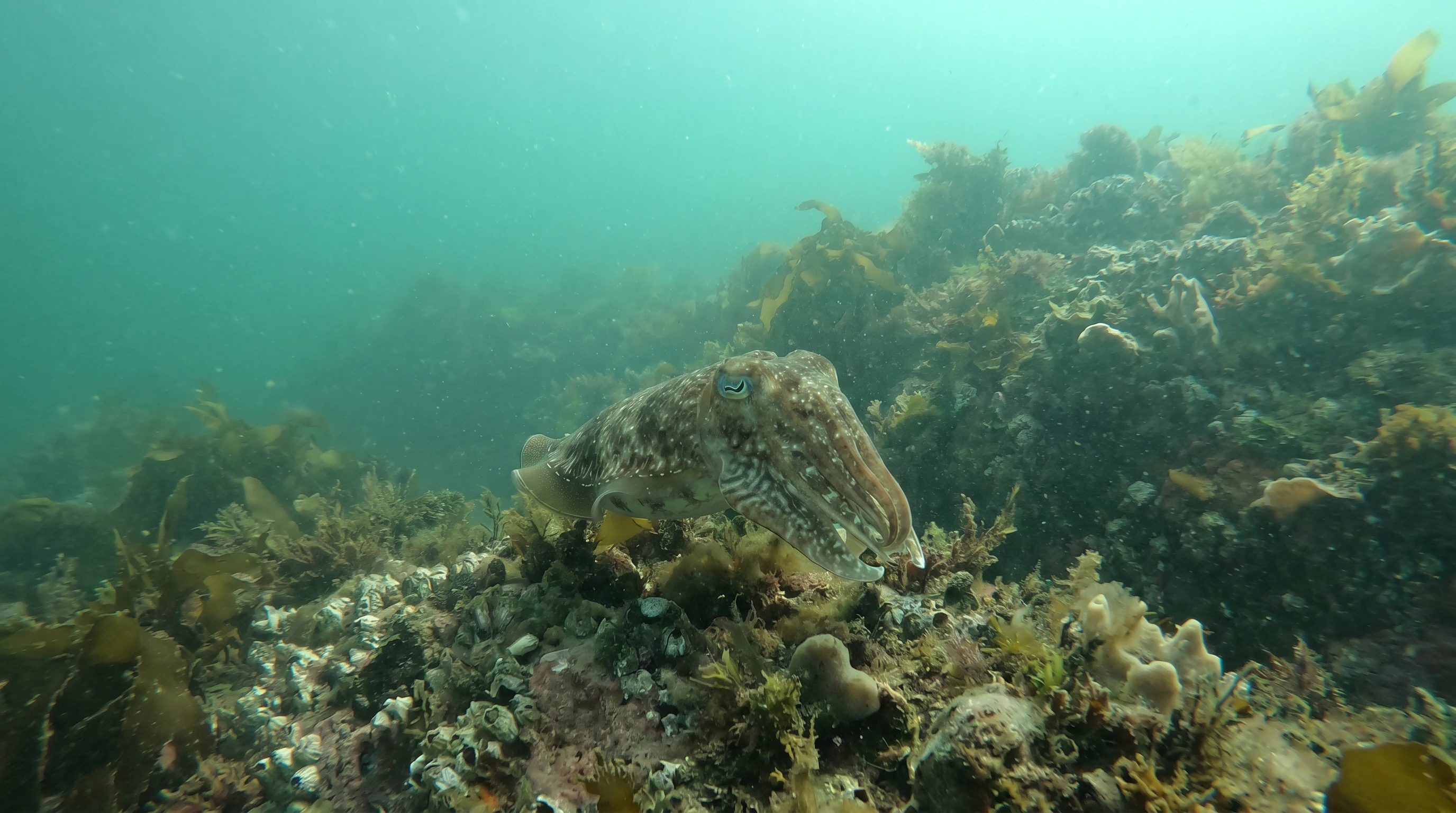
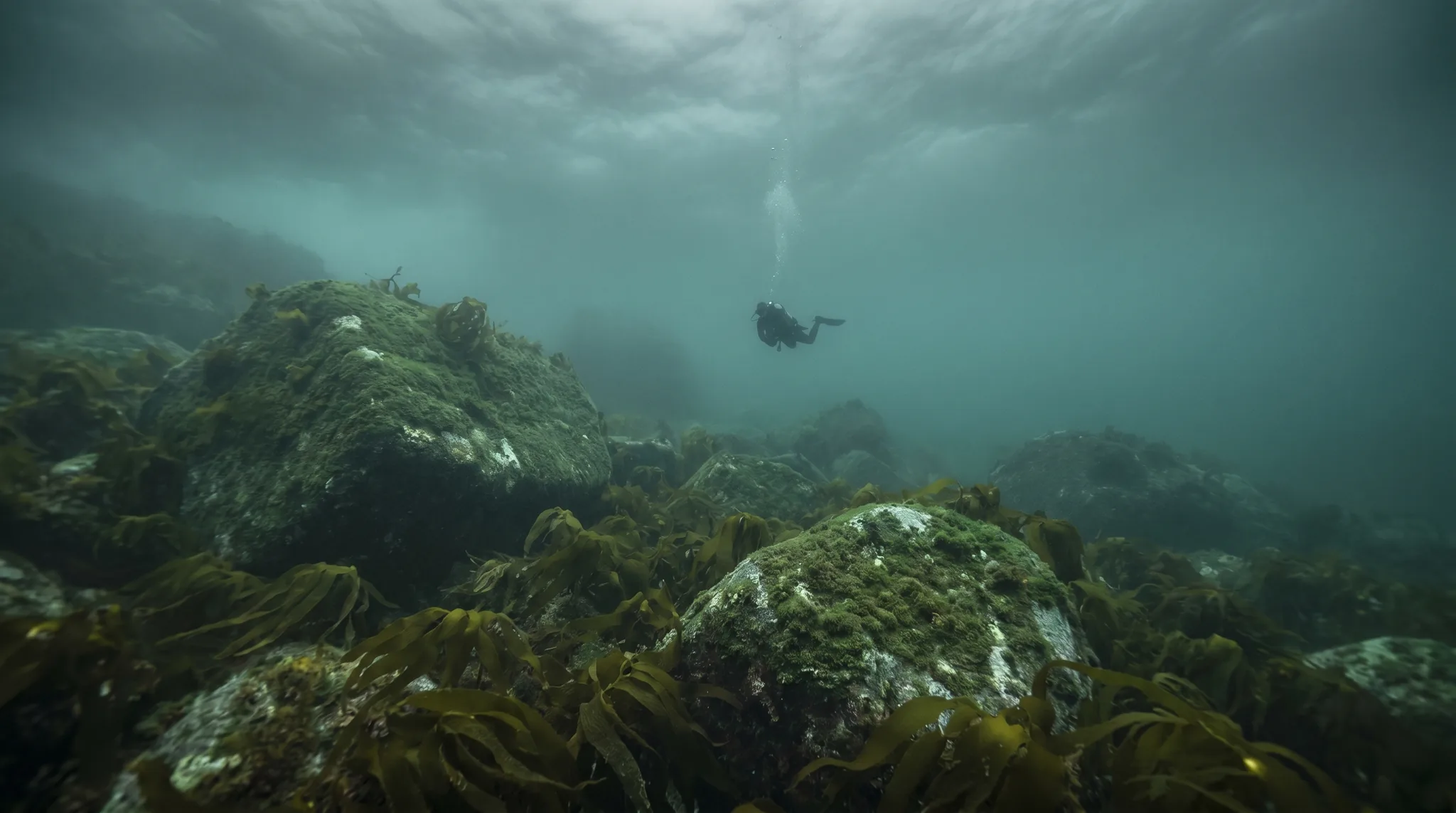
Torquay and South Devon combines reef pinnacles, drift sites, kelp forest, cave systems, and muck diving across a compact stretch of coastline. The European Common Cuttlefish and Gray Seal are encountered regularly, alongside a remarkable variety of nudibranch species. Sites range from shallow, beginner-friendly shore entries like Babbacombe Bay and Brixham Breakwater Beach to deeper boat dives such as Mewstone and Mudstone Ledges, suiting a wide range of experience levels.
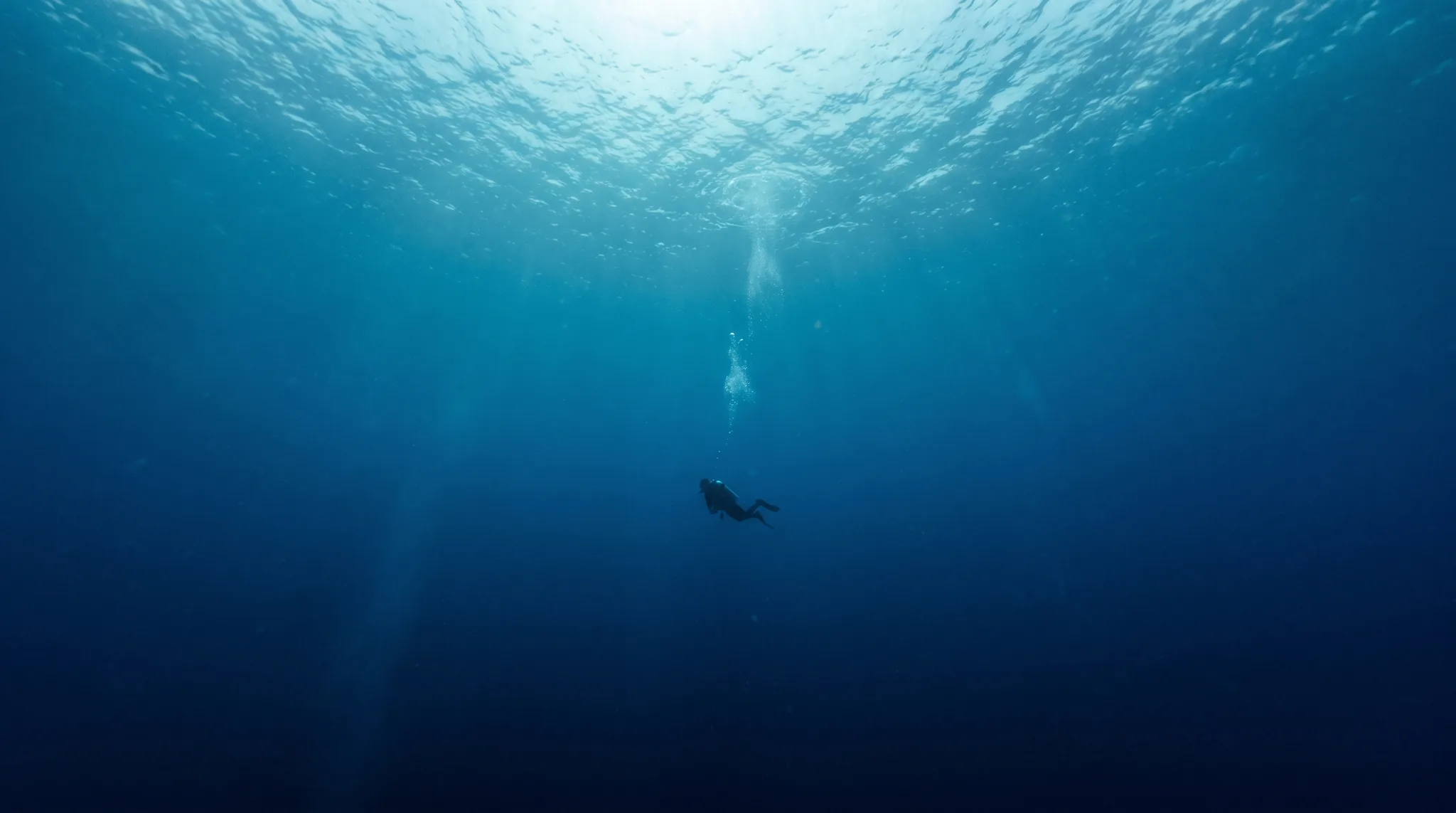
Monthly water temperature across Torquay & South Devon's sites, from satellite sea-surface data corrected for depth. The band shows the site-to-site spread.
Water temperature rises through late spring and peaks in late summer, making June through September the most comfortable months for diving. Winter temperatures drop noticeably, and a thicker wetsuit or drysuit becomes important for year-round diving. Conditions at exposed offshore sites like The Ridges can produce strong currents, so timing dives to slack water matters.

12 operators
United Kingdom
United Kingdom
United Kingdom
11 more sites to explore
Water temperature around Torquay & South Devon ranges from about 10°C in February to 17°C in August, based on satellite sea-temperature data for its dive sites.
In the warm season (about 17°C) a 7mm or semi-dry suit is comfortable in Torquay & South Devon; in the coldest months (about 10°C) step up to a drysuit.
Fin maps 21 sites in Torquay & South Devon (20 scuba diving sites and 3 snorkelling spots, with some suited to both).
Across Torquay & South Devon's dive sites, April, May, June, July, August and September are most often reported as the best months to visit.
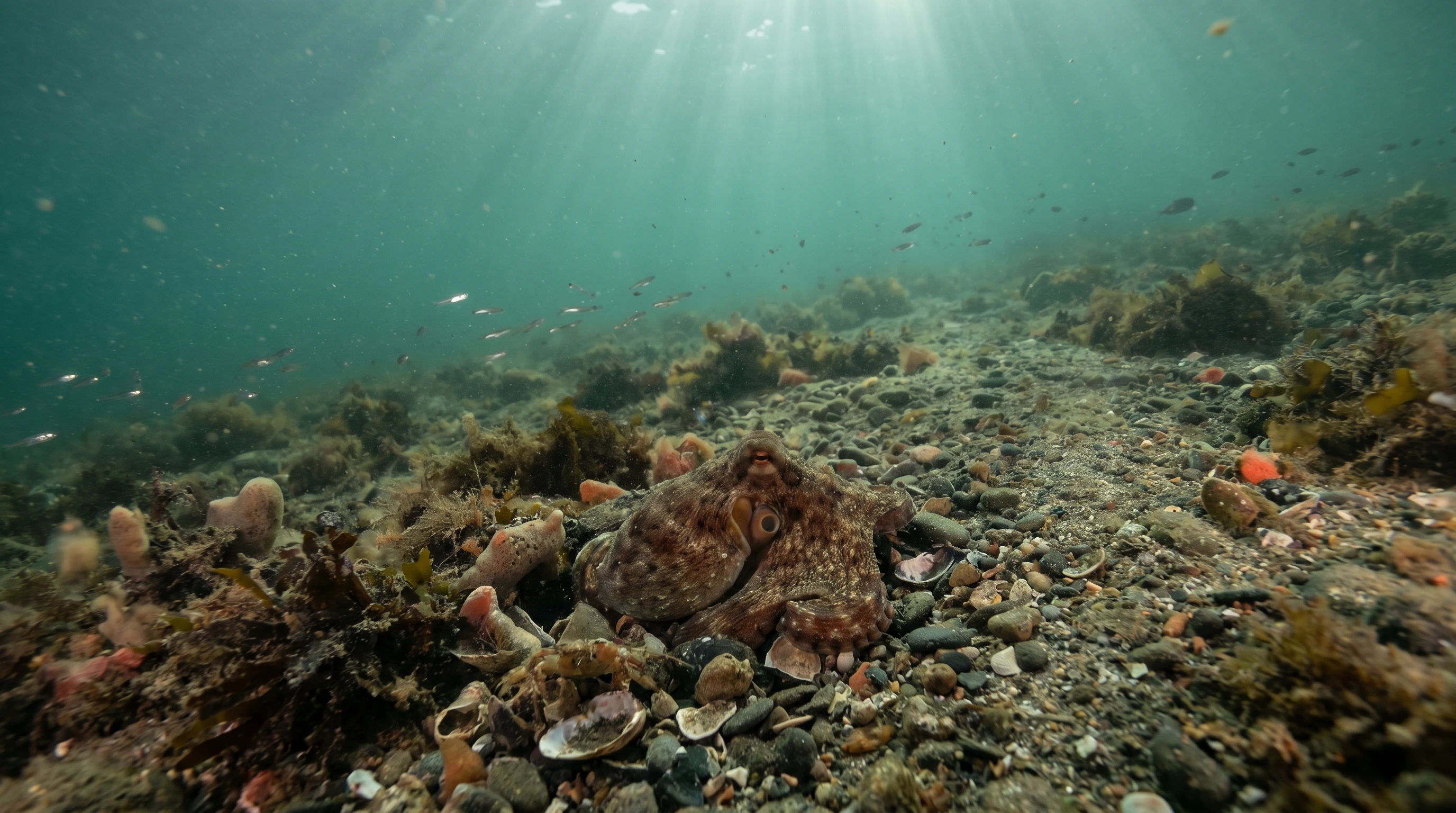
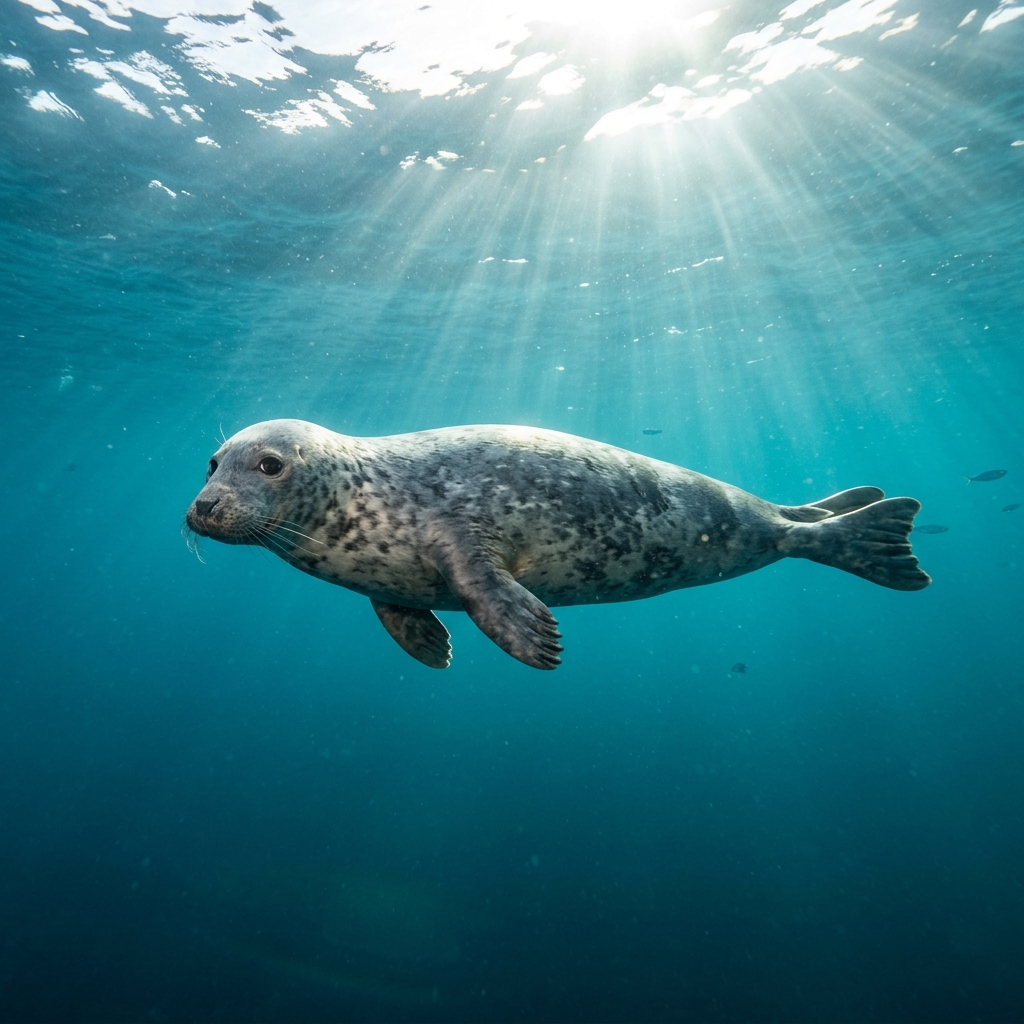
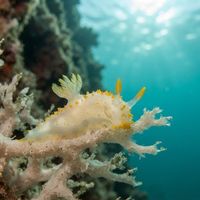
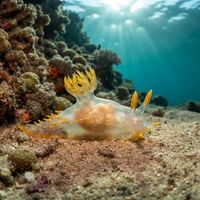
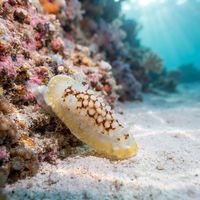
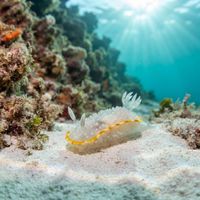
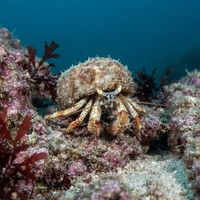
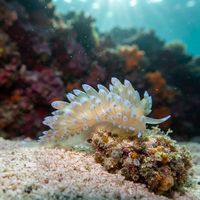
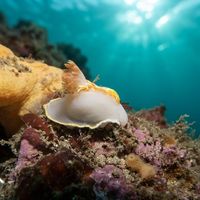
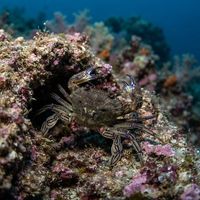
The European Common Cuttlefish and Gray Seal are among the most reliably encountered species here. Common Octopus, Velvet Swimming Crab, Corkwing Wrasse, Greater Pipefish, and Common Lobster are all regularly observed. The area is also notable for nudibranch diversity, with species including Crimora papillata, Fourline Nudibranch, Fried Egg Nudibranch, and Orange-clubbed Nudibranch recorded across many sites.
Yes, several sites suit beginners well. Babbacombe Bay offers a gentle shore entry with mild currents, while Brixham Breakwater Beach is a shallow muck diving site with an easy beach entry. Morris Rogue can also be accessed from shore and stays relatively shallow, making it a practical choice for less experienced divers.
A good number of sites are boat-access only, including Sunker Rock, Mewstone, Mudstone Ledges, and Orestone Rock. However, several sites such as Babbacombe Bay, Shoalstone Beach, and Morris Rogue offer shore entry or a choice of both. Operators including Dive Torquay, Nautilus Dive Charters, and Old Harbour Dive Centre run boat charters to the offshore sites.
The site variety is broad. Sunker Rock is a classic pinnacle rising close to the surface, while Mewstone combines reef, drift, and kelp forest in a wide depth range. Orestone Rock adds cave topography to the mix. Brixham Breakwater Beach offers a very different experience as a muck dive, rewarding patient observers with cryptic species rather than dramatic terrain.