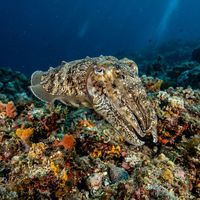
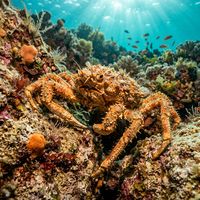
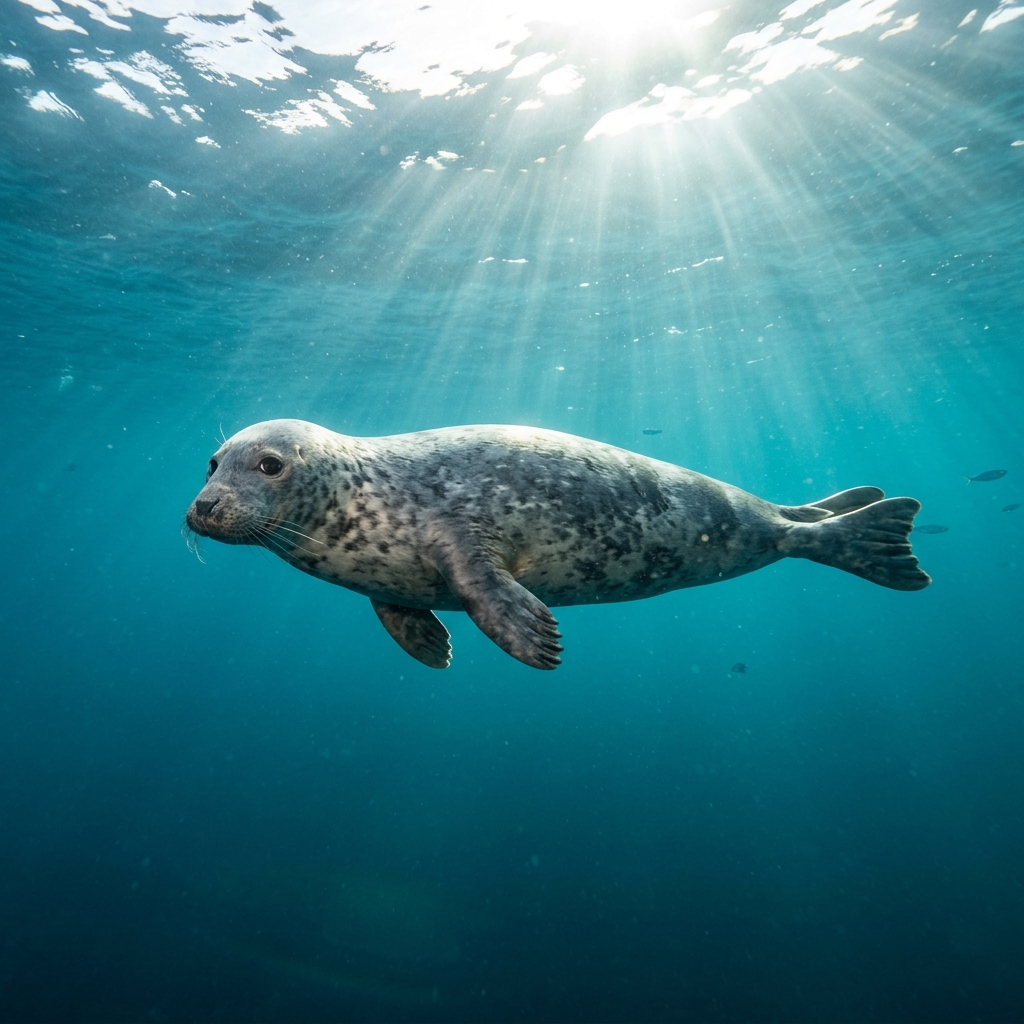
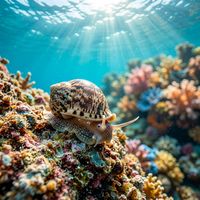
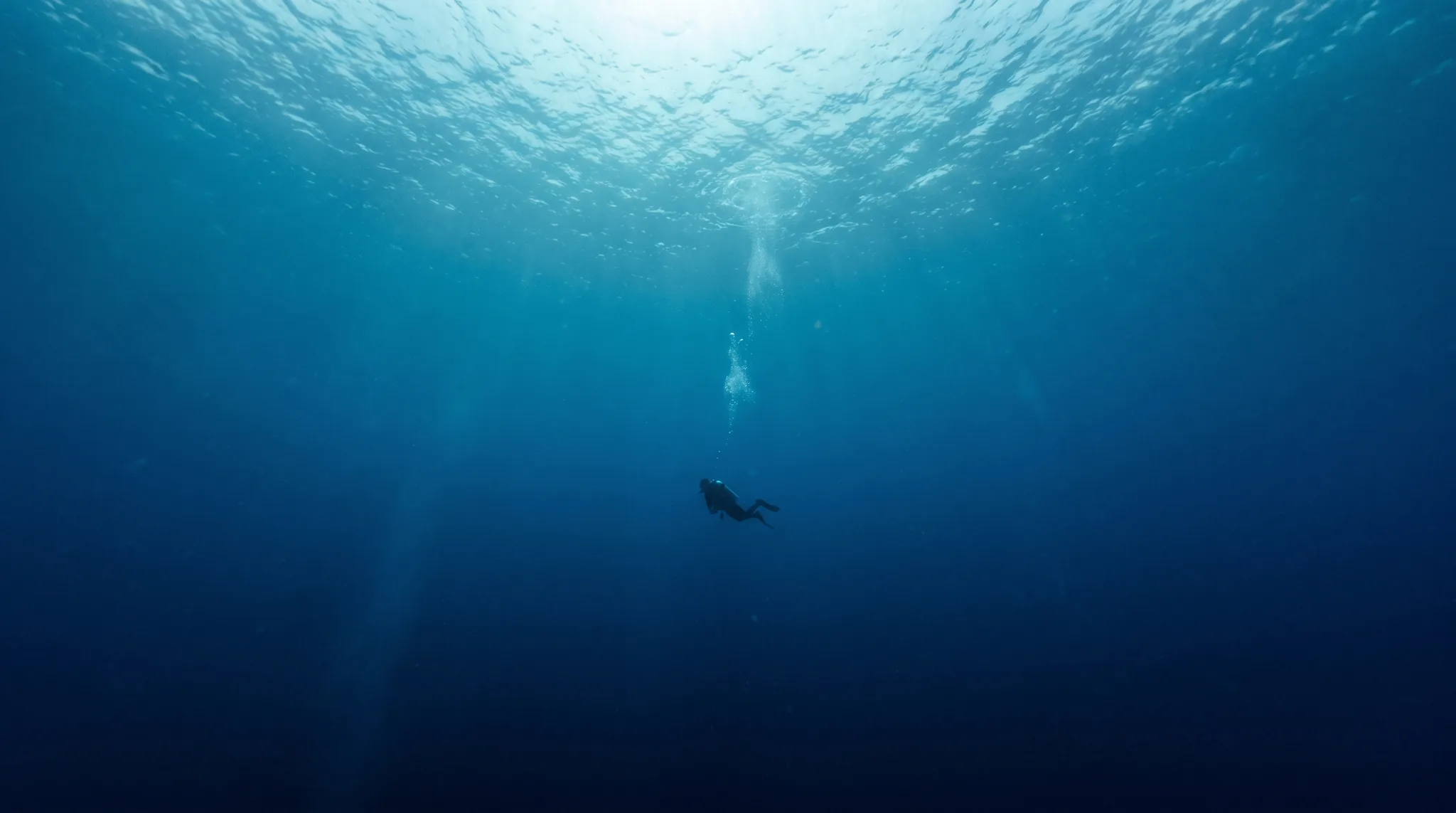
Brighton and Eastbourne offers a varied dive scene ranging from shallow, shore-accessible artificial reefs to deeper boat-access wrecks. Beginners can explore the pillar structures beneath Brighton Pier or the reef at Newhaven West Arm, while advanced divers head offshore to sites such as Clodmoor. European Common Cuttlefish and Spiny Spider Crab are seen across most sites, with occasional Gray Seal encounters adding real excitement.
Monthly water temperature across Brighton & Eastbourne's sites, from satellite sea-surface data corrected for depth. The band shows the site-to-site spread.
Water temperatures follow a pronounced seasonal curve, rising from their coolest in late winter to their warmest through late summer and early autumn. Summer and early autumn offer the most comfortable conditions and the best visibility windows, making those months the most productive for wreck and reef exploration. Winter diving is possible but demands a thick wetsuit or drysuit and suits those comfortable with colder, sometimes murky conditions.
12 operators

United Kingdom
8 more sites to explore
Water temperature around Brighton & Eastbourne ranges from about 9°C in February to 18°C in August, based on satellite sea-temperature data for its dive sites.
In the warm season (about 18°C) a 5mm suit is comfortable in Brighton & Eastbourne; in the coldest months (about 9°C) step up to a drysuit.
Fin maps 12 sites in Brighton & Eastbourne (12 scuba diving sites and 1 snorkelling spots, with some suited to both).
Across Brighton & Eastbourne's dive sites, June, July, August and September are most often reported as the best months to visit.
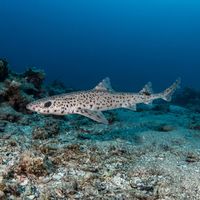
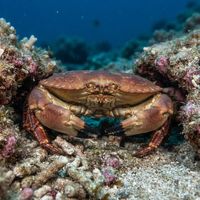
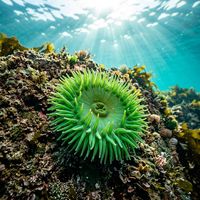
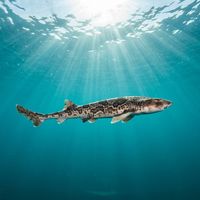
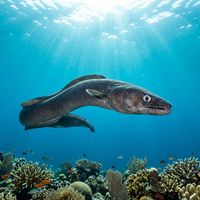
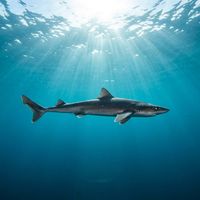
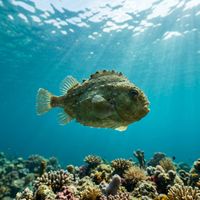
European Common Cuttlefish are spotted across virtually all sites and are the region's signature species. Spiny Spider Crab and Lesser Spotted Dogfish are also very commonly encountered, while Brown Crab and Giant Green Anemone appear regularly on reef structures. Gray Seal turns up occasionally, and Conger Eel, Pollack, and Cod have all been observed at various sites.
Several sites are well suited to those early in their diving career. Brighton Pier is a shallow, shore-entry artificial reef and wreck site rated beginner level, and Newhaven West Arm offers similar accessible conditions with both shore and boat entry options. More advanced divers can progress to deeper offshore wrecks such as Clodmoor, which requires greater experience.
A good number of sites are reachable directly from the shore, including Brighton Pier and Wide Water Beach, making independent or guided shore diving straightforward. Deeper offshore wrecks like Clodmoor require a boat, and operators including Newhaven Scuba, Channel Diving, and Planet Divers run regular trips. Newhaven West Arm can be accessed both ways, offering flexibility.
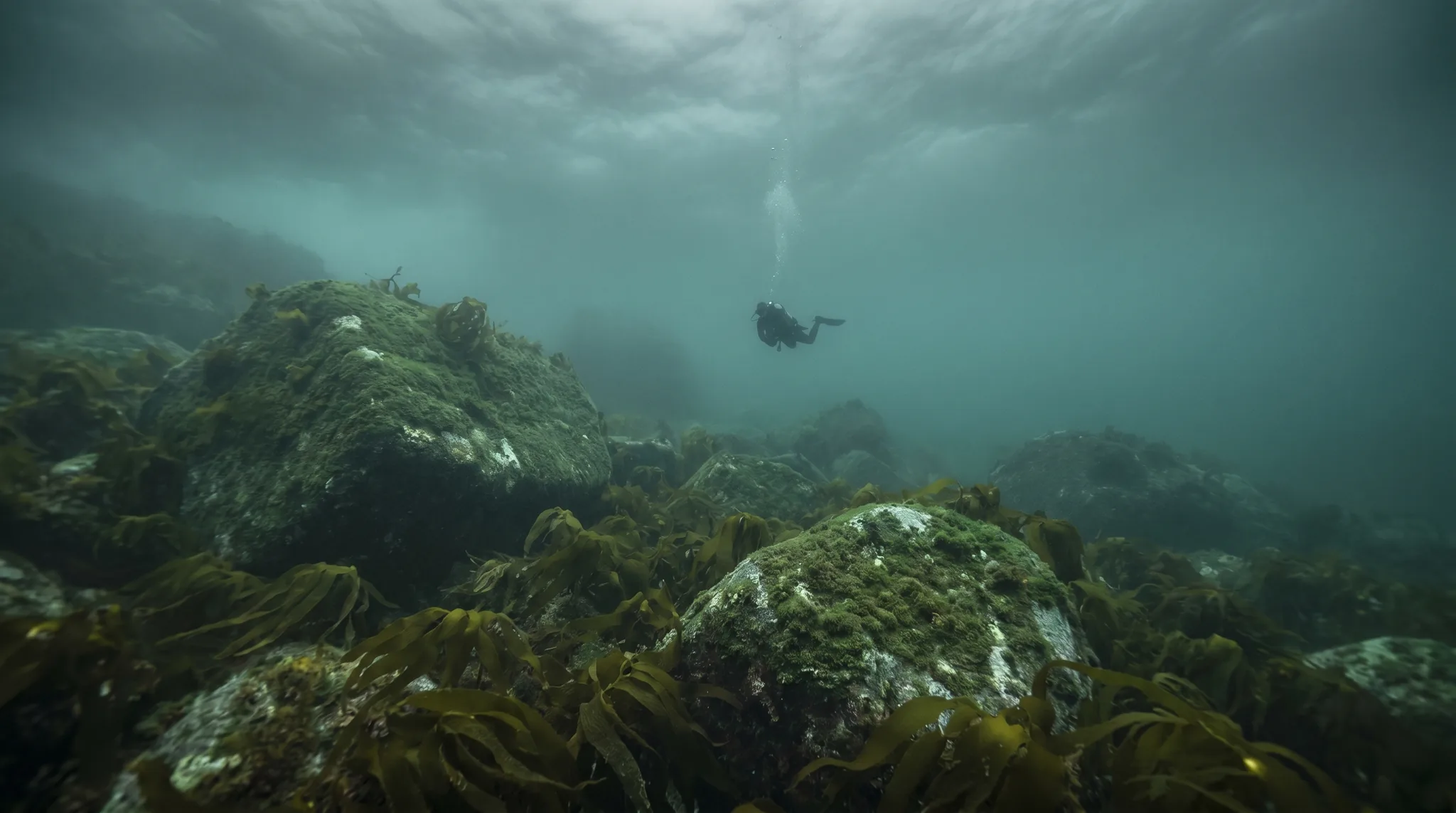
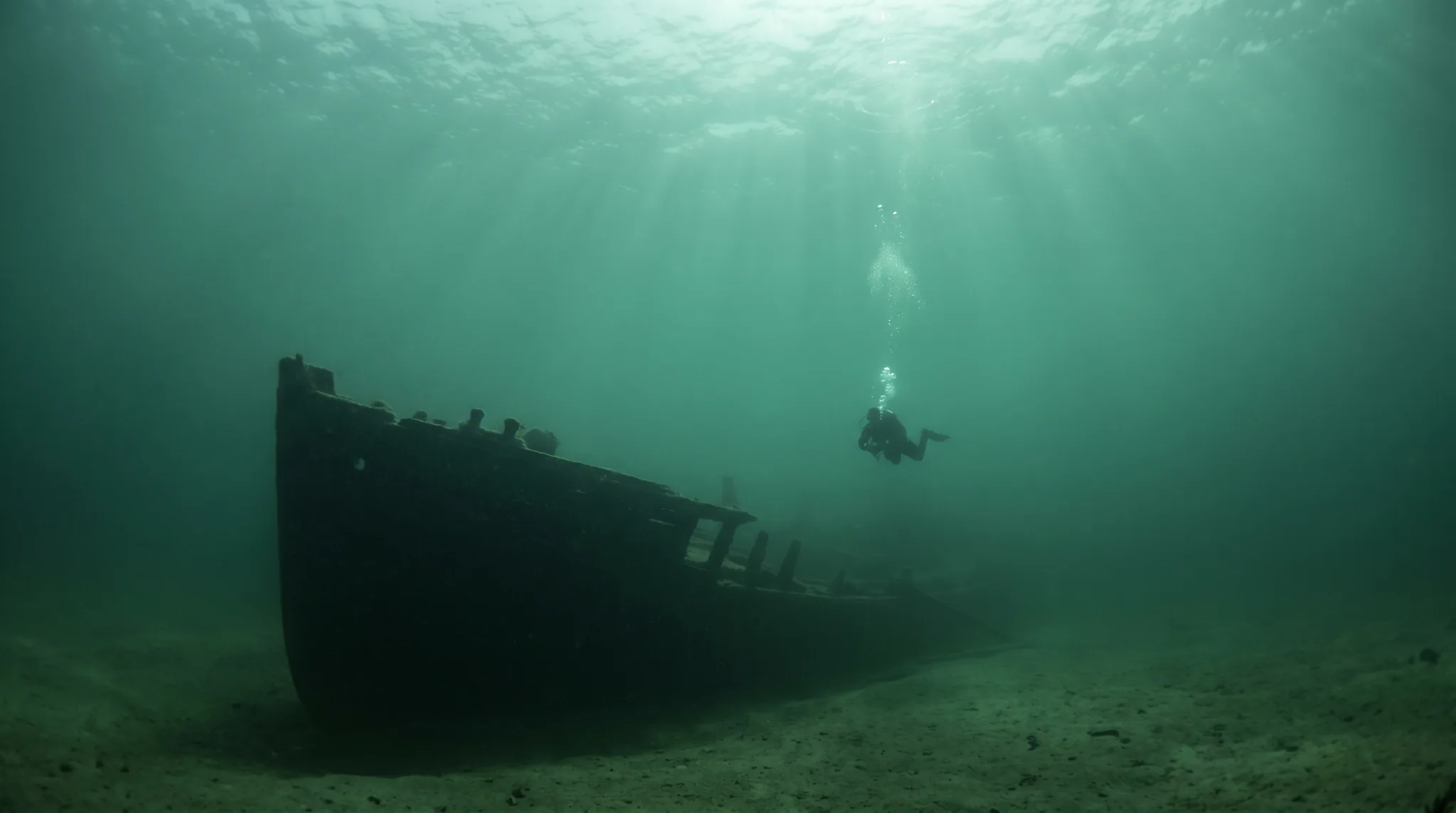
The region mixes natural reef, artificial reef, and wreck diving across a compact stretch of the Sussex Coast. Artificial reefs such as those at Brighton Pier and Newhaven West Arm support dense invertebrate life, while offshore wrecks provide structure and shelter for fish including Pollack and Cod. This variety means divers of different interests and experience levels can find rewarding options within the same area.