Homarus gammarus
Spot Common Lobster in Zeeland, the UK, and Brittany from May to October. Here's where divers find them and how to recognise them underwater.
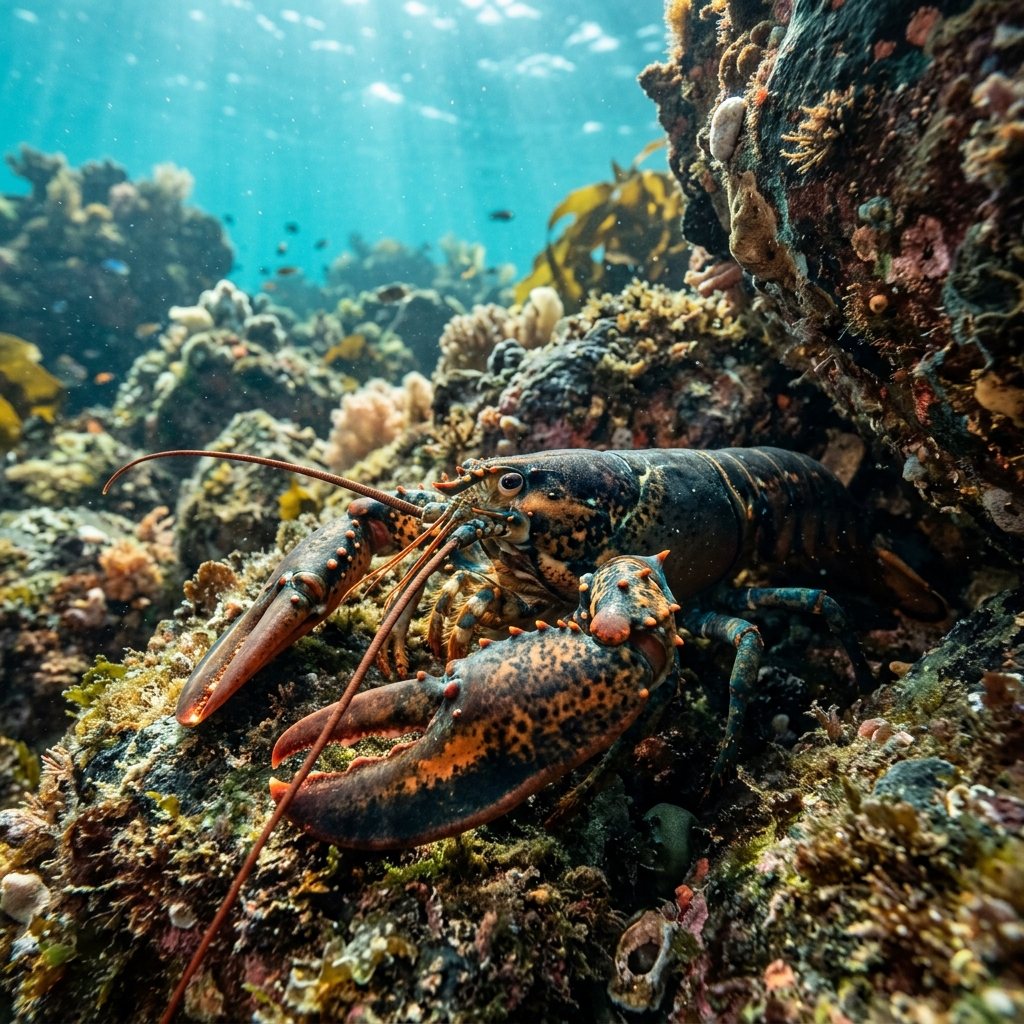
Those two unequal claws are the giveaway: one broad crushing claw and one slender cutting claw, both banded in vivid blue and orange at the tips. The body is a deep blue-green to navy with pale yellowish-orange speckling along the carapace (the hard shell covering the head and thorax), which looks nothing like the boiled-red colour most people associate with this animal. Adults can stretch impressively long, but you most often encounter just the claws and antennae poking from a rock crevice. The long, bright blue antennae, often the first thing you spot, give away a lobster tucked deep in a hole.
Common Lobsters are mostly nocturnal, so day dives tend to reveal just antennae fanning out from a rocky den or kelp-covered crack. If you approach slowly and stay low, they often hold position and can be observed at close range; rush them and they reverse rapidly into the hole using powerful tail-flicks. On night dives they emerge to forage actively across rocky reef and mixed seabed, moving with a deliberate walking gait and occasionally pausing when a light hits them.
Common Lobsters can live for several decades, and large individuals have been estimated at well over 50 years old. They moult their entire shell to grow, leaving a ghost-like shed exoskeleton behind that beginners sometimes mistake for a dead animal.
Sightings in the Northern Hemisphere concentrate between May and October, when warmer coastal waters bring lobsters into shallower, more accessible habitat. Outside those months, activity drops off and animals retreat to deeper or more sheltered ground.
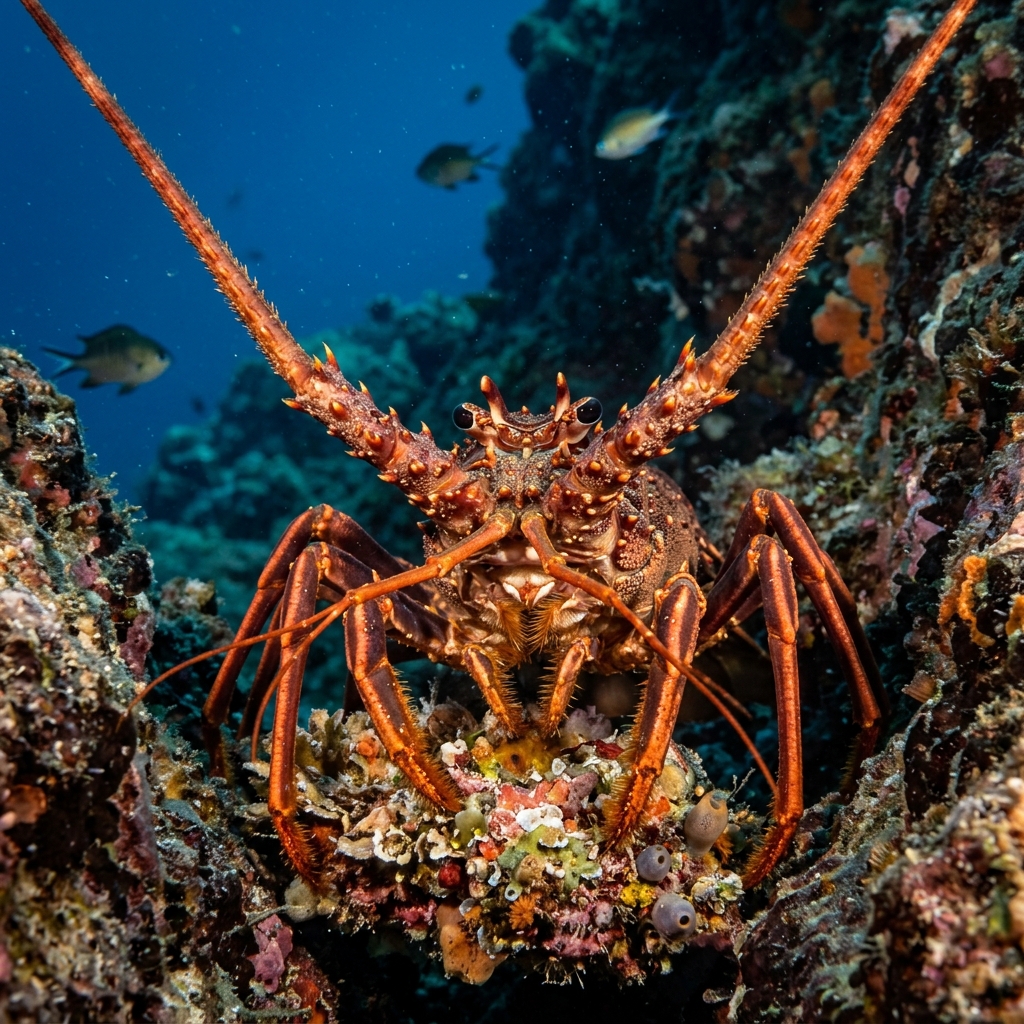
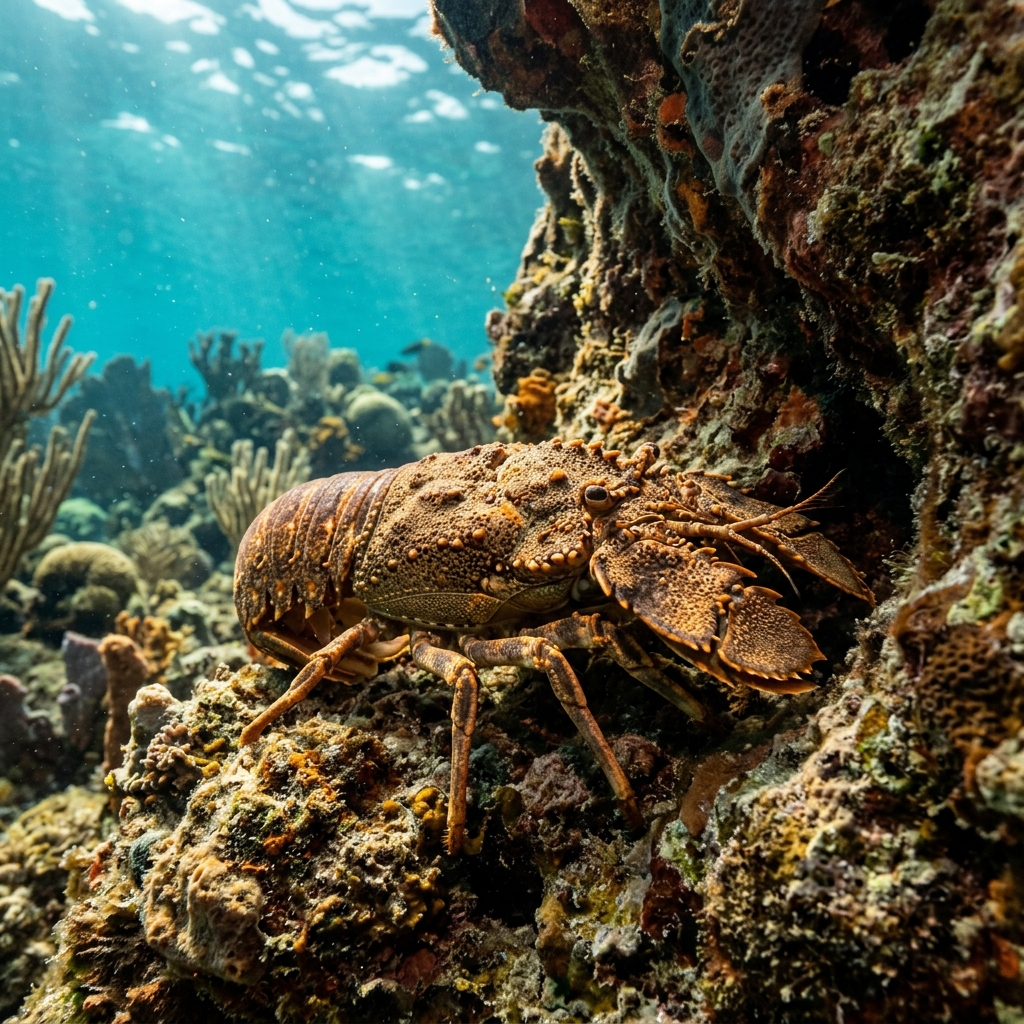
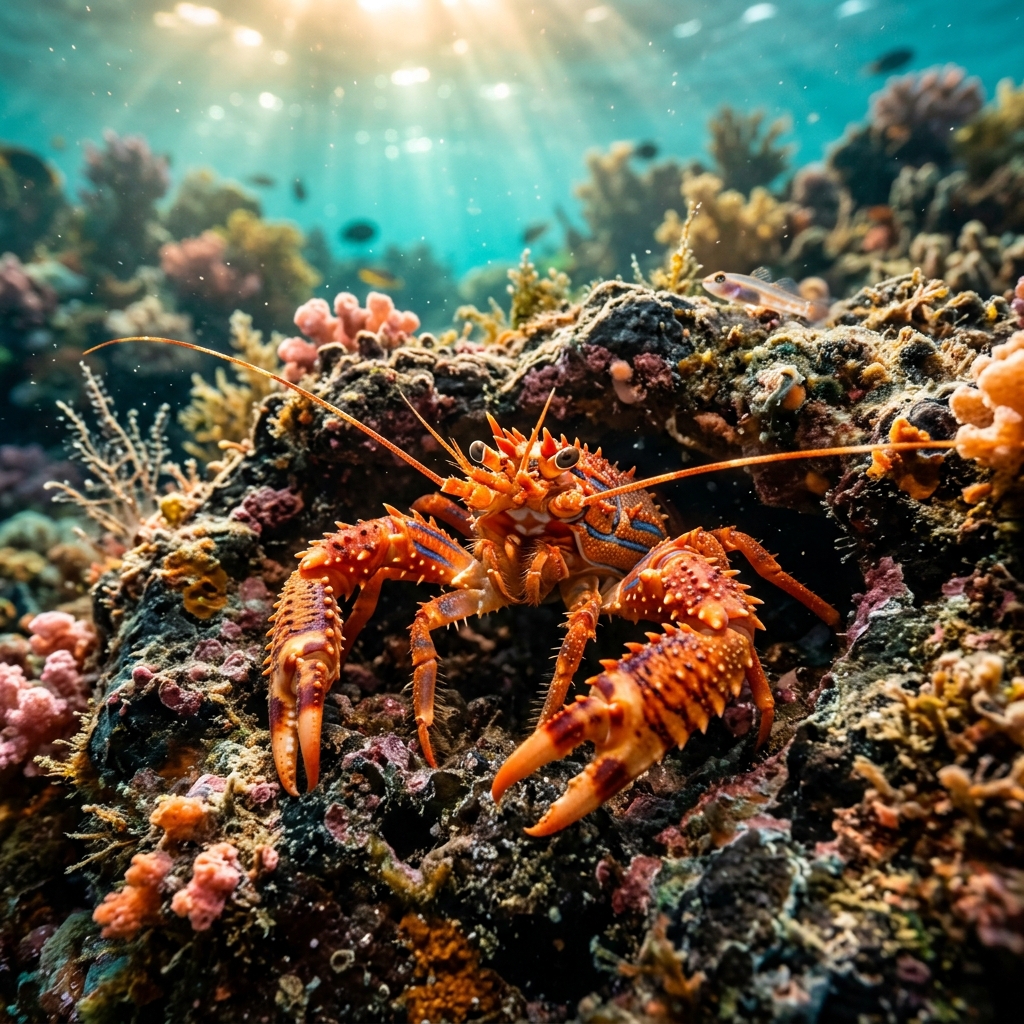
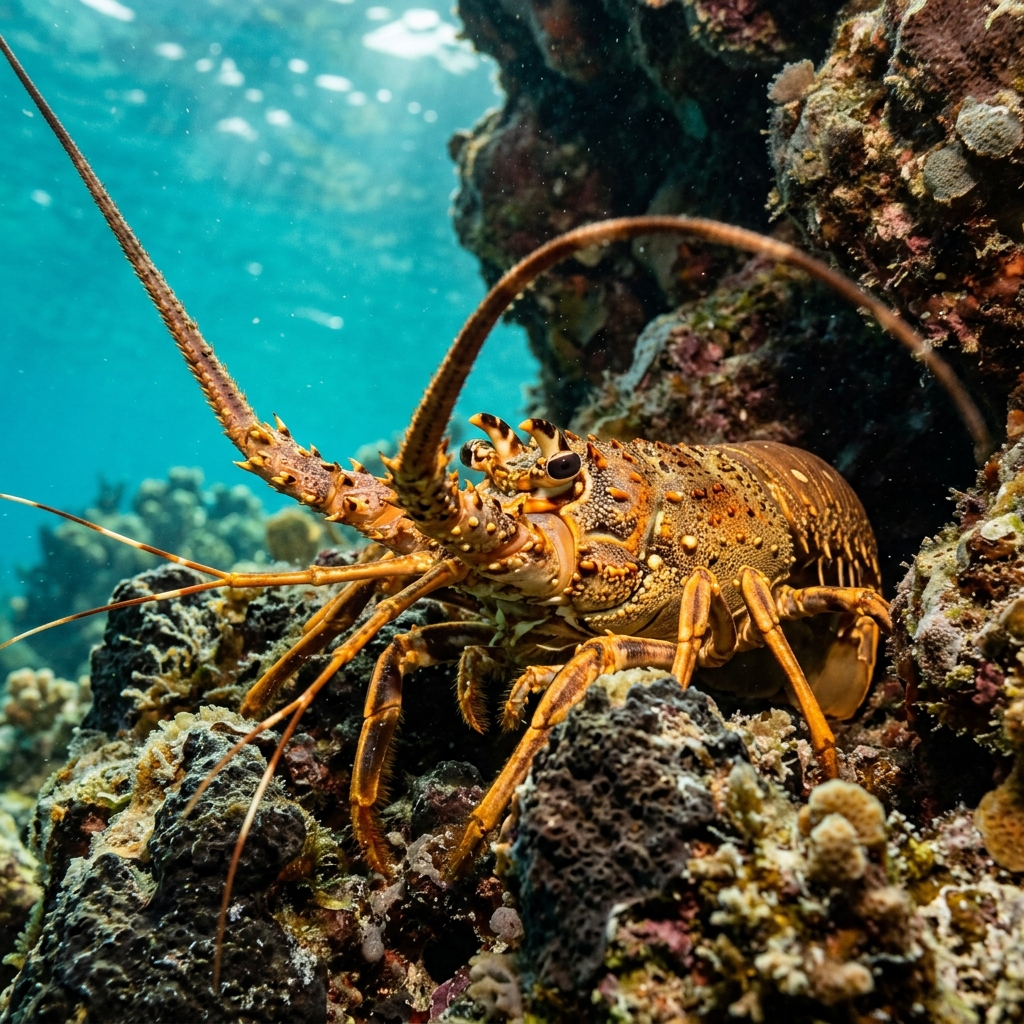
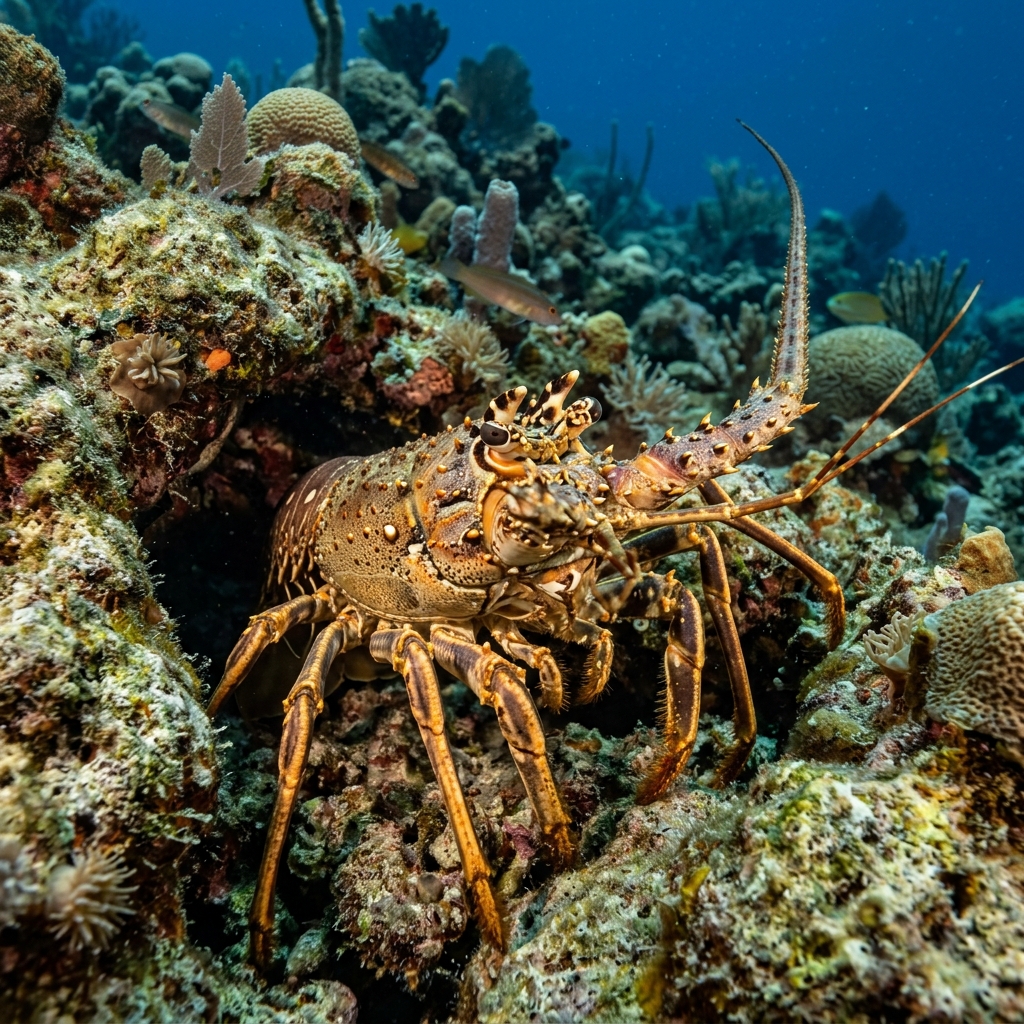
Reef neighbours a diver could mistake it for. Use the identification notes above to tell them apart.
Most consistently logged across the United Kingdom, with Northern Ireland, Scotland's west coast, and South West England and Wales all producing regular records. The Netherlands, particularly Zeeland, and France's Brittany and Normandy coasts are strong spots in continental Europe. Canada's Nova Scotia and the Bay of Fundy round out the top sites for North Atlantic divers.
Mapping where Common Lobster is logged…
The most reliable dive sites are spread across the United Kingdom, the Netherlands (especially Zeeland), and France's Brittany and Normandy coast. Canada's Nova Scotia and Bay of Fundy, plus Sweden, Italy, and Croatia, also produce regular sightings. Rocky reefs, kelp beds, and mixed hard-ground habitats in these regions offer the best chances.
May through October is the core season across Northern Hemisphere sites. During these months, lobsters move into shallower water and are more active in the temperature range that suits them. Night dives during this period offer the best chance of seeing one fully out in the open rather than tucked inside a crevice.
Look for two large, unequal claws banded in blue and orange at the tips, a deep blue-green carapace with pale speckling, and long bright blue antennae. The European Spiny Lobster lacks claws entirely and has a spiny, more reddish-brown shell, making the two easy to separate once you know what to look for.
In the wild, Common Lobsters can exceed 60 cm from rostrum (the pointed projection between the eyes) to tail and weigh several kilograms, though such large individuals are increasingly rare in heavily dived or fished areas. Most animals encountered by divers are noticeably smaller, in the 20 to 40 cm range.
Site and sighting data is aggregated from diver logs, iNaturalist and GBIF. For taxonomy and conservation status:
Caribbean Spiny Lobster
2,209 sites