Chrysaora hysoscella
Spot the Compass Jellyfish in Zeeland, the UK, and Istria between April and August in cool Atlantic and Adriatic waters.
Safety warning
This species can sting on contact with its tentacles, which may trail well beyond the body and can still sting after the animal is dead or washed up. Look but do not touch, and give it a wide berth.
If you're stung
Stinging tentaclesGeneral first-aid guidance, not a substitute for professional medical care. In an emergency, call your local emergency number.
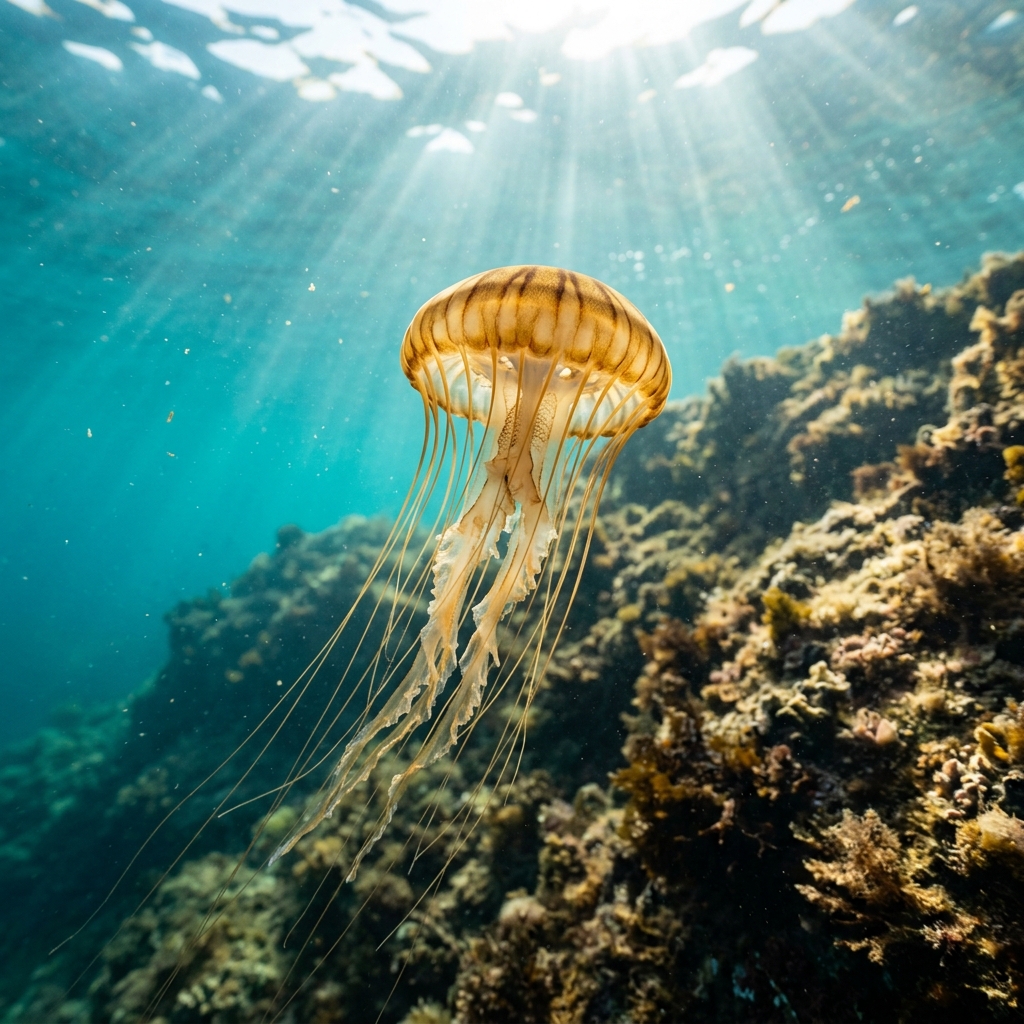
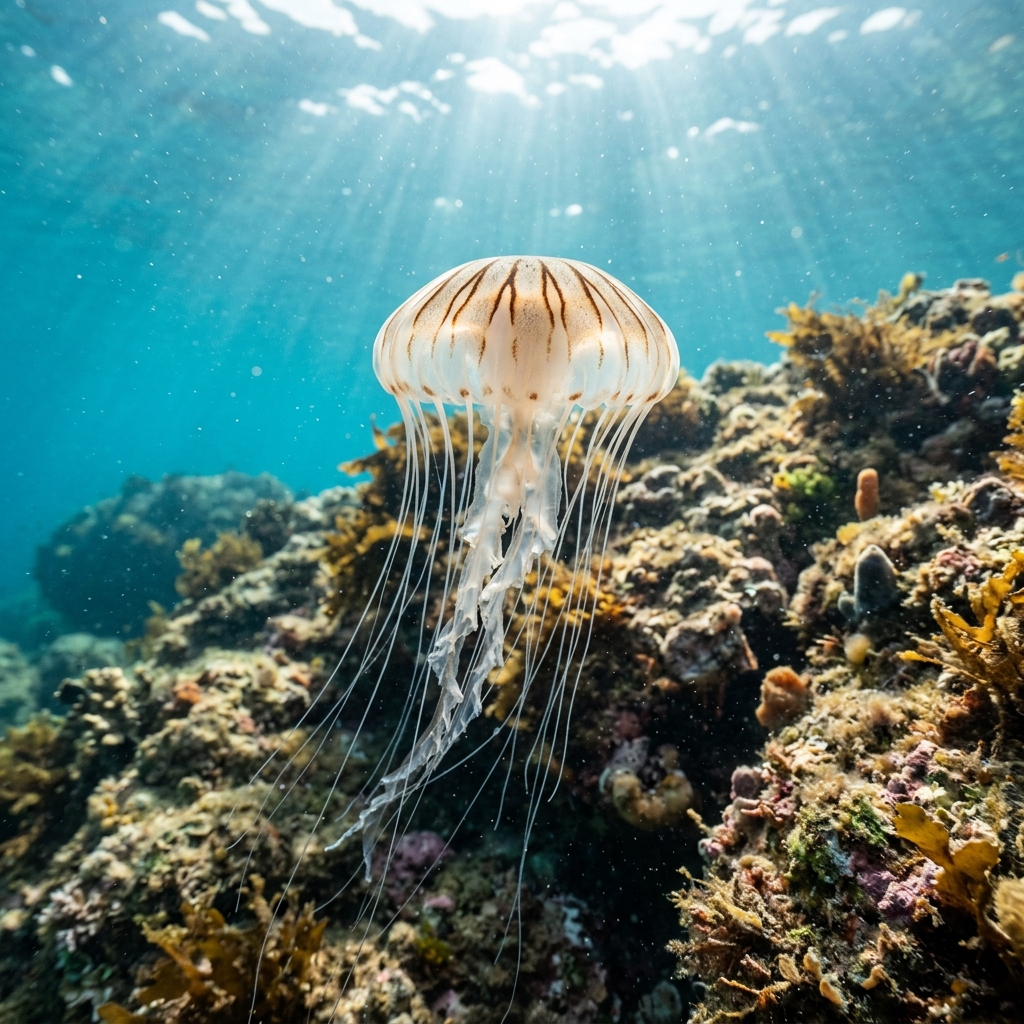
Look for a large, saucer-shaped bell, typically pale yellow or cream, patterned with around 32 bold brown V-shaped or chevron markings radiating out from the centre like compass points on a chart. Long, fringe-like marginal tentacles hang from the bell's edge, and four thick, ruffled oral arms trail beneath it. In the water the pattern is distinctive enough that once you have seen it you will not mistake it for anything else in European seas.
Compass jellyfish drift with currents rather than actively swimming, so encounters are largely at the mercy of tidal flow and wind direction. You will most often find them in open water or just below the surface, pulsing their bells steadily. They show no particular reaction to divers and will continue their slow drift whether you are nearby or not.
The compass jellyfish's radial markings are not just decorative: they correspond to the radial canals of its digestive system, making the bell a literal window into its internal anatomy. Blooms can be dense where conditions align, so a day with a single sighting might be followed by dozens the next.
In the Northern Hemisphere, sightings concentrate from April through August, when water temperatures in its preferred range of roughly 8 to 19 °C and spring plankton blooms draw jellyfish toward the surface.
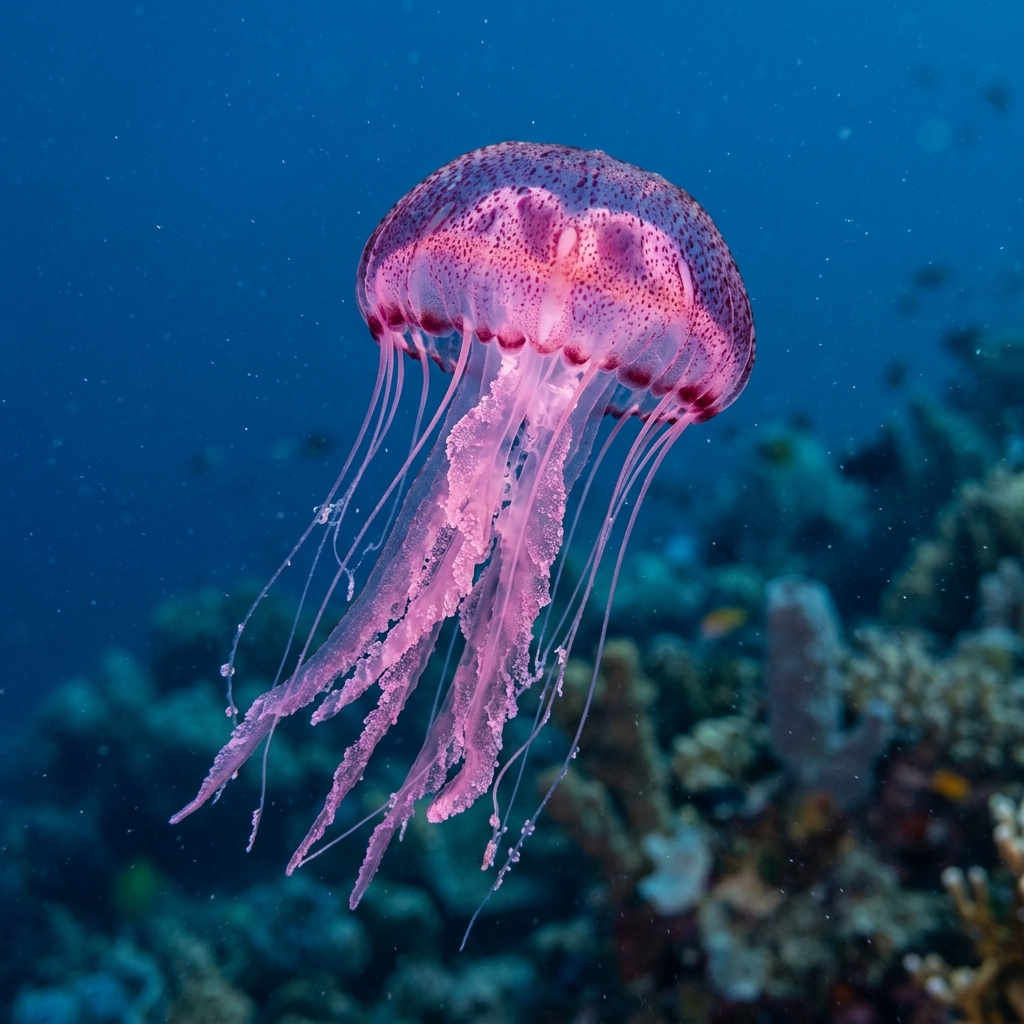
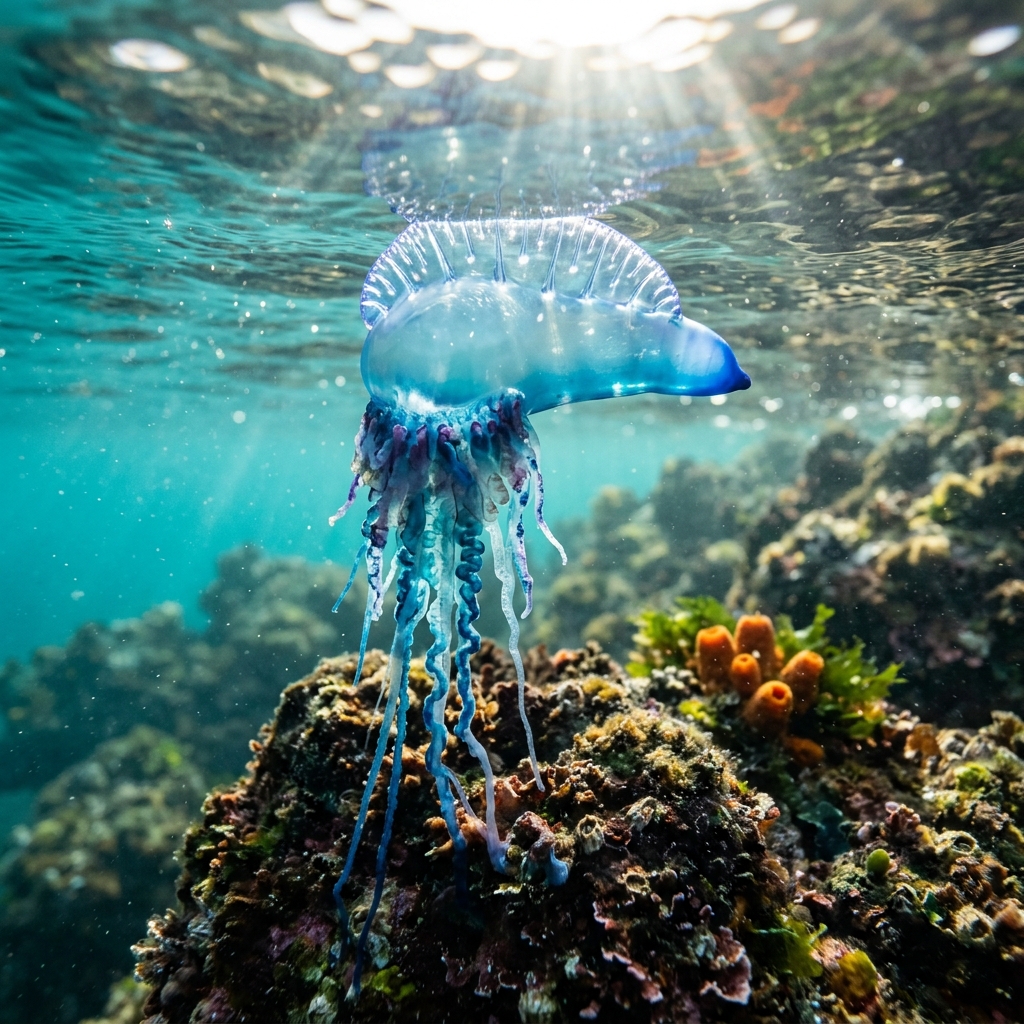
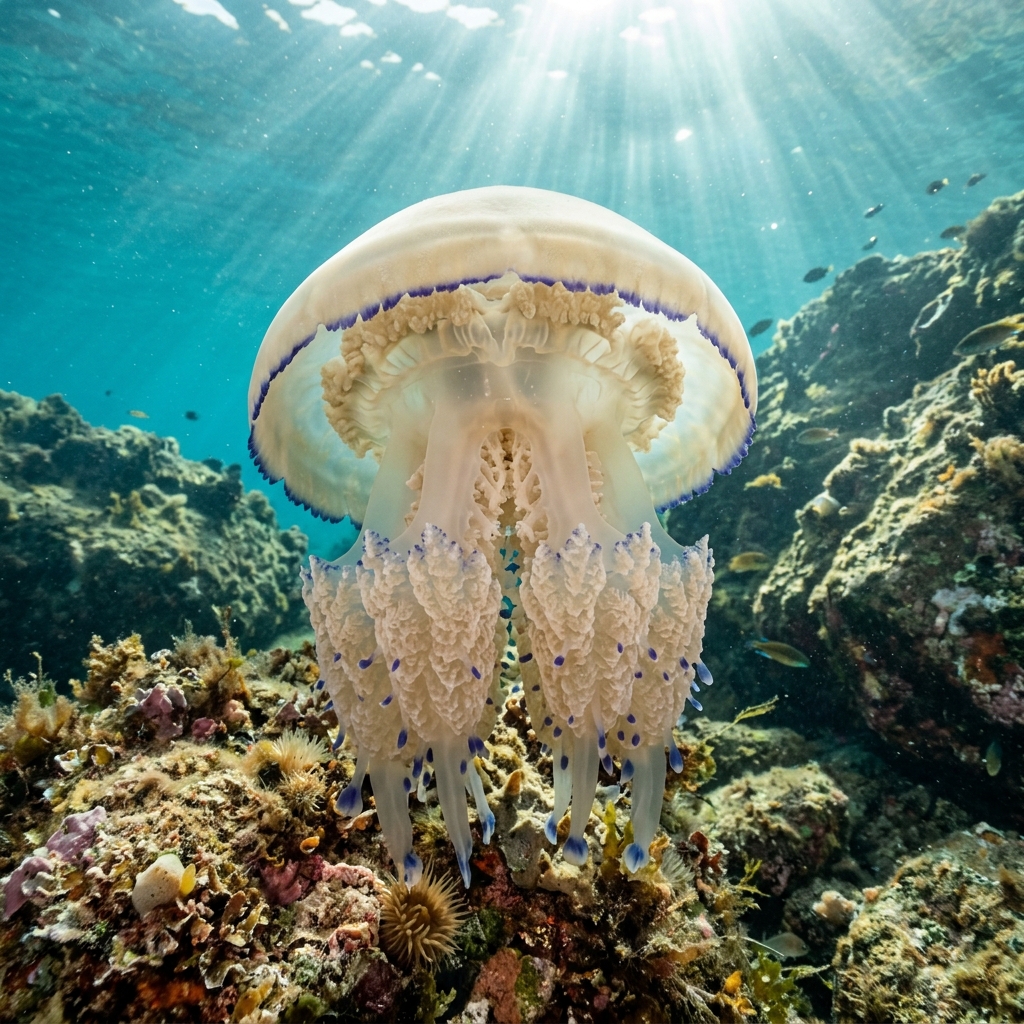
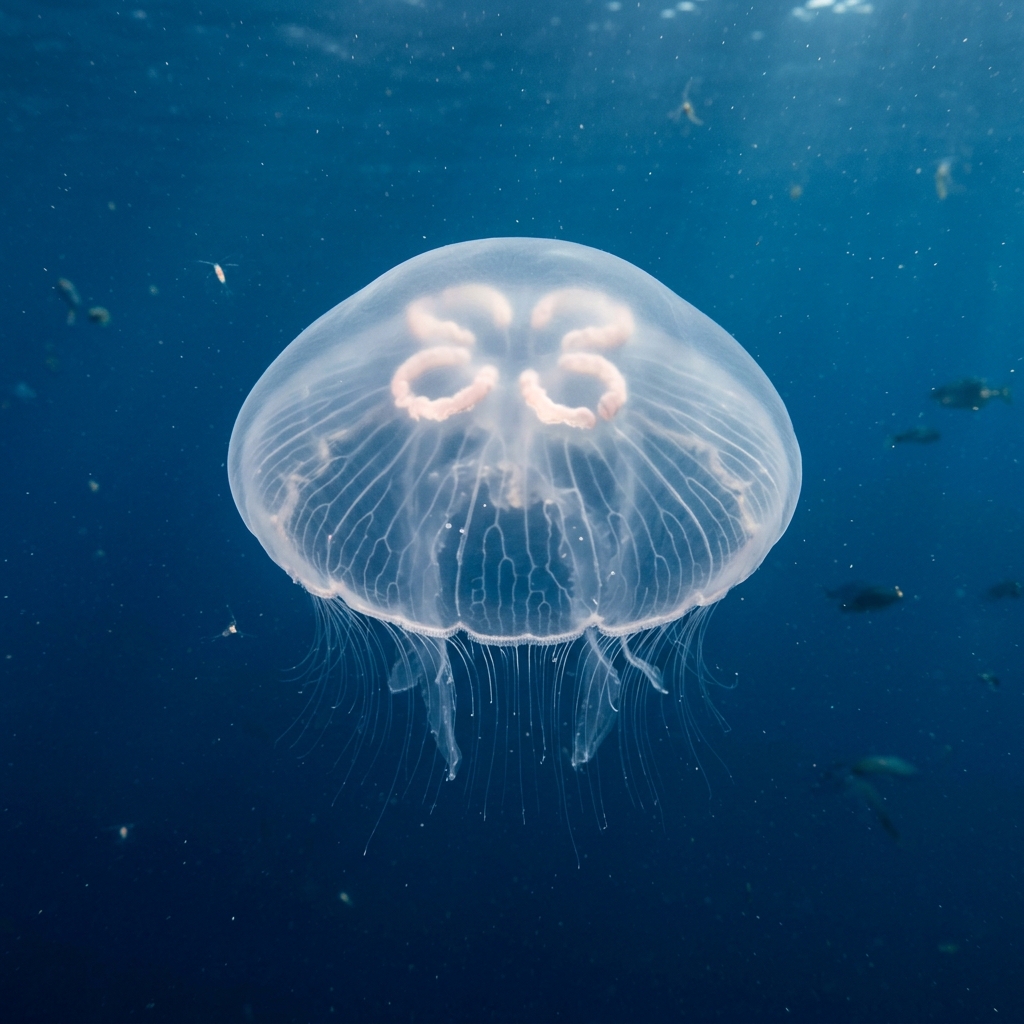
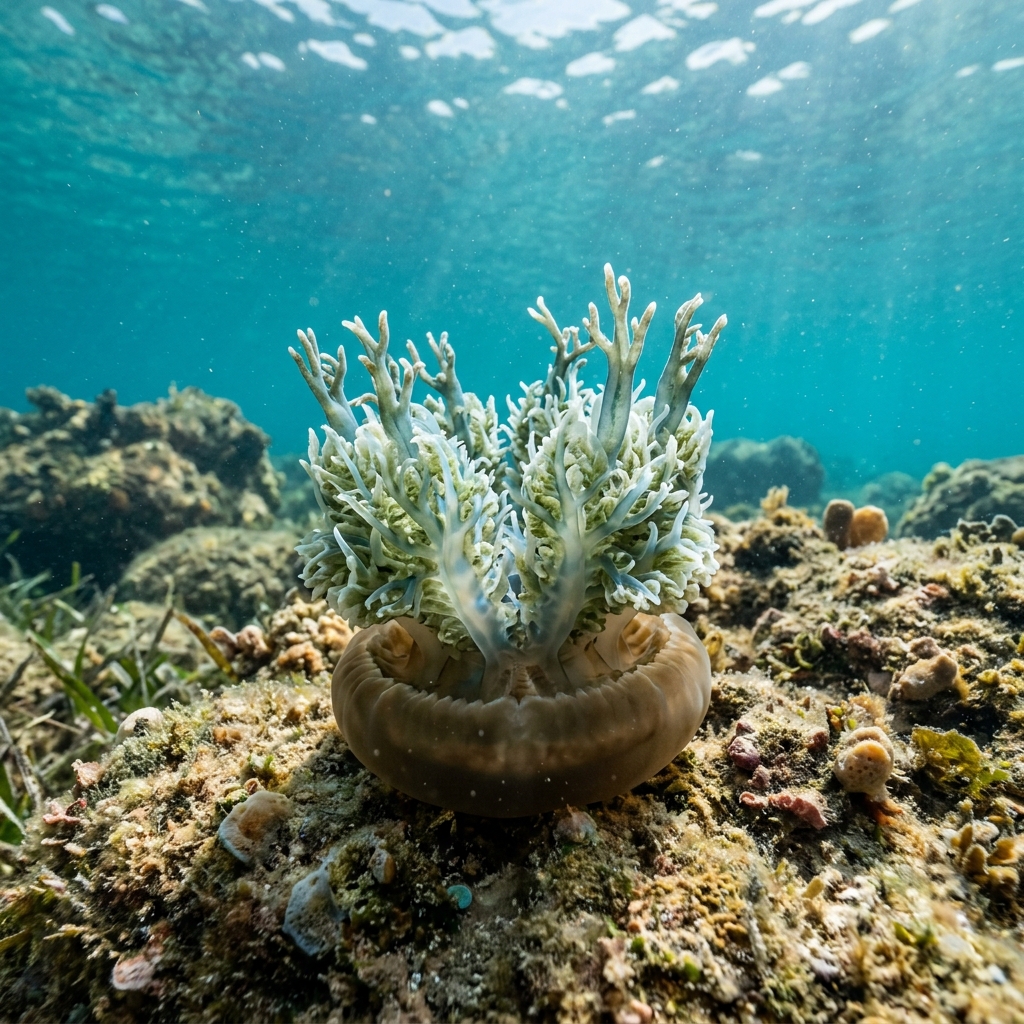
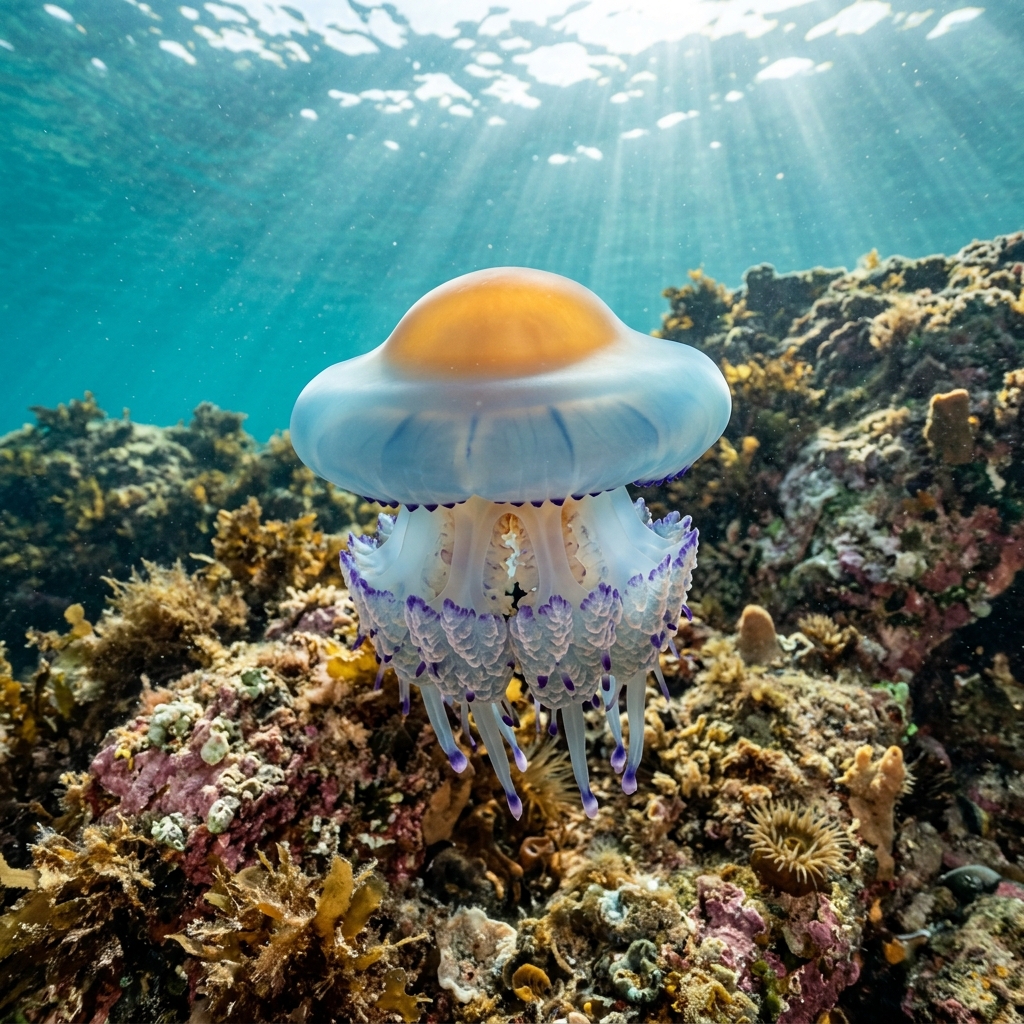
Reef neighbours a diver could mistake it for. Use the identification notes above to tell them apart.
Most commonly logged in the Netherlands (particularly Zeeland), the United Kingdom (South West England and Wales, South Coast, and Northern Ireland), and Croatia (Istria), making European Atlantic and Adriatic waters the clear heartland for sightings. Ireland, Portugal's Algarve coast, France, Slovenia, and Montenegro also produce records, so the whole north-eastern Atlantic seaboard and upper Adriatic are worth watching.
Mapping where Compass Jellyfish is logged…
Strong sighting records come from Zeeland in the Netherlands, South West England, South Coast England, Northern Ireland, and Istria in Croatia. Ireland, Portugal's Algarve, and France also have reliable sightings, placing this as a primarily north-east Atlantic and upper Adriatic species.
April to August is the peak window in the Northern Hemisphere. Spring plankton blooms fuel the jellyfish's food supply, and surface water temperatures in the cool-to-temperate range this species favours are most stable during those months.
The key feature is the pattern of roughly 32 brown V-shaped chevrons on a pale cream or yellowish bell, radiating outward like compass points. Long marginal tentacles and four ruffled oral arms complete the picture. No other common jellyfish in European waters shares this precise chevron pattern.
The bell typically grows to around 30 cm across, though larger individuals approaching 40 cm are recorded. The trailing tentacles can extend considerably further, sometimes reaching a metre or more, so the animal appears much larger in the water than the bell diameter alone suggests.
Compass jellyfish are not considered dangerous to divers. Like most jellyfish they have stinging cells, and bare skin contact with the tentacles can produce a mild sting, so it is sensible to avoid touching them. With a wetsuit covering most of your skin, a routine encounter poses no real risk.
Site and sighting data is aggregated from diver logs, iNaturalist and GBIF. For taxonomy and conservation status:
Moon Jellyfish
1,766 sites