Alcyoniidae spp.
Pale, lobed soft coral carpeting cold-water reefs from Scotland to Brittany. Find out where to see Dead Man's Fingers and when to dive them.
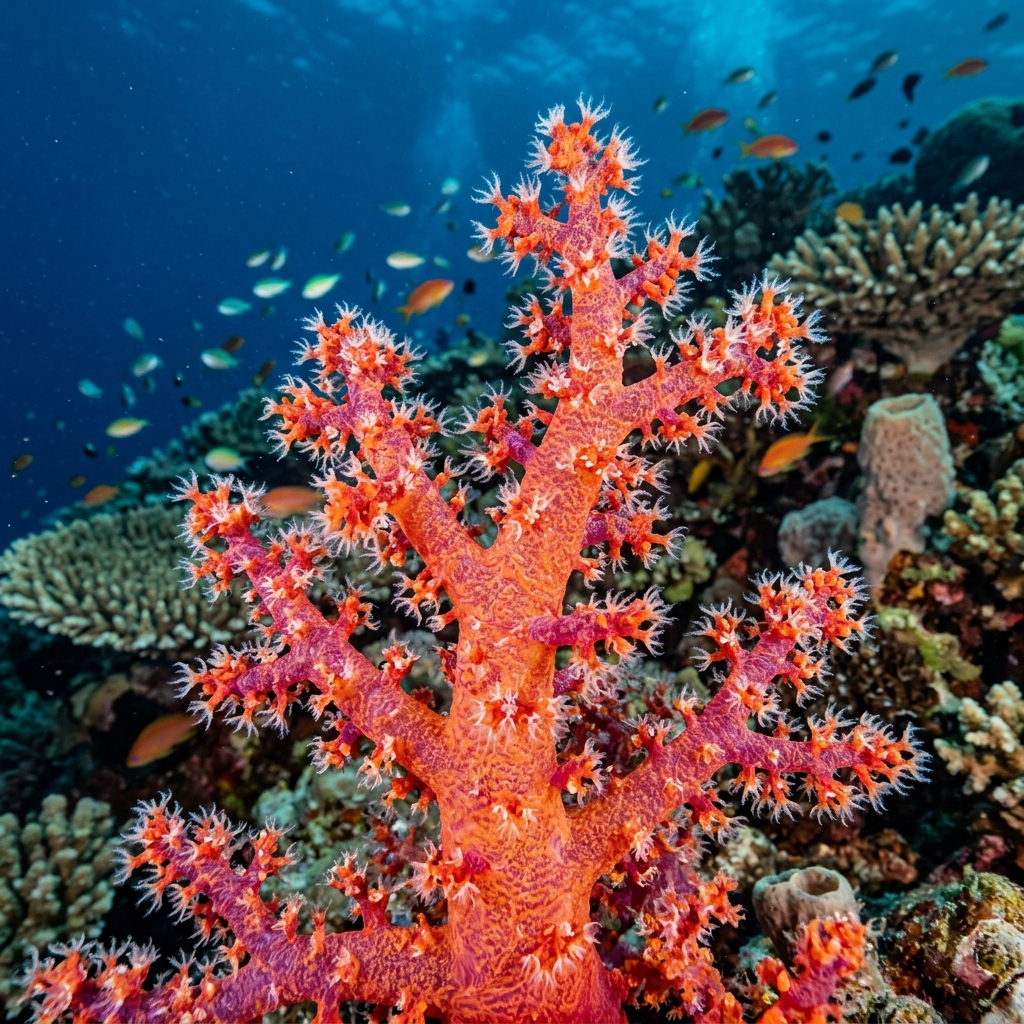
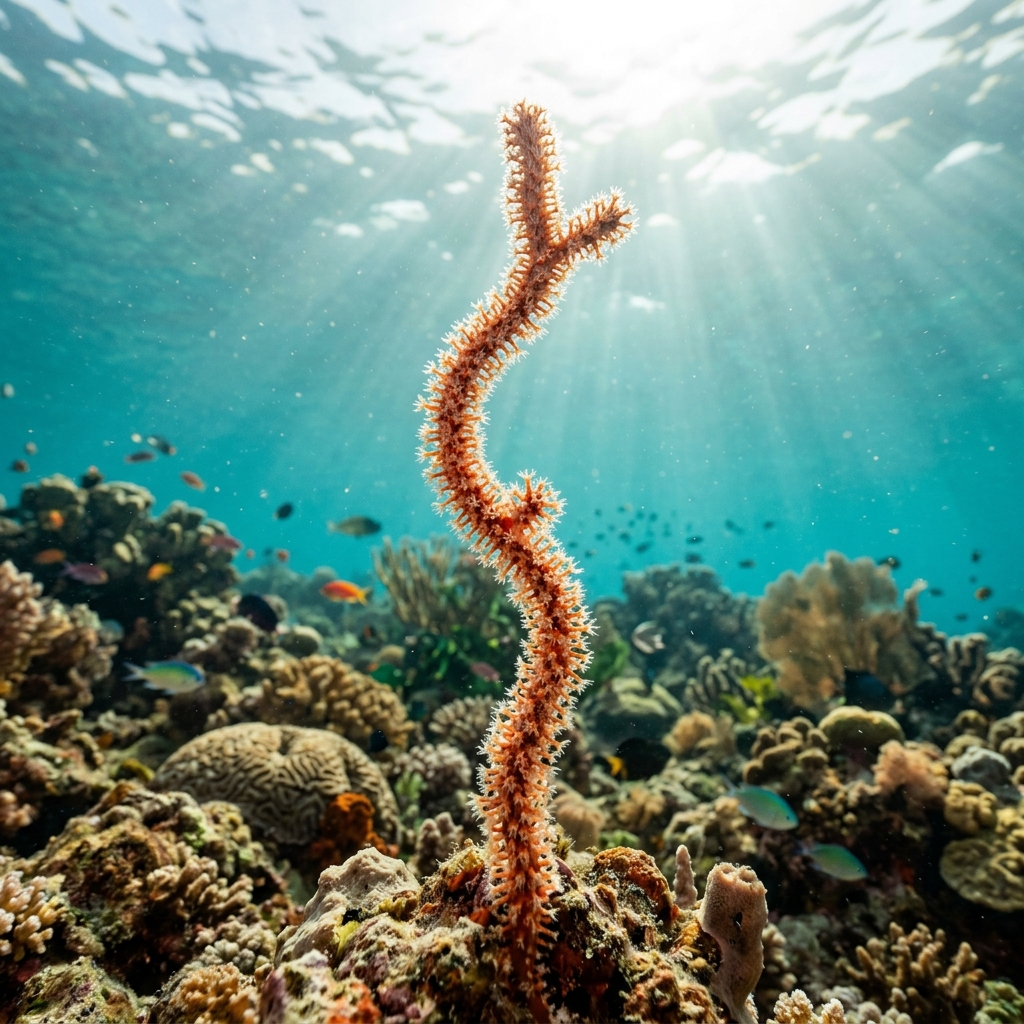
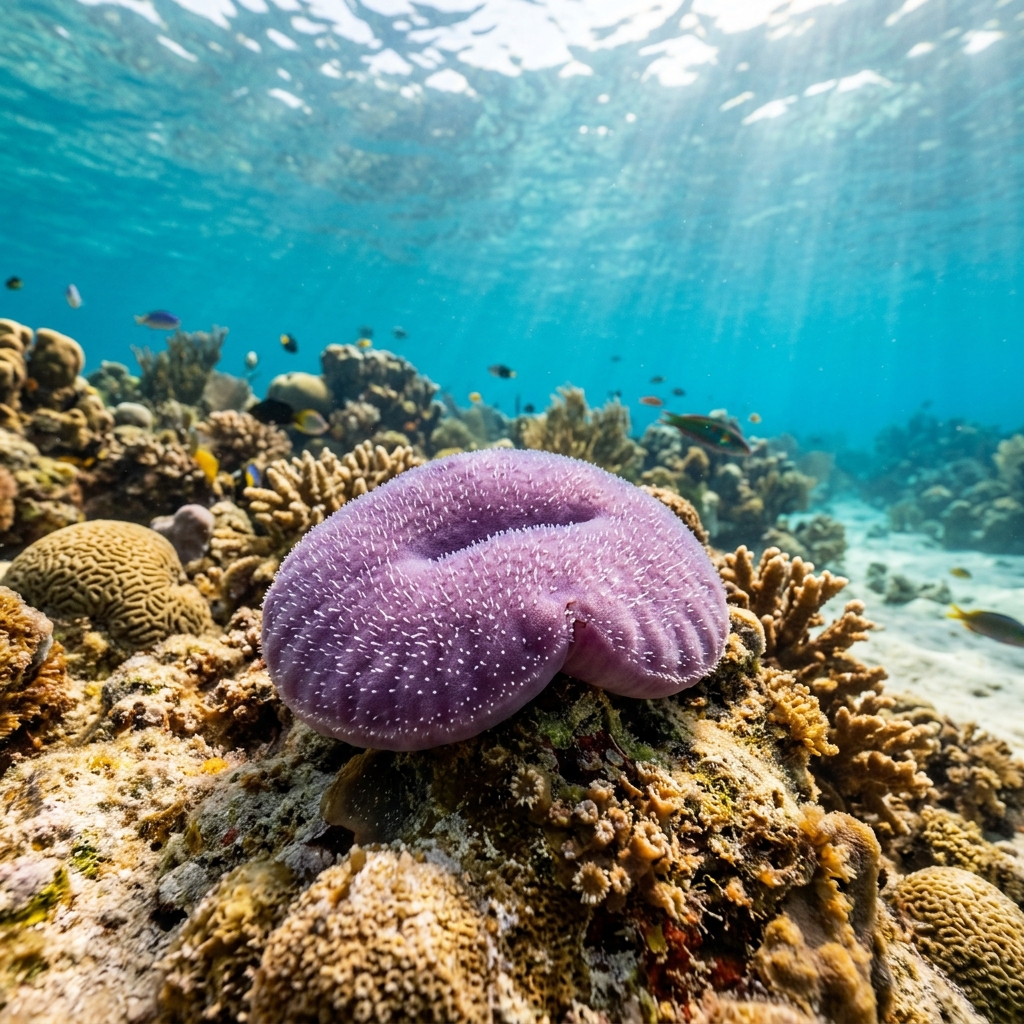
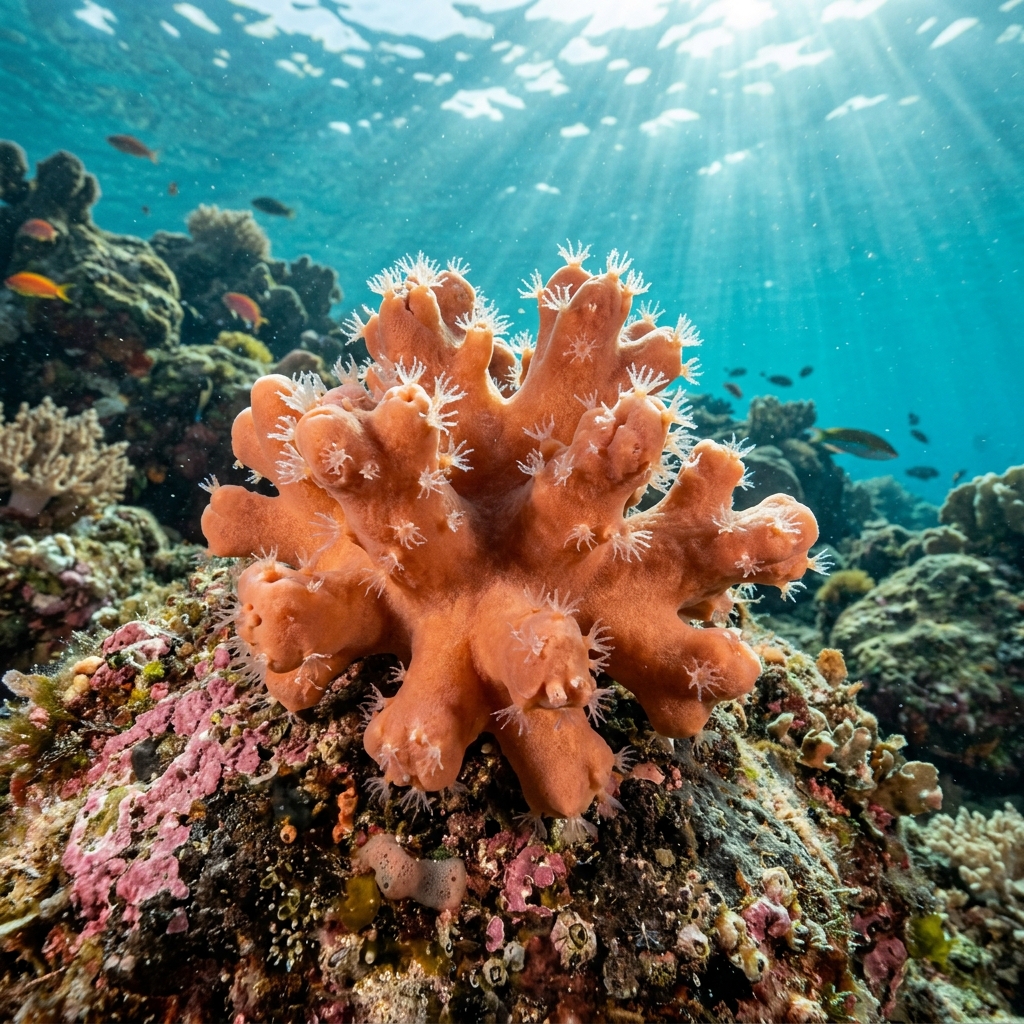
Pale, fleshy lobes in cream, white, or yellow-tinged tones cluster together on rocky surfaces, looking eerily like a hand of bloated fingers, hence the name. When polyps are extended, each lobe is furred with tiny eight-tentacled feeding arms (octocoral polyps) that give the colony a soft, feathery texture. Retracted colonies shrink back into smoother, waxy-looking blobs that can seem almost rubbery to the eye. Colonies range from a few centimetres to palm-sized clusters, and you will often find several growing together on the same boulder or wall.
Colonies are sessile (fixed in place), so what changes is the polyp state, catch them in calm, well-oxygenated current and the polyps fan out fully, turning each lobe into a fuzzy feeding structure. In surge or after disturbance they contract back to smooth, compact lumps. You will find them on shaded vertical walls, under overhangs, and on current-swept boulders from the shallows down, often alongside sponges and jewel anemones.
Dead Man's Fingers belong to the octocoral group, meaning every polyp has exactly eight tentacles, a handy fact when you want to distinguish them from true stony corals or anemones while underwater.
In the Northern Hemisphere, sightings concentrate between February and October, with colonies present on temperate and cold reefs through the cooler months and into summer. Given their preference for water temperatures between roughly 5 and 17 °C, they suit the typical dive season across the British Isles, northern France, and the North Sea coast.
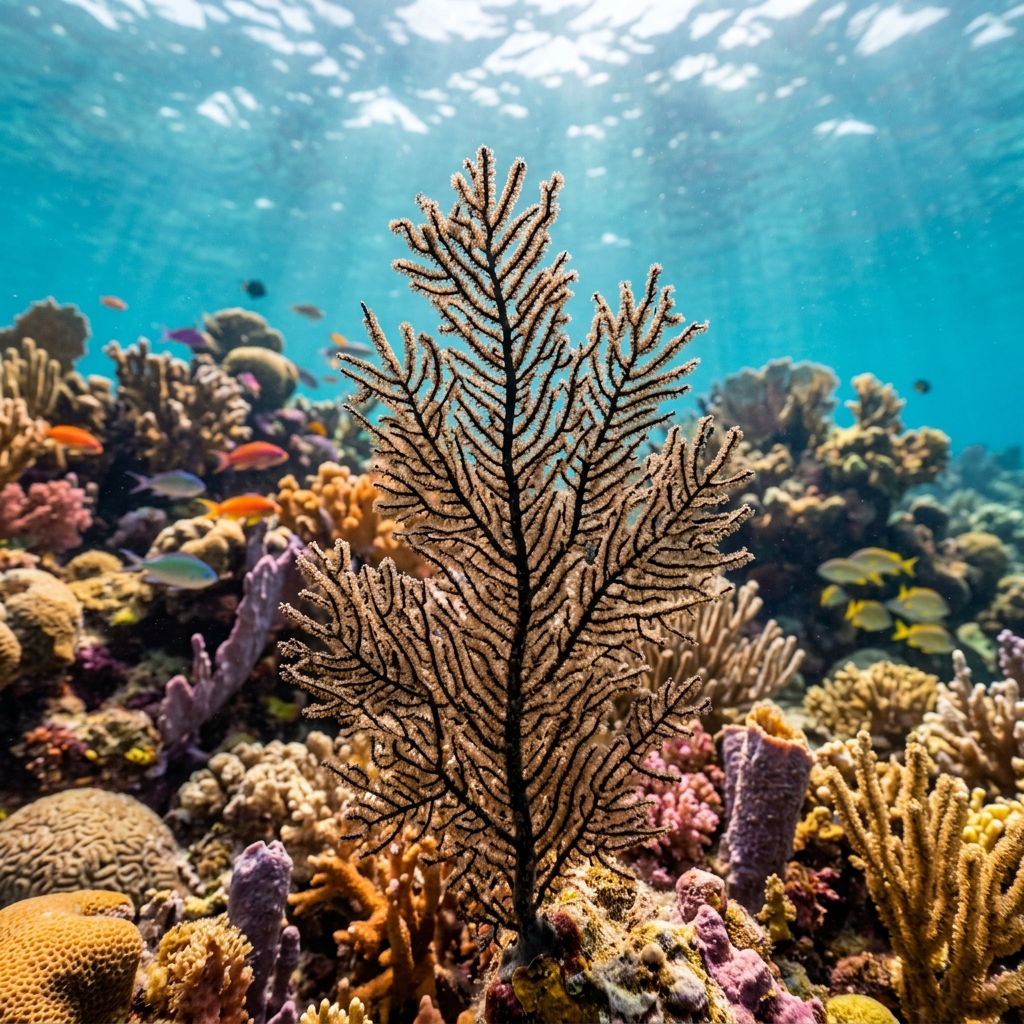
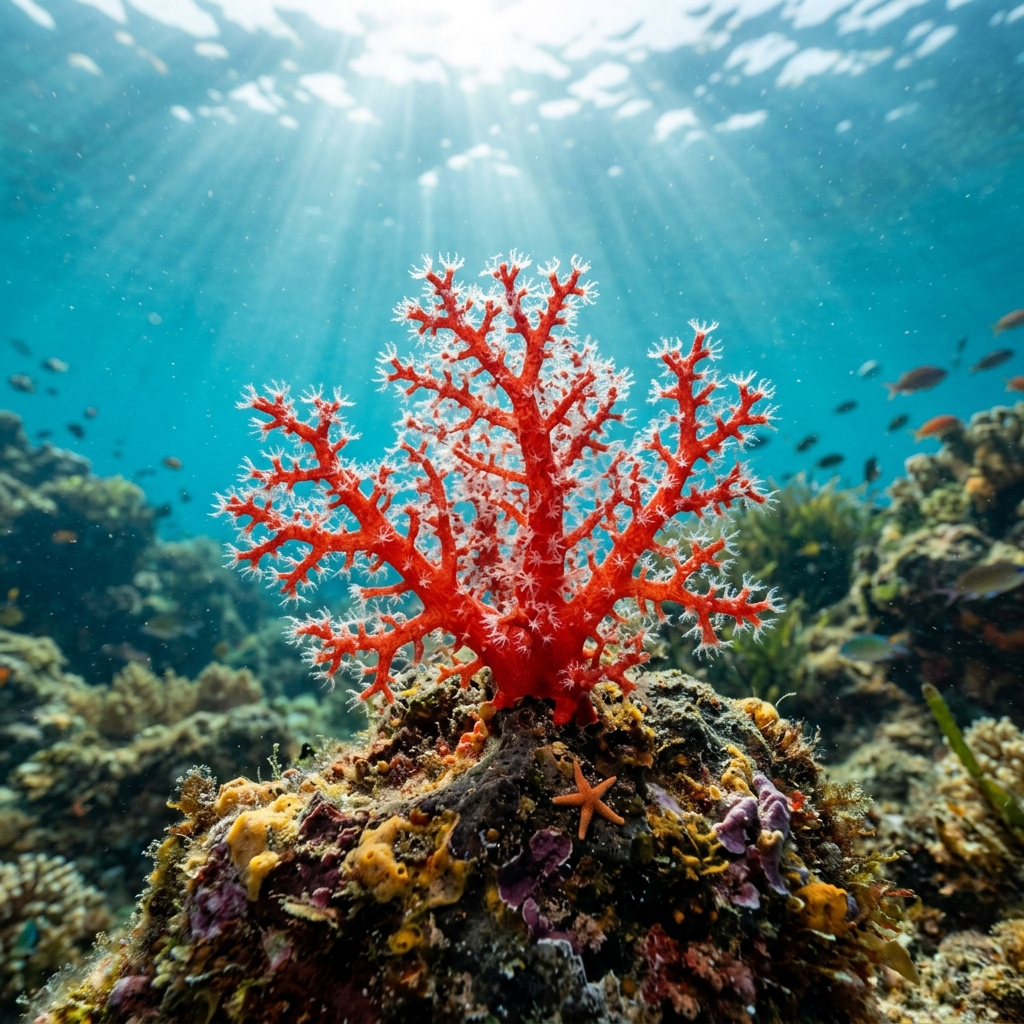
Reef neighbours a diver could mistake it for. Use the identification notes above to tell them apart.
Dead Man's Fingers are most reliably logged in France, particularly the French Riviera and Brittany and Normandy coasts, and across the United Kingdom, with strong records from Scotland's west coast. Canada and Norway also show solid populations, and sightings are consistent across Germany and the Netherlands, making them a fixture of north Atlantic and northern European rocky reef diving.
Mapping where Dead Man's Fingers is logged…
They are most commonly logged in northern France (especially Brittany, Normandy, and the French Riviera), the United Kingdom (notably Scotland's west coast), Canada, Norway, Germany, and the Netherlands. Cold, rocky reef habitats around the north Atlantic and North Sea are your best bet.
Northern Hemisphere sightings concentrate from February through October. Because these soft corals thrive in cold water, often between 5 and 17 °C, they are present through the main temperate dive season across the British Isles and northern Europe, with no single peak month standing out sharply.
Look for pale cream or whitish lobed colonies on shaded rock or walls. When polyps are out, the surface looks feathery; when retracted, colonies shrink to smooth, fleshy blobs. The finger-like lobed shape and cold-water setting are the key clues. Other soft corals can look similar, but Dead Man's Fingers tend to be paler and more distinctly lobed than other species sharing the same reefs.
No. Dead Man's Fingers pose no threat to divers. Like all soft corals they are delicate, so the main rule is the usual one: avoid touching or kneeling on colonies, which can damage polyps and slow recovery.
Individual colonies are typically hand-sized, with lobes a few centimetres long, though larger established colonies can span considerably more on a productive reef wall. Colonies often grow in groups, so a patch can cover a sizeable area of rock.
Every polyp in a Dead Man's Fingers colony has exactly eight feathery tentacles, a defining trait of octocorals. Unlike reef-building stony corals, they produce no hard skeleton; instead, their tissues contain tiny mineral spicules that give structural support. This means a whole colony can retract and look completely different within minutes of disturbance.
Site and sighting data is aggregated from diver logs, iNaturalist and GBIF. For taxonomy and conservation status:
Red Coral
3,301 sites