
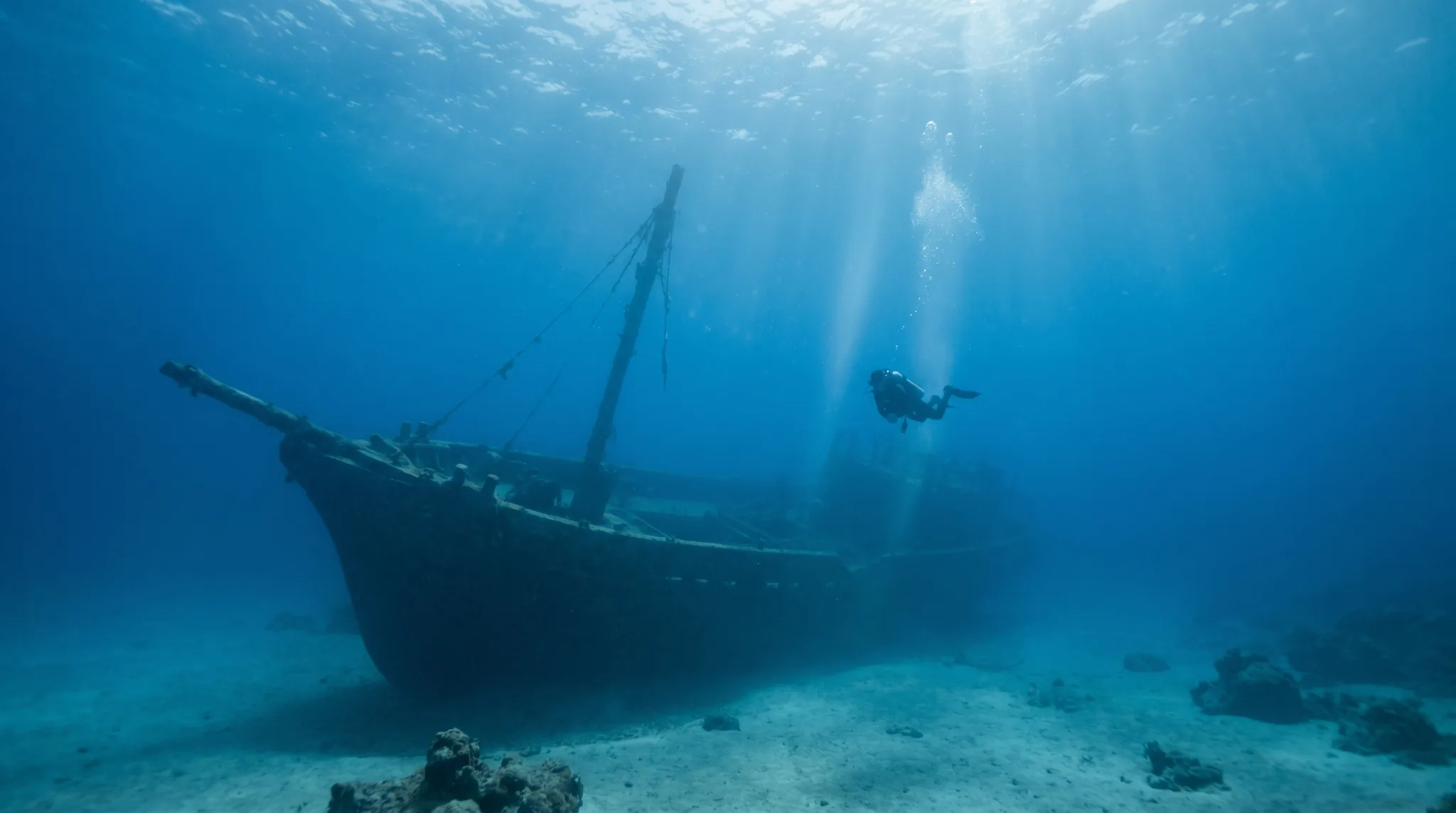
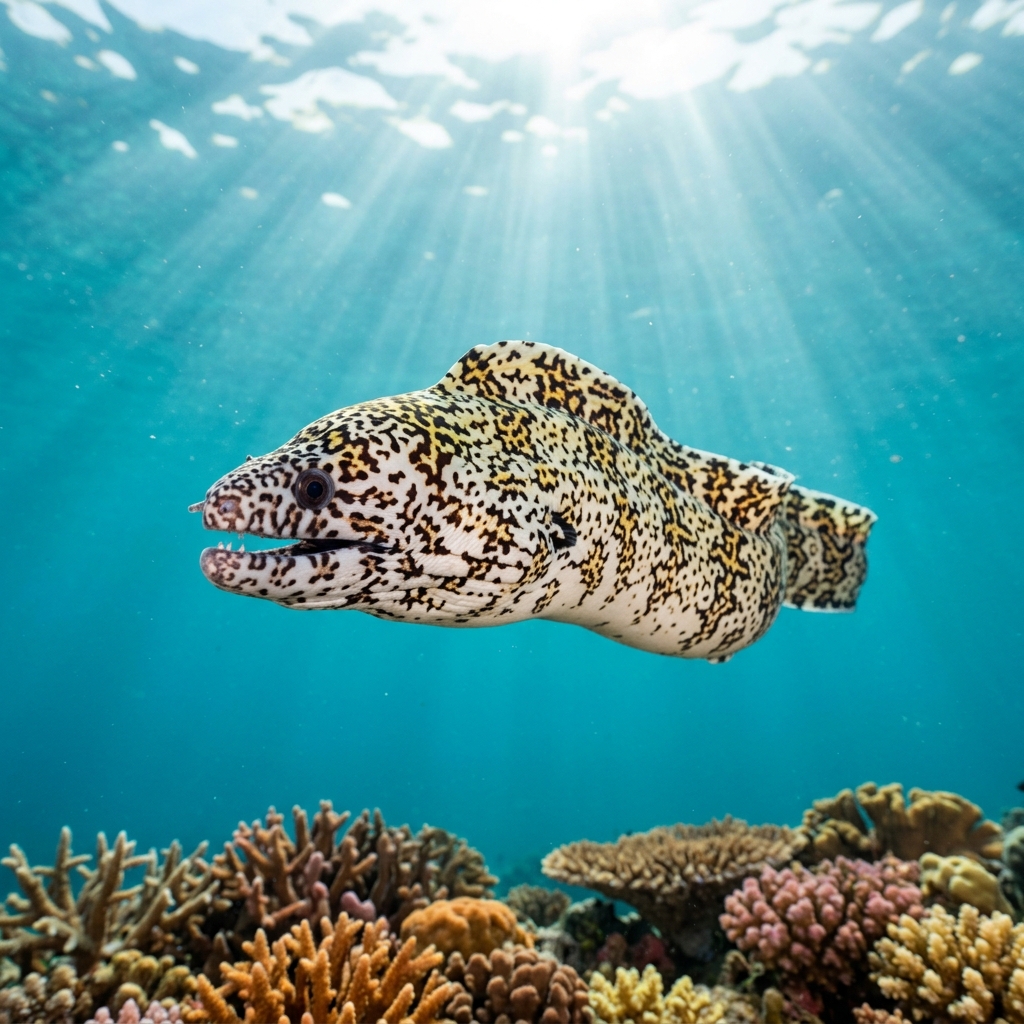
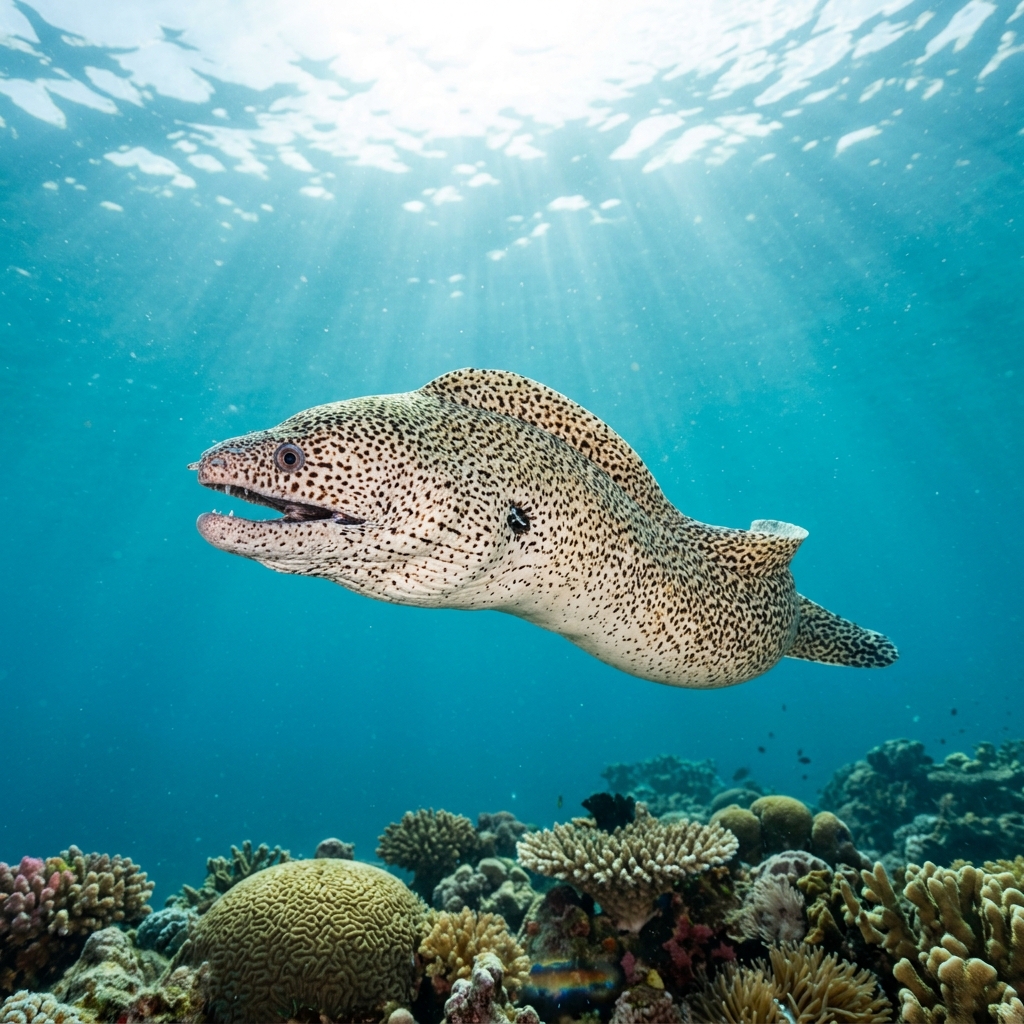
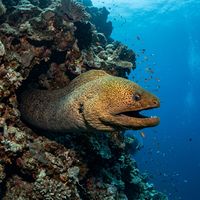
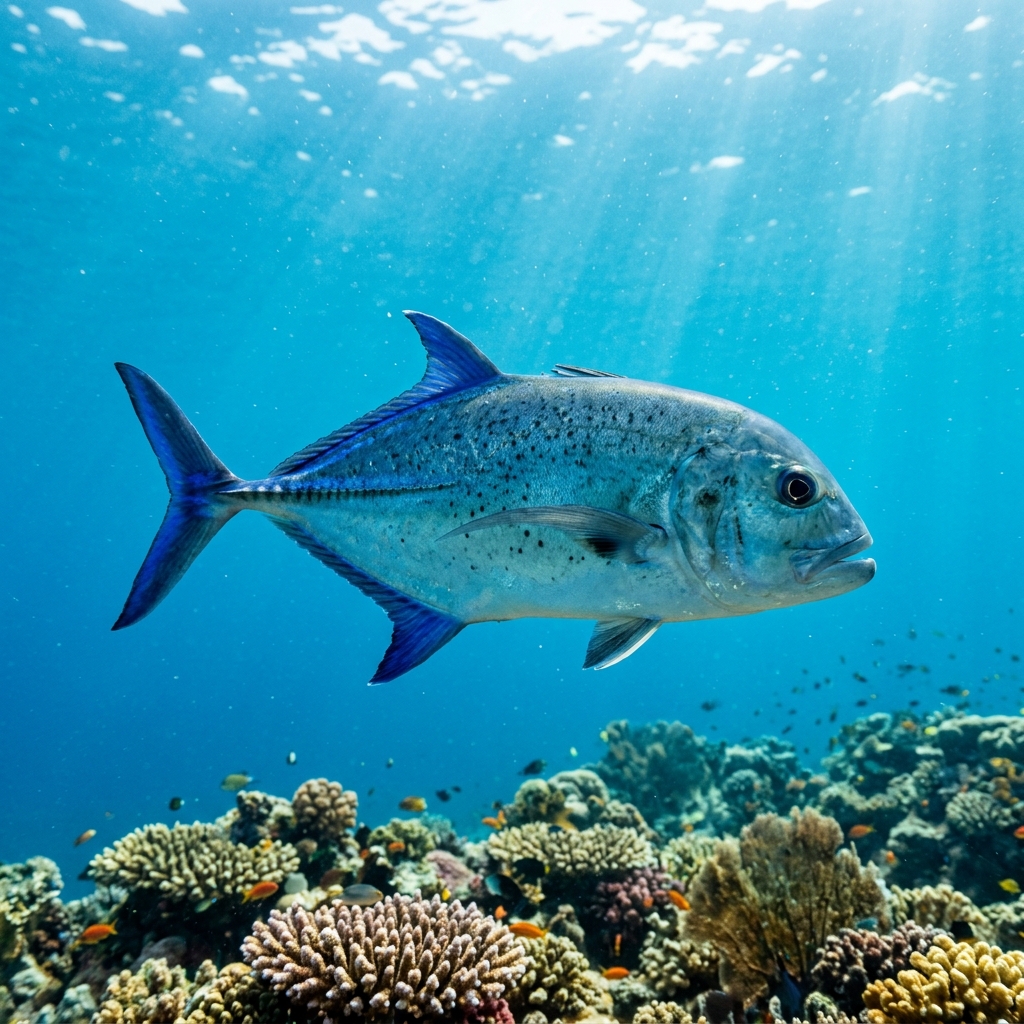
Hikkaduwa's diving is defined by a combination of historic wrecks and reef systems, all reached by boat. The Earl of Shaftesbury, a steel sailing ship resting on a sandy bottom, suits beginners, while the SS Conch oil tanker and deeper sites such as Black Coral Point and Silva Point draw intermediate and advanced divers. Morays are a constant presence, with Snowflake Moray, Painted Moray, and Giant Moray observed across the sites. Green Sea Turtle sightings are common, and reef fish including Bluefin Trevally, Titan Triggerfish, and multiple butterflyfish species round out the underwater picture. Conditions favour diving from November through April.

Monthly water temperature across Hikkaduwa's sites, from satellite sea-surface data corrected for depth. The band shows the site-to-site spread.
Water stays warm throughout the year, with the coolest months running from July to October and the warmest in spring. The best-months data points clearly to a dry-season window from November through April as the prime period, when conditions are most settled and visibility at its best. May through September brings rougher weather and reduced diving quality, aligning with the monsoon pattern suggested by the histogram.
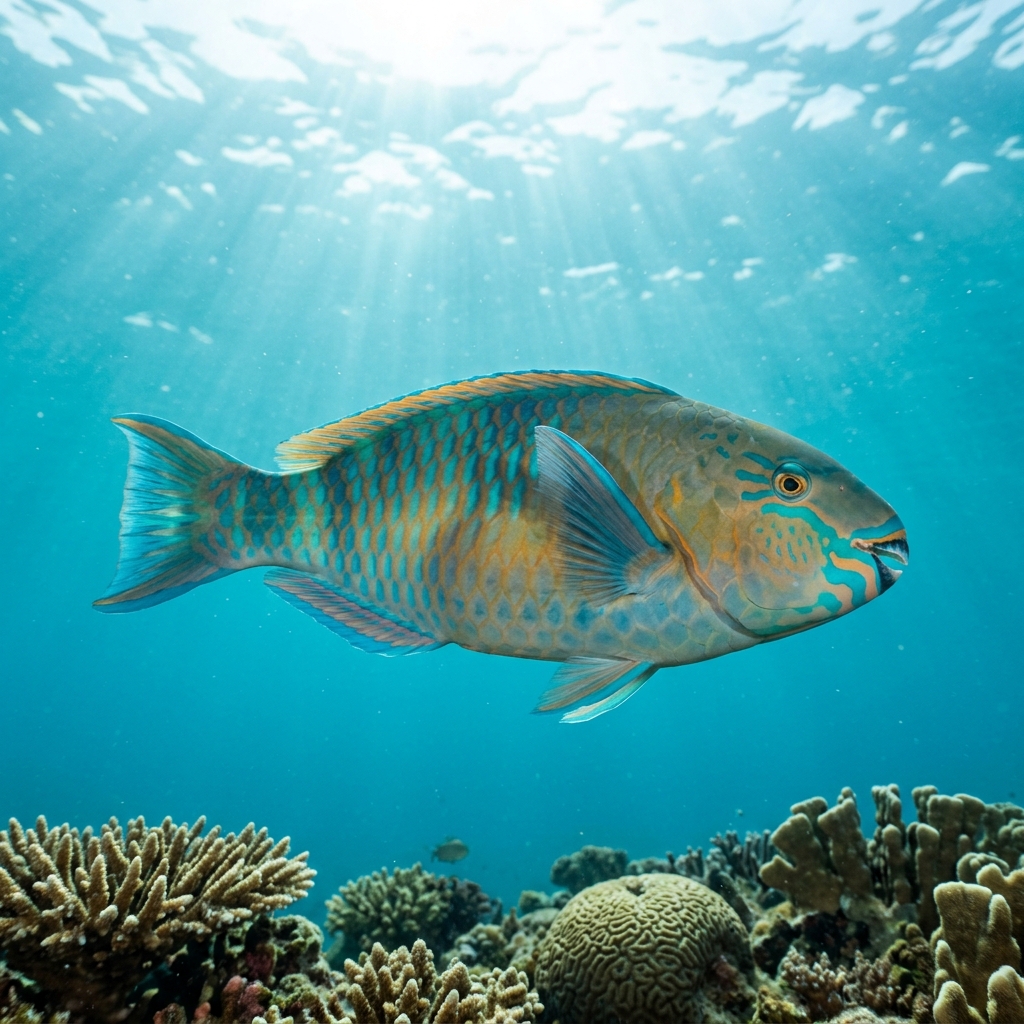
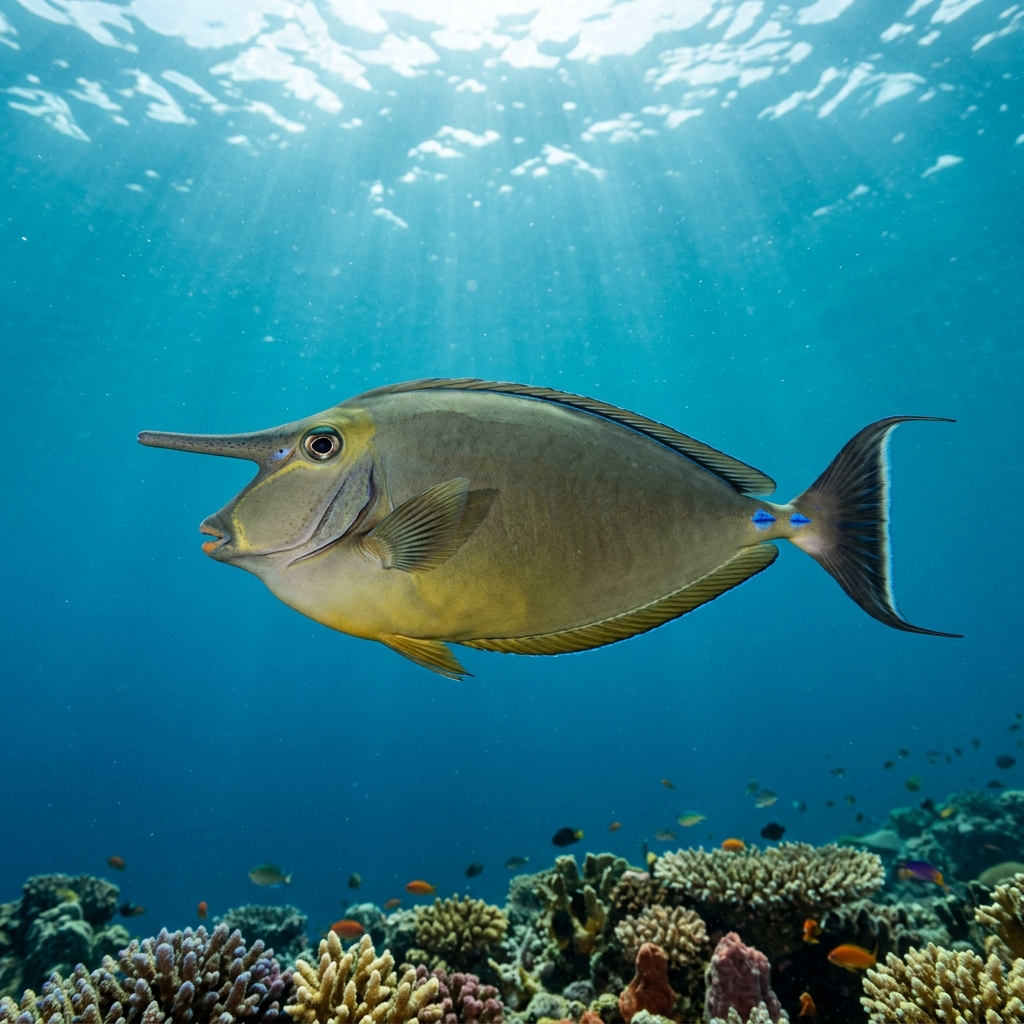
5 more sites to explore
Water temperature around Hikkaduwa ranges from about 28°C in January to 30°C in April, based on satellite sea-temperature data for its dive sites.
With water around 28–30°C, a rash guard or 3mm shorty works in Hikkaduwa year-round.
Fin maps 10 sites in Hikkaduwa (10 scuba diving sites).
Across Hikkaduwa's dive sites, January, February, March, April, November and December are most often reported as the best months to visit.
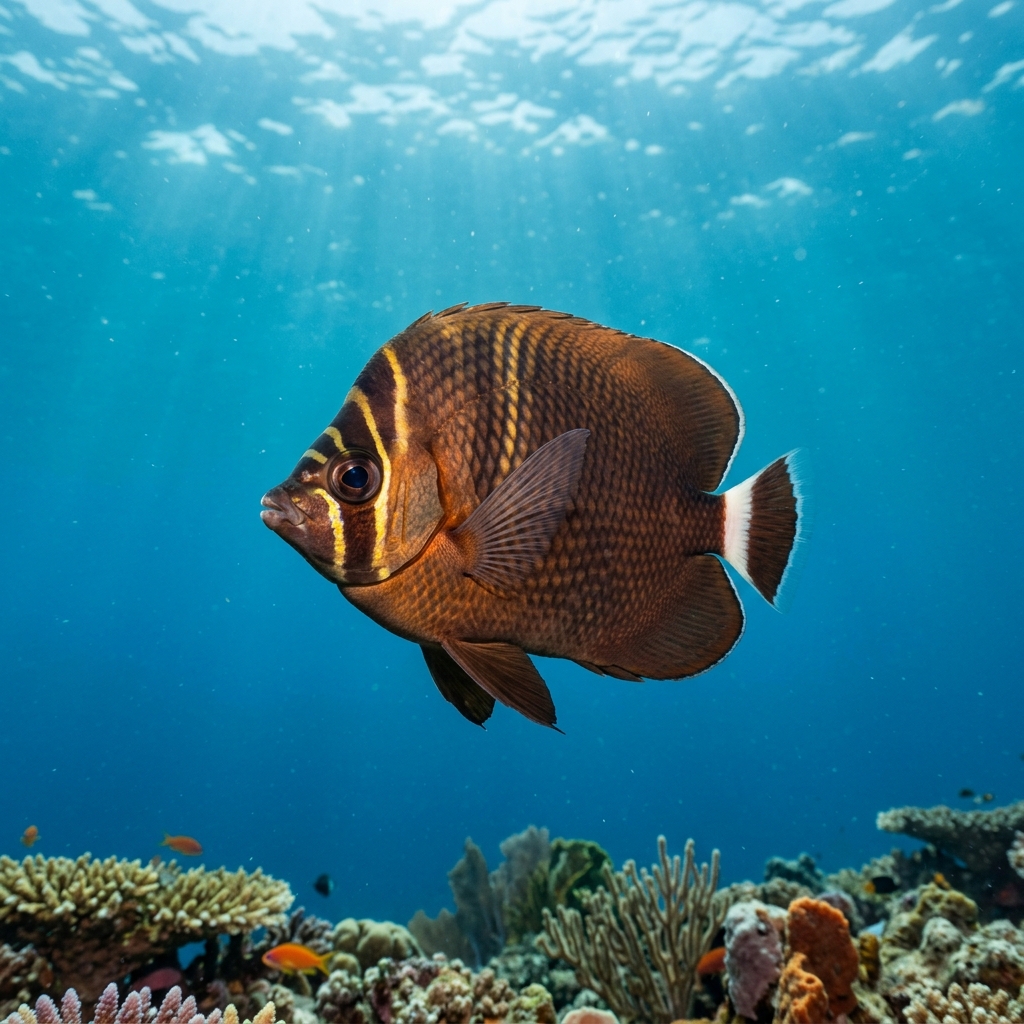
Morays are a highlight, with Snowflake Moray, Painted Moray, Giant Moray, and White Eyed Moray all observed regularly across sites. Green Sea Turtle encounters are common, and reef fish such as Bluefin Trevally, Titan Triggerfish, Semicircle Angelfish, and a variety of butterflyfish species are seen on almost every dive. The Indian Lionfish is also among the signature species for the area.
Yes, the Earl of Shaftesbury wreck is rated for beginners and sits at a shallow, accessible depth on a sandy bottom, making it a good introduction to wreck diving. Intermediate divers can progress to the SS Conch, while advanced divers have options like Black Coral Point and Silva Point, which reach considerably deeper. The mix of skill levels means Hikkaduwa suits a wide range of experience.
All dive sites in Hikkaduwa are boat-access only. Several operators are based in the area, including Poseidon Diving Centre Hikkaduwa, International Diving School, Poseidon Diving Center, and Blue Water Dive Center, all of whom can organise boat trips to the wrecks and reefs. There are no shore-entry dive sites listed for this region.
The site mix centres on wrecks and natural reef, with one site, Black Coral Point, incorporating an artificial reef element alongside deep natural reef. The wrecks include a historic sailing ship and a steam-powered oil tanker, offering varied structural diving. Reef sites feature complex rocky topography, providing habitat for the high species diversity recorded in the area.