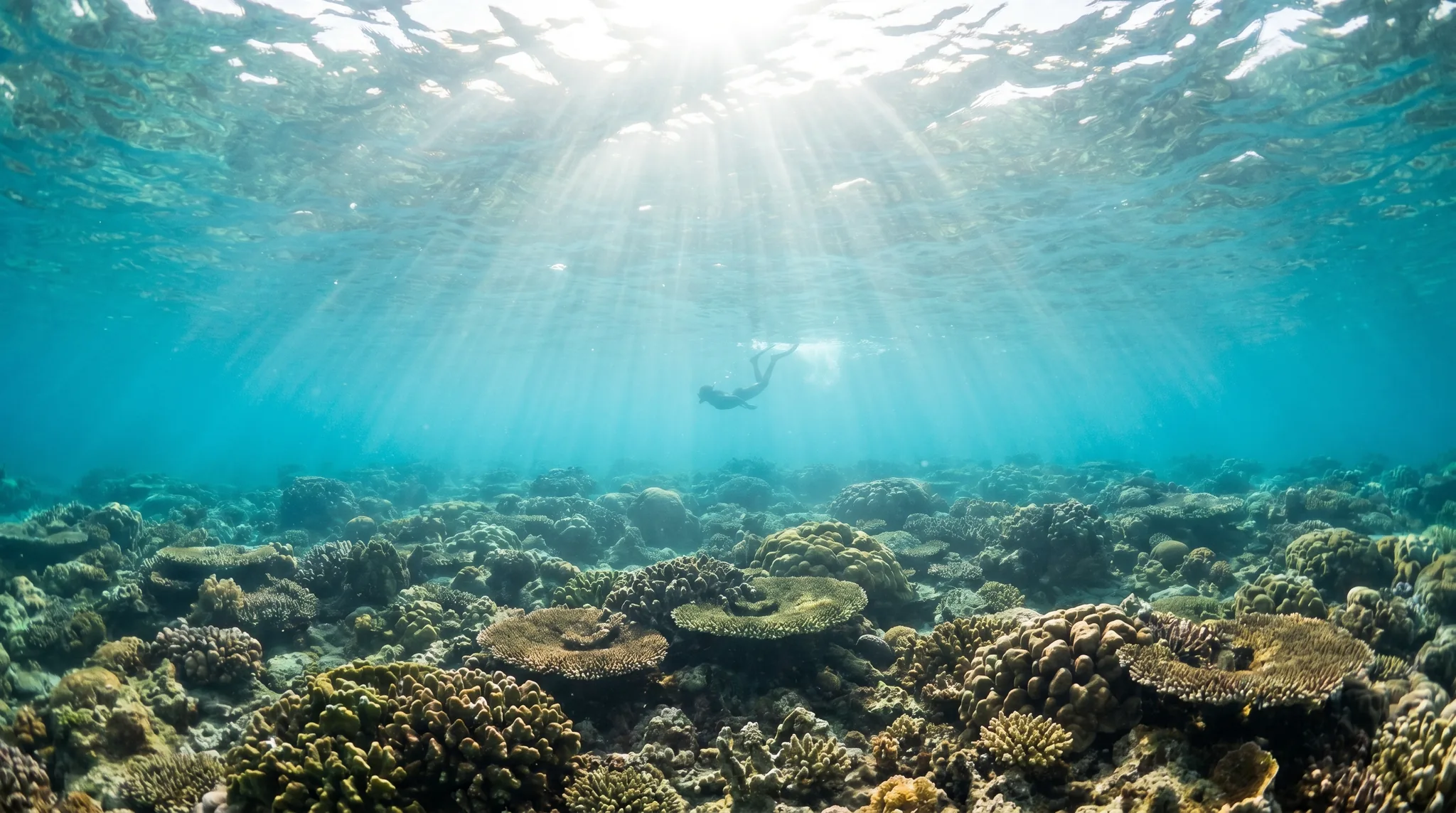
Trincomalee's diving is built around the rocky reefs and drop-offs clustered near Pigeon Island, with the Nilaveli sub-area offering further options to the north. The majority of sites are beginner-friendly and reached by boat, ranging from shallow plateau reefs to deeper pinnacles such as Knife Rock. The Navy Underwater Dive Museum adds a wreck dimension, with sunken gunboats attracting marine life alongside the natural reef. Across the sites, Moorish Idol, Triggerfish, Powder-blue Surgeonfish, and Indian Lionfish are consistently observed, while Laced Moray and Emperor Angelfish reward closer inspection of the reef structure.
2 areas
Monthly water temperature across Trincomalee's sites, from satellite sea-surface data corrected for depth. The band shows the site-to-site spread.
Water temperature stays warm throughout the year, rising to its peak between April and June and remaining comfortable well into the cooler months of January and February. The best-months data points firmly to a core season running from late spring through early autumn, when conditions are most settled for boat dives. Outside this window, exposure can increase and visibility may vary, so timing a visit for the peak season gives the most reliable experience.
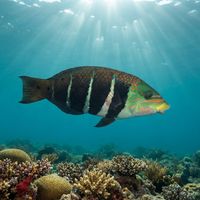
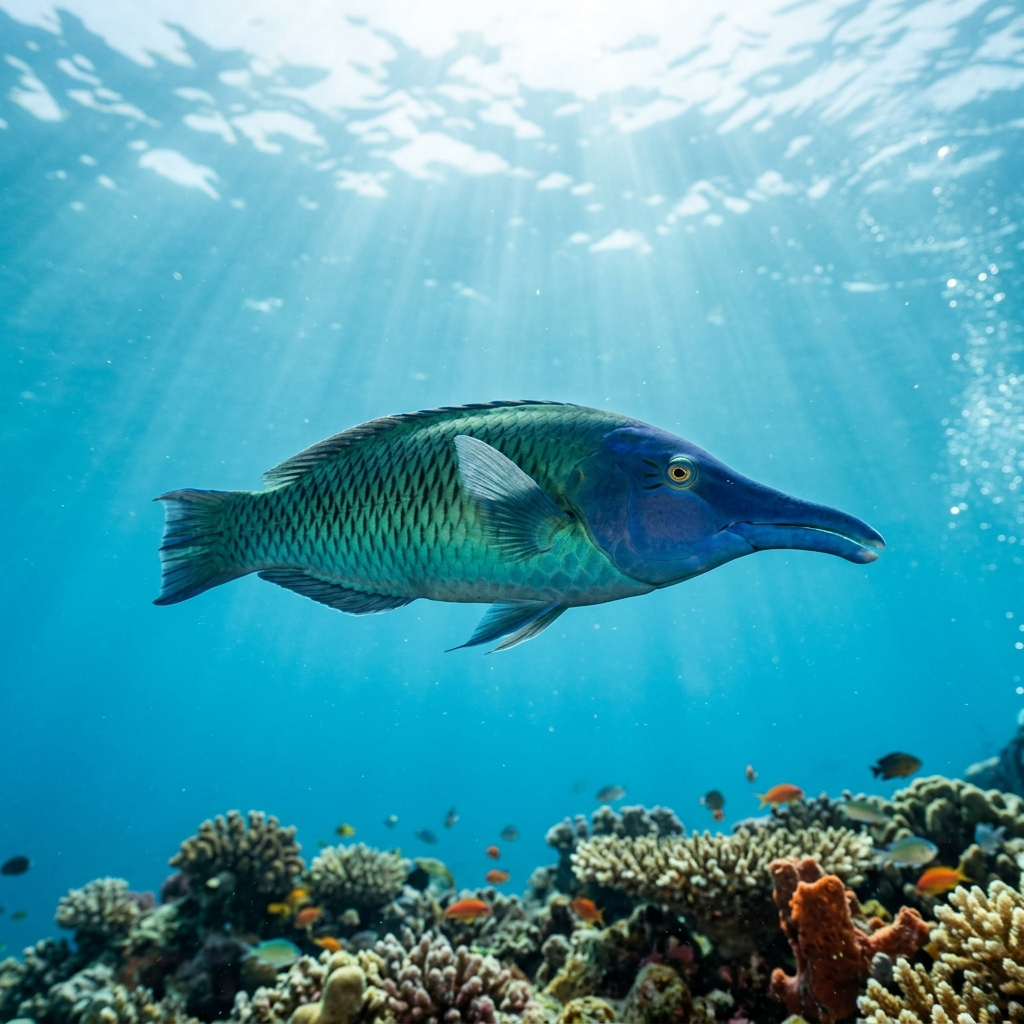
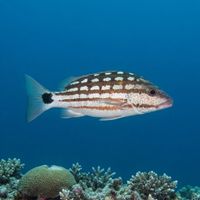
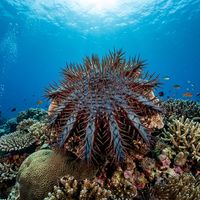
68 operators


6 more sites to explore
Water temperature around Trincomalee ranges from about 27°C in January to 30°C in April, based on satellite sea-temperature data for its dive sites.
With water around 27–30°C, a rash guard or 3mm shorty works in Trincomalee year-round.
Fin maps 17 sites in Trincomalee (17 scuba diving sites and 3 snorkelling spots, with some suited to both), organised into 2 areas.
Across Trincomalee's dive sites, May, June, July, August and September are most often reported as the best months to visit.
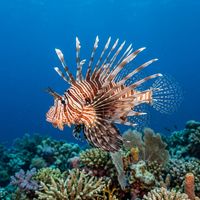
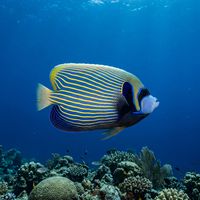
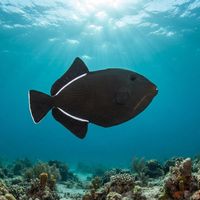
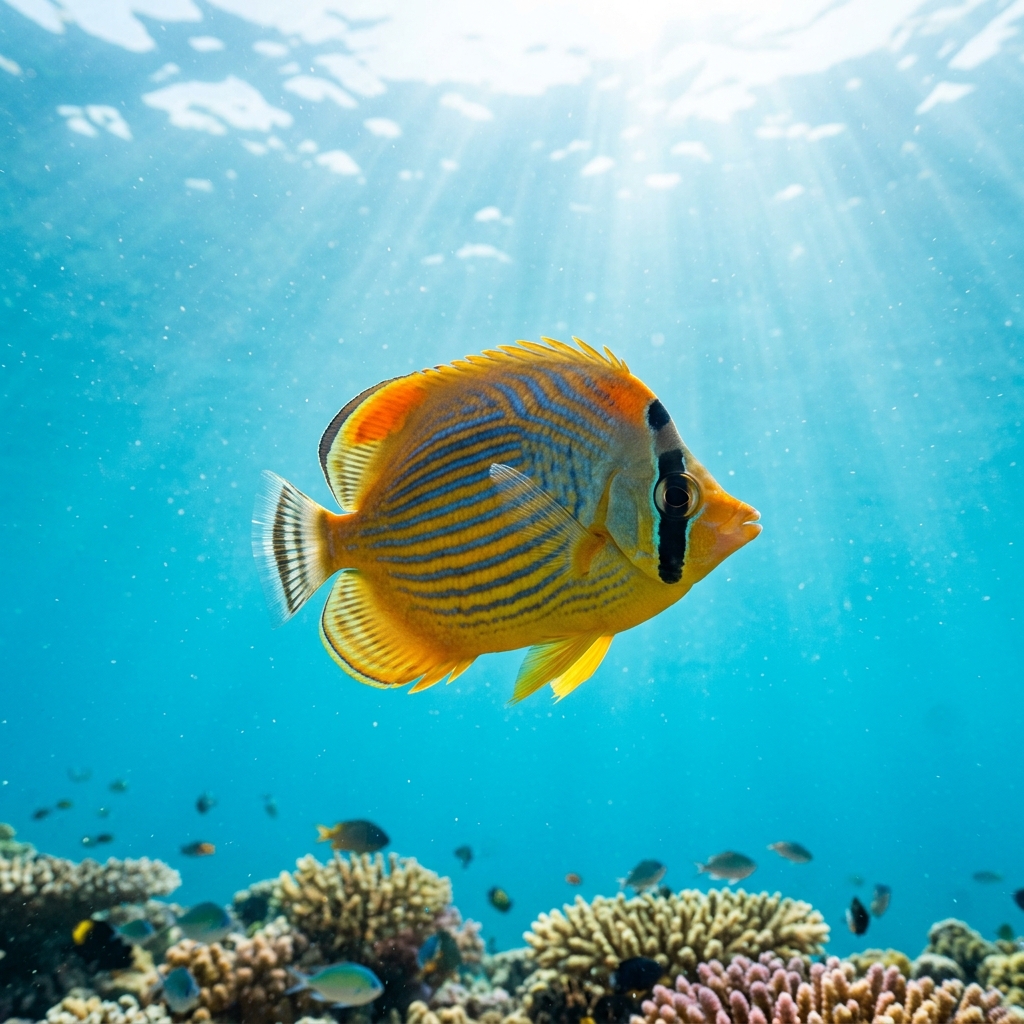
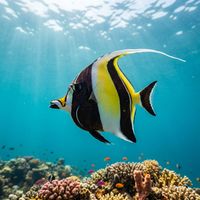
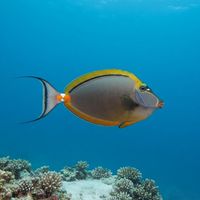
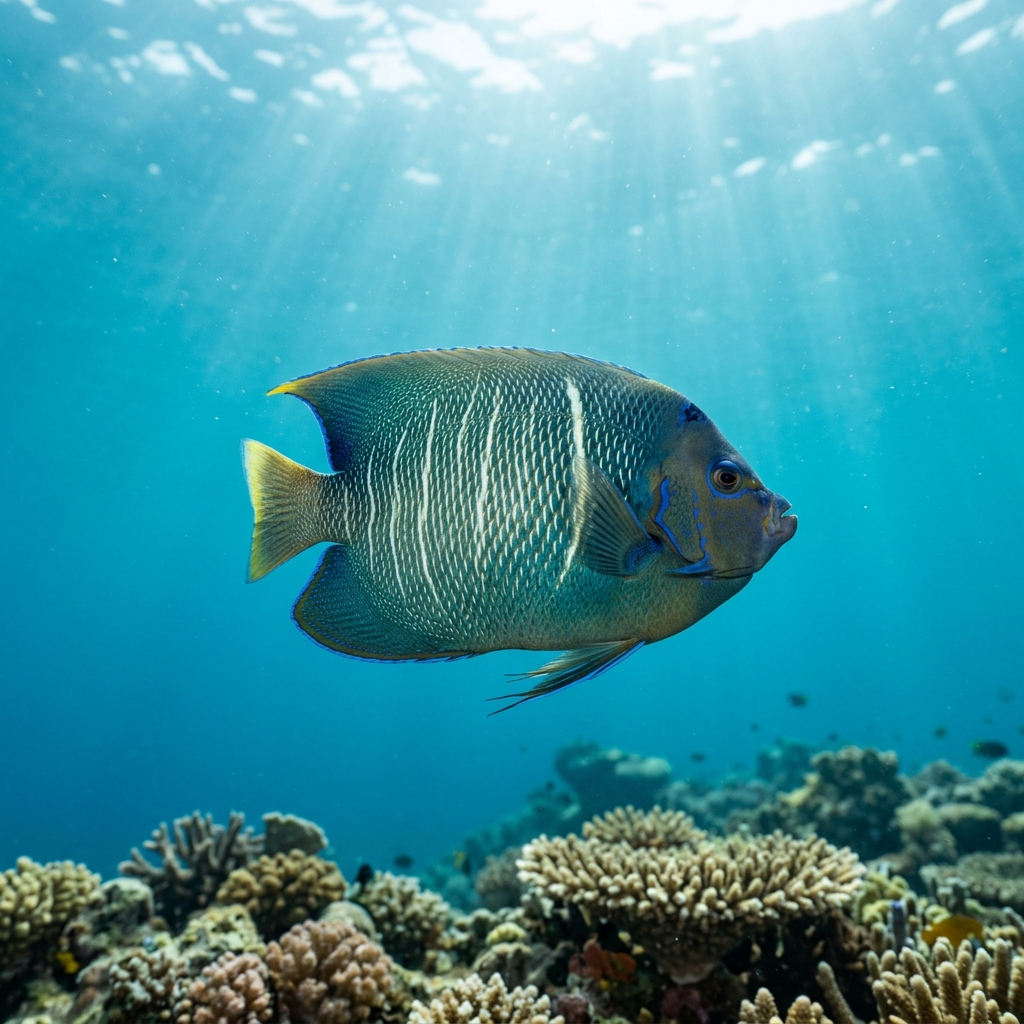
The reefs around Trincomalee host a wide range of reef fish that are consistently observed across sites. Moorish Idol, Unicornfish, Striped Surgeonfish, Vagabond Butterflyfish, and Porcupinefish are very common, while the Indian Lionfish is seen at the vast majority of sites. Signature species include Emperor Angelfish, Laced Moray, and Titan Triggerfish, with Blacktip Reef Shark also listed among the notable encounters.
Trincomalee is well suited to those new to diving. Most sites, including Pigeon Rocks, Welluore Rock, Navy Reef, and the Navy Underwater Dive Museum, are rated for beginners, featuring relatively shallow depths and mild currents. Intermediate sites such as Sithananne Reef are also available for those looking to progress. The range of operators based in the area, including Pigeon Island Diving Centre and Trinco Bay Dive Center, caters to divers at different experience levels.
All dive sites in Trincomalee are reached by boat, so a short transfer is always part of the dive day. The two main sub-areas are Pigeon Island and Nilaveli, both offering their own cluster of sites. Pigeon Island has the highest concentration of listed sites and includes variety from shallow reefs to the wreck and artificial reef structures of the Navy Underwater Dive Museum. Nilaveli sits further along the coast and offers an alternative base, with several operators such as Poseidon Diving Centre Nilaveli Trincomalee serving that area.
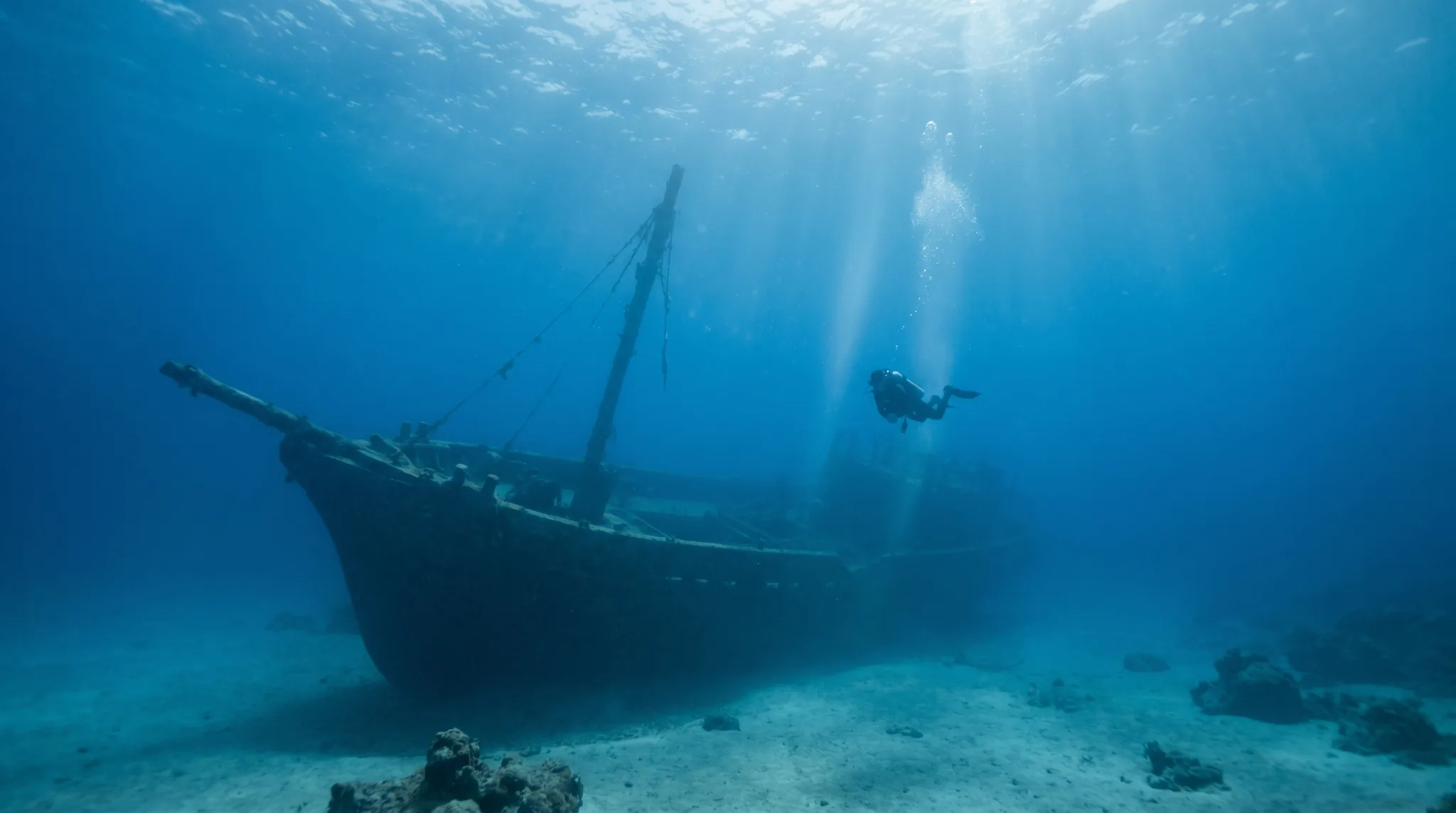
The Navy Underwater Dive Museum is the only wreck site in Trincomalee's listed offering. It features two sunken gunboats along with military equipment placed on the seabed, functioning as an artificial reef alongside natural reef structure. The site is accessible to beginner divers and is reached by boat near Pigeon Island. It offers a contrast to the purely natural reef dives elsewhere in the region.