Pomacanthus annularis
Spot Blue Ringed Angelfish in the Perhentian Islands or Gulf of Thailand. Orange body, bold blue rings, here's when and where to find them.
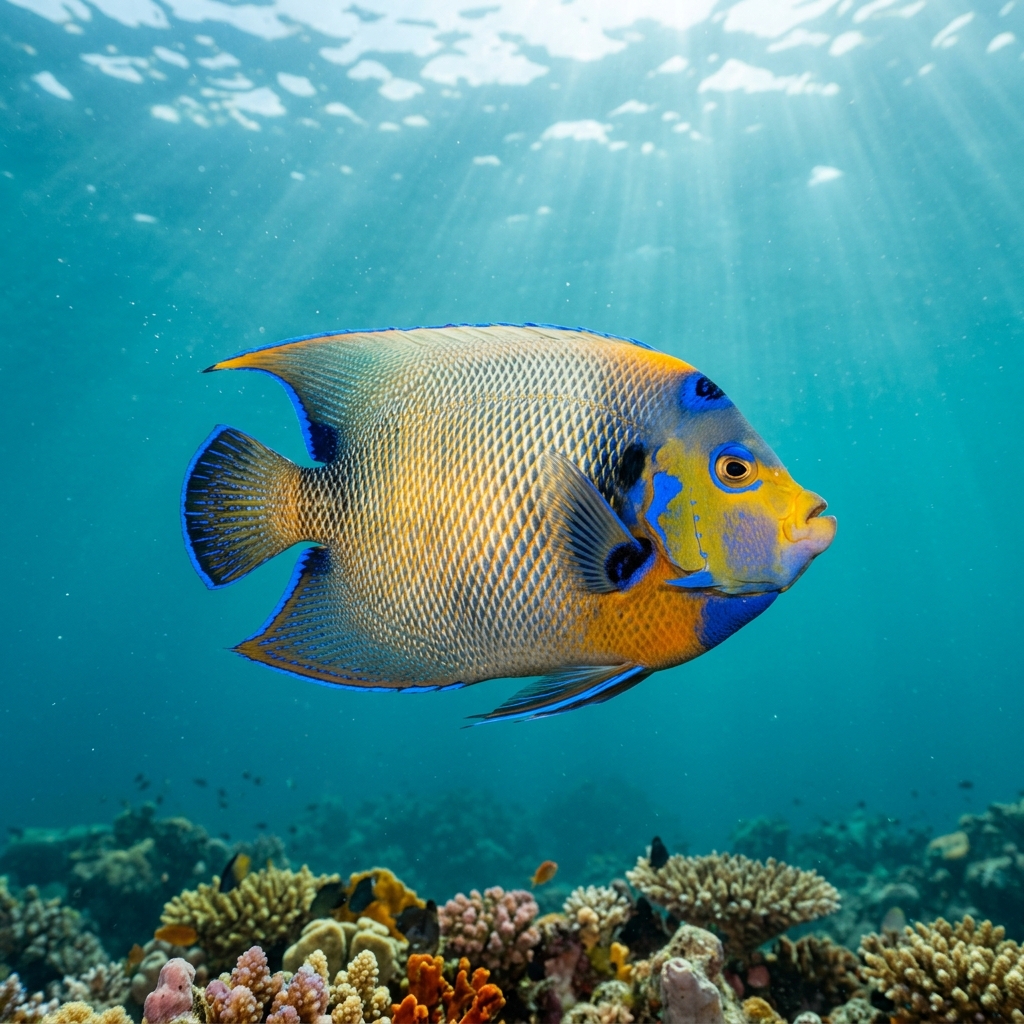
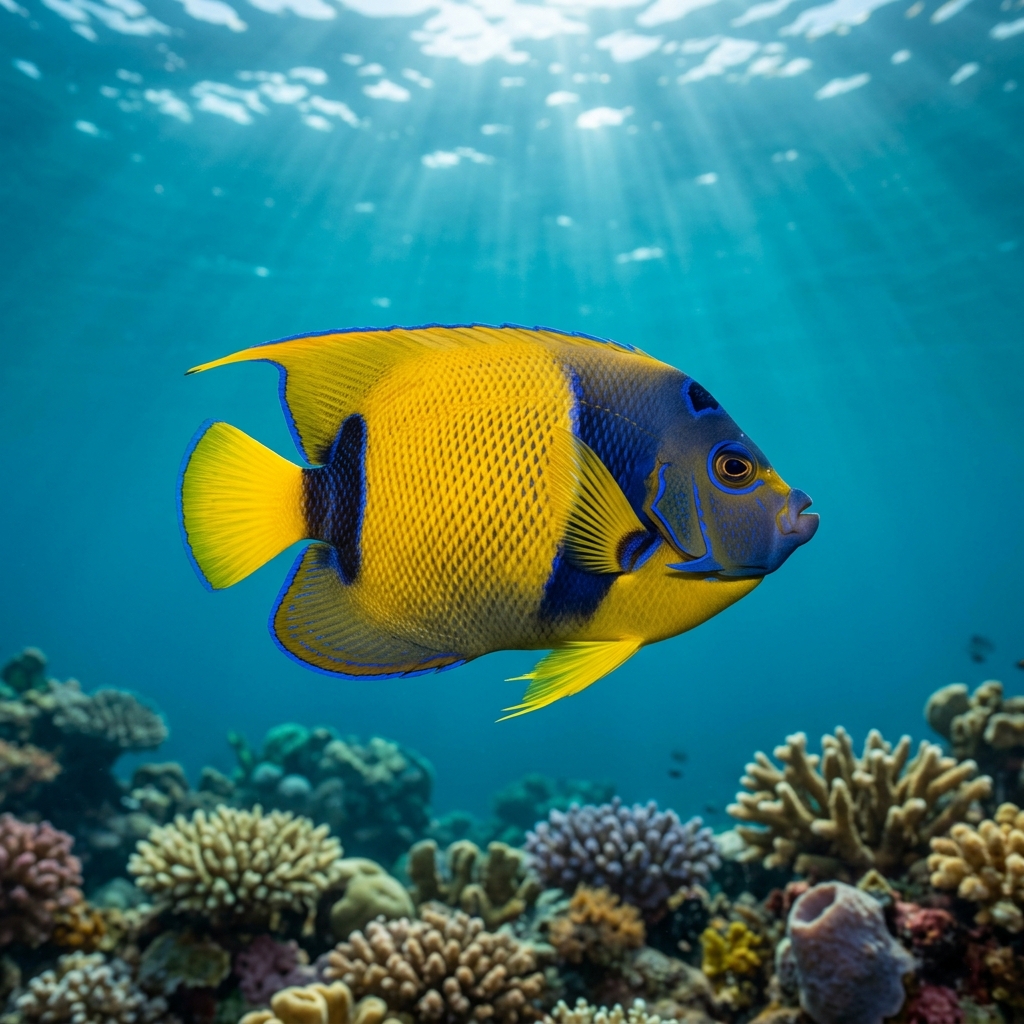
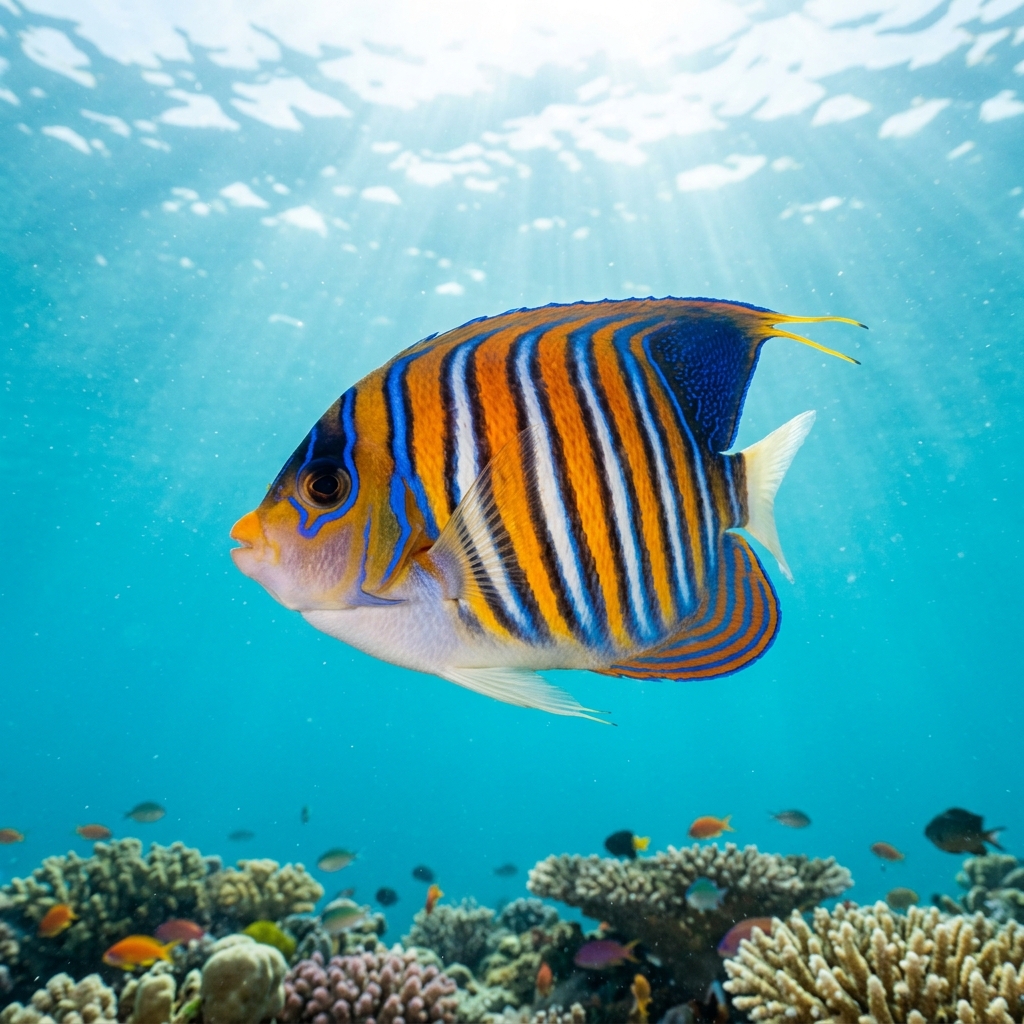
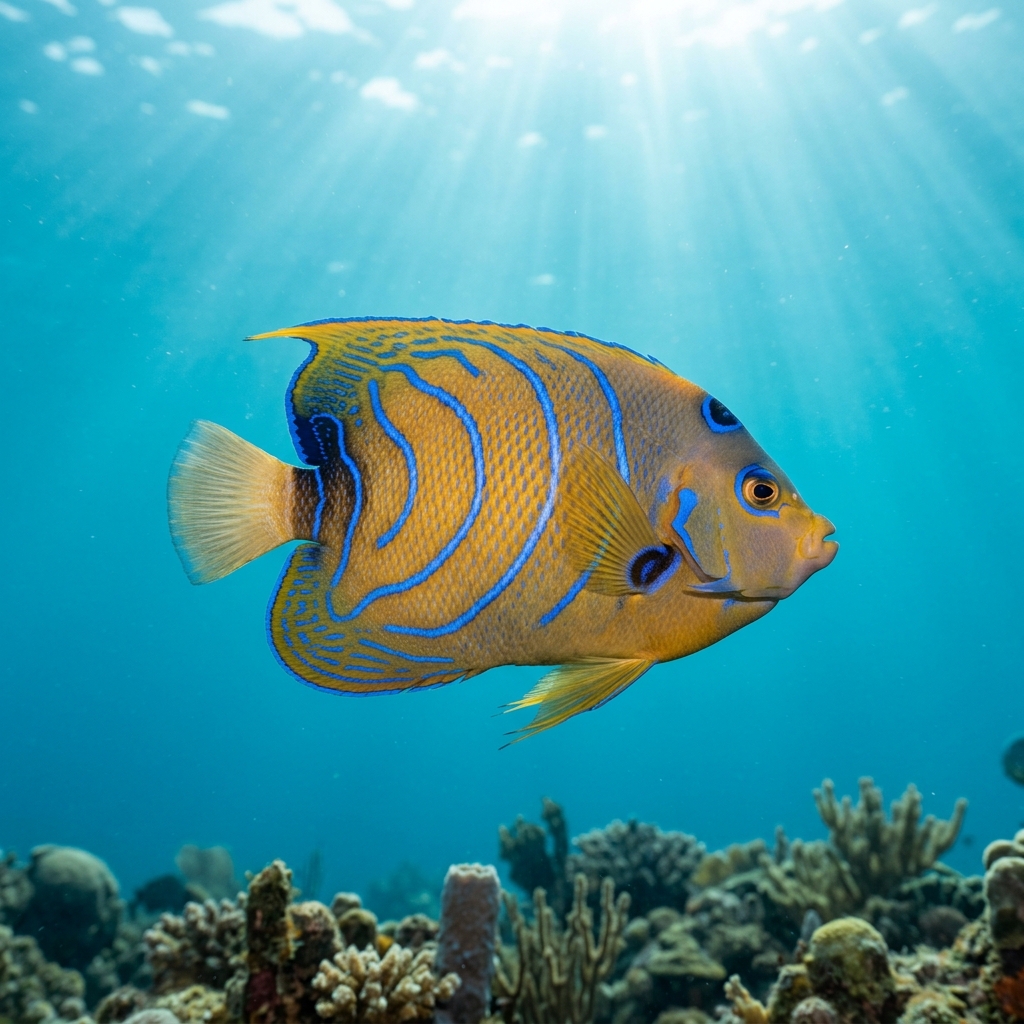
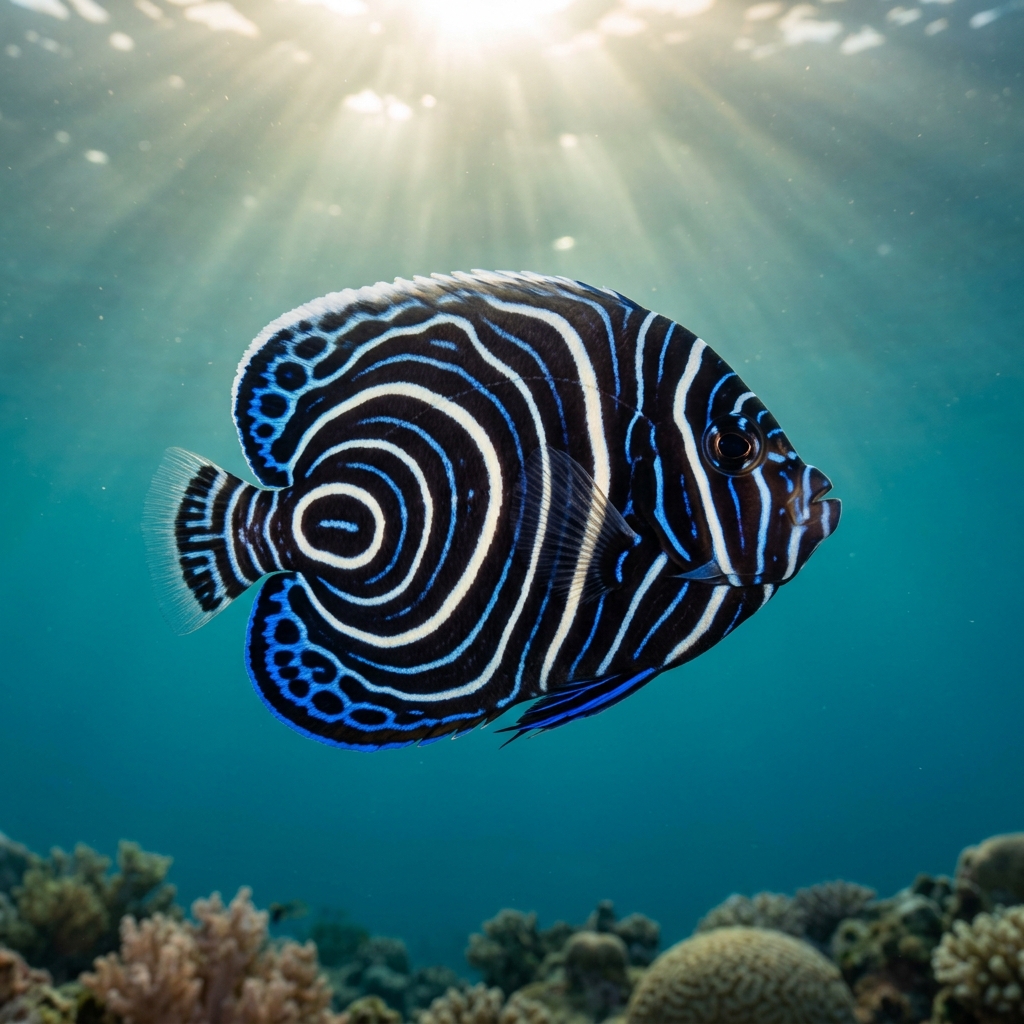
A medium-large angelfish reaching around 30 cm, with a warm orange body crossed by sweeping blue concentric rings and a bold blue ring curving up and behind the eye, the feature that gives the fish its name. The tail is white or pale yellow, and the deep, laterally compressed (disc-like) body shape is typical of the angelfish family. Juveniles look entirely different, carrying a dark blue-black body with concentric white and blue curved lines.
Blue Ringed Angelfish are typically seen moving deliberately along coral reef slopes and walls, picking at sponges and other encrusting invertebrates. They tend to be wary of divers, often staying just ahead of you or retreating into coral structure, slow, patient approaches at depth give better views than chasing from shallower water. They are usually solitary or seen in loose pairs, and are more active during daylight hours.
Like many angelfish, Blue Ringed Angelfish are protogynous hermaphrodites, meaning females can change sex and become males, dominant males typically hold a small harem of females in a defined home territory on the reef.
Sightings in the northern hemisphere concentrate between March and September, making mid-year the peak window for destinations like Thailand and Malaysia. The species occupies warm reef waters in the 26 to 29 °C range, so tropical sites within its range can hold fish year-round.
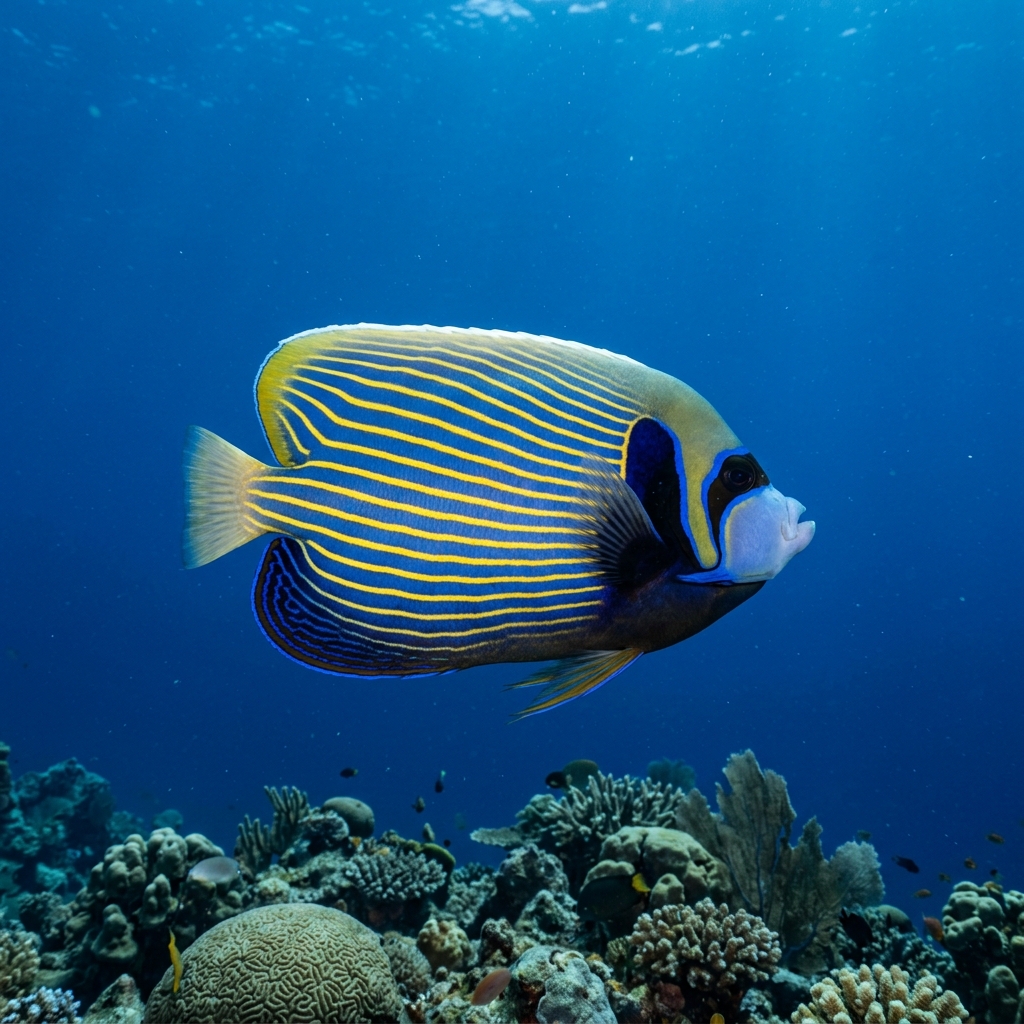
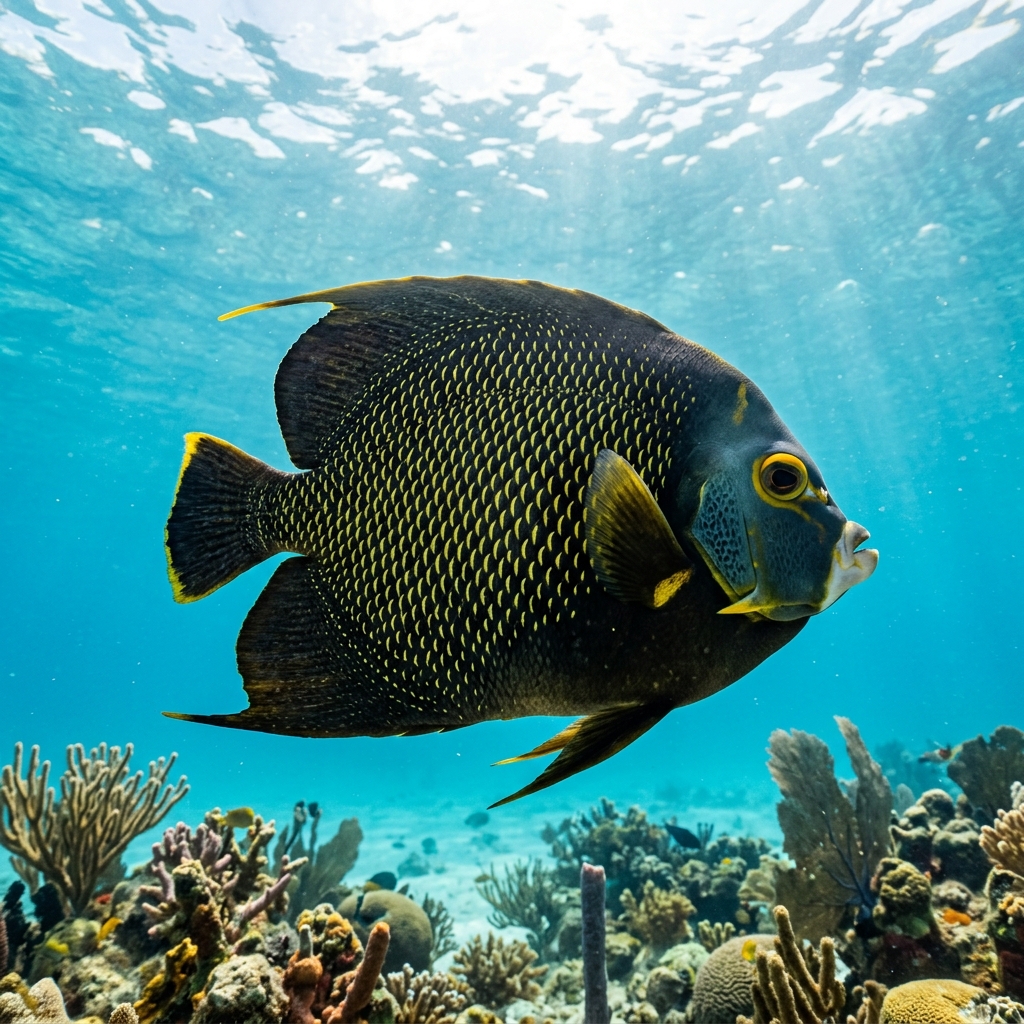
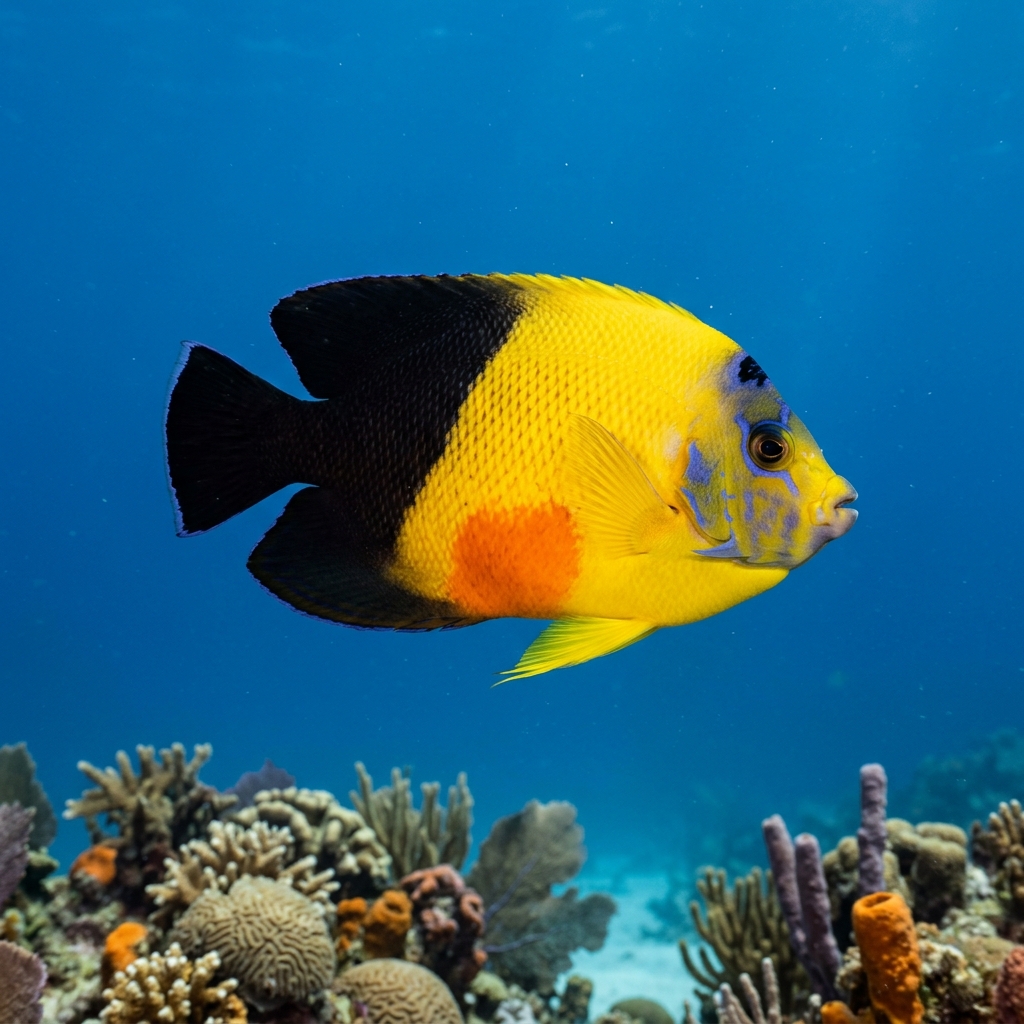
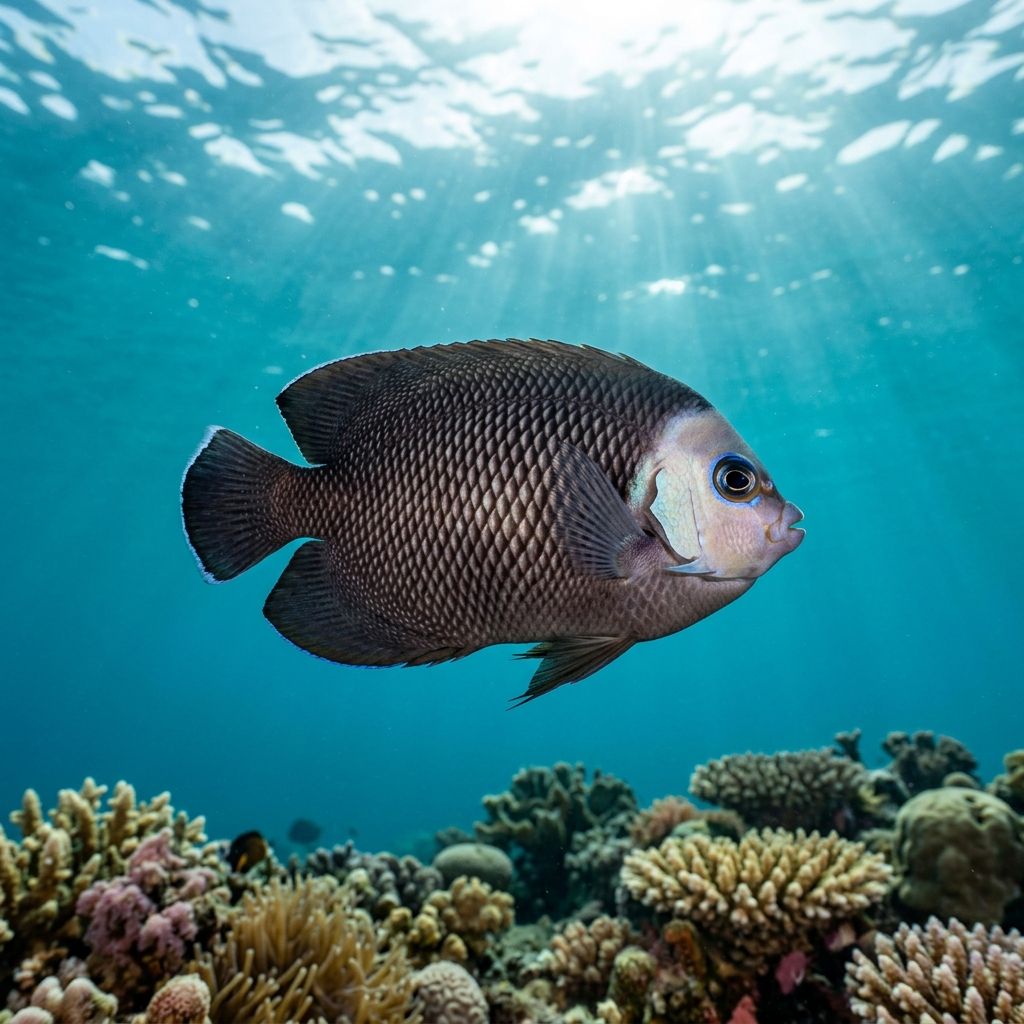
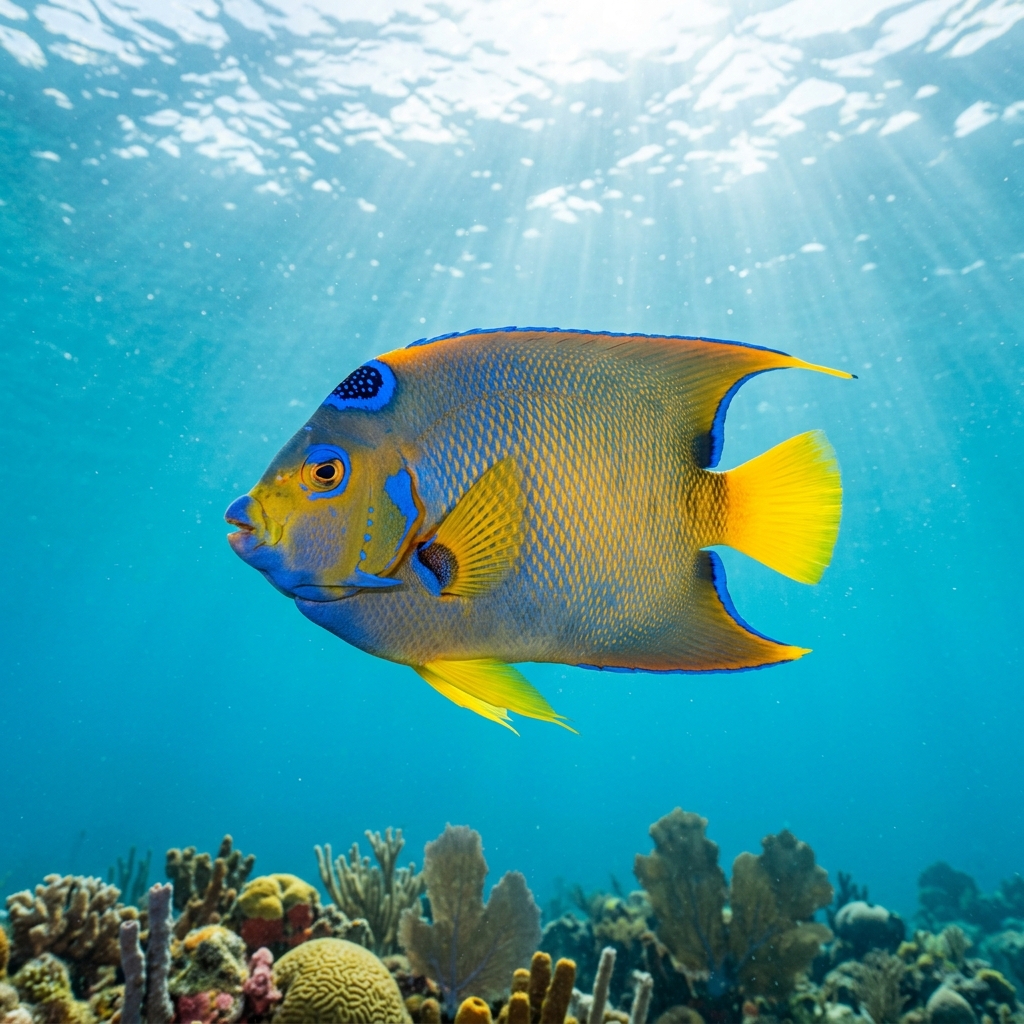
Reef neighbours a diver could mistake it for. Use the identification notes above to tell them apart.
Most commonly logged in Malaysia and Thailand, with the strongest concentrations around Perhentian and Redang, Pulau Tioman, and the Gulf of Thailand (both north and south). Indonesia is also a reliable destination, particularly around Sumatra, Kalimantan, and the Bali-Lombok area, while India and Sri Lanka round out the species' Indian Ocean range.
Mapping where Blue Ringed Angelfish is logged…
The best-documented sites are in Malaysia and Thailand. Perhentian and Redang, Pulau Tioman, and the Gulf of Thailand are the top-ranked regions. Indonesia (Bali, Lombok, Sumatra), India, Sri Lanka, and Vietnam are also solid options across the species' broader Indo-Pacific range.
For northern hemisphere destinations such as Thailand and Malaysia, March through September sees the most sightings. Water temperatures in the 26 to 29 °C range suit the species well, so on warmer tropical reefs encounters are possible outside that window too.
Look for a disc-shaped fish around 30 cm long with a warm orange body and sweeping blue concentric rings, the most distinctive being the bold blue ring curving around and behind the eye. The white or pale tail helps separate it from similar species. Juveniles are dark blue-black with concentric white-blue lines and look nothing like the adult.
Adults typically reach around 31 cm in length. In the water they look substantial, a proper large angelfish rather than a pygmy, with a deep, compressed body that makes them appear even bigger face-on.
Yes. They are protogynous hermaphrodites, meaning females can transition into males. A dominant male typically maintains a harem of females within a reef territory. If the male disappears, the dominant female may change sex to fill the role.
Site and sighting data is aggregated from diver logs, iNaturalist and GBIF. For taxonomy and conservation status:
Rock Beauty
1,573 sites