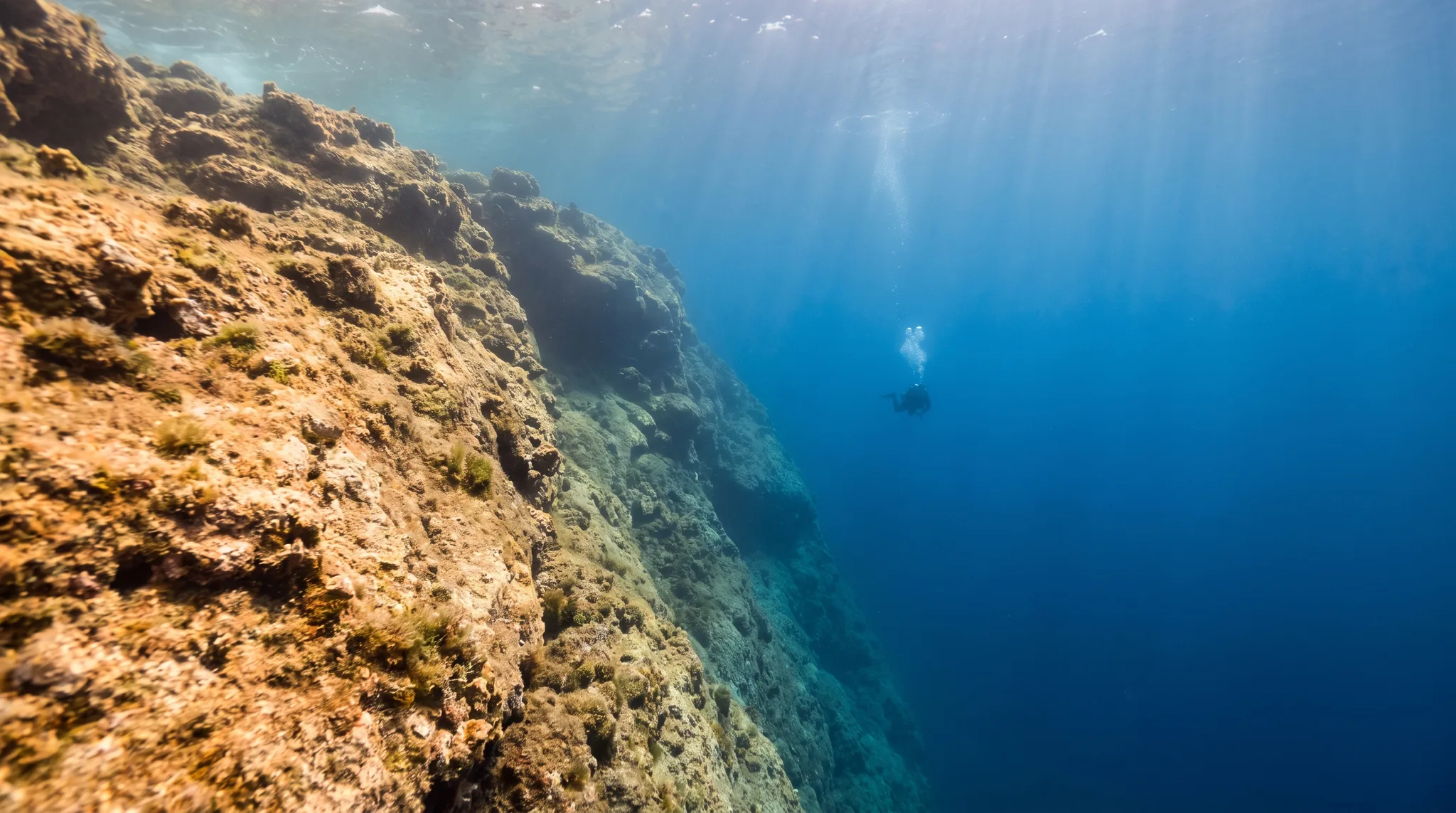
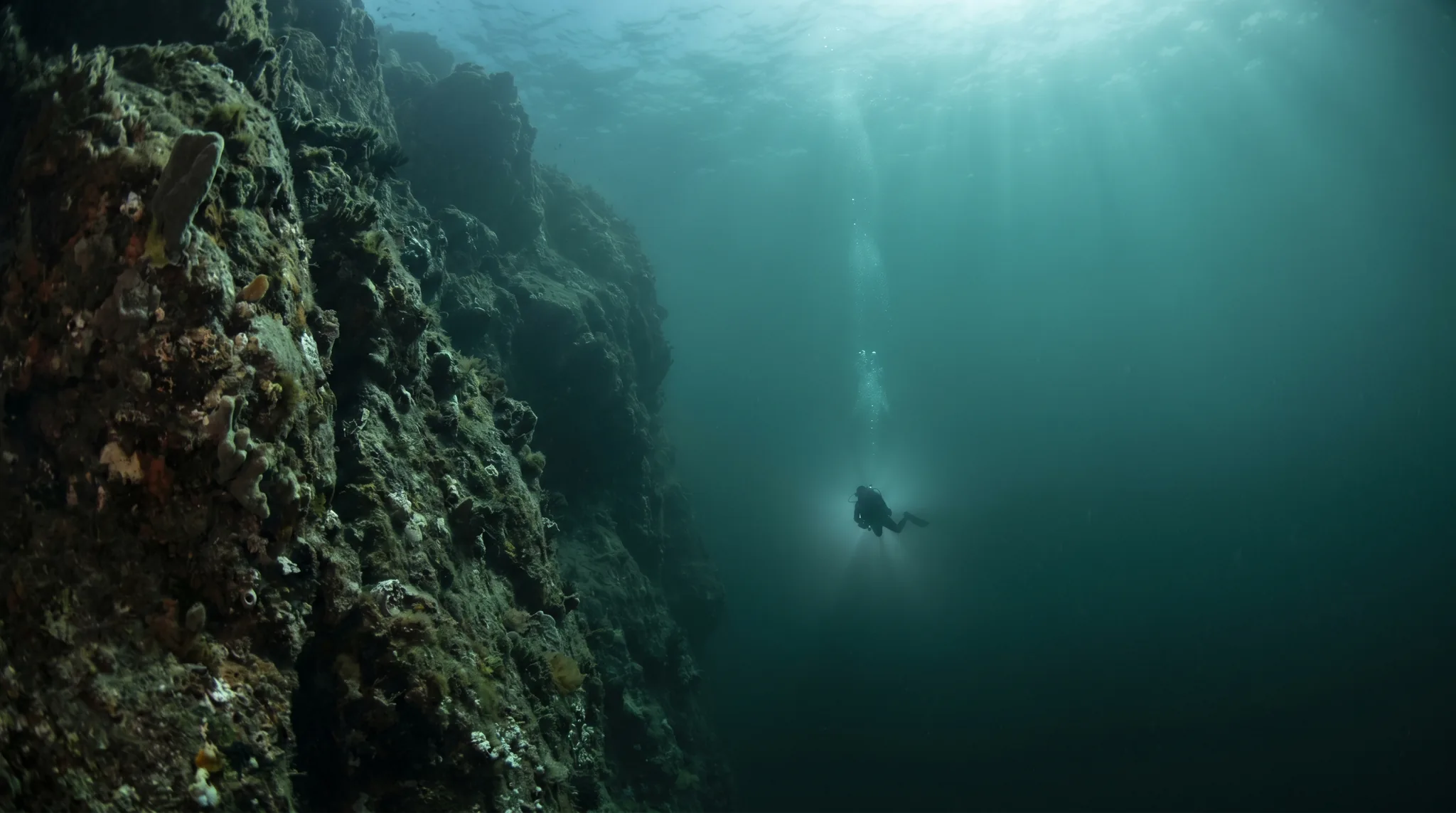
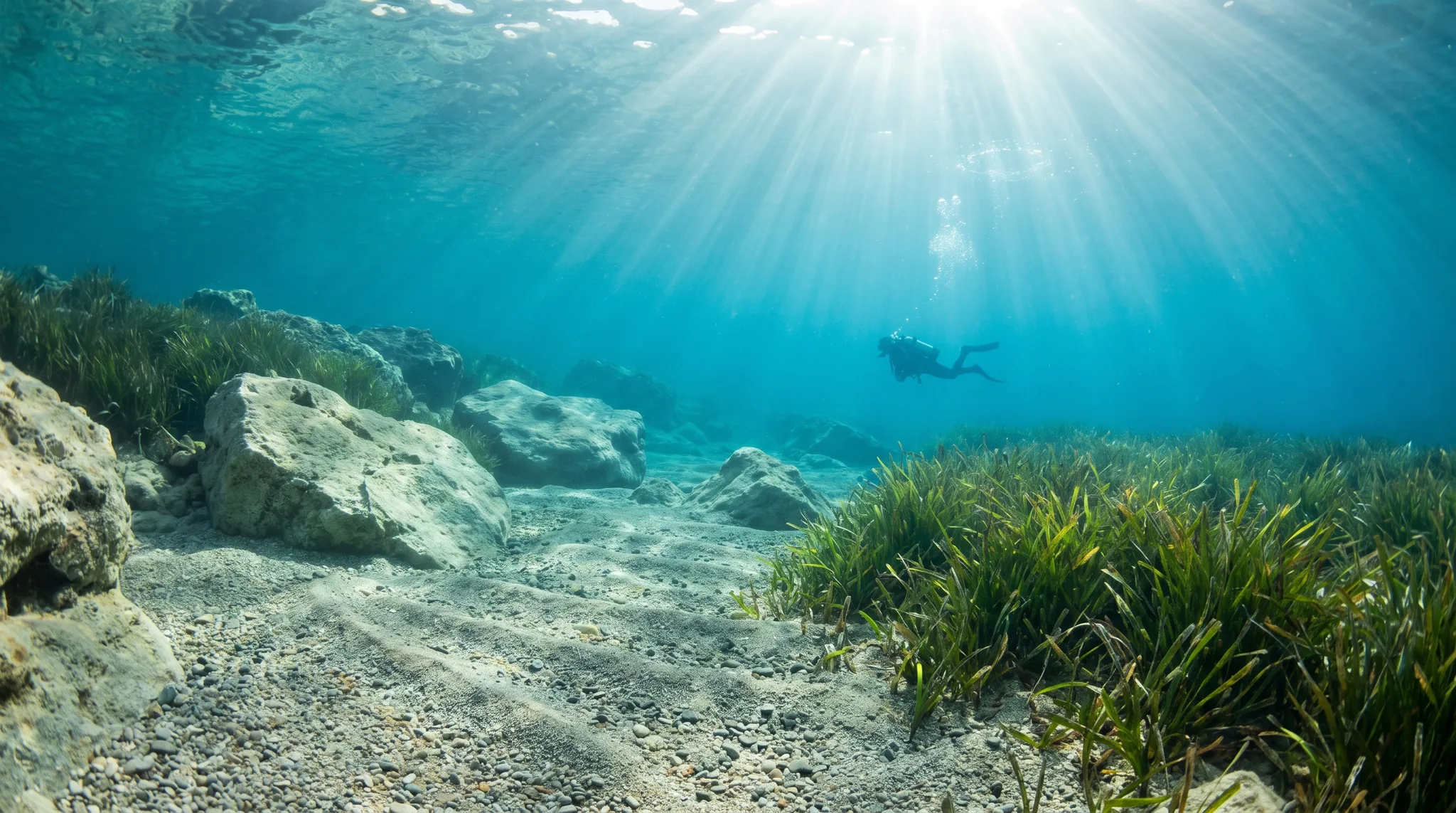
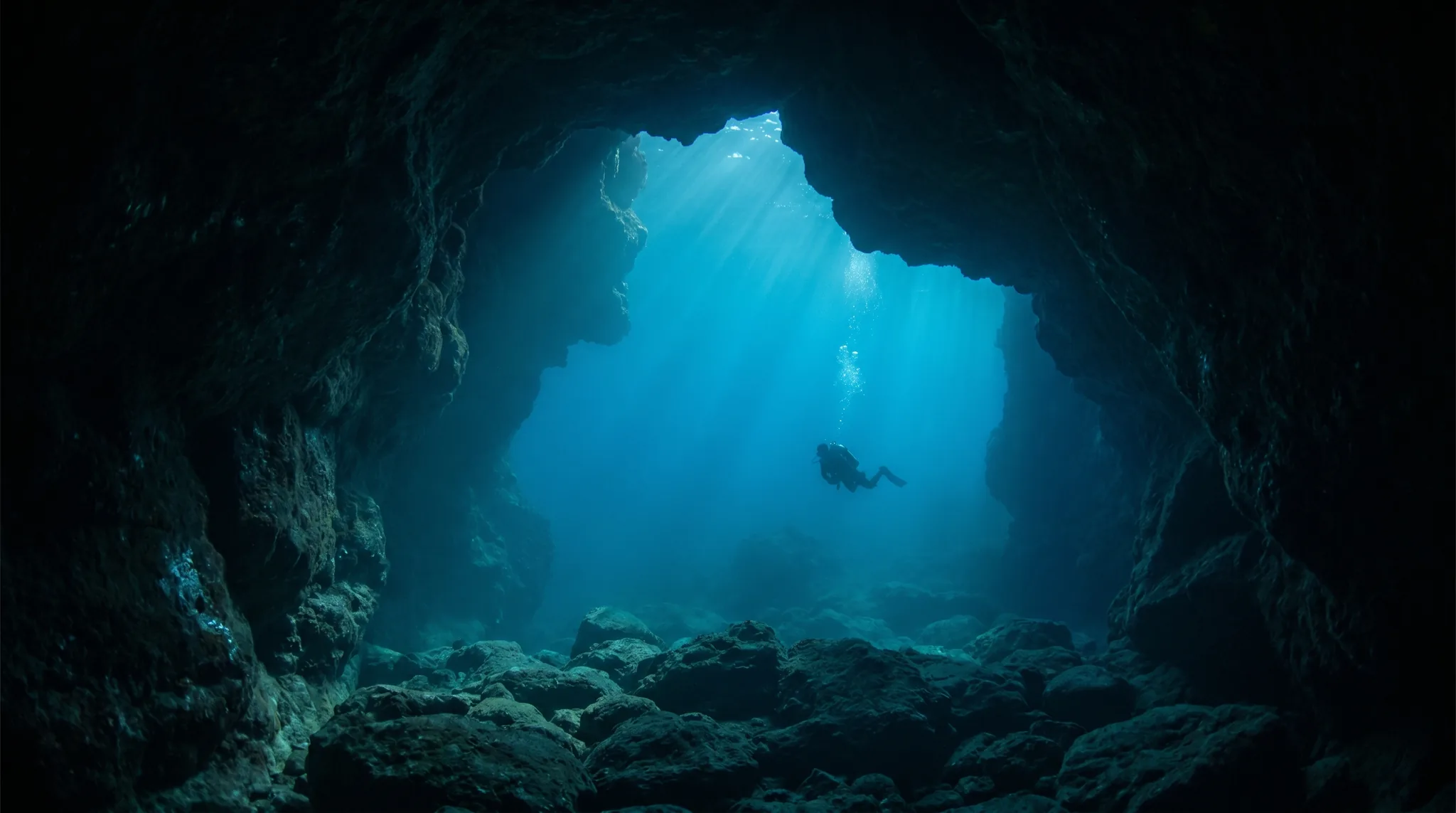
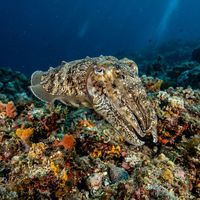
Jávea's diving is built around reef, wall, cave and seagrass habitats spread across shore and boat sites. A strong shallow tier suits beginners, while deeper walls and drop-offs at places like Rock Lobster and Cova del Camel challenge advanced divers. Nudibranch diversity is a defining feature, with multiple species observed consistently across sites. Common Octopus, Mediterranean Moray and Great Barracuda complete a varied cast. Calm, sheltered bays make snorkelling accessible alongside dedicated diving.
Monthly water temperature across Jávea's sites, from satellite sea-surface data corrected for depth. The band shows the site-to-site spread.
Water is coolest from January through March, making a thicker wetsuit worthwhile in winter. Conditions warm steadily from May onward, with the warmest water from July through September. Diver activity peaks from June through October, when calmer seas and warmer temperatures offer the most comfortable conditions.
17 operators

Moraira, Spain
47 more sites to explore
Water temperature around Jávea ranges from about 15°C in January to 25°C in September, based on satellite sea-temperature data for its dive sites.
In the warm season (about 25°C) a 3mm full suit is comfortable in Jávea; in the coldest months (about 15°C) step up to a 7mm or semi-dry suit.
Fin maps 59 sites in Jávea (51 scuba diving sites and 13 snorkelling spots, with some suited to both).
Across Jávea's dive sites, May, June, July, August, September and October are most often reported as the best months to visit.
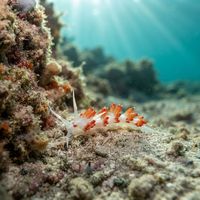
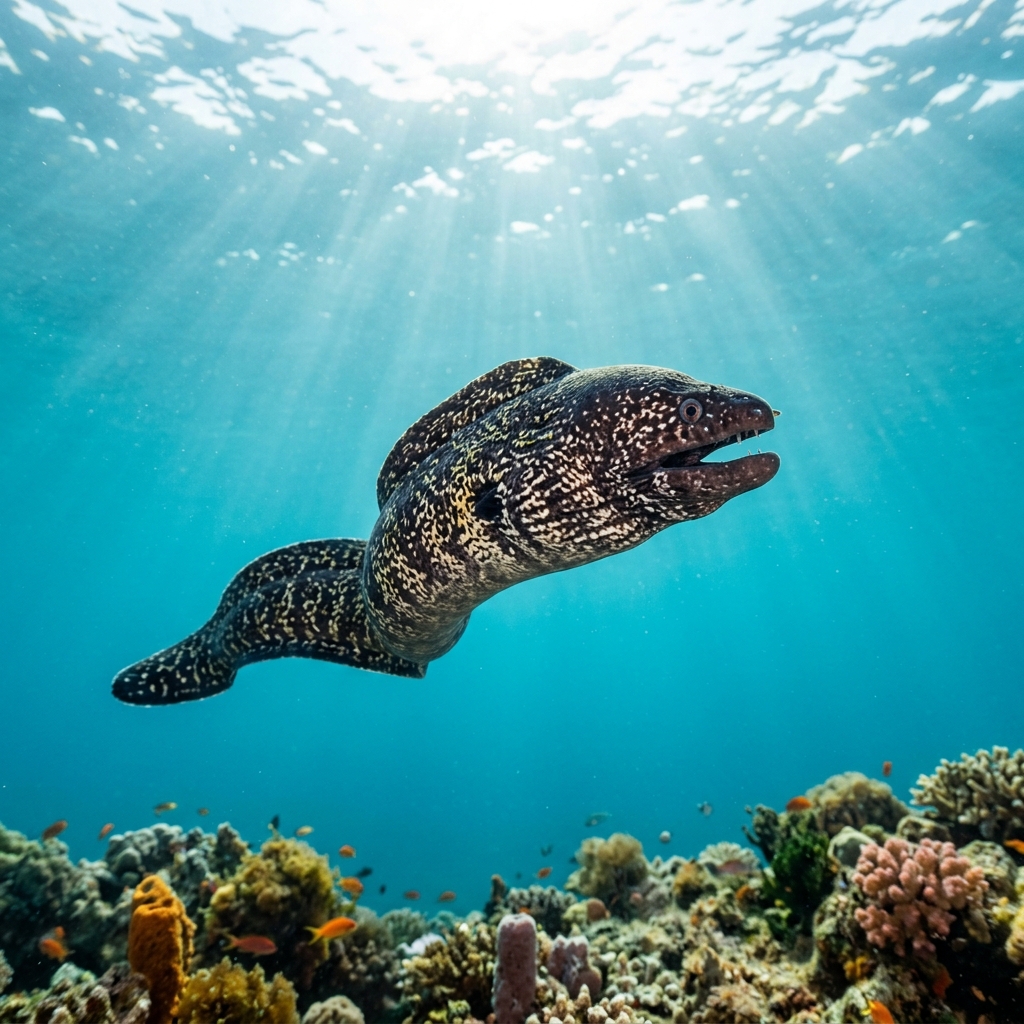
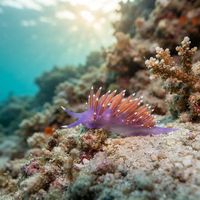
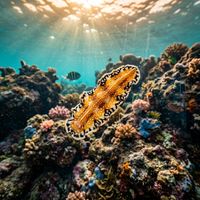
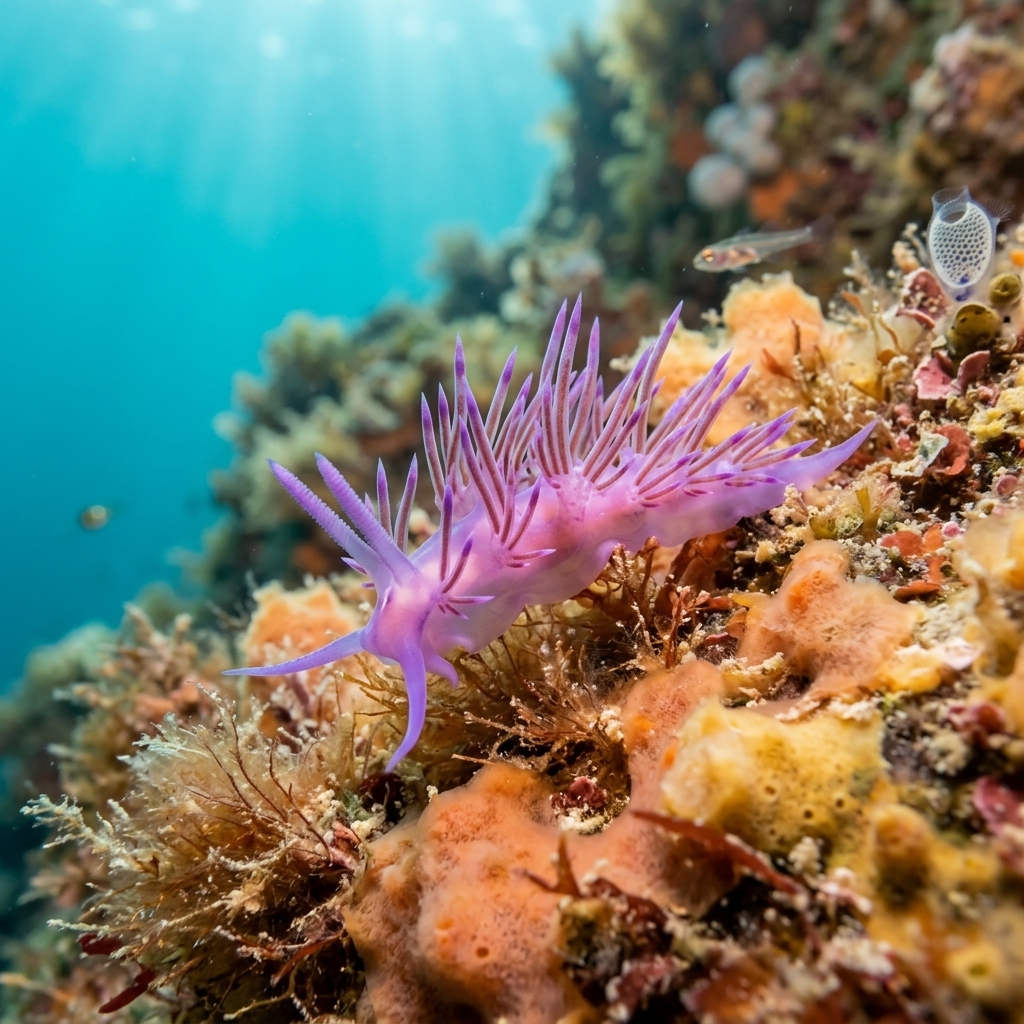
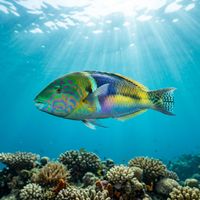
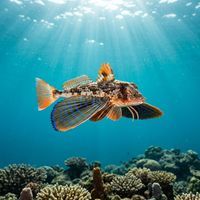
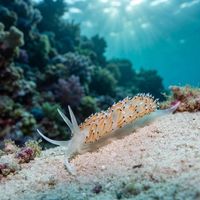
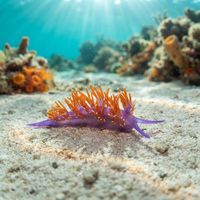
Jávea has a notable variety of observed species. Common Octopus is seen across nearly every site, and Mediterranean Moray, Great Barracuda and Turkish Wrasse are all very commonly recorded. The region stands out for nudibranch diversity, with species including Flabellina Cavolini, Violet Sea Slug, Cratena Slug and Mediterranean Violet Aeolid all consistently observed. Black Scorpionfish and Small Red Scorpionfish add to the bottom-dwelling life on rocky reefs.
A large proportion of Jávea's sites are rated for beginners, including shore-entry reef dives such as El Pesebre, Playetes Beach, Sillón rockero and Punta Estrella. The shallow artificial reef at BCLN Confined Waters is specifically designed for new divers gaining experience. Intermediate and advanced options like Isla Del Descubridor, Escull de Sant Pere and Rock Lobster are available when divers are ready to progress.
The majority of Jávea's sites are accessible from shore, which suits independent divers and makes planning straightforward. Several of the deeper or more exposed sites, including Rock Lobster, Cova del Camel and Escull de Sant Pere, require boat access. Operators such as Buceo Puerto Jávea, Diving Javea and Món Diving are among those offering boat trips to these sites.
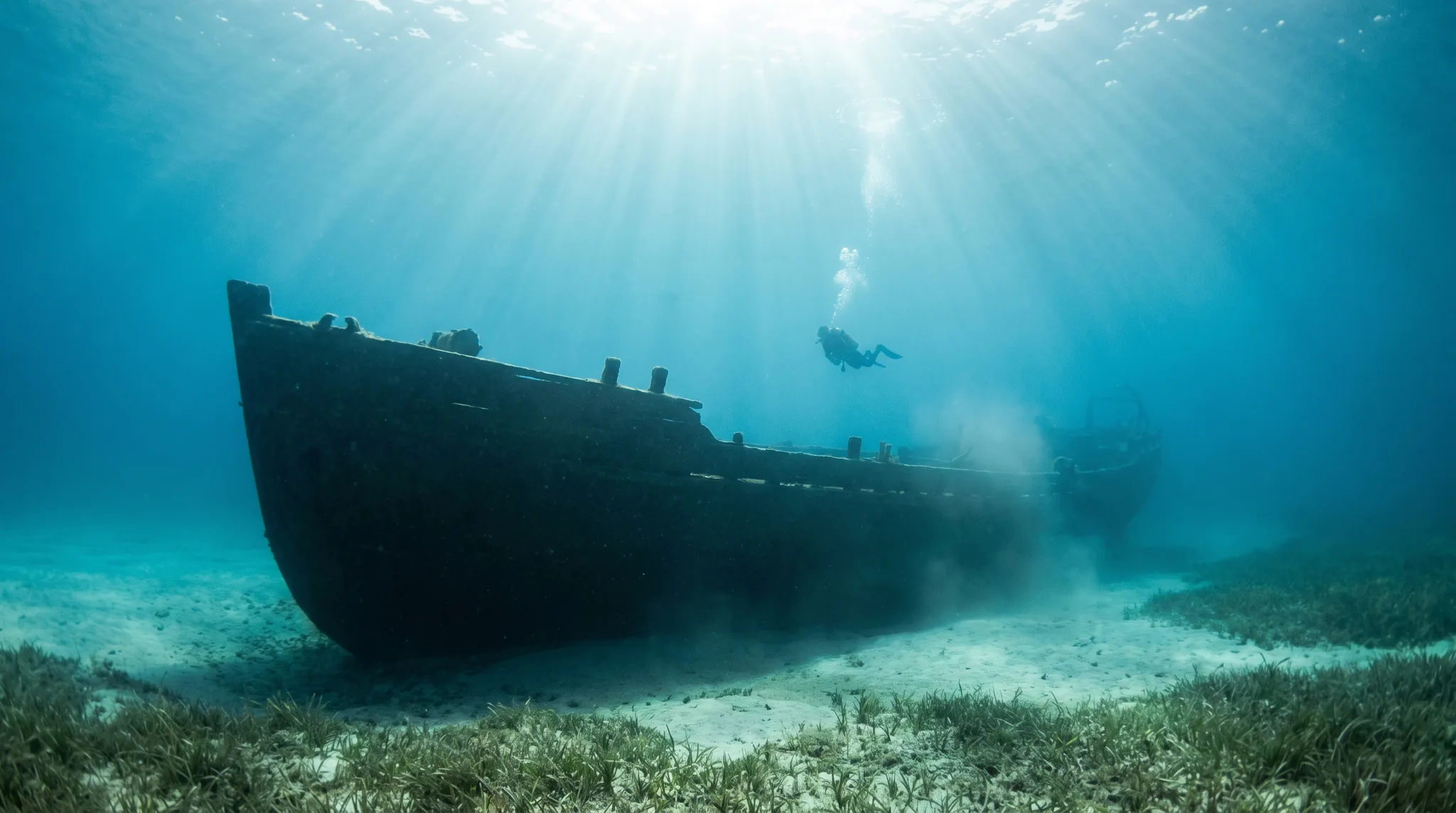
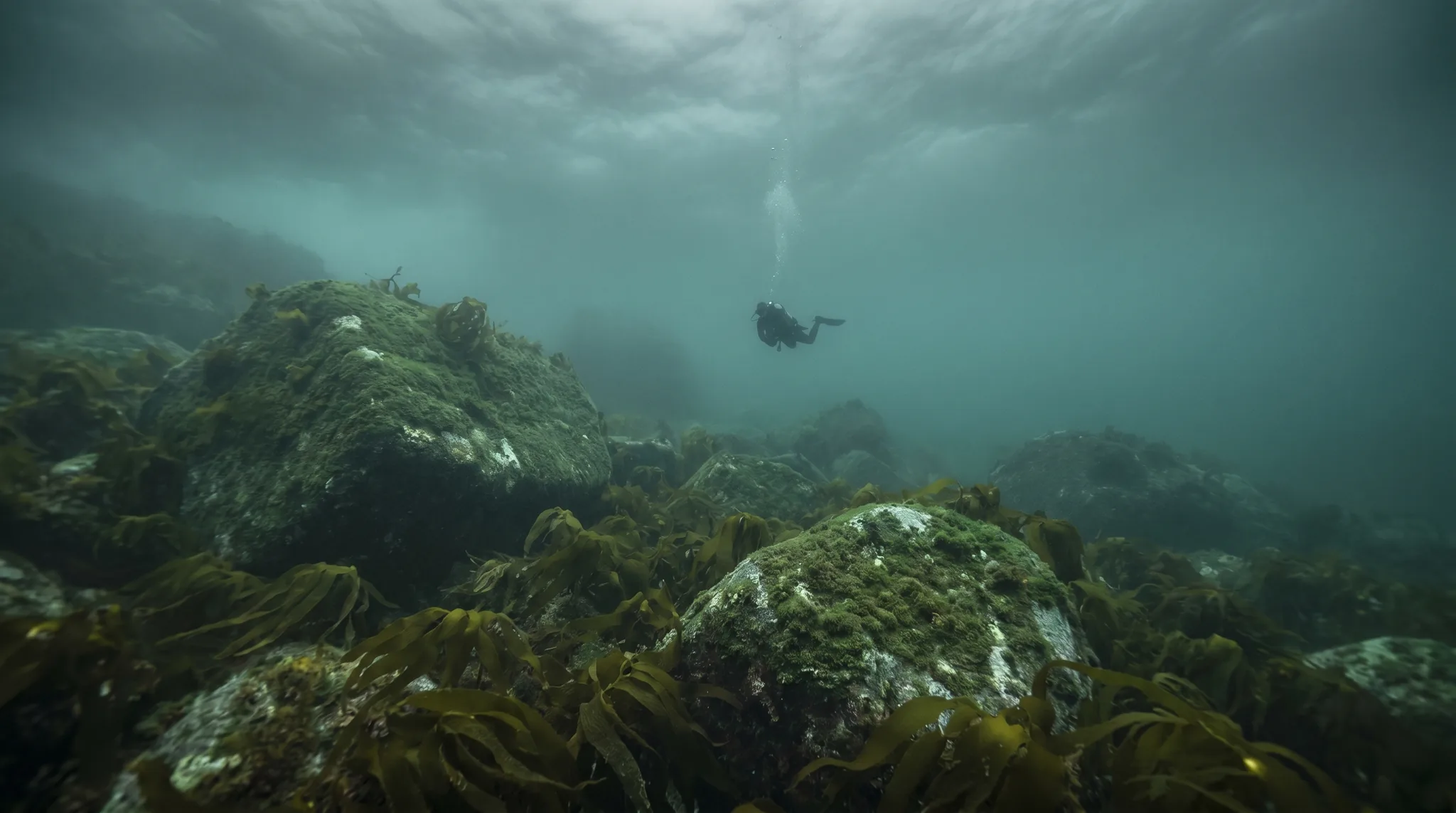
Reef diving is the backbone of Jávea's offering, present at the majority of sites in various forms. Caves are a recurring feature, found at sites including Moraig's Cave, Cova del Camel, Cueva del Morach and El Pesebre. Walls and drop-offs appear at deeper, more exposed sites, and seagrass beds feature in shallower, sheltered bays. This range of site types means the area suits a wide span of diver experience and interests.