
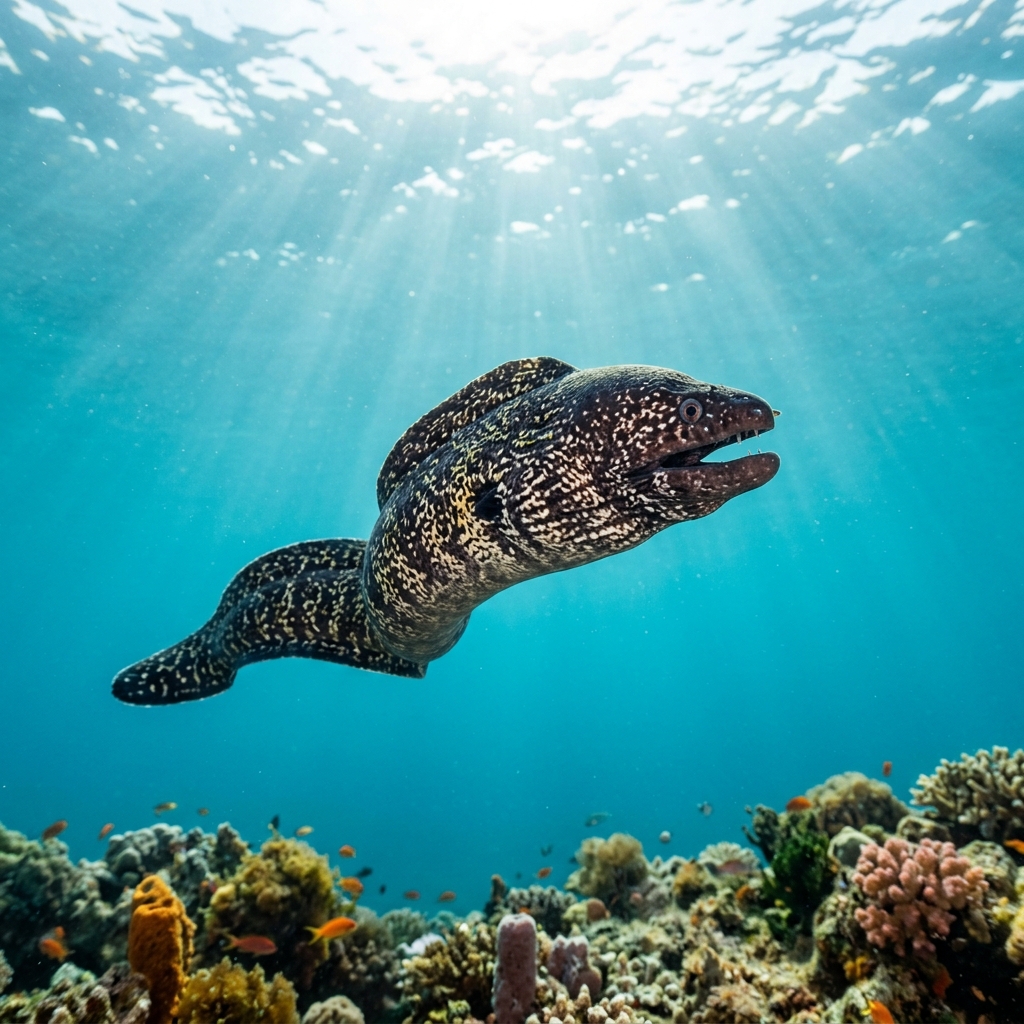
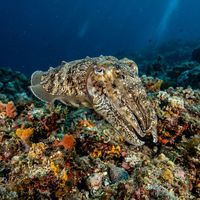
Cartagena's diving centres on reef and wall structures, with sites ranging from shallow shore entries suited to beginners through to deep walls and wrecks that demand advanced certification. Seagrass beds add variety alongside caves and pinnacles. Cephalopods and eels define much of the character here: Common Octopus, Mediterranean Moray, Conger Eel and European Common Cuttlefish are all regularly observed, alongside Great Barracuda and the distinctive Flying Gurnard. Conditions are calmest in late spring and autumn, which are the most popular periods.
Monthly water temperature across Cartagena's sites, from satellite sea-surface data corrected for depth. The band shows the site-to-site spread.
Water temperature rises steadily from cool late-winter conditions through to warm summer peaks in August, then eases back through autumn. May, October and the months around them attract the most divers, combining comfortable water with good visibility on exposed reef and wall sites. Winter remains diveable but cooler temperatures and occasional swell suit more experienced visitors.
20 operators


73 more sites to explore
Water temperature around Cartagena ranges from about 15°C in January to 24°C in August, based on satellite sea-temperature data for its dive sites.
In the warm season (about 24°C) a 3mm full suit is comfortable in Cartagena; in the coldest months (about 15°C) step up to a 7mm or semi-dry suit.
Fin maps 85 sites in Cartagena (71 scuba diving sites and 21 snorkelling spots, with some suited to both).
Across Cartagena's dive sites, May, June and October are most often reported as the best months to visit.
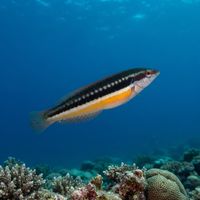
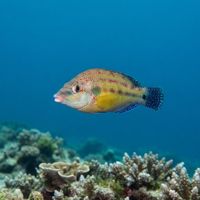
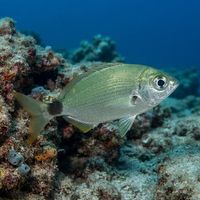
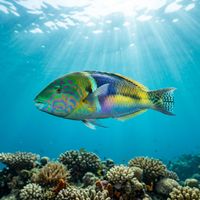
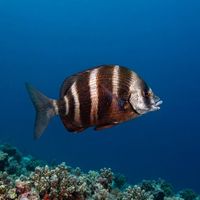
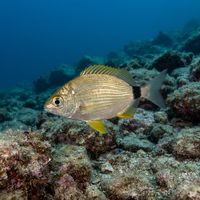
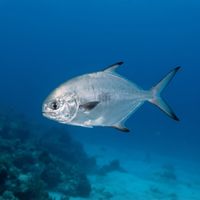
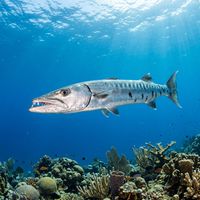
Cartagena has a notably rich cast of observed species across its sites. Common Octopus, Mediterranean Moray, Conger Eel and European Common Cuttlefish appear at the great majority of sites. Great Barracuda is also very commonly recorded, and the curious Flying Gurnard is a signature find. Hermit Crab, Scorpionfish, Turkish Wrasse, White Seabream and Striped Red Mullet fill out the reef community.
Yes, a good portion of the sites here are rated for beginners. Shore entries at Playa del Puerto and Playa de Calabardina offer gentle introductions over reef and seagrass, and boat sites such as La Cresta provide structured reef and wall diving at modest depths. More challenging walls, caves and deep wrecks like La Fuente and Barcoquemao are available for advanced divers seeking something more demanding.
Most dive sites in Cartagena are reached by boat, which gives access to the wider reef systems, pinnacles, wrecks and deeper walls offshore. Shore entry is available at Playa del Puerto and Playa de Calabardina, both of which suit beginners and are convenient for independent divers. Several local operators including Rivemar Dive Resort, Buceo Hispania Mazarrón and ZOEA Águilas can organise boat trips to the more exposed sites.
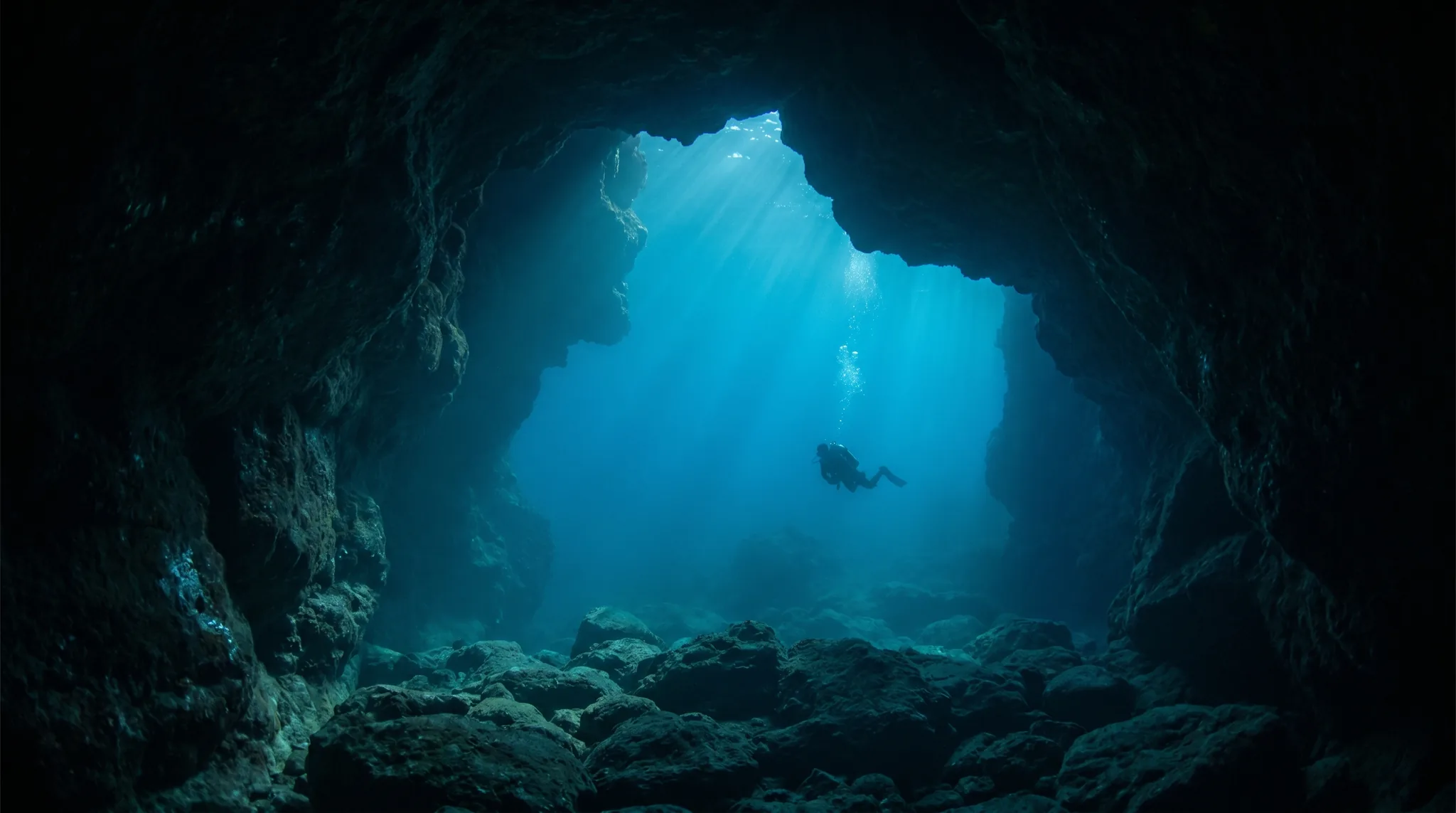
The site mix is varied. Alongside reef diving you will find dedicated wall dives such as La Fuente, cave systems at Cueva de la Virgen and La Catedral, pinnacle structures at Loza del Payo and Calarreona, and wreck sites including Bajos Gaudel Chiribito and Barcoquemao. Seagrass beds feature at Playa del Puerto and Calarreona, and Isla de las Palomas includes an artificial reef element.