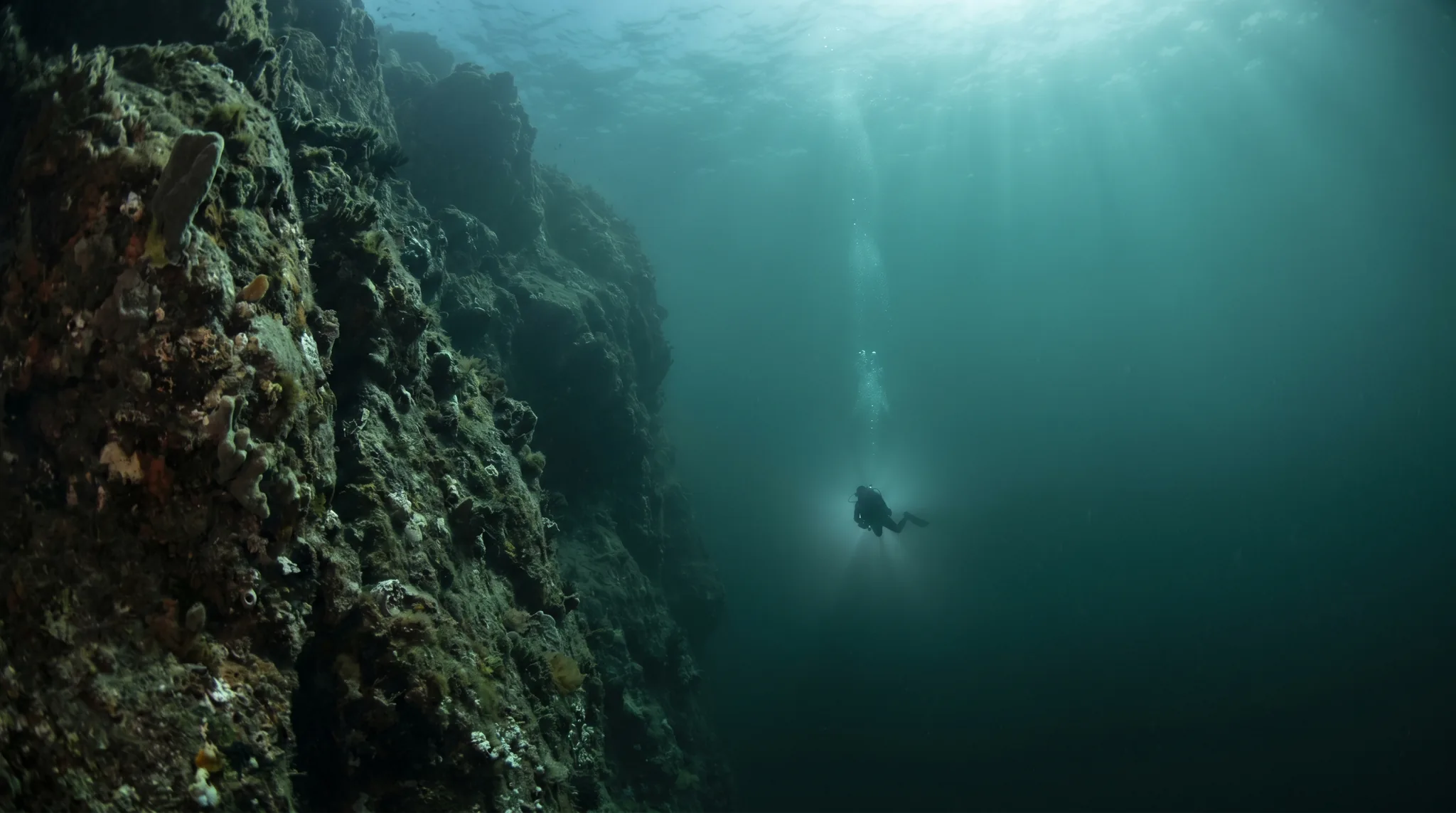
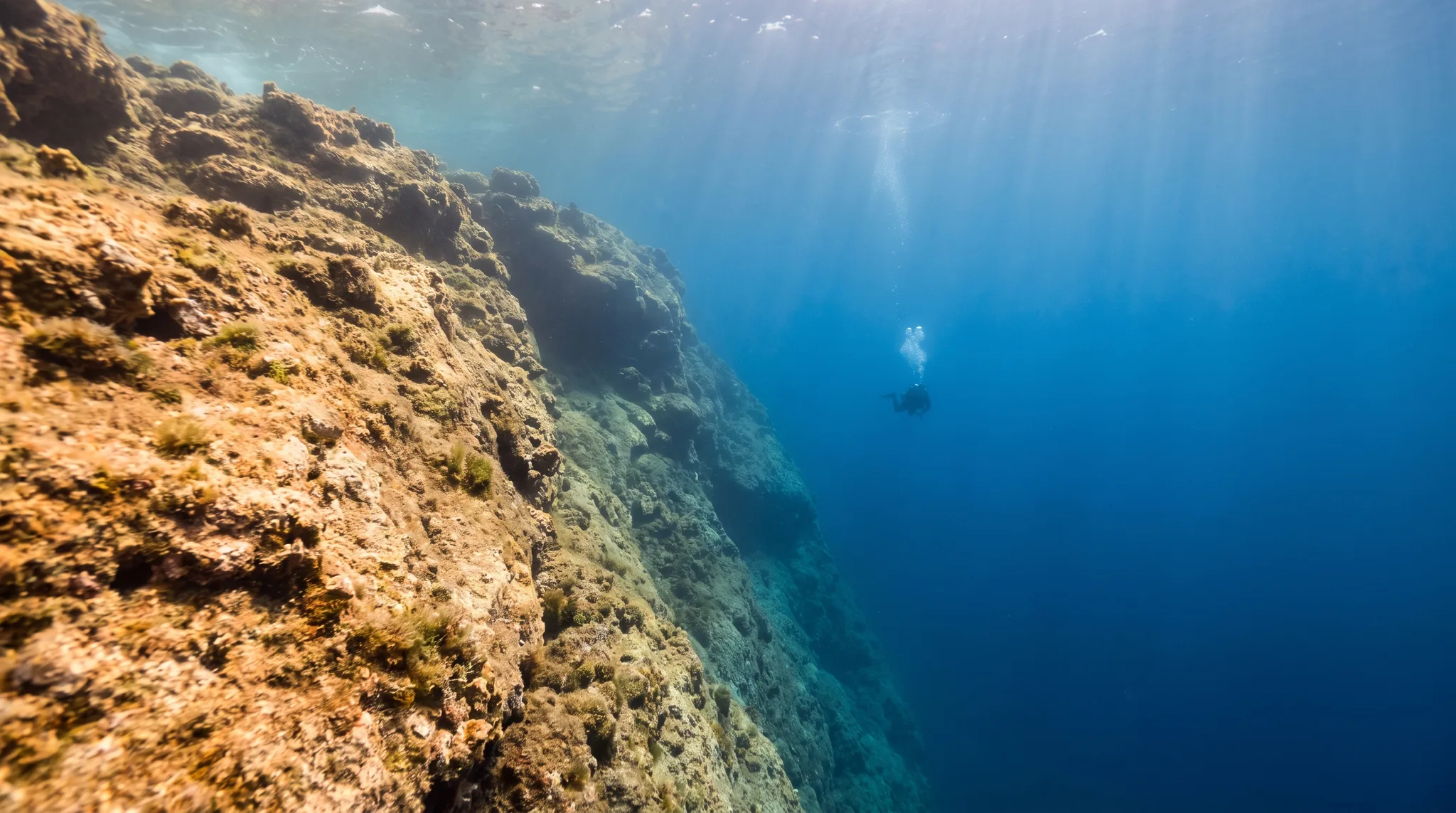
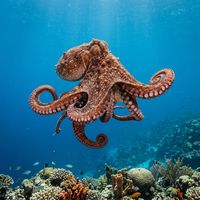
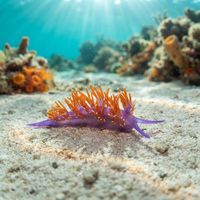
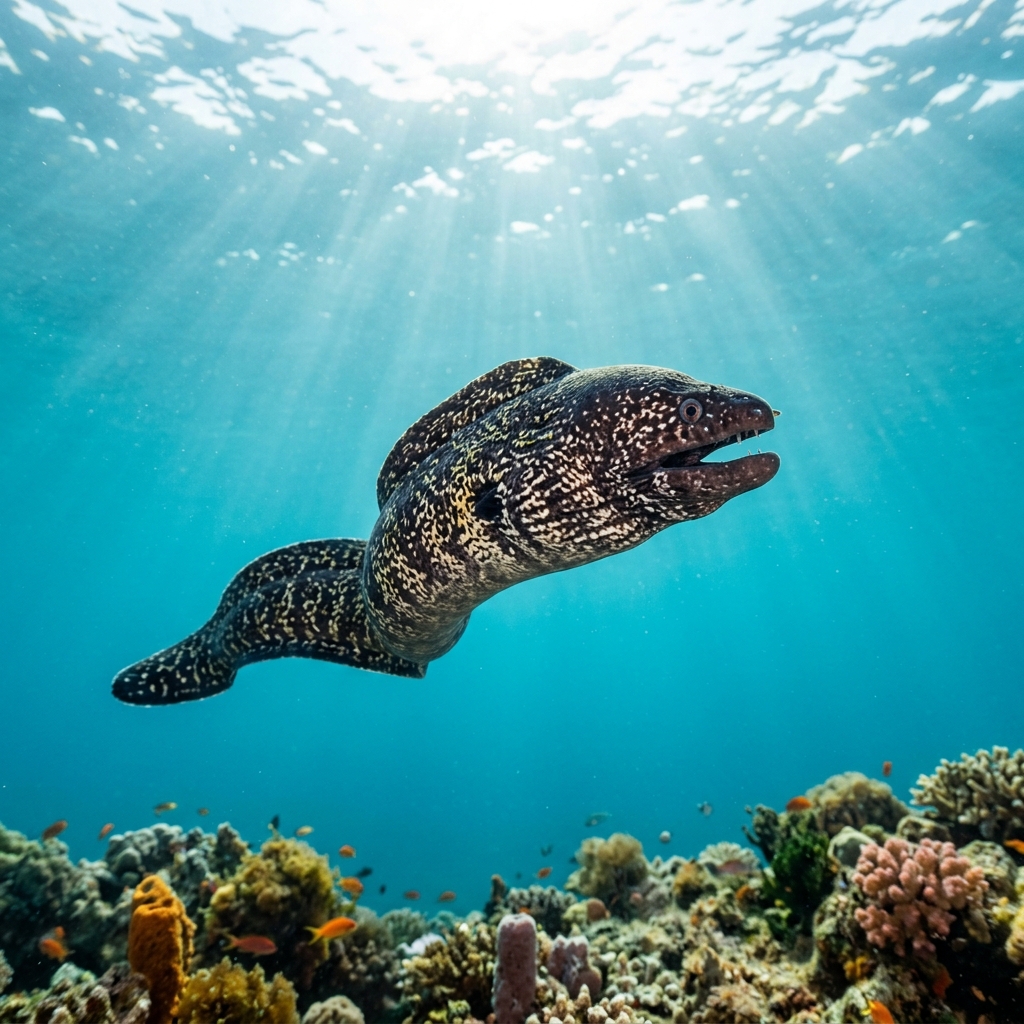
Calpe's diving is defined by the dramatic topography of the Peñón de Ifach, whose north and south faces serve up walls, drop-offs, pinnacles and caverns across a range of skill levels. Shore-entry reef sites provide accessible dives for beginners, while deeper boat dives off the rock's south face suit more experienced divers. The species list leans heavily toward invertebrates: Common Octopus, Mediterranean Moray, and a remarkable variety of nudibranchs are regularly encountered across the sites.
Monthly water temperature across Calpe's sites, from satellite sea-surface data corrected for depth. The band shows the site-to-site spread.
Water stays cool through winter and early spring, warming steadily from May onward and peaking in late summer and early autumn. The warmest, most settled conditions run from early summer through October, which also corresponds to the period rated most highly by divers. Winter diving is possible but cooler temperatures and variable conditions make it better suited to those comfortable with a thicker suit.
15 operators

21 more sites to explore
Water temperature around Calpe ranges from about 15°C in January to 25°C in September, based on satellite sea-temperature data for its dive sites.
In the warm season (about 25°C) a 3mm full suit is comfortable in Calpe; in the coldest months (about 15°C) step up to a 7mm or semi-dry suit.
Fin maps 33 sites in Calpe (29 scuba diving sites and 9 snorkelling spots, with some suited to both).
Across Calpe's dive sites, May, June, July, August, September and October are most often reported as the best months to visit.
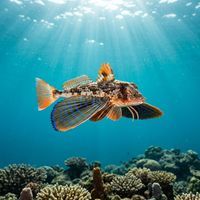
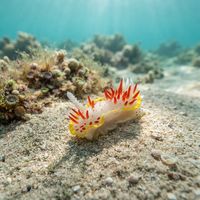
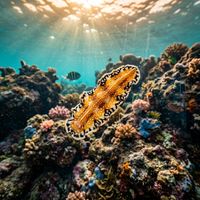
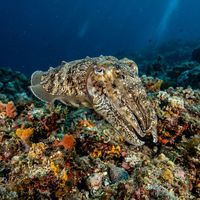
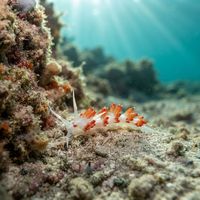
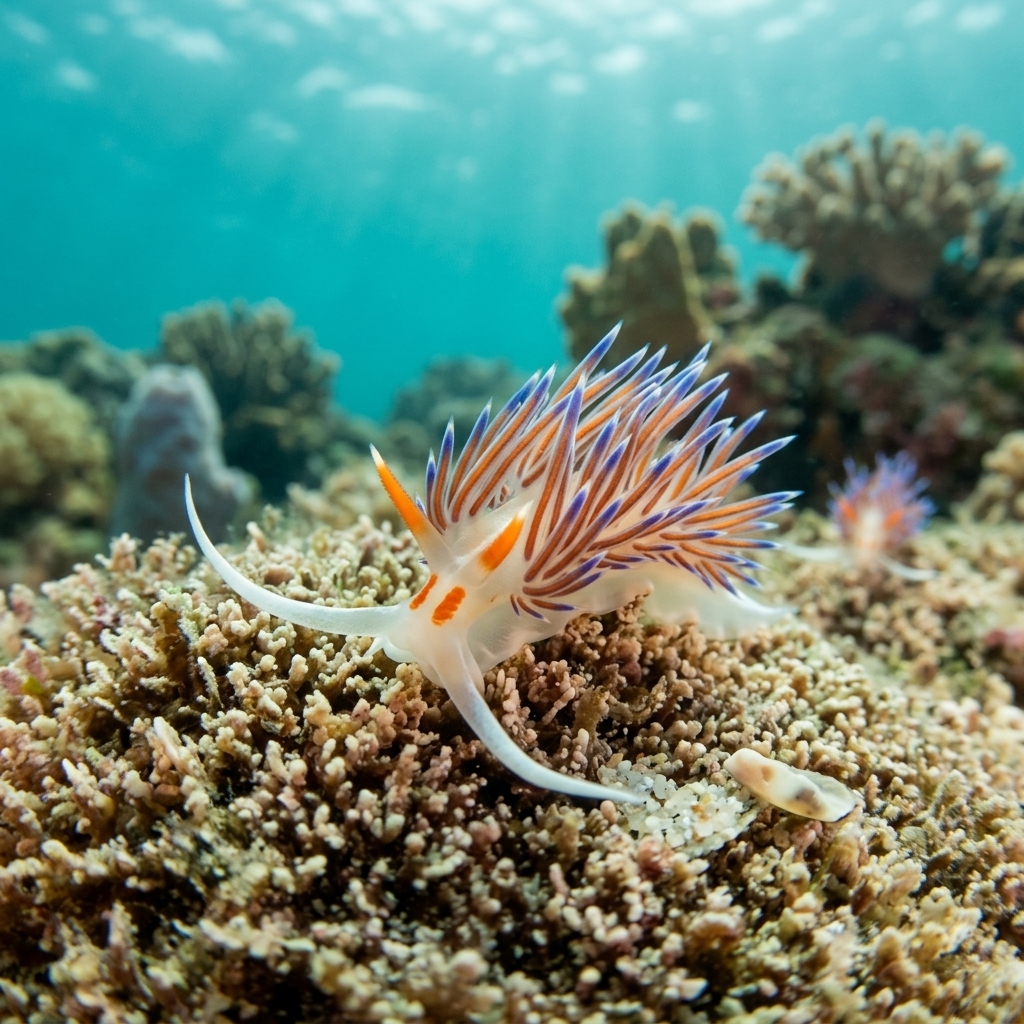
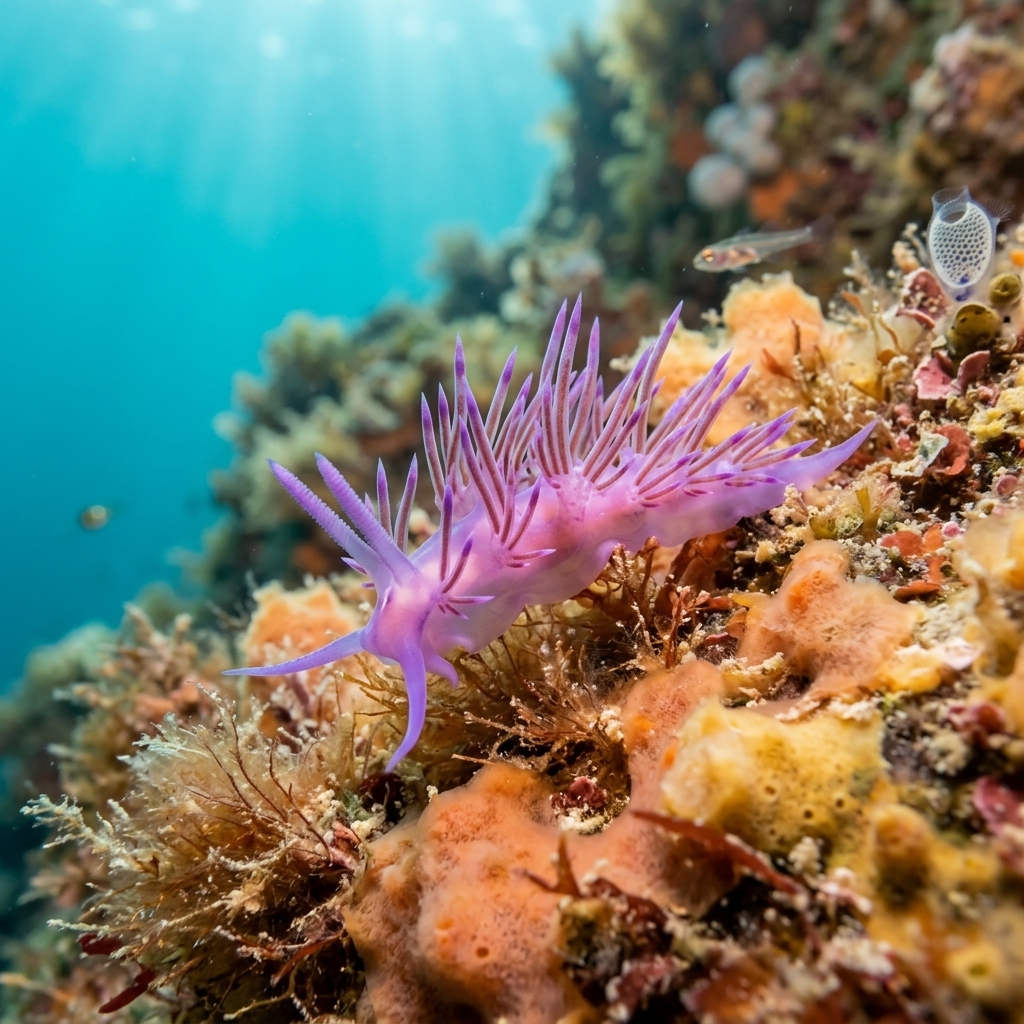
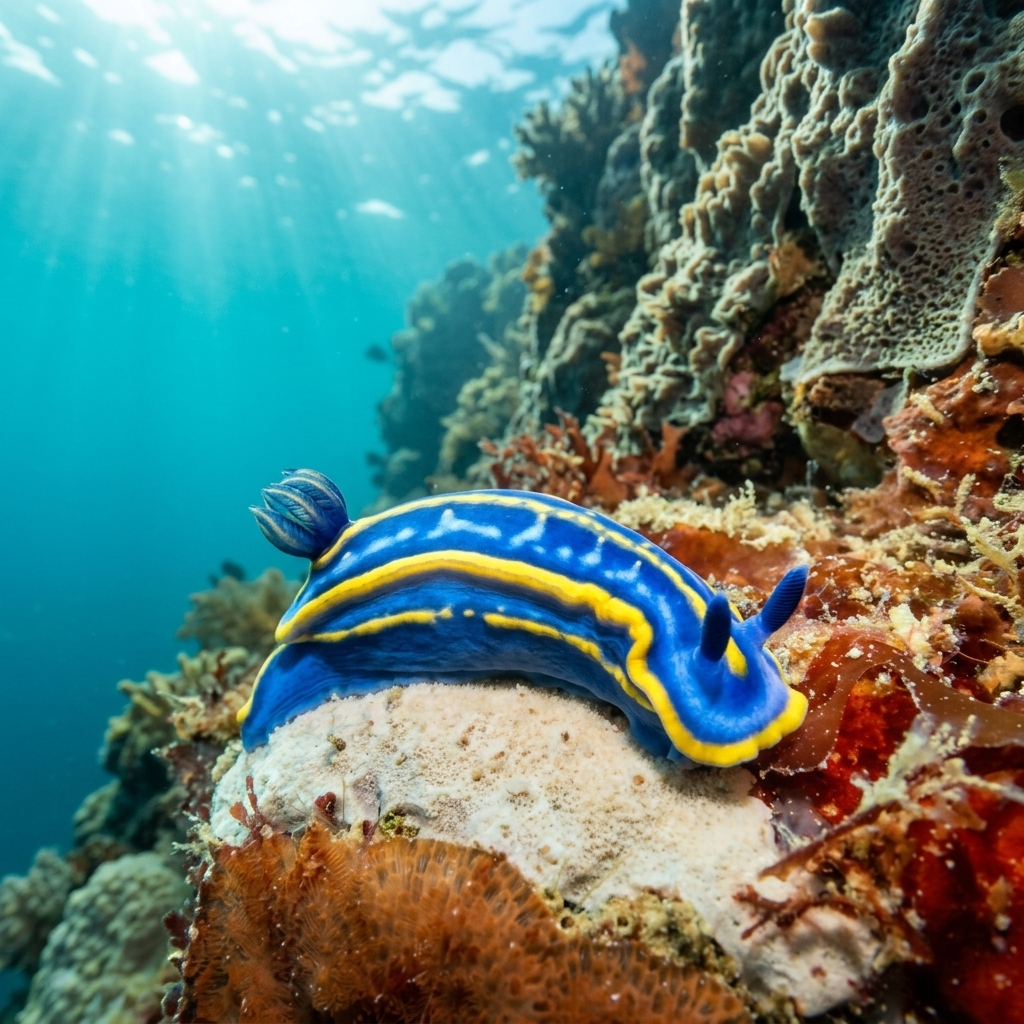
Calpe's reefs are particularly strong for invertebrates. Common Octopus and Mediterranean Moray are spotted with high regularity, and the nudibranch diversity is a real draw: Flabellina Ischitana, Cratena Slug, Mediterranean Violet Aeolid, Tricolor Doris and Diaphorodoris papillata are all observation-backed species recorded across the sites. Fish life includes Flying Gurnard, Peacock Wrasse, Turkish Wrasse and European Common Cuttlefish.
Yes, several sites are rated beginner-friendly. El Tazón offers shallow, calm shore-entry conditions ideal for those building confidence, while Pantalanes combines natural reef with artificial structures in an easy shore dive. Morro de Toix is a wall and reef site also accessible to beginners, available by shore or boat entry. More challenging sites around the south face of the Peñón de Ifach are better left for intermediate and advanced divers.
Both options exist. El Tazón, Pantalanes, Cala Tío Ximo and El Peñón are all shore-entry sites, giving independent divers plenty of choice. The more dramatic sites around the Peñón de Ifach, including La Higuera, Roca Langosta, Final del Paseo and Nido del Águila, are boat-only. Several operators listed in Calpe and nearby areas run regular boat trips to these sites.
The rock's north and south faces offer quite different experiences. The north face, represented by La Higuera, features a gradual wall descent over large rocks. The south face hosts several boat-only sites including Roca Langosta, the deepest dive point in the immediate area with a notable drop-off, as well as Nido del Águila, Final del Paseo and Roca Plana, each with its own mix of wall, reef and sandy bottom terrain.