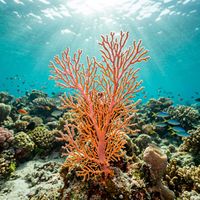
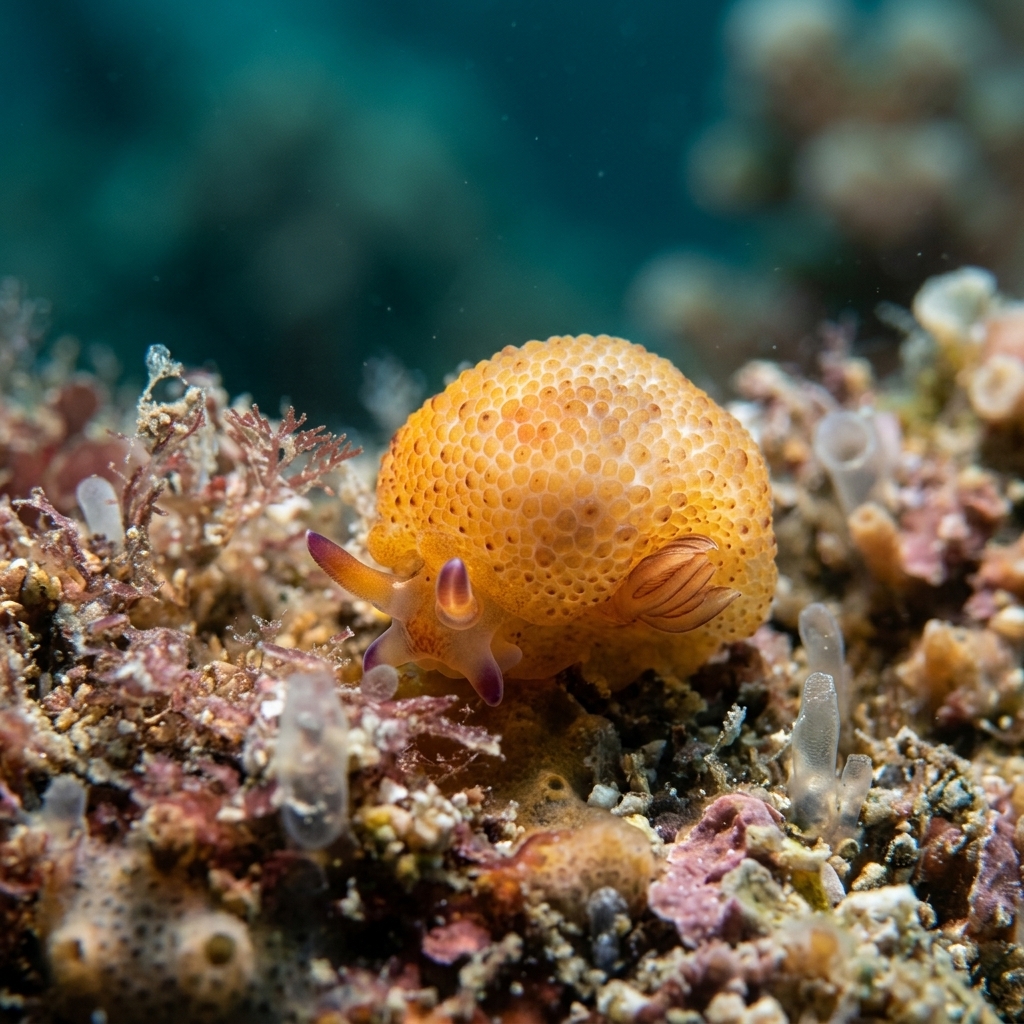
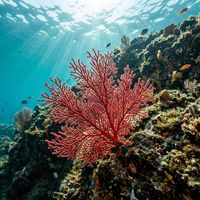
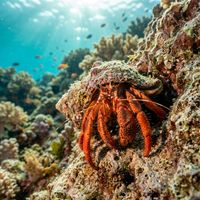
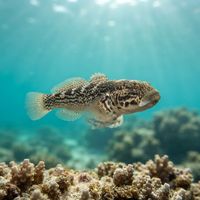
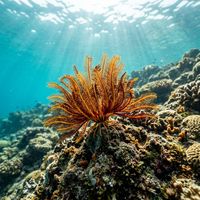
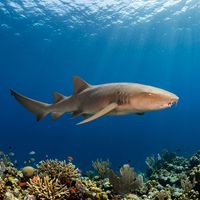
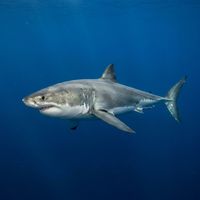
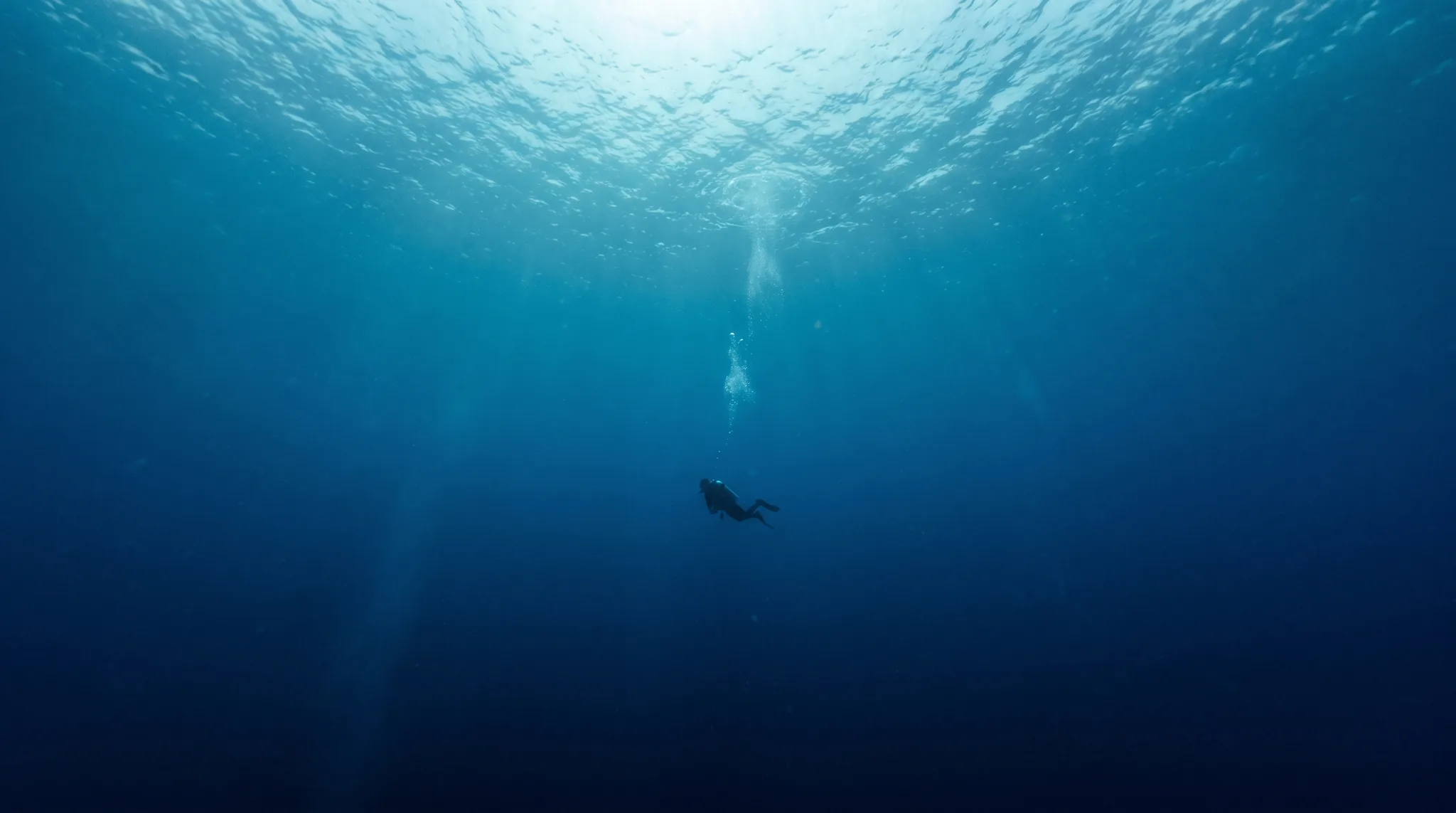
The Eastern Cape offers a mix of reef dives, pinnacle systems and a shore-accessible wreck, spread across three distinct sub-areas: Port Elizabeth, East London and Port Alfred. The Grey Nurse Shark and Pyjama Shark appear across a wide range of sites, and Red Gorgonian encrusts many of the reefs alongside Conger Eel and Feather Star. Snorkelling is well represented, with shallow reef entries suiting beginners. Visibility varies considerably through the year, and the cooler months tend to bring the clearest water. Boat access is the norm, though shore entry is possible at select sites.
3 areas
 10
10Reef and pinnacle diving with frequent Grey Nurse Shark encounters and rich invertebrate life along the Eastern Cape coast.
9Indian Ocean reef and wreck diving with warm seasonal temperatures, ragged-tooth sharks at pinnacle sites, and accessible shore entries near East London.
4Eastern Cape reef and rock pool diving at Port Alfred, with offshore sites including Fountain Rocks where sharks use cave systems year-round.
Monthly water temperature across Eastern Cape's sites, from satellite sea-surface data corrected for depth. The band shows the site-to-site spread.
Water temperature stays relatively stable year-round, dipping slightly in the cooler months between June and October, when visibility tends to be at its best. The histogram points to June and November as favoured months, reflecting a window either side of the coldest period. Exposed coastal conditions mean currents and surge can vary, so divers should check local conditions, particularly at boat-access sites.
9 operators
Port Elizabeth, South Africa
Port Alfred, South Africa
Water temperature around Eastern Cape ranges from about 19°C in June to 22°C in February, based on satellite sea-temperature data for its dive sites.
In the warm season (about 22°C) a 3mm full suit is comfortable in Eastern Cape; in the coldest months (about 19°C) step up to a 5mm suit.
Fin maps 23 sites in Eastern Cape (11 scuba diving sites and 14 snorkelling spots, with some suited to both), organised into 3 areas.
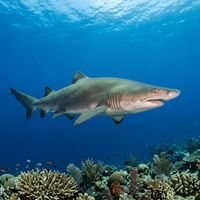
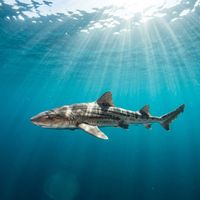
The Grey Nurse Shark is the signature species and has been observed across the majority of sites in the region. The Pyjama Shark is also very commonly sighted, and Nurse Shark and Leopard Shark have been observed at a smaller number of sites. Great White Shark sightings have been recorded, though they are infrequent.
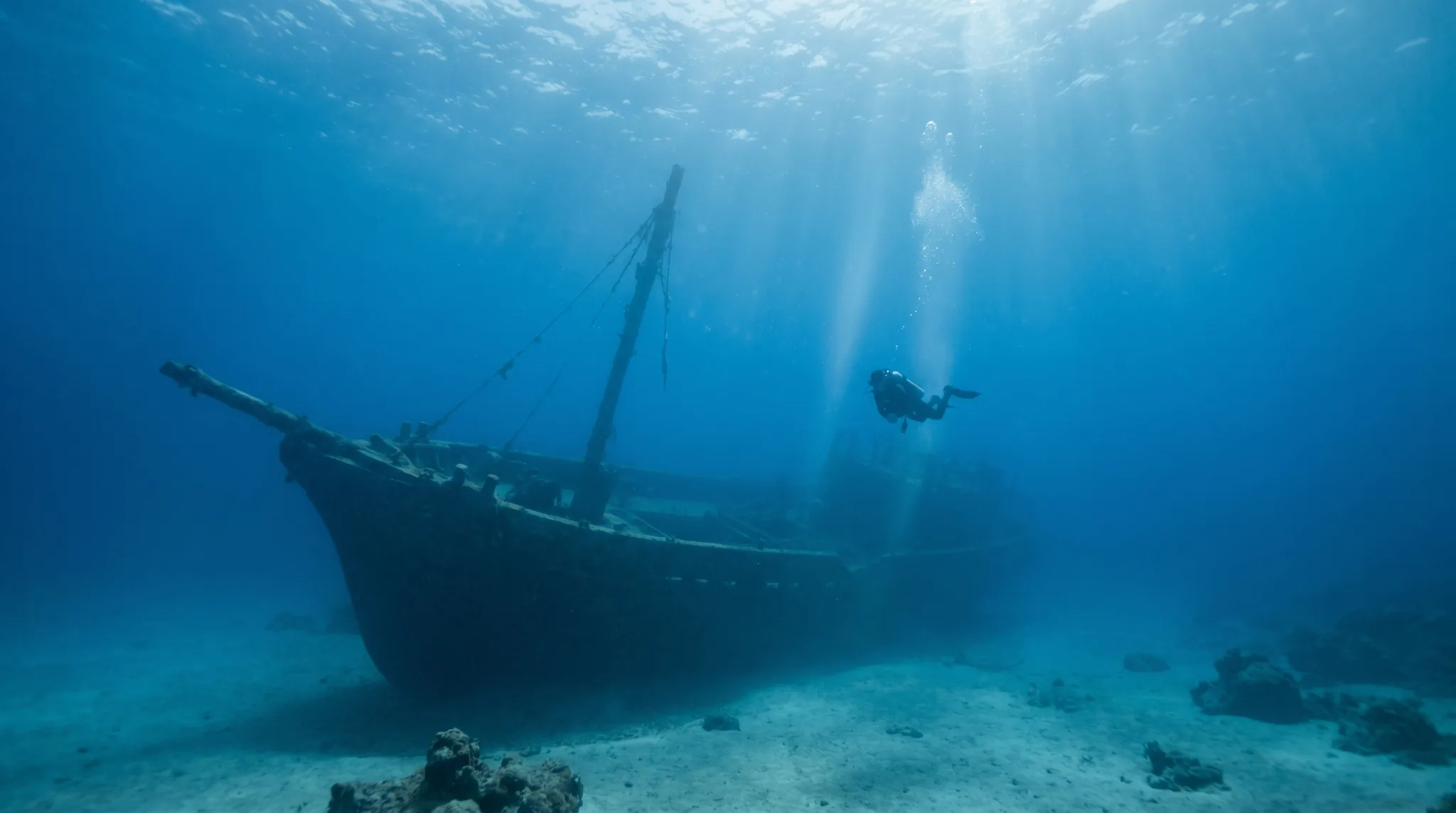
Several sites are rated for beginner or intermediate divers. St Croix Island and Sharks Gulley are described as suitable for new divers building confidence, while the SS King Cadwallon wreck offers a shore entry option also rated for beginners. Shark Alley is the most demanding site listed, rated intermediate, with deeper sections and a more complex reef structure.
Port Elizabeth has the largest concentration of sites and includes reef and pinnacle dives such as Shark Alley and the St Croix Island shallow reef. East London is home to the SS King Cadwallon wreck, one of the few shore-entry sites in the region. Port Alfred has fewer listed sites but includes the relaxed, beginner-friendly Sharks Gulley reef.
The majority of dive sites in the Eastern Cape are reached by boat, including Shark Alley and St Croix Island near Port Elizabeth. The SS King Cadwallon near East London is a notable exception, accessible directly from shore. Several operators including ProDive, Blackwater Diving and Raggy Charters run boat trips across the region.