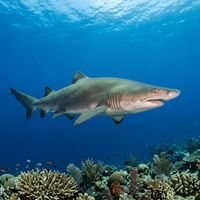
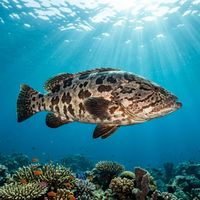
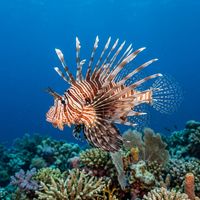
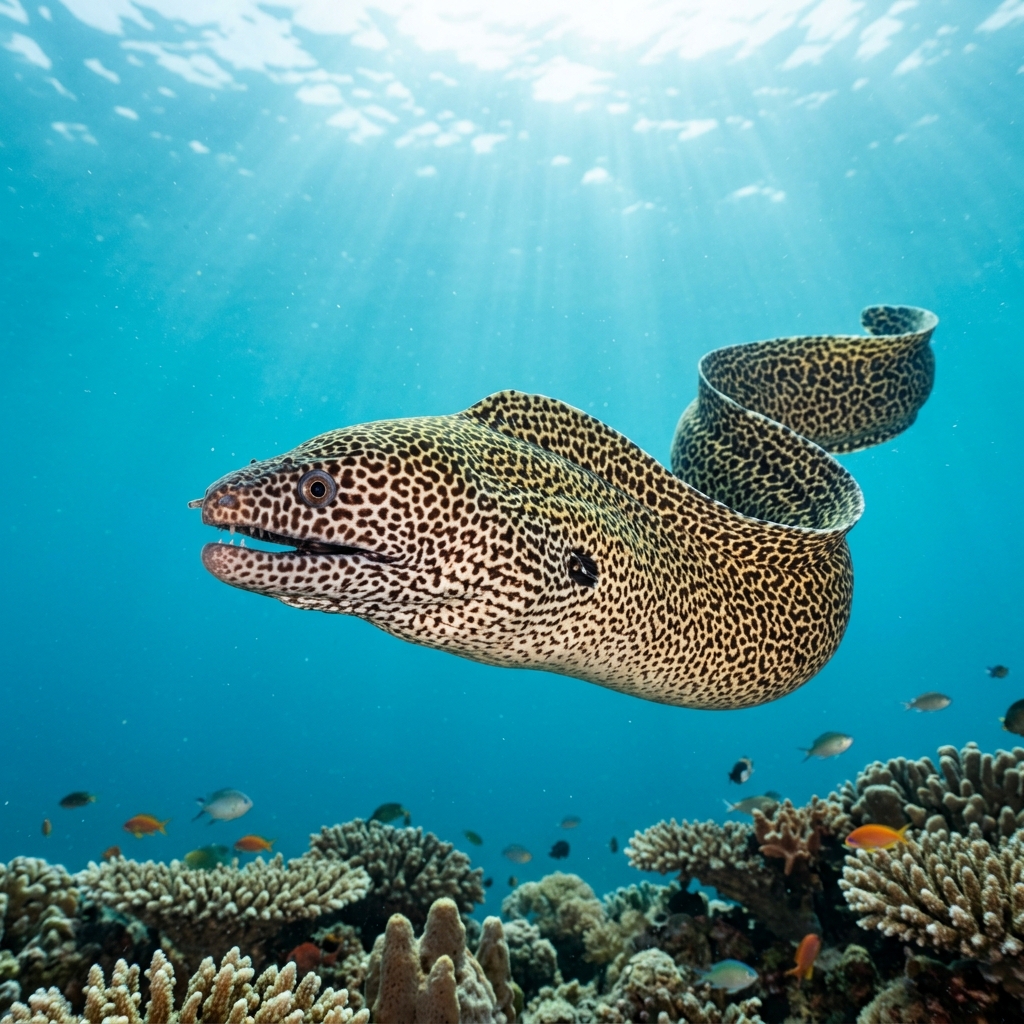
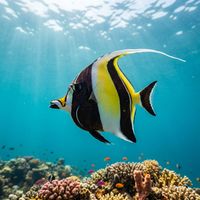
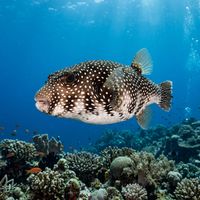
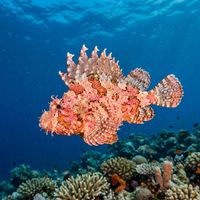
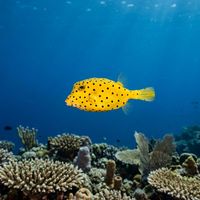
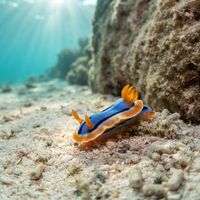
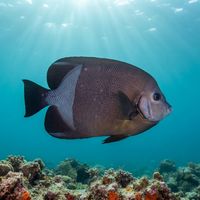
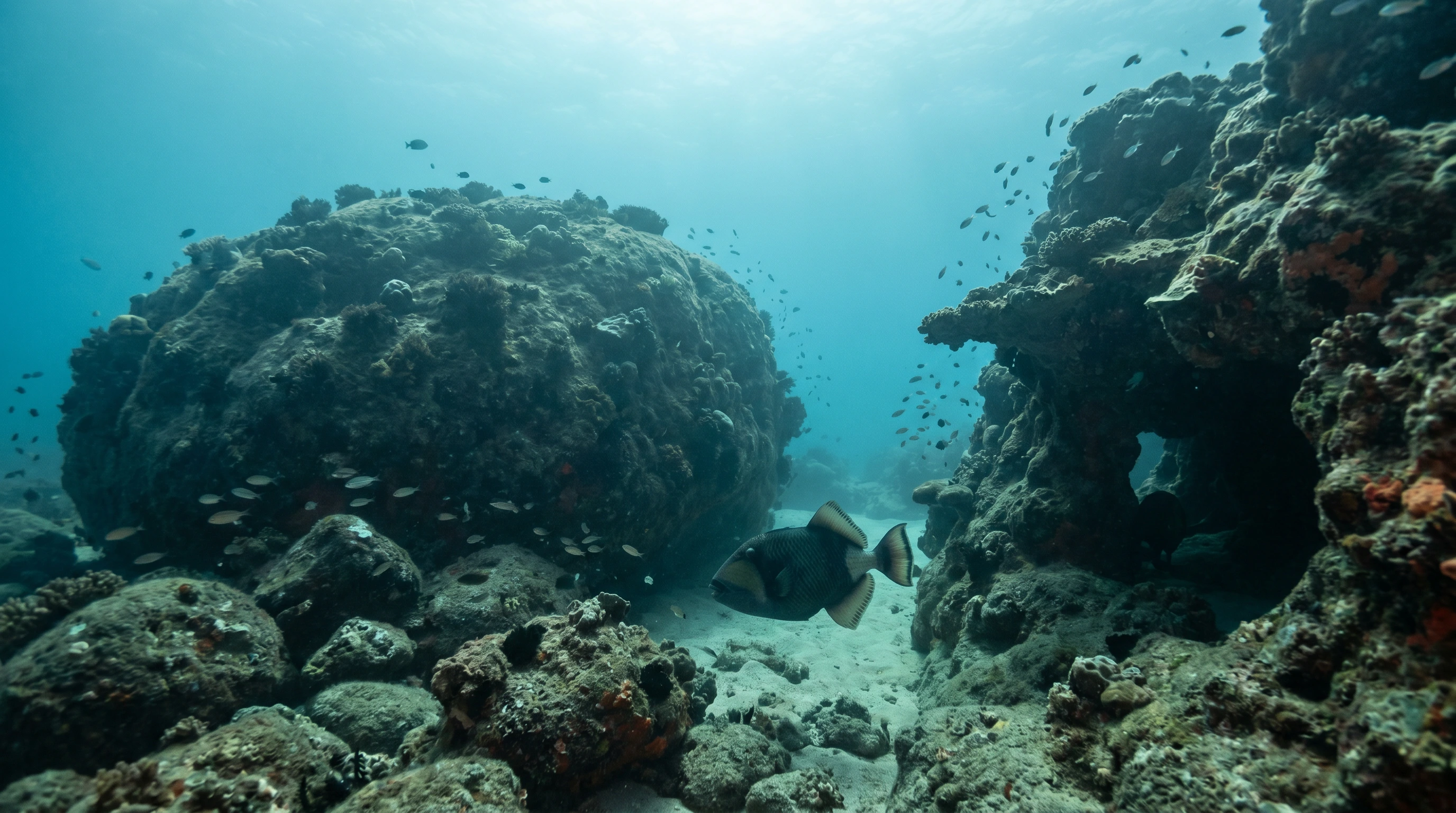
KwaZulu-Natal offers a varied underwater landscape shaped by reef systems, drift dives, wrecks, caves and open-water pinnacles spread across five distinct sub-areas: Sodwana Bay, Durban, Aliwal Shoal, Hibiscus Coast and Mabibi. Conditions range from shallow beginner-friendly coral gardens to deep, current-driven sites that demand advanced skills. The marine life is a particular draw, with the Grey Nurse Shark and Potato Bass observed across much of the region, alongside Moorish Idol, White-spotted Puffer, Laced Moray and the occasional Robust Ghost Pipefish. Warm summer water gives way to cooler, often clearer conditions through winter and spring.
5 areas
 36
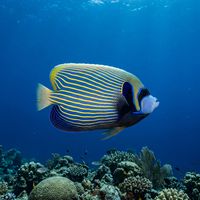
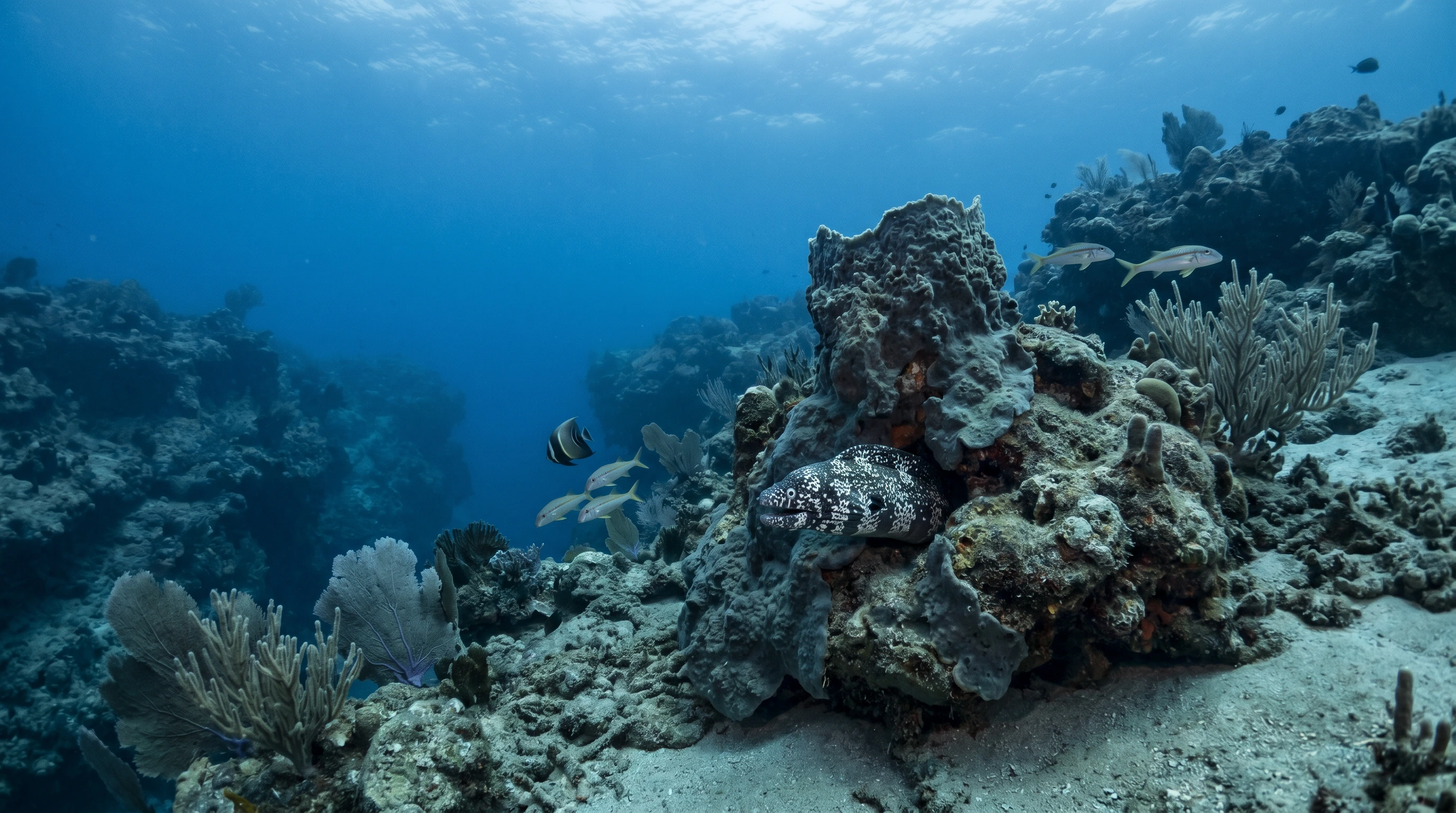
36Reef diving from beginner flats to deep pinnacles, with Grey Nurse Shark, Ribbon Eel and Emperor Angelfish among the most reliable sightings.
 16
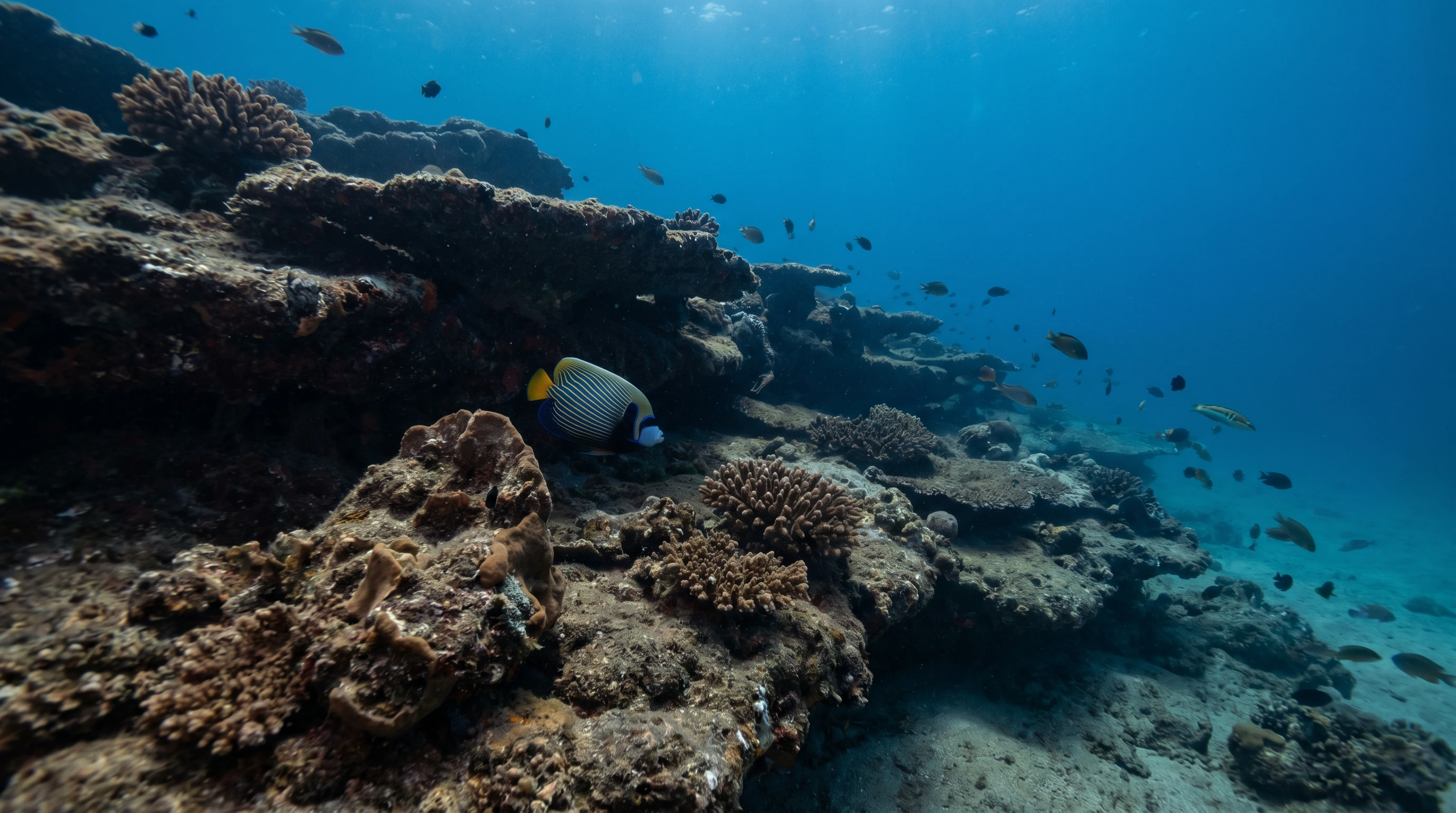
16Reefs, wrecks and drift dives off KwaZulu-Natal, with rich invertebrate life and sites for all levels.
13A reef and wreck system off KwaZulu-Natal where Grey Nurse Shark, Tiger Shark and Potato Bass are regularly observed across sites ranging from cave systems to deep walls.
 12
12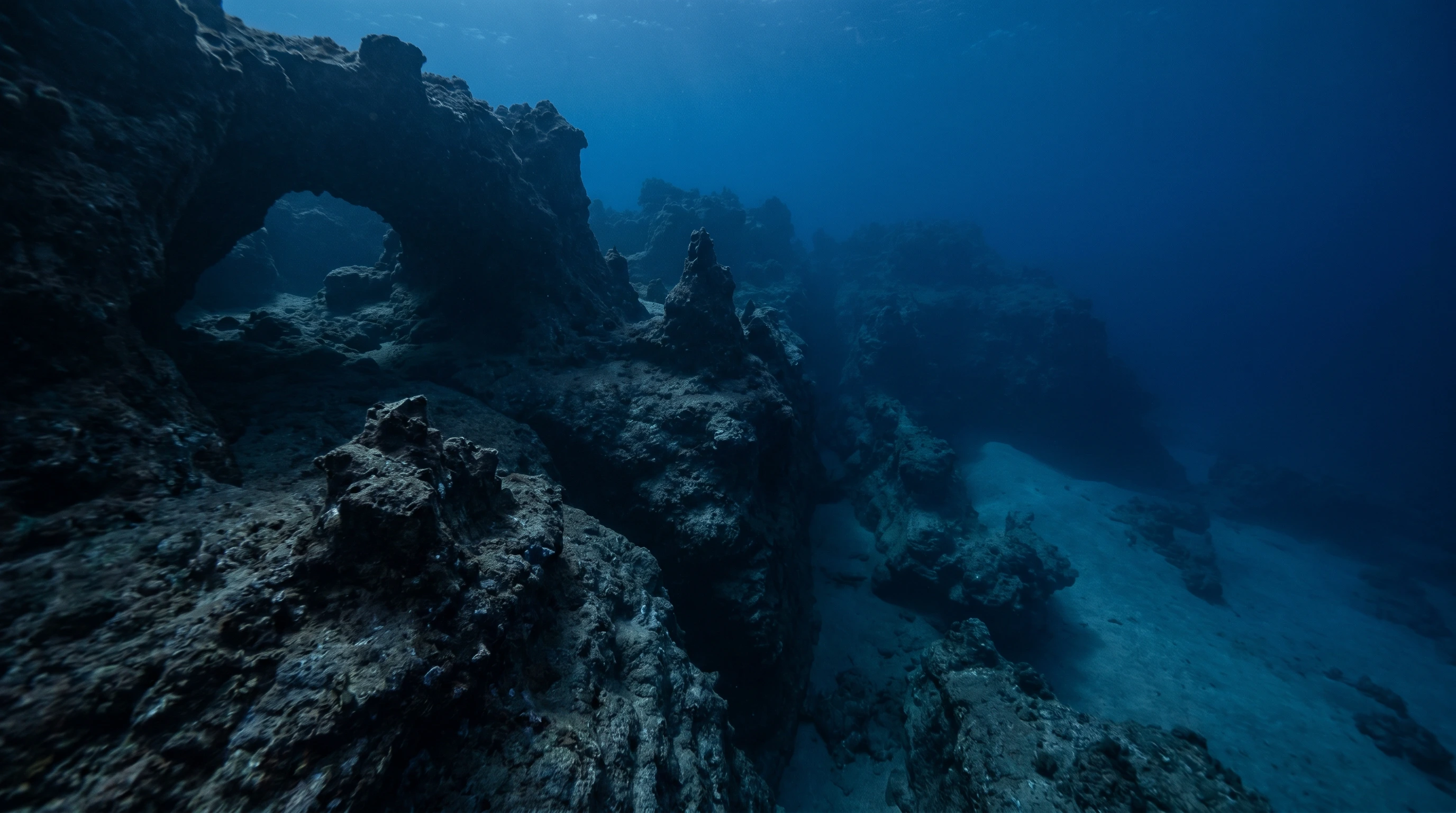
Monthly water temperature across KwaZulu-Natal's sites, from satellite sea-surface data corrected for depth. The band shows the site-to-site spread.
Water is warmest from late spring through late summer, then cools steadily into winter with temperatures dropping to their lowest between late winter and mid-spring. Visibility tends to improve during the cooler months, which also coincide with peak operator recommendations. Many sites are exposed offshore reefs reached by boat, and currents at places such as Protea Banks and Aliwal Shoal can be strong, favouring divers who are comfortable in drift conditions.
54 operators

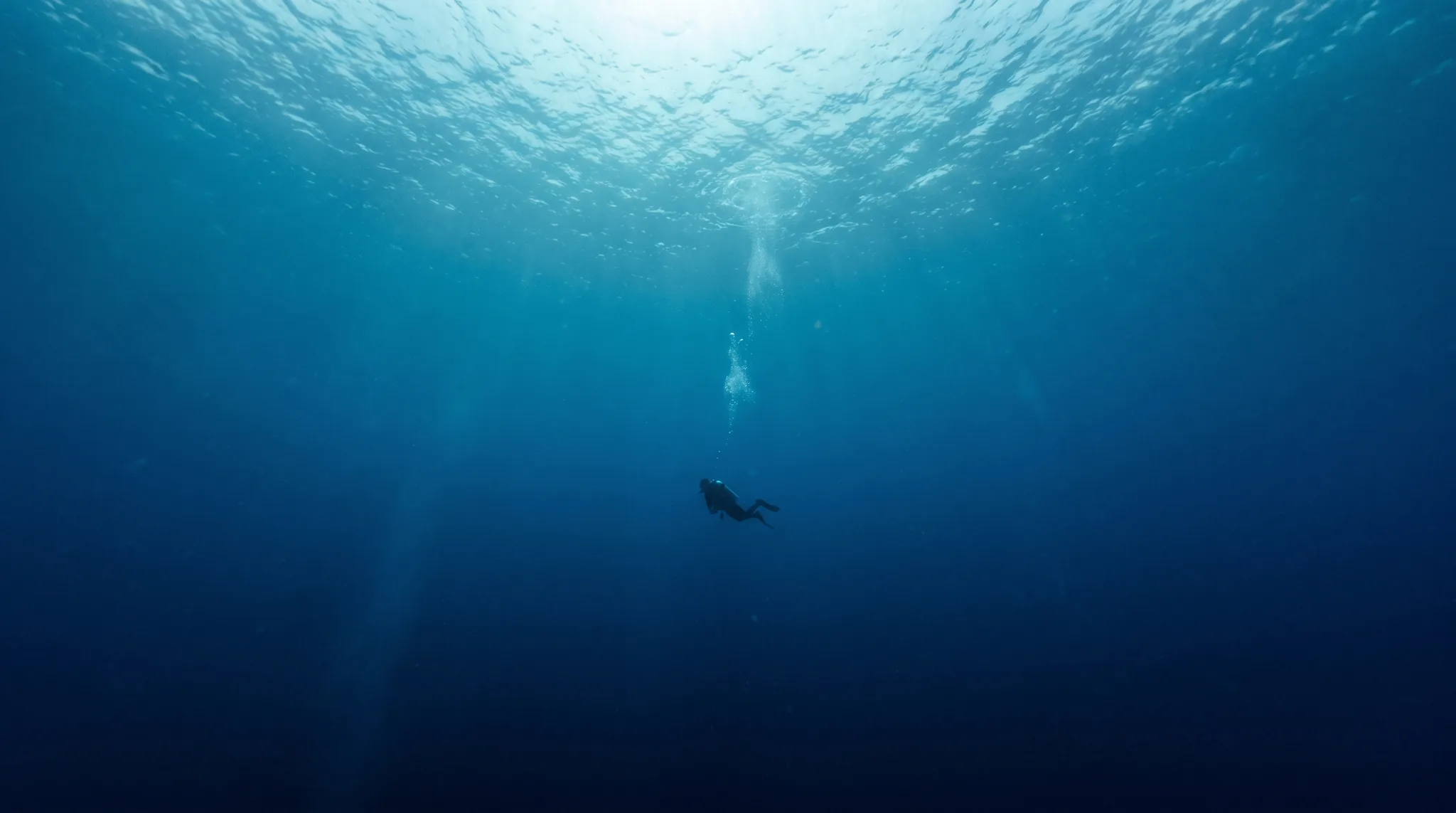
Advanced drift diving at Protea Banks with observed Grey Nurse Shark, Bull Shark, and Scalloped Hammerhead among KwaZulu-Natal's most shark-rich offshore reefs.
Water temperature around KwaZulu-Natal ranges from about 22°C in August to 27°C in February, based on satellite sea-temperature data for its dive sites.
In the warm season (about 27°C) a rash guard or 3mm shorty is comfortable in KwaZulu-Natal; in the coldest months (about 22°C) step up to a 3mm full suit.
Fin maps 86 sites in KwaZulu-Natal (73 scuba diving sites and 22 snorkelling spots, with some suited to both), organised into 5 areas.
Across KwaZulu-Natal's dive sites, February, March, May, June and November are most often reported as the best months to visit.
The Grey Nurse Shark is one of the most consistently observed species across the region, and the Potato Bass is equally widespread on the reefs. Signature species also include the Whale Shark and Green Sea Turtle, though sighting frequency varies by site and season. Protea Banks and its Southern Shark Arena are particularly associated with shark encounters.
Yes, the region has a good spread of sites rated for beginners. Coral Gardens, Four Bouy and Stringer at Sodwana Bay, as well as Aliwal Shoal and Birthday Ledges near Durban, all cater to those with basic certification. More advanced sites such as Protea Banks, Northern Caves and Southern Shark Arena involve deep water and strong currents and are reserved for experienced divers.
Sodwana Bay has the largest concentration of sites and offers everything from shallow coral reefs to deep pinnacles, making it the most versatile sub-area. Aliwal Shoal combines reef, wreck and drift diving on a single prominent structure. Durban sites such as Birthday Ledges suit newer divers, while Protea Banks on the Hibiscus Coast is geared firmly towards advanced divers seeking drift and shark dives. Mabibi, anchored by Shark Point, is a quieter option for reef and pinnacle exploration.
All of the top-rated dive sites in KwaZulu-Natal are accessed by boat. This reflects the offshore nature of the main reef systems, many of which sit well beyond the shoreline. A range of operators across the sub-areas, including ScubaCo Diving and Travel, Scubamile and Big Blue Diving Centre, run regular boat charters to these sites.