Belonidae spp.
Needlefish are logged across Florida, the Maldives and Thailand, year-round in the tropics. Learn to spot that unmistakable silver needle at the surface.
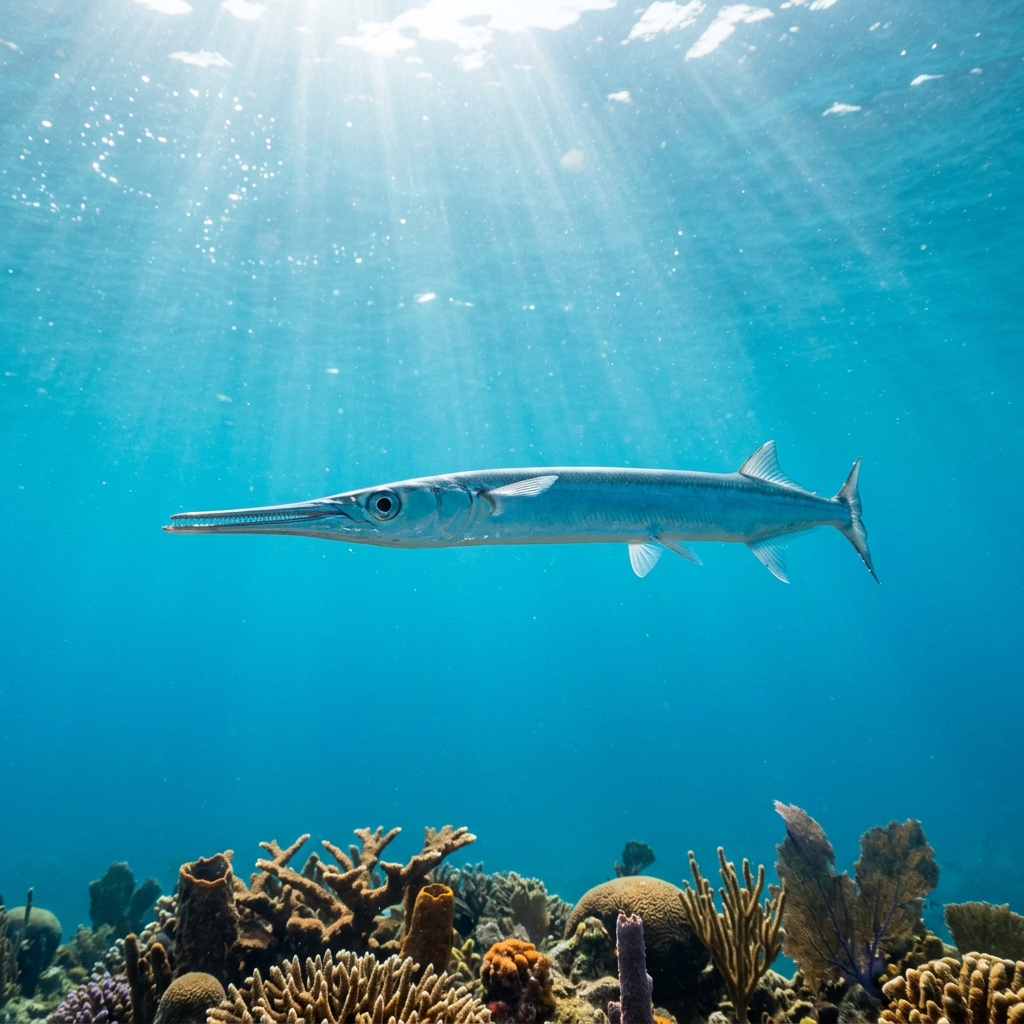
Long, slender silver bodies and extravagantly elongated jaws, both upper and lower, set needlefish apart immediately. Underwater they appear almost translucent, with a bright lateral silver stripe running the length of the body and a greenish or bluish tinge along the back. They are typically seen in loose groups hovering just under the surface, so their silhouette against the light is usually what catches a diver's eye first. Size varies considerably across the family, from pencil-thin species of around 30 cm to larger forms approaching a metre in length.
Needlefish are surface hunters, and that is almost always where you will find them, skimming just beneath the water's surface, often in loose, fast-moving schools. They tend to ignore divers entirely, maintaining their own trajectory and pace with an almost aloof quality. When spooked, they can leap clear of the water in rapid, skittering bursts, which is one of the most distinctive things you will see from them on a shallow drift or snorkel.
Needlefish have green-tinged bones, a trait caused by the pigment biliverdin, which is one of the more surprising things a diver learns if they ever spot one up close in strong light.
In the Northern Hemisphere, needlefish are present year-round with no concentrated season, which makes sense given their wide temperature tolerance, they have been observed in water as cool as 6 °C and as warm as 28.7 °C. In the Southern Hemisphere, sightings concentrate between July and October, so that window is the best bet for destinations like Queensland, Australia.
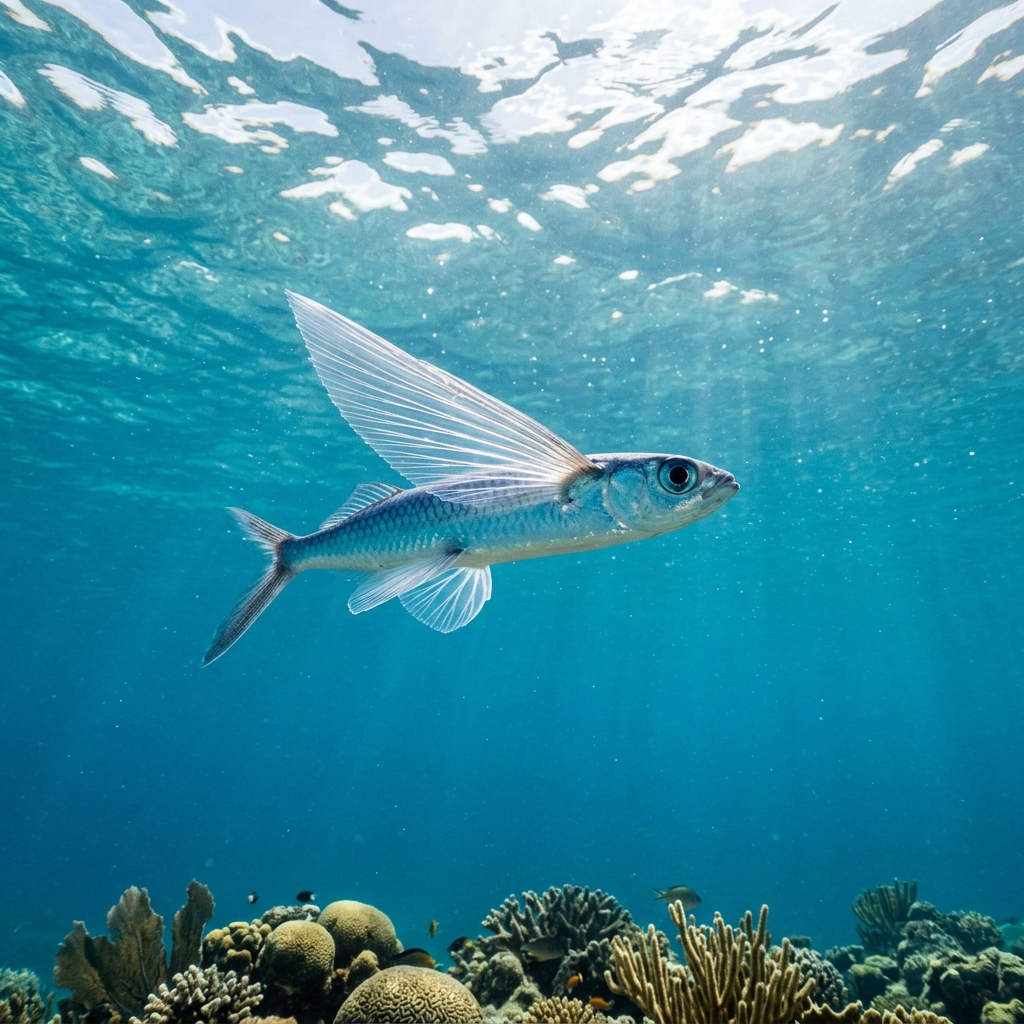
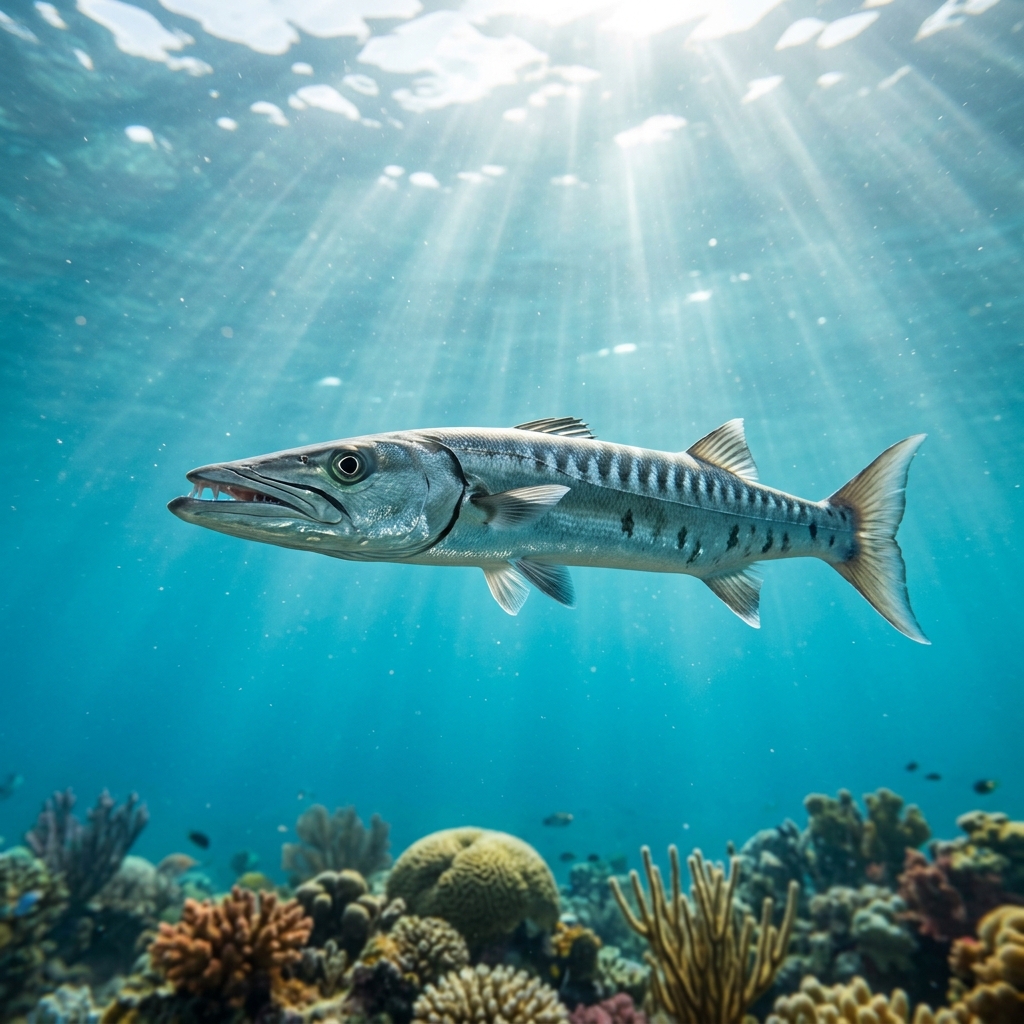
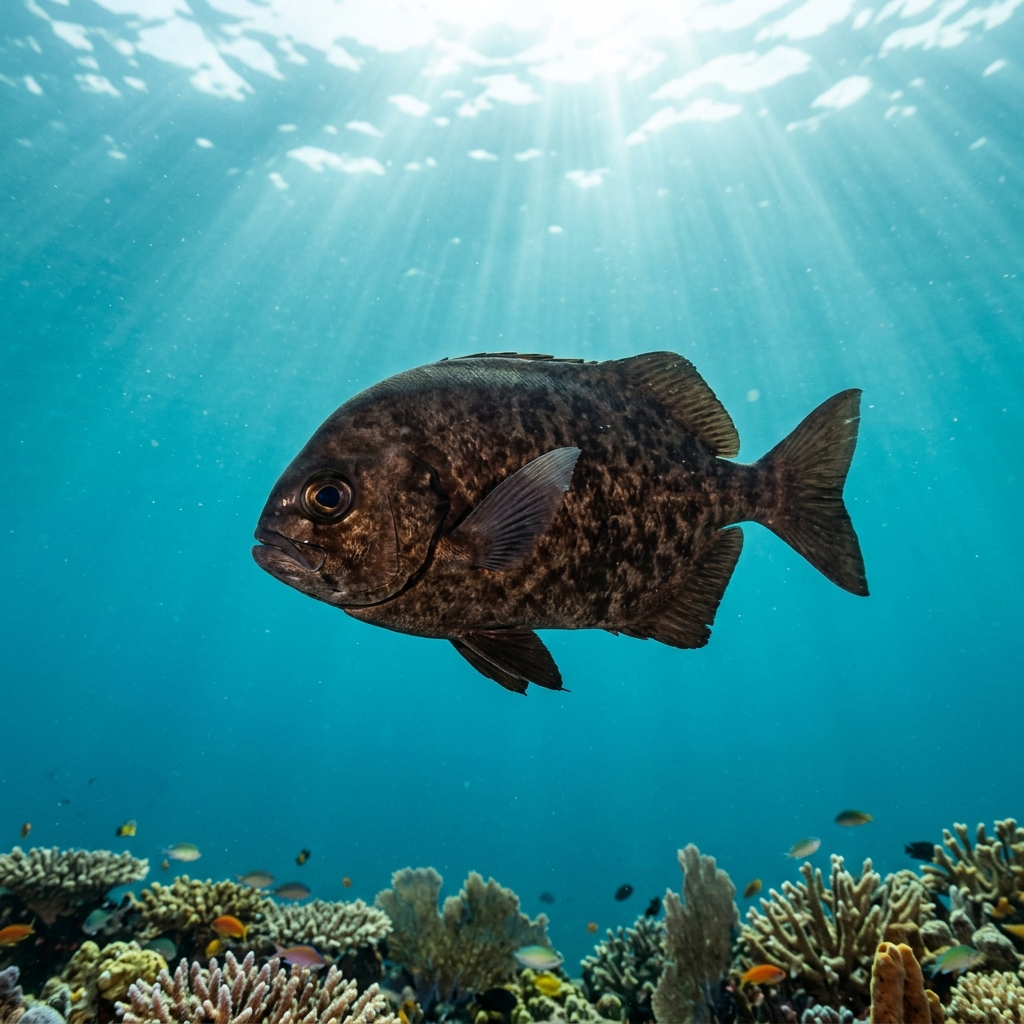
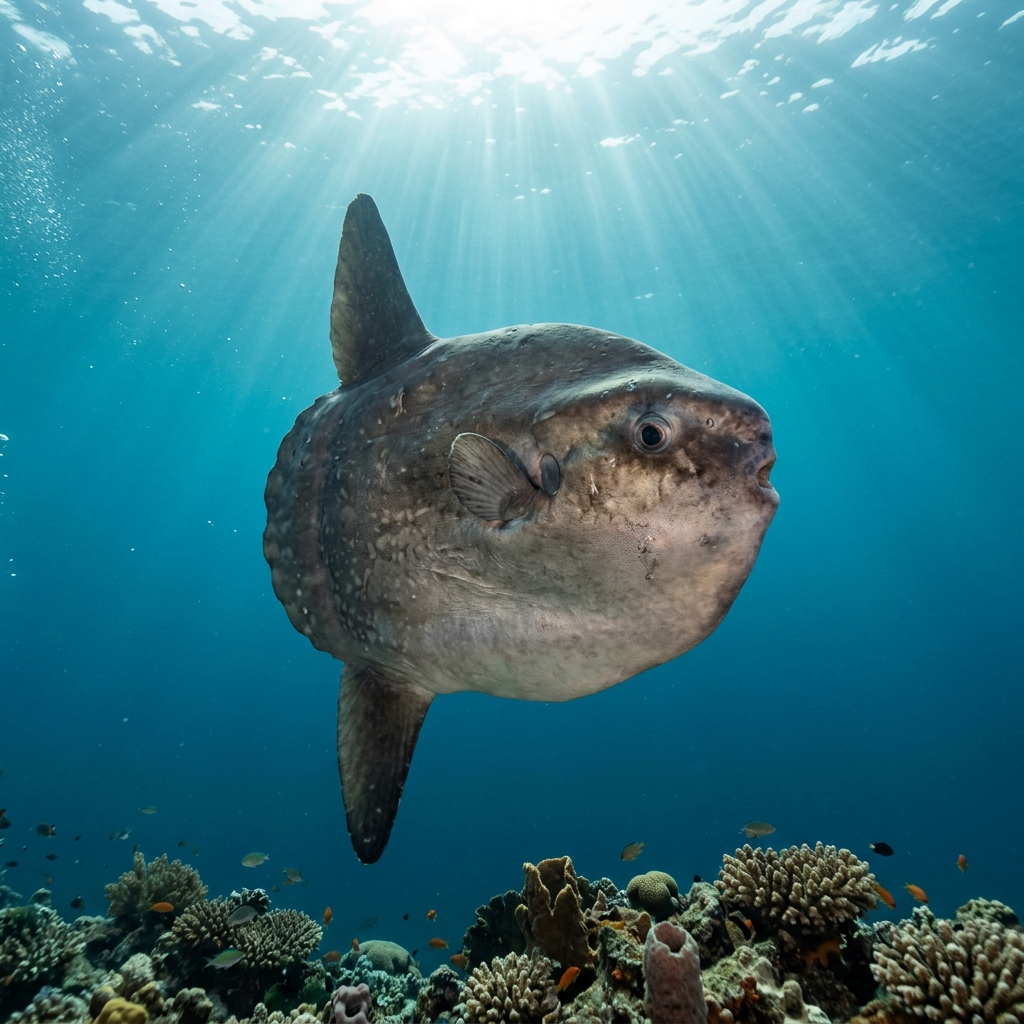
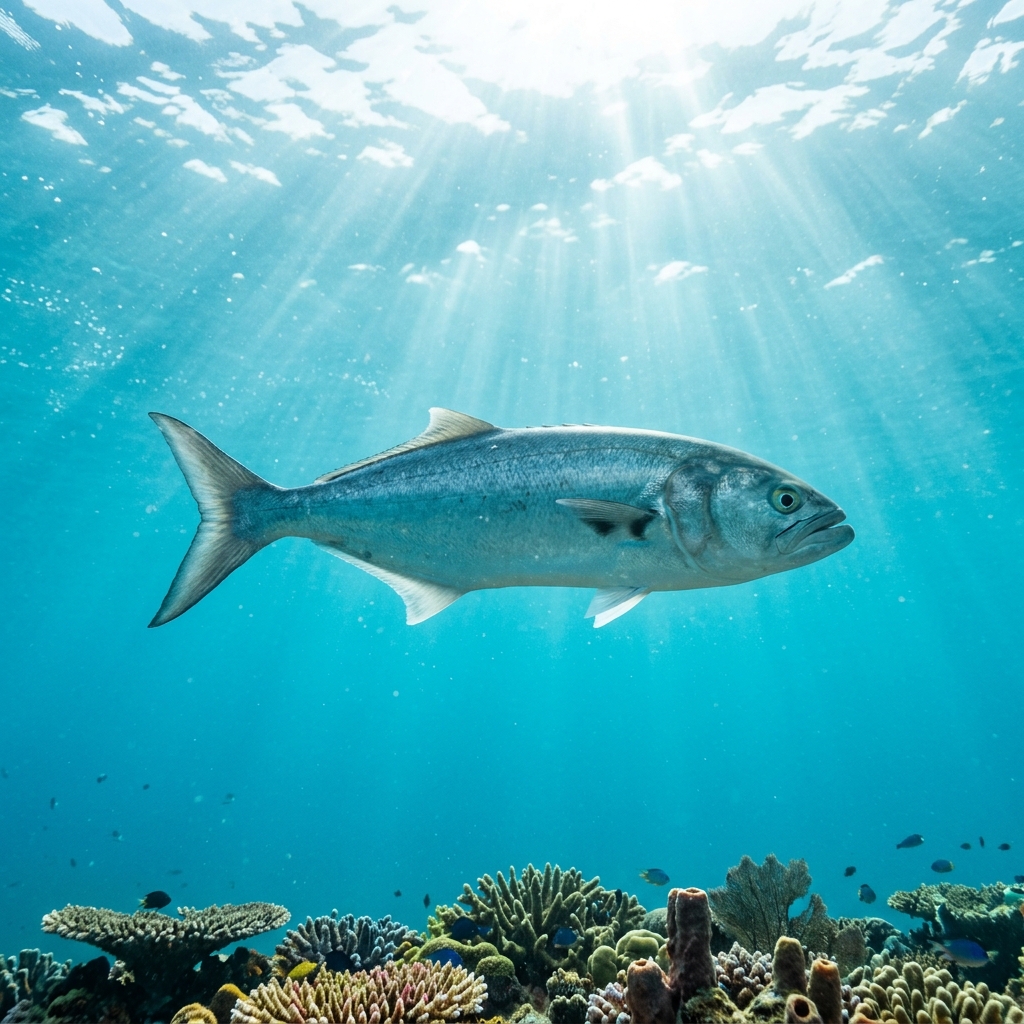
Reef neighbours a diver could mistake it for. Use the identification notes above to tell them apart.
Needlefish are most commonly logged across the United States, particularly across Florida and the Southeast, as well as in the Maldives, Thailand, Australia, and Mexico. Strong sightings also come from Indonesia, Italy, and Greece, reflecting just how broadly spread the family is across both tropical and warm-temperate seas. The Yucatán Peninsula, Phuket and Phi Phi, and Roatán in Honduras are among the standout regional hotspots in the data.
Mapping where Needlefish is logged…
Needlefish are logged at dive sites across a huge range of countries. The strongest concentrations in the data are around Florida and the Southeast United States, the Maldives, the Yucatán Peninsula in Mexico, Thailand's Phuket and Phi Phi islands, and Queensland, Australia. They also appear regularly in Italy and Greece, showing the family spans warm-temperate as well as tropical seas.
In the Northern Hemisphere, needlefish show no concentrated season, they are present year-round at tropical and subtropical sites. In the Southern Hemisphere, sightings peak between July and October, making that the most reliable window for destinations like Queensland, Australia.
Look for an extremely slender, torpedo-shaped fish with elongated beak-like jaws extending from both ends of the head. The body is bright silver with a slightly blue-green back, and the fish almost always sit right at the surface. That surface-hugging posture combined with the needle silhouette makes them very distinctive.
As a family, needlefish vary quite a bit in size. Smaller species are around 30 cm, roughly the length of a school ruler, while the largest members of the family can reach close to a metre or slightly beyond. In the water, most encounters are with mid-sized individuals somewhere between those extremes.
Needlefish are not considered dangerous to divers. They are surface animals and tend to ignore divers below them entirely. There are rare reports of them leaping into boats at night when attracted by lights, but underwater encounters carry no meaningful risk.
Site and sighting data is aggregated from diver logs, iNaturalist and GBIF. For taxonomy and conservation status:
Tailor
1,296 sites