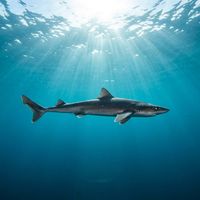
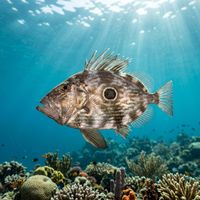
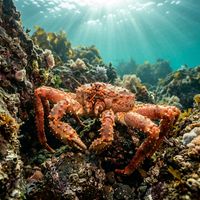
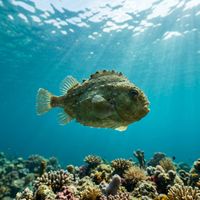
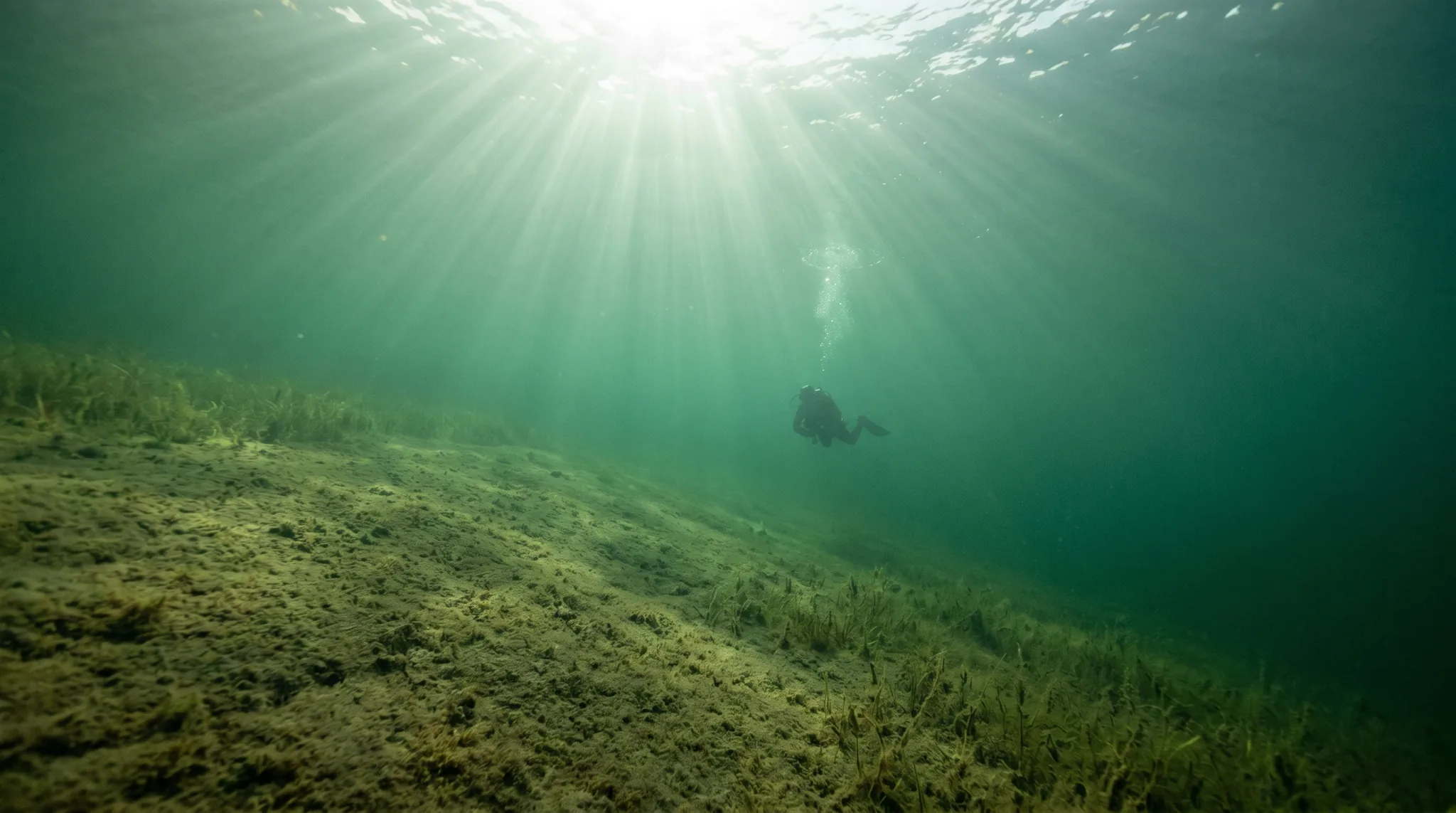
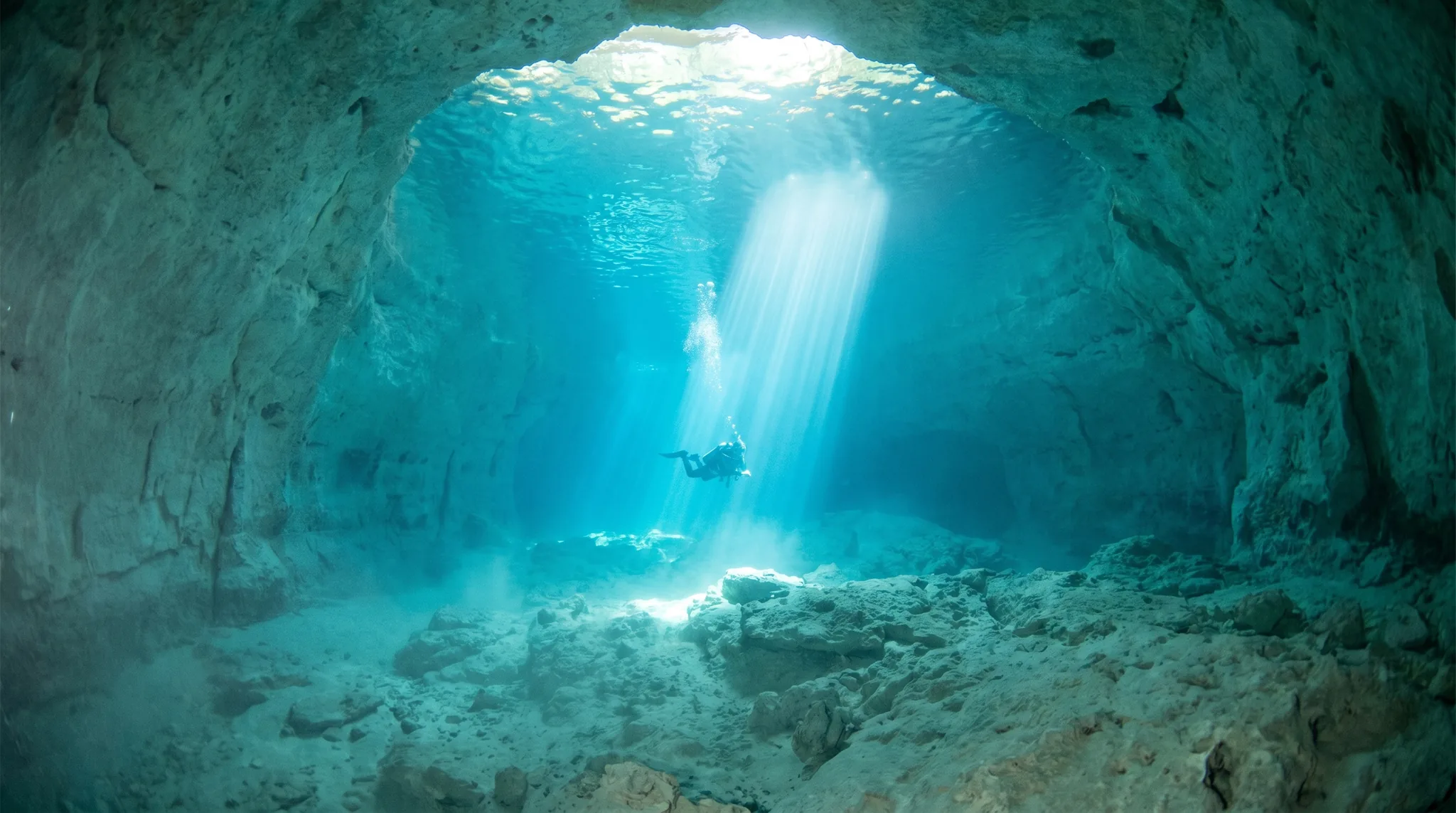
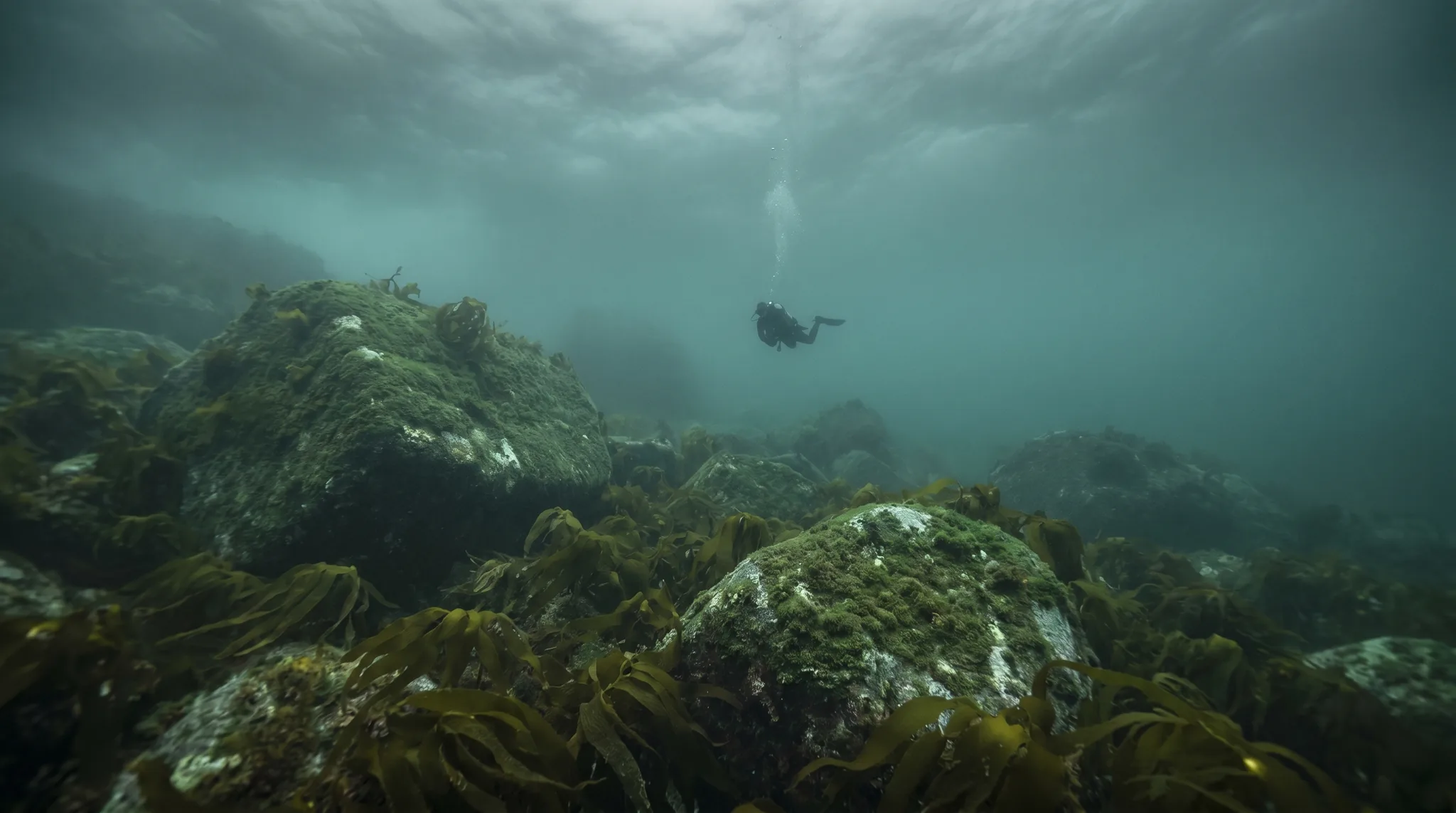
Vladivostok sits on the Bay of Peter the Great in the Sea of Japan, and its dive sites reflect the unusual mix of temperate and cold Pacific water that flows through the region. Water temperatures drop near freezing in winter and climb to the mid-teens Celsius in late summer, so a drysuit is standard kit for most of the year. The nine sites in our database range from shallow shore dives to boat-access reef slopes reaching forty metres, with skill levels spanning beginner to intermediate. Divers here encounter Steller sea lions, king crab, bobtail squid, gorgonians, and catshark, alongside an artificial reef at Magnitka and reef structures around islands such as Kreyser and Yelena.
3 areas
 5
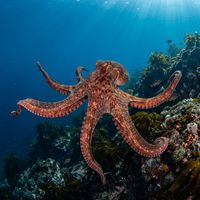
5Cold Sea of Japan reef diving near Nakhodka, with giant Pacific octopus, king crab, and sea lions in waters shaped by converging currents.
2Cold Sea of Japan boat diving with king crab, giant Pacific octopus, and rich invertebrate life on reef and artificial reef structures.
2Accessible Sea of Japan reef diving from Russia's Far East city, with giant octopus, sea lions, king crab, and gorgonians recorded at sites.
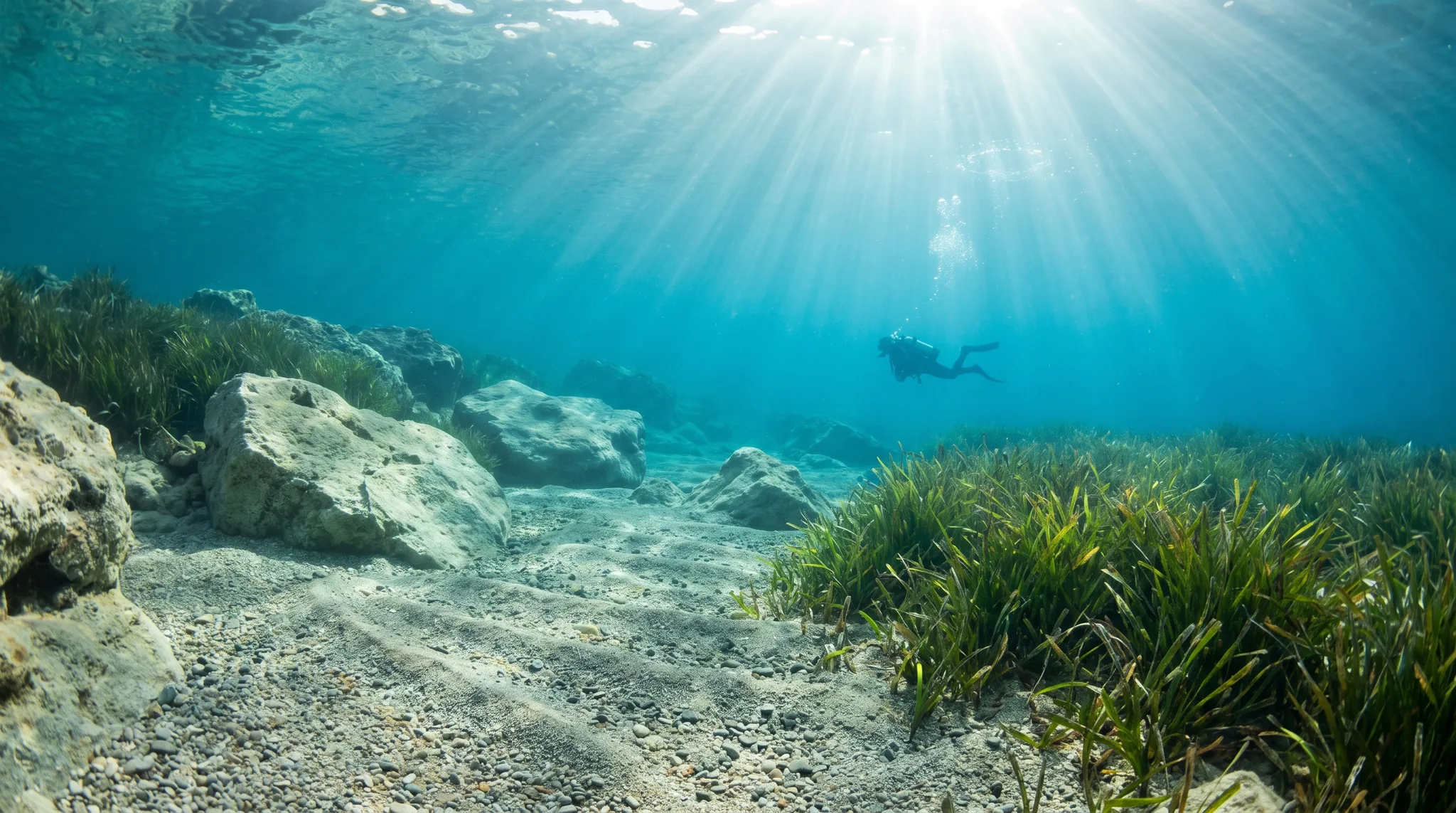
Monthly water temperature across Vladivostok's sites, from satellite sea-surface data corrected for depth. The band shows the site-to-site spread.
Temperatures hover near freezing through winter and early spring, rising to the mid-teens in July and August before dropping again sharply through autumn. Summer months offer the warmest conditions and are the most comfortable window for those without drysuit experience, though properly equipped divers visit year-round.
4 operators
Vladivostok, Russia
Vladivostok, Russia
Water temperature around Vladivostok ranges from about 1°C in February to 14°C in July, based on satellite sea-temperature data for its dive sites.
In the warm season (about 14°C) a 7mm or semi-dry suit is comfortable in Vladivostok; in the coldest months (about 1°C) step up to a drysuit.
Fin maps 9 sites in Vladivostok (9 scuba diving sites), organised into 3 areas.