
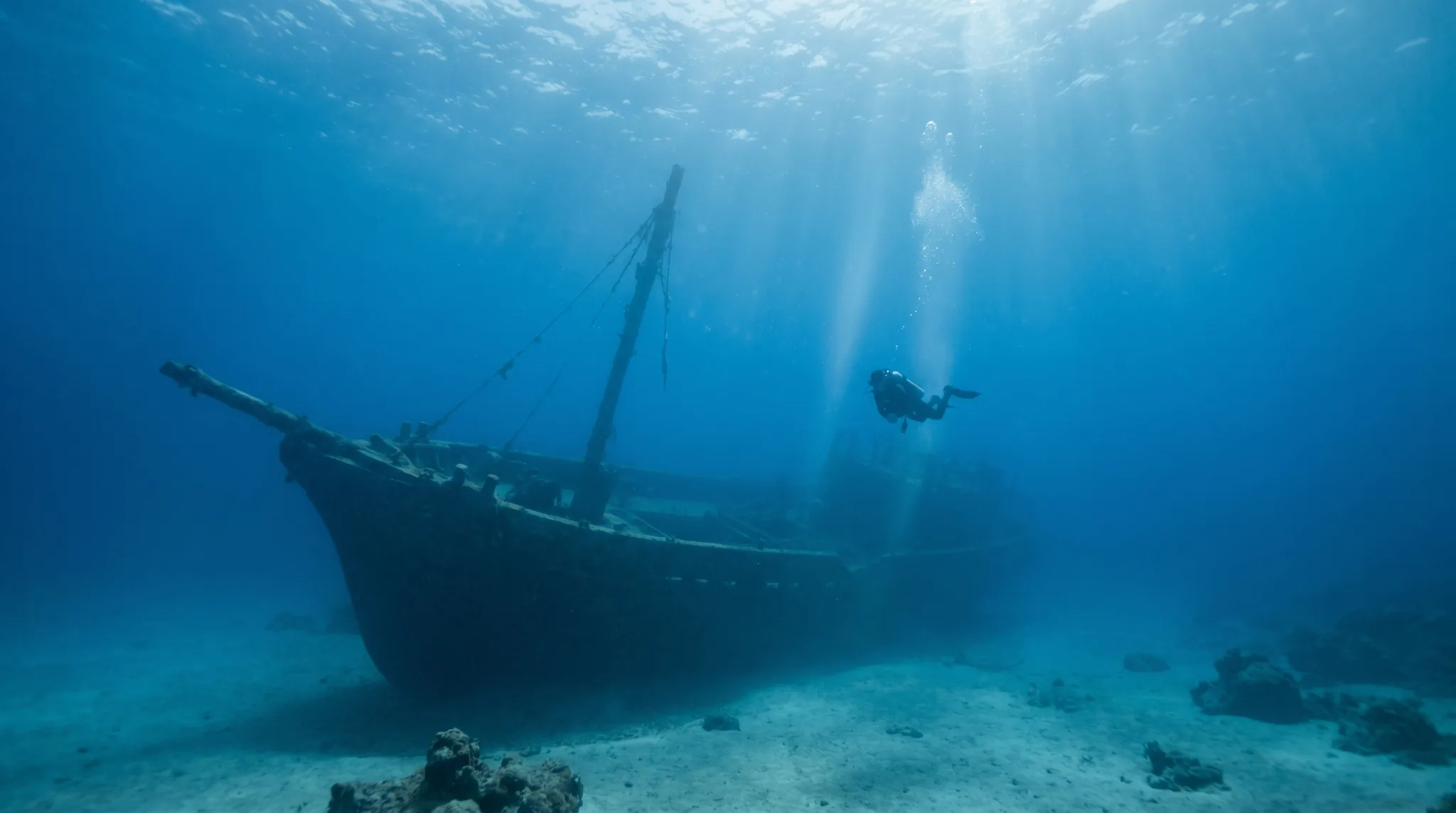
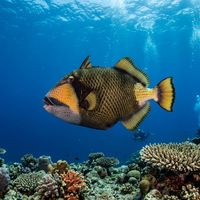
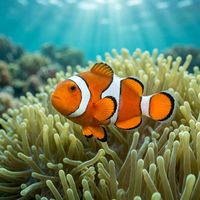
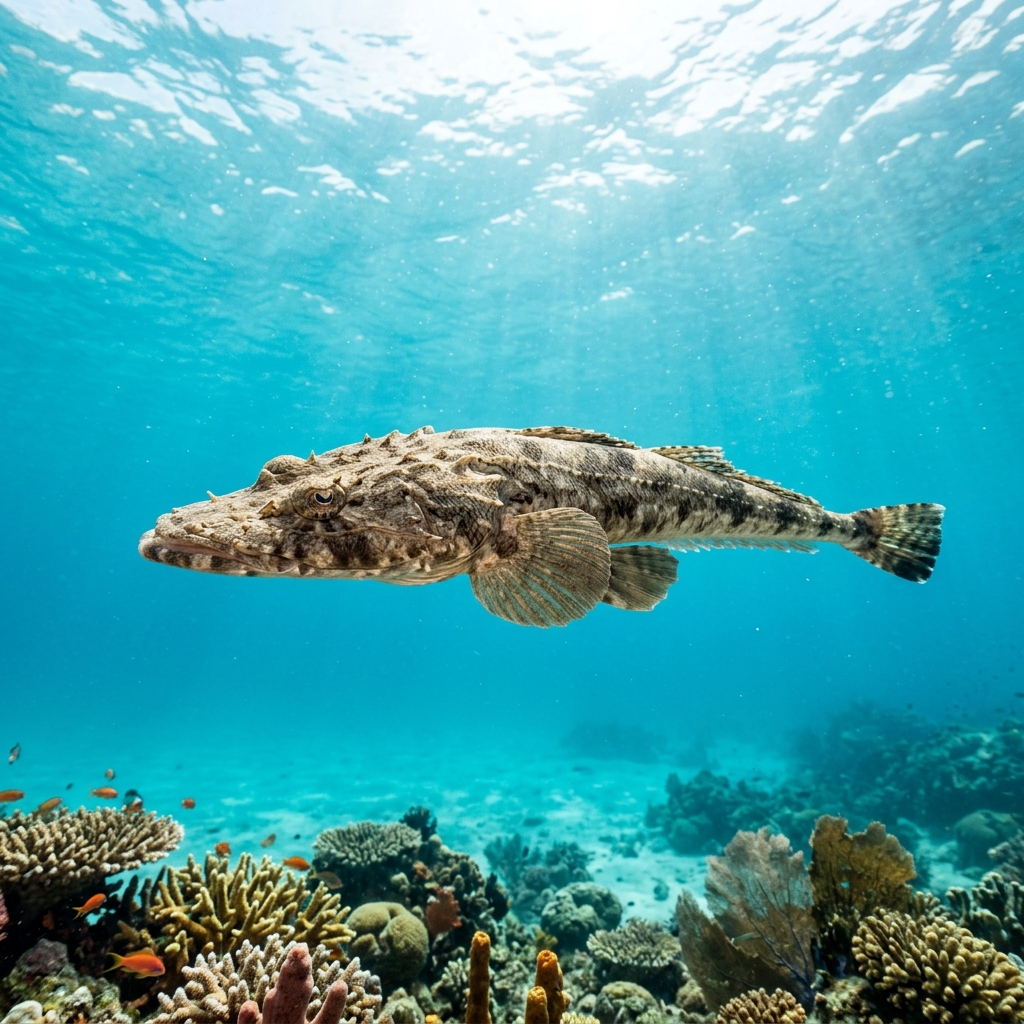
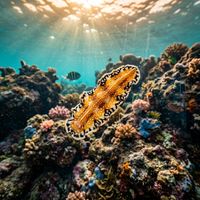
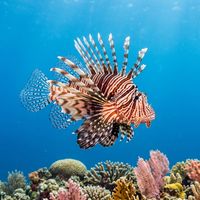
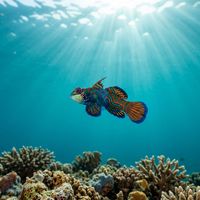
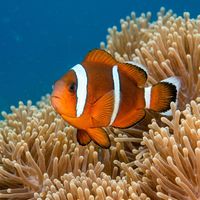
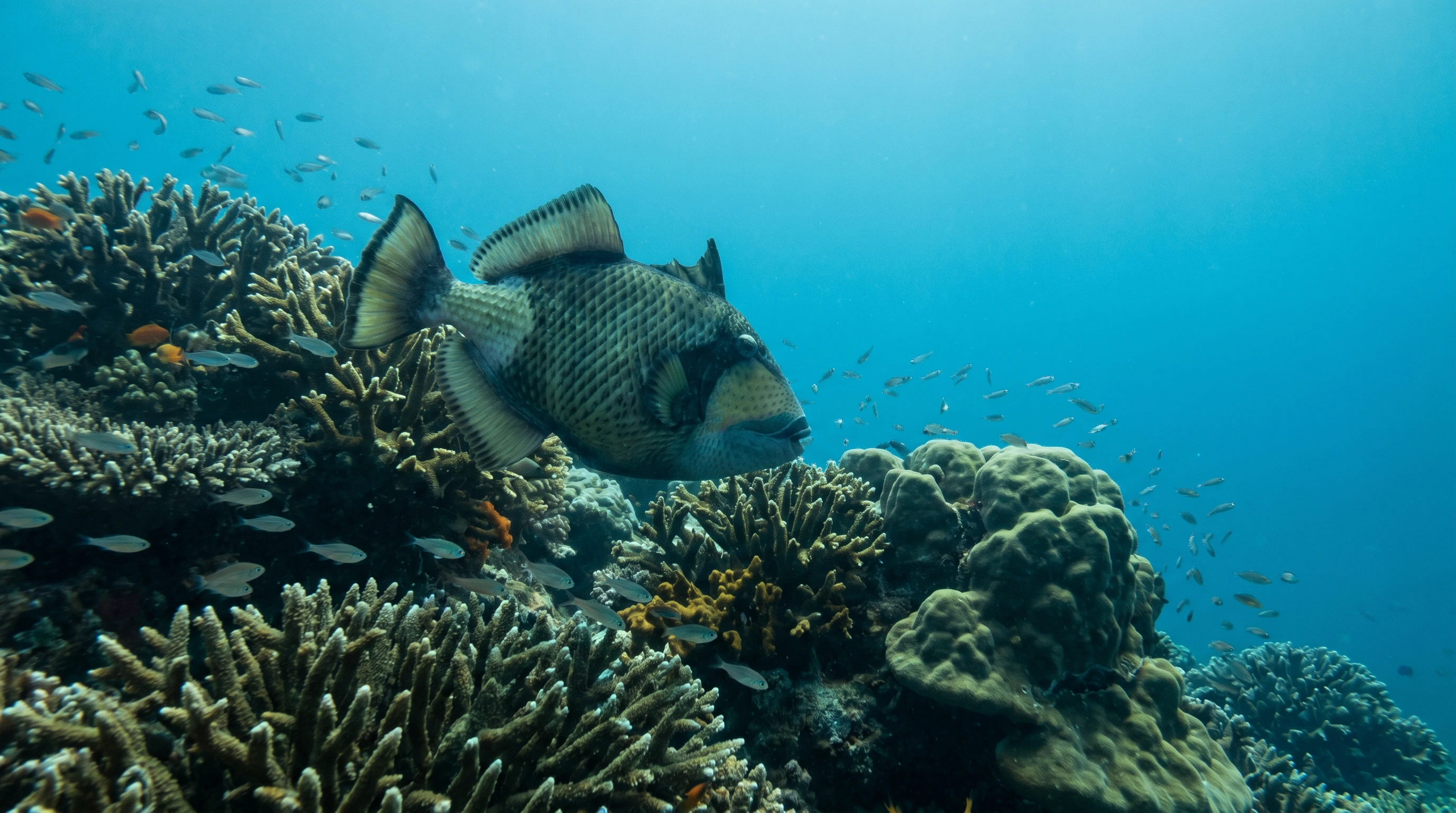
Coron is defined by its fleet of Japanese wartime wrecks, concentrated in Coron Bay Wrecks and ranging from beginner-friendly freighters to deep advanced dives. Coron Island adds reef walls and small wrecks in shallower terrain, while Calauit Island and Ariara Island offer exposed reef slopes with moderate to strong currents. Across all sub-areas, Common Clownfish, Titan Triggerfish, Chromodoris Nudibranch, and Mandarinfish appear with notable regularity, and the Crocodile Fish and Zebra Lionfish reward slower, observant divers.
4 areas
Monthly water temperature across Coron's sites, from satellite sea-surface data corrected for depth. The band shows the site-to-site spread.
Water stays warm throughout the year, with temperatures nudging slightly higher from mid-spring through autumn. Visibility is most reliable during the drier months from November through May, when the best-months data peaks strongly. The quieter mid-year months bring reduced visibility and more challenging surface conditions, so most divers plan around the November to May window.

31 operators
36 more sites to explore
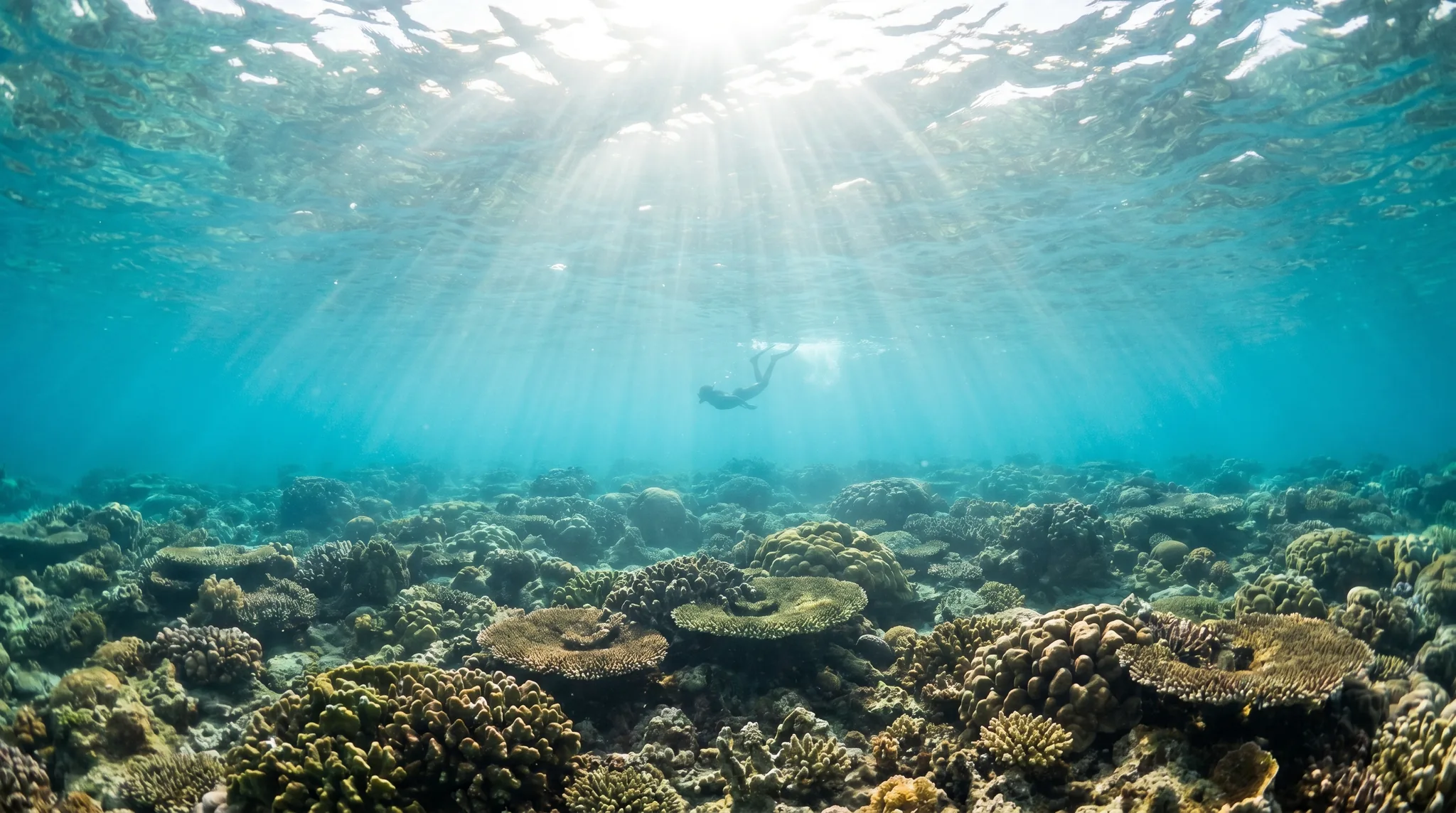
A concentrated fleet of wreck dives spanning all skill levels, with rich reef life colonising every hull.
Water temperature around Coron ranges from about 28°C in January to 30°C in May, based on satellite sea-temperature data for its dive sites.
With water around 28–30°C, a rash guard or 3mm shorty works in Coron year-round.
Fin maps 48 sites in Coron (47 scuba diving sites and 9 snorkelling spots, with some suited to both), organised into 4 areas.
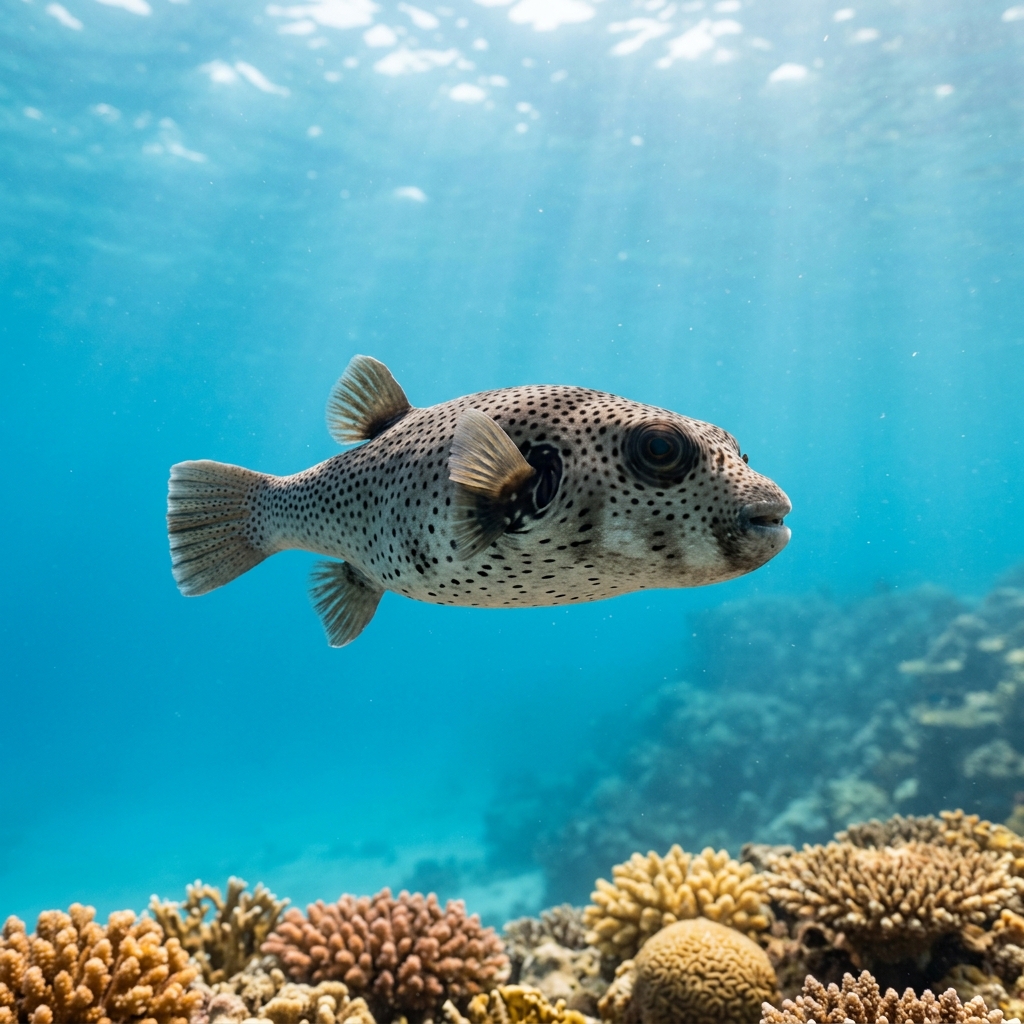
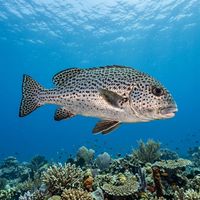
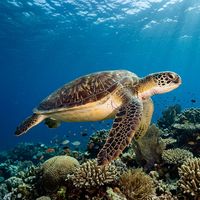
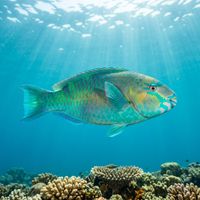
Observation-backed records show Common Clownfish, Titan Triggerfish, and Chromodoris Nudibranch appearing across the vast majority of sites. Mandarinfish, Crocodile Fish, and Zebra Lionfish are among the signature species, alongside Flatworm, Blackspotted Pufferfish, and Harlequin Sweetlips. Green Sea Turtle sightings are occasional but confirmed. The overall species list is exceptionally broad.
Coron caters well to beginners, with sites such as Morazan, Skeleton Wreck, Dimanglet, and Sangat Island all rated beginner level. Intermediate divers are well served by the Olympia Maru, Ekkai Maru, and Alcatraz. Advanced divers can target the deeper wrecks, including Kogyo Maru and Kyokuzan Maru, which reach significant depths and involve overhead environments.
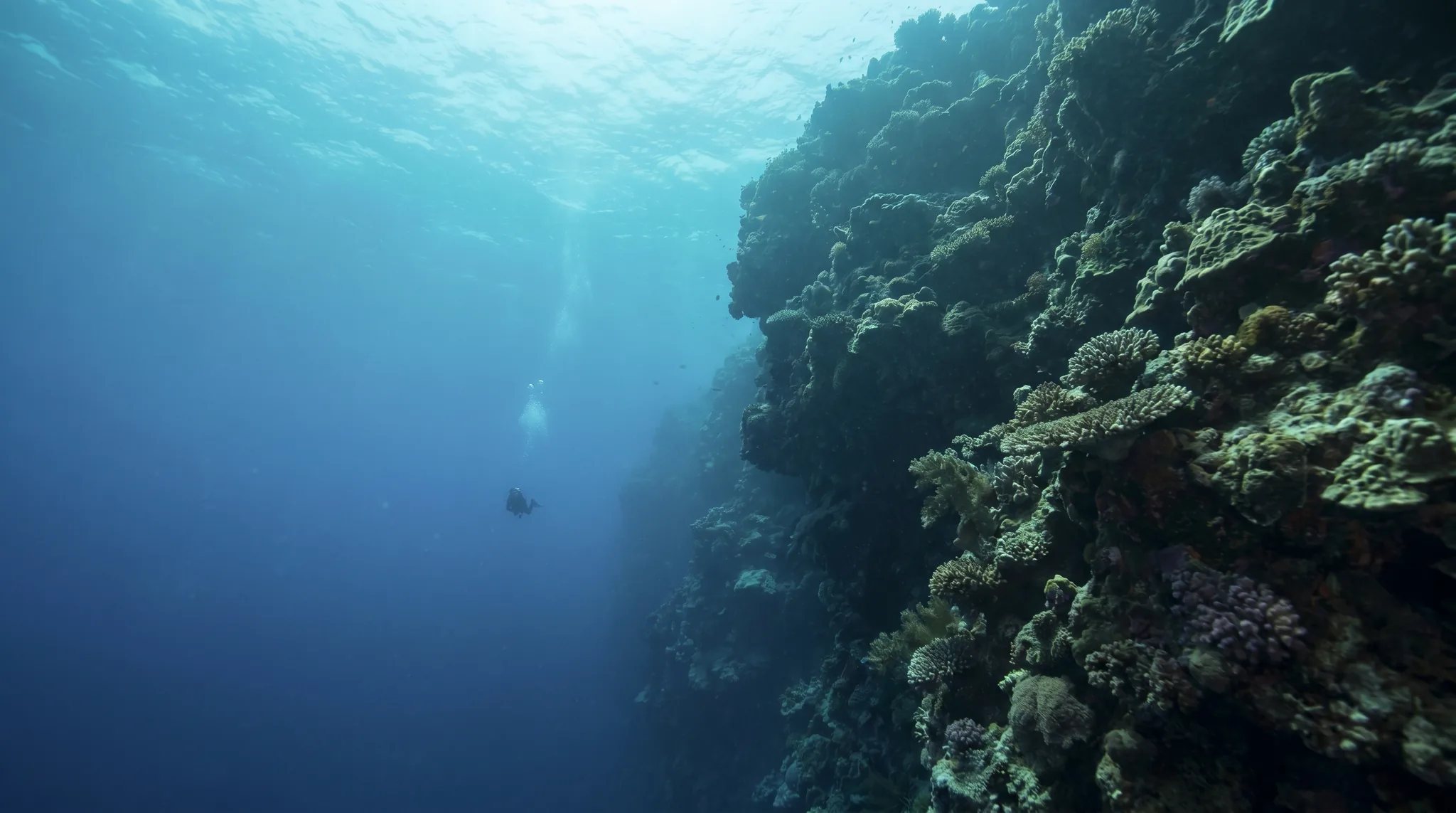
Coron Bay Wrecks holds the largest concentration of sites and is the primary destination for wreck diving across all skill levels. Coron Island offers a mix of reef walls, small wrecks, and drift sites in shallower settings. Calauit Island and Ariara Island sit further out, featuring deeper reef slopes with moderate to stronger currents, and are better suited to confident intermediate and advanced divers.
The majority of sites in Coron are boat access only, reflecting the offshore nature of the bay's wreck fleet. Sangat Island is a notable exception, accessible directly from shore and rated beginner level. A small number of sites, including Skeleton Wreck and Dimanglet, offer both shore and boat entry. Several dive operators are based in the area, including Reggae Dive Center, Pirate Divers Busuanga, and Gunter's Dive Center.