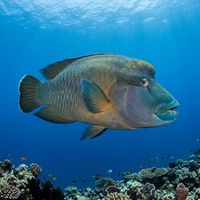
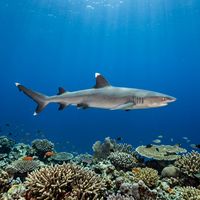
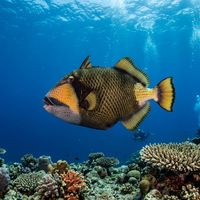
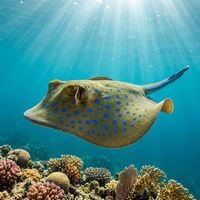
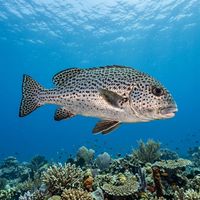
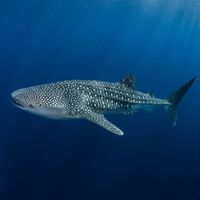
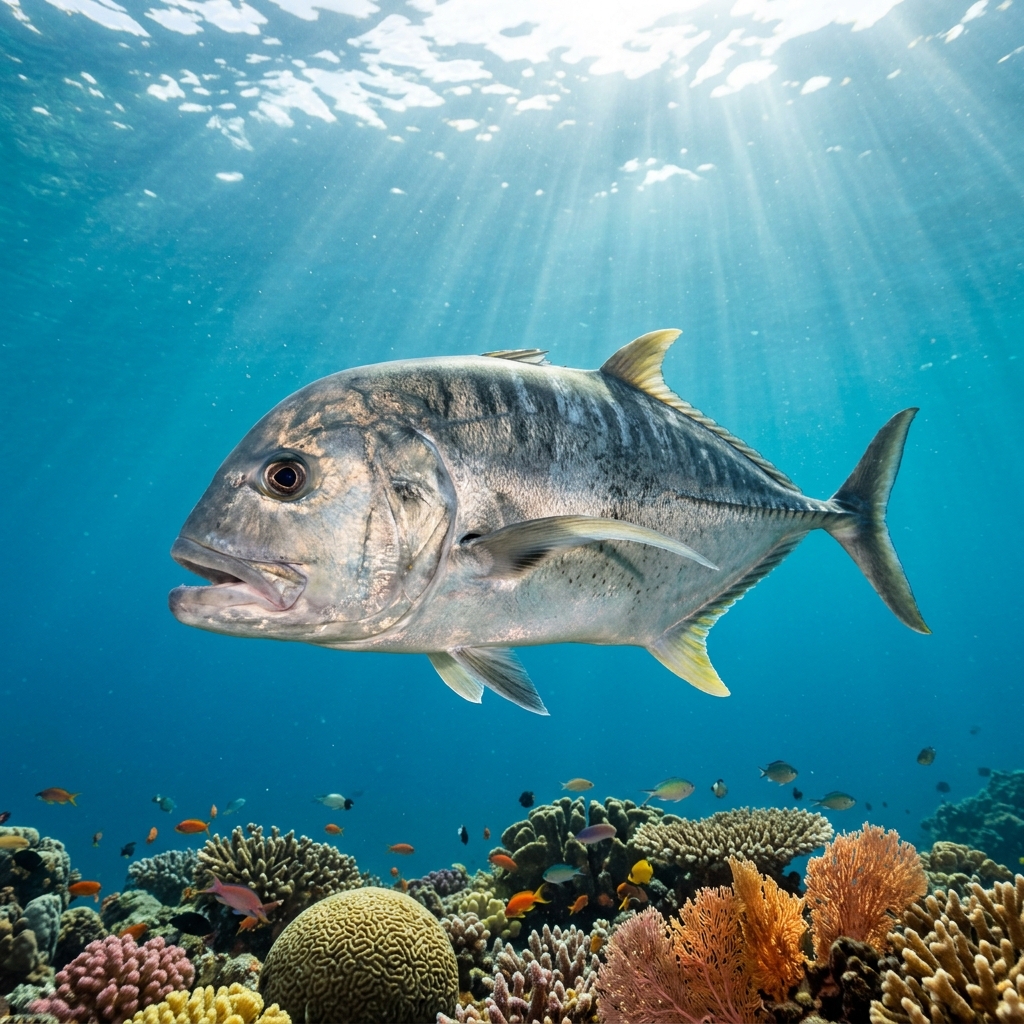
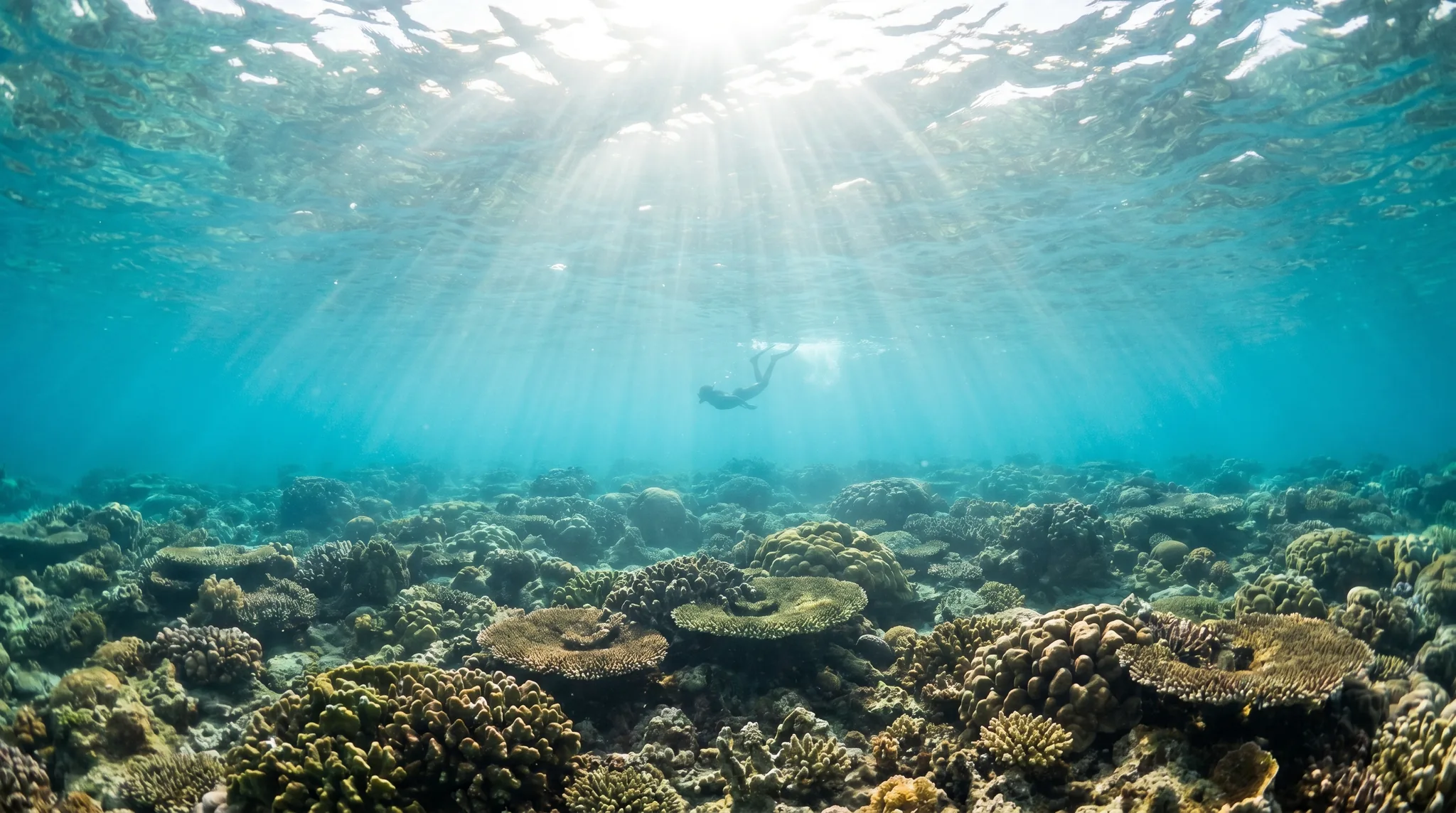
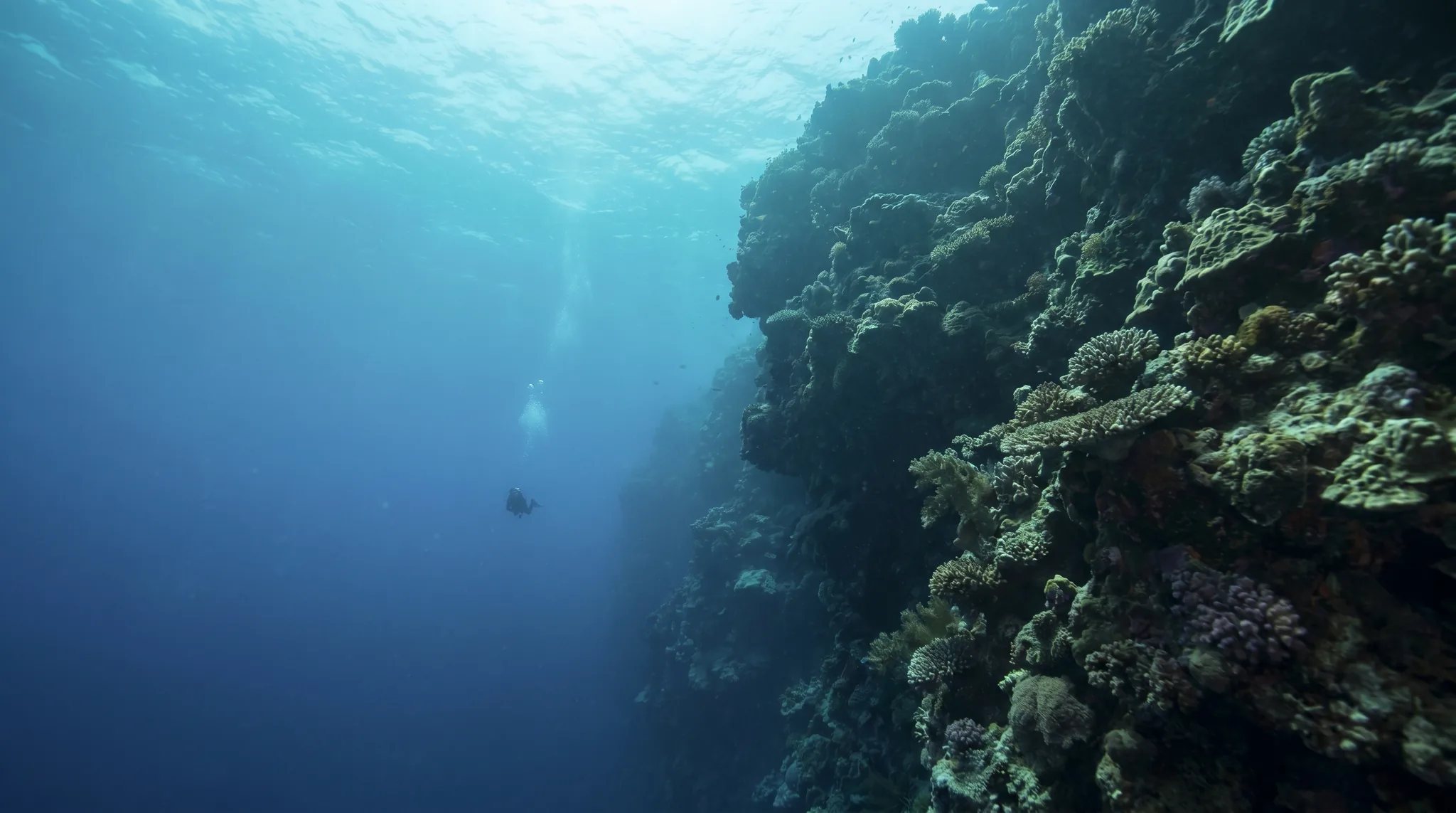
Tubbataha Reefs is defined by deep, vertical walls and strong drift diving. Almost every site is boat-access only, and the majority suit intermediate to advanced divers, with several demanding technical certification. Drop-offs plunge from shallow reef tops into very deep water at sites such as Wall Street, Southwest Wall, and Garden Wall. Currents draw large pelagics: the Whitetip Reef Shark and Grey Reef Shark are consistent presences, while Dogtooth Tuna, Giant Trevally, and Napoleon Wrasse are routinely observed across the reef system.
Monthly water temperature across Tubbataha Reefs's sites, from satellite sea-surface data corrected for depth. The band shows the site-to-site spread.
Water stays warm throughout the year, with the coolest period running from late dry season into March and the warmest months falling in the second half of the year. The best-months data points strongly to March through June as the prime window, aligning with calmer surface conditions and the main liveaboard season. Outside this period, exposure and surface conditions make access more difficult.
15 operators
18 more sites to explore
Water temperature around Tubbataha Reefs ranges from about 27°C in March to 30°C in August, based on satellite sea-temperature data for its dive sites.
With water around 27–30°C, a rash guard or 3mm shorty works in Tubbataha Reefs year-round.
Fin maps 30 sites in Tubbataha Reefs (29 scuba diving sites and 2 snorkelling spots, with some suited to both).
Across Tubbataha Reefs's dive sites, March, April, May and June are most often reported as the best months to visit.
Whitetip Reef Shark and Grey Reef Shark are observed across the reef system with high regularity. Napoleon Wrasse and Dogtooth Tuna are very common, and Giant Trevally patrol the walls in numbers. Whale Shark and Spotted Eagle Ray are occasional sightings, so encounters with them are possible but not guaranteed on any given dive.
The site mix skews heavily towards intermediate and advanced diving, with several sites rated technical. Strong currents feature at many locations, including Washing Machine and Eiger Wall, which are known for demanding conditions. Beginner divers would find few appropriate sites here, and the remote, liveaboard nature of access means there is limited scope for sheltered introductory diving.
Every listed site at Tubbataha Reefs is reached by boat. The region's remote location means all diving is conducted from liveaboard vessels rather than from a shore base. Divers enter directly from the boat, and the absence of any shore entry points reinforces that this is a destination requiring advance liveaboard booking.
Walls and drift dives are the defining formats across Tubbataha Reefs. Sites such as Gorgonian Channel, Seafan Alley, and Terraces combine vertical structure with current-driven drift, while Malayan Wall adds a wreck element to the wall and reef mix. A handful of sites, including Seaweed Farm, extend into technical depth ranges well below recreational limits.