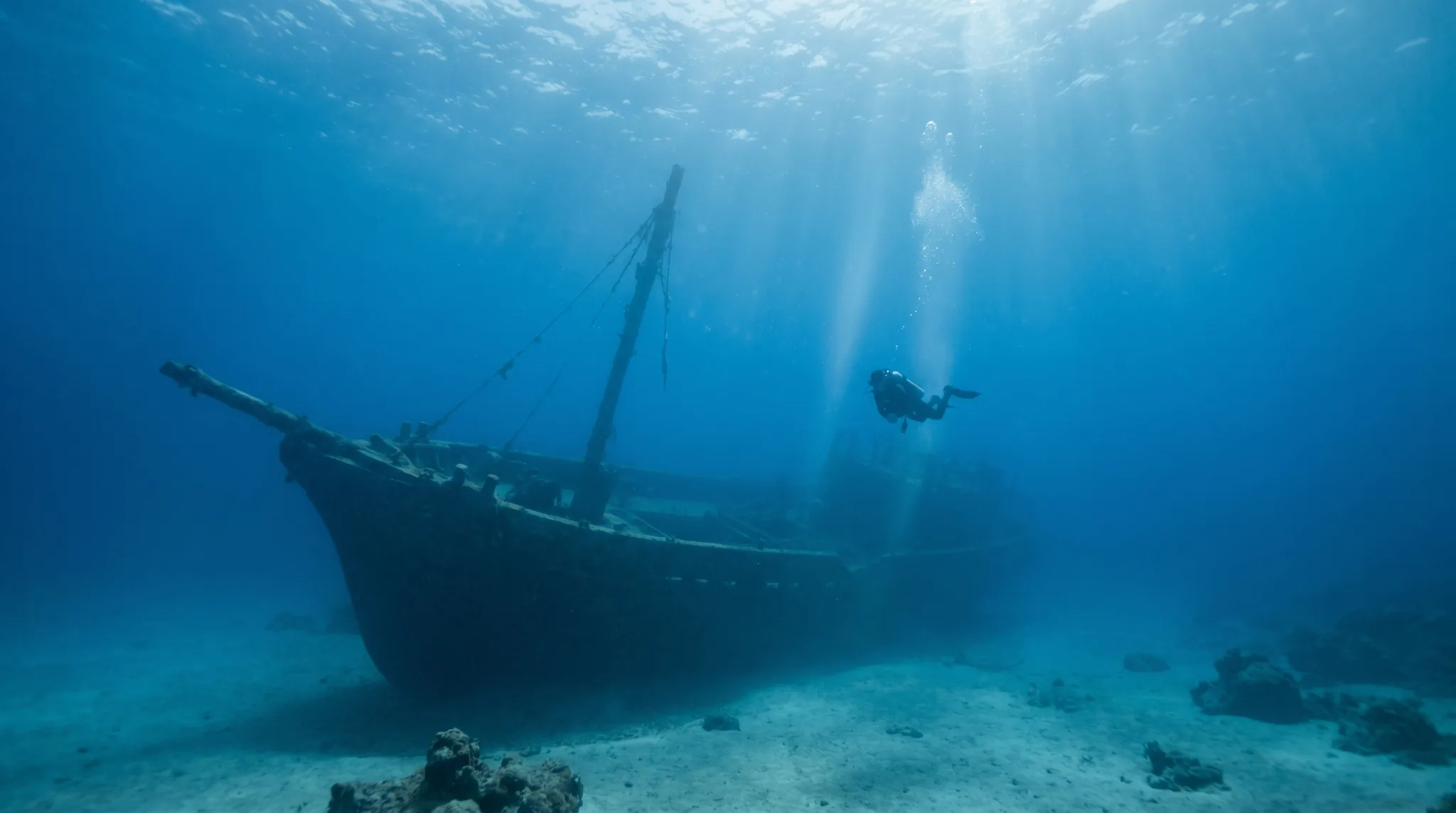
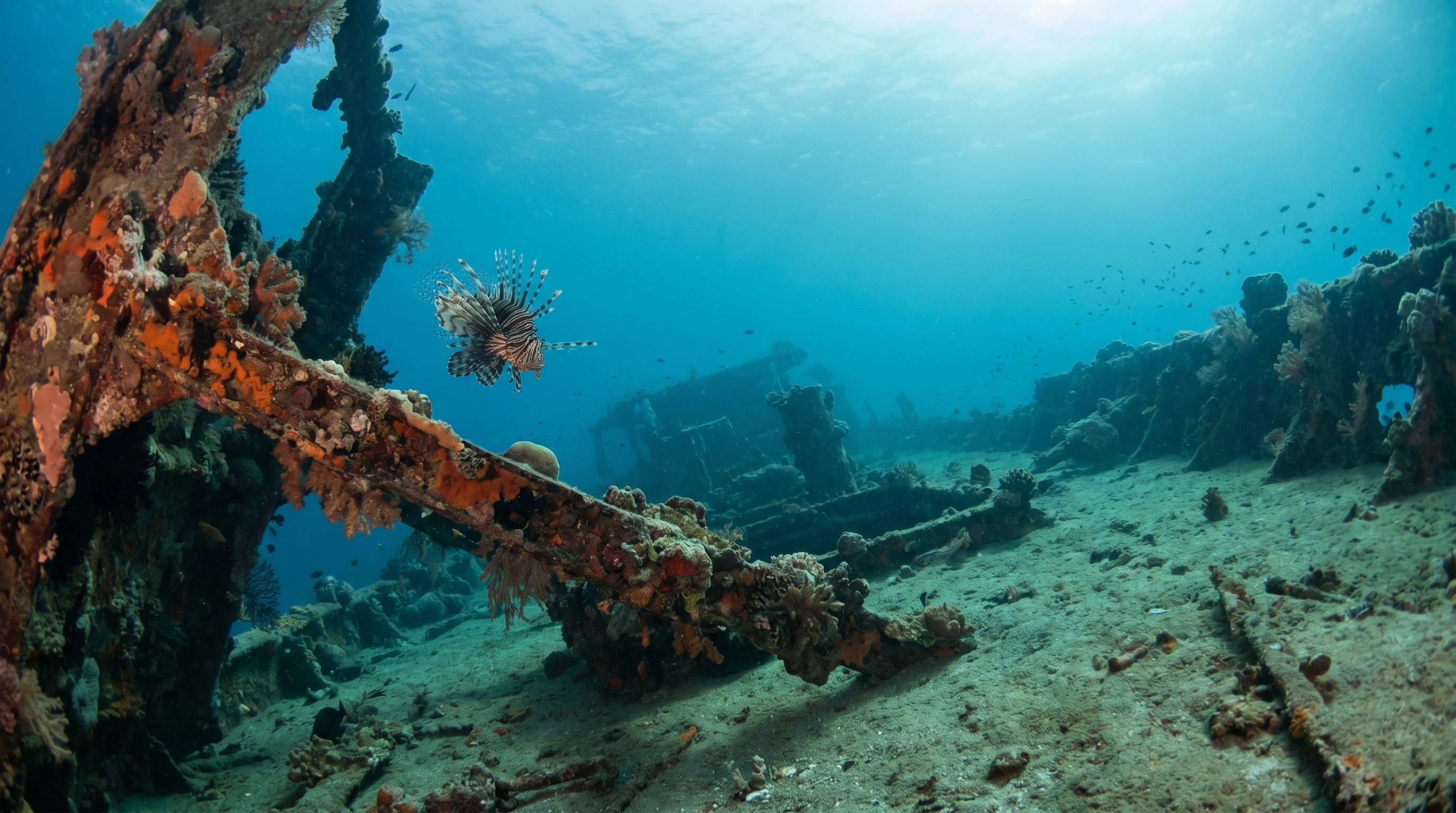
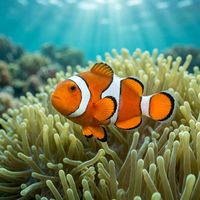
Coron Bay Wrecks is defined by its fleet of sunken vessels, ranging from shallow, coral-encrusted gunboats accessible to beginners to deep, intact freighters that reward advanced divers. Sites like the Irako and Kogyo Maru sit at serious depth, while the Lusong Gunboat and Landing Craft suit newer divers. Reef sites and the atmospheric Cathedral Cavern add variety. The Common Clownfish, Crocodile Fish, and Mandarinfish are among the signature residents found across the wrecks and surrounding reef.
Monthly water temperature across Coron Bay Wrecks's sites, from satellite sea-surface data corrected for depth. The band shows the site-to-site spread.
Water stays warm throughout the year, with the coolest months from January to March still very comfortable and temperatures easing slightly warmer from May through November. The best-months data points clearly toward the drier period spanning November through May as the prime window, with conditions less reliable from June to September. Visibility across the bay can vary considerably, so timing a visit outside the wetter months gives the best chance of clear water on the wrecks.

9 operators
Philippines
16 more sites to explore
Water temperature around Coron Bay Wrecks ranges from about 28°C in January to 30°C in May, based on satellite sea-temperature data for its dive sites.
With water around 28–30°C, a rash guard or 3mm shorty works in Coron Bay Wrecks year-round.
Fin maps 28 sites in Coron Bay Wrecks (28 scuba diving sites and 5 snorkelling spots, with some suited to both).
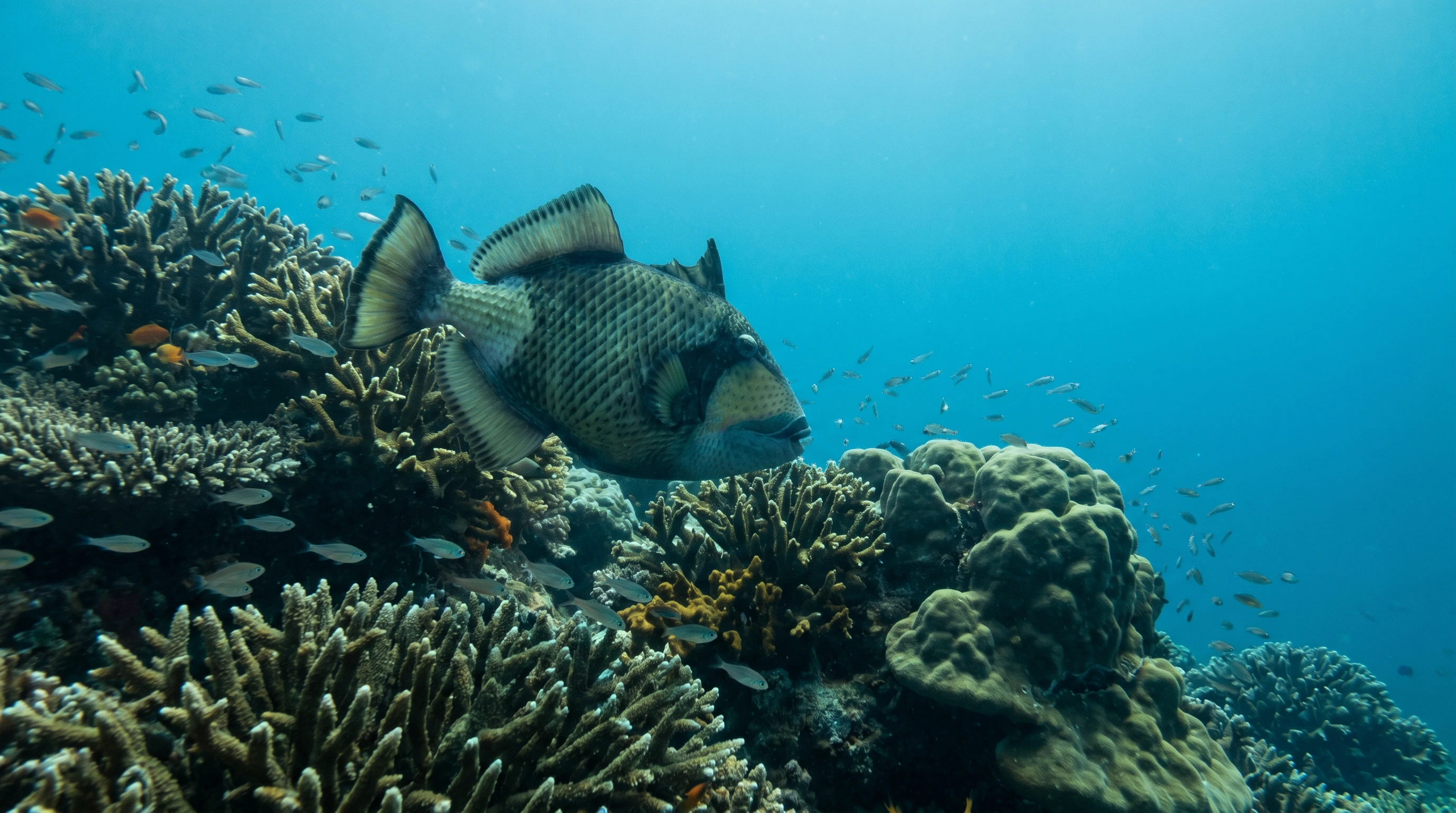
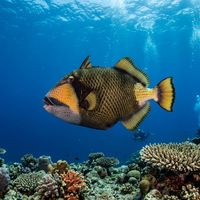
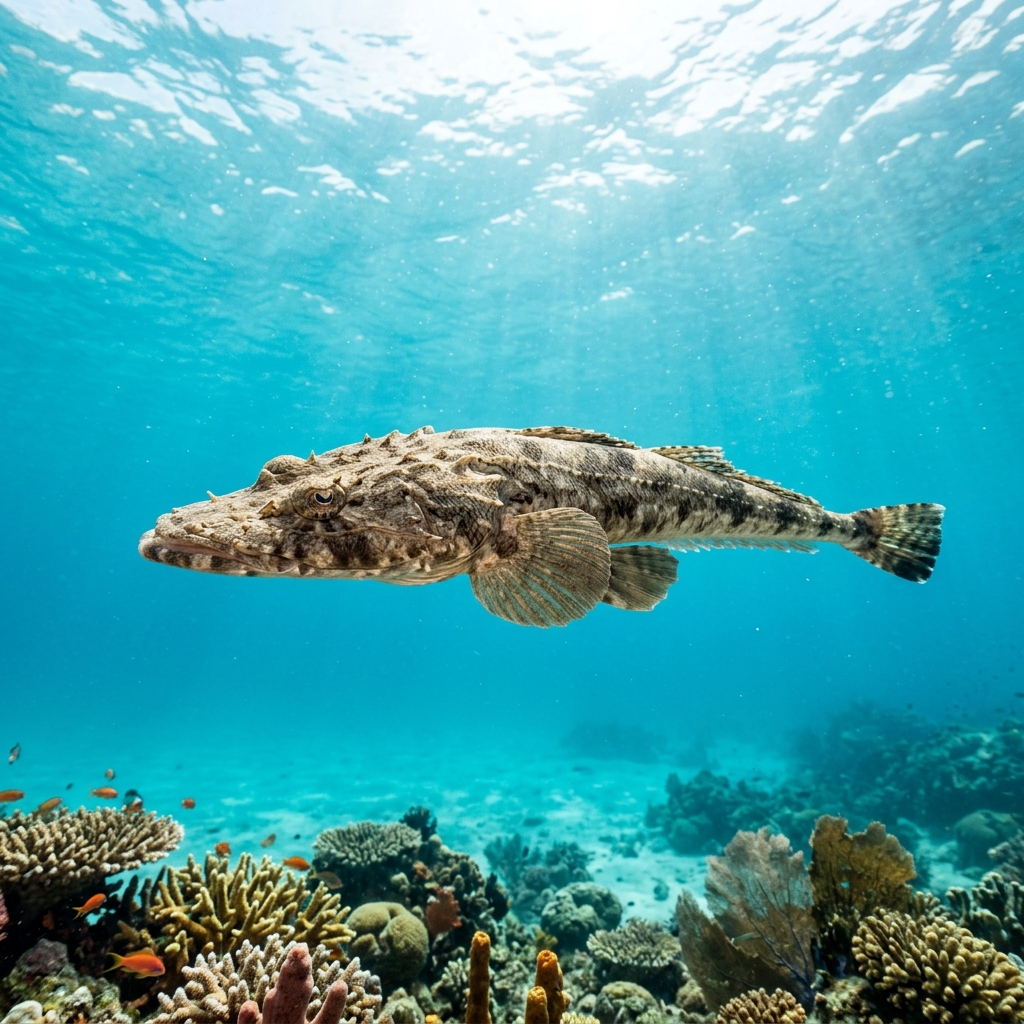
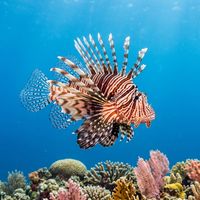
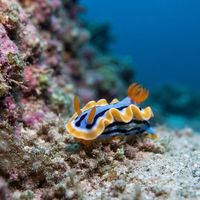
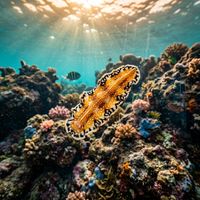
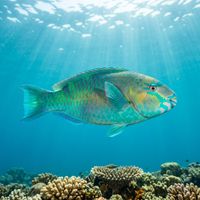
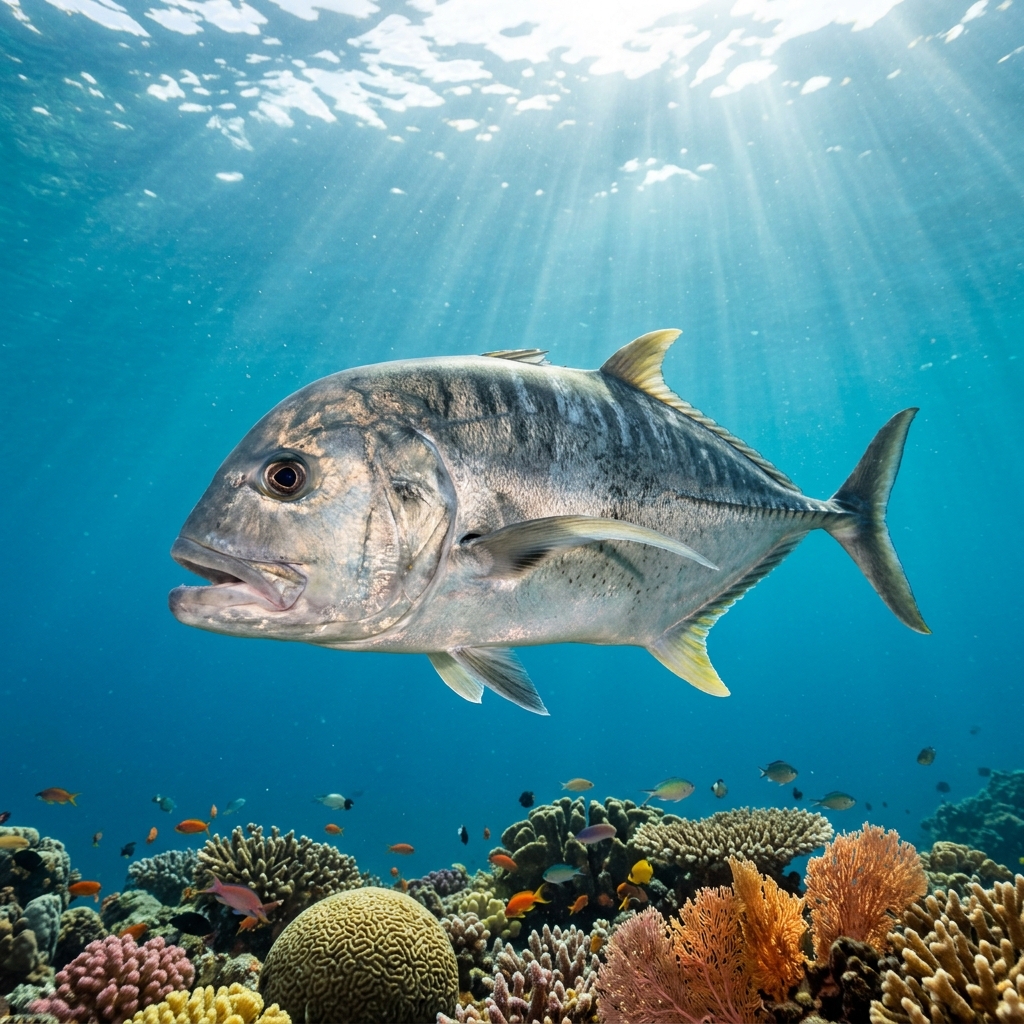
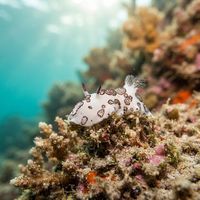
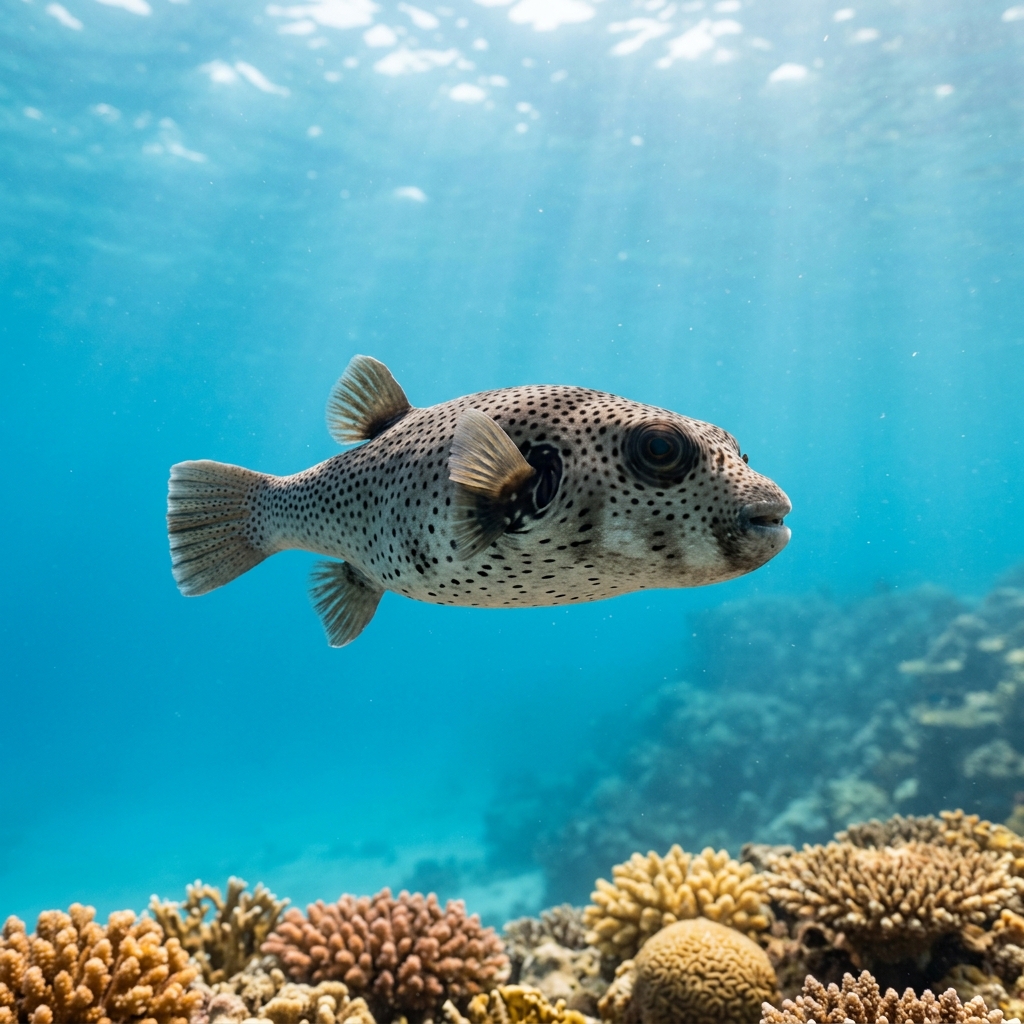
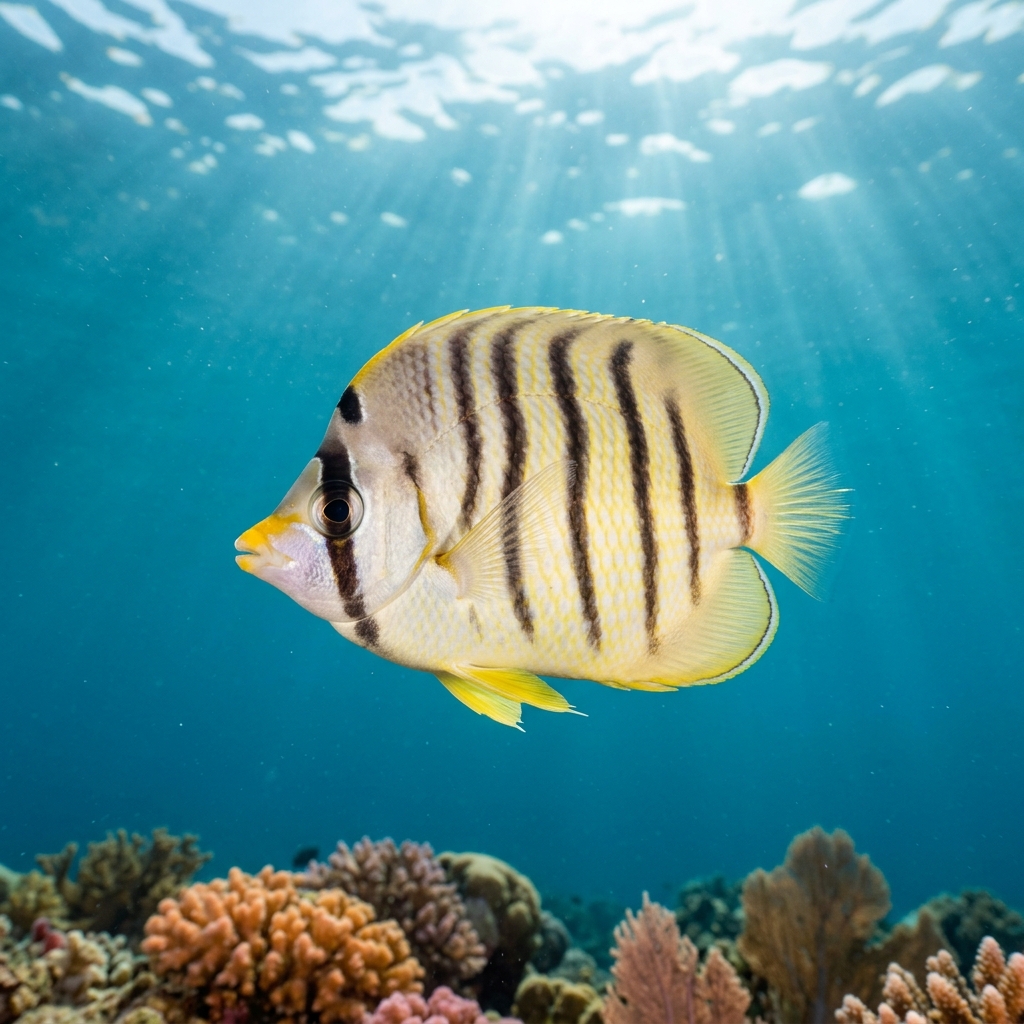
The wrecks and surrounding reefs host a wide cast of species. The Common Clownfish is encountered on almost every site, and the Titan Triggerfish, Crocodile Fish, and Varicose Wart Slug are very commonly observed. The Mandarinfish is one of the signature species of the area, alongside the Indian Lionfish and Giant Trevally. Nudibranch enthusiasts will find Anna's Chromodoris and the Ringed Velvet Dorid among the hull growth.
Yes, a good portion of the sites are rated for beginners. The Lusong Gunboat, Landing Craft, Morazan, and Sangat Island all start at shallow depths and offer a forgiving introduction to wreck diving. Intermediate and advanced divers will find plenty of challenge too, with the Irako reaching serious depth and the Kogyo Maru resting on its side in deeper water.
The vast majority of sites are reached by boat, and operators including Pirate Divers Busuanga, Gunter's Dive Center, Dugong Dive Center, and Sangat Island Dive Resort run regular trips to the wrecks. Sangat Island itself can be entered directly from shore, and Dimanglet offers both shore and boat access. Operators such as MDI Divers and Pirates Diving Center can help you build an itinerary across multiple wrecks in a single day.
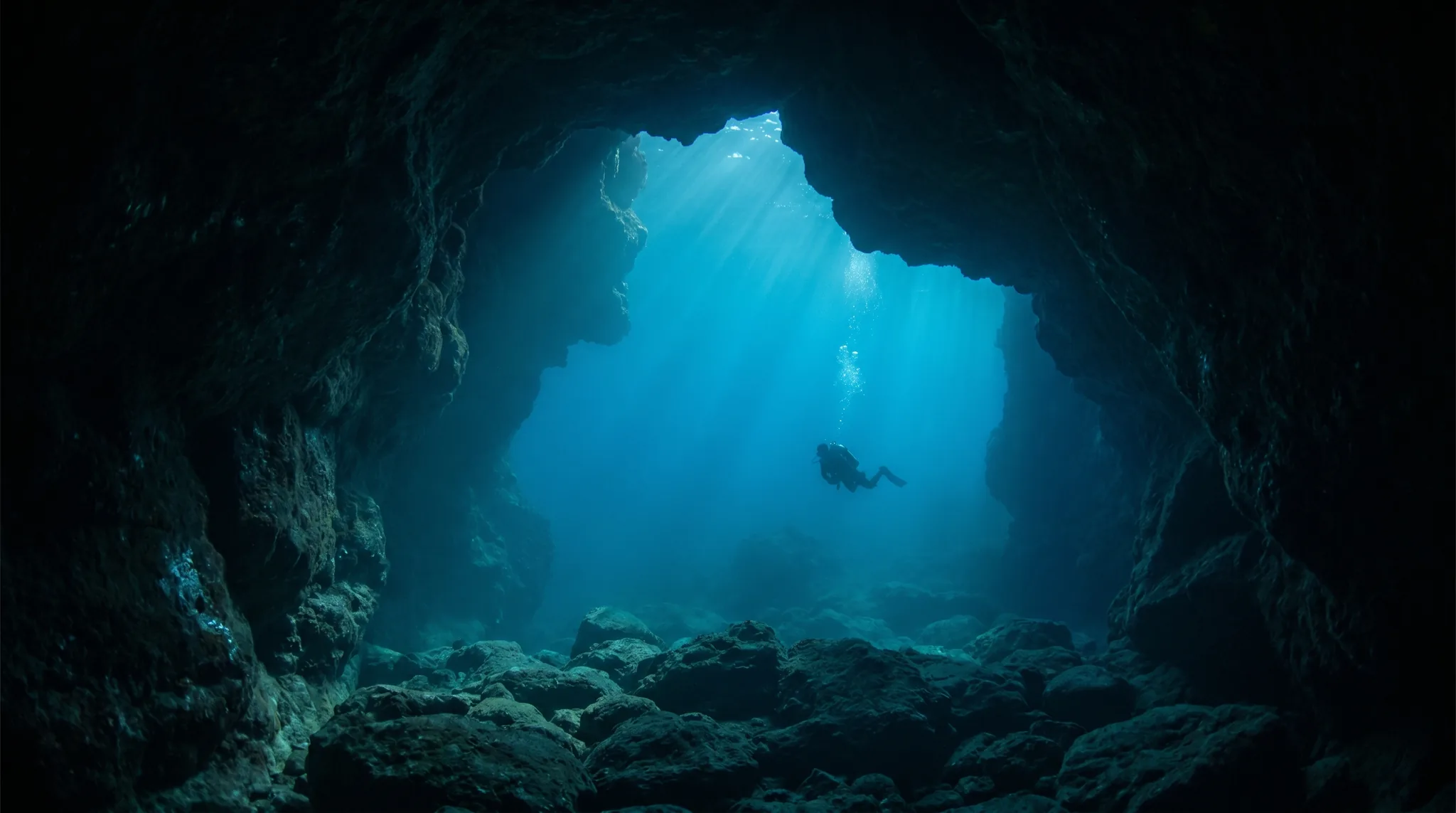
Wrecks form the backbone of the region, but the experiences vary considerably. Some hulls, like the Ekkai Maru and Talei Maru, have developed into artificial reefs with penetration opportunities for certified divers. Others, like the Teru Kaze Maru, slope from very shallow water into moderate depth and carry coral growth on their sides. Cathedral Cavern offers something entirely different: a cavern and reef combination where daylight enters through a ceiling opening, making it one of the more unusual sites in the area.