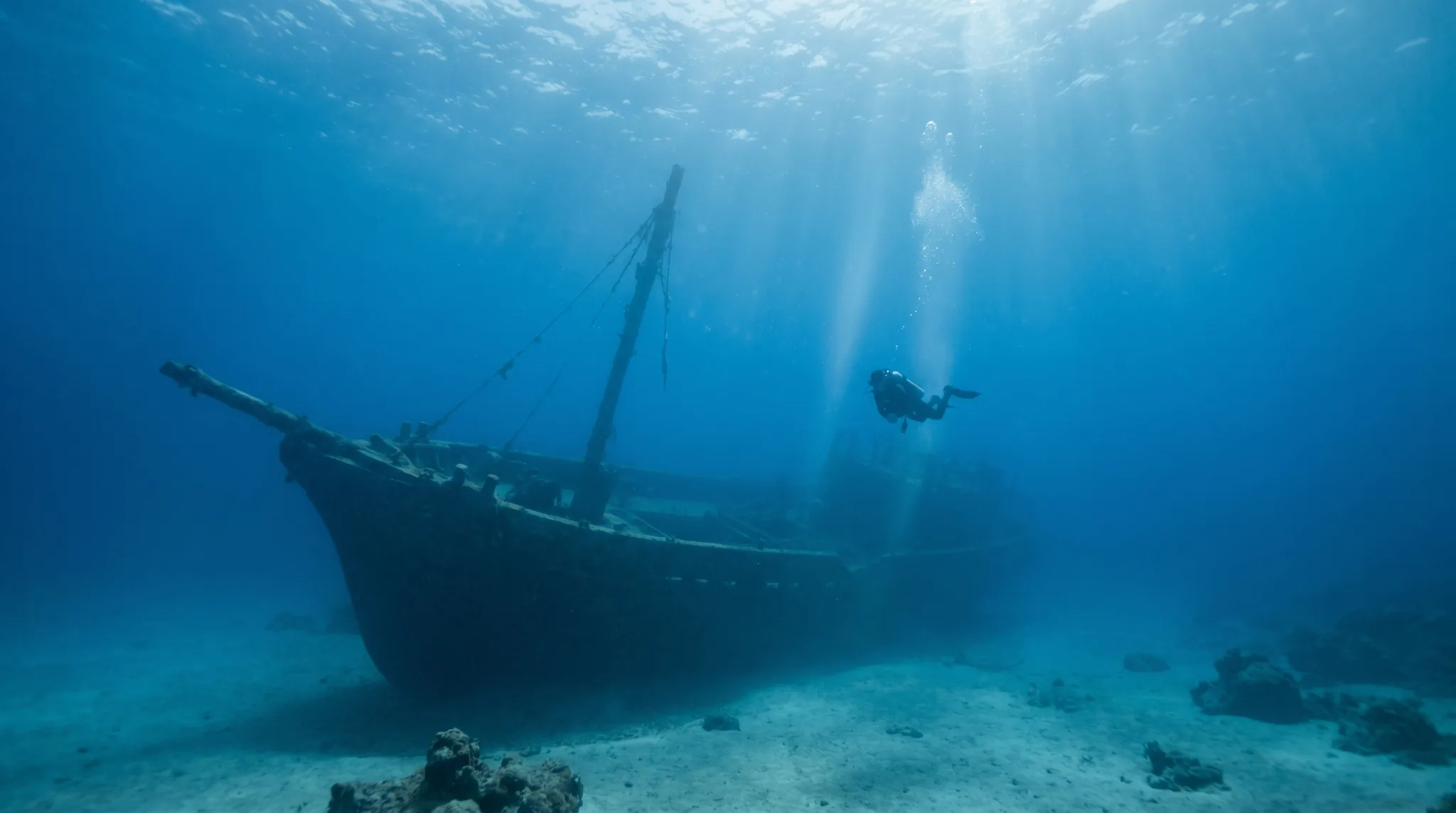
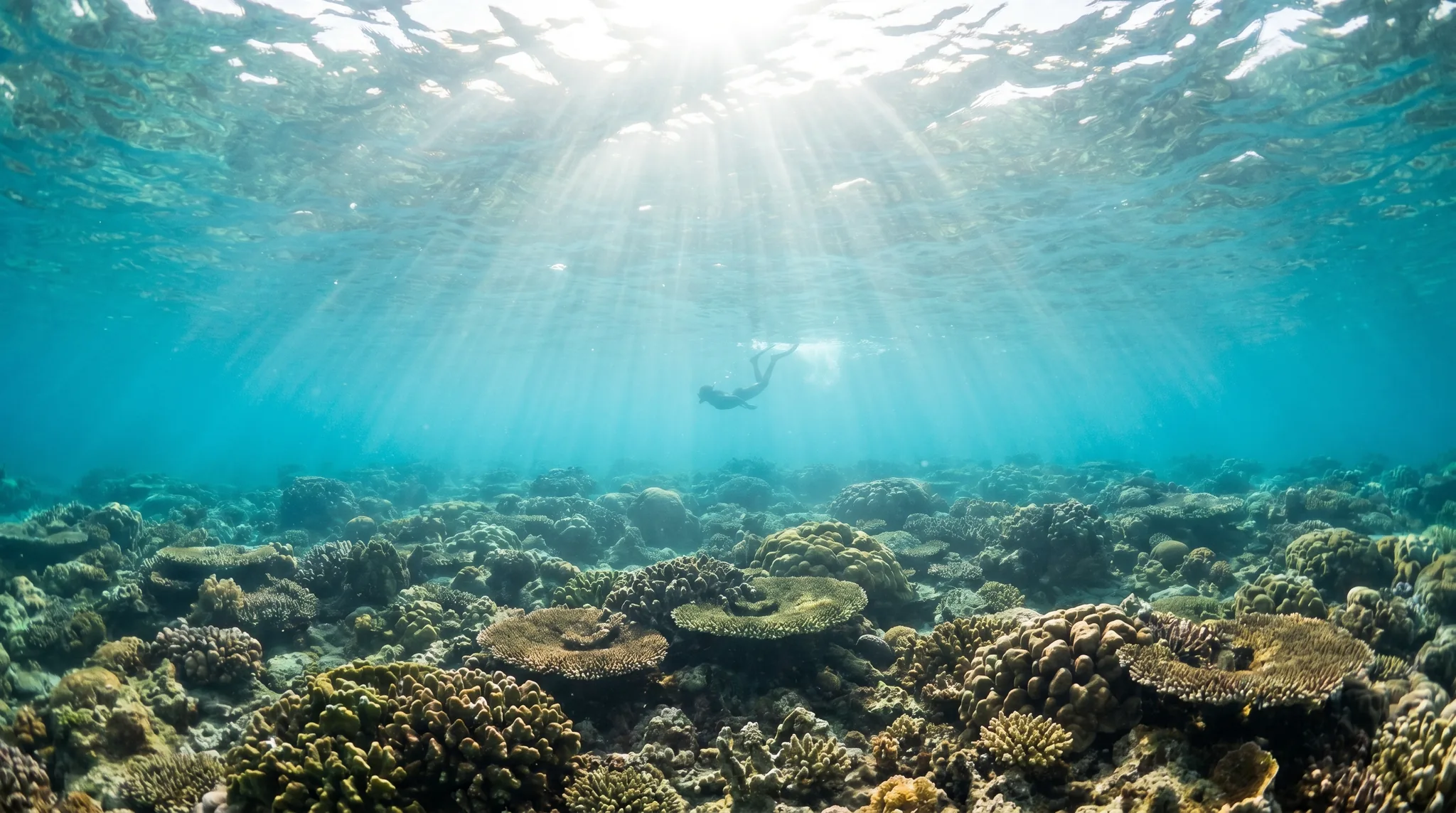
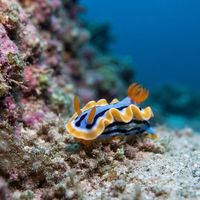
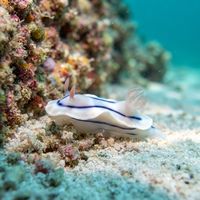
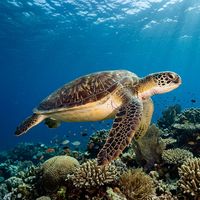
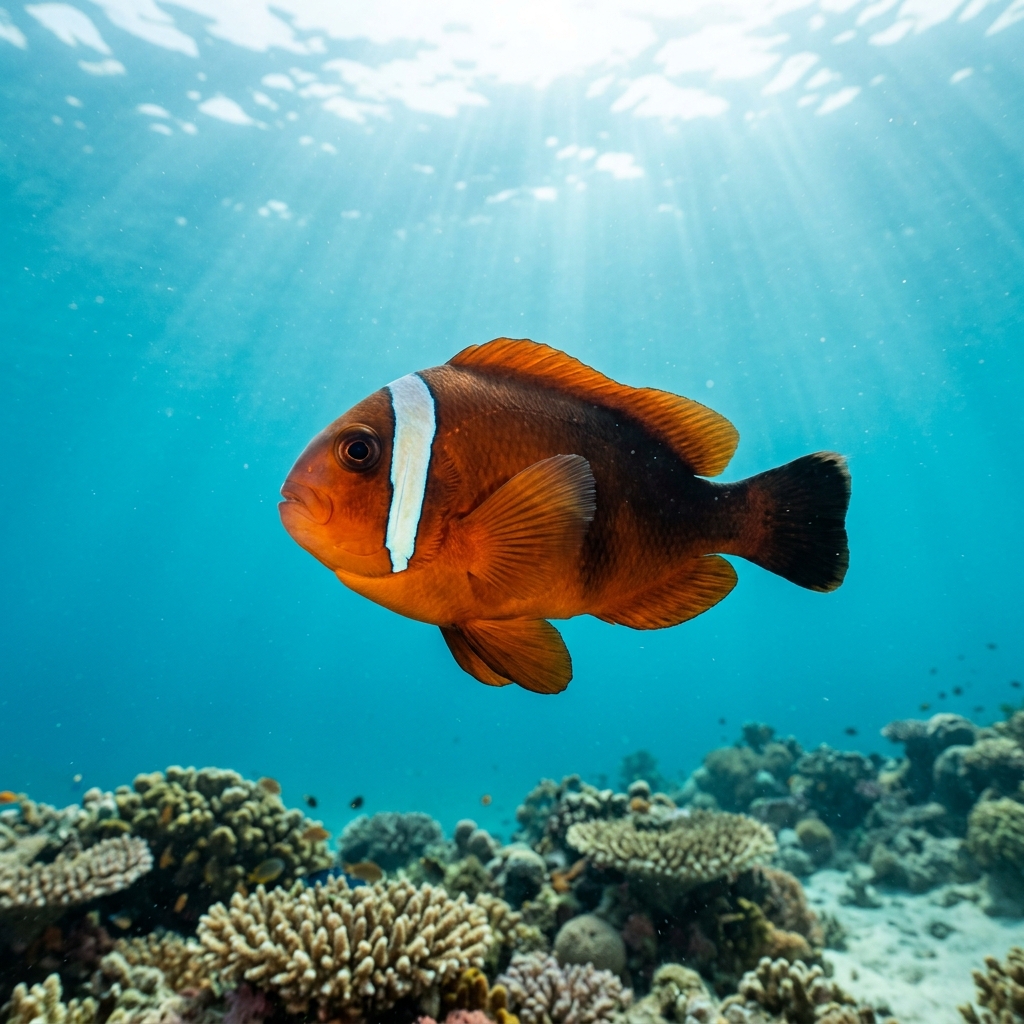
El Nido's dive sites are shaped by limestone topography: walls, drop-offs, caverns and reef slopes define the experience here. Boat access is standard across all sites, from shallow beginner reefs to deeper intermediate walls at Popolcan and West Entalula. The Green Sea Turtle is a near-constant presence, alongside an exceptional variety of clownfish species and the Chromodoris Nudibranch. Drift conditions appear at sites such as South Miniloc, while Dilumacad adds cavern exploration to the mix.
Monthly water temperature across El Nido's sites, from satellite sea-surface data corrected for depth. The band shows the site-to-site spread.
Water stays warm throughout the year, rising slightly from late spring through to November. The strongest months for diving cluster around late spring and again in November, with mid-summer seeing a quieter period. Conditions vary by site, with drift diving possible at exposed reef sites such as South Miniloc.


17 operators
El Nido, Philippines
El Nido, Philippines
El Nido, Philippines
19 more sites to explore
Water temperature around El Nido ranges from about 27°C in February to 30°C in May, based on satellite sea-temperature data for its dive sites.
With water around 27–30°C, a rash guard or 3mm shorty works in El Nido year-round.
Fin maps 31 sites in El Nido (23 scuba diving sites and 8 snorkelling spots).
Across El Nido's dive sites, March, April, May, November and December are most often reported as the best months to visit.
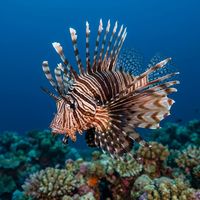
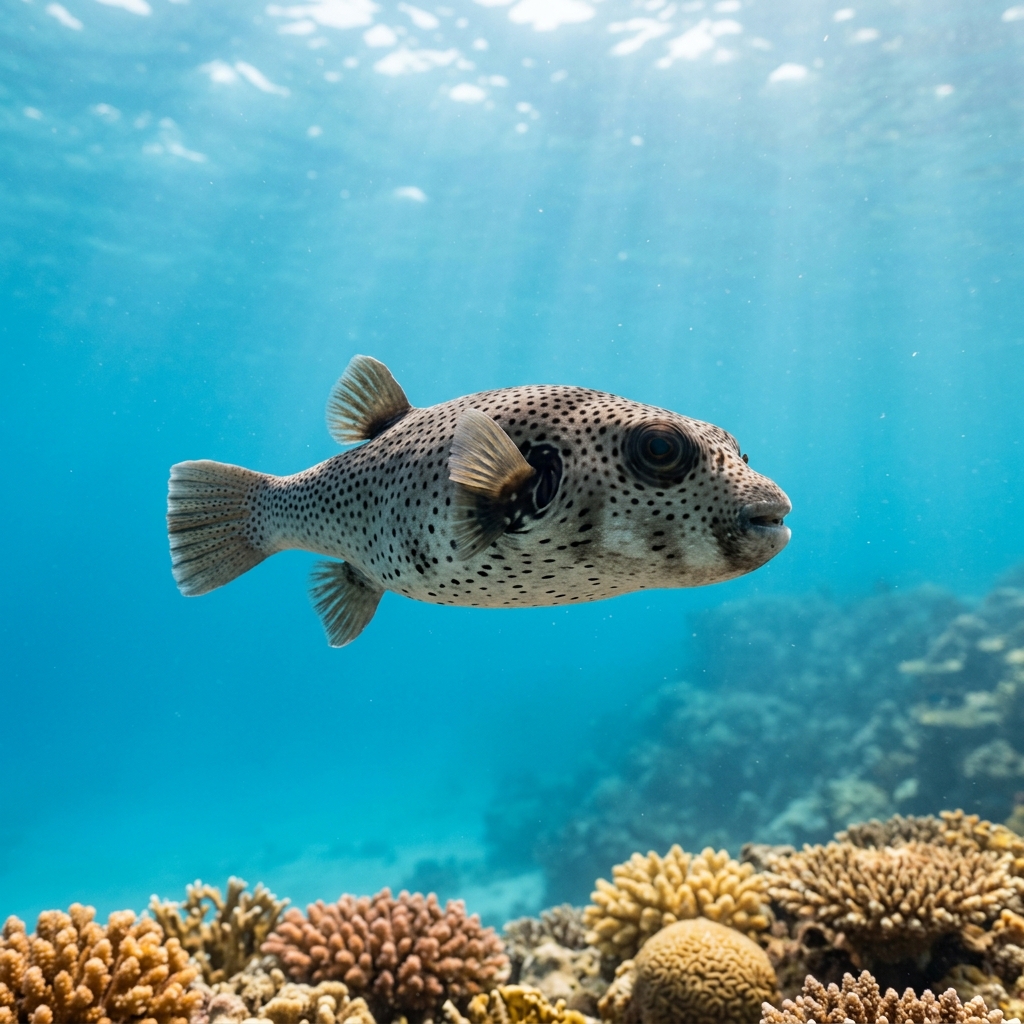
The Green Sea Turtle is observed across the majority of sites and is the region's signature encounter. Divers also regularly spot the Chromodoris Nudibranch, Spotfin Lionfish, Zebra Lionfish, Blackspotted Pufferfish and multiple clownfish species including Common Clownfish, Pink Skunk Clownfish and Maroon Clownfish. The Moorish Idol, Pacific Trumpetfish and Eightband Butterflyfish round out a diverse reef fish community.
A good number of El Nido's sites are rated for beginners, including El Nido Tour A, Dilumacad Island, Tambalanang and Paradise Beach. These sites feature shallower reef topography and calmer conditions well-suited to those new to diving or undergoing training. Intermediate sites such as West Entalula Wall and South Miniloc are available for those ready to progress to walls, drop-offs and drift conditions.
All of El Nido's dive sites are reached by boat. Several operators are based in the area, including Aquanaut Dive Center, Turtle Divers, Tabanka Divers, Mobula Divers and El Nido Adventure Scuba Dive Center, among others. Operators organise trips to sites across the region, with some sites requiring a longer boat ride than others.
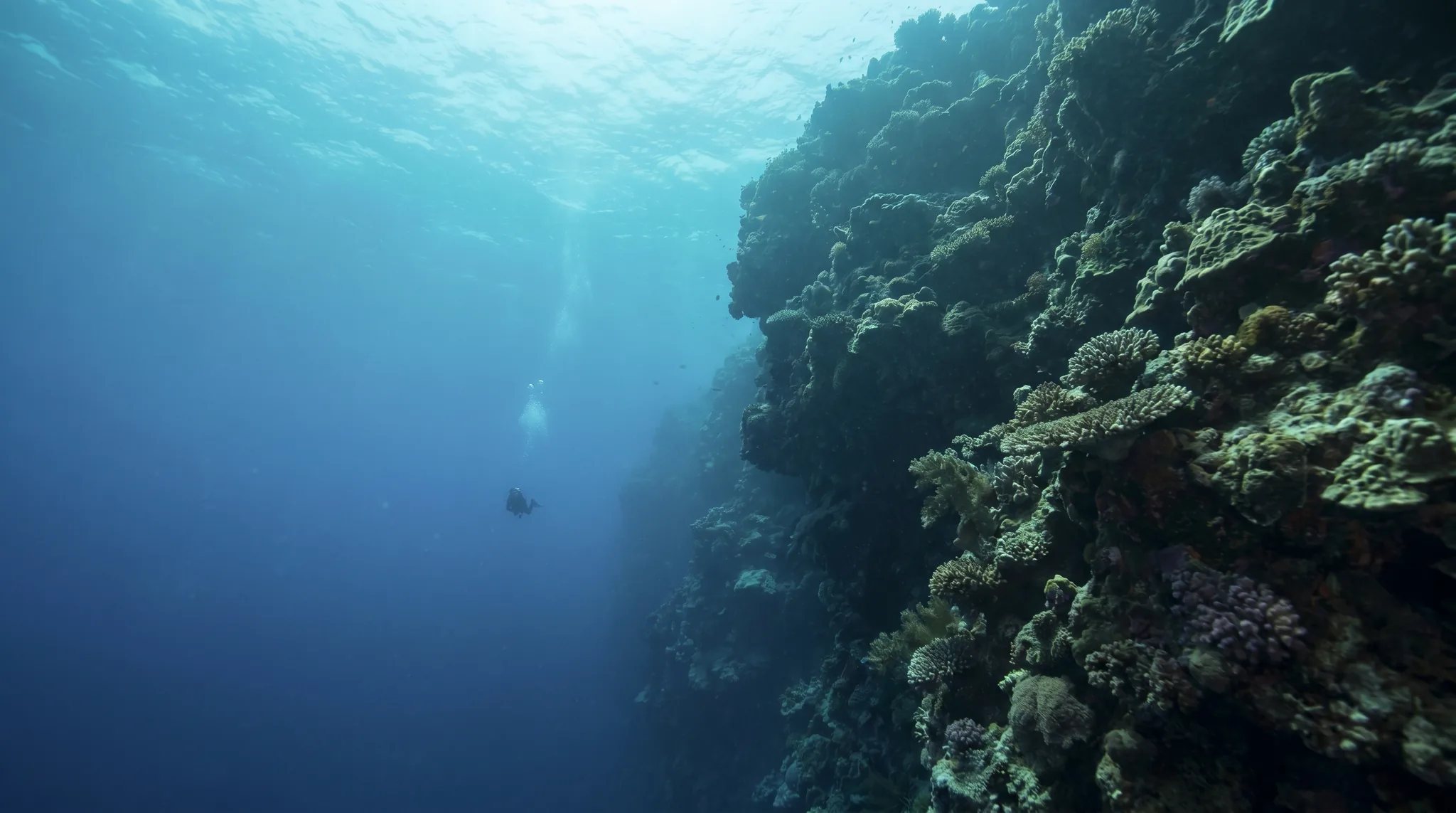
El Nido's limestone geography produces a varied underwater landscape. Walls and drop-offs feature at sites such as West Entalula and Popolcan, while Dilumacad and Dilumacad Island offer cavern and cave topography. Reef slopes are the most common site type, and South Miniloc introduces drift diving into the mix. This variety means divers of different preferences and experience levels can find something suited to them.