
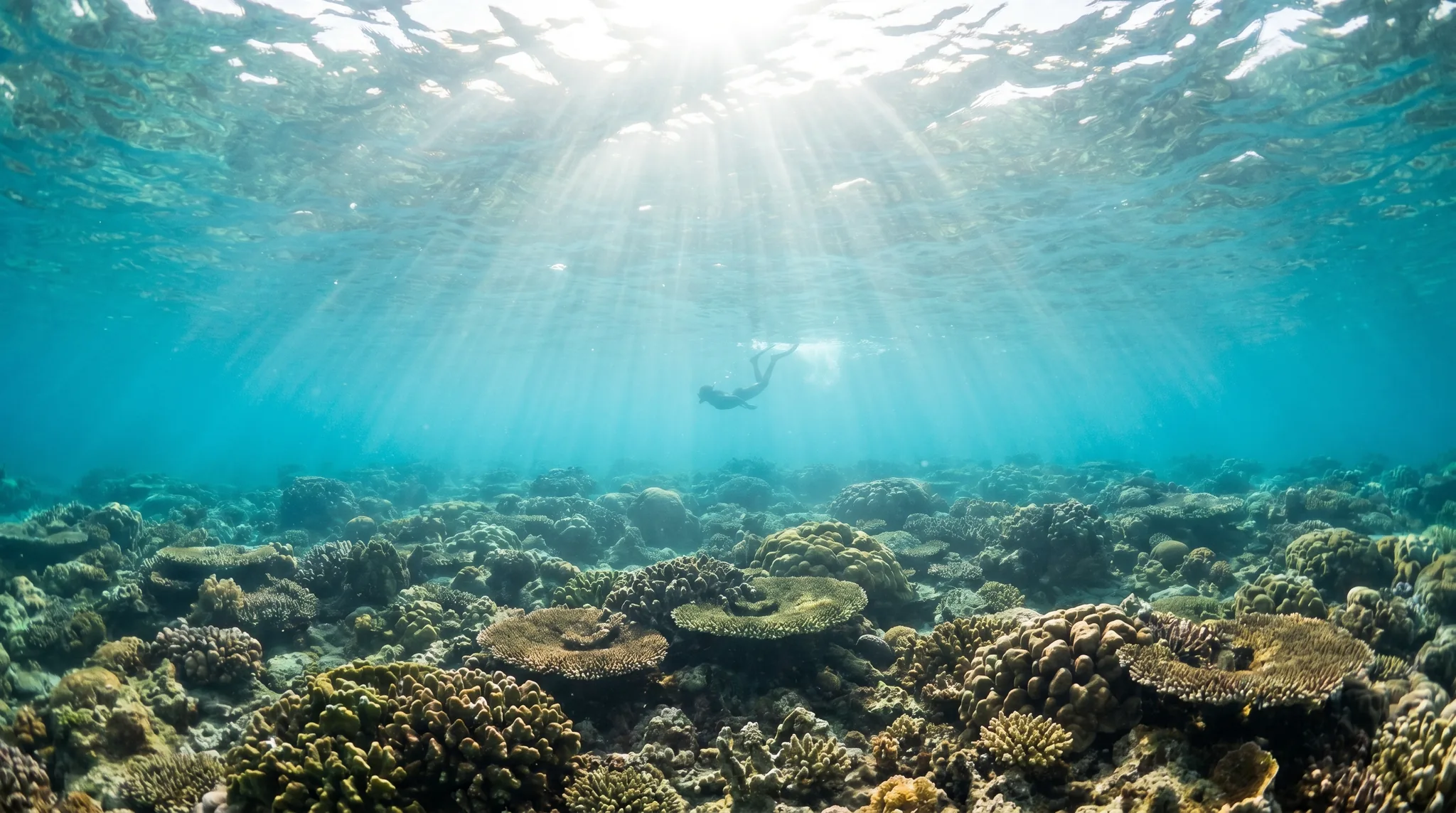
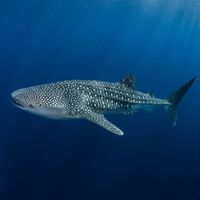
Coiba National Park's dive sites are built around reef, wall, pinnacle, and canyon topography, accessed almost entirely by boat. Beginner-friendly shallows at sites like La Lengua and Las Morenas give way to advanced drift diving at Bajo Gringo and the deep drop-offs around Jicaron and Jicarita. The Whitetip Reef Shark is sighted across the vast majority of sites, while Whale Shark and Spotted Eagle Ray appearances add an element of the unexpected. Visibility is consistently strong, and warm water holds year-round.
Monthly water temperature across Coiba National Park's sites, from satellite sea-surface data corrected for depth. The band shows the site-to-site spread.
Water temperature stays warm throughout the year with very little variation, making every month comfortable. The best-months data points to peaks in February, March, April, July, October, and December, suggesting that drier or calmer windows bookend the wetter mid-year period. Advanced sites such as Bajo Gringo carry significant current, so conditions vary considerably between drift sites and sheltered reef dives.
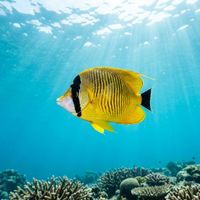
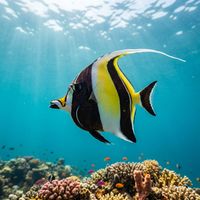
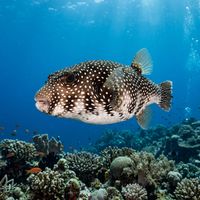
11 operators
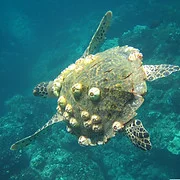
Rio de Jesus, Panama

Rio de Jesus, Panama
23 more sites to explore
Water temperature around Coiba National Park ranges from about 26°C in February to 28°C in May, based on satellite sea-temperature data for its dive sites.
In the warm season (about 28°C) a rash guard or 3mm shorty is comfortable in Coiba National Park; in the coldest months (about 26°C) step up to a 3mm full suit.
Fin maps 35 sites in Coiba National Park (32 scuba diving sites and 6 snorkelling spots, with some suited to both).
Across Coiba National Park's dive sites, April and December are most often reported as the best months to visit.
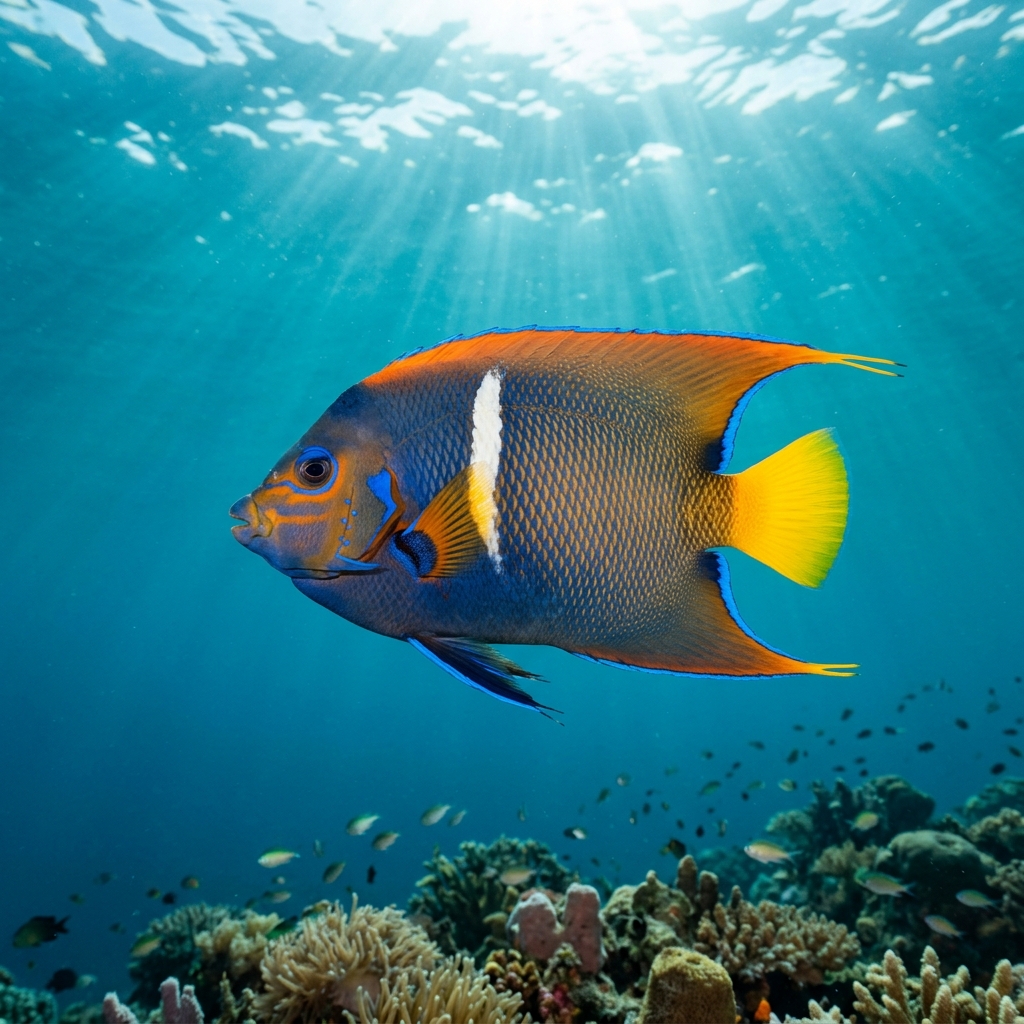
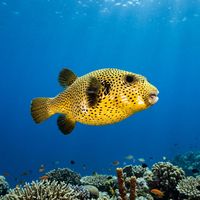
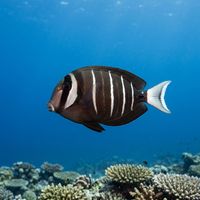
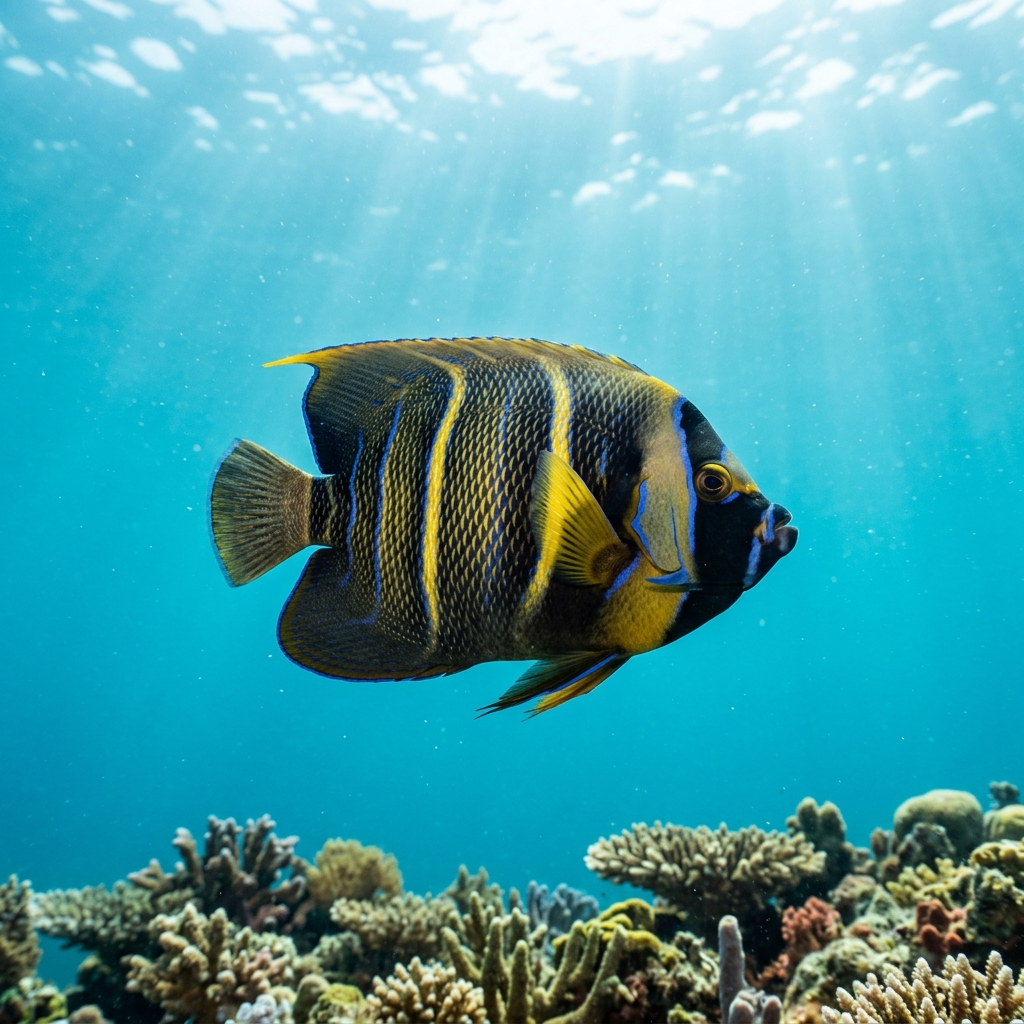
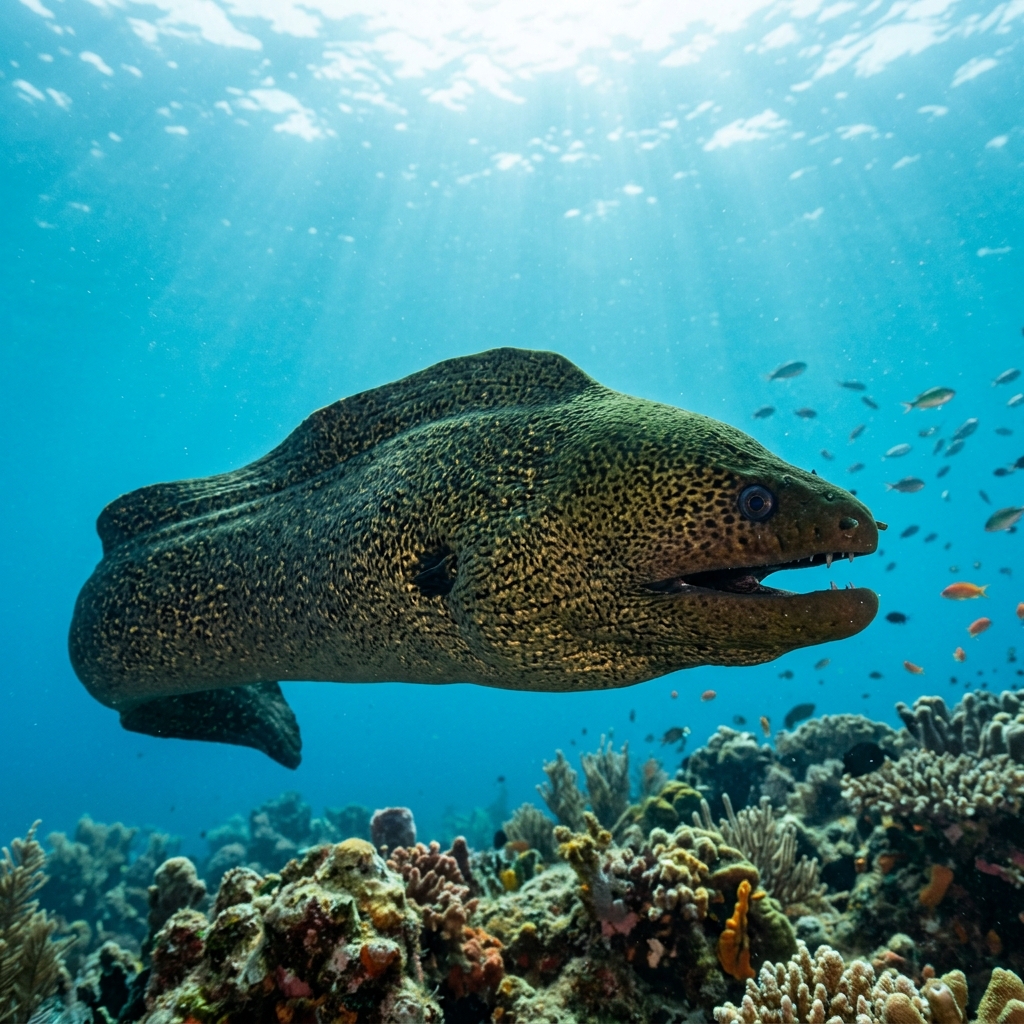
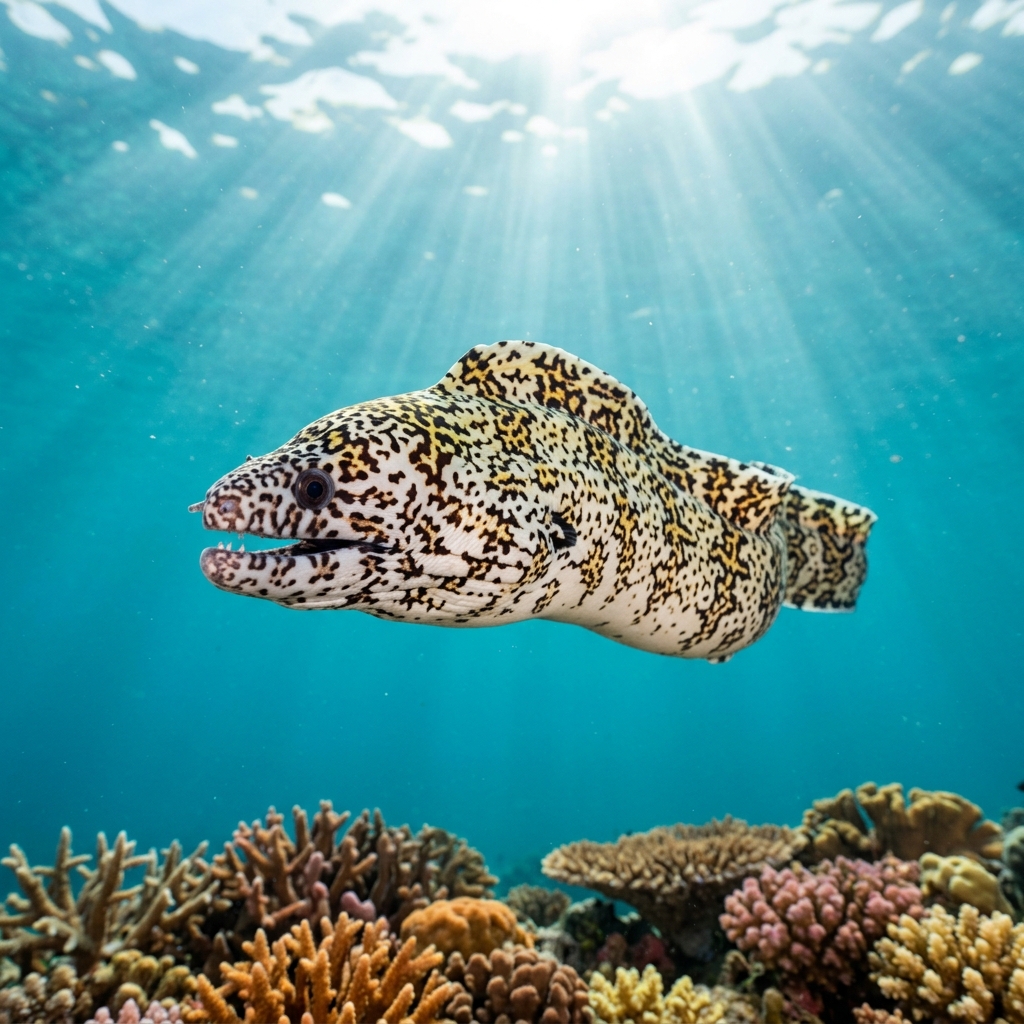
The Whitetip Reef Shark is the most consistently observed large species, recorded across nearly all sites. Spotted Eagle Ray and Whale Shark are sighted occasionally rather than on every dive, but both are confirmed observations within the park. King Angelfish and Panamic Green Moray round out the signature species list.
A good number of sites are rated beginner level, including La Lengua, Las Morenas, Don Juan, and Iglesia, all reachable by boat with manageable depth ranges. Intermediate sites such as Wahoo and Mali add walls and pinnacles for those with more experience. Advanced divers will find strong drift diving at Bajo Gringo and the remote terrain around Jicaron and Jicarita.
Nearly all sites require a boat, reflecting the offshore nature of the park. Los Frayles is the exception, accessible by shore entry. Multiple operators serve the area, including Scuba Coiba, Coiba Dive Center, Dive Base Coiba, and Expedition Coiba Panama, among others.
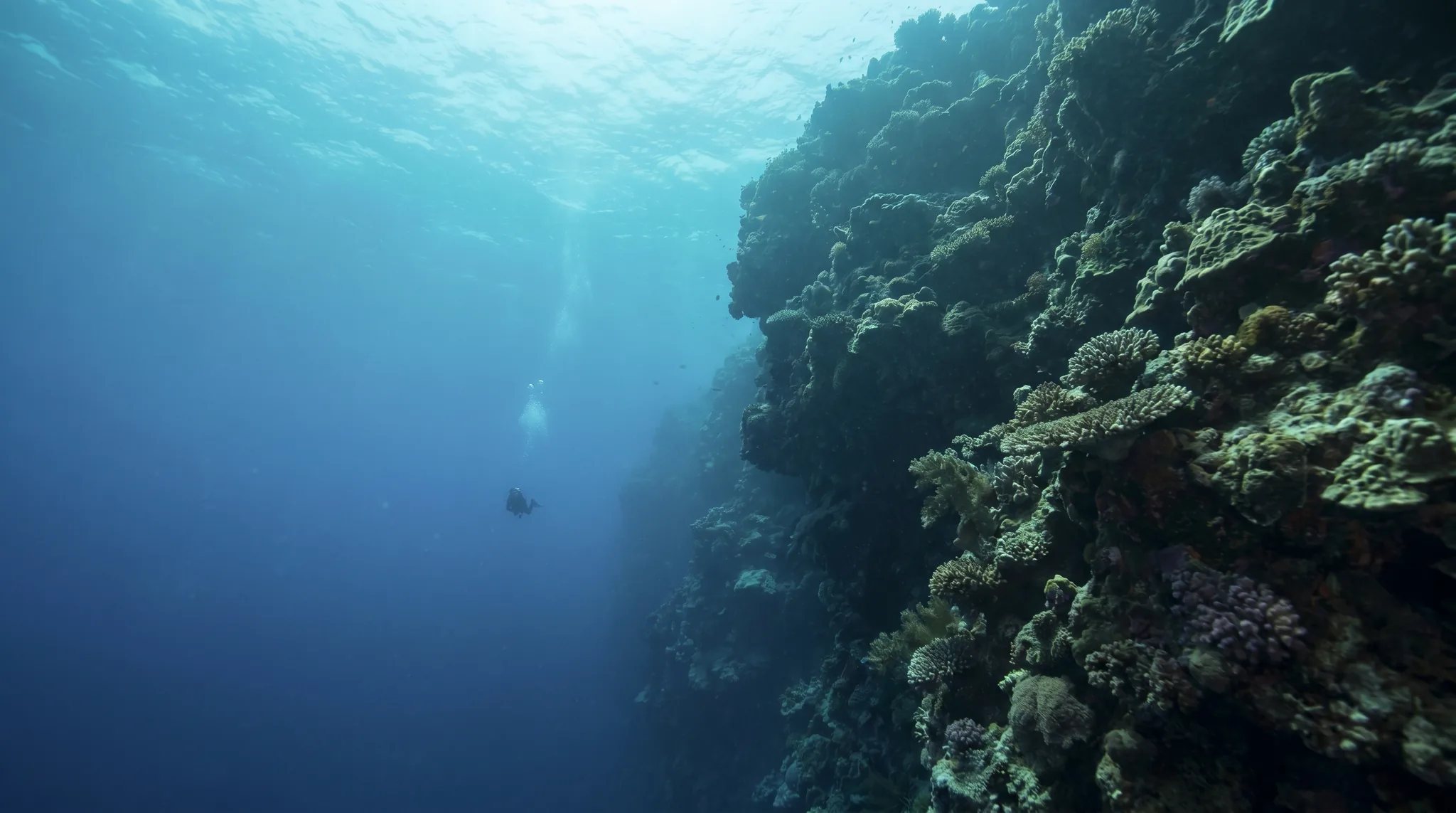
The park covers a wide range of topography: coral reefs, walls, drop-offs, pinnacles, canyons, and drift passages. Sites like La Lengua combine reef, wall, and drop-off in a single dive, while L Joron offers a compact reef, pinnacle, and canyon system. Jicaron and Jicarita sit on a dramatic drop-off that descends to very great depth.