Pomacanthus zonipectus
Spot Cortez Angelfish across Baja California, the Gulf of Papagayo, and Coiba National Park. Best sightings run Dec, Jun in 22-29 °C Pacific waters.
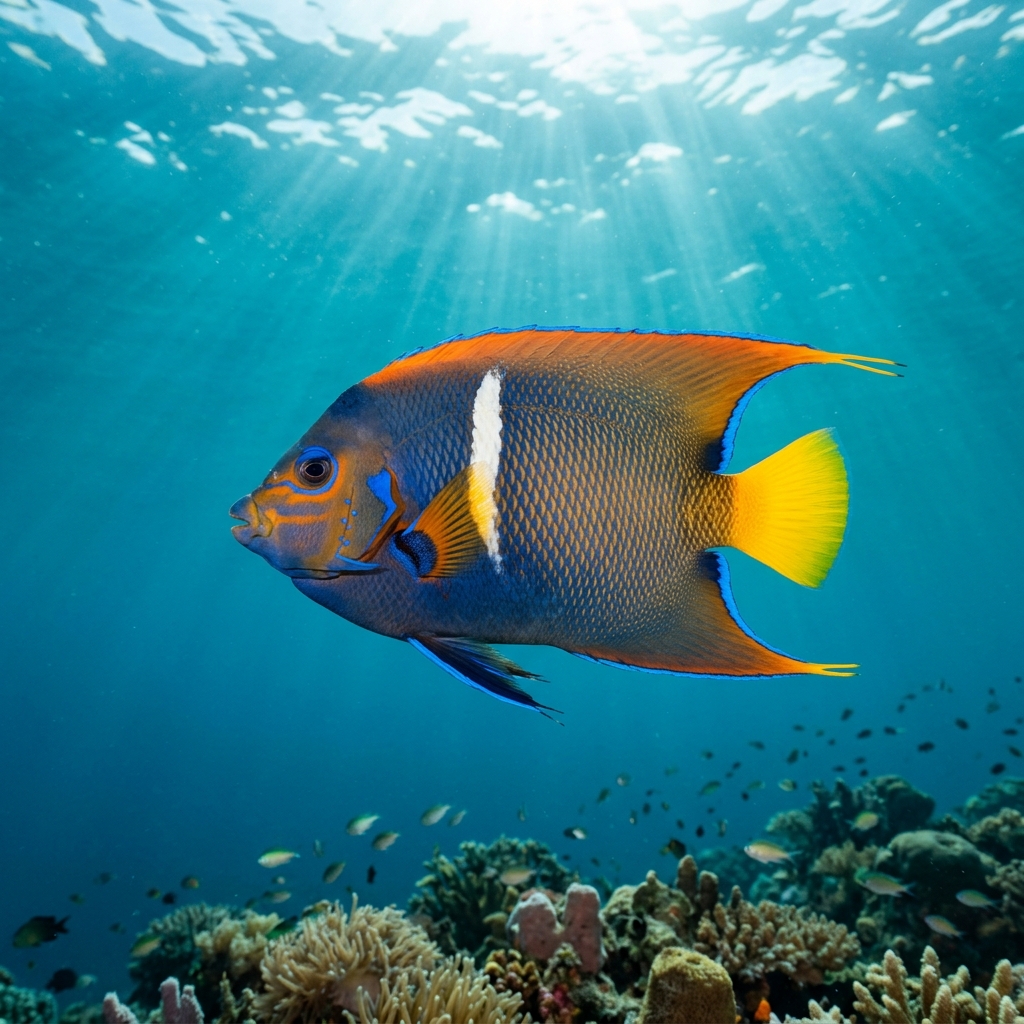
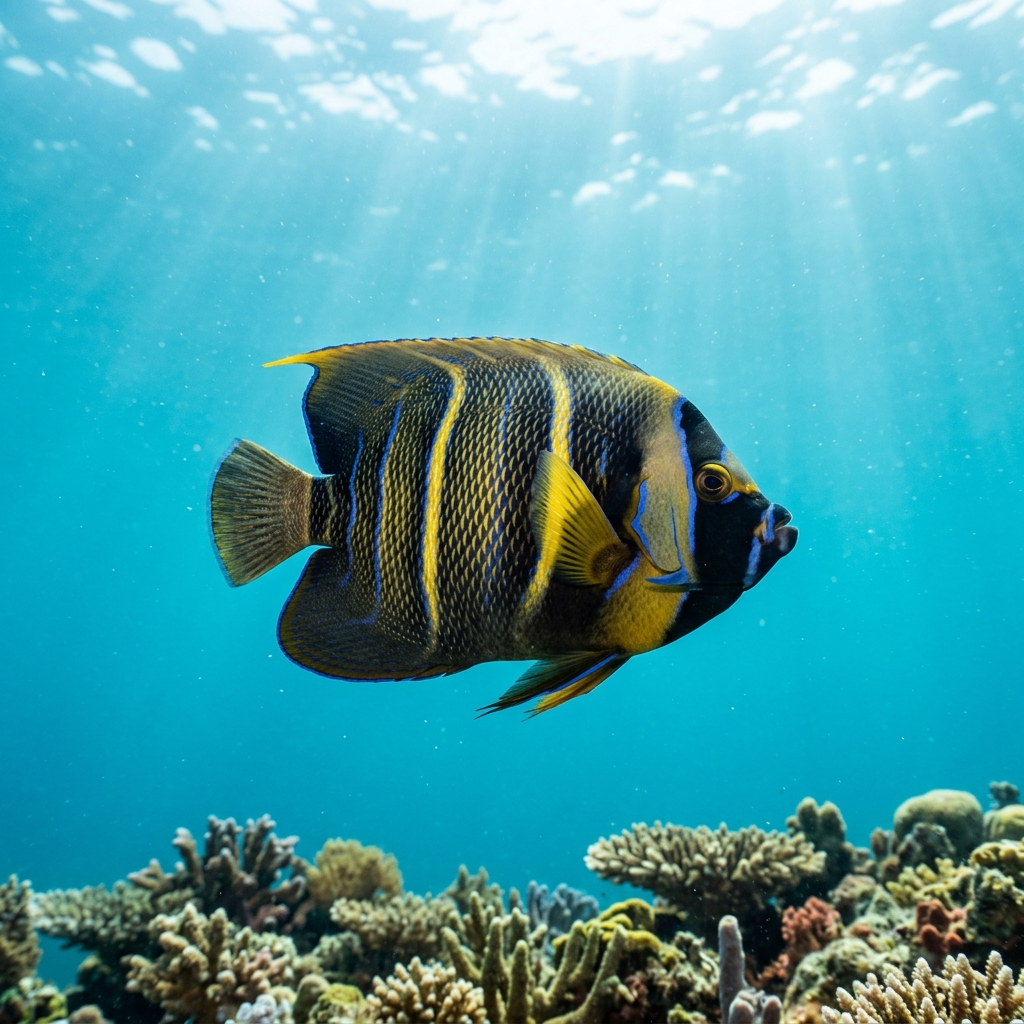
A large, disc-shaped angelfish with a dark body crossed by vivid yellow vertical bars and a yellow tail, making it one of the more eye-catching fish on the Eastern Pacific reef. Look for the distinctive curved yellow bar across the chest, which is the feature that gives the species its scientific name. Juveniles look strikingly different: black with electric-blue and white concentric curved stripes, a pattern common to several large angelfish species in their early stages.
You'll typically encounter Cortez Angelfish cruising mid-water or grazing deliberately across rocky reefs and coral rubble, often alone or in a loose pair. They tend to be curious rather than skittish, holding their ground long enough for a good look before drifting into a crevice if approached too closely. Most sightings are in shallower reef zones, often during daylight dives when they are actively feeding.
Like other large angelfish, Cortez Angelfish are protogynous hermaphrodites (born female, with dominant individuals able to change sex to male), and they typically form stable pair bonds that patrol a defined home territory on the reef.
Sightings in the Northern Hemisphere concentrate from December through June, making the cooler, calmer dry season the window to plan for across Mexico and Costa Rica. The species tolerates a broad temperature band of 22-29 °C, so it remains present outside those peak months, just less frequently reported.
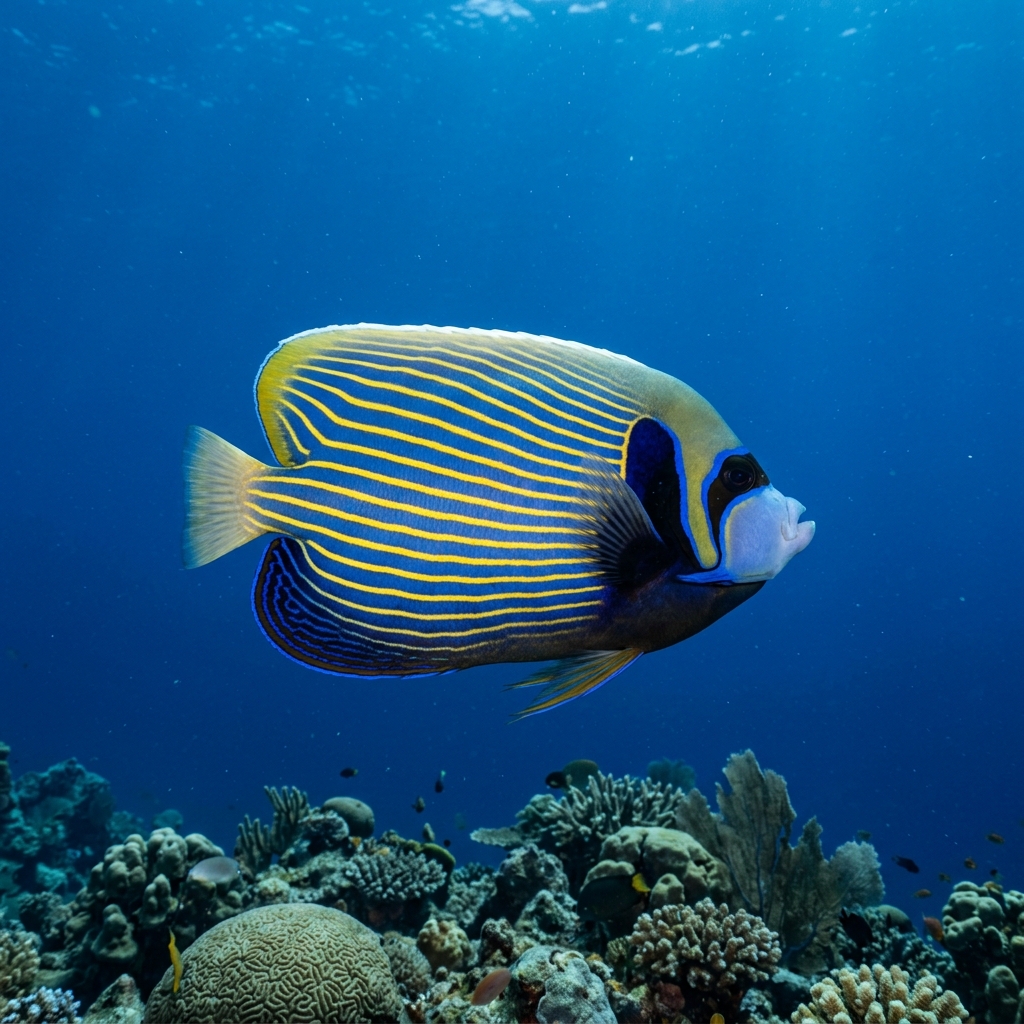
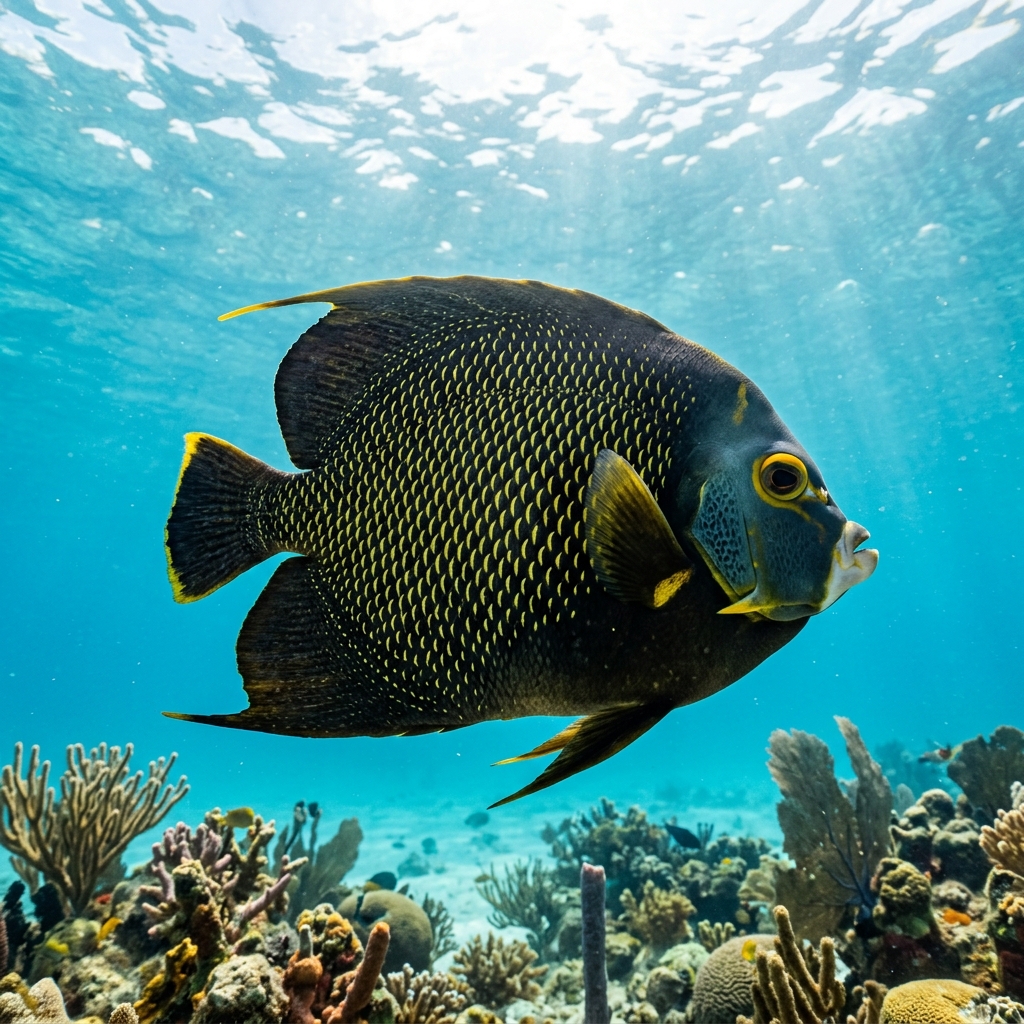
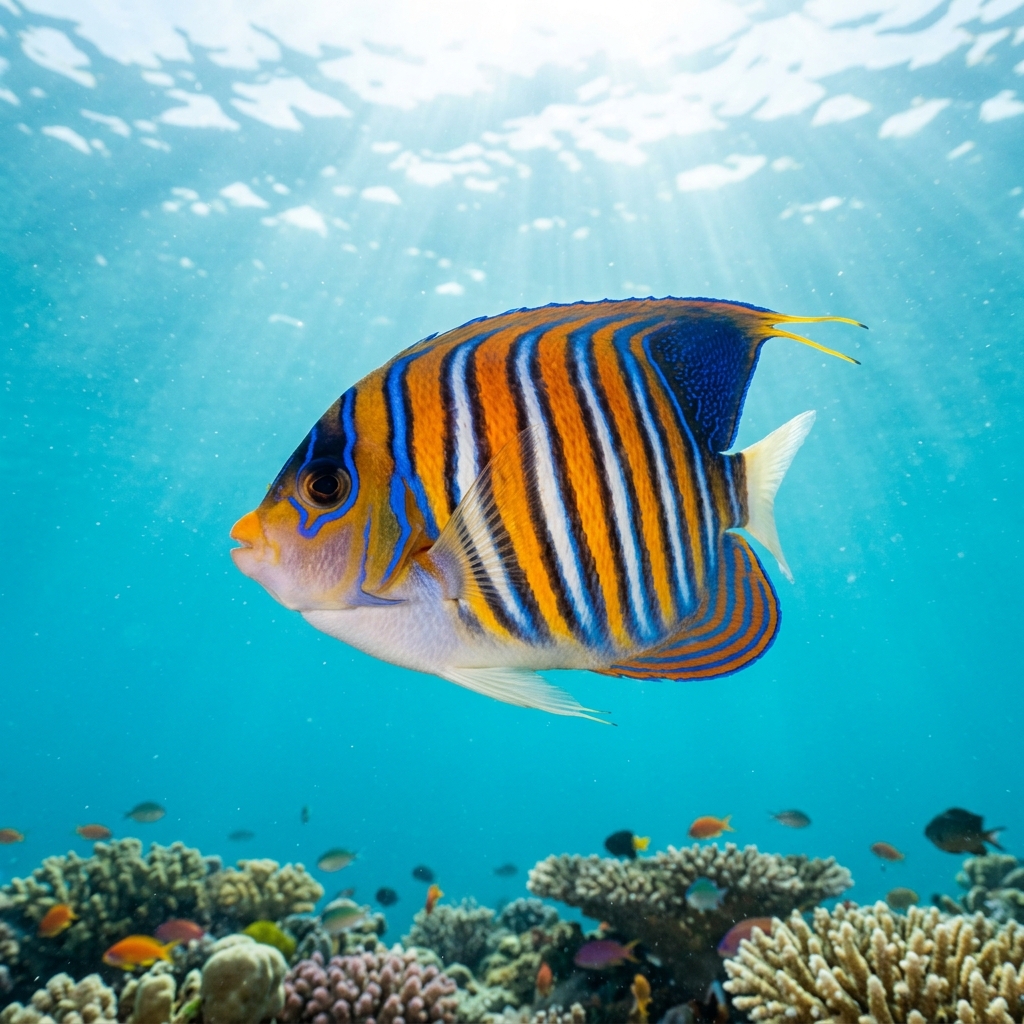
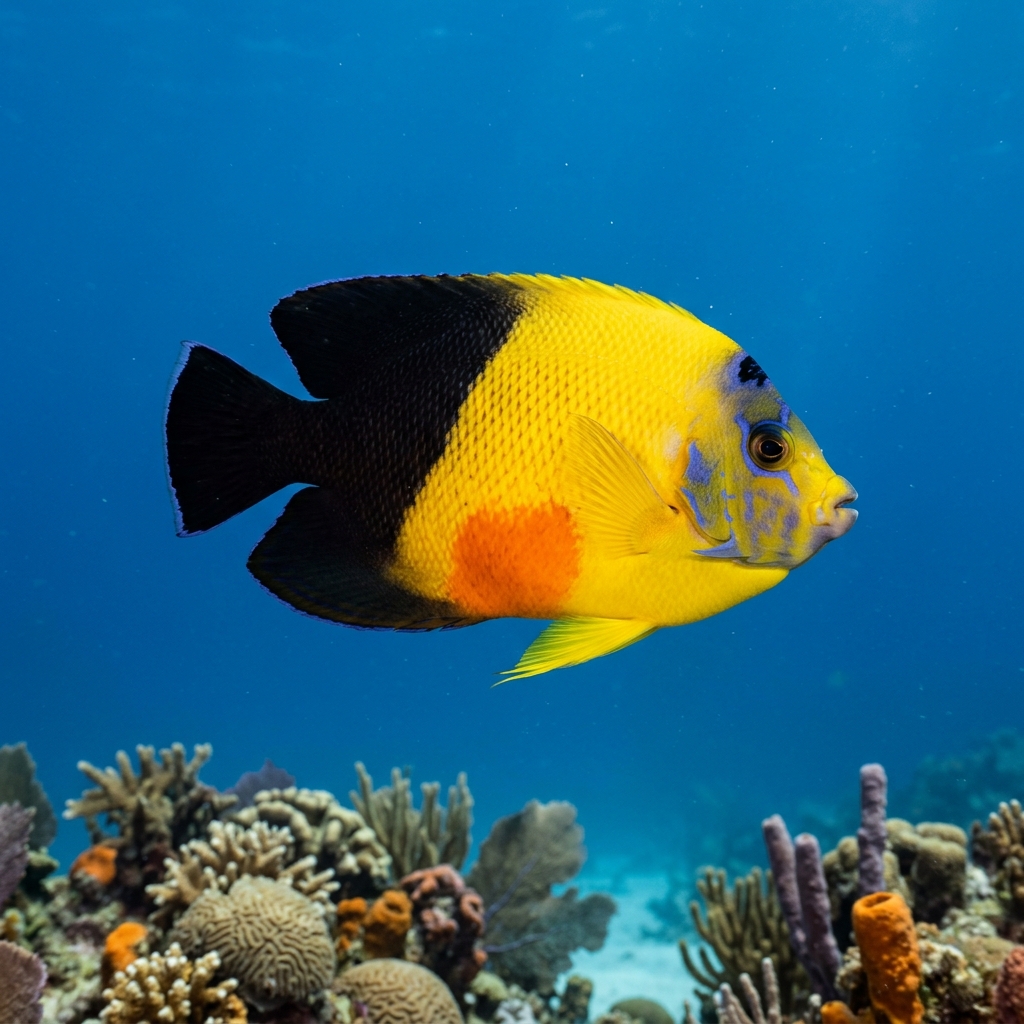
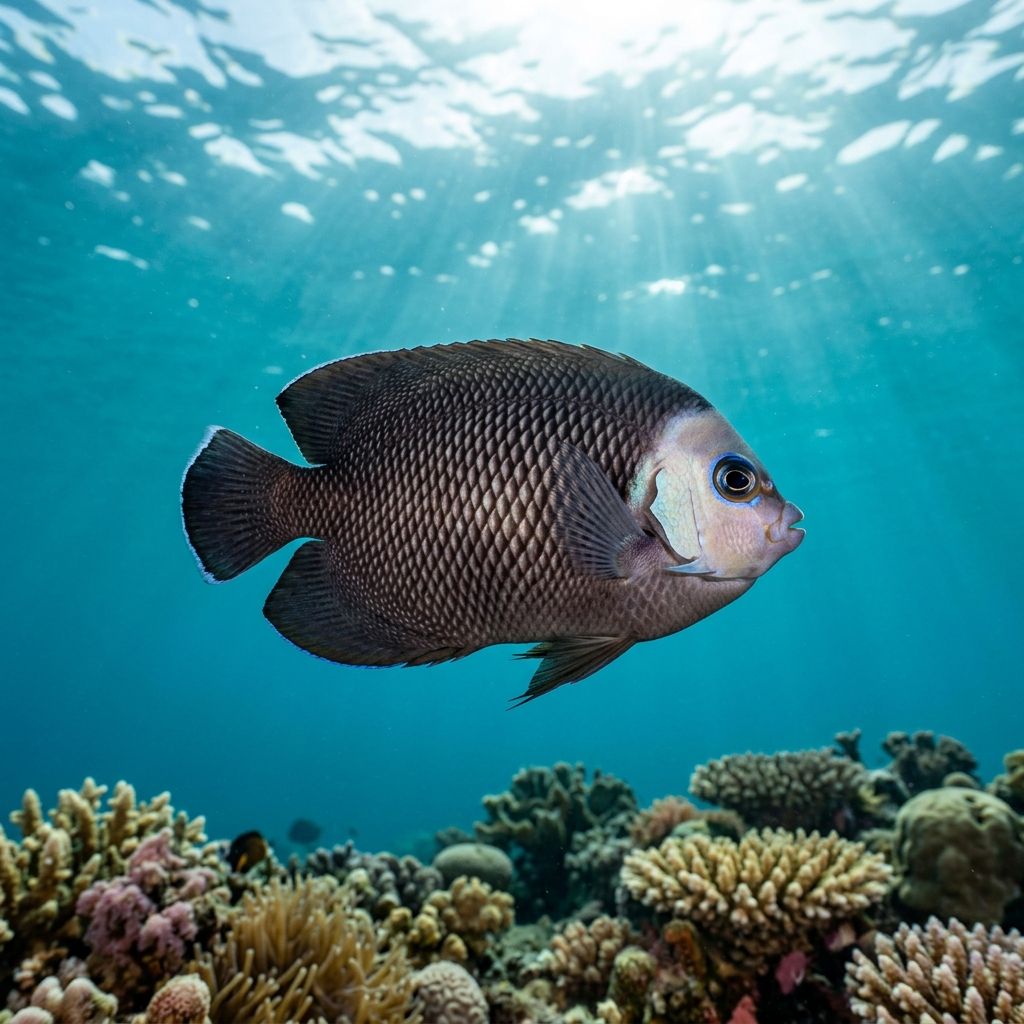
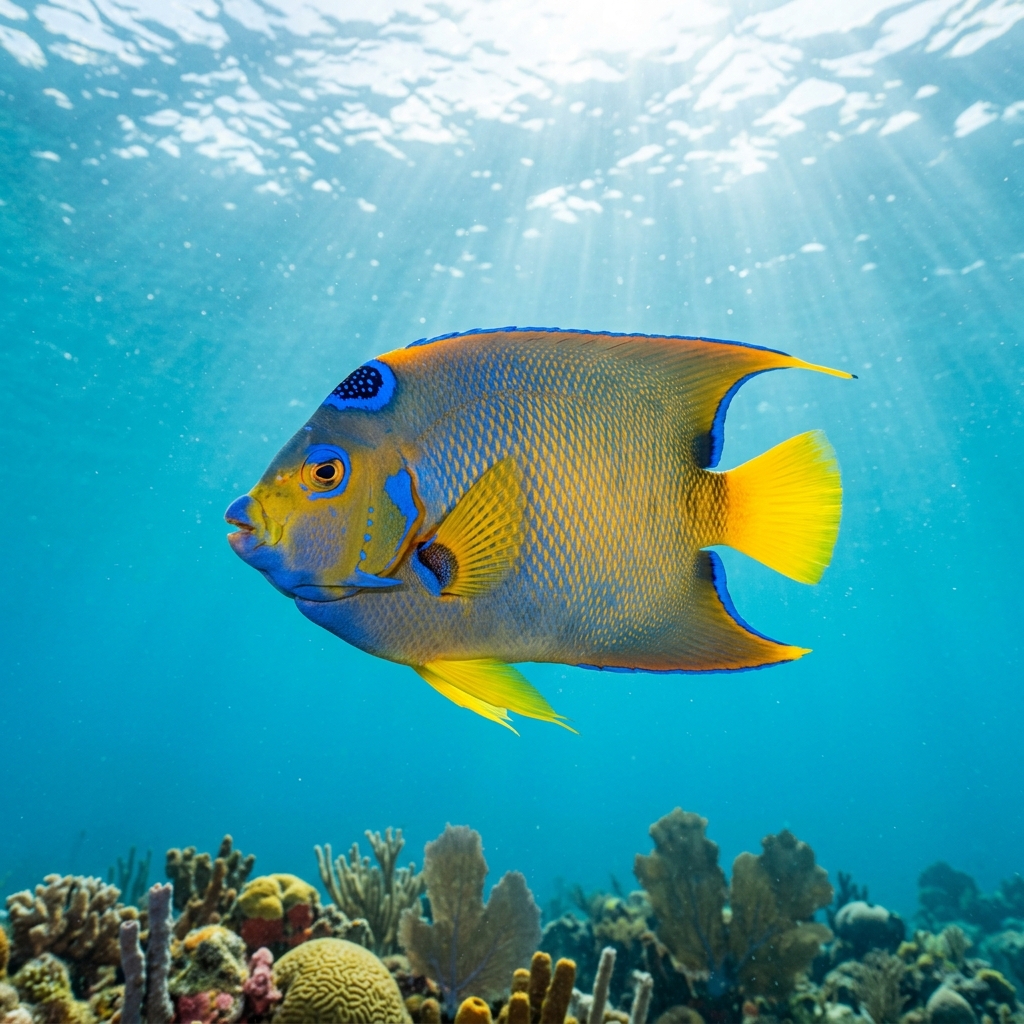
Reef neighbours a diver could mistake it for. Use the identification notes above to tell them apart.
The Cortez Angelfish is an Eastern Pacific endemic, and the dive-log data reflects that neatly. Mexico leads the way, with strong representation across Baja California and the Pacific Coast, followed by the Gulf of Papagayo in Costa Rica, which rivals Baja in sheer site coverage. Coiba National Park in Panama and the Ecuadorian mainland coast round out the reliable spots further south.
Mapping where Cortez Angelfish is logged…
Cortez Angelfish are found exclusively in the Eastern Pacific. The best-covered dive destinations are Baja California and the Pacific Coast of Mexico, the Gulf of Papagayo in Costa Rica, Coiba National Park in Panama, and the Ecuadorian mainland coast. They are logged at sites across all four countries, with Mexico and Costa Rica offering the most opportunities.
Sighting records in the Northern Hemisphere concentrate between December and June, aligning with the dry season and calmer conditions across Mexico and Costa Rica. Outside those months sightings drop off but the species is still present in its preferred temperature range of 22-29 °C.
Look for a large, deep-bodied fish with a dark brownish-black base colour broken up by bright yellow vertical bars and a yellow tail. The curved yellow bar across the chest is the key feature to key on. Juveniles are dramatically different, showing black bodies with electric-blue and white concentric curved stripes.
Most divers log them as uncommon rather than reliably seen on every dive. They are recorded as common at only a small proportion of their known sites, so treat a sighting as a welcome encounter rather than a certainty. Going with a local guide familiar with territories in Baja or Papagayo improves your odds considerably.
No. Cortez Angelfish pose no threat to divers. They may be mildly territorial but will simply retreat rather than confront. Standard reef etiquette applies: keep distance, avoid chasing, and let them go about their business.
Site and sighting data is aggregated from diver logs, iNaturalist and GBIF. For taxonomy and conservation status:
Rock Beauty
1,573 sites