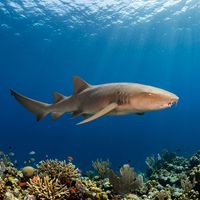
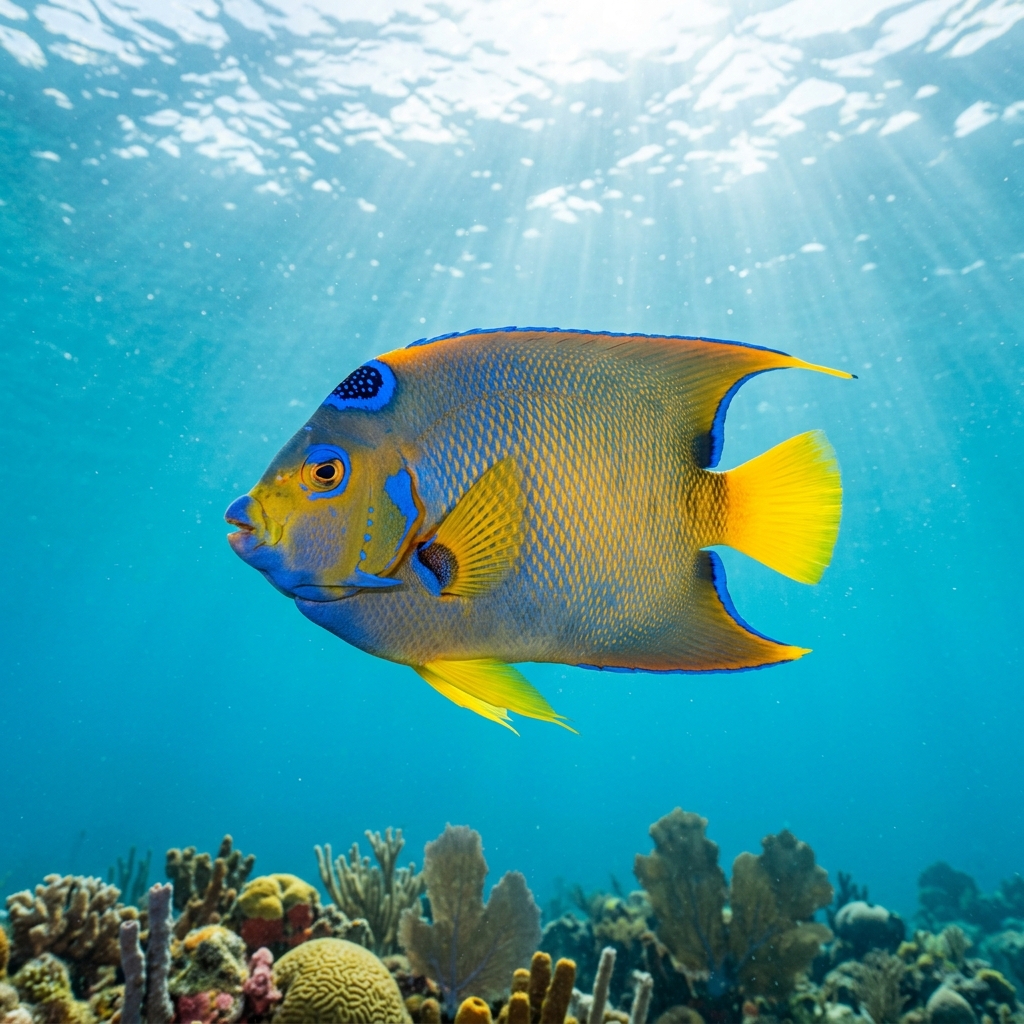
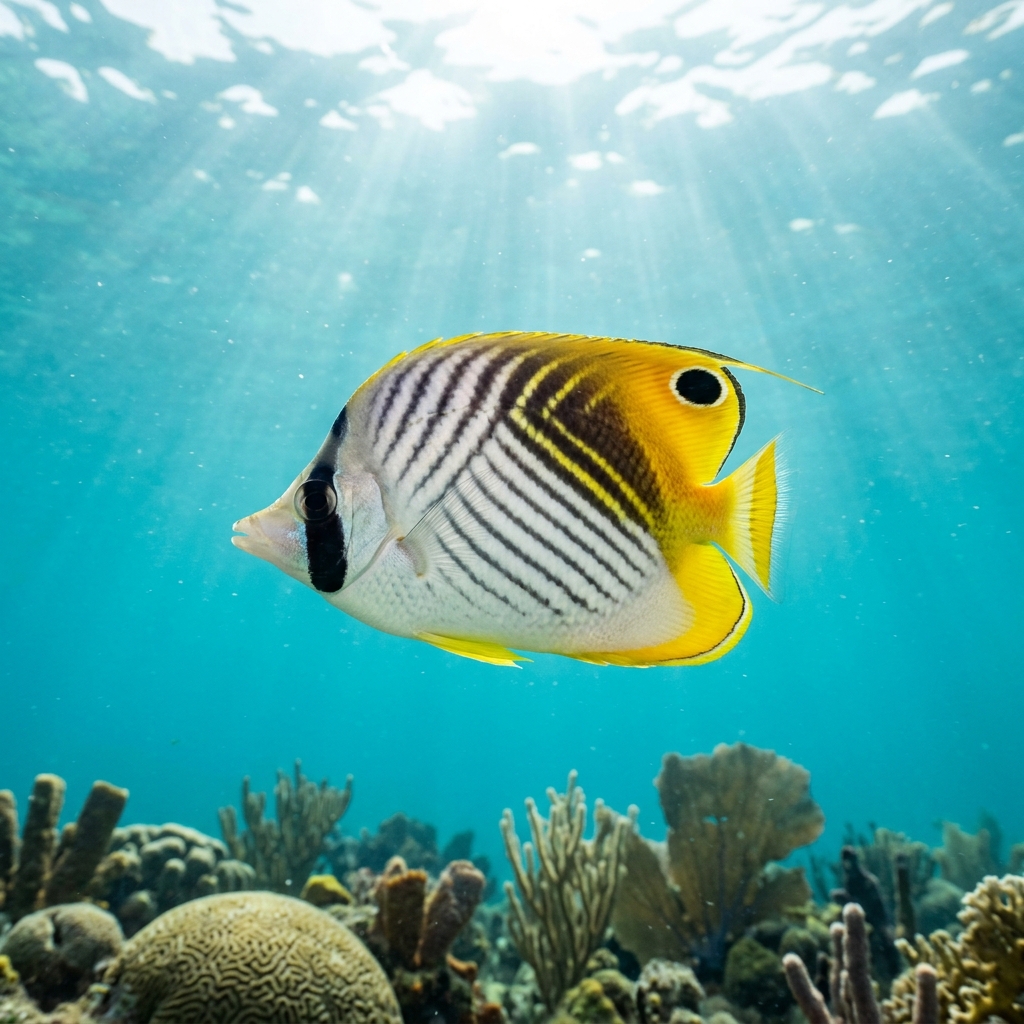
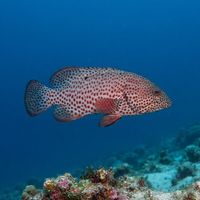
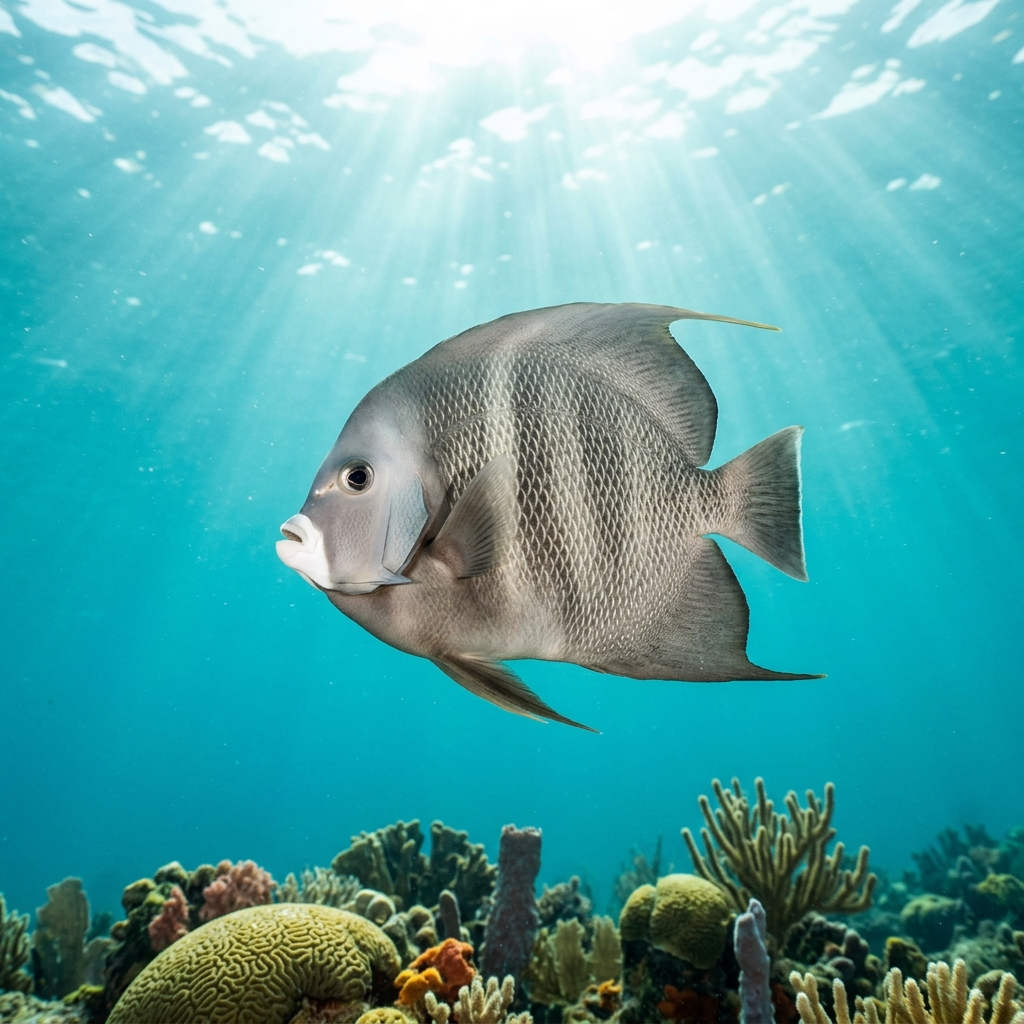
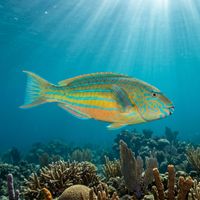
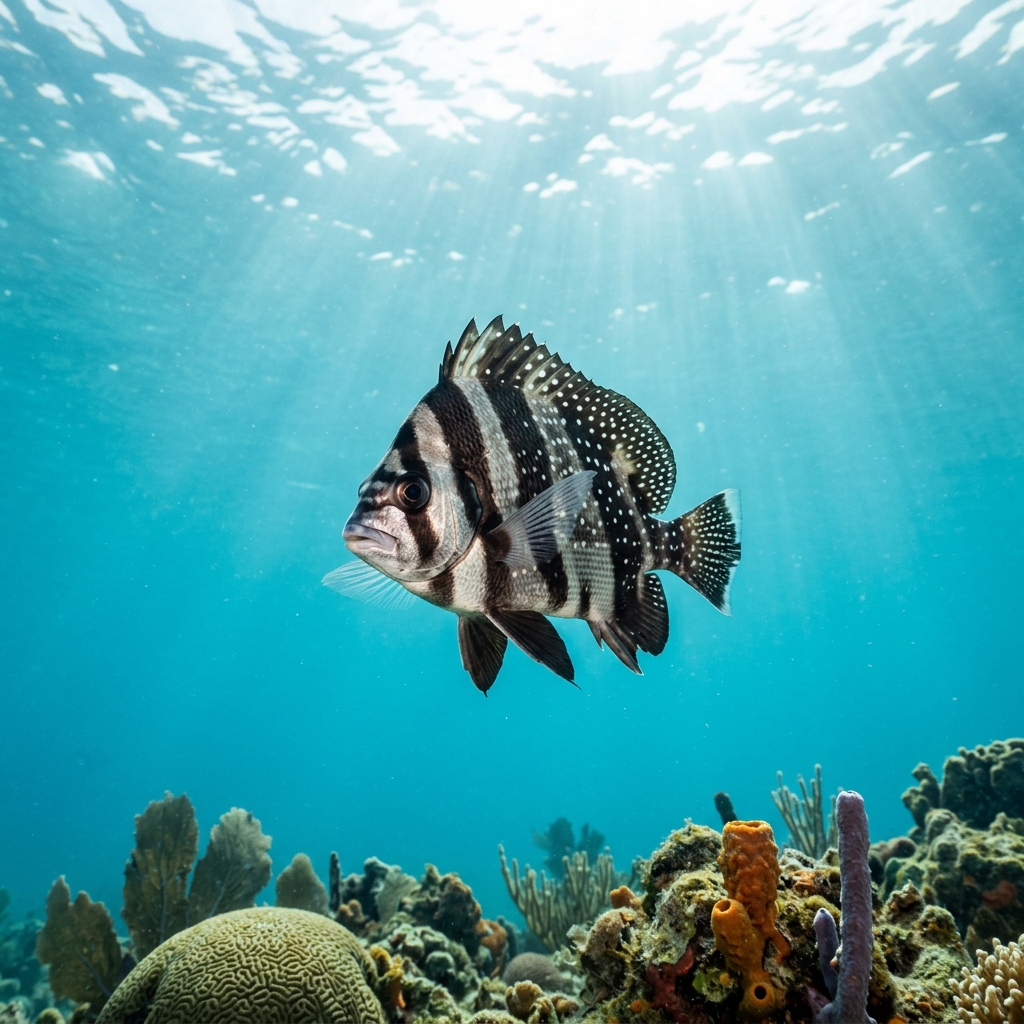
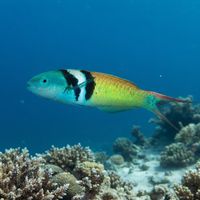
Bocas del Toro mixes reef diving, wreck exploration and shallow seagrass snorkelling across a compact island group. Most sites suit beginners, with a handful of walls and drop-offs for intermediate divers. The Nurse Shark is seen across the majority of sites, alongside very common reef fish such as the Gray Angelfish, Foureye Butterfly Fish and Striped Parrotfish. Seagrass beds at sites like Old Bank and Playa Estrella add a quieter counterpoint to the coral-heavy dive sites. Water stays warm year-round, with the clearest conditions reported in September and October.

Monthly water temperature across Bocas del Toro's sites, from satellite sea-surface data corrected for depth. The band shows the site-to-site spread.
Water temperature stays consistently warm throughout the year, nudging slightly higher from September through October, which also aligns with the peak of diver-reported good conditions. February and April see a secondary window of favourable visibility. Currents are generally mild across the shallow reef sites, though the walls at Manuel's Wall introduce more exposure for intermediate divers.
12 operators
Bocas del Toro, Panama
Bocas del Toro, Panama
Bocas del Toro, Panama
9 more sites to explore
Water temperature around Bocas del Toro ranges from about 28°C in January to 30°C in September, based on satellite sea-temperature data for its dive sites.
With water around 28–30°C, a rash guard or 3mm shorty works in Bocas del Toro year-round.
Fin maps 21 sites in Bocas del Toro (16 scuba diving sites and 9 snorkelling spots, with some suited to both).
Across Bocas del Toro's dive sites, February, April, September and October are most often reported as the best months to visit.
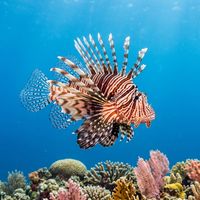
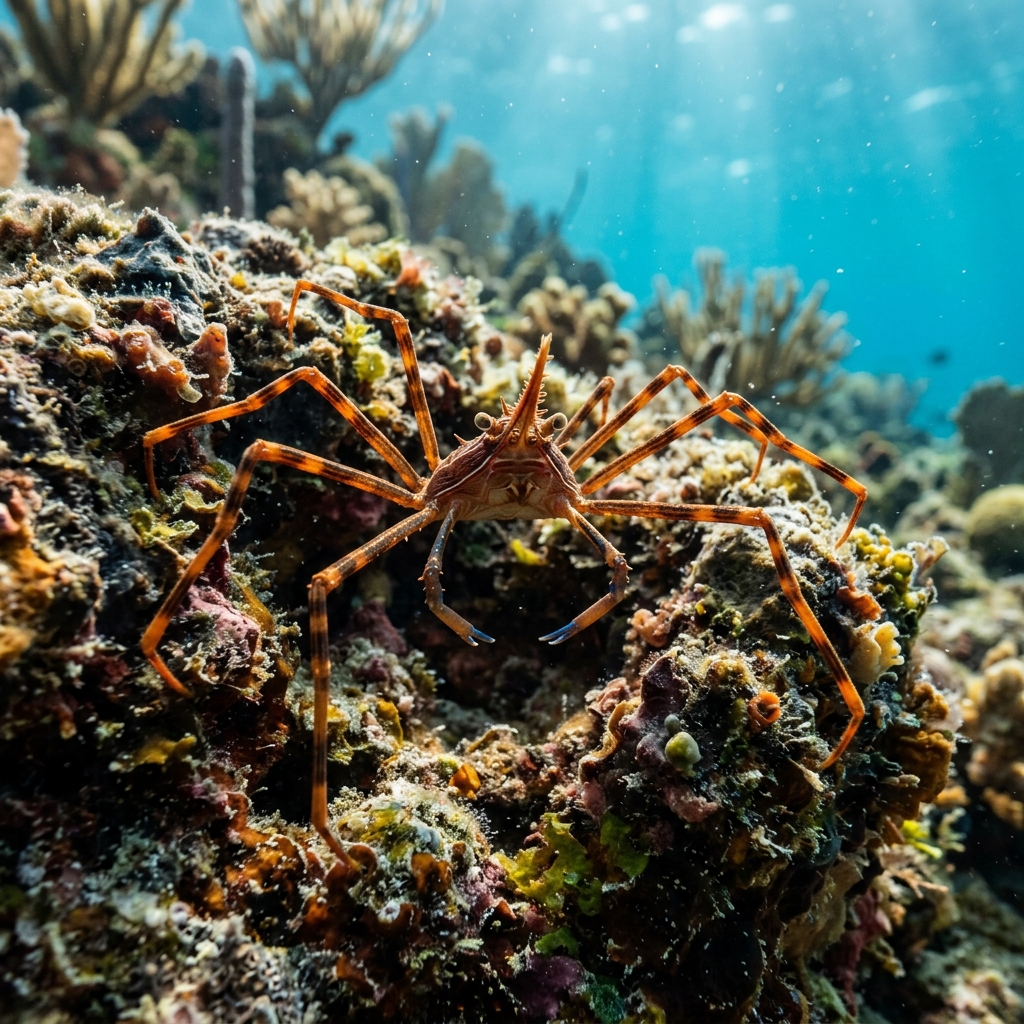
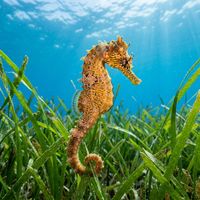
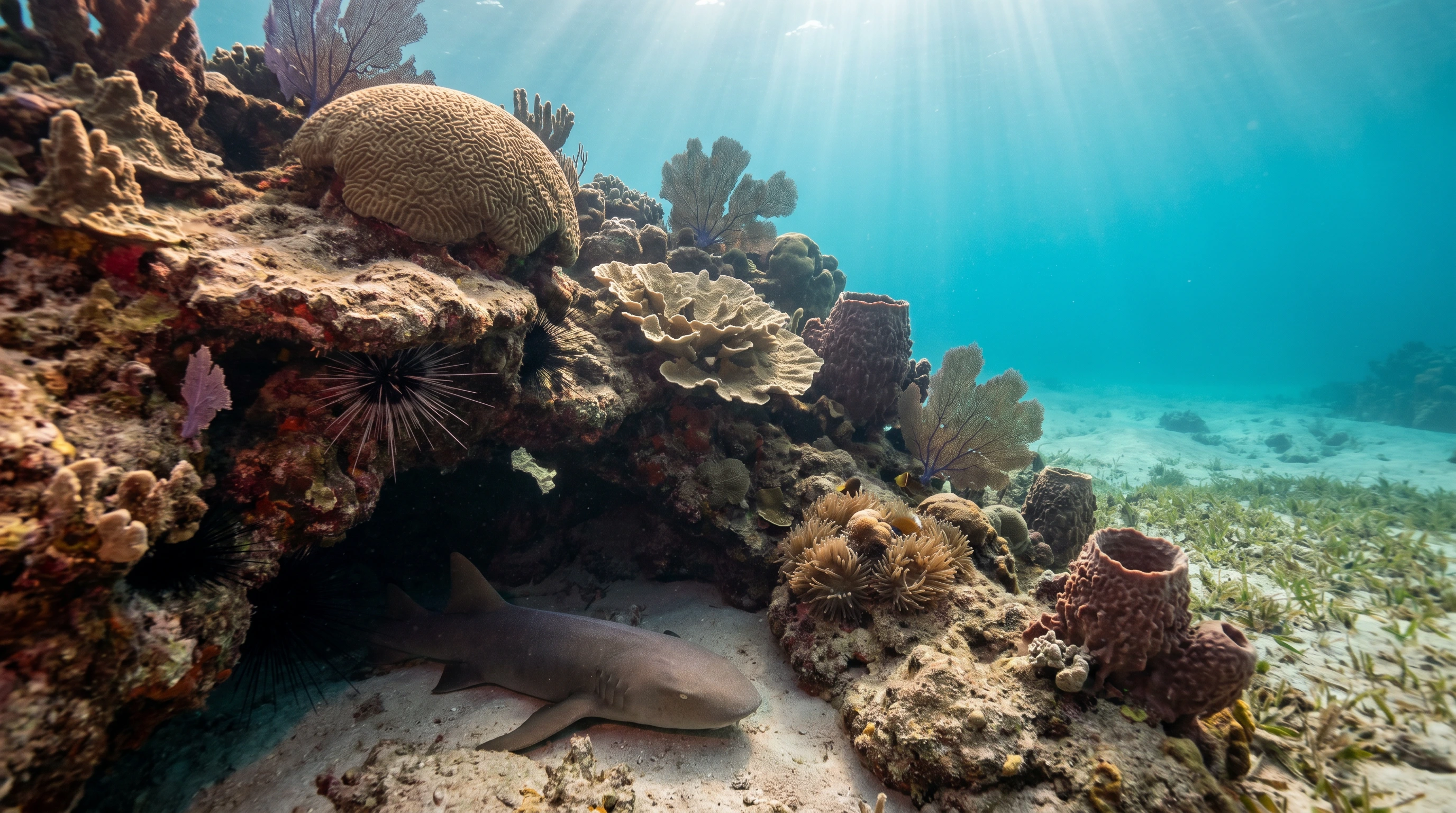
The Nurse Shark is the standout sighting, observed across the great majority of sites. Reef fish are abundant and varied, with the Gray Angelfish, Foureye Butterfly Fish, Striped Parrotfish and Blue Tang (Dory) all commonly recorded. The Seahorse turns up occasionally in seagrass areas, and the Indian Lionfish is a frequently noted presence on the reefs. Caribbean Spiny Lobster and Banded Coral Shrimp reward those who look closely into crevices.
The majority of sites are rated beginner level, covering shallow reefs, gentle walls and wreck structures all within comfortable depth ranges. Sites such as Airport Point and Casablanca are regularly used for introductory dives. Intermediate divers will find more challenge at Manuel's Wall, which features a slope transitioning into a wall with a deeper profile. There is very little here that demands advanced certification.
The majority of dive sites require a boat, and the region has several operators including Bocas Dive Center, Panama Dive School and Bocas Tec Diving who run regular trips. A small number of sites, including Hospital Point and Boca del Drago, can also be reached from shore. The wreck and reef sites are all boat-dependent, so booking with a local operator is the standard approach for most of the diving.
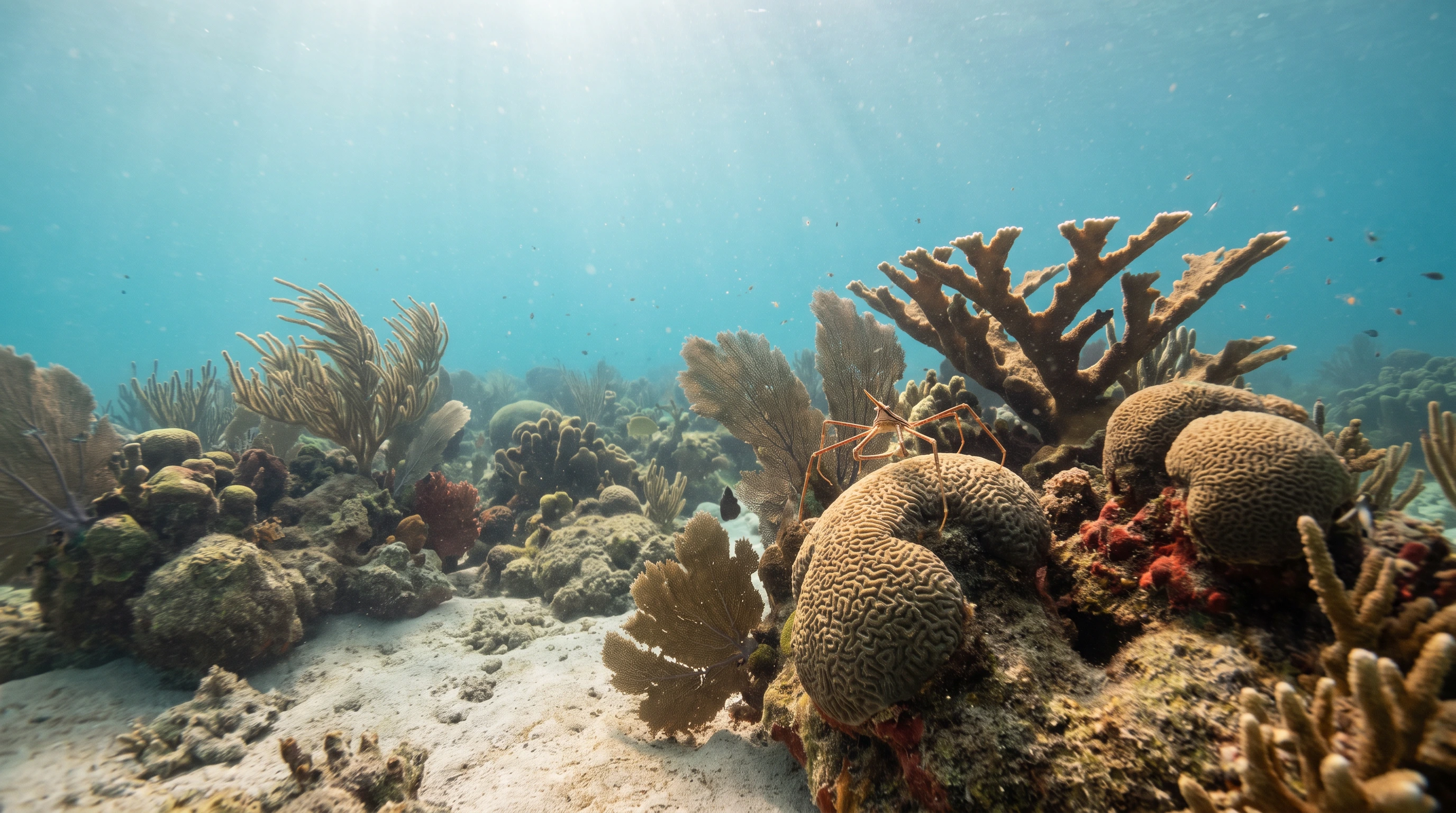
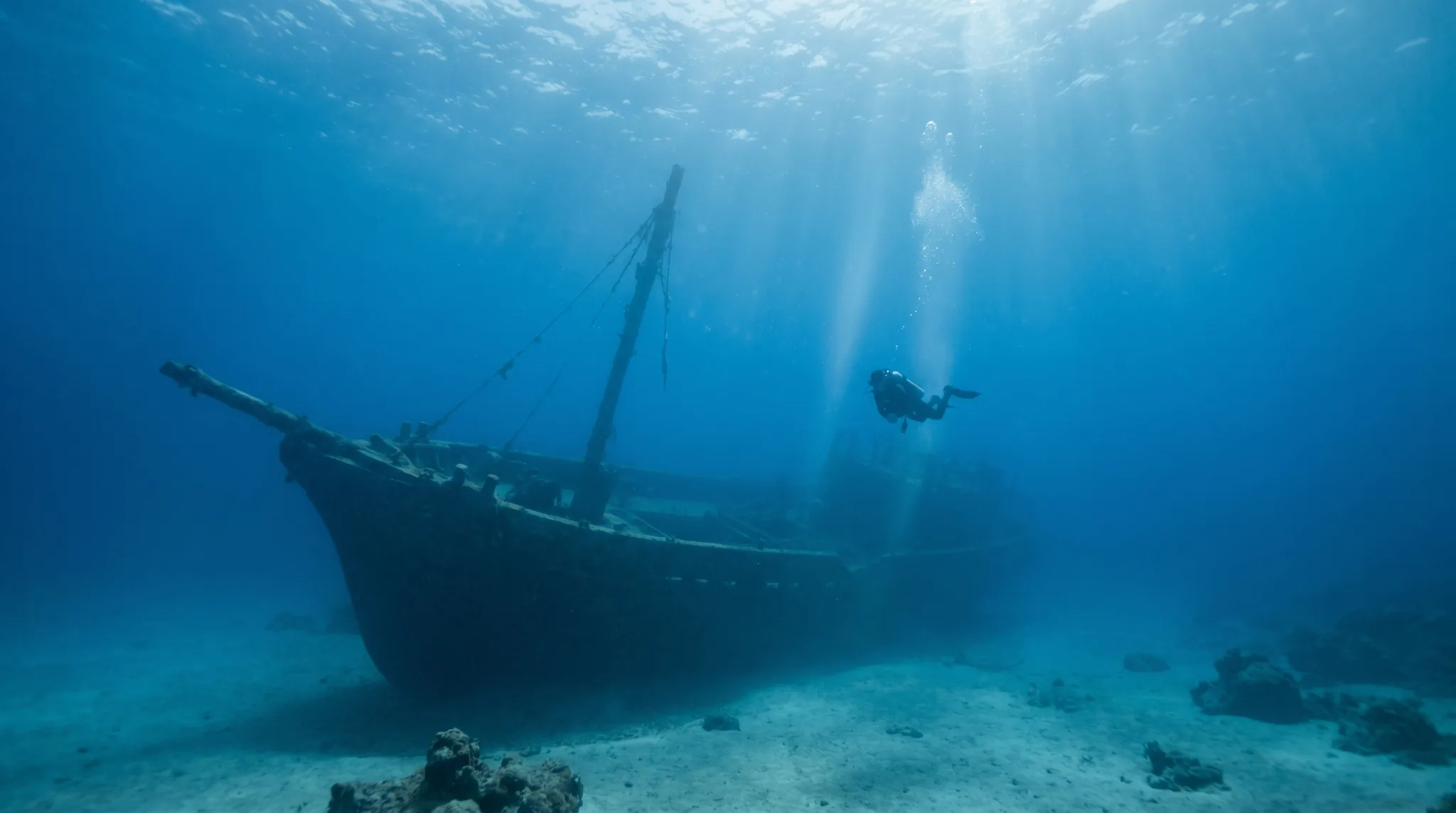
Coral reefs form the backbone of diving here, appearing at nearly every site either as the primary feature or alongside another habitat. Wrecks add variety: Barco Viejo is a former cargo vessel intentionally sunk to create an artificial reef, while Pandora features a submerged sailboat alongside healthy coral. Manuel's Wall introduces a wall and drop-off profile for divers wanting something beyond flat reef terrain. Seagrass beds appear at several shallower sites and support species like the Seahorse.