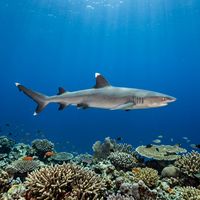
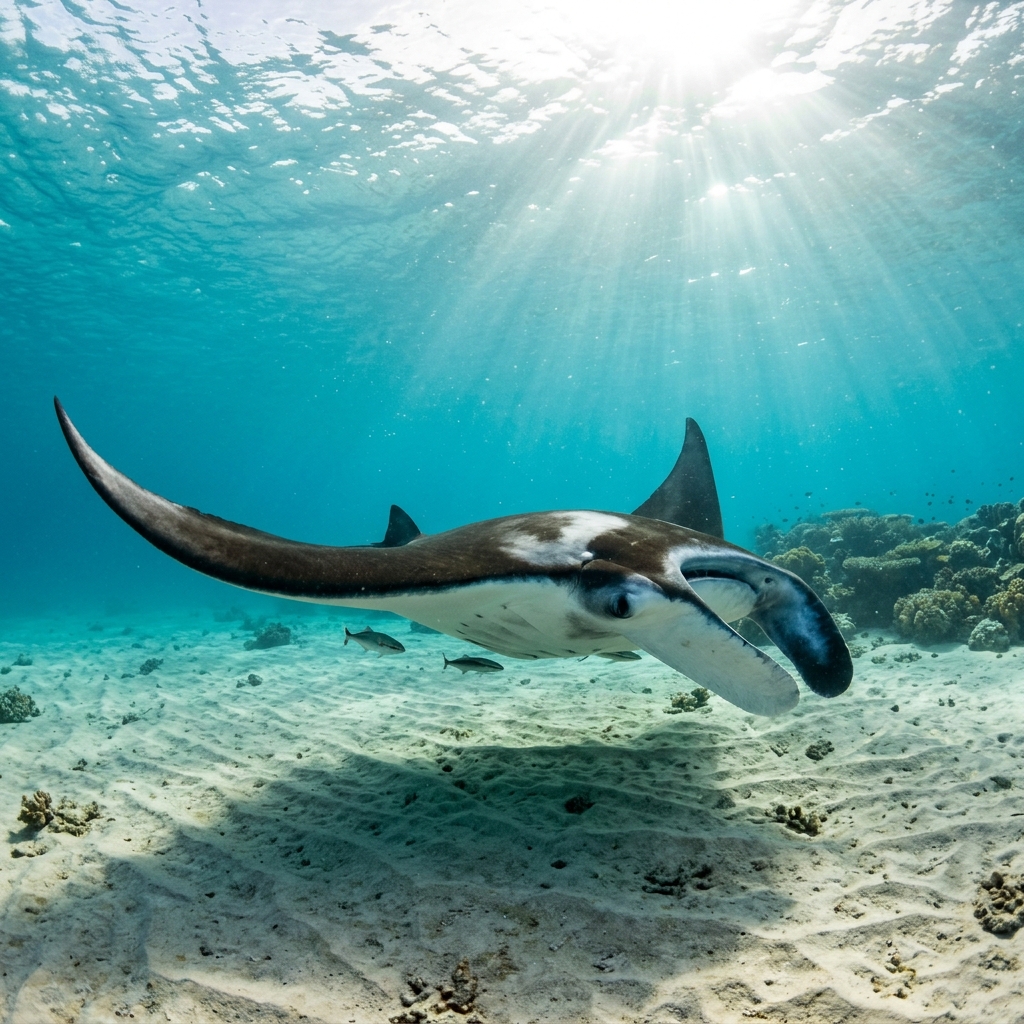
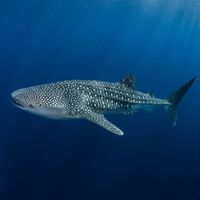
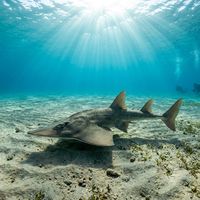
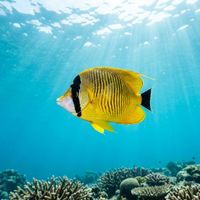
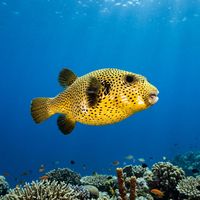
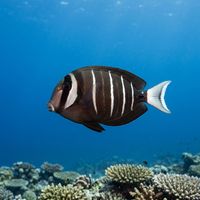
The Gulf of Chiriquí sits on Panama's Pacific coast, where nutrient-rich upwellings and strong currents shape every dive. The terrain is varied: pinnacles, walls, drop-offs, and reef systems spread across sites ranging from very shallow to over forty metres. Surface temperatures stay warm year-round, but divers at depth should expect sharp thermoclines, particularly between March and June, where temperatures can fall considerably below the surface reading. Whale sharks, whitetip reef sharks, silvertip sharks, green sea turtles, and Pacific cownose rays are all recorded here. Most sites require boat access, with Boca Chica and Santa Catalina serving as the main hubs, though shore entry is possible at some locations. Sites suit all experience levels, from calm beginner reefs to advanced drift and wall dives.

Monthly water temperature across Gulf of Chiriquí's sites, from satellite sea-surface data corrected for depth. The band shows the site-to-site spread.
Surface temperatures hold warm across all months, but thermoclines at depth can bring noticeably cooler water, so a full wetsuit is advisable. Visibility is variable and can be affected by plankton blooms, particularly after heavy rain; the dry season generally offers more settled conditions. Humpback whales move through the broader region from July to October, while the rest of the year still produces reliable shark and ray sightings.
4 operators
Chiriqui, Panama
Water temperature around Gulf of Chiriquí ranges from about 25°C in October to 28°C in January, based on satellite sea-temperature data for its dive sites.
In the warm season (about 28°C) a rash guard or 3mm shorty is comfortable in Gulf of Chiriquí; in the coldest months (about 25°C) step up to a 3mm full suit.
Fin maps 9 sites in Gulf of Chiriquí (8 scuba diving sites and 2 snorkelling spots, with some suited to both).
5 more sites to explore