
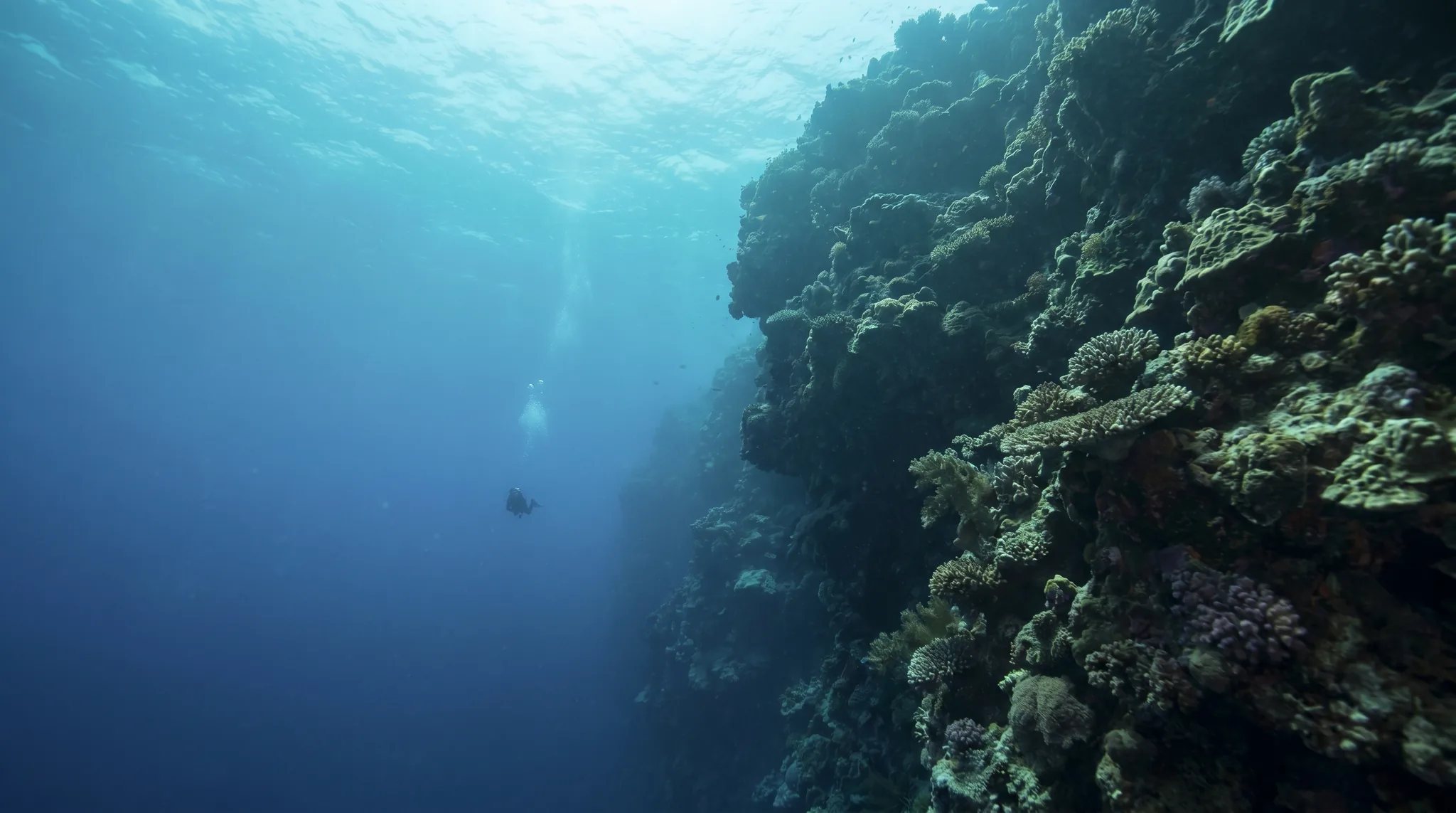
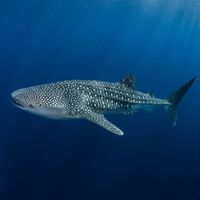
Panama's Pacific Coast is defined by reef-dominated diving spread across two distinct sub-areas: the site-rich Coiba National Park and the smaller Gulf of Chiriquí cluster. The topography ranges from shallow reef terraces and canyons to walls, pinnacles, and deep drift dives, suiting everyone from beginners to advanced divers. Whitetip Reef Shark, Guineafowl Puffer, and Razor Surgeonfish appear at the vast majority of sites, while signature encounters include Whale Shark, Scalloped Hammerhead, Oceanic Manta Ray, and Spotted Eagle Ray. Almost all sites are reached by boat, and conditions vary enough between sub-areas to reward multiple days of exploration.
2 areas
 35
35Reef and wall diving with near-guaranteed Whitetip Reef Shark encounters and occasional Whale Shark sightings off Panama's Pacific Coast.
9Pacific reef, wall, and pinnacle diving with strong currents, thermoclines, and big-animal encounters including whale sharks and several shark species.
Monthly water temperature across Pacific Coast's sites, from satellite sea-surface data corrected for depth. The band shows the site-to-site spread.
Water temperature stays warm year-round, with the modest dip in the early months of the year coinciding with the dry season, when visibility tends to peak and the best-months data clusters strongly around the transition into April. A secondary window runs through December and the summer months, though operator traffic reflects a quieter spell around November. Drift sites such as Bajo Gringo and Isla Frijoles are most rewarding when currents are running, which also improves the chances of pelagic encounters.
19 operators

Rio de Jesus, Panama

Rio de Jesus, Panama
Water temperature around Pacific Coast ranges from about 26°C in February to 28°C in May, based on satellite sea-temperature data for its dive sites.
In the warm season (about 28°C) a rash guard or 3mm shorty is comfortable in Pacific Coast; in the coldest months (about 26°C) step up to a 3mm full suit.
Fin maps 44 sites in Pacific Coast (40 scuba diving sites and 8 snorkelling spots, with some suited to both), organised into 2 areas.
Across Pacific Coast's dive sites, April and December are most often reported as the best months to visit.
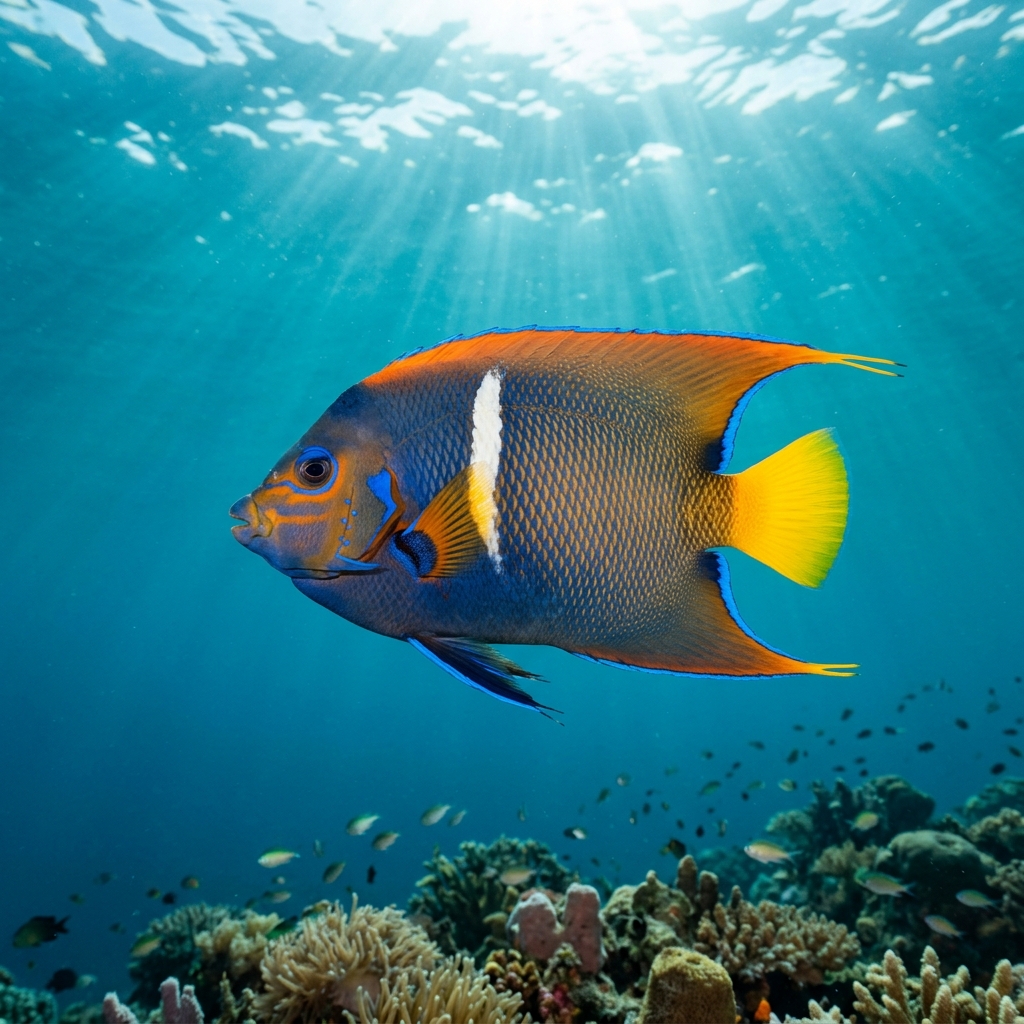
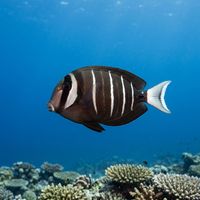
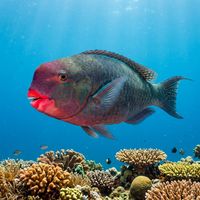
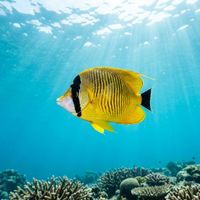
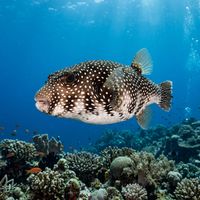
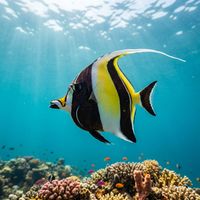
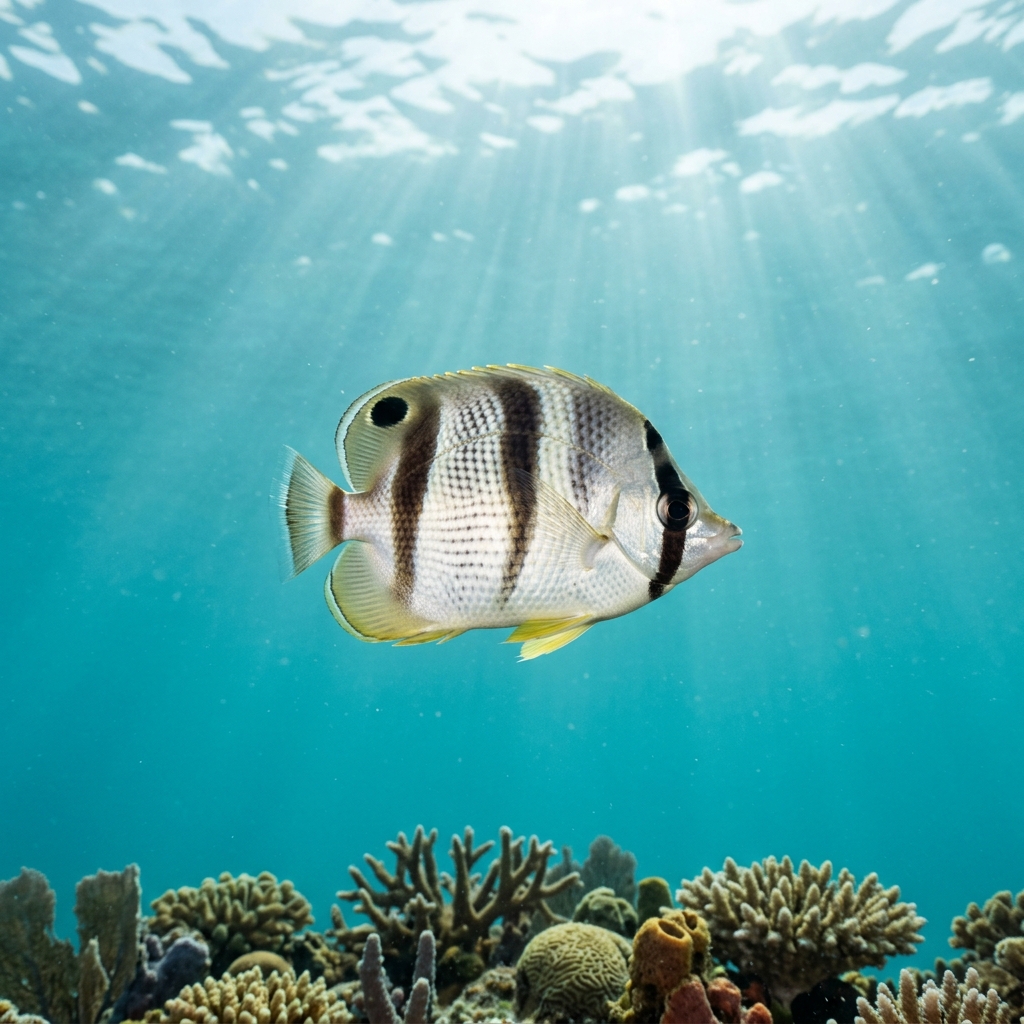
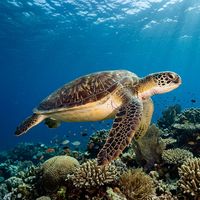
The signature species here include Whale Shark, Oceanic Manta Ray, Scalloped Hammerhead, Spotted Eagle Ray, and Whitetip Reef Shark, all of which have been observed across multiple sites. Day-to-day reef encounters are dominated by Guineafowl Puffer, Razor Surgeonfish, Redlip Parrotfish, Barberfish, and Moorish Idol. Green Sea Turtle and Panamic Green Moray are occasional but regular sightings.
Coiba National Park holds the great majority of the region's dive sites, with a wide range of skill levels from beginner reefs like Las Morenas to advanced drift dives at Bajo Gringo and the Contreras dive sites. The Gulf of Chiriquí offers a smaller, more concentrated set of sites and provides a contrasting experience within the same region. Most divers base themselves with one of the park-focused operators and day-trip between the two areas.
Yes, a good portion of the sites are rated beginner level, including La Lengua, Las Morenas, Frijoles, L Joron, and Los Frayles, which offer accessible depths and varied reef topography. Intermediate sites such as Mali, Wahoo, and Las Monjas step up the challenge with walls and deeper slopes. Advanced divers will find dedicated drift and deep sites like Bajo Gringo and Contreras that demand experience with current.
The overwhelming majority of dive sites require boat access, and only Los Frayles offers a shore entry option. Operators including Scuba Coiba, Coiba Dive Center, Dive Base Coiba, Panama Dive Center, and Diving Coiba all run guided boat trips into the park. Live-aboard style trips are also offered through operators such as Expedition Coiba Panama and Dive N Fish, which suits the more remote sites near Contreras and Bajo Gringo.


