Centrolophidae spp.
Spot butterfish across the Mediterranean and US coastlines, from Florida to Croatia. They tolerate 9-23 °C, making them a year-round possibility in temperate seas.
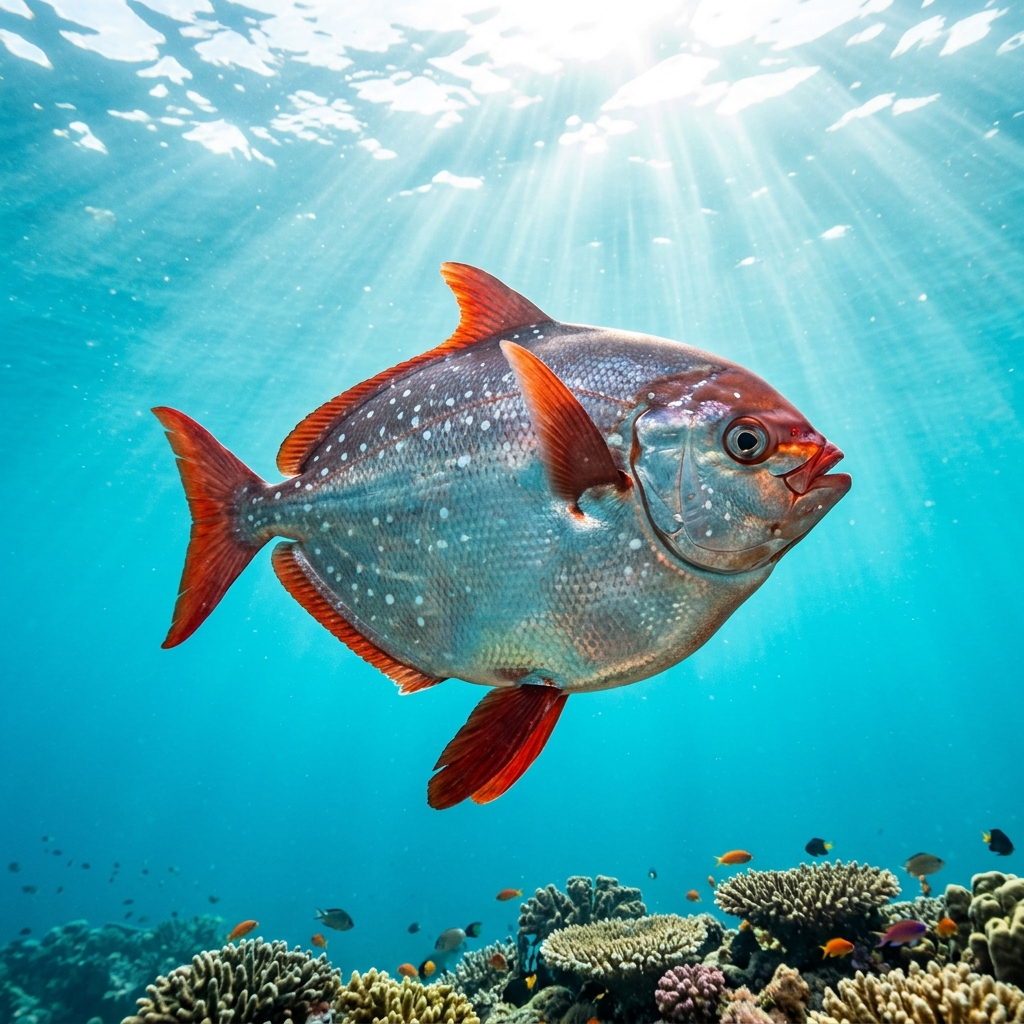
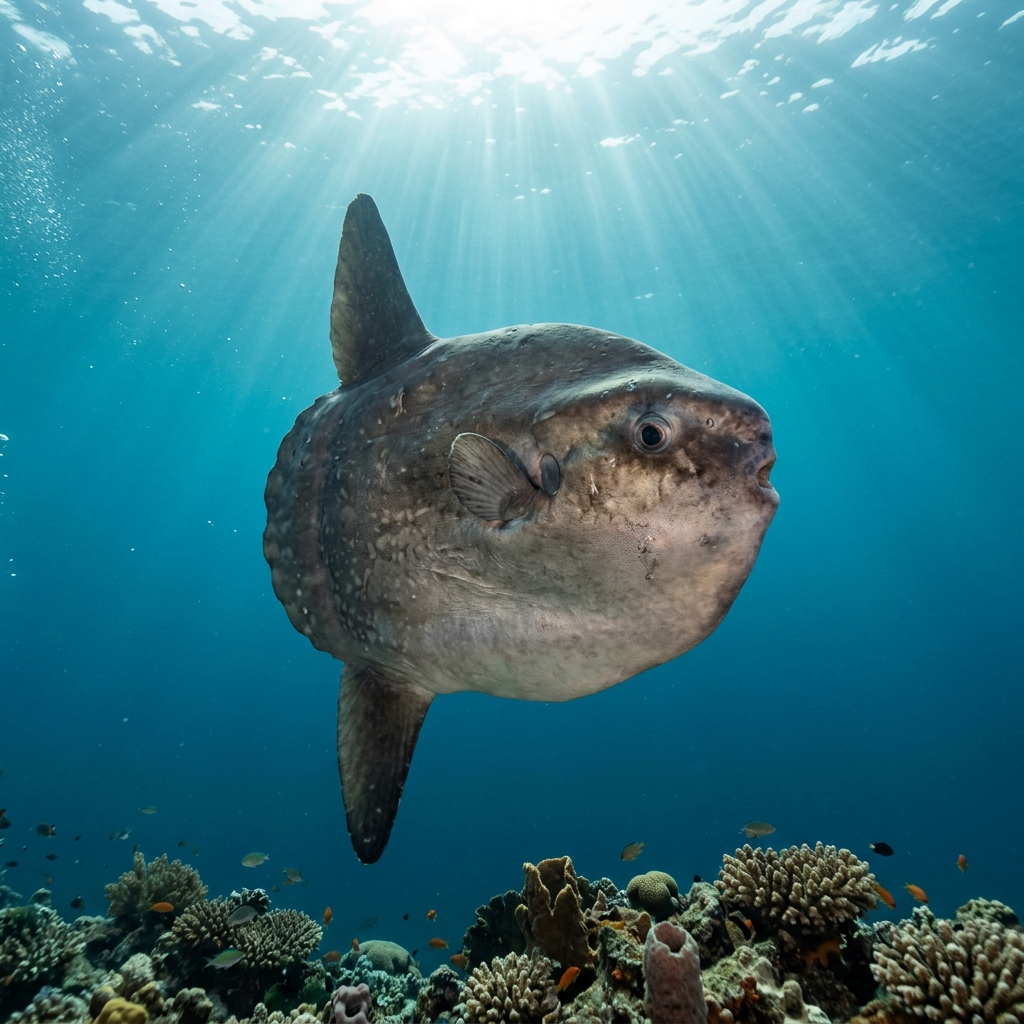
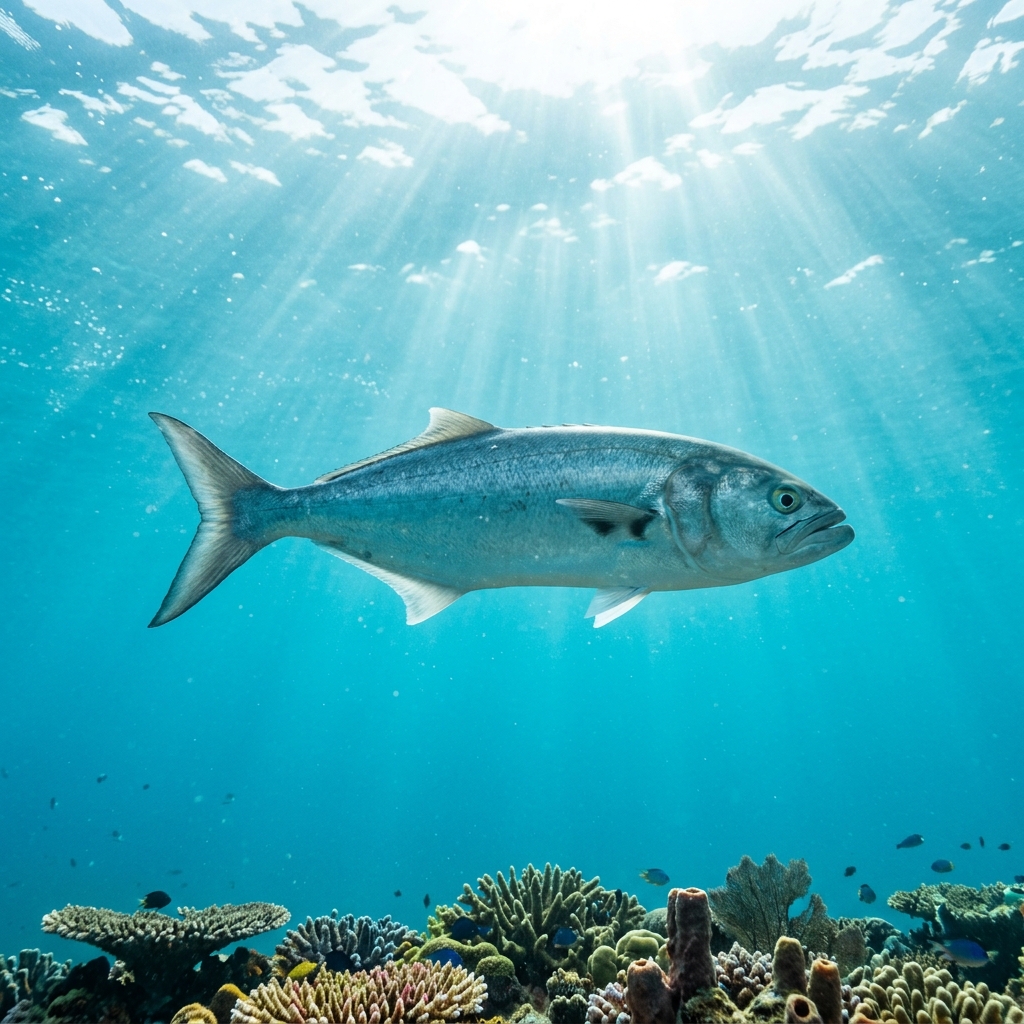
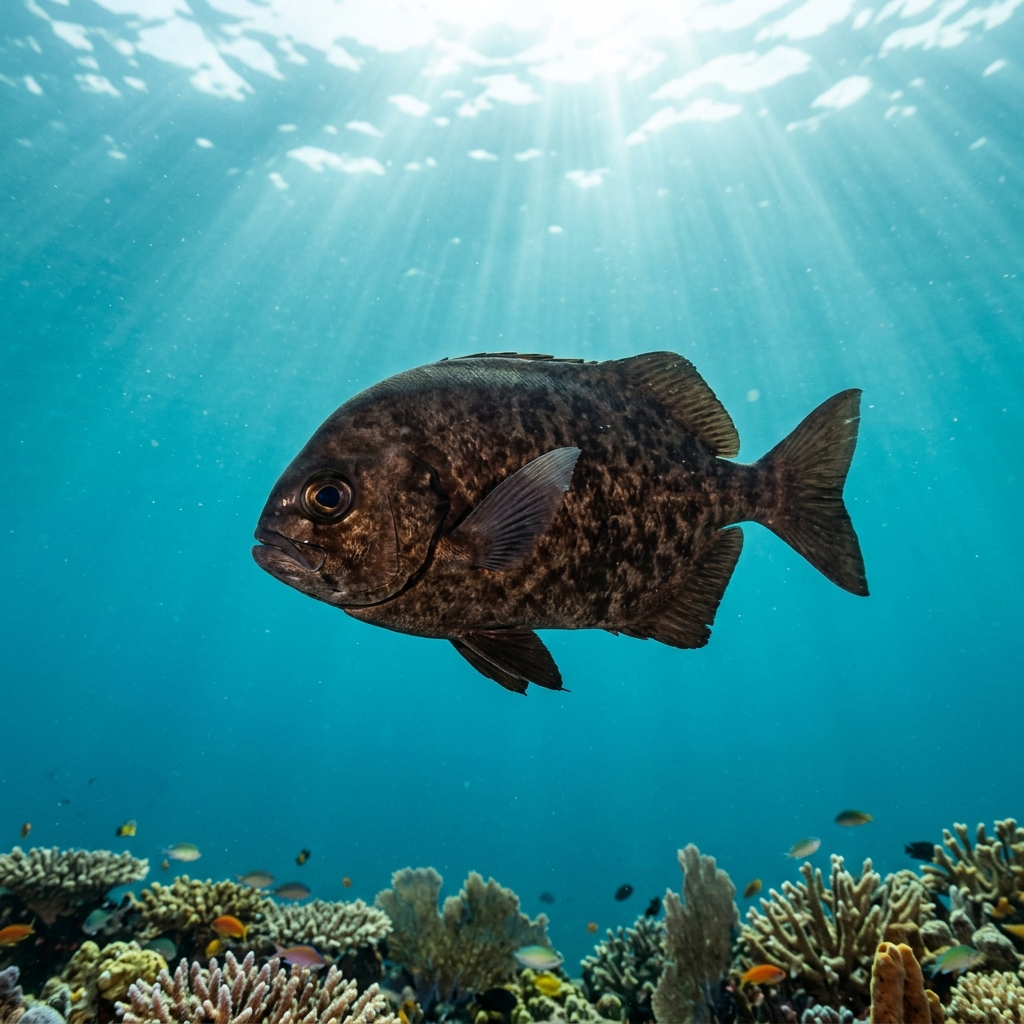
Members of this family share a deep, laterally compressed (flattened side-to-side) body with a smooth, almost oval profile and a distinctly forked tail. Colouration is typically silvery-blue to grey along the flanks, often with faint dusky blotches or a darker back. Body shape and the absence of obvious hard spines give them a sleek, almost featureless silhouette that stands out among reef fish. Juveniles show a noticeably different pattern, with vivid colouring and prominent dark spots along the upper body.
Butterfish are pelagic (open-water) animals, so encounters tend to happen in the water column rather than on the reef itself. They are generally unfazed by diver presence and may hold station near the surface or drift mid-water, often travelling in loose groups. When conditions bring large jellyfish to the surface, watch for juveniles sheltering directly among the tentacles.
Juvenile butterfish routinely take shelter among the stinging tentacles of large jellyfish, a behaviour that protects them from predators while the jellyfish are largely unaffected. As the fish grow, they move out into open water.
There is not enough monthly sighting data to point to a peak season, so treat butterfish as a year-round possibility across their range. Their observed water-temperature window of roughly 10 to 23 °C fits temperate and warm-temperate seas in all seasons, though local conditions will always play a role.
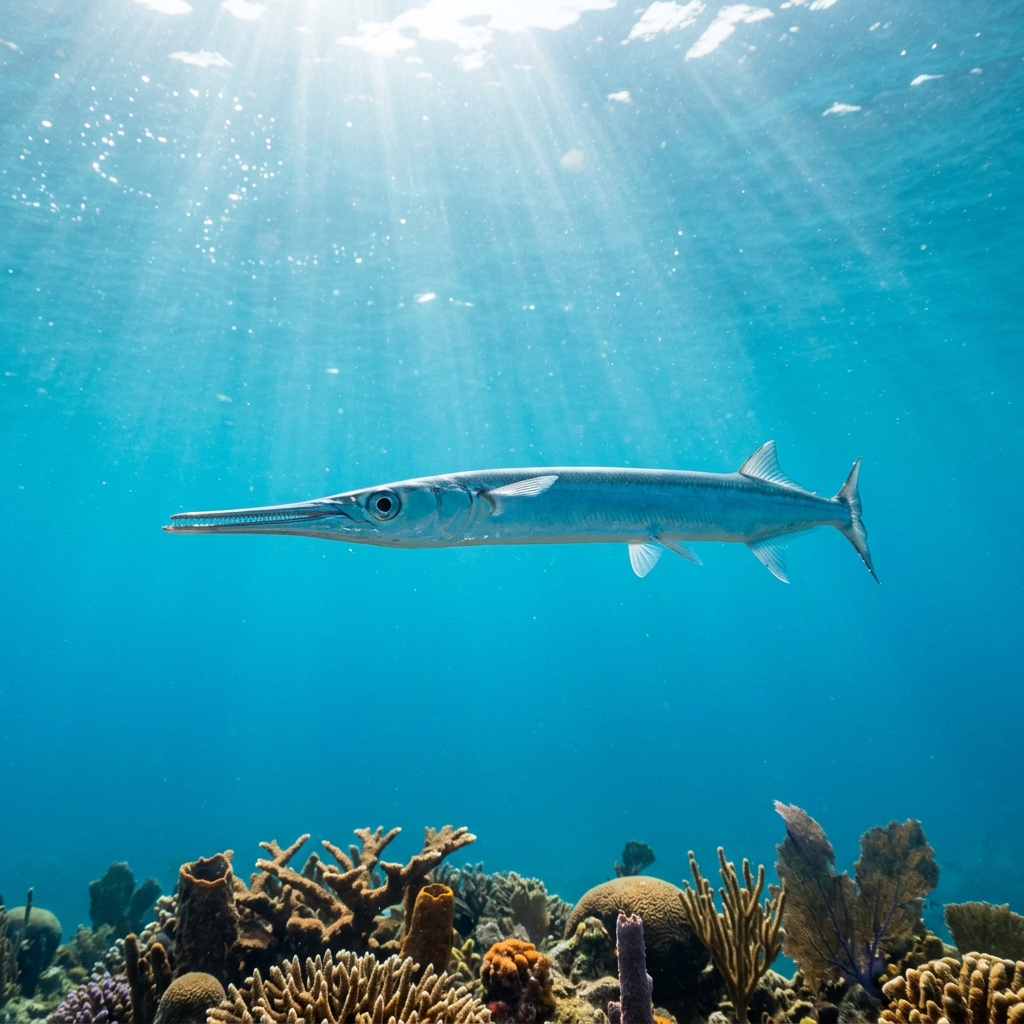
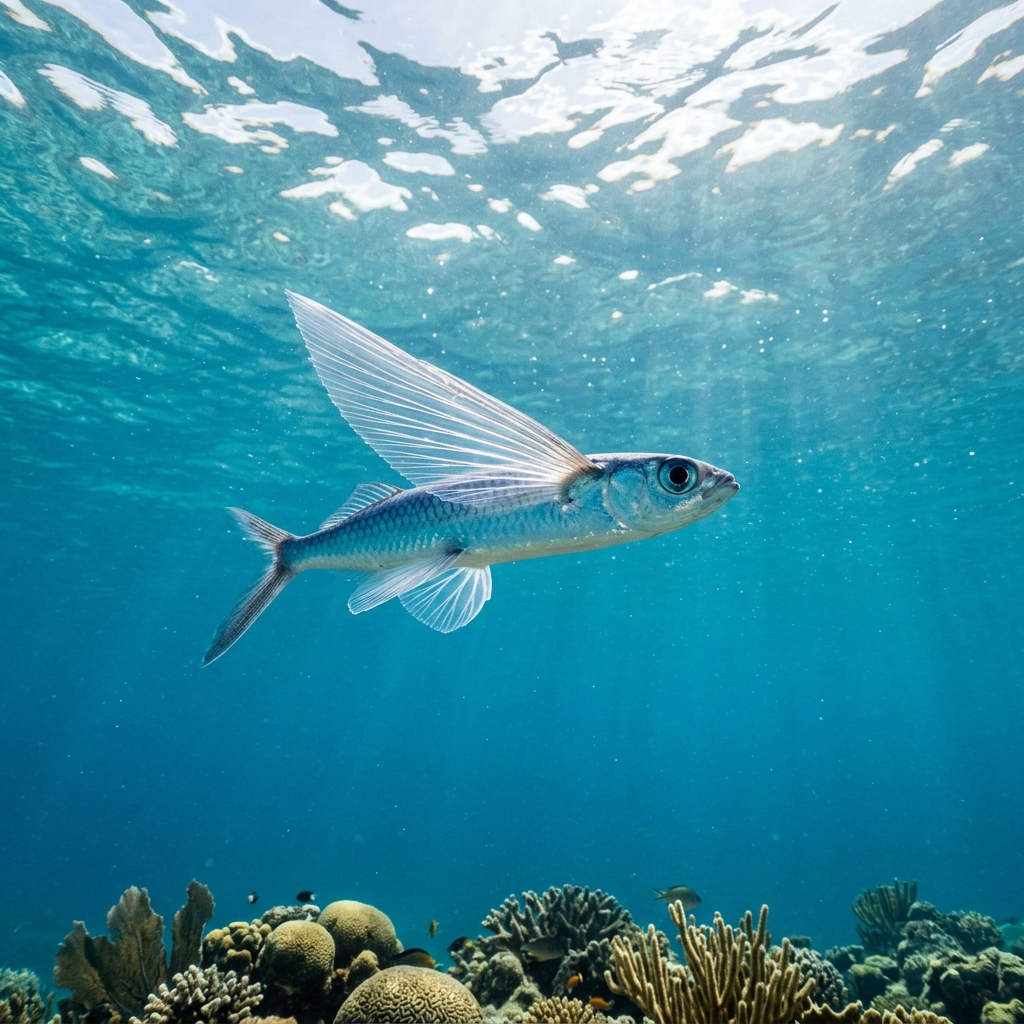
Reef neighbours a diver could mistake it for. Use the identification notes above to tell them apart.
Sightings are most commonly logged along the coasts of the United States, particularly in Florida and the Northeast, and across the Mediterranean in Greece, Italy, Croatia, and Turkey. The Attica region of Greece and the Central Dalmatia coast of Croatia are among the stronger regional hotspots in the data. Spain's Costa Blanca and the islands of Sardinia, Tuscany, and Sicily also appear regularly in records.
Mapping where Butterfish is logged…
Butterfish turn up across a wide stretch of temperate coastline. The strongest concentration of logged sites sits in the United States, especially Florida and the Northeast, and across the Mediterranean in Greece, Croatia, Italy, and Turkey. The Attica coast of Greece and Central Dalmatia in Croatia are particularly well-represented in diver records.
There is no clear peak season in the sighting data, so they can be encountered at any time of year. Their comfort range of roughly 10 to 23 °C means temperate and warm-temperate waters suit them across multiple seasons. Local conditions, jellyfish blooms, and currents will influence how often they appear.
Look for a deep, oval, laterally compressed body with a silvery or blue-grey sheen and a forked tail. The profile is smooth and almost featureless compared with most reef fish. Juveniles are a useful giveaway: smaller, more vividly marked with dark spots, and often seen sheltering among jellyfish tentacles.
Yes, juveniles of several species in this family shelter directly among the stinging tentacles of large jellyfish. The tentacles deter predators, while the young fish appear to tolerate or avoid the stings. This association fades as the fish grow and move into open water.
No. Butterfish pose no threat to divers. They are small, non-aggressive pelagic fish with no venomous spines or defensive behaviours that could harm a person in the water.
Site and sighting data is aggregated from diver logs, iNaturalist and GBIF. For taxonomy and conservation status:
Tailor
1,296 sites