Parapercis colias
Blue Cod patrol rocky reefs across New Zealand, from Fiordland to Northland. Learn to spot males by their vivid blue heads in cool 8-16 °C waters.
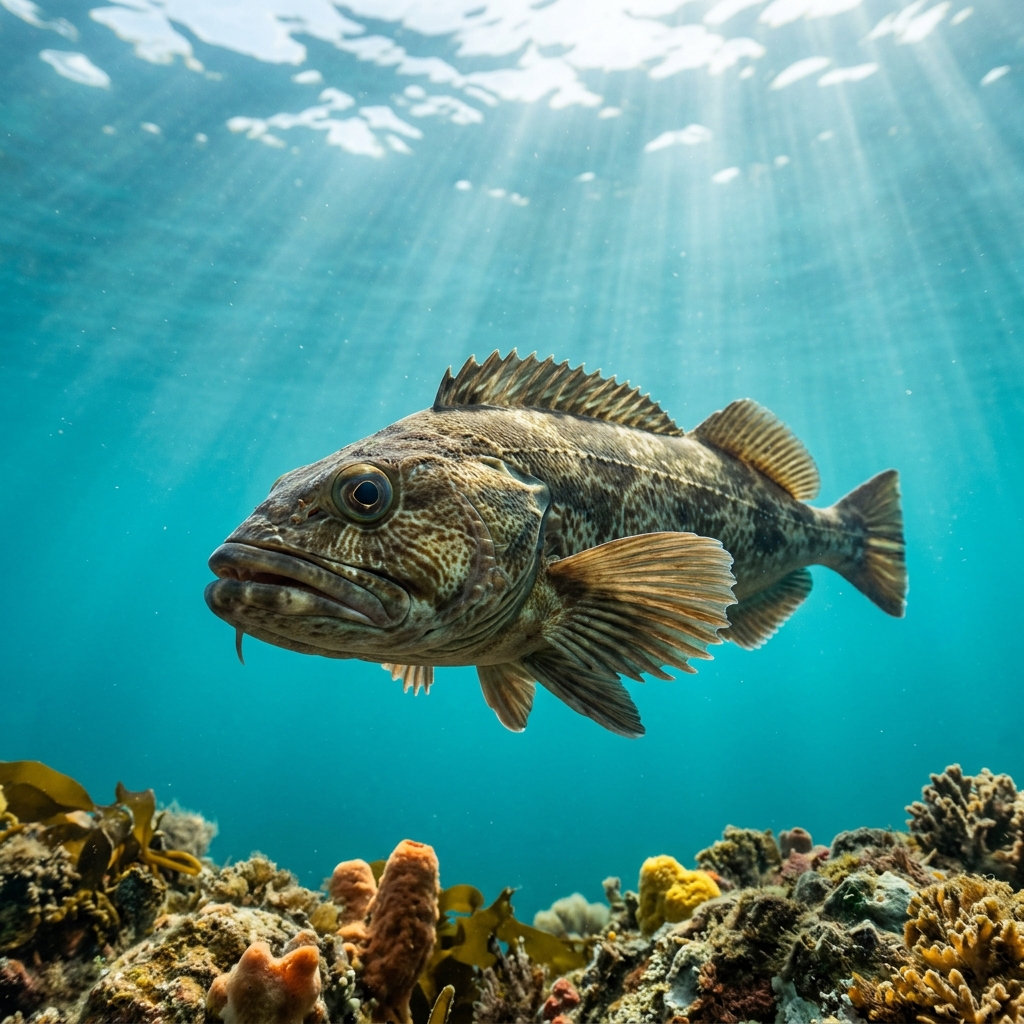
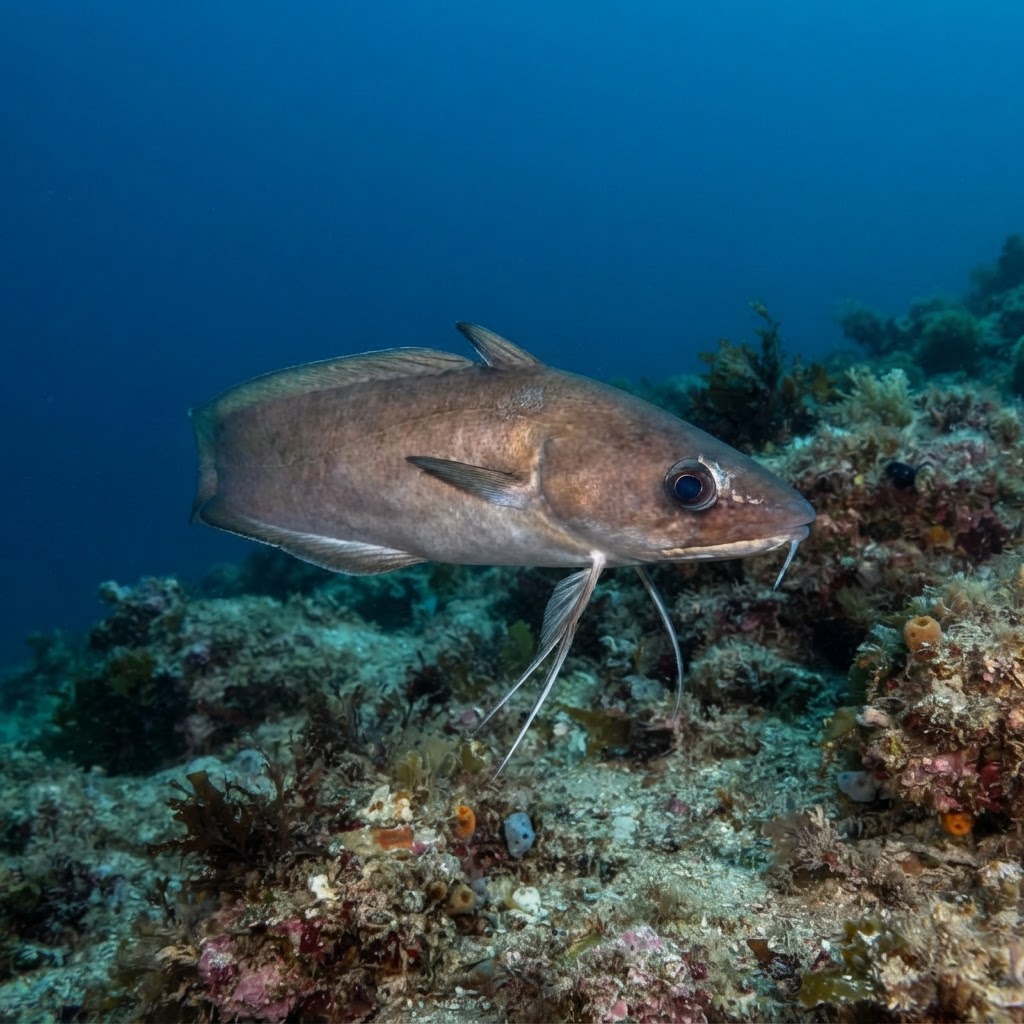
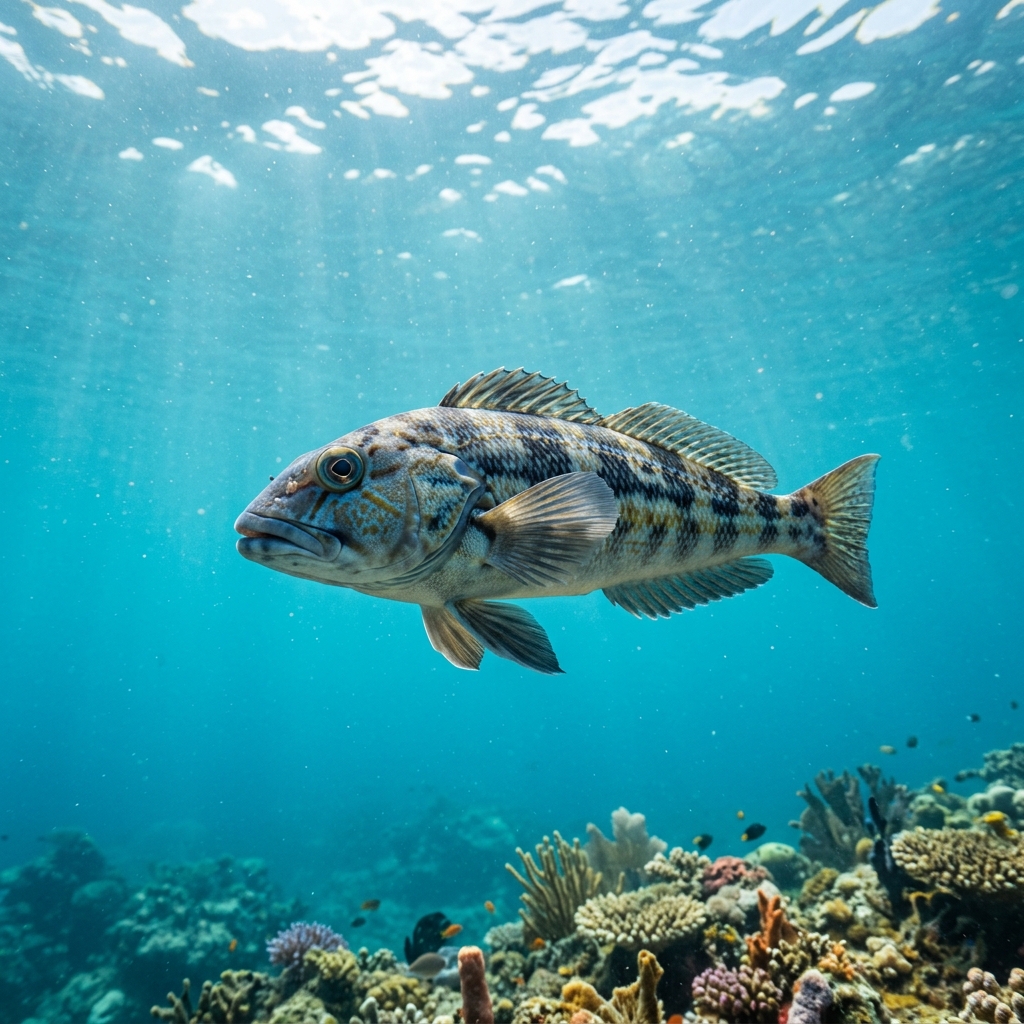
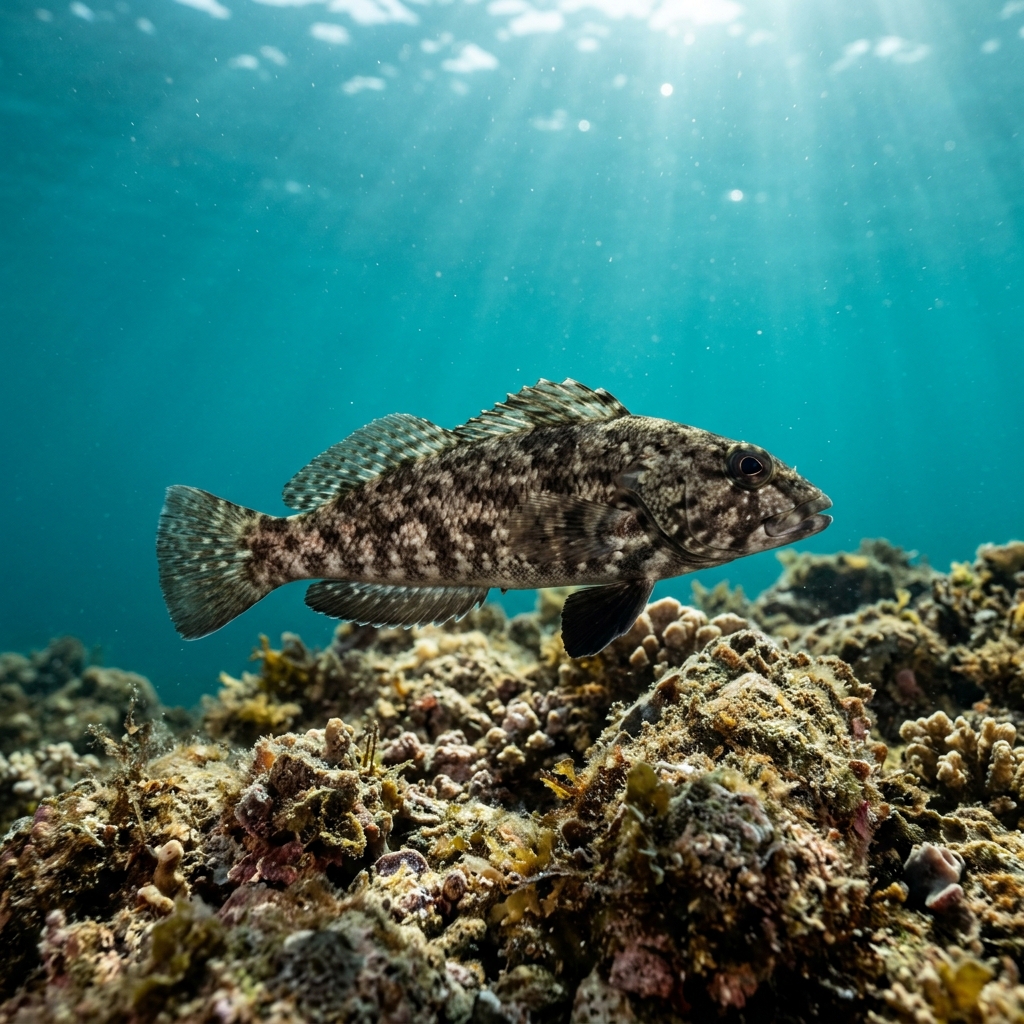
A stocky, moderately sized fish, typically around 30 cm, with a blunt head and large mouth suited to grabbing prey from the reef. Males are the standout find: a rich, patchy blue washes across the head and flanks, deepening with age and size. Females are much duller, dressed in mottled brown-green that blends into kelp-covered rock. Both sexes have a slightly tapered body with a rounded tail, and tend to sit low on or just above the substrate rather than swimming freely in the water column.
Blue cod are demersal (bottom-dwelling) fish, and you will almost always find them hugging the reef rather than cruising open water. They tend to hold a patch of rocky or kelp-covered substrate and can be fairly curious about divers, sometimes holding their ground rather than fleeing. As ambush carnivores they move in short, deliberate bursts, scanning the bottom for small invertebrates and fish.
Blue cod are protogynous hermaphrodites: females can transition into males as they grow older and larger. That vivid blue colouration on a big individual is not just a colour variant; it marks an animal that may well have started life as a female.
No strong seasonal pattern has emerged from the sighting data, so blue cod can be encountered year-round. They are comfortable in water temperatures from around 8.5 to 16.5 °C, which aligns well with the year-round cool conditions across much of New Zealand's coast.
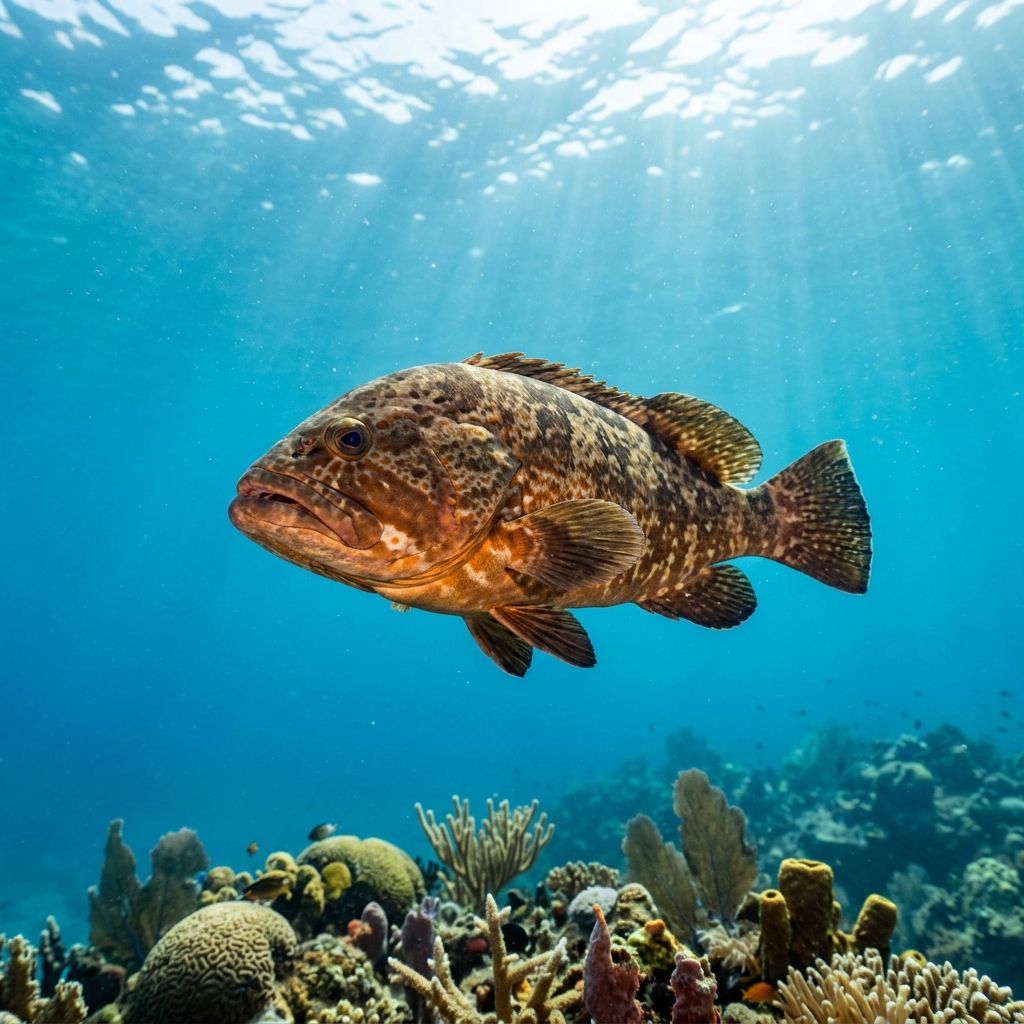
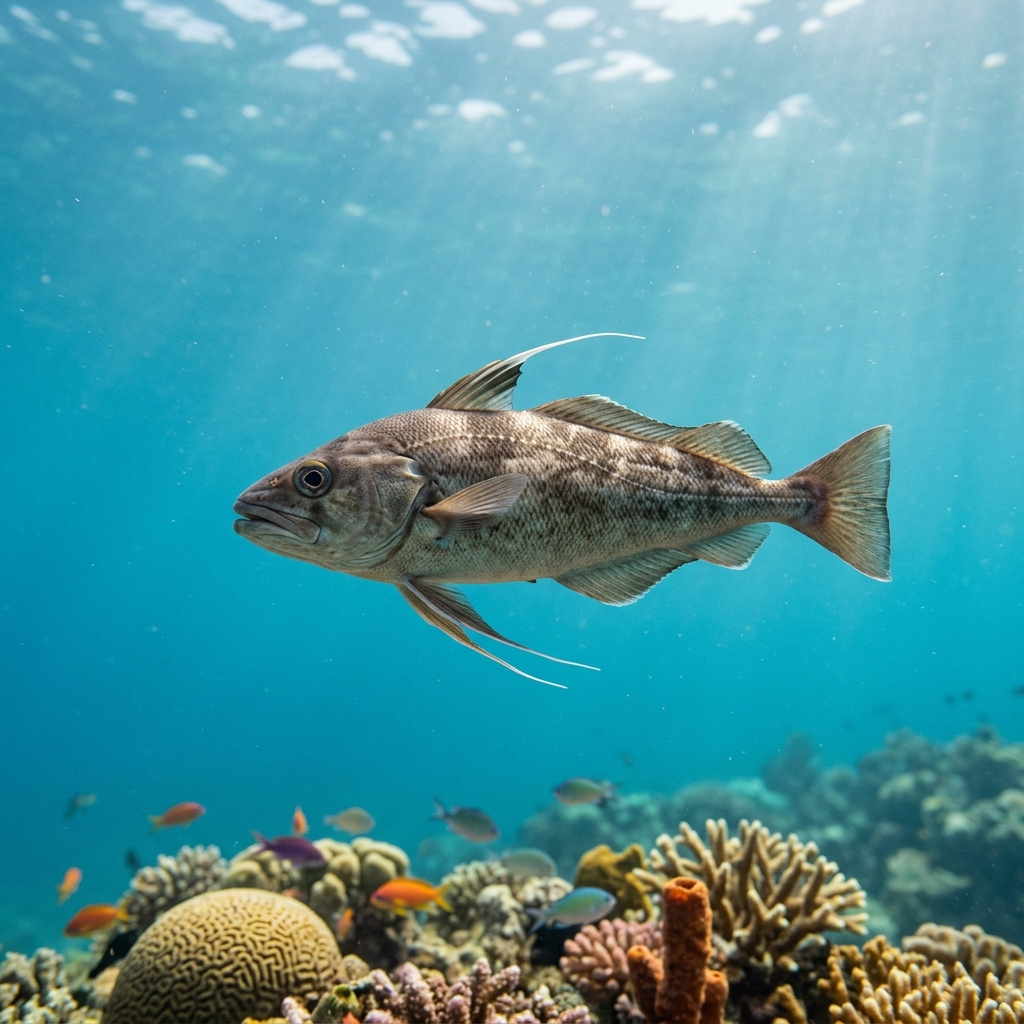
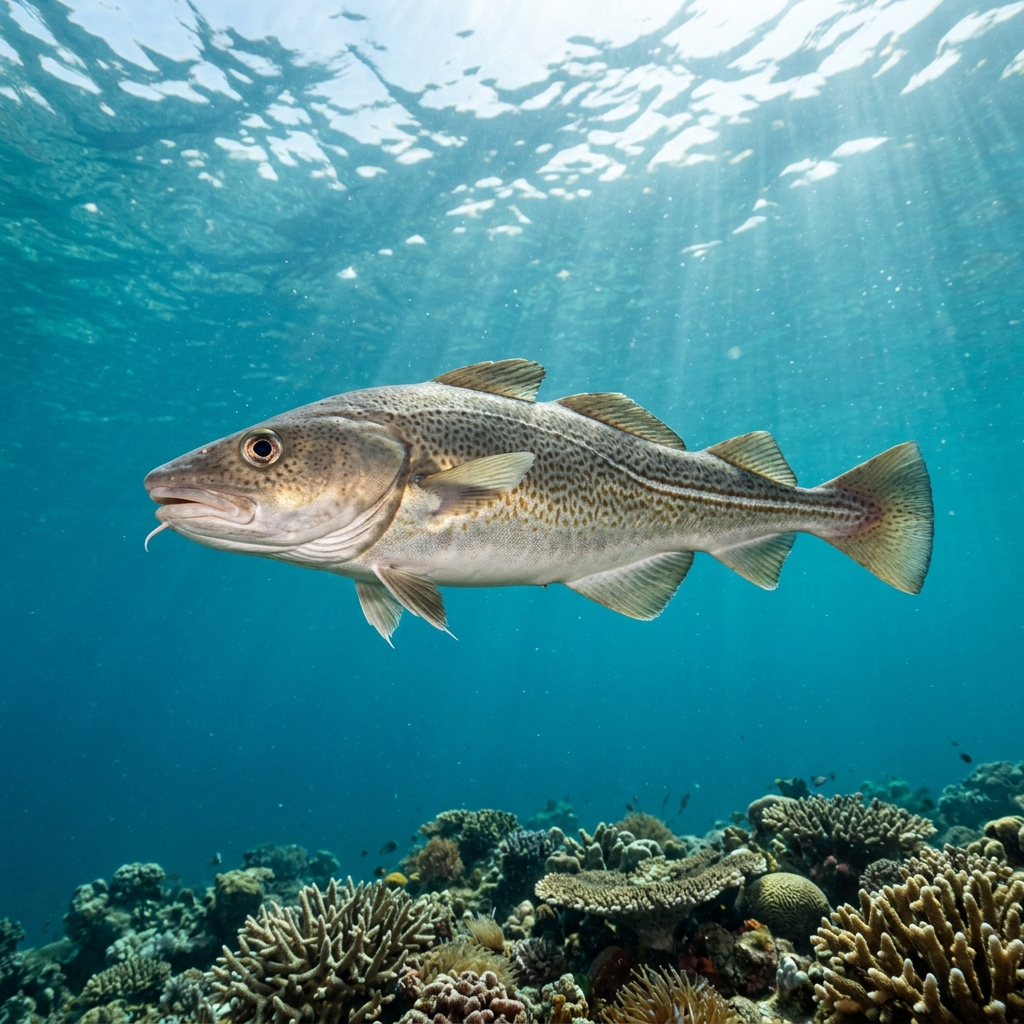
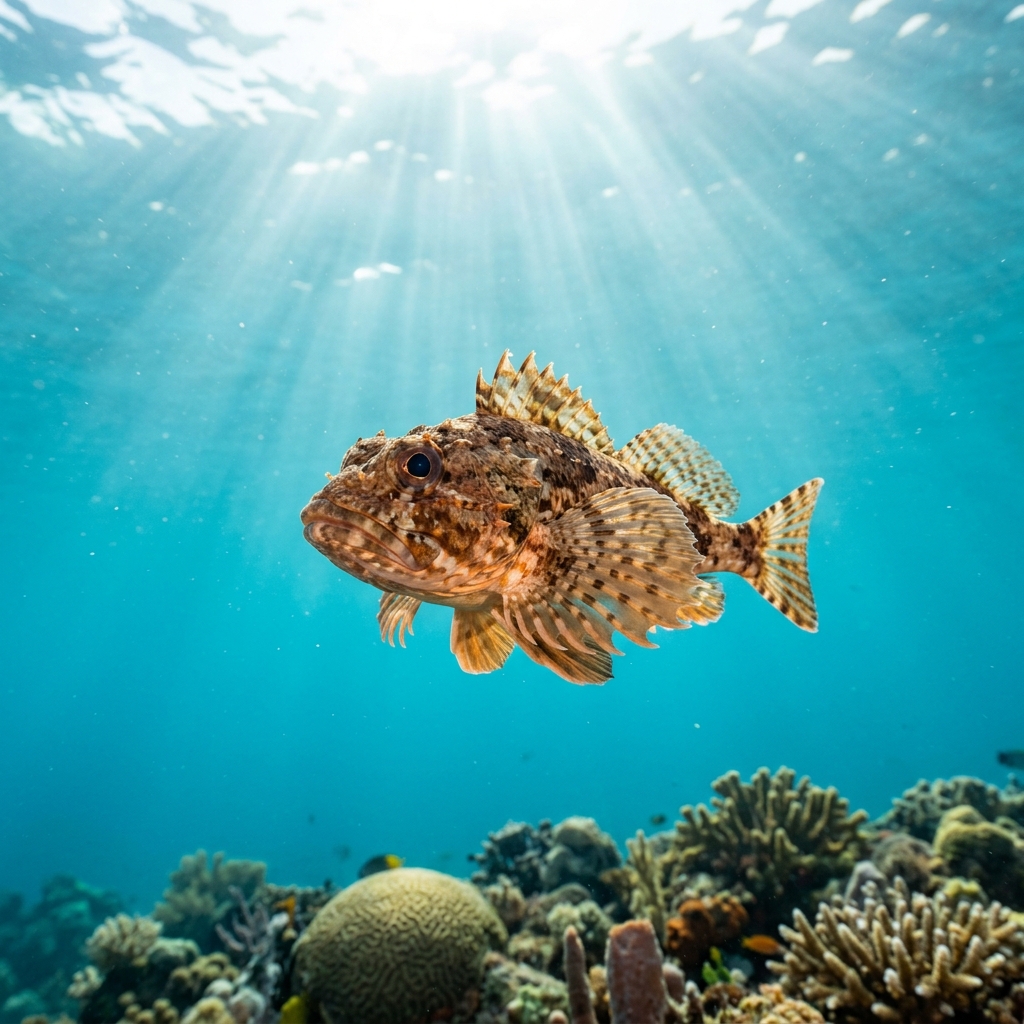
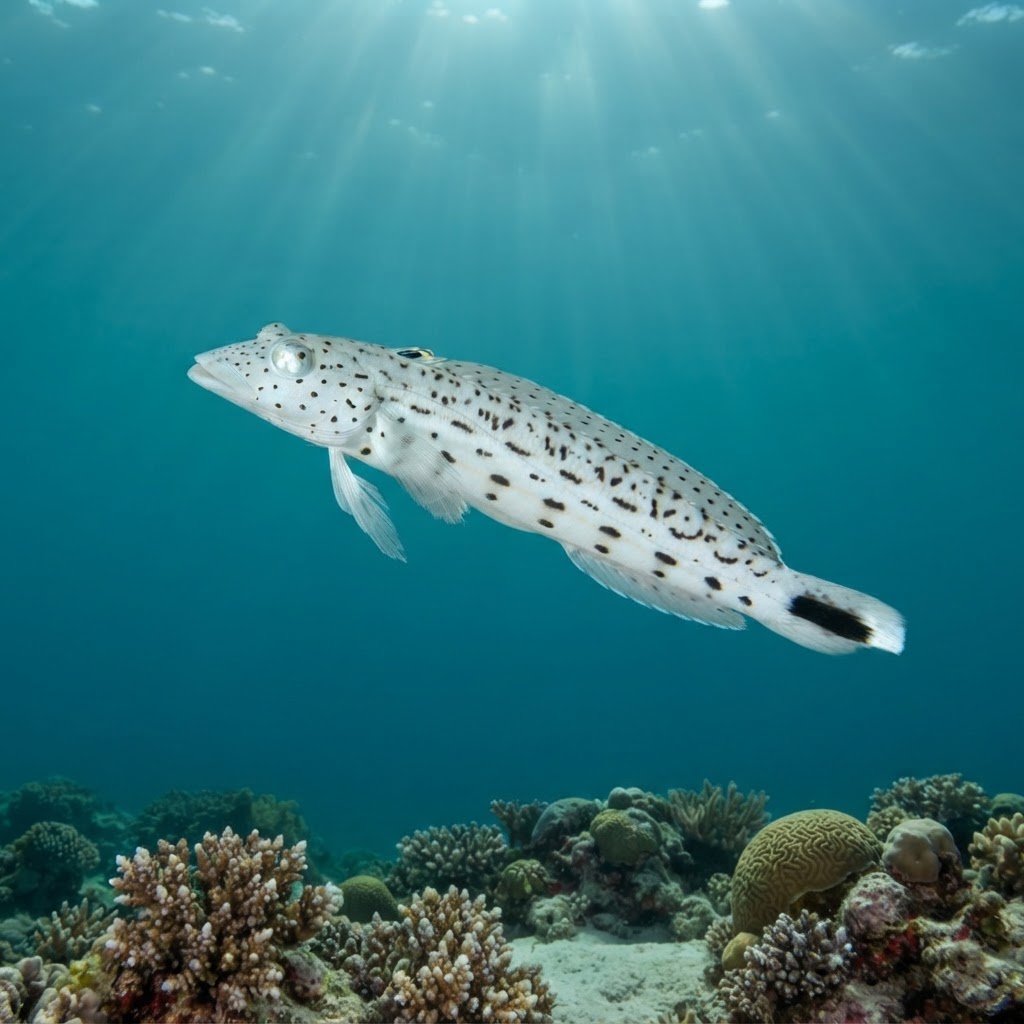
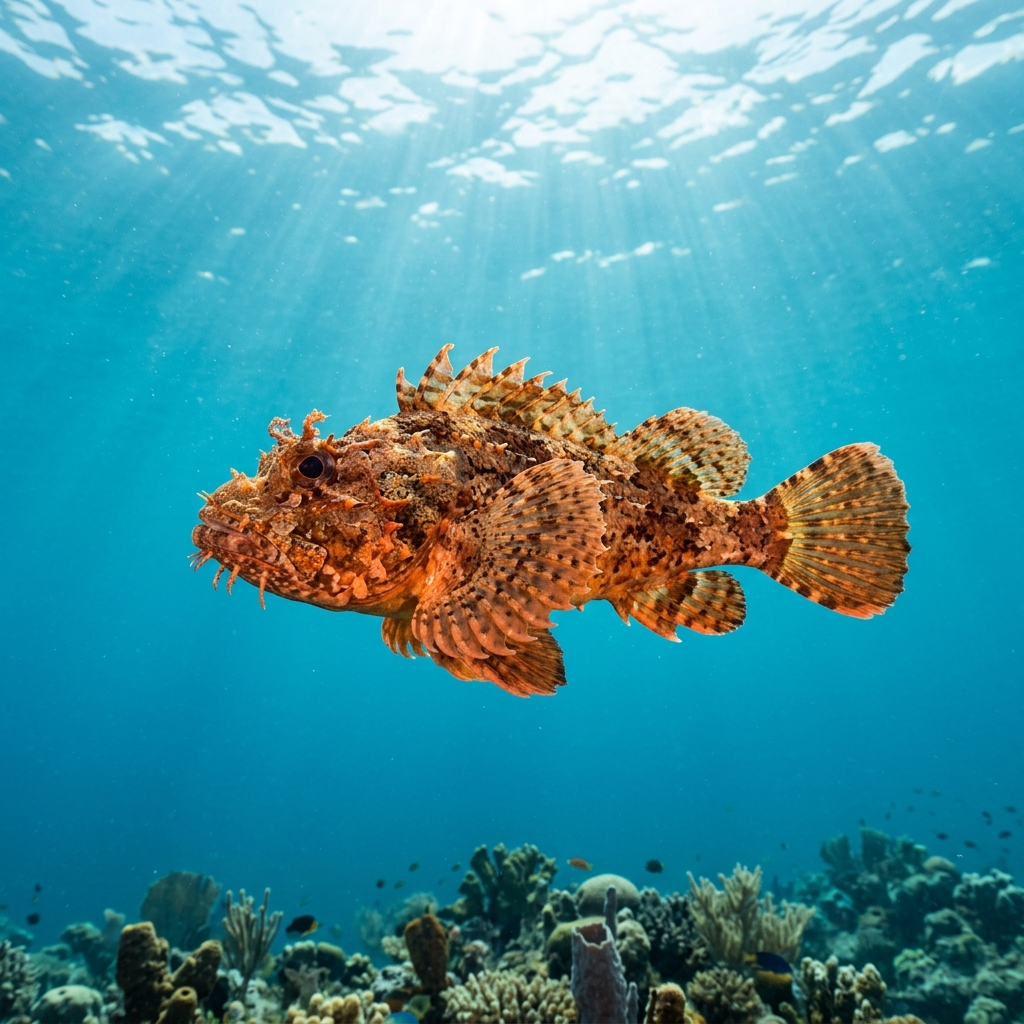
Reef neighbours a diver could mistake it for. Use the identification notes above to tell them apart.
Blue Cod are found almost exclusively in New Zealand waters. The strongest concentration of sightings falls across Central New Zealand and Fiordland and Stewart Island, with additional records from the East Coast and Northland and Auckland regions. Fiordland's sheltered sounds, in particular, offer the kinds of cool, rocky reef habitat this species favours.
Mapping where Blue Cod is logged…
Blue cod are a New Zealand endemic, logged most often across Central New Zealand and Fiordland and Stewart Island. The East Coast and Northland and Auckland also have sighting records. Rocky reef dives in the South Island sounds give you the best shot at an encounter.
Blue cod appear to be present year-round. The sighting data does not show a strong seasonal peak, and their preferred water temperature of 8.5 to 16.5 °C matches the year-round cool conditions across most of New Zealand's coastline.
Look for a stocky, blunt-headed fish sitting low on rocky reef. Adult males are relatively easy to spot with a vivid blue wash across the head and body. Females are mottled brown-green and much harder to pick out against kelp-covered rock. Both sexes have a rounded tail and a noticeably large mouth.
Most blue cod encountered by divers are around 30 cm, though larger individuals do exist. Bigger, more intensely blue animals are typically older males, some of which started life as females before transitioning sex.
Yes. Blue cod are protogynous hermaphrodites, meaning they are born or mature as females and can later transition into males. The striking blue colouration of adult males develops as part of that transition, so the most vividly coloured fish tend to be the largest and oldest.
Site and sighting data is aggregated from diver logs, iNaturalist and GBIF. For taxonomy and conservation status:
Spotted Sandperch
704 sites