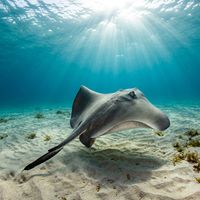
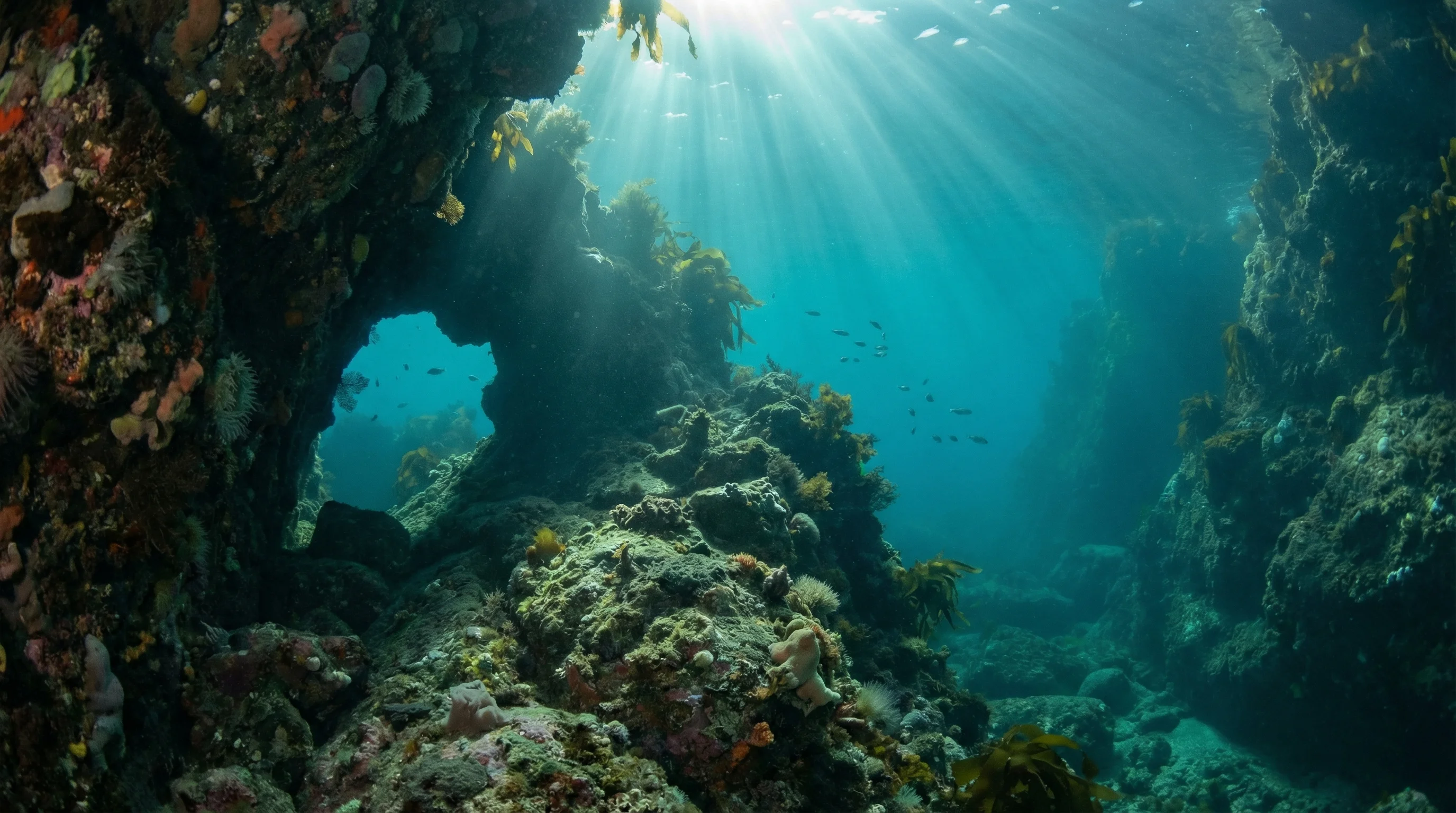
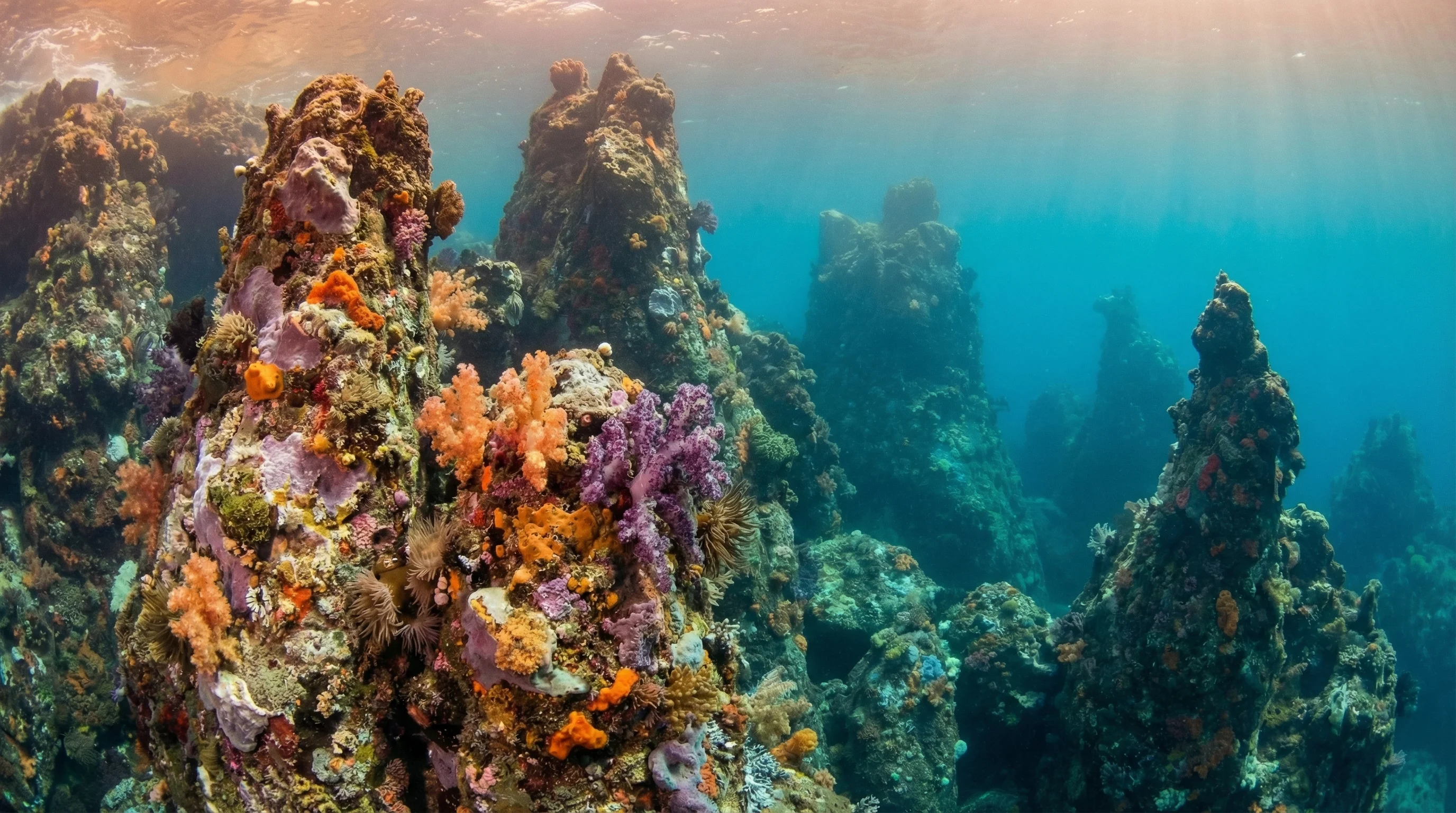
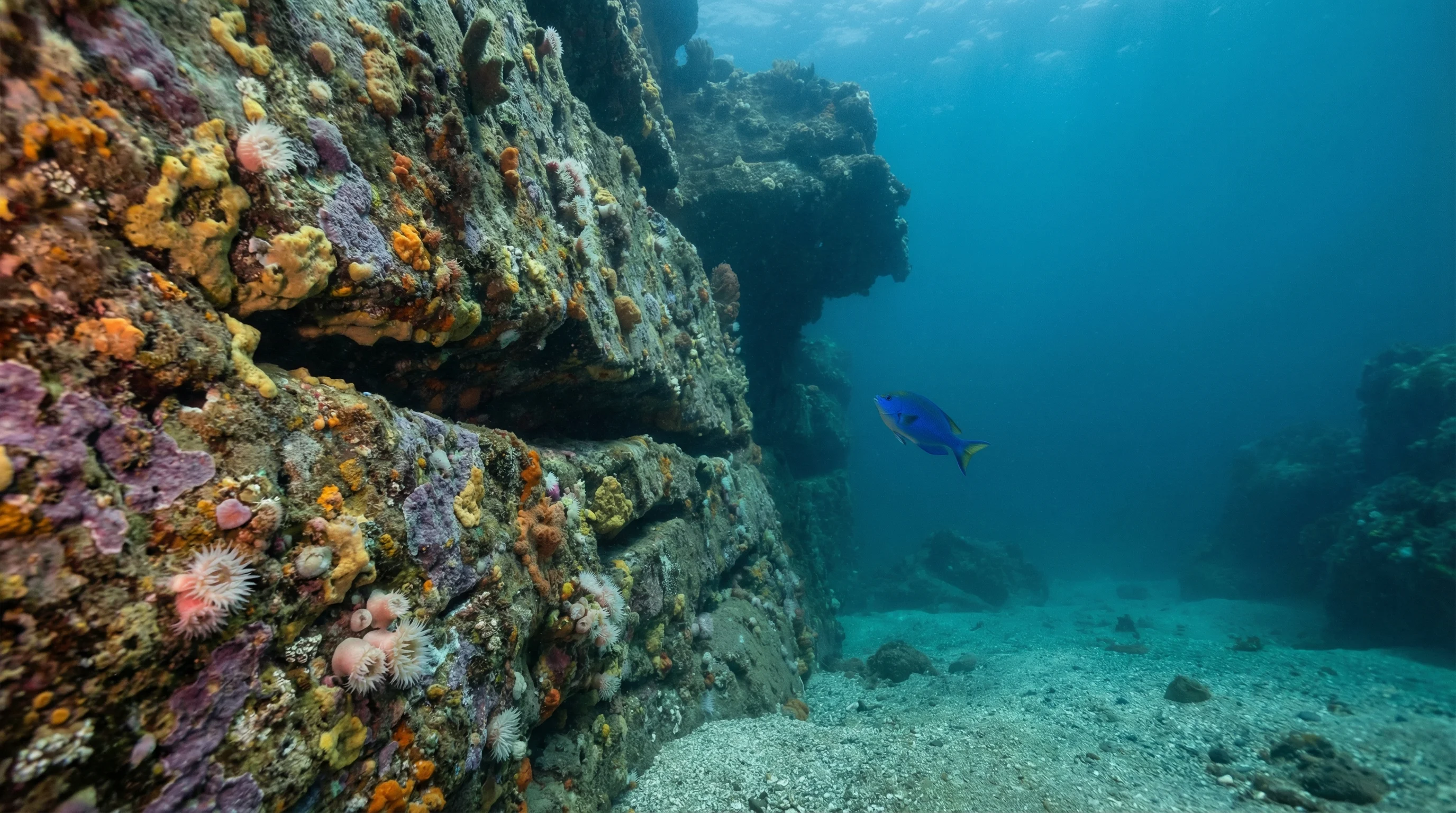
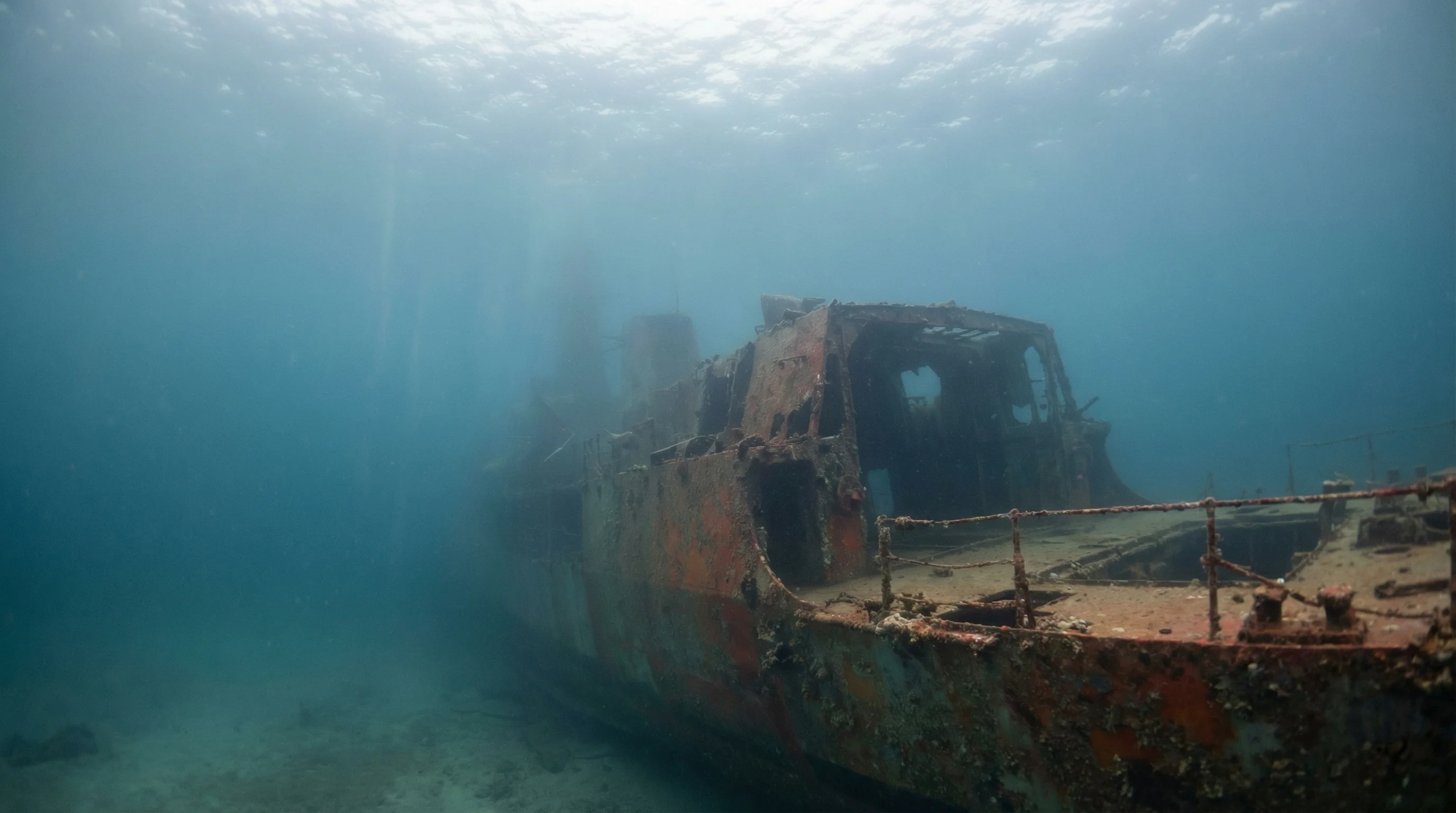
Wellington's dive sites range from accessible shore reefs and kelp forests to a decommissioned Navy frigate resting upright on the seabed. The Long-nosed Fur Seal is a very common presence, while the Pot-bellied Seahorse, New Zealand Octopus, and Smooth Ray make Wellington distinctive among North Island diving destinations. Most sites suit beginners, though Bushett Shoals offers serious terrain for advanced divers. Conditions are cool year-round, with late summer and December drawing the most favourable ratings.
Monthly water temperature across Wellington's sites, from satellite sea-surface data corrected for depth. The band shows the site-to-site spread.
Water temperatures peak in late summer and drop to their coolest through the spring months, demanding exposure protection year-round. Visibility can be modest, so the best diving windows tend to cluster around December and February when conditions settle. Exposed sites like Bushett Shoals are highly weather-dependent, while sheltered shore entries such as Scorching Bay offer reliable alternatives when swell picks up.
19 operators

Wellington, New Zealand
29 more sites to explore
Water temperature around Wellington ranges from about 13°C in July to 17°C in February, based on satellite sea-temperature data for its dive sites.
With water around 13–17°C, a 7mm or semi-dry suit works in Wellington year-round.
Fin maps 41 sites in Wellington (38 scuba diving sites and 14 snorkelling spots, with some suited to both).
Across Wellington's dive sites, February and December are most often reported as the best months to visit.
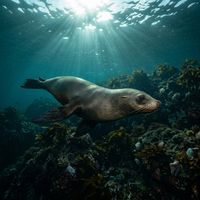
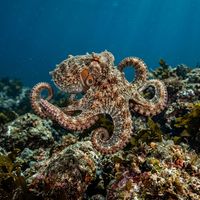
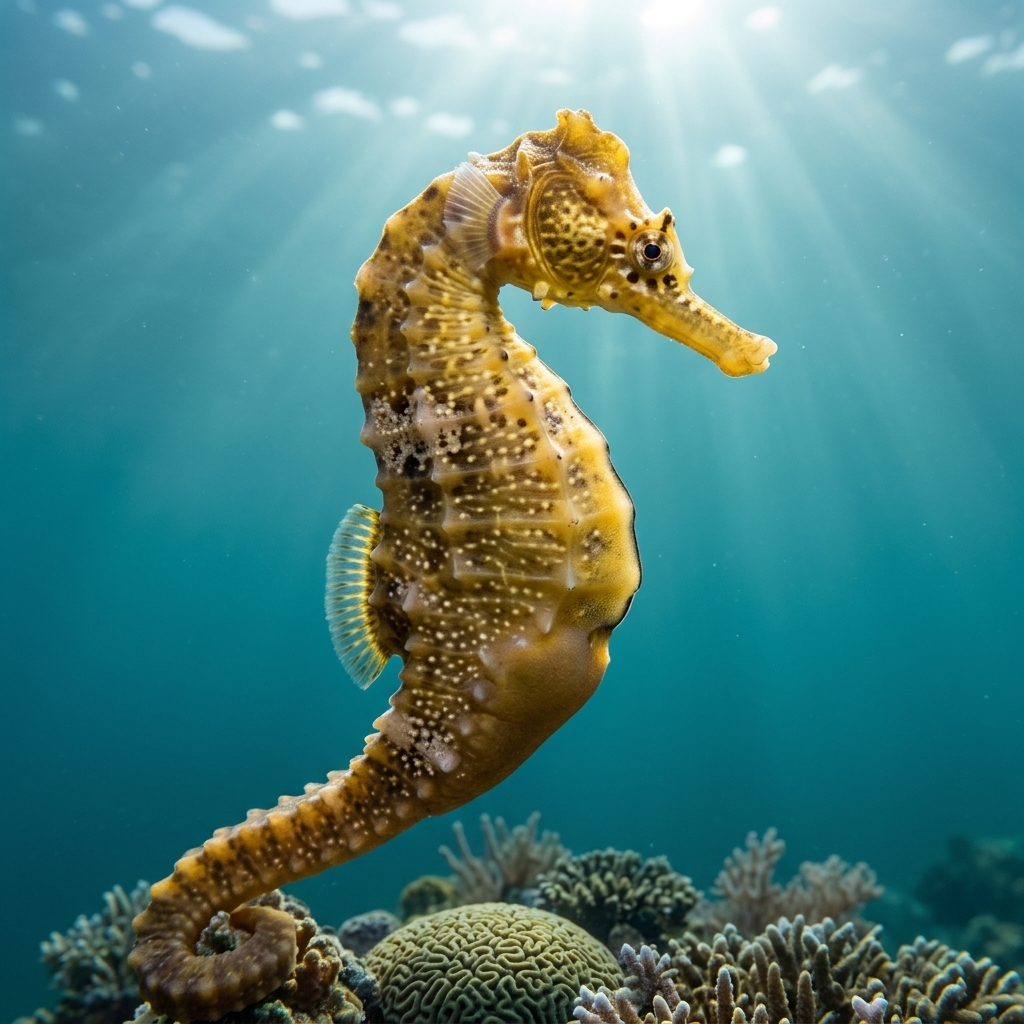
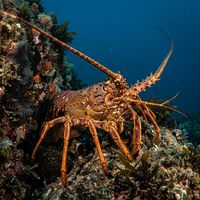
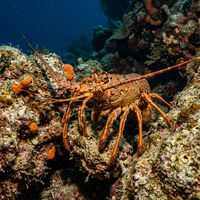
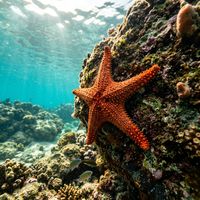
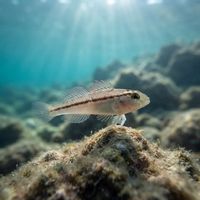
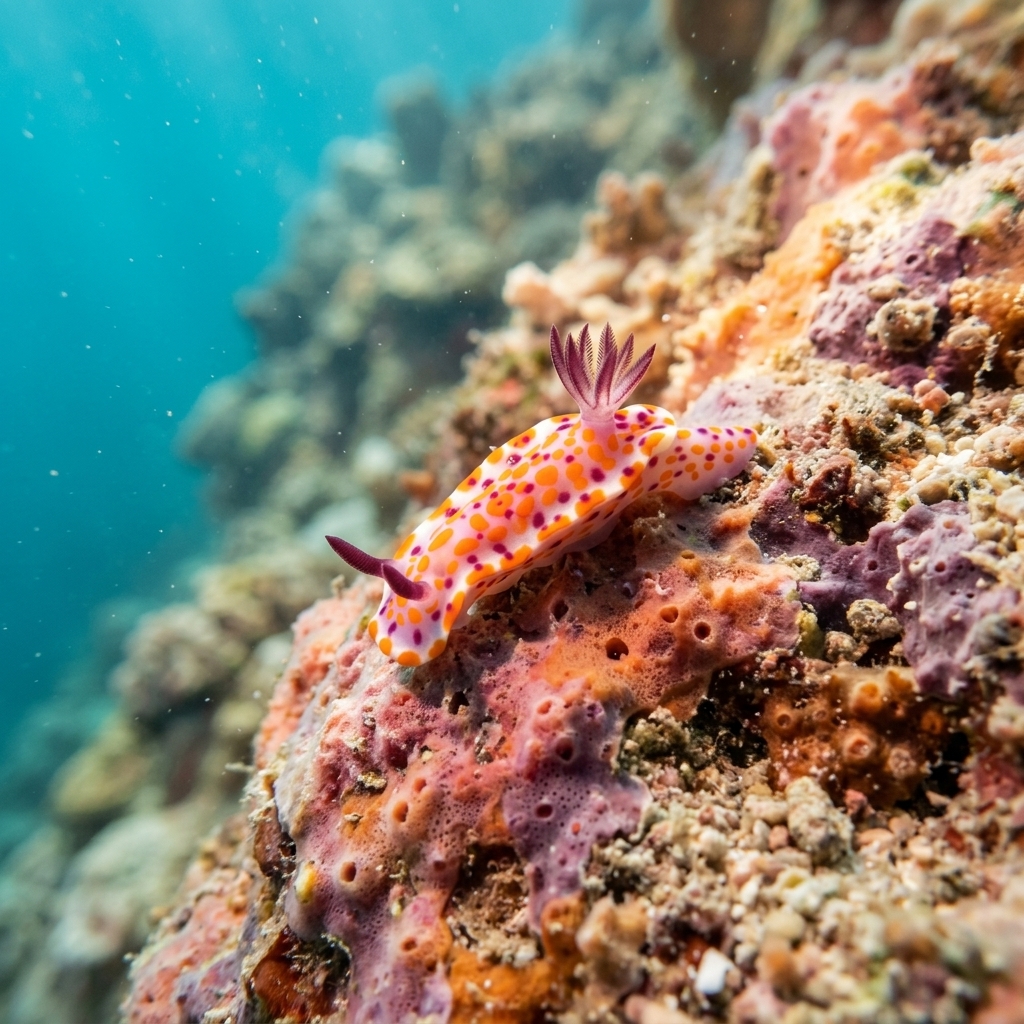
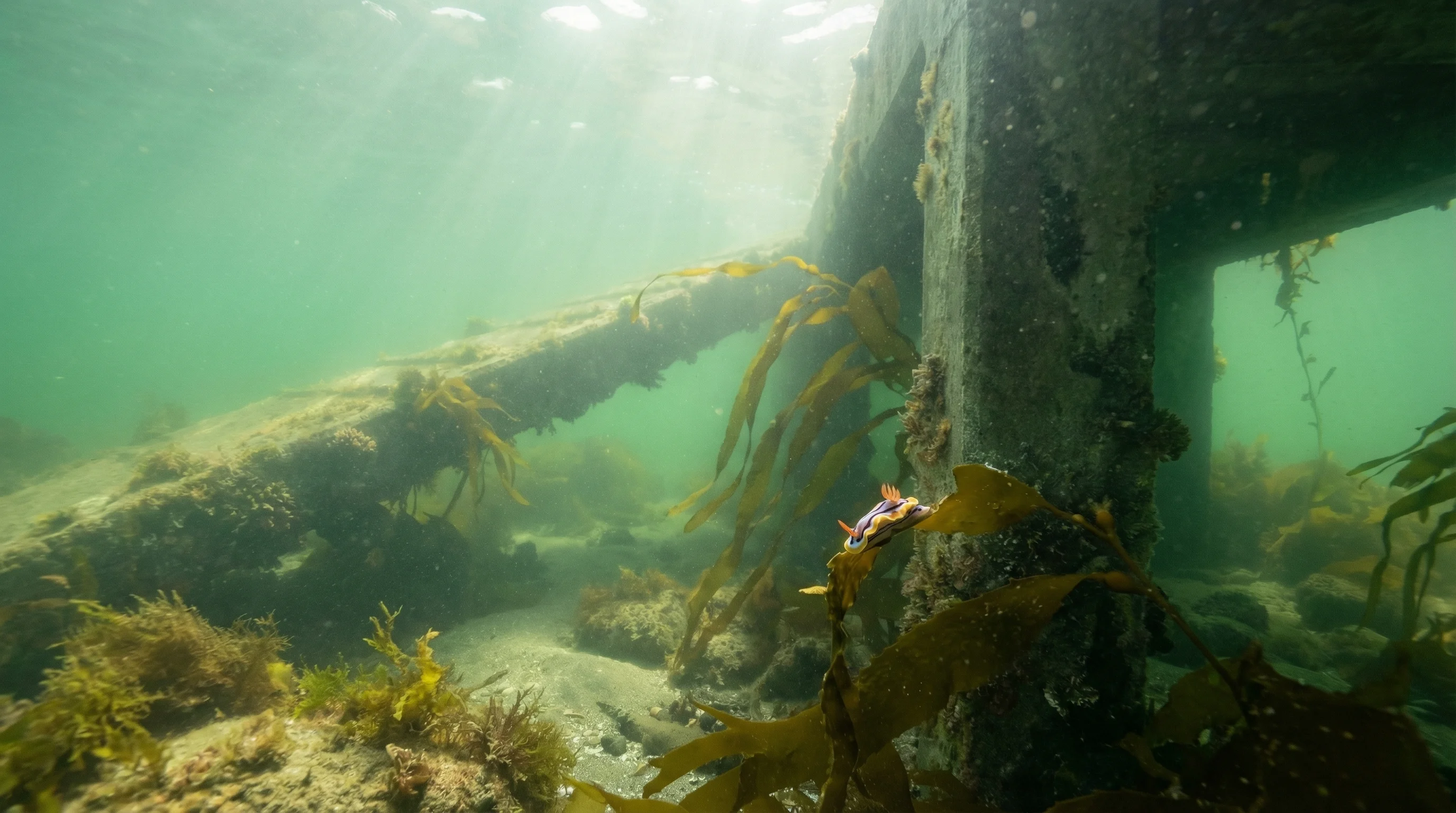
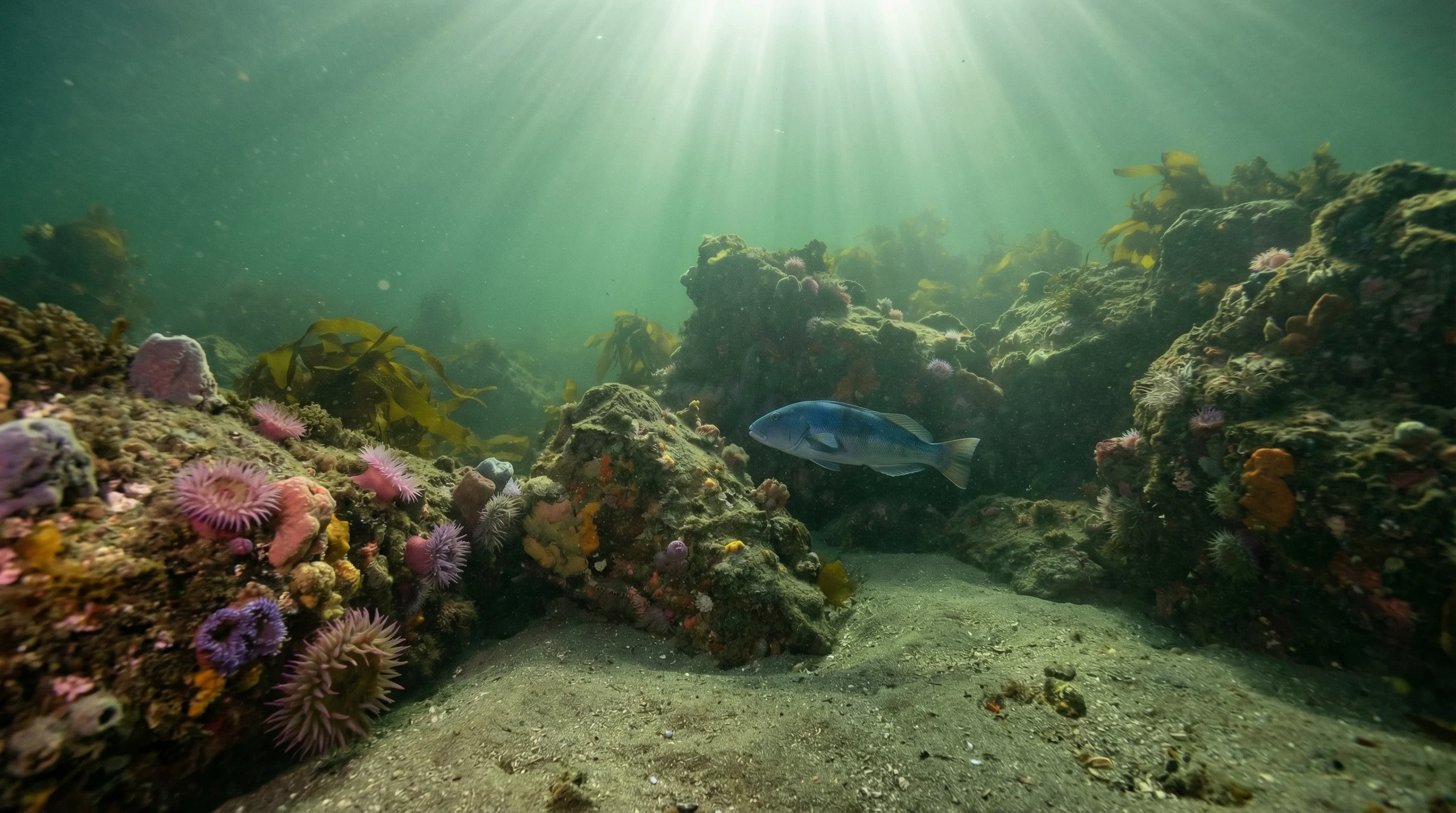
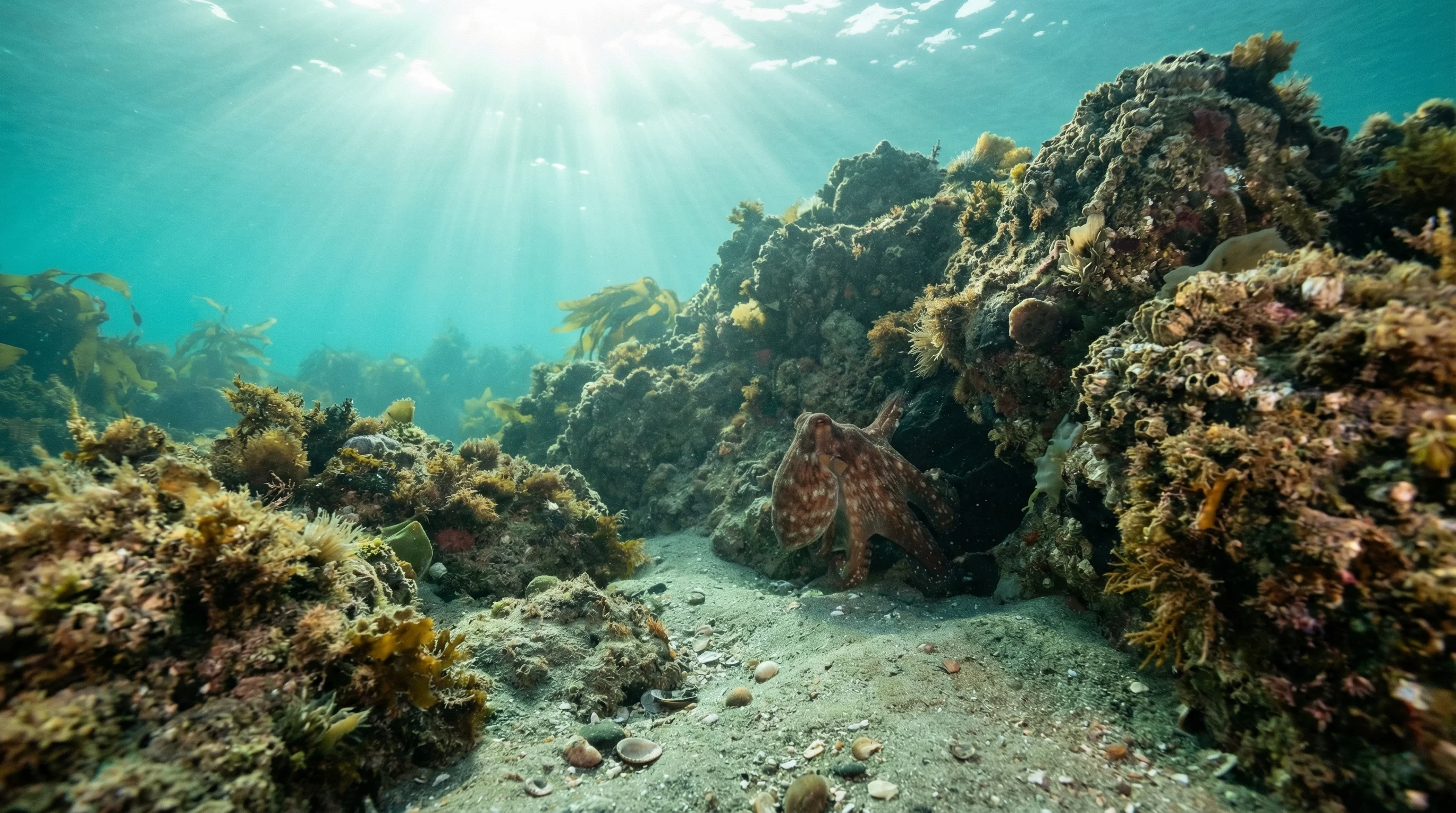
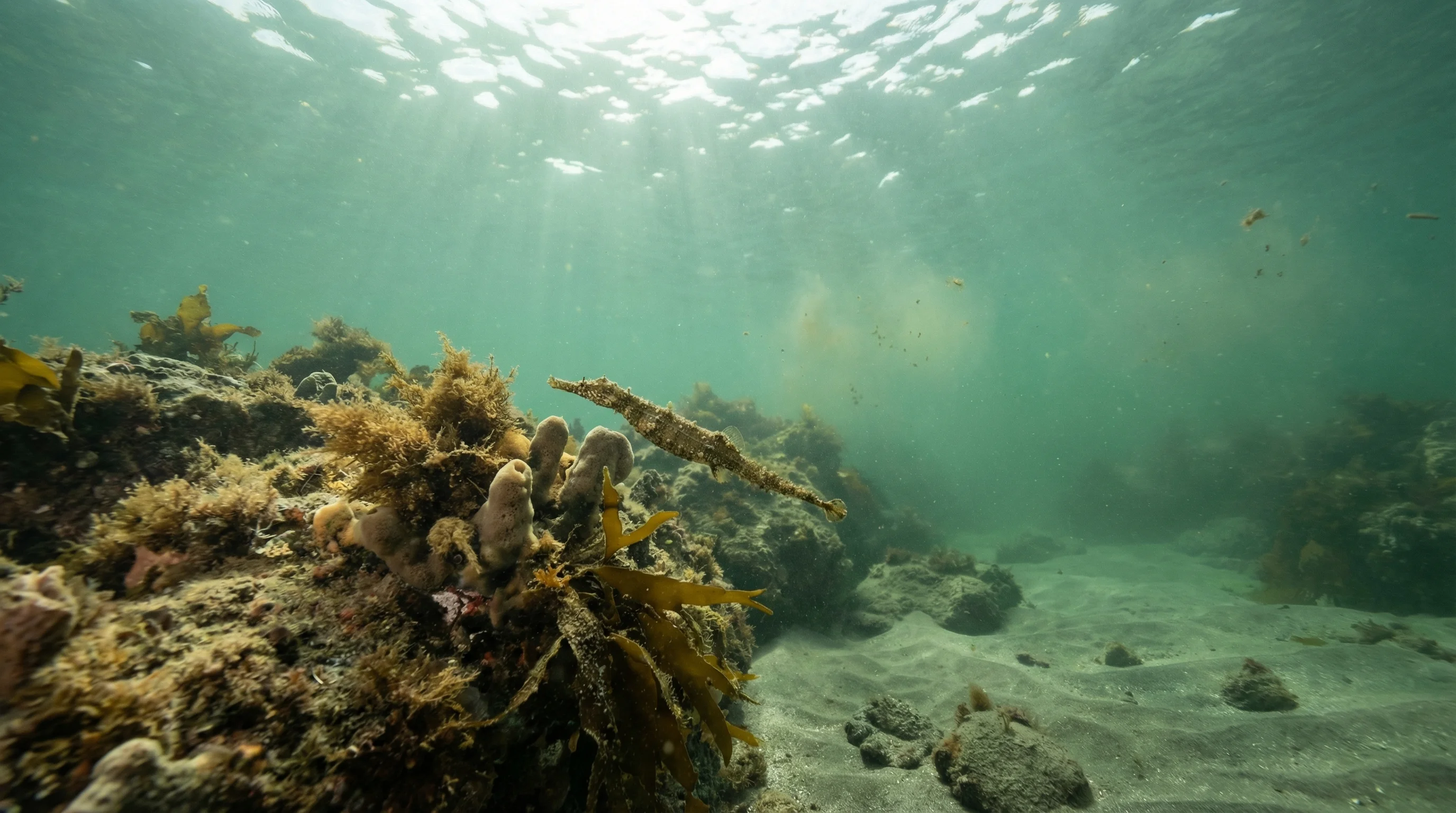
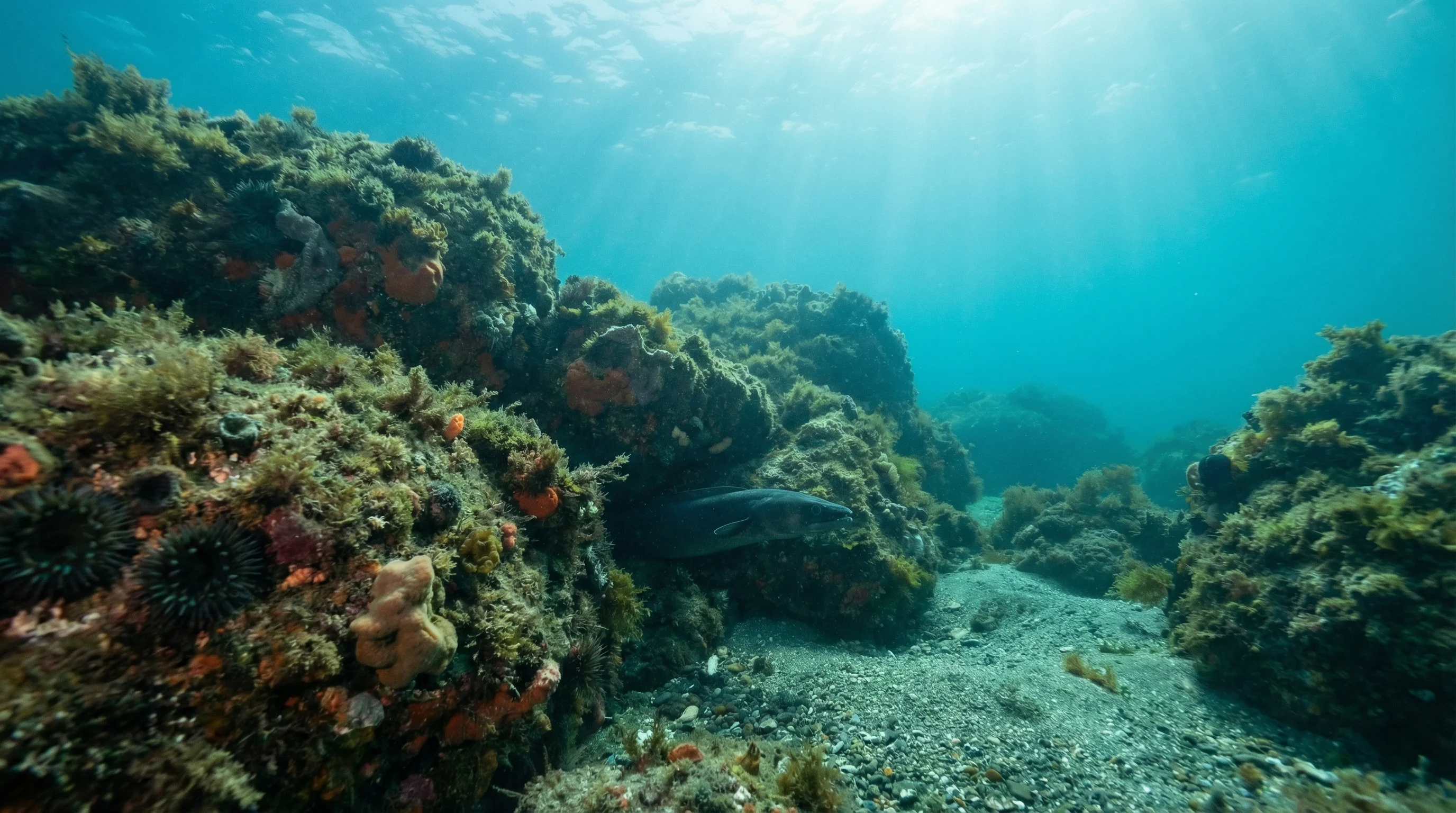
Wellington's waters support a broad range of observed species. The Long-nosed Fur Seal is very commonly encountered, and Blue Cod, Southern Rock Lobster, Conger Eel, and New Zealand Octopus are all frequently recorded. Rarer finds include the Pot-bellied Seahorse, Smooth Ray, Catshark, and Stargazer. Sea Star is present at almost every site.
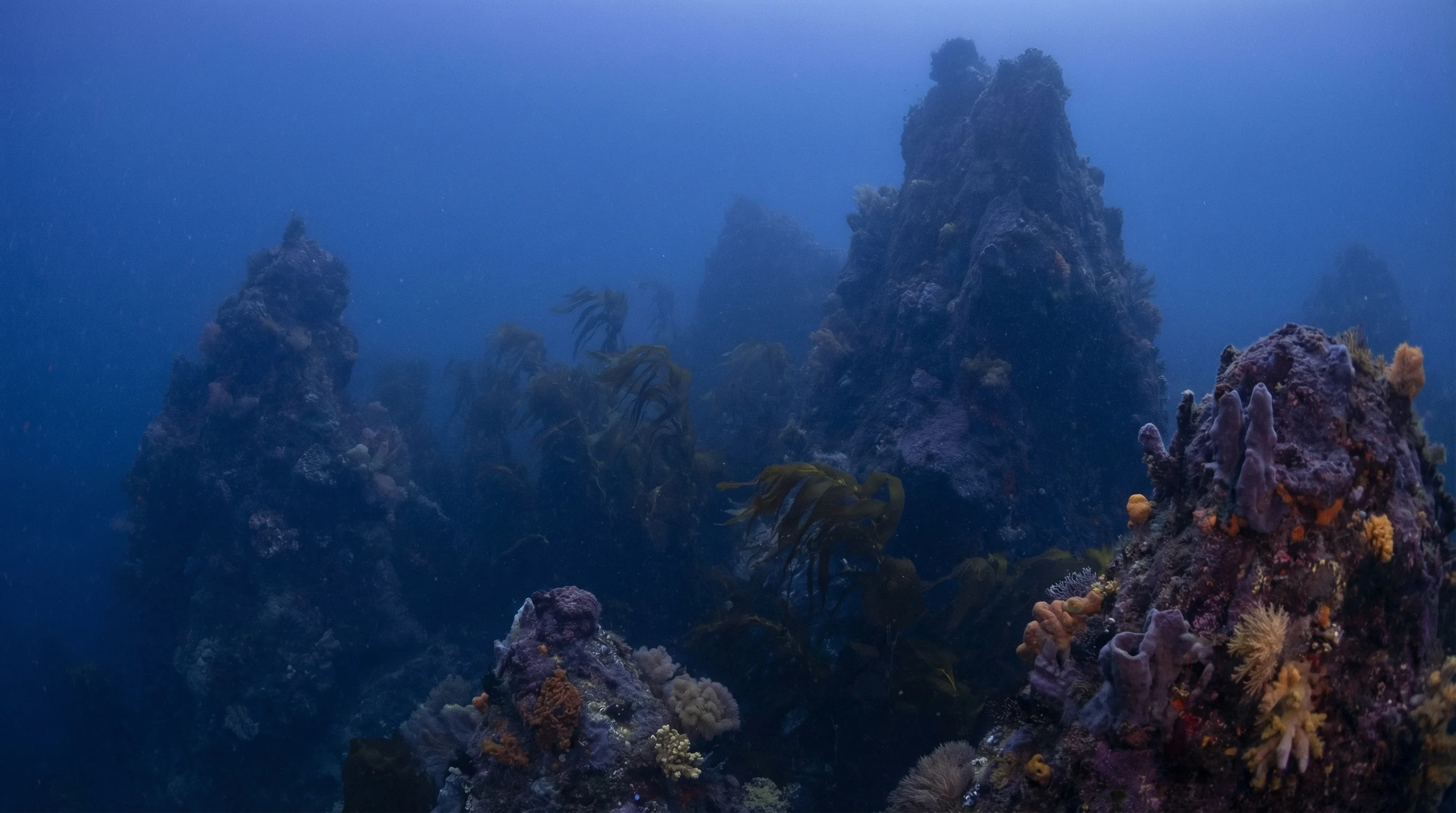
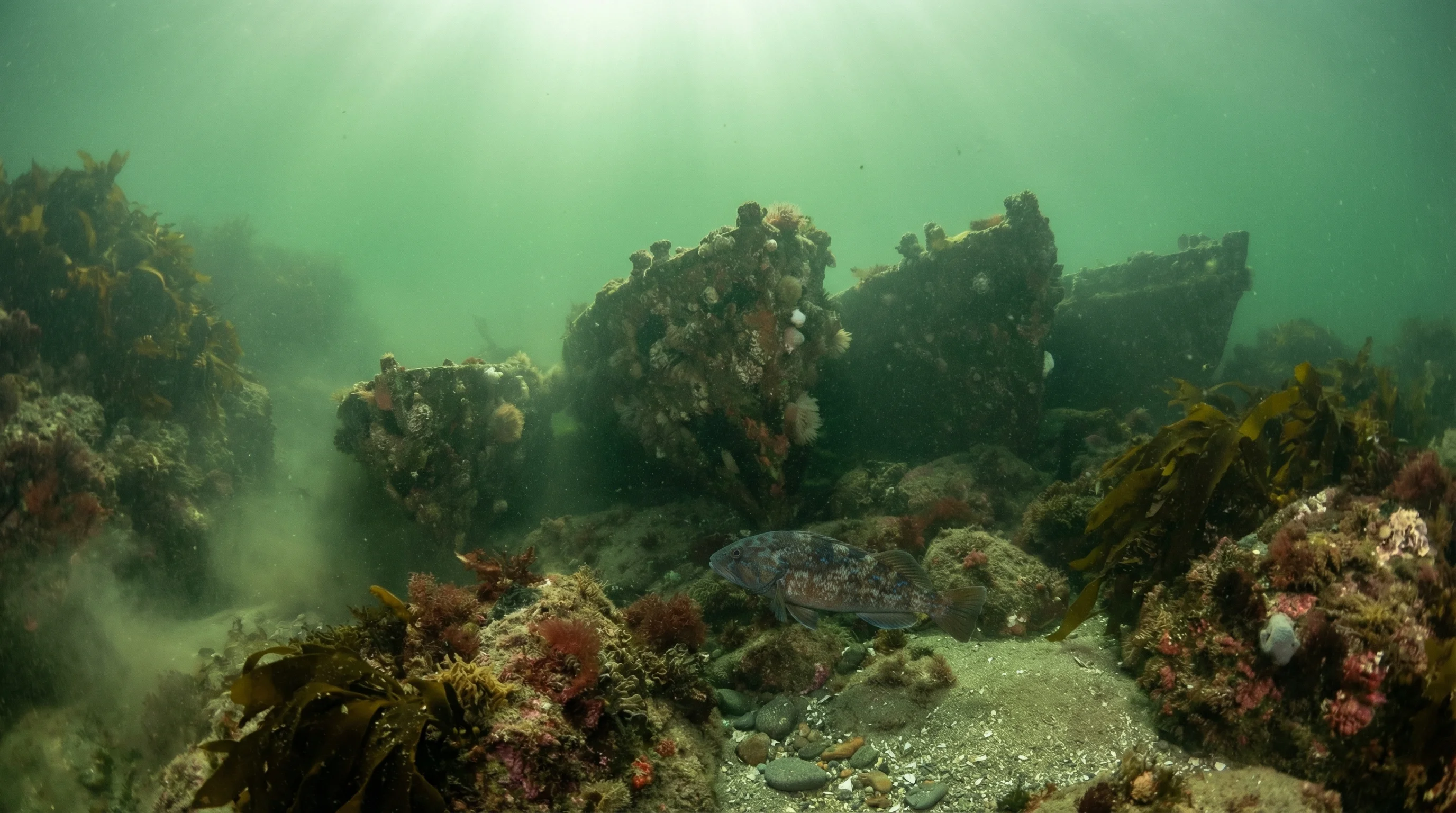
The majority of Wellington's sites are rated for beginners, including the HMNZS Wellington wreck, Scorching Bay, Owhiro Bay, and several other shore-entry reef sites. These offer shallow to moderate depths with sheltered entries. Advanced divers are catered for at sites like Bushett Shoals, which features pinnacles, walls, and significant depth.
No, the HMNZS Wellington wreck requires a boat to reach, as it sits in the Outer Harbour. It is one of several boat-access sites in the region; operators including Dive Wellington, Island Bay Divers, and Dive HQ Wellington run trips to wrecks and offshore reefs. Shore entry is available at many other Wellington sites for those without boat access.
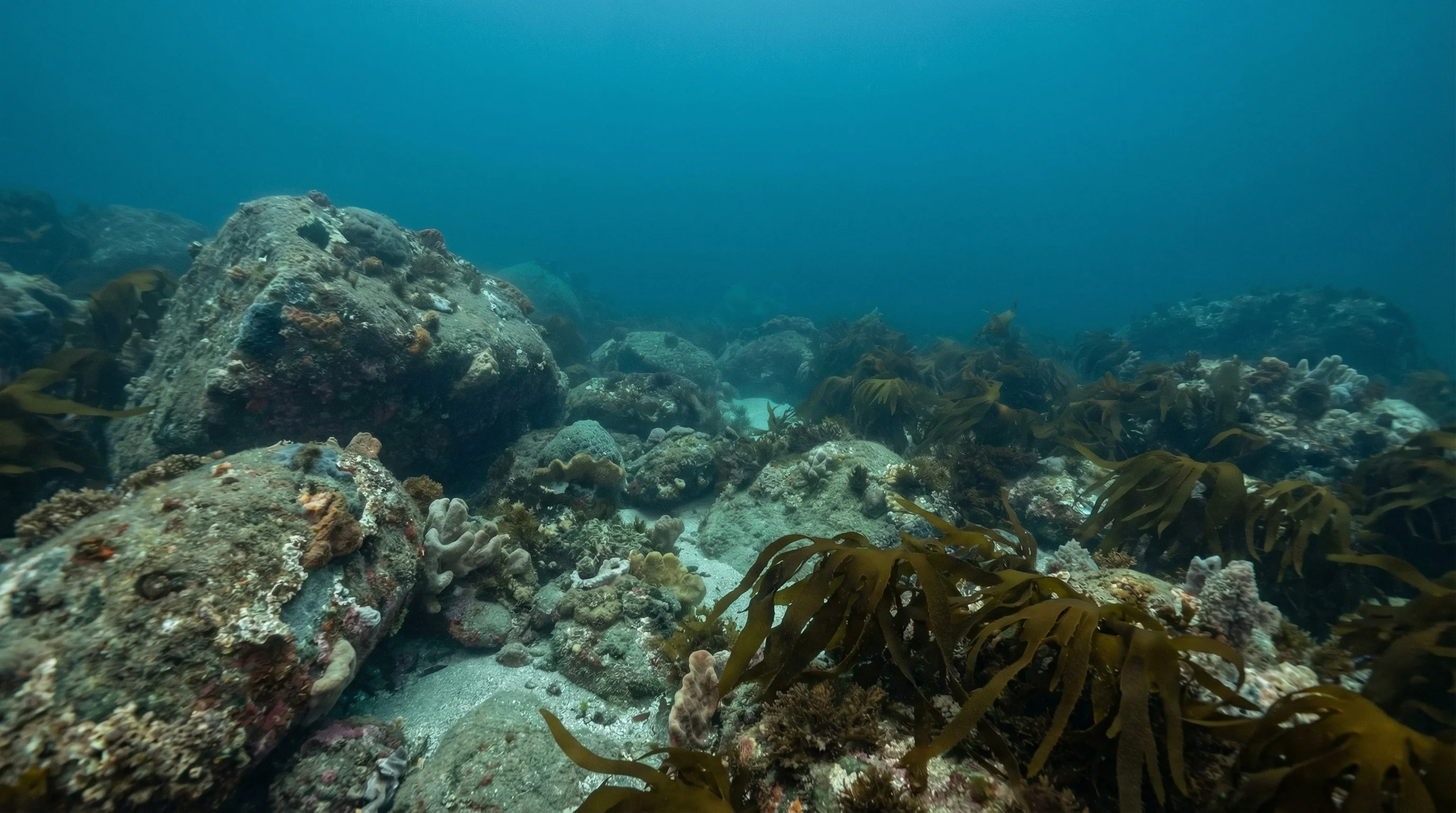
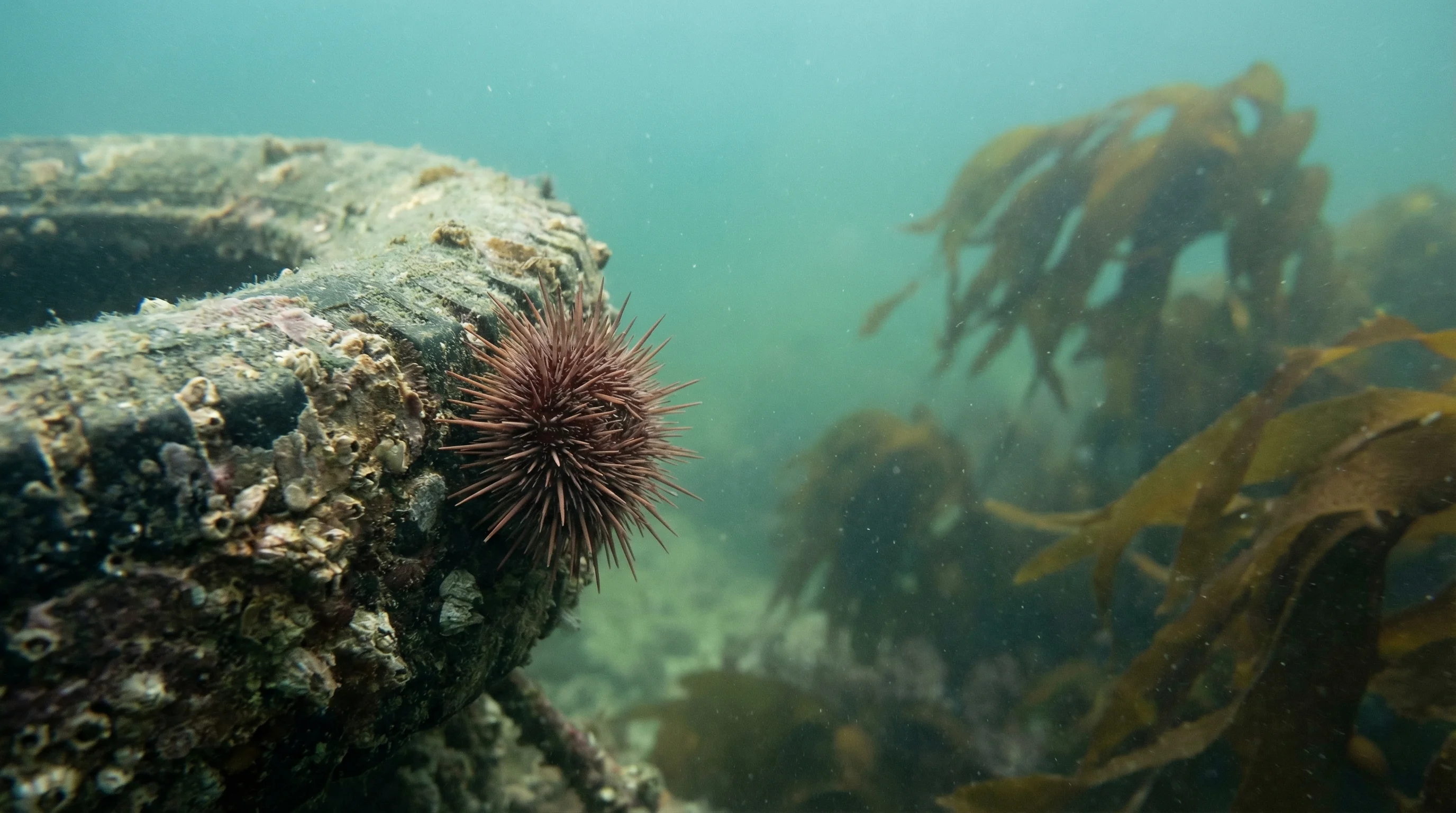
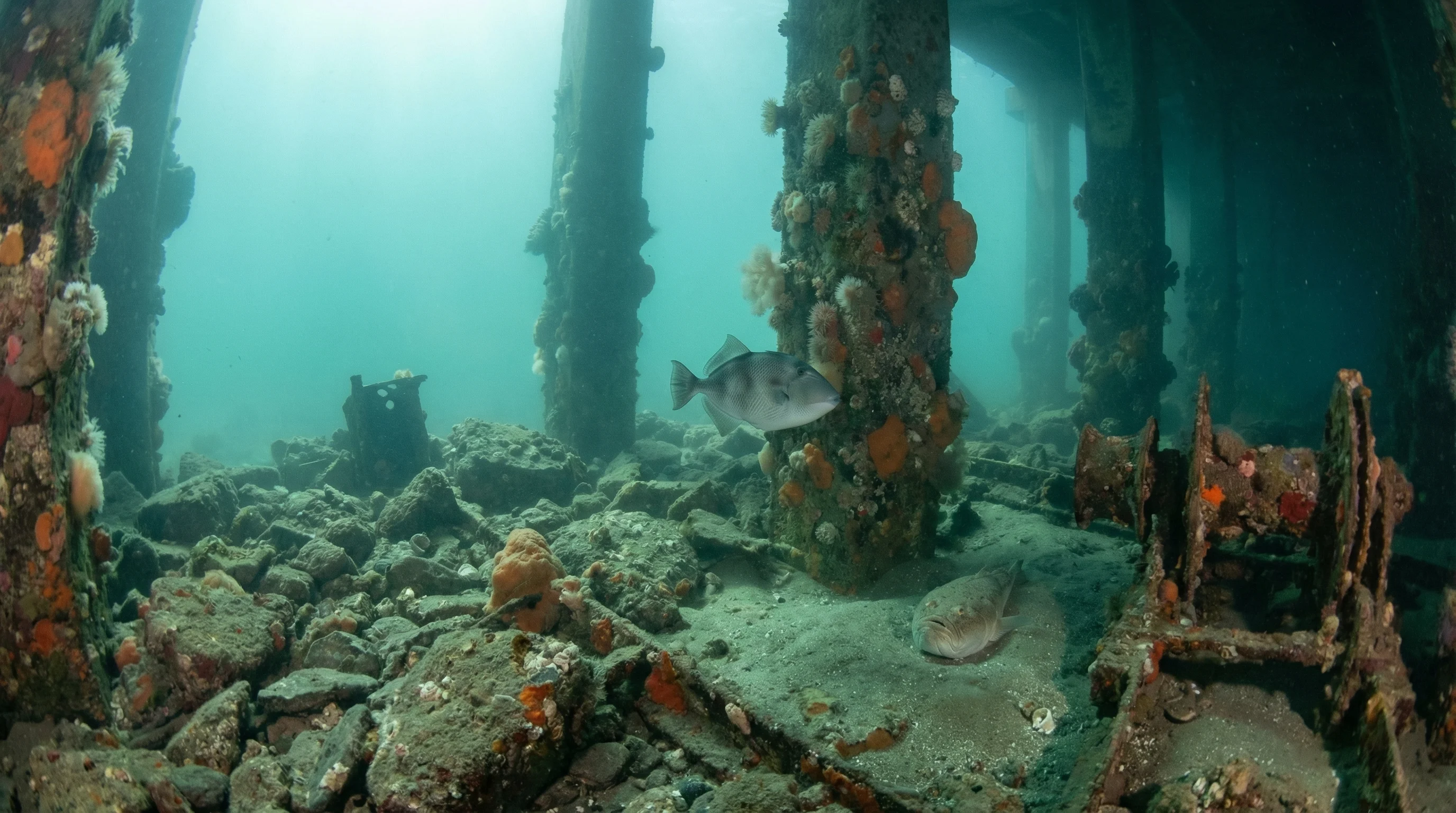
Wellington offers wrecks, natural reefs, kelp forests, artificial reefs, and muck sites, often in combination at a single location. Owhiro Bay, for example, combines reef with multiple historic wrecks, while Kau Point mixes an artificial reef of tyres with kelp forest and sandy seabed. This variety means sites suit very different interests, from wreck exploration to macro hunting for species like the Clown Doris and Sea Slug.