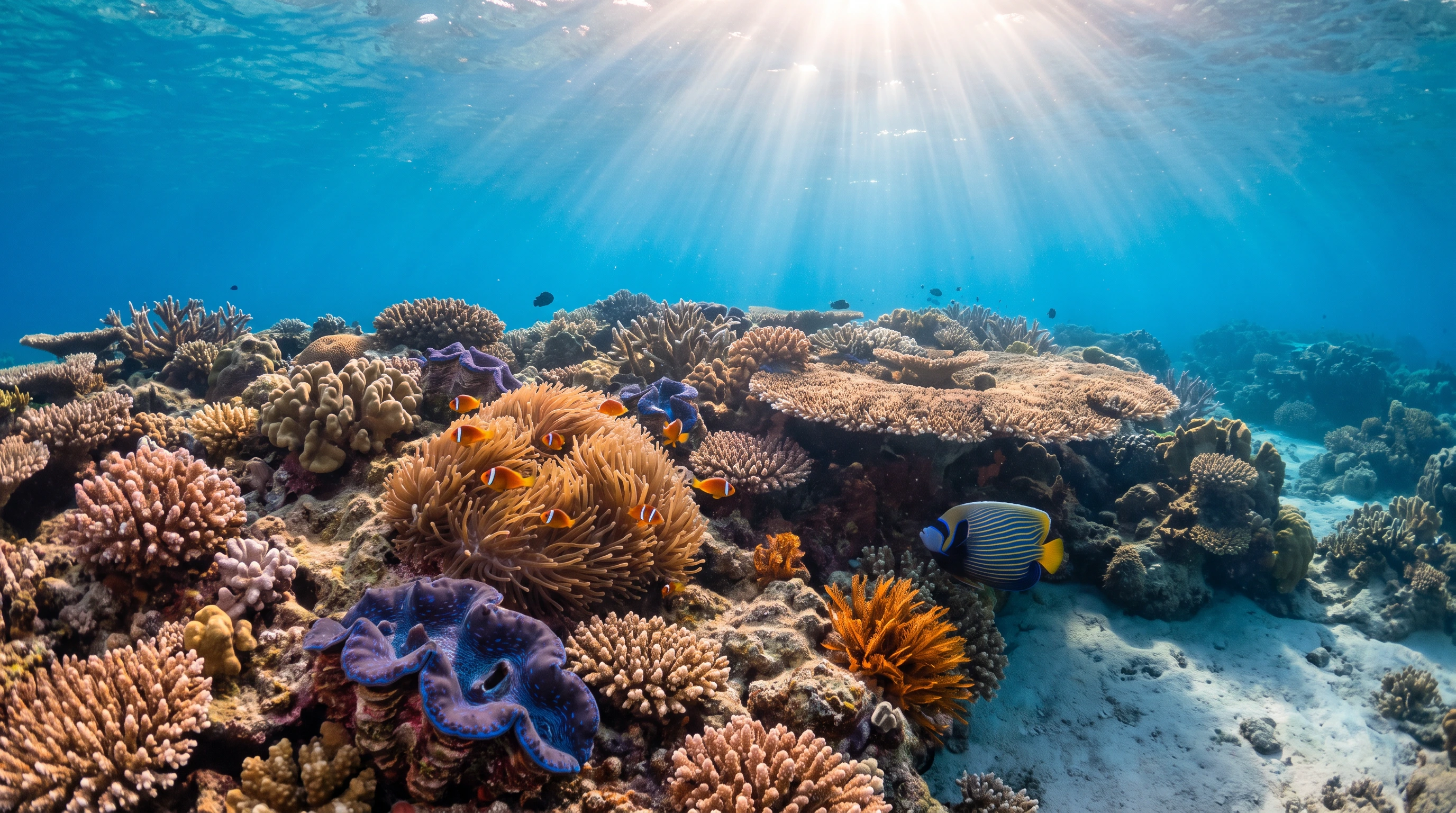
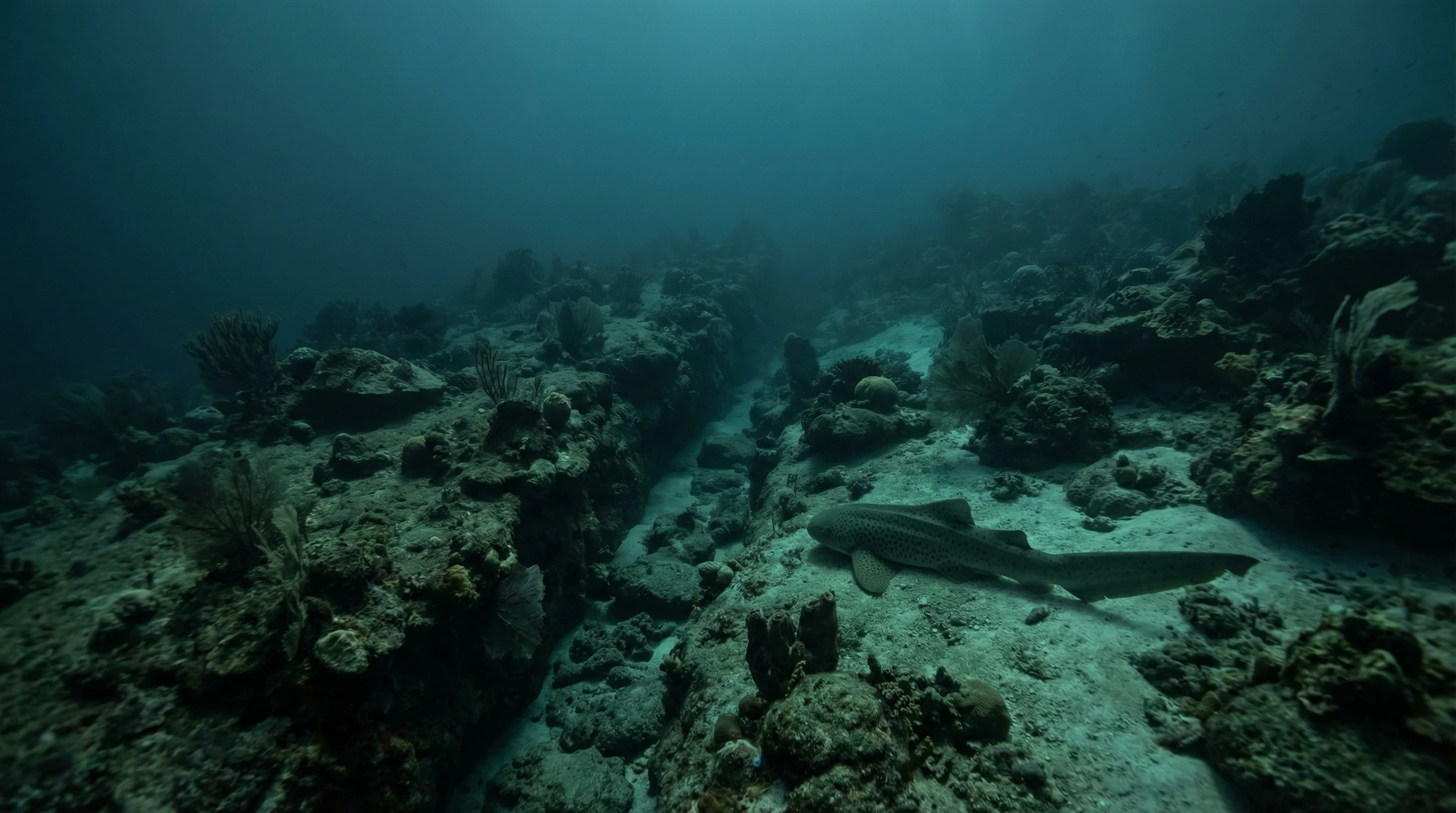
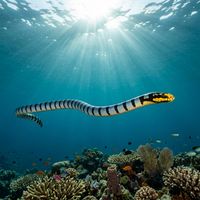
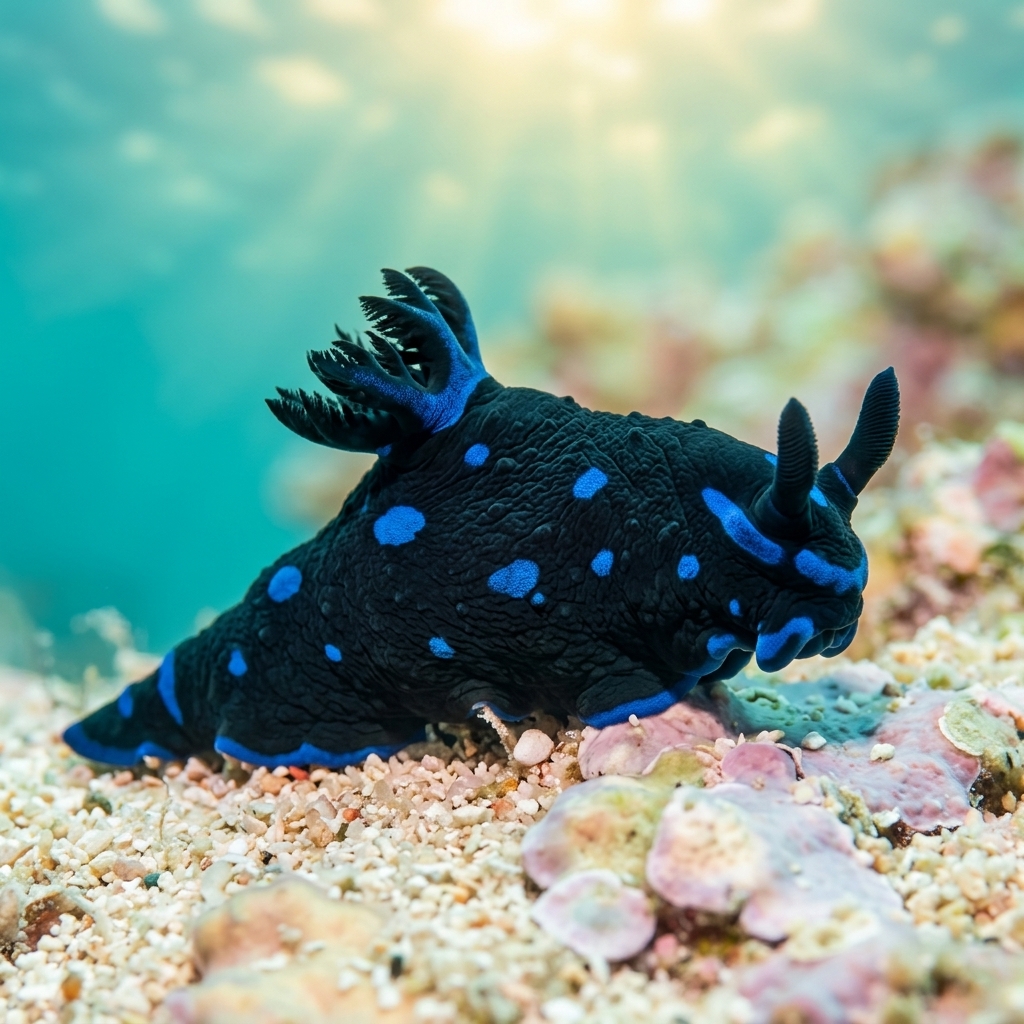
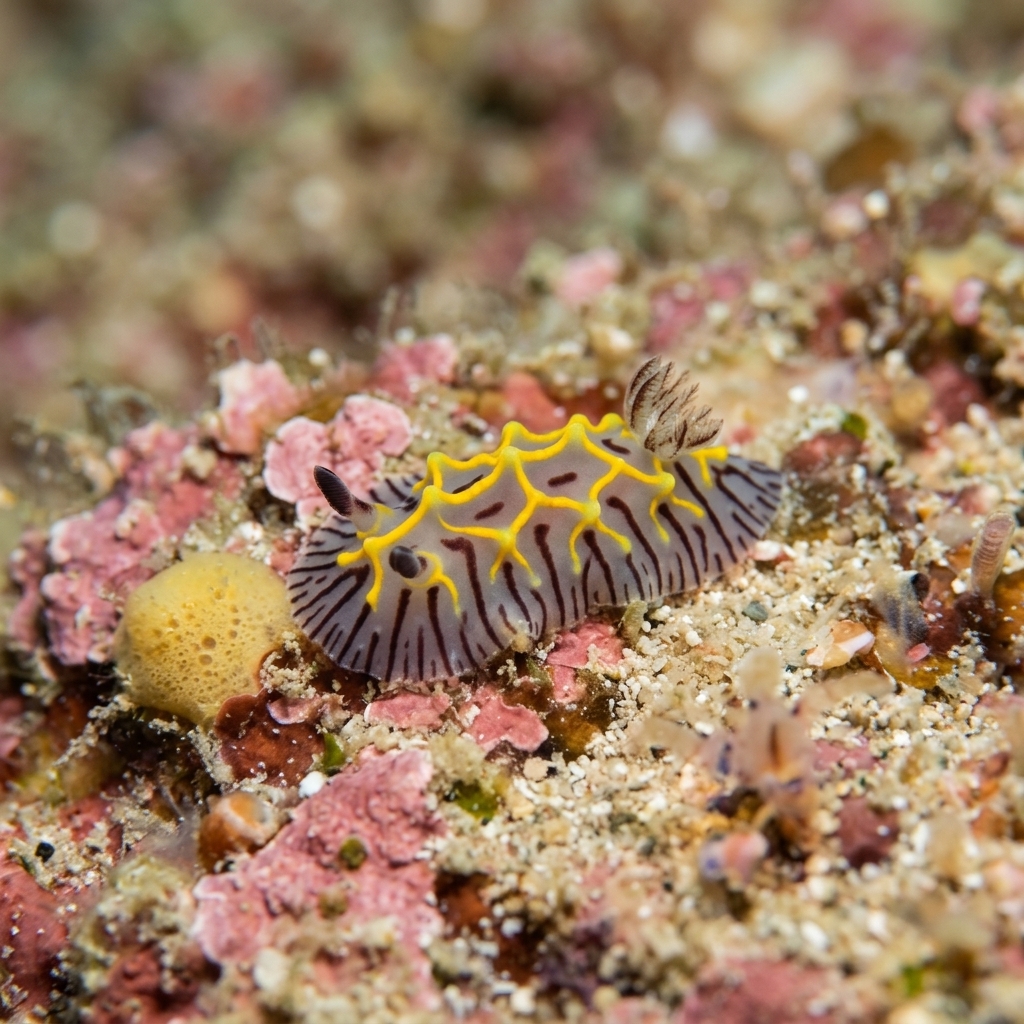
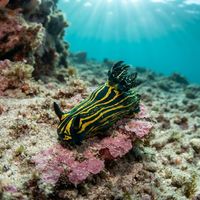
Île des Pins divides neatly into two underwater zones: the sheltered bays of Kuto and Kanumera, where shallow reefs and seagrass suit beginners and snorkellers, and the more exposed Gadji and Northern Reefs, where walls, drop-offs and cave systems reward intermediate and advanced divers. The site mix runs from natural rock pools to deep vertical walls like Faille de Noupaa. Nudibranch diversity is a recurring theme across sites, with Halgerda willeyi, Blue-spotted Wrinkle Dorid and Tryon's Hypselodoris all observed consistently. Clownfish are abundant, Sea Krait sightings are common, and Grey Reef Shark appears on the northern reefs.
2 areas
 8
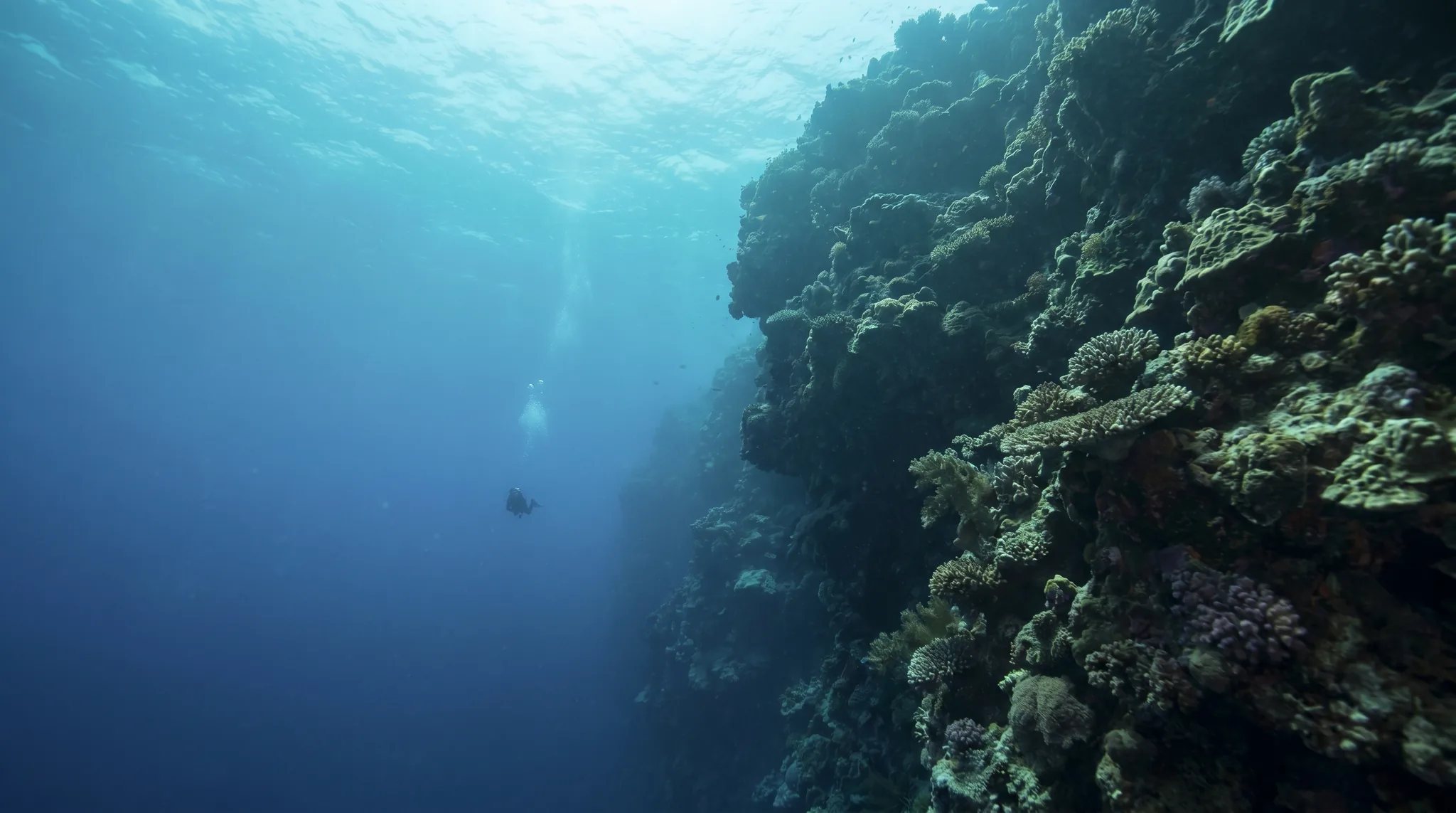
8Boat-only diving off northern Île des Pins combining caves, walls, drift passages, and shallow reefs, with bumphead parrotfish and nurse sharks.
 5
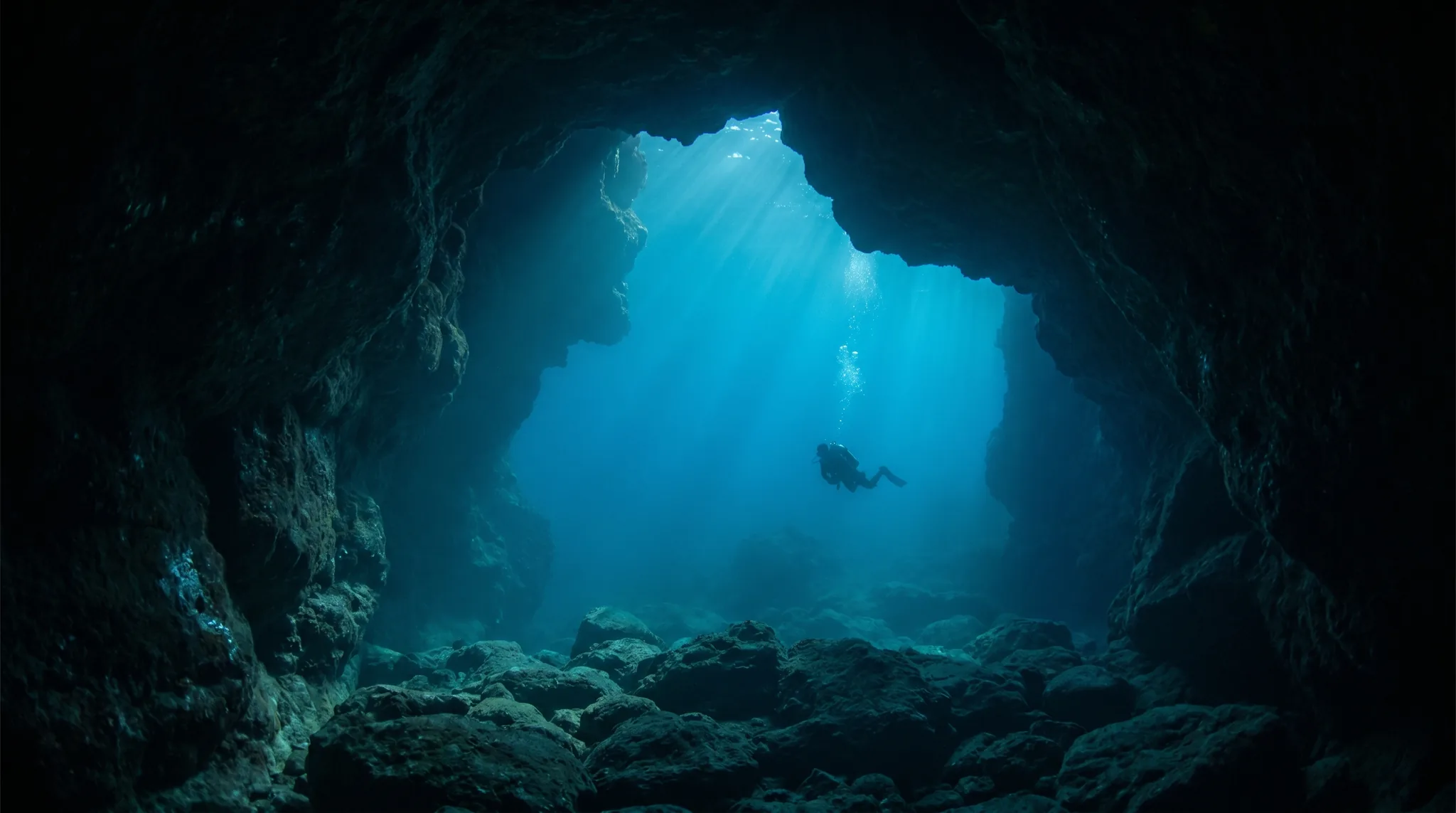
5Shallow reef, cavern, and seagrass diving on Île des Pins, with easy shore entry at most sites and one advanced cave requiring an underwater corridor.
Monthly water temperature across Île des Pins's sites, from satellite sea-surface data corrected for depth. The band shows the site-to-site spread.
Water is warmest from January through March and cools noticeably by mid-year, with the coolest months running from July through October. Visibility tends to improve in the cooler months, making the northern reef walls and cave systems particularly rewarding from September onward. The exposed boat sites at Gadji can carry current, so conditions are worth checking before heading out.
4 operators
New Caledonia
We, New Caledonia
New Caledonia
New Caledonia
Water temperature around Île des Pins ranges from about 23°C in July to 27°C in January, based on satellite sea-temperature data for its dive sites.
In the warm season (about 27°C) a rash guard or 3mm shorty is comfortable in Île des Pins; in the coldest months (about 23°C) step up to a 3mm full suit.
Fin maps 13 sites in Île des Pins (10 scuba diving sites and 5 snorkelling spots, with some suited to both), organised into 2 areas.
Across Île des Pins's dive sites, September, October and November are most often reported as the best months to visit.
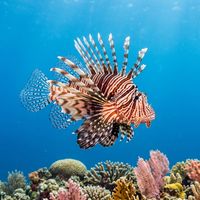
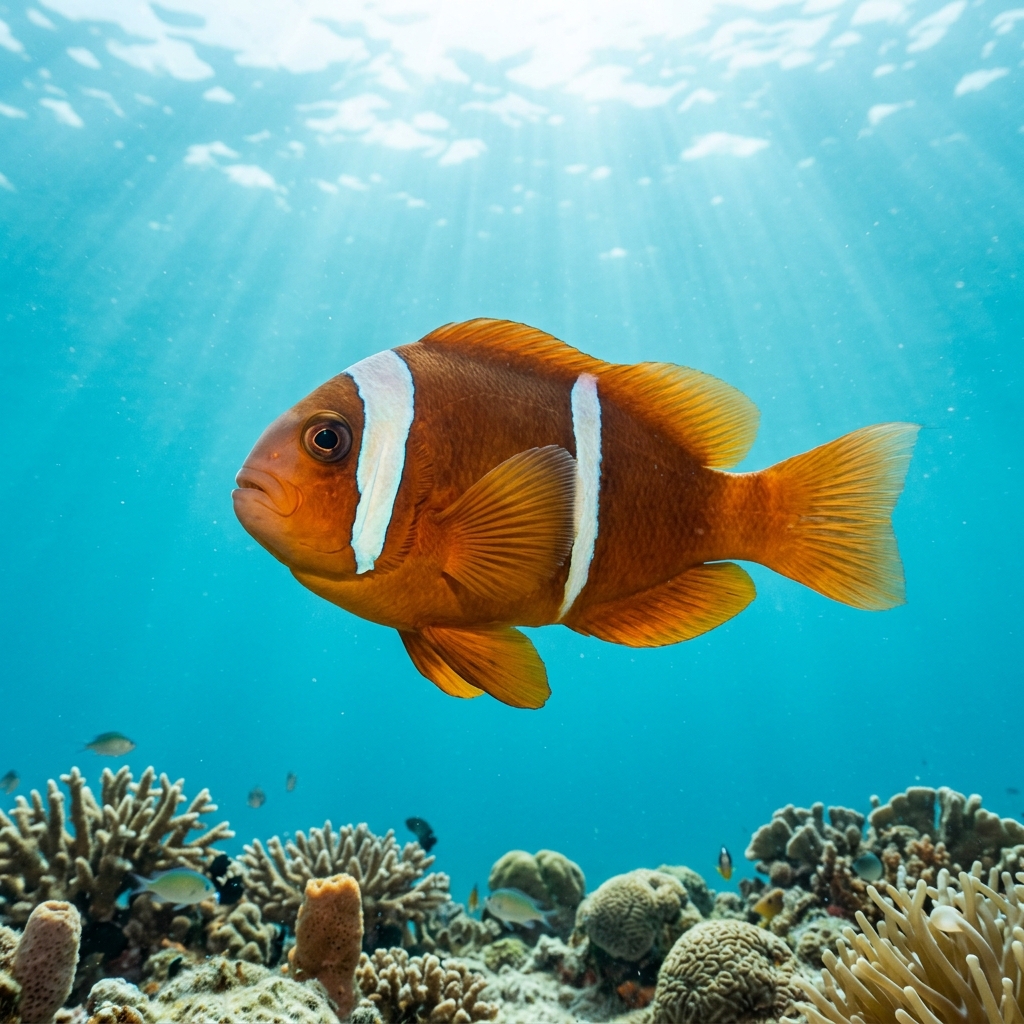
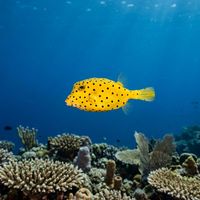
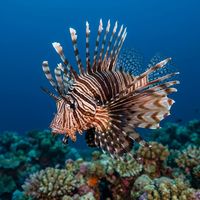
Observed species across the sites include Indian Lionfish, Zebra Lionfish, Grey Reef Shark, Sea Krait and Disco Clam, all of which are considered signature species for the region. Nudibranch variety is a particular highlight, with Blue-spotted Wrinkle Dorid, Halgerda willeyi and Tryon's Hypselodoris recorded consistently. Clownfish, including Barrier Reef Clownfish, Blackback Clownfish and Pink Skunk Clownfish, appear at many sites alongside Grouper and butterflyfish.
Yes, the Kuto and Kanumera area includes sites rated for beginners, while the Gadji and Northern Reefs lean toward intermediate and advanced levels. Daa Djare is listed as beginner-friendly despite reaching moderate depth, whereas Faille de Noupaa and Grotte de la Troisième are rated advanced. Beginners should discuss site selection with a local guide before heading to the northern zone.
Kuto and Kanumera is the calmer, shallower zone with shore-entry options including a cave and cavern site and easy snorkel spots. Gadji and Northern Reefs offers a more varied and demanding range, with boat-access walls, drop-offs and deeper cave systems such as Grottes de Gadji and Faille de Noupaa. Divers looking for current-fed reef passes will find Passe de Gie in the northern zone.
Shore entry is available at a handful of sites, particularly in the Kuto and Kanumera area, including La Piscine Naturelle, Kanumera Bay and Grotte de la Troisième. The majority of dive sites in the Gadji and Northern Reefs zone require a boat. With no listed operators currently in the data, it is worth confirming local boat access arrangements before planning a trip to the northern sites.