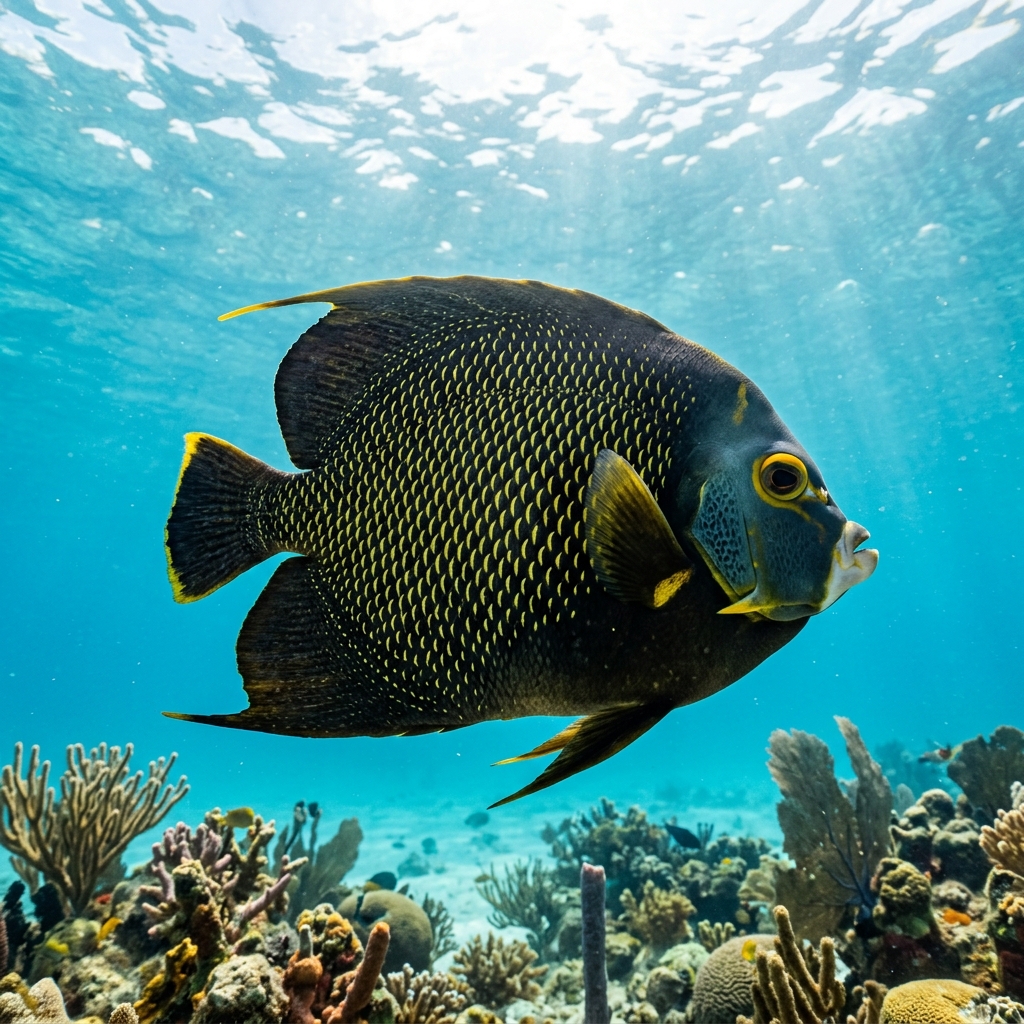
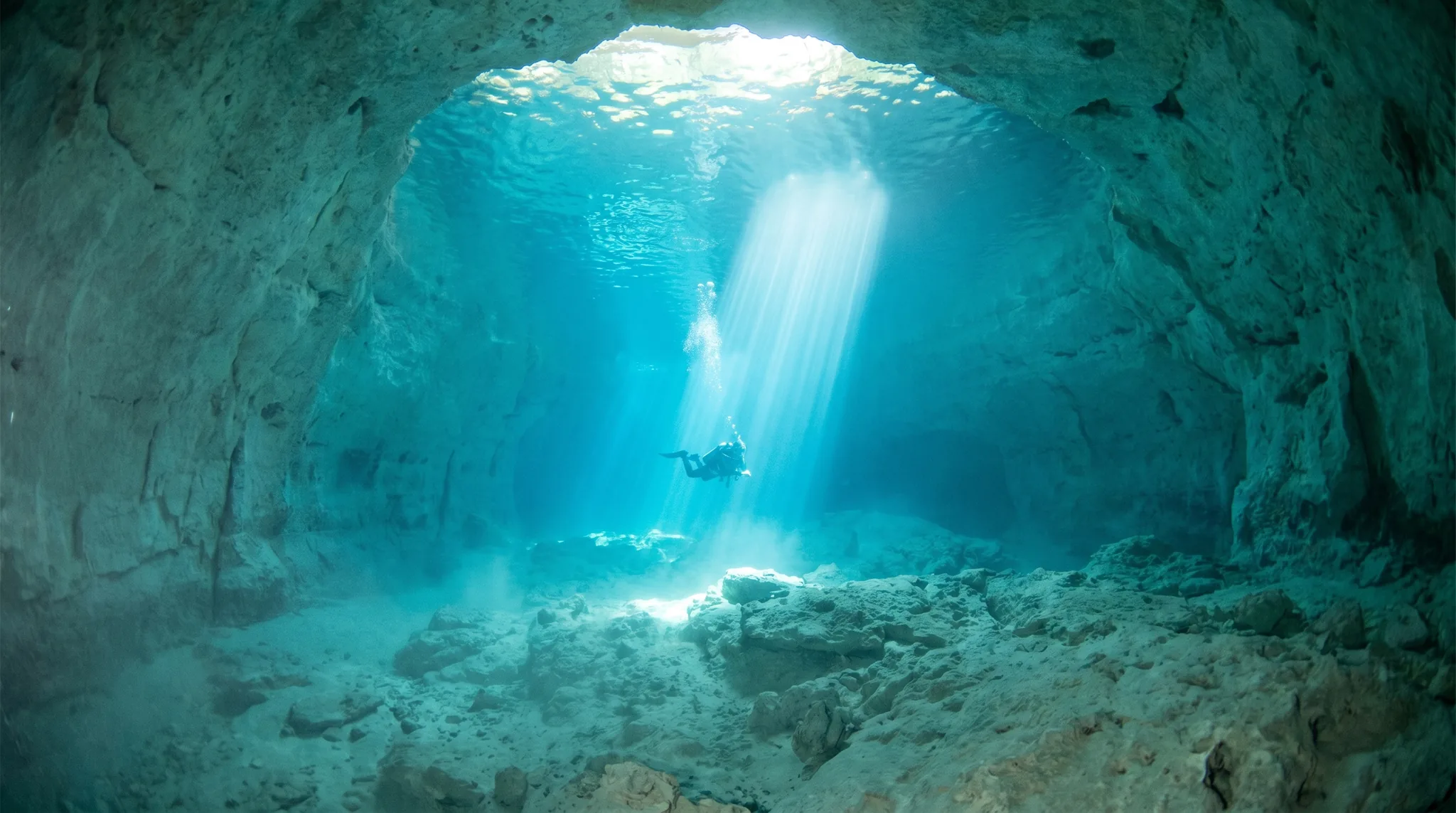
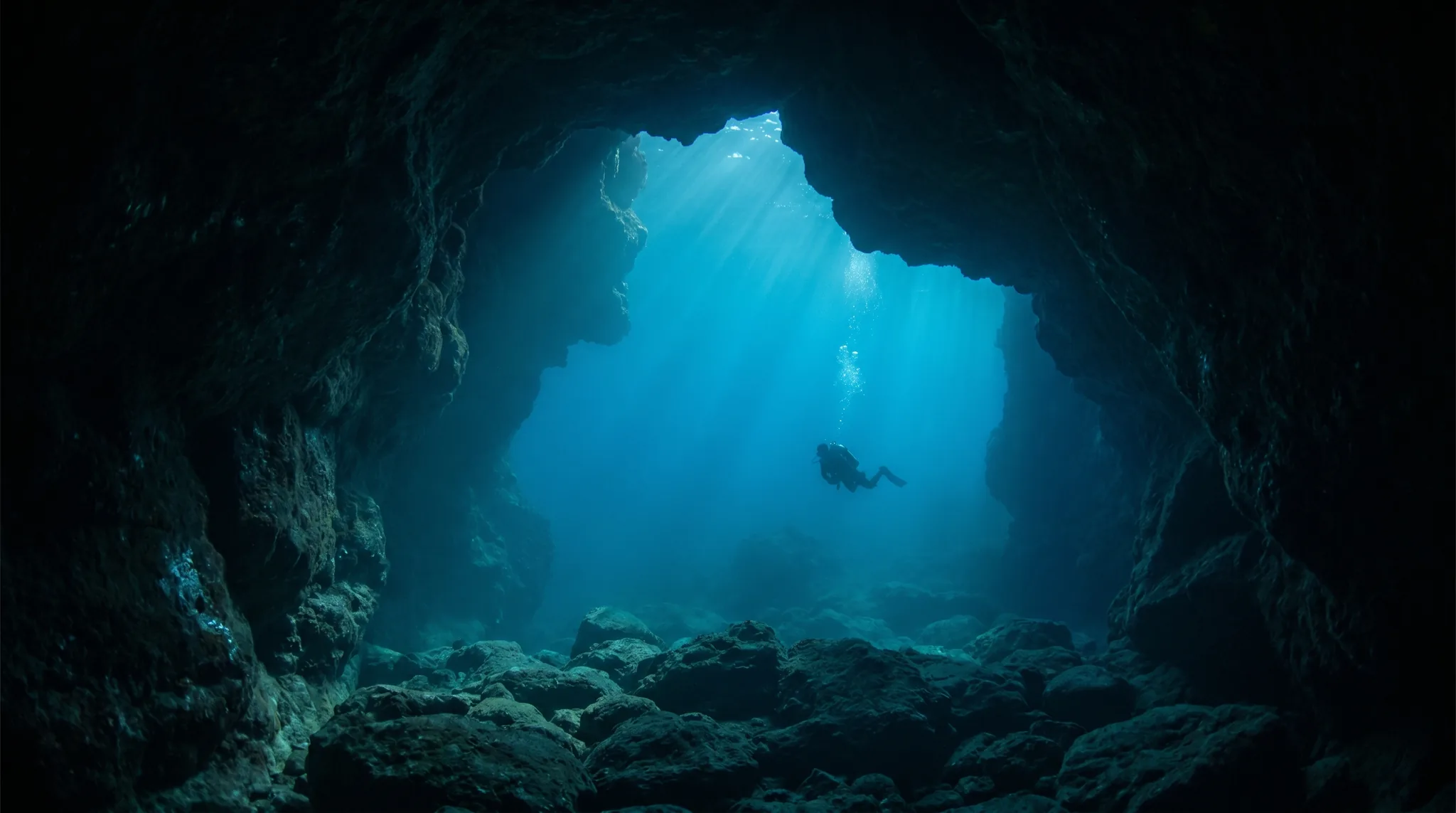
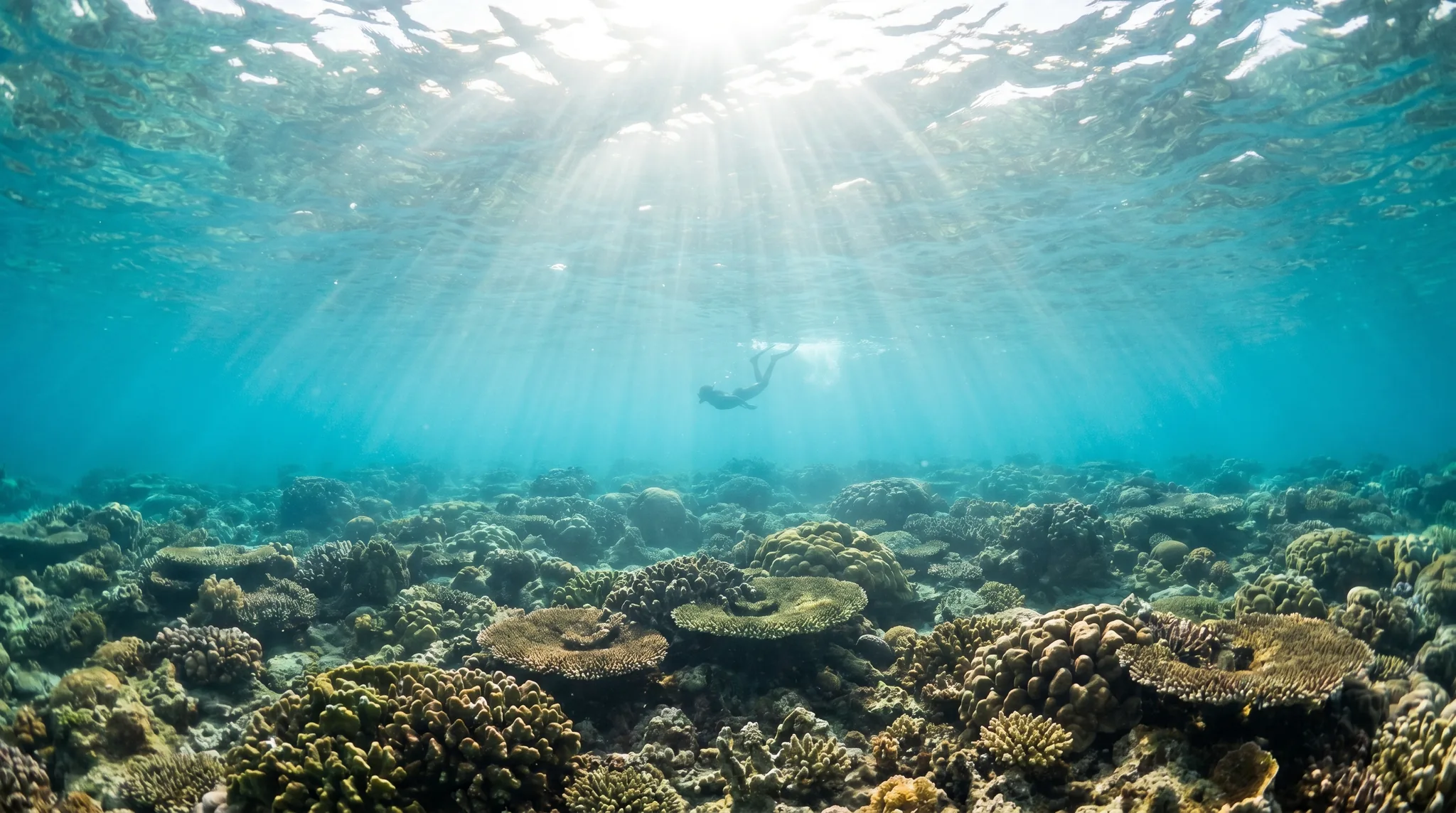
Riviera Maya divides its underwater world between two distinct experiences: freshwater cenote systems and barrier reef diving. Cenotes range from shallow, sunlit caverns accessible to beginners through to deep, advanced cave dives featuring haloclines and hydrogen sulphide layers. The reef sites in Akumal, Puerto Morelos and Playa del Carmen bring French Angelfish, Nurse Shark, Chupare Stingray and Great Barracuda. Tulum anchors the cenote-heavy south, while Puerto Aventuras and Playa del Carmen lean toward reef and open-water work.
5 areas
Monthly water temperature across Riviera Maya's sites, from satellite sea-surface data corrected for depth. The band shows the site-to-site spread.
Water stays warm throughout the year, with the upper end of the range arriving in late summer and early autumn. The histogram shows a dip in October and a secondary peak around May and June, suggesting shoulder seasons can offer a good balance of conditions and quieter sites. Cenote diving is largely sheltered, but exposed reef sites can carry current and surface chop depending on prevailing conditions.
178 operators


219 more sites to explore
Cenote cave systems and coral reef diving side by side, with stingrays, morays and angelfish among the highlights.
Water temperature around Riviera Maya ranges from about 27°C in January to 30°C in August, based on satellite sea-temperature data for its dive sites.
With water around 27–30°C, a rash guard or 3mm shorty works in Riviera Maya year-round.
Fin maps 231 sites in Riviera Maya (215 scuba diving sites and 44 snorkelling spots, with some suited to both), organised into 5 areas.
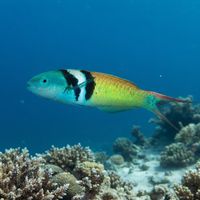
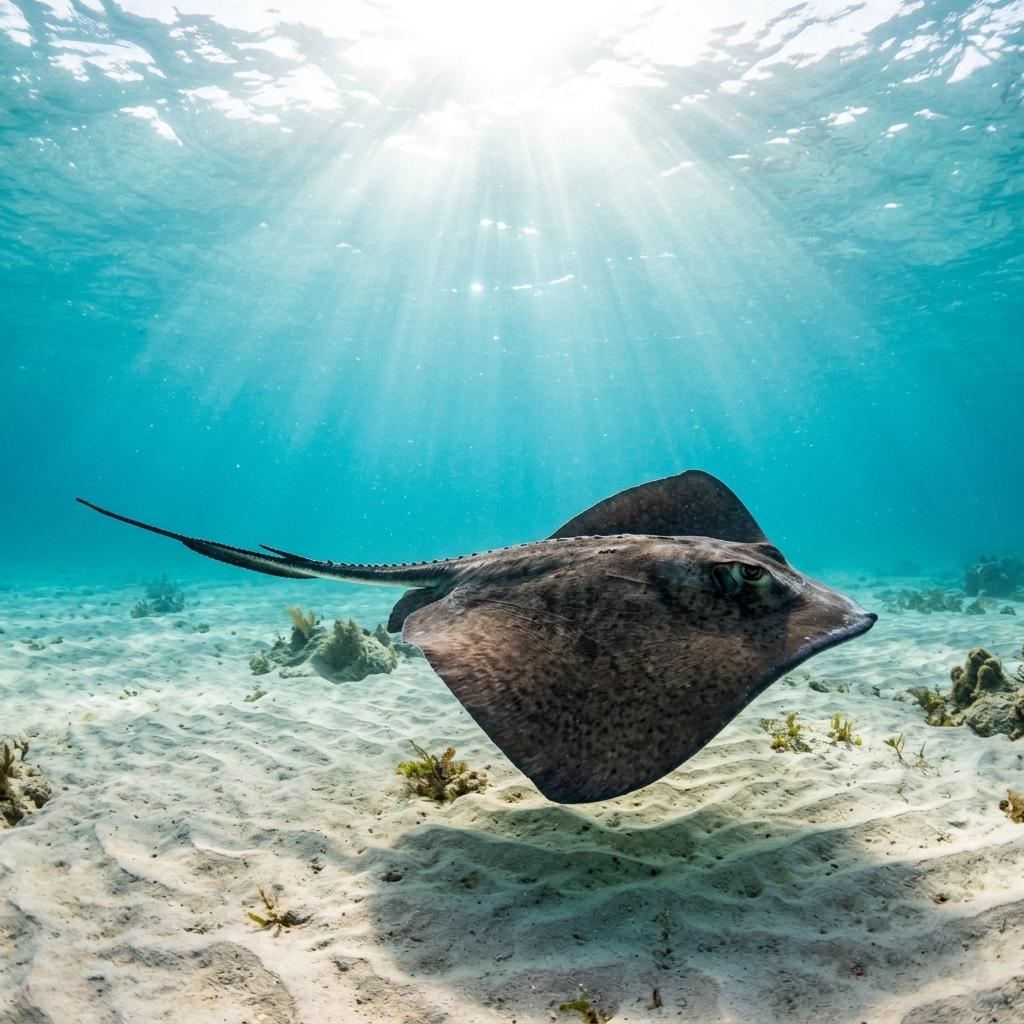
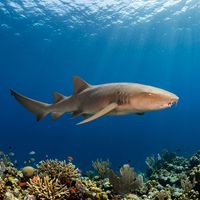
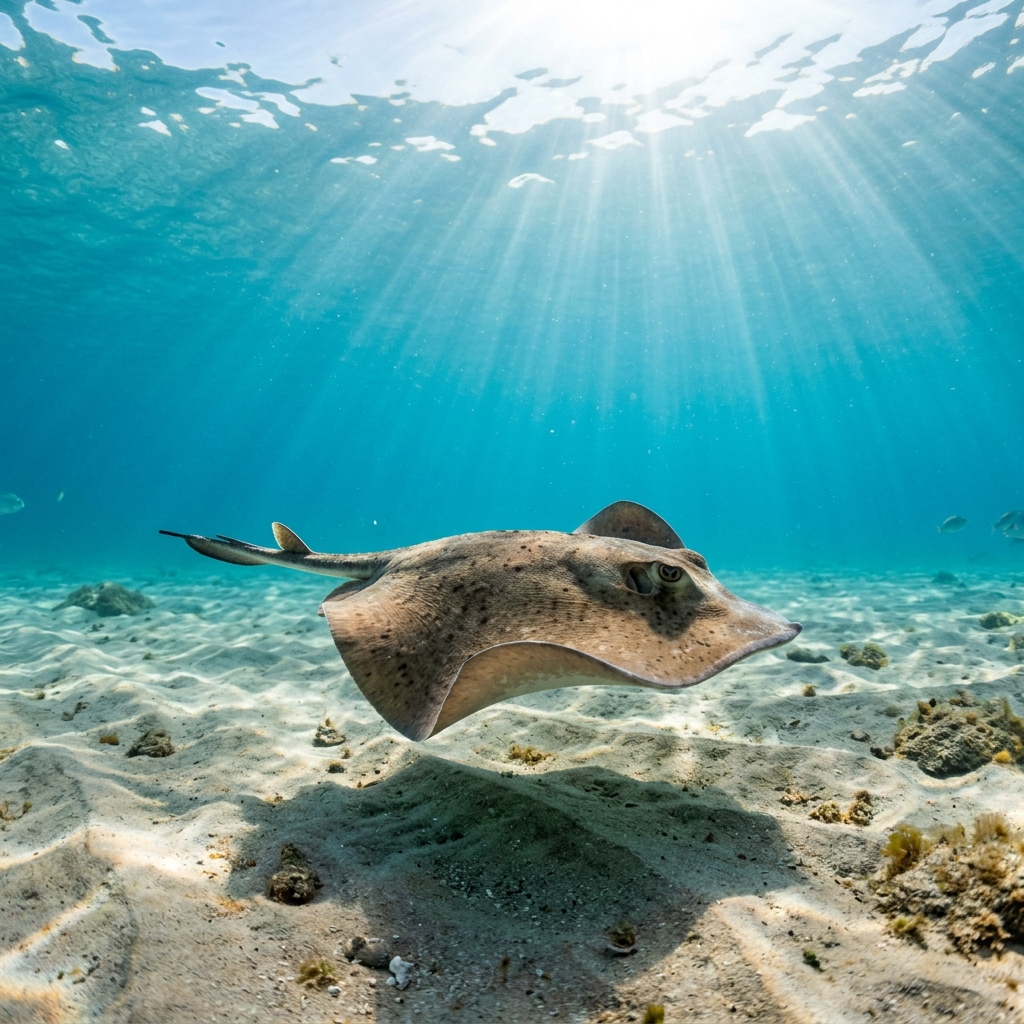
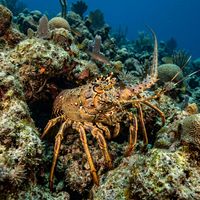
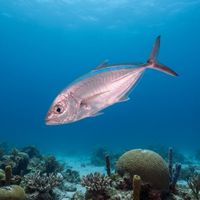
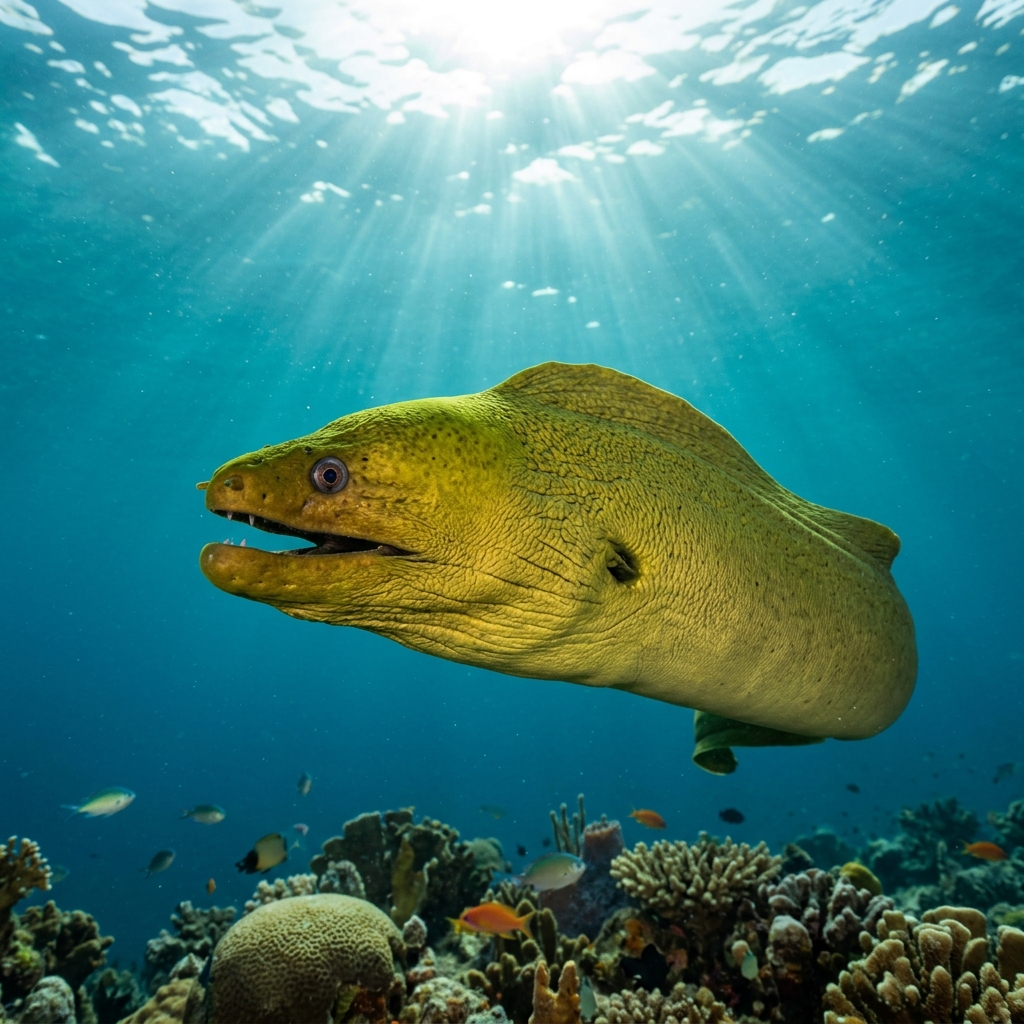
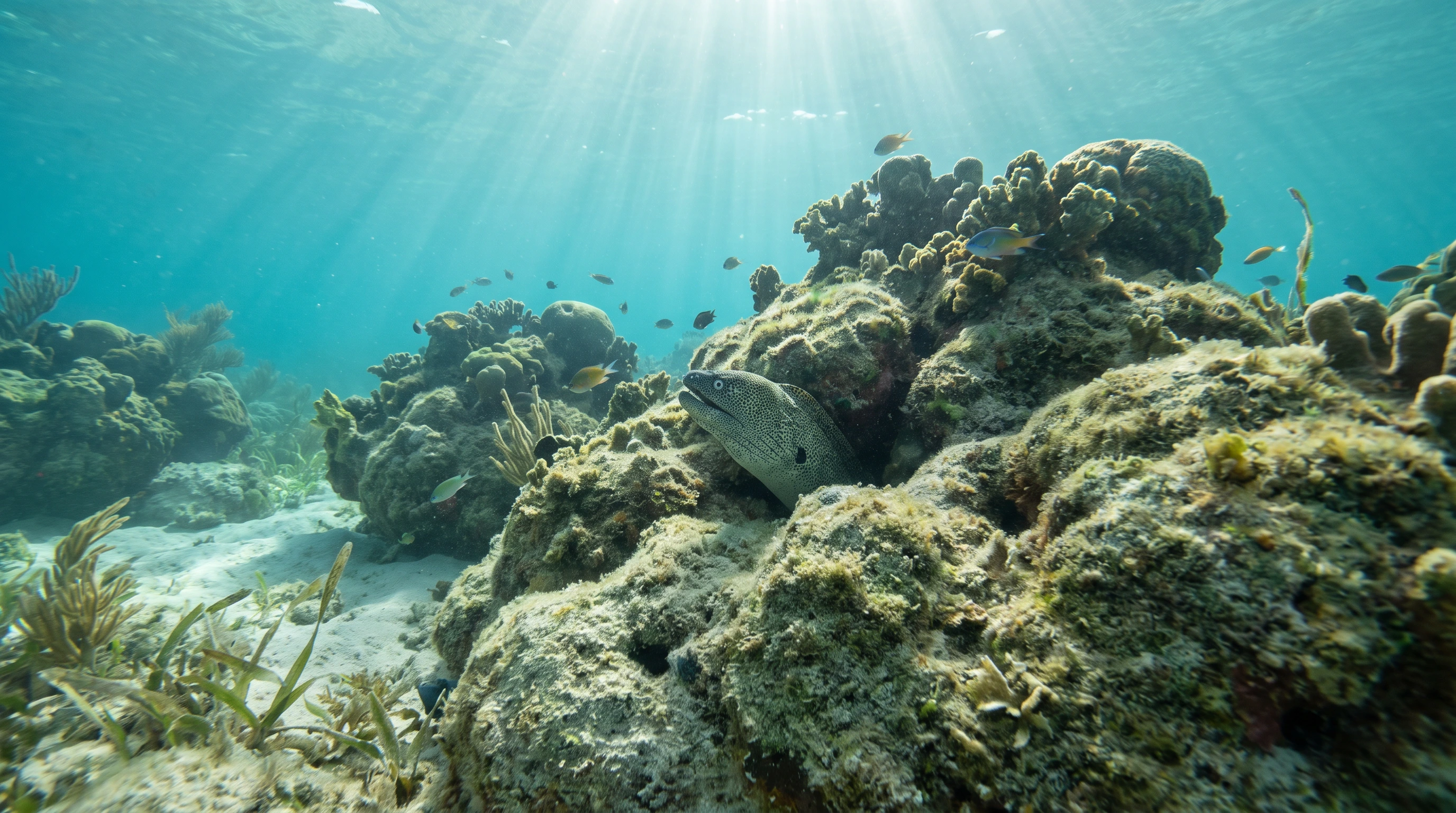
Reef sites regularly produce sightings of French Angelfish, Blue Tang, and Smooth Trunkfish, while signature species include Nurse Shark, Great Barracuda, Chupare Stingray, and Green Moray. Indian Lionfish are also commonly observed across a wide range of sites. Caribbean Spiny Lobster and Purple Sea Fan add further variety on the reef.
A good proportion of the region's sites are rated for beginners, including cenotes such as Cenote Chikin Ha, Cenote Kukulkan, and Cenote Pet Cemetery, as well as reef sites like Akumal Reef and Tankah II. Intermediate and advanced sites are also well represented, particularly among the deeper cave systems near Tulum, so the region works for a wide spread of experience levels.
Akumal and Tulum concentrate the cenote diving, with Akumal offering the largest number of sites overall and Tulum hosting deeper, more technically demanding cave systems. Puerto Morelos and Playa del Carmen lean more toward reef and open-water diving. Puerto Aventuras sits between the two and offers a broad mix of site types.
The majority of cenote sites are shore-entry, making them straightforward to access without a boat. Several reef sites, including Akumal Reef and Tankah II, are reached by boat. Some sites such as Cenote El Pit offer both entry options, giving divers flexibility depending on which operator they book with.