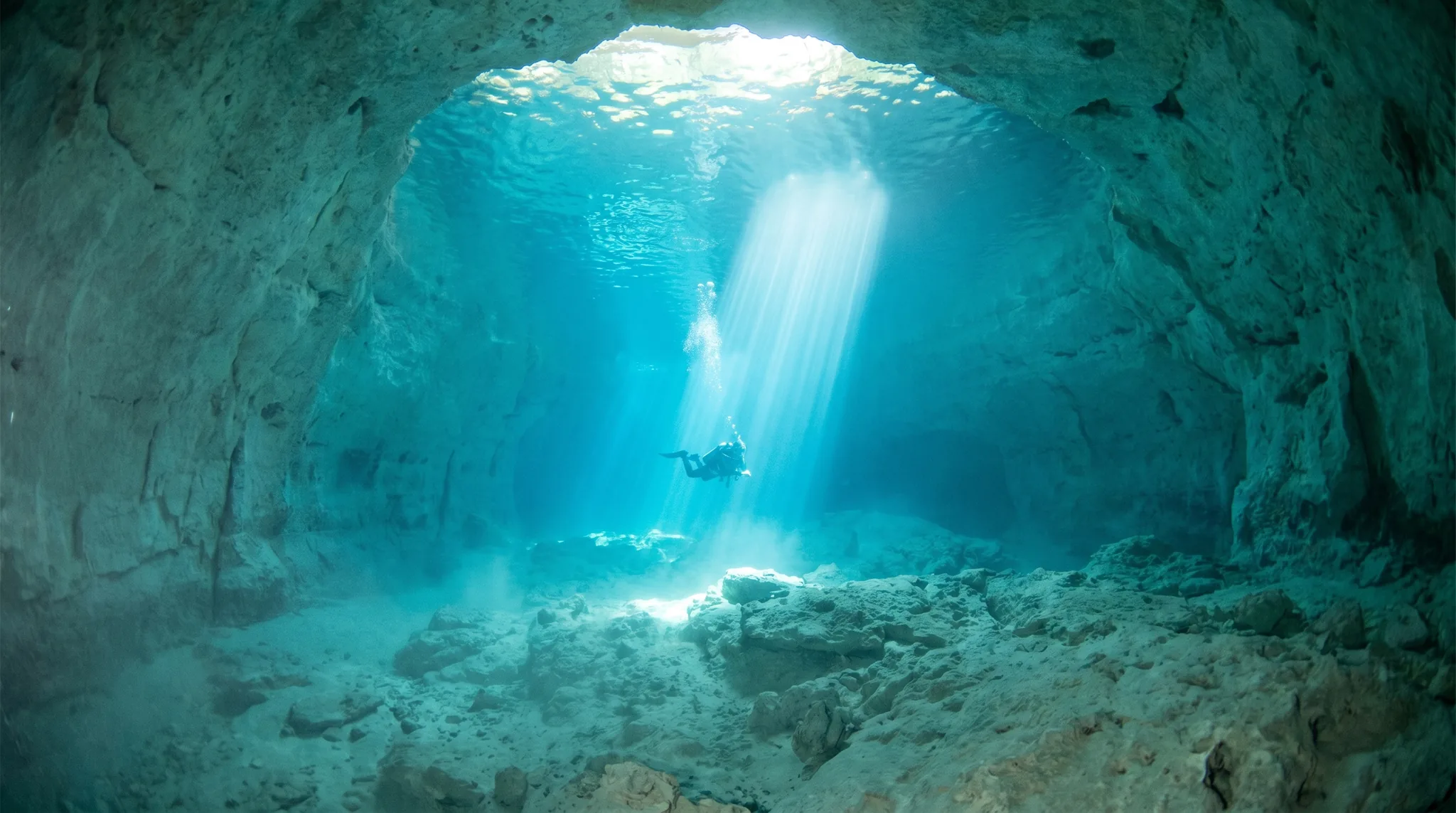
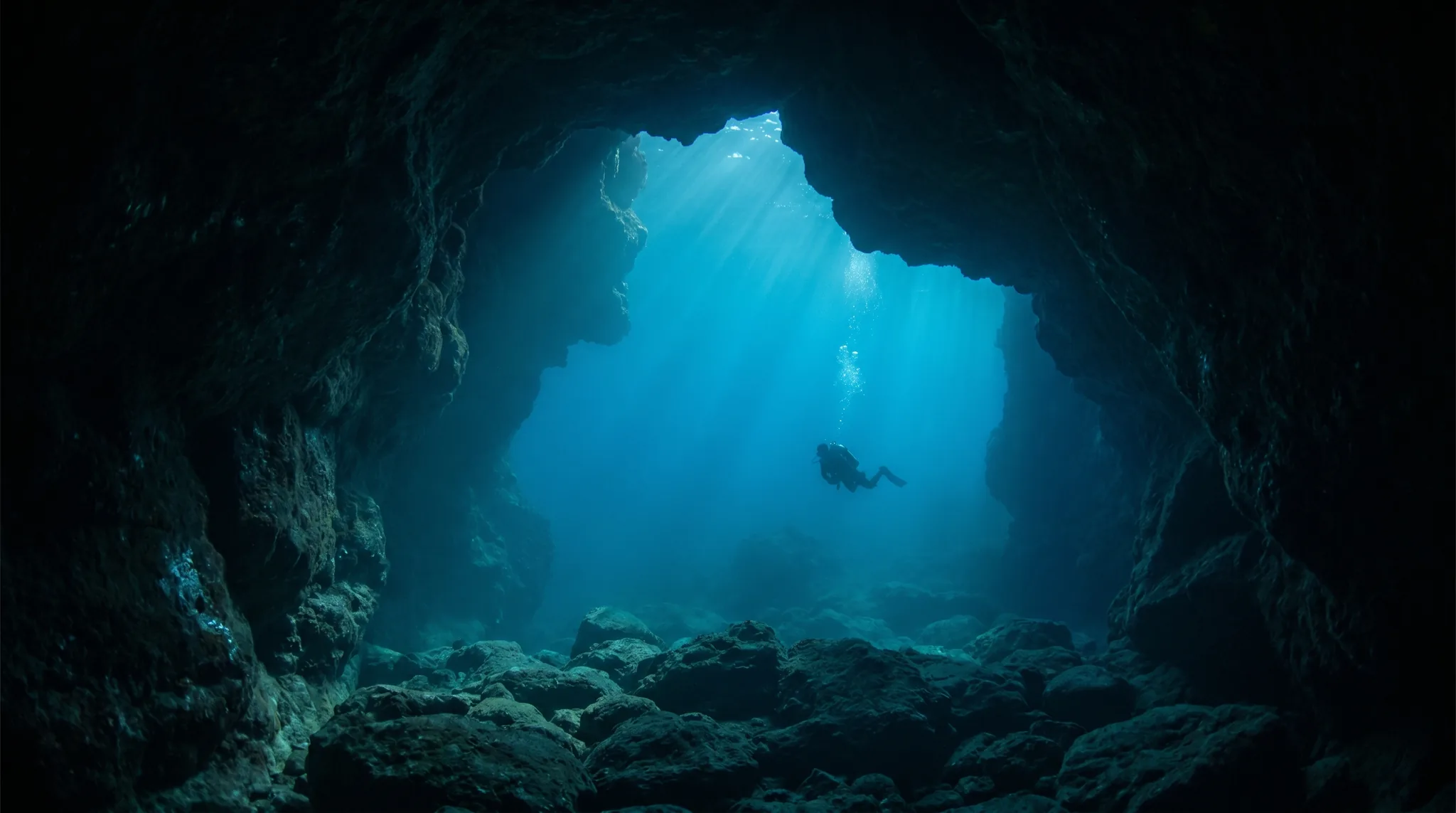
Playa del Carmen's dive scene is built around drift diving along coral reef systems, with currents doing much of the work as you move across brain coral, gorgonians, and sponge-covered walls. Sites range from shallow beginner reefs and cave dives to deep walls and drop-offs. The Bull Shark is the signature draw, joined by a rich cast of angelfish, moray species, stingrays, and Nurse Shark. Most sites require boat access and conditions suit all levels, from gentle shallows to strong-current walls.
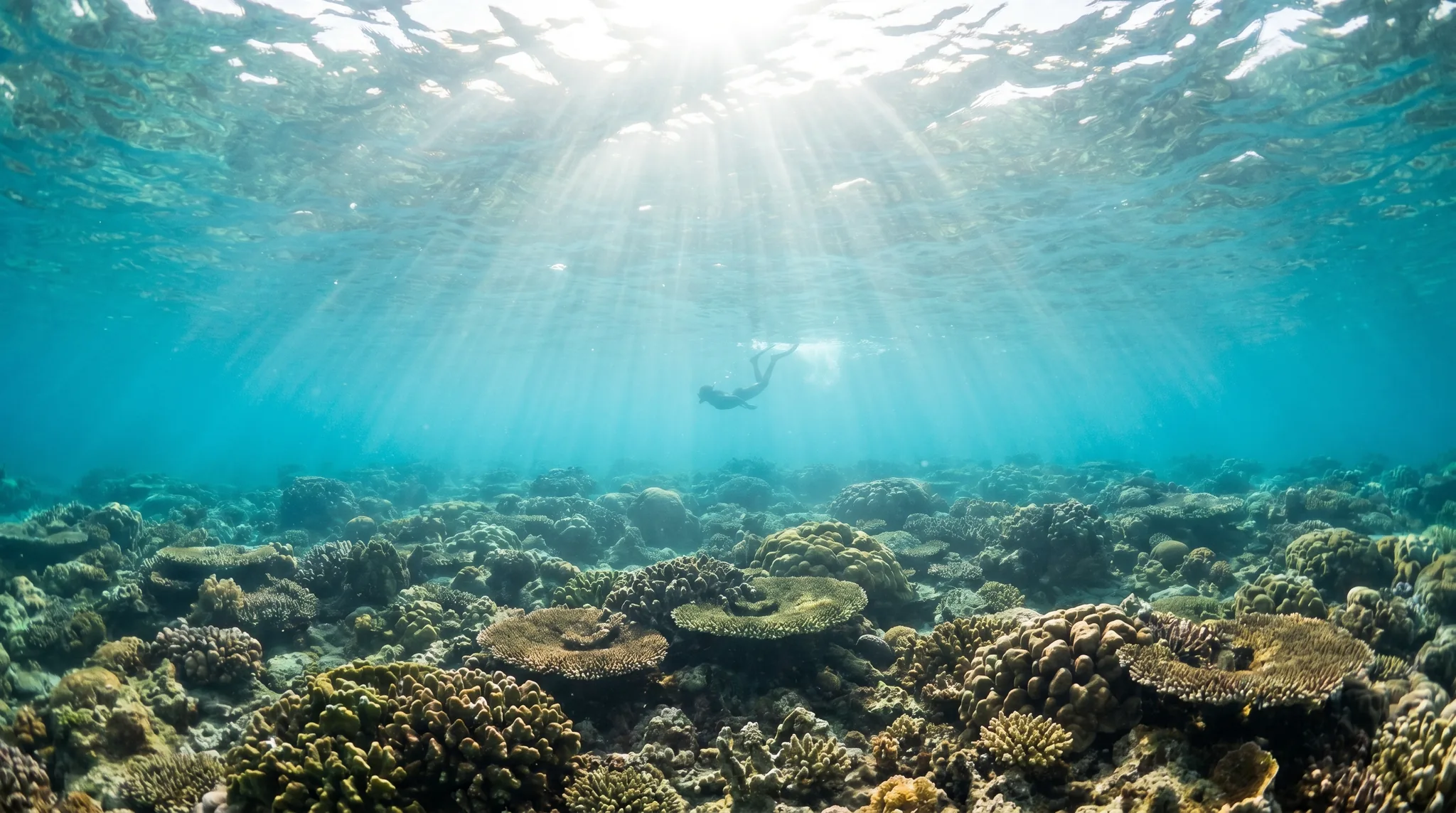
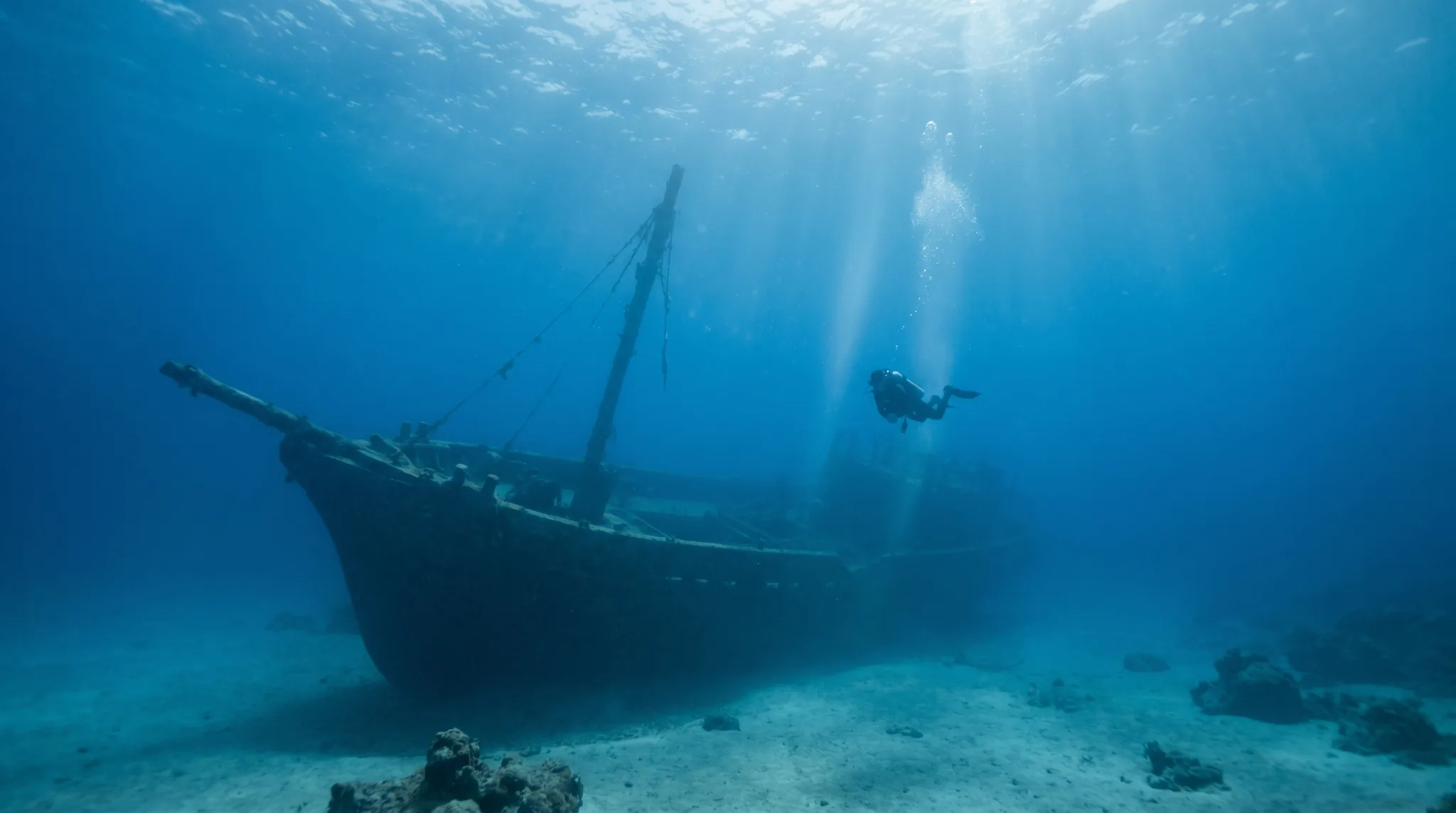
Monthly water temperature across Playa del Carmen's sites, from satellite sea-surface data corrected for depth. The band shows the site-to-site spread.
Water stays warm throughout the year, rising to its highest in late summer and early autumn, making a thin wetsuit sufficient at any point. Visibility is at its best from late winter through early summer and again in autumn, broadly aligning with the stronger diver-preference months. Drift currents can be strong at sites like Pared Verde and Moc-Che, so awareness of conditions before each dive matters.
69 operators


37 more sites to explore
Water temperature around Playa del Carmen ranges from about 27°C in January to 30°C in August, based on satellite sea-temperature data for its dive sites.
With water around 27–30°C, a rash guard or 3mm shorty works in Playa del Carmen year-round.
Fin maps 49 sites in Playa del Carmen (47 scuba diving sites and 7 snorkelling spots, with some suited to both).
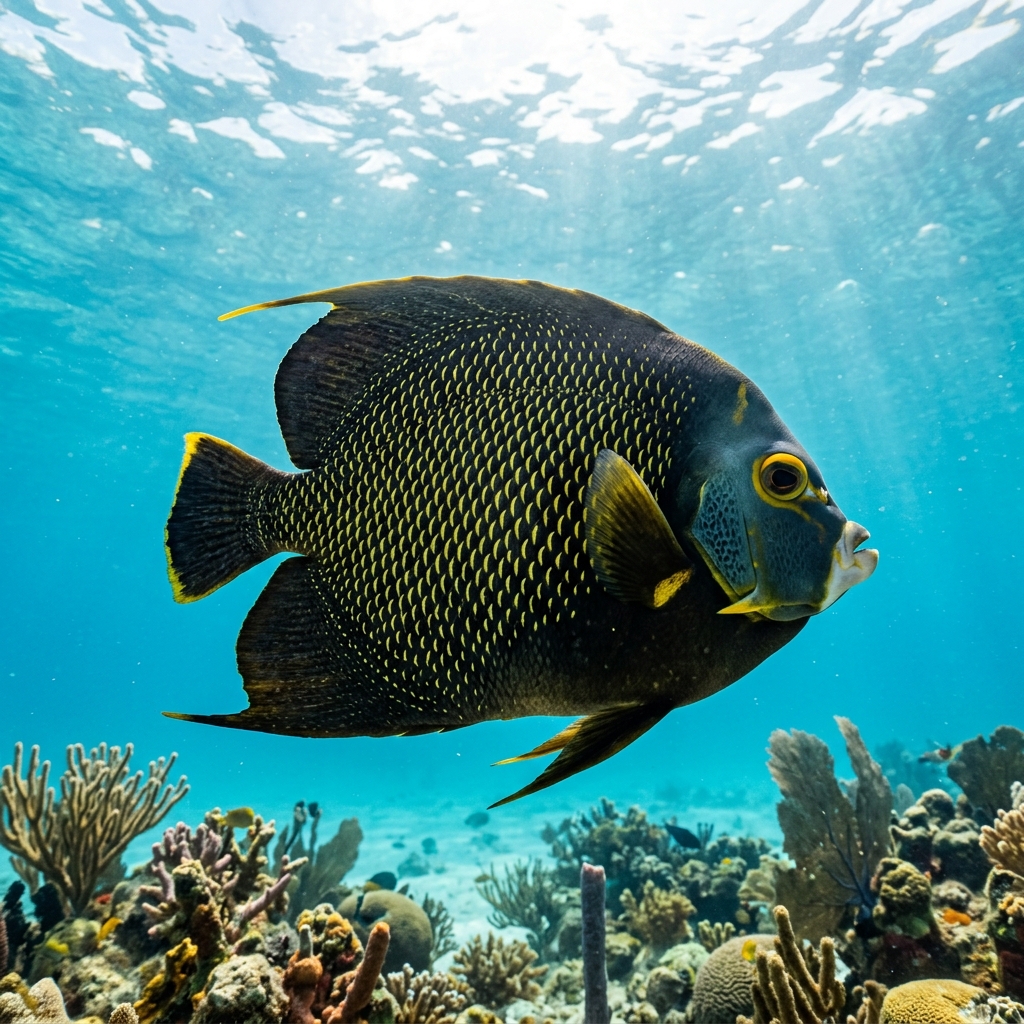
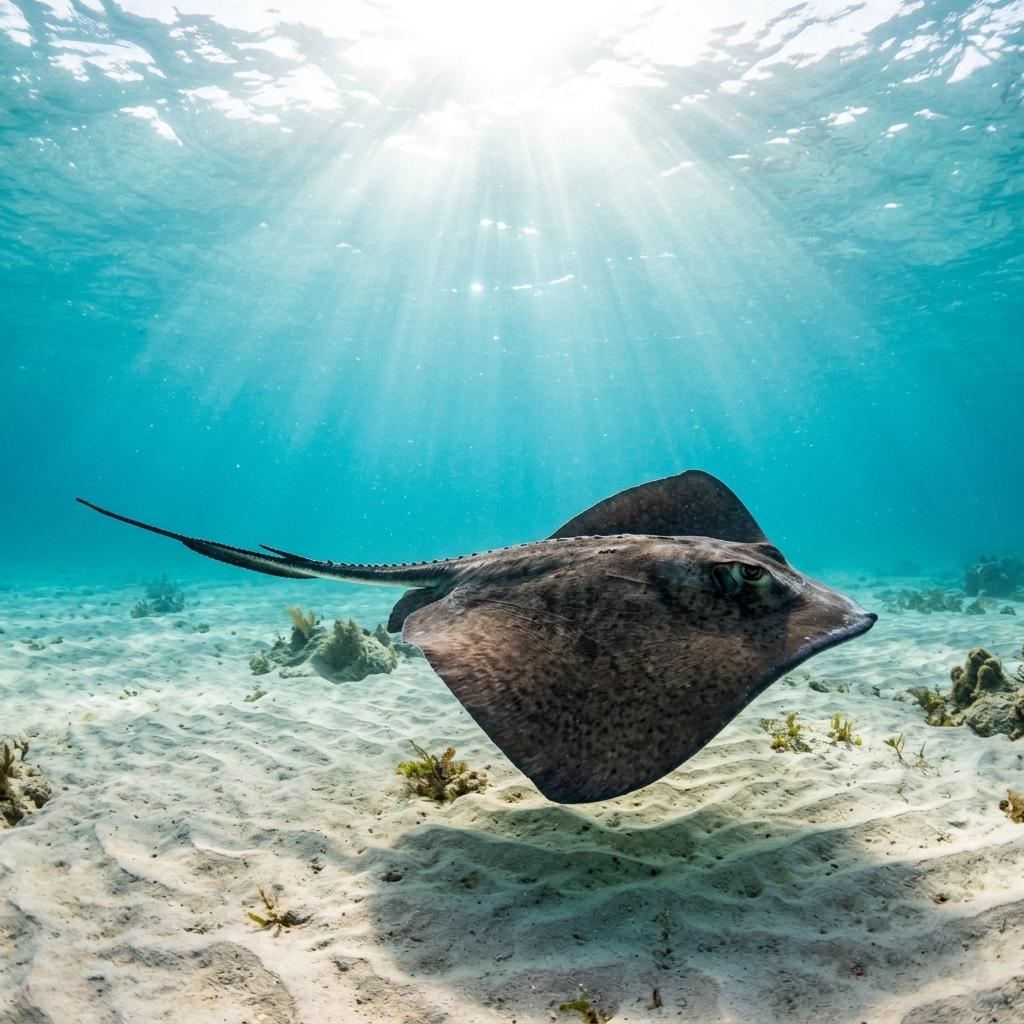
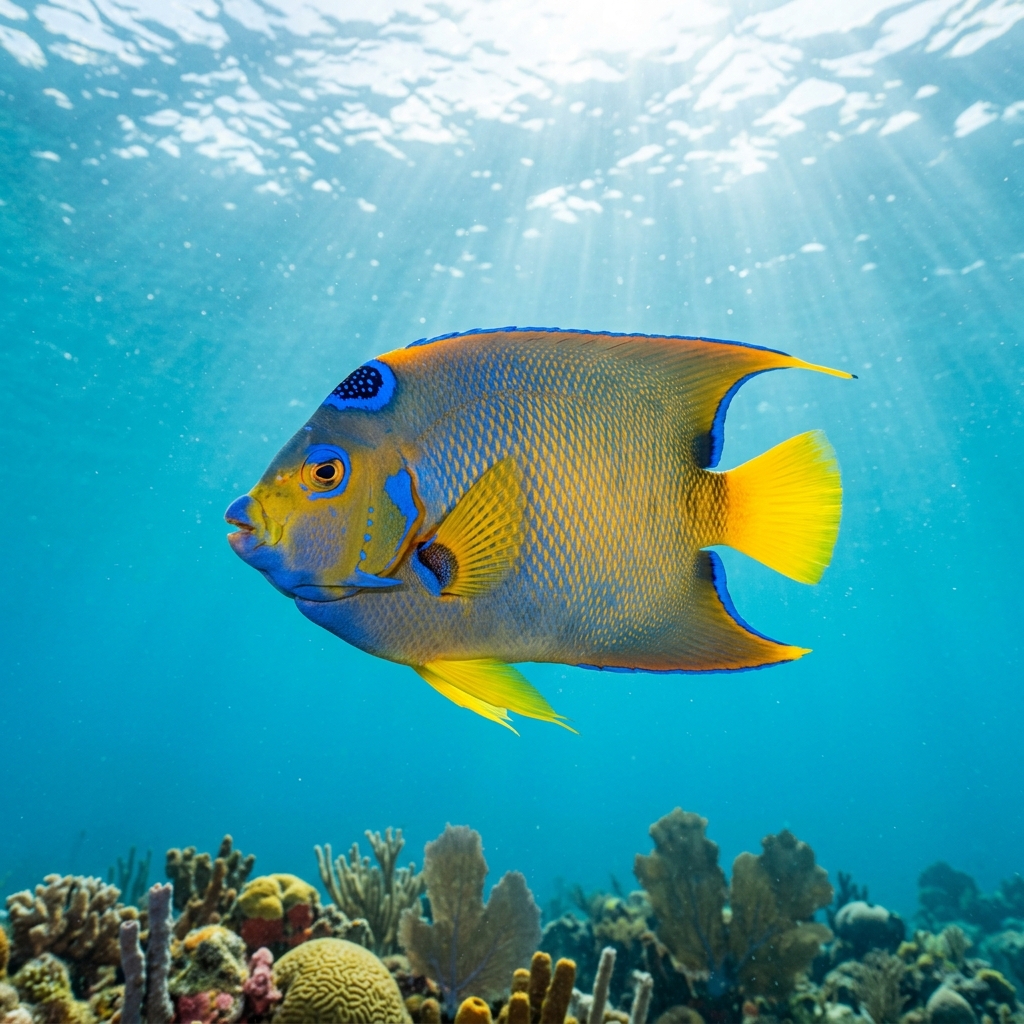
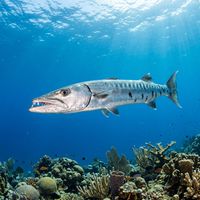
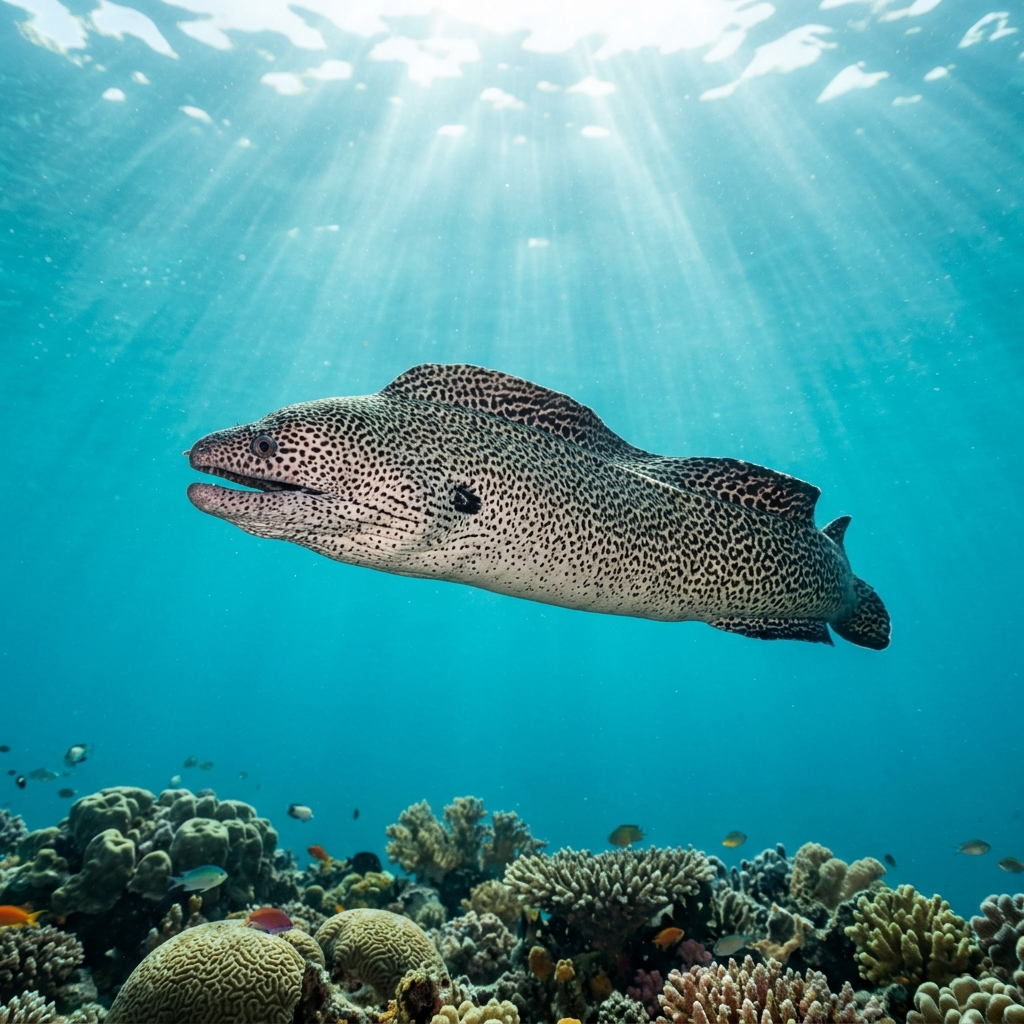
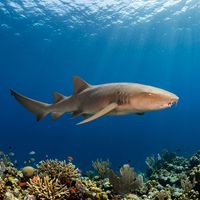
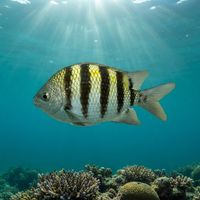
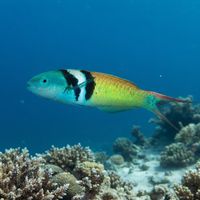
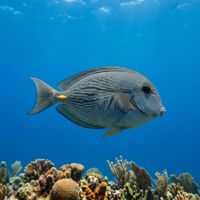
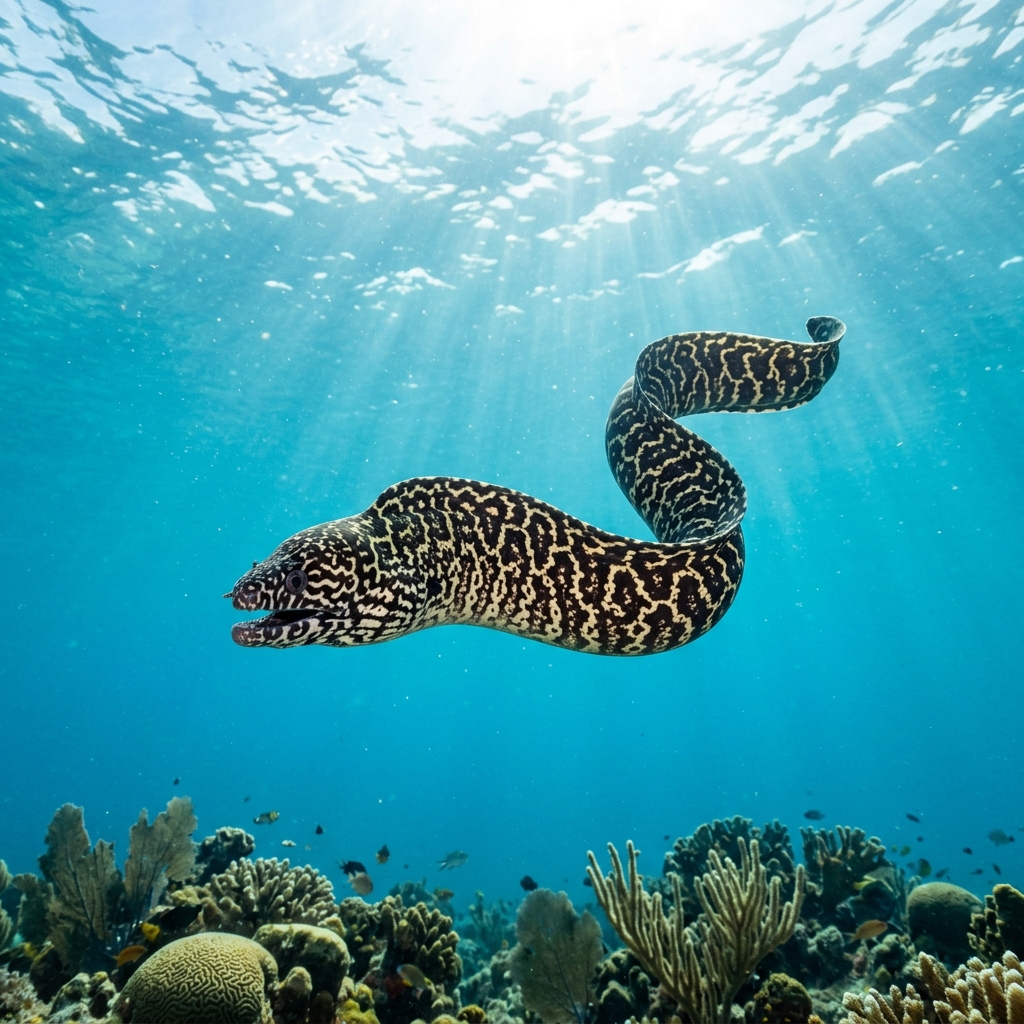
The reefs host an impressive range of species backed by observation records. French Angelfish and Blue Tang are seen on virtually every dive, while Queen Angelfish, Bar Jack, and Bluehead Wrasse are also very common. More striking encounters include Bull Shark, Nurse Shark, Chupare Stingray, Great Barracuda, and multiple moray species including Spotted Moray and Green Moray.
Yes, a good portion of the sites here are rated beginner or intermediate. Shallow drift reefs like Chun Zumbul Deep, Shangrila, Cerebros, and Jardines offer forgiving conditions and interesting coral at modest depths. The gentler currents at these sites make them a good introduction to drift diving, which is the dominant style across the area.
The vast majority of sites require boat access, and most operators run day-boat trips to the reef. Manatee Lagoon is an exception, accessible by shore as well as boat. With many operators based in the area, including Phantom Divers, Jaguar Divers, Deep Dive Mexico, and Pura Vida Diving, booking a boat trip is straightforward.
Beginner sites like Jardines and Cerebros sit at shallow depths with calmer currents and reef structures ideal for building confidence. Advanced sites such as Moc-Che, Pared Verde, and Mama Viña involve deep walls, strong drift currents, and in the case of Mama Viña, a wreck resting at significant depth. Bull Shark Point, an intermediate to advanced site, features a dramatic drop-off with the possibility of Bull Shark encounters.